Quick Tips for Hanging Posters Without Damage
Learning how to hang posters doesn't require nails, frames, or a handyman. Removable adhesive strips, poster putty, and washi tape are the three go-to methods that keep your walls clean and your posters secure. Match the adhesive strength to your poster's weight. Heavier prints need strips. Lightweight paper works fine with putty. 4OVER4.COM prints posters on a range of stocks, so knowing your paper weight matters before you stick anything to the wall.
Why Poster Hanging Methods Matter More Than You Think
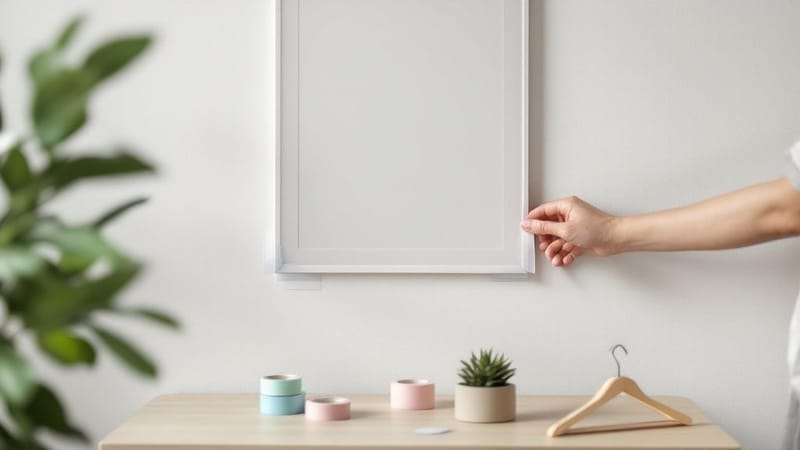
You spent time picking the perfect design. Maybe you browsed the Showcase for inspiration. Maybe you used one of the Design Templates to build something from scratch. Either way, a great poster deserves a great display - not a crumpled corner held up by old masking tape.
Posters
Starting from $108.75
Order premium custom posters for printing.
Free Design Templates:
| Quantity | Price Per Unit |
|---|---|
| 50 | $2.17 |
| 800 | $0.46 |
| 7,000 | $0.14 |
| 25,000 | $0.10 |
Ink Color
Finish
Folding
Scoring
Perforation
Proof Options
This guide covers how to hang posters without frames, without damage, and without spending more money than you need to. You'll learn which adhesives work best for different poster weights, how to prep your wall surface, and how to arrange multiple prints for a gallery-style look. Whether you're decorating a dorm room, a retail space, or a trade show booth, the right hanging method protects both your poster and your wall.
And if you're the type who likes keeping all your print materials in top shape, our guide on How To Clean Rubber Stamps is worth a read too.
Ink Color
Effect
Number of Flips
Effect Direction
Rounded Corners
Proof Options
The Complete Breakdown: Hanging Posters the Right Way
Hanging a poster sounds simple. Stick it to the wall, step back, done. But anyone who's peeled paint off drywall or watched a print curl and fall at 3 a.m. knows it's not always that straightforward. The method you choose depends on three things: your poster's weight, your wall surface, and how long you want it to stay up.
Let's walk through every option worth considering.
Removable Adhesive Strips: The Strongest Damage-Free Option
Adhesive strips are the gold standard for frameless poster hanging. Brands like Command make strips rated for several pounds of weight, which means they can handle thick cardstock, mounted prints, and oversized posters without breaking a sweat. They bond to smooth, painted surfaces and release cleanly when you pull the tab.
Here's how to use them right:
- Clean the wall with rubbing alcohol first. Dust and oils weaken the bond.
- Apply strips to the poster's corners and one in the center of each long edge.
- Press firmly for 30 seconds per strip. Don't rush this part.
- Wait one hour before letting go completely. The adhesive needs time to cure.
Adhesive strips work best on smooth drywall, metal doors, glass, and tile. They don't perform well on textured walls, brick, or freshly painted surfaces (wait at least 7 days after painting). If you're hanging Custom Aluminum Signs or mounted posters, double up on strips for extra security.
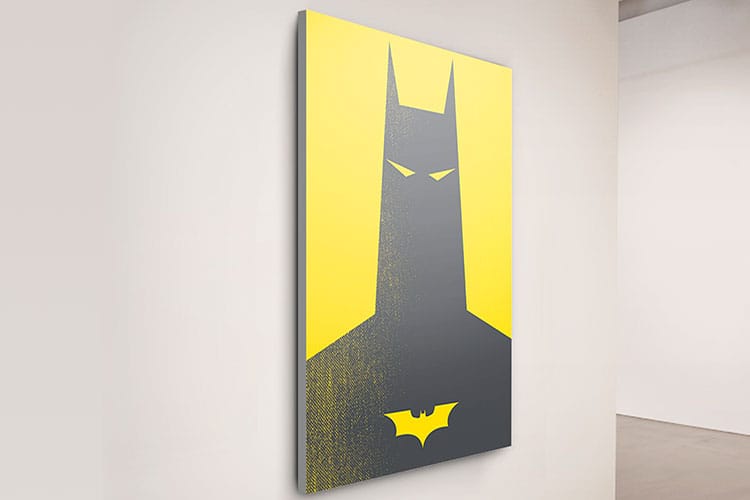
Mounted Posters
Mounted Posterseady to Print
Free Design Templates:
Poster Putty: Flexible and Reusable
Poster putty (sometimes called mounting putty or Blu-Tack) is a soft, clay-like adhesive you roll into small balls and press into each corner of your poster. It's reusable, cheap, and surprisingly effective for lightweight prints.
Best for: Standard paper posters, prints under 20 inches, and temporary displays. Putty actually works on textured walls where strips fail, because you can mold it into the wall's surface irregularities.
The catch? Putty doesn't hold much weight. A heavy glossy poster or anything on thick cardstock will eventually slide. Use it for paper-weight prints only. And don't use too much - a pea-sized ball per corner is plenty. Bigger globs leave oily residue.
Washi Tape: When the Adhesive Becomes Part of the Design
Washi tape is a thin, decorative paper tape that comes in hundreds of colors and patterns. It's not the strongest option, but it turns poster hanging into a design choice. Run strips along the edges of your poster to create a border effect, or use diagonal pieces at the corners for a pinned-on look.
This method works for very lightweight prints only. Think standard copy-weight paper or thin photo prints. It's popular in dorms, kids' rooms, and creative workspaces where the vibe is casual and the displays change often. Check out our Showcase to see how other customers style their printed materials.
Magnetic Poster Hangers: A Clean, Modern Alternative
Magnetic poster hangers use two thin wooden or metal rails that clamp the top and bottom edges of your poster between magnets. You hang the top rail from a single nail or adhesive hook. The poster hangs flat without any adhesive touching the print itself.
This is a great option if you're displaying a poster you want to protect long-term. No tape residue, no putty stains, no curling edges. The downside is you still need one small nail or hook at the top, so it's not 100% damage-free. But it's close.
Binder Clips and String: The DIY Gallery Wall
For a rustic or industrial look, string a thin wire or twine across your wall using two small hooks. Then clip your posters to the line with binder clips or mini clothespins. This creates a gallery-style display that's easy to rearrange.
It works well for displaying multiple smaller prints together. If you're creating How To Make Flyers or promotional materials for a retail space, this method lets you rotate designs quickly without touching the wall each time.
Preparing Your Wall Surface
No matter which method you choose, wall prep is the step most people skip - and it's the reason most posters fall down.
- Clean the surface. Wipe the area with rubbing alcohol or a damp cloth. Let it dry completely.
- Check the paint. Adhesive strips and putty work best on semi-gloss or satin finishes. Flat/matte paint is more likely to peel when you remove adhesive.
- Test a small spot. Stick a strip or piece of putty in an inconspicuous corner. Wait 24 hours, then remove it. If the paint stays intact, you're good.
- Avoid humidity. Bathrooms and kitchens with steam can weaken adhesive bonds over time.
Hanging Heavy or Oversized Posters
Large format prints and mounted posters need extra attention. A 24x36 poster on thick stock can weigh enough to pull standard putty right off the wall. For these, use heavy-duty adhesive strips rated for at least 3-4 pounds. Place strips every 8-10 inches along the top edge, plus two on each side.
4OVER4.COM offers Mounted Posters that come adhered to rigid foam board. These look sharp and professional, but they're heavier than standard prints. Plan your hanging method before the poster arrives. If you want something even more durable for permanent displays, browse our Custom Magnets Faq guide for magnetic mounting ideas.
Arranging Multiple Posters: Layout Tips
Hanging one poster is simple. Hanging five in a way that looks intentional? That takes a plan.
- Grid layout: Equal spacing between identical-sized prints. Clean and modern. Measure twice.
- Salon style: Mixed sizes arranged organically around a center point. More creative, more forgiving of imperfect spacing.
- Horizontal line: All posters aligned along their center line. Works great in hallways and above furniture.
Before sticking anything to the wall, lay your posters on the floor in the arrangement you want. Use painter's tape to mark the corners on the wall. Step back and look at it from across the room before committing.
If you're working on a larger print project - maybe event signage or promotional displays - the Faq Hub has guides on everything from How To Fold A Brochure to How To Make Envelopes.
How Long Will Each Method Last?
Adhesive strips can hold for months or even years on the right surface. Poster putty typically stays strong for 3-6 months before it dries out and needs replacing. Washi tape is the least durable - expect to re-apply every few weeks, especially in warm rooms where the adhesive softens.
For semi-permanent displays in offices, lobbies, or retail spaces, adhesive strips or magnetic hangers are your best bet. For rotating displays and seasonal decor, putty and washi tape give you the flexibility to swap prints without any hassle.
Here are some real examples from 4OVER4.COM customers who've put their poster displays together beautifully.
And if you're still in the design phase, these templates can help you get started quickly.
Need a blank canvas? These blank poster templates are ready for your custom artwork.
Blank Templates
Poster Hanging Mistakes That Ruin Your Walls (and Your Prints)
Even simple projects go sideways when you skip the basics. Here are the most common mistakes people make when learning how to hang posters - and how to avoid them.
- Skipping wall prep. Dusty or oily walls cause adhesive failure within days. Always clean first.
- Using too much putty. Oversized blobs leave greasy stains on both the wall and the poster. A pea-sized ball per corner is enough.
- Choosing the wrong adhesive for the weight. Washi tape on a heavy mounted poster? That poster is hitting the floor by morning. Match the method to the print weight.
- Pulling strips straight out instead of down. Removable strips are designed to release when you pull the tab slowly downward, parallel to the wall. Yanking them outward tears paint.
- Hanging on freshly painted walls. New paint needs at least 7 days to cure. Adhesive applied too soon will peel the finish right off.
- Not measuring spacing. Eyeballing a multi-poster layout leads to crooked, uneven displays. Use a level and painter's tape to mark positions first.
4OVER4.COM prints posters on a variety of paper stocks, so check your poster's weight before choosing an adhesive. A thicker stock like a Mounted Poster needs heavy-duty strips, not putty.
Best Poster Products for Every Hanging Method
The poster you print determines how you hang it. Lightweight paper posters work with putty or washi tape. Mounted Posters on foam board need heavy-duty adhesive strips or a nail-and-hanger setup. 4OVER4.COM's 3D Lenticular Posters are rigid and heavier, so plan for strips rated at 4+ pounds.
Need your prints fast? 4OVER4.COM offers Same Day Printing so you can get posters in hand and on the wall without waiting around.
Here's a breakdown of poster options, specs, pricing, and what real customers have to say about them.
Free Design Templates


| Hanging Method | Best For | Damage Risk | Reusability |
|---|---|---|---|
| Removable Strips | Heavier posters, smooth walls, semi-permanent | Very Low | Single-use strips |
| Poster Putty | Lightweight posters, textured or smooth walls | Very Low | High |
| Washi Tape | Very lightweight posters, decorative borders | Low | Low |
| Poster Hangers/Rails | Reusable displays, protecting poster edges | Low to Medium (tiny nail) | High |
| Bulldog/Binder Clips | Casual or industrial look, easy to swap art | Low to Medium (tiny nail) | High |
- Removable Adhesive Strips: These are your best bet for heavier posters. They provide a really secure, long-lasting hold, especially on smooth surfaces.
- Poster Putty: This is perfect for lightweight posters and even works well on textured walls, since you can mold it to fit into all the little bumps and grooves.
- Washi Tape: A super decorative choice for very light posters. It basically turns the adhesive into part of the art by creating a cool, creative border.
- Lightweight Posters on Smooth Walls: Good old-fashioned poster putty is your best bet here. Just knead a small piece until it’s warm and soft, then stick a little ball in each corner. It’s super forgiving and makes repositioning a breeze.
- Heavier Posters on Smooth Walls: This is where high-quality removable strips or hook-and-loop fasteners really shine. They distribute the poster's weight much more evenly and give you a stronger hold that helps prevent those annoying curling edges.
- Any Poster on Textured Walls: Putty is often the winner on textured surfaces. Unlike flat tapes, you can press the putty right into the wall’s little nooks and crannies, which creates a much stronger physical bond where a strip might just peel away.
- First, fasten two binder clips to the top edge of your poster, spaced out evenly.
- Then, just hang the clips from small nails, thumbtacks, or clear adhesive hooks on the wall.
- The Overlap: Run one side of the tape just past the corner, then lay the next piece directly over it. Grab a craft knife to trim the excess for a clean right angle. Simple and effective.
- The Mitered Corner: Let the tape extend past the corner, then fold it back on itself at a perfect 45-degree angle before continuing down the next side. This gives you a seamless, picture-frame look.
- The Track: A slim metal rail that you mount directly to the wall, usually just below the ceiling line.
- The Cables: These are typically thin cords made of nylon or steel that hook into the track and hang down vertically.
- The Hooks: These are the real magic. They're fully adjustable and slide up and down the cables, letting you position your poster at the perfect height.
- Try hanging binder clips from a single thumbtack or a small adhesive hook.
- Magnetic hangers are also great here since they suspend the poster from one central point.
Your Poster Hanging Questions, Answered
What's the best way to hang posters without damaging walls?
Removable adhesive strips are the most reliable damage-free method. Clean the wall surface first, apply strips to the poster's corners and edges, and press firmly for 30 seconds each. They hold for months and pull off cleanly when you're ready to redecorate.
Can I use poster putty on textured walls?
Yes. Poster putty actually works better on textured surfaces than adhesive strips do. The putty molds into the wall's bumps and grooves, creating a stronger grip. Just keep it to lightweight paper posters - putty can't support heavy or mounted prints on any surface.
How do I hang a heavy mounted poster without nails?
Use heavy-duty removable adhesive strips rated for 3-4 pounds or more. Place strips every 8-10 inches along the top edge and add two on each side. 4OVER4.COM's Mounted Posters are adhered to rigid foam board, so they need this extra support to stay flat against the wall.
Will adhesive strips work on freshly painted walls?
Not right away. Fresh paint needs at least 7 days to fully cure before you apply any adhesive. Sticking strips on too early pulls the paint off when you remove them. Test a small, hidden spot first if you're unsure about your paint's condition.
How do I hang posters in a straight line?
Use a level and painter's tape. Mark the top corners of each poster position with small tape pieces, then step back and check alignment from across the room. Lay posters on the floor first to test your arrangement before committing to the wall.
How often do I need to replace poster putty?
Every 3-6 months on average. Putty dries out over time and loses its grip. If your poster starts sagging or sliding, peel off the old putty, roll fresh pieces, and reapply. It's cheap and takes about two minutes.