
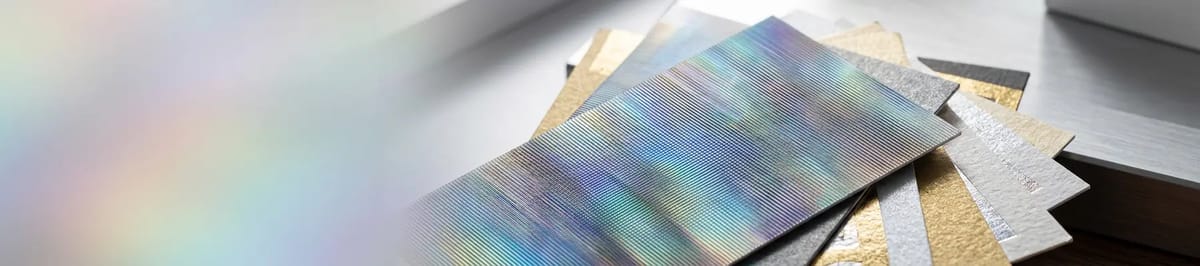
Lenticular Printing Collection
Lenticular printing on 31pt lens stock in eight formats, from business cards and bookmarks to posters up to 31 by 23 inches, with a 2, 3 or 4 image flip.
8 products available
★ 4.8/5 from 10,000+ Reviews • 110% Price Match • Free ProofsShop All Lenticulars


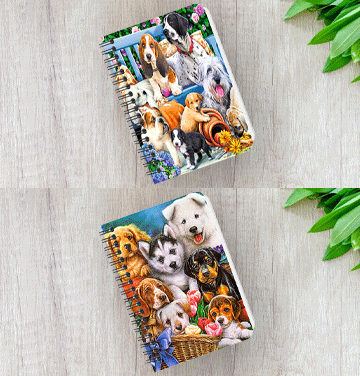

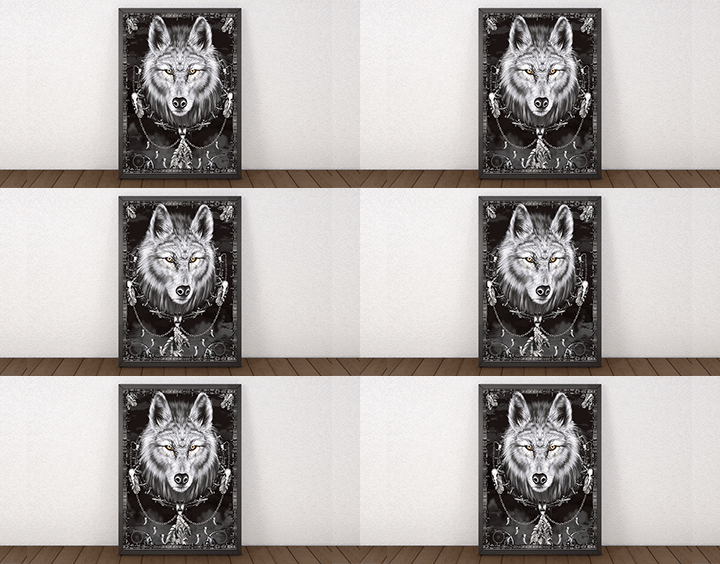
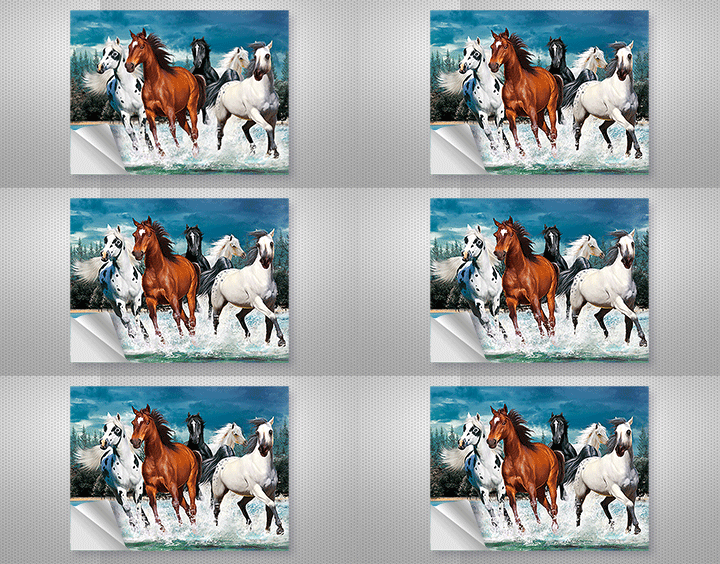

Watch the stories
Lenticular Printing at a glance
- Eight lenticular formats: business cards, bookmarks, greeting cards, magnets, notebooks, postcards, posters and stickers.
- Seven of the products list a flip of 2, 3 or 4 images, running top to bottom or left to right.
- Seven formats print on 31pt lens stock and the magnets on 45pt.
- Runs start at 10 posters, 50 greeting cards or notebooks, and 500 of the other formats.
- Production takes 15 or 22 business days, set by the lens work.
Watch Lenticular Printing in action
Real product walkthroughs from across the category. 8 videos to explore.
Lenticular Printing on 31pt Lens Stock, Eight Formats
Lenticular printing bonds interlaced artwork to a ridged lens, so a 2 by 3.5 inch card or a 31 by 23 inch poster changes image as you tilt it. Seven formats run on 31pt lens stock and the magnets on 45pt. Production takes 15 or 22 business days, and runs start at 10 posters, 50 greeting cards or notebooks, and 500 of the other formats.
The Flip Effect Under the Lens
A lenticular lens shows a different slice of the artwork from each angle. The effect offered across these products is a flip: 2, 3 or 4 separate images that take turns as the piece moves, set to change top to bottom or left to right. A flip suits a before-and-after, a product and its price, or a message in two languages.
The interlacing, the lens matching and the registration happen in prepress, so you upload the separate images and choose the number of flips and the direction.
Eight Formats, From a Bookmark to a Poster
3D Lenticular Business Cards come in four sizes, including a 2.125 by 3.375 inch credit card size and a 2.5 by 2.5 inch social card, with rounded corners as an option. 3D Lenticular Bookmarks print at 2 by 6 or 2 by 8 inches, vertical or horizontal, with a drilled hole as an option. 3D Lenticular Postcards come in six sizes from 4 by 4 to 7 by 5 inches, and 3D Lenticular Greeting Cards fold to 5 by 7 or 6 by 6.
3D Lenticular Stickers and 45pt 3D Lenticular Magnets come in 12 sizes from 2 by 3.5 up to 7 by 5 inches or a custom size, for a laptop or a fridge door, and 3D Lenticular Posters in 10 sizes from 11 by 17 to 31 by 23 inches. 3D Lenticular Notebooks print in four sizes from 4.25 by 5.5 to 8.5 by 11 inches.
Artwork Habits for a Clean Flip
Keep artwork bold and high contrast. Fine text, thin lines and subtle gradients get lost between the images, so use large type, solid colors and a clear subject. Supply files at 300 DPI or higher at final size, and check the proof before the full run, since an effect can read differently in hand than on screen.
Ordering Lenticular From 4OVER4.COM
Each job goes through interlacing, lens matching and registration before it prints, which sets the 15 or 22 business day schedule; plan a trade show order around it. Every order is backed by the 5 Gold Guarantees covering quality, price, delivery, service and satisfaction, with a 99.8% on-time delivery record across all orders.
What You Pay For in a Lenticular Run
Lenticular costs more than flat print because you are buying an optical part, not just ink on paper. Every order carries the ridged lens, the interlacing work that cuts your images into strips behind it, and a registration step that lines the two up tightly enough that the strips land under the right ridges. Miss that alignment and the effect ghosts, so the lens and the press run are matched for each job.
Across the eight products here, 3D Lenticular Greeting Cards open the collection at 50 for $631.57 and 3D Lenticular Business Cards start at 500 for $690.88. Larger and rigid formats sit higher, with 3D Lenticular Postcards at 500 for $1,097.28 and 3D Lenticular Magnets at 500 for $1,316.96, and the cost per piece drops as the count climbs.
Building the Images Behind the Flip
A flip needs each image finished at the same size and resolution, laid out so the subject sits in roughly the same spot in every one, because a subject that jumps between images looks like a misprint instead of a transition. Name the files in the order they should appear, and keep to the 2, 3 or 4 images the product offers, since each extra image takes a thinner slice of the same lens. Build every image at final size before you upload rather than scaling it up later.
How to do lenticular printing at home?
You can buy blank lenticular sheets and interlacing software and run them through a desktop inkjet, and hobbyists do. The hard part is registration. The printed strips have to line up under the lens ridges to a tolerance a home printer cannot hold, so the effect usually ghosts or blurs toward the edges. Home kits suit one-off experiments rather than anything you hand to a customer.
How can I create a lenticular image?
A lenticular image is not one picture. It is several pictures cut into strips and interleaved so the lens can show one set of strips at a time. Decide the sequence first, then export each image as a separate file at final size. The interleaving, called interlacing, is done in prepress against the exact lens being used, so you never have to generate it yourself.
Are holographic and lenticular the same thing?
No. Holographic printing uses a foil or film with a diffraction pattern that splits light into rainbow colors, and the image underneath stays the same. Lenticular puts two or more separate images under a ridged lens, so what you see changes with the viewing angle. Holographic gives you shine, lenticular gives you a second picture.
Wally helps you choose the right lenticular product
Match the effect to your message, then order.
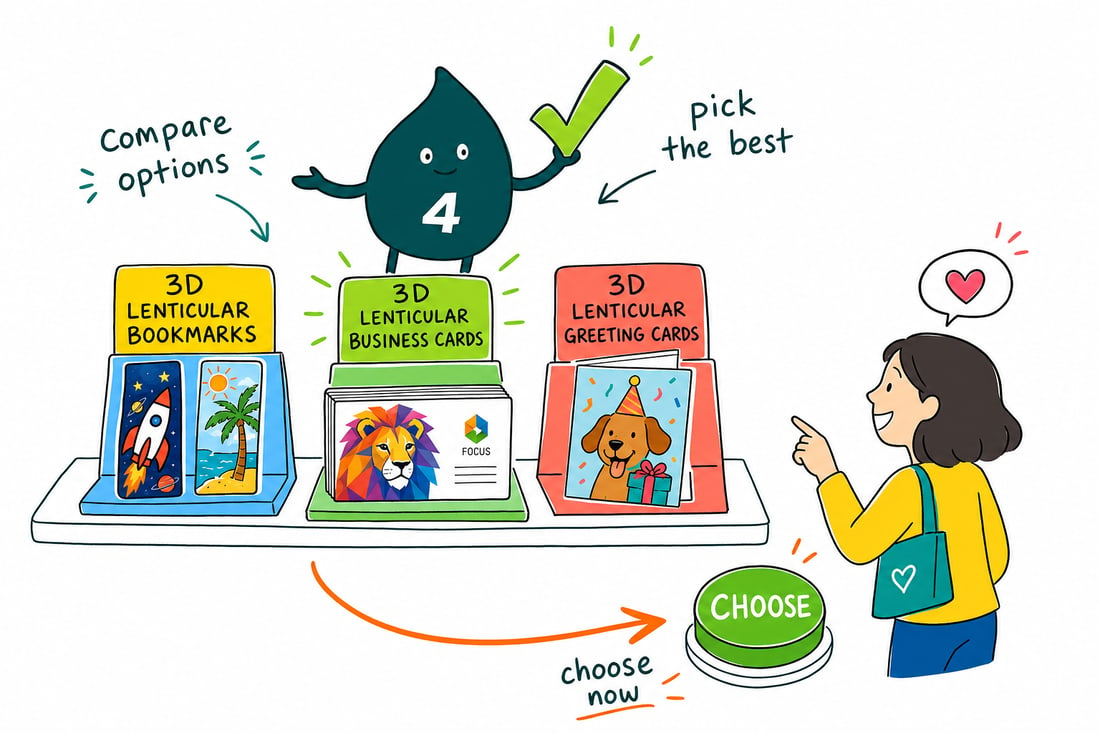
Wally lines up the popular lenticular formats, business cards, bookmarks, magnets, postcards, and more, so you can see how flip, 3D, and animation effects differ. He helps you match the right product and effect to what you're promoting, then send it straight to print.
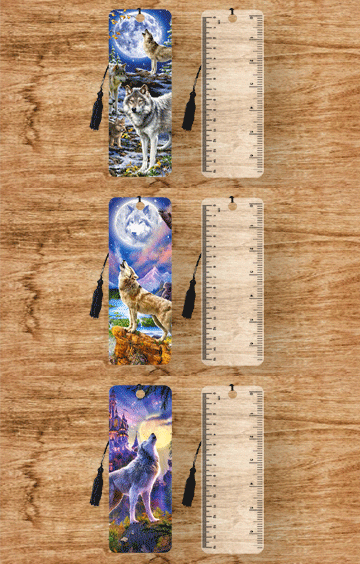
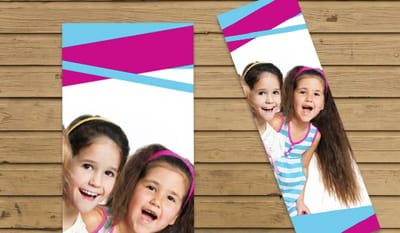
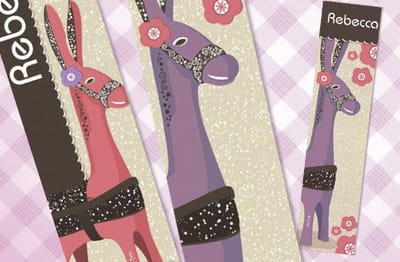
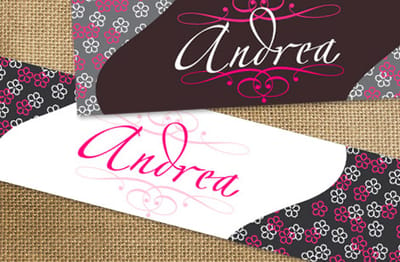
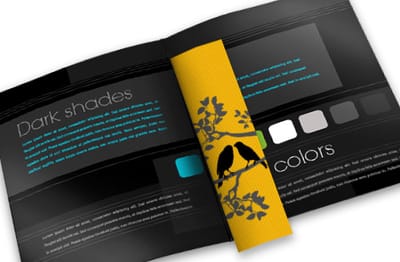
Real Bookmarks Our Customers Printed
Lenticular Printing pricing at a glance
Tap any card to open the full pricing infographic. 8 guides across the category.
Lenticular Printing FAQ
What material are lenticular products printed on?
A ridged plastic lens bonded to the interlaced artwork: 31pt on most products and 45pt on the magnets. You can print the front only or both sides on most of them.
How many images can a lenticular flip show?
2, 3 or 4, depending on what you choose on the product page. Fewer images give each one a wider slice of the lens, so a 2 image flip reads the cleanest.
How long does lenticular printing take?
15 or 22 business days of production, depending on the option you pick, because interlacing, lens matching and registration come before the press run. Order trade show pieces with that lead time in mind.
How expensive is lenticular printing?
Starting runs range from 50 greeting cards for $631.57 to 500 magnets for $1,316.96, with the other six products in between. The lens material and the extra prepress put lenticular above standard cardstock printing.
Related reading
