



TABLE OF CONTENTS
- ‌
- ‌
- ‌
- ‌
- ‌
- ‌
- ‌
- ‌
- Home
- content hub
- Construction company business card ideas: Bold, durable designs win projects
Construction company business card ideas: Bold, durable designs win projects
Emma Davis
Content Writer
Mar 2, 20267 views
Mar 2, 20267 views

TABLE OF CONTENTS
- ‌
- ‌
- ‌
- ‌
- ‌
- ‌
- ‌
- ‌
The best business cards for a construction company nail three things: they feel durable, just like your work; they’re clear and easy to read; and they’ve got branding that makes you instantly recognizable. A card made from thick, premium stock with a strong, clean design is more than just contact info—it’s a mini-portfolio that lives in your client’s wallet.
Why Your Business Card Is Still Your Hardest-Working Tool

In an industry built on handshakes and real-world trust, your business card does a lot more than just share your name and number. Think of it as a tangible reminder of your professionalism and a testament to your build quality long after you’ve left the job site.
Let's be honest: a flimsy, generic card implies flimsy, generic work. It screams a lack of attention to detail—the last thing a potential client wants to see from their contractor. Your business card is a physical representation of your brand and plays a key role in any modern marketing strategy for construction companies.
Bridging the Physical and Digital Worlds
The way clients find contractors has definitely changed. Recent data shows that a whopping 62% of construction leads now come from online sources, a huge jump from just 41% back in 2020. This shift actually makes a professional business card more important, not less.
It’s the physical anchor to your digital world. You hand it out at a trade show, during an on-site consultation, or at a local networking event. That card needs to smoothly guide a real-world interaction over to an online one, like visiting your website or portfolio.
Your business card isn't just a networking tool; it's a lead-generation machine. It needs to work as hard as you do, communicating reliability and expertise from the very first touch.
The Three Pillars of an Unforgettable Card
So, what separates a great construction business card from one that gets tossed? It all comes down to a few core principles that build confidence and encourage that next step. Before you start designing, get these fundamentals right.
A solid card needs a few key things to really work for you. Here’s a quick breakdown of what matters most for contractors.
| Core Elements Of An Effective Construction Business Card | | :--- | :--- | :--- | | Element | Why It's Critical for Construction | Pro Tip | | Durability | The card’s material should feel substantial. A thick cardstock or unique material conveys permanence and quality—just like the structures you build. | Go for at least a 16pt card stock. Anything thinner feels cheap. Consider finishes like matte or soft-touch to add a premium feel. | | Clarity | Information must be clean and legible. A cluttered card is a confusing one. Your name, specialty, and contact details should be instantly findable. | Use a simple, bold font. Leave plenty of white space. Don’t try to cram every single service you offer onto the card. | | Branding | The design must be a direct reflection of your company. Consistent use of your logo, brand colors, and fonts makes you instantly recognizable. | Your card should look like it belongs with your website, truck wrap, and company shirts. Consistency builds trust. |
Focusing on these elements transforms a simple piece of paper into a powerful marketing asset.
With these pillars in mind, you’re ready to start thinking about the actual design. Thankfully, getting professional quality and unique finishes is easier than ever with modern business cards printing services. This isn't just about handing out your number; it's about establishing your credibility before the first nail is even hammered.
Designing a Card That Communicates Quality

Generic templates just don’t cut it in the construction world. Your business card needs to speak the language of the job site—projecting strength, precision, and reliability from the first handshake. This goes far beyond just your logo and phone number; every choice you make is an opportunity to build trust before you've even submitted a bid.
Think of your card as the first piece of your portfolio. It’s often the first tangible thing a potential client will have of your brand, making effective brand identity design absolutely crucial. It needs to tell them you understand quality and that you deliver it every single time.
The Psychology of Construction Colors
Color isn't just decoration—it's communication. The hues you pick can instantly set a tone, aligning your brand with values that really resonate with construction clients. This is one of the easiest places to start when you're brainstorming powerful construction company business card ideas.
For instance, a residential builder might go with a palette of earthy tones. Think deep browns, slate grays, and forest greens. These colors evoke a sense of stability, groundedness, and a connection to natural materials. It tells a client you build homes that are meant to last.
On the other hand, a commercial firm specializing in large-scale projects could opt for a bold, industrial look. We're talking strong blacks, metallic silvers, and high-visibility yellows or oranges. These colors communicate power, efficiency, and a deep understanding of job site safety.
- Earthy Tones (Brown, Gray, Green): Suggests stability, reliability, and natural craftsmanship. Perfect for custom home builders and remodelers.
- Industrial Colors (Black, Charcoal, Silver): Conveys strength, precision, and modernity. A great fit for commercial contractors and structural engineers.
- Safety Colors (Yellow, Orange): Grabs attention and signals a commitment to safety and efficiency. Ideal for heavy equipment operators or large job site managers.
Ultimately, your color palette should be a deliberate choice that hammers home your brand's core message.
A business card for a high-end kitchen remodeler might use a clean white background with sleek, metallic silver foil accents. This combination projects luxury, precision, and a modern aesthetic, appealing directly to clients with a significant budget and high expectations.
Choosing Fonts That Project Strength
Just as colors set a mood, your typography says a lot about your work ethic. For a construction business, the key is to choose a font that is both strong and exceptionally legible. Stay away from overly decorative or flimsy script fonts, which can come off as unprofessional and be a pain to read.
Instead, look for bold, clean sans-serif fonts like Helvetica Neue Bold, Montserrat, or Bebas Neue. These typefaces have a sturdy, architectural quality that feels engineered and precise. They're also a breeze to read at a glance, making sure your contact info is always clear.
A serif font with thick, slab-like feet, such as Rockwell or Arvo, can also work really well. These fonts feel grounded and established, suggesting a company with a long history of dependable service. The goal is a font that looks like it was built, not just typed.
You can explore some of the fantastic finishes you can pair with bold typography to make your card truly stand out.
Using White Space to Signal Precision
One of the most overlooked elements in business card design is negative space, often just called white space. A cluttered, cramped card filled to the brim with text and graphics can suggest a disorganized, chaotic work style—not exactly the impression you want to give.
In contrast, a design that uses generous white space feels clean, organized, and intentional. It draws the eye right to the most important info: your name, your company, and how to get in touch. To a client, this communicates a meticulous attention to detail, a quality every homeowner or project manager wants in their contractor.
Think of it like a well-organized job site. A clean layout on your card implies a clean, efficient approach to your projects. Don't be afraid to let your design elements breathe. A minimalist layout with a strong logo and clear contact info often makes a much more powerful statement than a card packed with every service you’ve ever offered.
Actionable Layout Ideas For Every Trade
A one-size-fits-all approach never works on a construction site, and it definitely won’t work for your business cards. The layout of your card is your chance to communicate your specific expertise at a single glance. A generic design is a huge missed opportunity; a tailored layout acts as a powerful first impression, showing potential clients you get what they need right from the start.
The right layout does more than just organize your contact info. It tells a story about what you do best. Think about it: a commercial general contractor’s card needs to project scale and reliability, while a residential remodeler’s card should feel more personal and trustworthy. Let’s break down some powerful business card ideas tailored for specific trades.
For The General Contractor
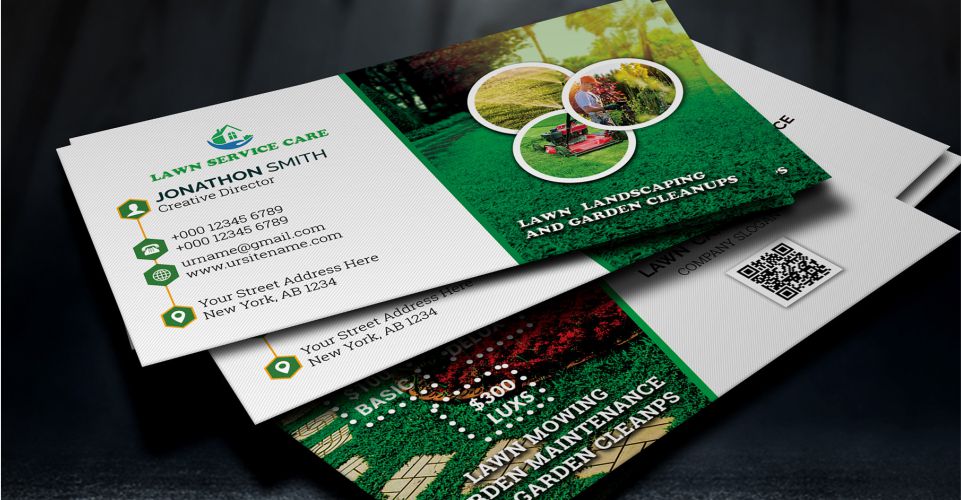
As a general contractor, your reputation is built on successfully completed projects. So, your card should reflect that. A high-impact idea is to dedicate the entire back of your card to a single, high-resolution photo of your best work. This isn't just a picture; it's solid proof of what you can do.
Choose an image that represents the exact kind of projects you want more of, whether that's a stunning custom home, a sleek commercial build-out, or a complex multi-family unit. This visual evidence instantly builds credibility and gives you a natural talking point when you hand it over.
On the front, keep the layout clean and authoritative.
- Logo: Place it prominently at the top.
- Name & Title: Make them bold and crystal clear.
- Key Services: Include a brief list, like "Commercial & Residential Construction" or "New Builds & Major Renovations."
This split approach makes the front of the card your professional introduction and the back your mini-portfolio. It’s direct, confident, and incredibly effective.
For The Skilled Trades Electrician, Plumber, or HVAC Tech
For technical specialists like electricians, plumbers, and HVAC technicians, the layout needs to communicate precision, expertise, and trustworthiness. Clients are hiring you for your specialized knowledge, so your card should absolutely look the part.
A fantastic approach is the "Blueprint" or "Schematic" style. This design trend uses clean lines, grid layouts, and a limited color palette (often blues, grays, and whites) to mimic technical drawings. It’s a subtle nod to your trade that feels professional and smart.
For an electrician, imagine a card with a subtle, grayed-out circuit diagram pattern in the background. For a plumber, it could be a faint overlay of pipe schematics. This motif instantly signals your field without being cartoonish or cheesy.
Another powerful layout is one focused on your credentials. Use the back of your card to list your Master Electrician license, HVAC certifications, or plumbing credentials. This transforms your card from just contact info into a verifiable record of your qualifications, building immediate trust with a potential client.
For The Remodeler and Finisher
Remodelers and finishing carpenters thrive on client satisfaction and an almost obsessive attention to detail. Your business card layout should reflect that personal touch and commitment to quality. Instead of a project photo, consider using the back of your card for a powerful client testimonial.
A short, punchy quote like, "They transformed our outdated kitchen into a dream space—on time and on budget!" says more than any list of services ever could. It provides social proof and speaks directly to the emotional outcome your clients are searching for.
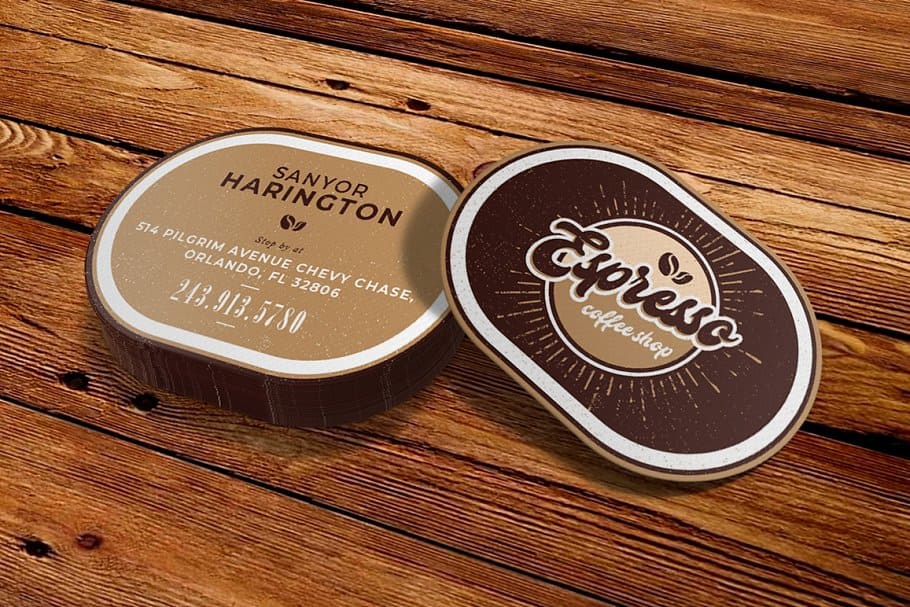
For the front, a clean layout on a warm, textured cardstock can feel inviting and high-end. If you’re looking to get really creative and stand out from the crowd, exploring custom shape die-cut options can make your card unforgettable. A card shaped like a roofline for a roofer or a paint swatch for a painter is a bold move that ensures your card isn't just another rectangle in the stack.
No matter your trade, remember the back of your card is prime real estate. Don't leave it blank. Use it strategically to show off your best projects, prove your credentials, or share client praise. This thoughtful approach to layout turns a simple card into a conversation starter and a powerful tool for winning your next job.
Choosing Materials That Feel Like Quality Work
For a contractor, the feel of your business card says a lot about the quality of your work. While a sharp design catches the eye, the material a potential client holds in their hand makes a real, physical impression. This is where you can communicate durability and a commitment to quality before you even say a word.
The standard, flimsy business card feels disposable because, well, it is. When someone holds your card, it should feel substantial and resilient—just like the structures you build. The simplest way to get that feeling across is by choosing a thicker paper stock.
This flowchart shows how different trades can use unique ideas to make their cards stand out.

As you can see, the best cards connect their design directly to their expertise, whether it's a general contractor showcasing project photos or an electrician using schematic-inspired graphics.
Go Heavy with Ultra Thick Cardstock
One of the smartest moves you can make is to simply upgrade your card’s weight. Standard cardstocks are usually around 14pt or 16pt, which feels… average. Opting for an ultra-thick paper instantly signals that you don’t cut corners, even on the small stuff.
Here are a couple of options that add serious heft:
- 32pt Cardstock: This is about twice as thick as a standard card. It has a noticeable rigidity and weight that feels premium and durable, so it won’t bend or fray in a wallet.
- 48pt Cardstock: For maximum impact, a 48pt card is exceptionally thick. It feels almost like a credit card. Handing one of these to a client makes an unforgettable statement about how robust your work is.
These heavier stocks are also perfect for techniques like embossing or debossing, where your logo or text is pressed into the paper for a sophisticated, textural feel. You can check out our ultra thick collection to get a better sense of the difference.
Explore Materials Built for the Job Site
While paper is traditional, your card doesn’t have to be. For contractors who are constantly on rugged job sites, alternative materials can be both practical and memorable. These options are literally built to last.
A plastic card is a fantastic choice. It's completely waterproof and tear-resistant, so a little rain or being jammed into a tool belt won't destroy it. You can get clear, frosted, or opaque plastic for a modern look that really stands out.
For high-end commercial builders or structural engineers, metal business cards offer an unmatched feeling of permanence and strength. And if you're an eco-conscious builder, cards made from wood or recycled materials can perfectly align your brand with sustainability.
A business card is a tangible promise. A durable, well-crafted card suggests a builder who delivers durable, well-crafted work. It’s a small detail that communicates a much larger truth about your standards.
Add Finishes That Make Your Brand Pop
Beyond the material itself, special finishes can take your card from good to great. These are the final touches that highlight key information and add a truly professional polish.
Think about how a subtle matte laminate creates a smooth, non-glare surface that looks and feels sophisticated. For something more dynamic, spot UV lets you apply a glossy coating to specific areas, like your logo. This creates a striking contrast between the matte card and the shiny element, drawing the eye right where you want it. Foil stamping in metallics like gold, silver, or copper adds a touch of luxury and precision.
Making your card memorable is everything, especially when you consider that 88% of paper business cards are thrown out within a week. That number is a wake-up call. It proves you need a card that people want to keep, and using durable materials with a standout design is your first line of defense against the trash can.
A great design will get your card noticed, but the right words get you hired. While premium cardstock and a bold logo make a solid first impression, the copy on your business card is what really does the heavy lifting. It's the text that turns a curious prospect into a confident client.
Before we get into the persuasive stuff, let's nail down the absolute must-haves. Your name, title, company name, direct phone number, email, and website are non-negotiable. If a potential lead can't find one of these, you've created a dead end.
Craft a Tagline That Builds Instant Trust
Once the basics are handled, it’s time for a tagline. This isn't just a catchy phrase; it’s your entire value proposition boiled down to a few powerful words. For a construction company, a killer tagline hits on a client's biggest fears: projects running over budget, missing deadlines, or shoddy workmanship.
What makes you different? Is it your rock-solid reliability? Your niche expertise? Your obsession with client satisfaction?
- "On Time. On Budget. Every Time." This classic gets straight to the point and addresses core client anxieties.
- "Building Your Vision With Precision." This one suggests meticulous attention to detail and a collaborative, client-focused process.
- "The Foundation of Quality." This communicates durability and a commitment to high standards right from the start.
A strong tagline works because it instantly tells a client why they should pick you over the next guy. It’s one of the most effective copywriting tools you have for your construction business card.
List Specializations to Attract the Right Projects
You can't be everything to everyone, and that's a good thing. Listing your specific areas of expertise on your card is a smart way to pre-qualify leads and attract the exact jobs you want. "General Contractor" is fine, but getting specific is so much better.
Think about adding a short, targeted list of services on the front or back of the card.
- For a residential expert: "Historic Renovations & Custom Millwork"
- For a commercial pro: "Tenant Improvements & Office Build-Outs"
- For an outdoor specialist: "Custom Decks, Patios & Outdoor Kitchens"
This simple move ensures that when a client with a specific need glances at your card, they see an immediate solution. It filters out the noise and connects you directly with your ideal customer. For more ideas on showcasing your brand, check out other essential marketing materials.
Every word on your business card needs a job. If it doesn't build trust, clarify your services, or tell a prospect what to do next, it's just taking up valuable space.
Drive Action With a Clear Call to Action
The final—and most critical—piece of copy is your call to action (CTA). You’ve made a great impression, so now what? Don't leave it up to them. Tell the person holding your card exactly what you want them to do next. A well-placed CTA can seriously boost your follow-up rate.
This is where physical cards can perfectly intersect with your digital tools. The digital business card market is projected to hit USD 331.78 million by 2031. While physical cards are still king for on-site networking—some studies show that handing out 2,000 cards can increase sales by 2.5%—a QR code bridges the gap to your online presence. You can find more data on this trend over at Mordor Intelligence.
Here are a few practical CTA examples for your card:
- "Scan for a Free Estimate" (placed right next to a QR code).
- "See Our Projects Online" (printed just below your website URL).
- "Call Today for a Consultation."
A clear CTA removes any guesswork and makes it effortless for a potential client to take that next step. It transforms your business card from a passive piece of paper into an active lead-generation machine.
Digital vs. Physical Card Strategy For Construction Firms
The debate between traditional paper cards and modern digital solutions isn't about choosing one over the other. For construction pros, the smartest approach is to use both. A physical card is perfect for that in-person handshake, while a digital link (often via a QR code on the physical card) can offer a richer, more interactive experience.
Here’s a look at how they compare and when to use each one to maximize your networking impact.
| Feature | Traditional Business Card | Digital Business Card / QR Code | Best Use Case in Construction |
|---|---|---|---|
| First Impression | Tangible, professional, and memorable. A high-quality card feels substantial. | Instant, modern, and tech-savvy. Seamlessly adds contact to their phone. | Handing a physical card to a client on a job site or at a trade show. |
| Information | Limited to static text and design elements printed on the card. | Dynamic and updatable. Can link to a portfolio, videos, and testimonials. | A QR code that directs a potential client to a gallery of your completed projects. |
| Networking | Excellent for one-on-one exchanges. Creates a personal connection. | Can be shared with anyone, anywhere, via text, email, or a quick scan. | Following up an in-person meeting by texting your digital card to their phone. |
| Longevity | Can get lost, damaged, or thrown away. Relies on the recipient to act. | Stays in the recipient's phone. Can be easily found and referenced later. | Ensuring an architect or property manager always has your latest contact info. |
Ultimately, a hybrid strategy gives you the best of both worlds. The physical card creates the initial connection, and the digital component makes it easy for prospects to dive deeper into your work and get in touch.
Answering Your Construction Business Card Questions
Alright, we've covered a lot of ground on design, materials, and what to write on your card. But I know from experience that a few specific questions always pop up right when you're ready to pull the trigger.
Let's clear up these common sticking points. Getting these details right will give you the confidence to finalize your design and order a business card that actually gets you more work.
Should I Put My Contractor's License Number On My Business Card?
Yes. Absolutely. Think of this as one of the most powerful trust signals you can put on your card.
In many states and cities, listing your contractor's license number is a legal requirement for any form of advertising, and yes, that includes your business cards. But even where it's not legally required, it’s a non-negotiable best practice. It instantly tells a potential client that you're a legitimate, credentialed professional who plays by the rules.
It completely removes that initial flicker of doubt someone might have about your credibility. Make sure it's clearly visible near your contact info—it's an instant authority boost.
Putting your license number on your card isn't just about compliance; it's about building immediate confidence. It answers a client's unspoken question: "Is this person a real, qualified professional?"
That small string of numbers can easily be the deciding factor when a client is looking at your card next to a competitor's.
What Is The Best Size And Shape For A Construction Business Card?
The standard 3.5" x 2" rectangular card is always a safe bet. It fits perfectly in any wallet, and you can't go wrong with it. But let's be honest, in the construction world, standing out is a good thing. A few small tweaks can make a huge difference without being impractical.
A great place to start is with the corners. I always recommend rounded corners for contractors. Why? Because these cards live a tough life—tossed on a truck dashboard, stuffed in a wallet, or pulled from a tool belt. Rounded corners prevent them from getting bent, frayed, and dog-eared, so you always look professional.
If you really want to make an impression, a custom die-cut shape can be incredibly effective. Think about a subtle roofline silhouette or the shape of a common tool. Just be careful not to get so creative that the card becomes awkward to store. For most contractors, a standard-sized card on heavy, durable stock with rounded corners hits that perfect sweet spot between memorable and practical.
Is It A Good Idea To Put My Photo On My Business Card?
This one really depends on your business structure and how you connect with clients.
For independent contractors, small business owners, or anyone who is the primary "face" of the company, a photo is a fantastic idea. It builds a personal connection right away and makes you far more memorable, especially after a chaotic networking event or a quick on-site visit. When a client can put a face to the name, it just strengthens that relationship.
On the other hand, for larger firms with a team of project managers or sales reps, it's usually better to stick with a strong company logo and consistent brand identity. If you do go with a photo, it has to be a high-quality, professional headshot. It needs to project competence, trustworthiness, and approachability—no job site selfies or blurry, poorly lit pictures.
How Can I Use QR Codes Effectively On My Construction Business Card?
A QR code is the best tool you have for bridging the gap between your physical card and your digital presence. But just linking to your website's homepage is a missed opportunity. The real magic happens when you send people to a specific, high-value destination that doesn't require any extra clicks.
Instead of a generic homepage link, try one of these ideas:
- Link directly to your online project gallery to give them instant visual proof of your quality work.
- Send them to a video testimonial from a happy client to build immediate social proof.
- Direct them to a dedicated landing page where they can easily request a free, no-obligation estimate.
- Connect to your Google Business Profile to make it incredibly simple for them to read your reviews (or leave one!).
Always put a short, clear call-to-action right next to the code, like "Scan to See Our Work" or "Get Your Free Quote." This tells people exactly what to do and why it's worth their time. A well-placed QR code transforms your card from a static piece of paper into an active, lead-generating tool.
Now that you've got the answers to build the perfect card, the next step is to bring it to life. At 4OVER4, we offer all the premium stocks, custom shapes, and high-end finishes you need to create a construction business card that communicates quality and wins projects. Explore our options and start designing today.
More from
22
Placing bulk sticker orders is one of the smartest investments a growing business can make. It’s a move that dramatically c
Emma Davis
Mar 1, 2026
21
Your car wash business cards aren't just little rectangles with your phone number on them. Think of them as a physical ha
Emma Davis
Feb 28, 2026
44
Let's get straight to it. The standard A7 envelope comes in at 5.25 x 7.25 inches, which translates to 133.35 x 1
Emma Davis
Feb 27, 2026
56
When you're trying to figure out the right door hanger size, the classic 4.25" x 11" is pretty
Emma Davis
Feb 25, 2026
36
When it comes to table tents, the industry workhorses are the 4" x 6" and 5" x 7" sizes.
Emma Davis
Feb 24, 2026
53
Figuring out whether to go with vinyl or screen printing really boils down to your project's size, the complexity of your design, and what
Emma Davis
Feb 23, 2026
51
Bringing a trading card to life is a fascinating mix of creative brainstorming, smart material choices, and precision printing. The journey st
Emma Davis
Feb 22, 2026
22
Believe it or not, whipping up a professional-looking card in Microsoft Word is way easier than you might think. The whole process boils down
Emma Davis
Feb 21, 2026