
Table of Contents

  • ‌
  • ‌
  • ‌
  • ‌
  • ‌
  • ‌
  • ‌
  • ‌

Waterproof sticker paper: A Guide to Durable, Professional Results in 2026

user icon

Emma Davis

Content Writer

Mar 8, 202626 views

Mar 8, 202626 views

Waterproof sticker paper: A Guide to Durable, Professional Results in 2026

Table of Contents

  • ‌
  • ‌
  • ‌
  • ‌
  • ‌
  • ‌
  • ‌
  • ‌

Picture this: your product’s beautiful label gets smudged and runny during shipping, or a gorgeous event banner fades to nothing after just one rain shower. It’s a frustratingly common problem, and it’s exactly why so many businesses are now relying on waterproof sticker paper. Think of it as armor for your brand—a tough, resilient material that protects your hard work.

Why Waterproof Sticker Paper Is a Game Changer for Brands

In business, first impressions are everything, and the quality of your branding materials says a lot about you. A flimsy, peeling, or faded sticker can make customers question your quality, while a durable, vibrant one reinforces professionalism. Waterproof sticker paper is the key to making sure your branding holds up against anything, from rainy delivery days to the condensation on a cold drink.

This isn't just some niche product, either; it’s a fast-growing market. To really get a sense of its value, it helps to first understand what print on demand is, a model that lets businesses create custom products without needing to hold a ton of inventory. This means any business, no matter the size, can get its hands on high-quality, durable stickers whenever they need them.

To put the benefits in perspective, here’s a quick rundown of what makes this material so valuable.

Waterproof Sticker Paper At a Glance

Key Benefit Impact for Your Business Ideal Use Case
Element-Proof Durability Your branding remains sharp and professional, even when exposed to moisture, friction, or sunlight. Product labels for bath & body, food & beverage, or outdoor gear.
Enhanced Brand Image A high-quality, resilient sticker signals a high-quality product, building customer trust instantly. Premium packaging, retail window decals, and high-end promotional items.
Long-Term Cost Savings Stickers that last longer don't need to be replaced as often, reducing your re-ordering costs over time. Equipment labels, safety warnings, and any branding meant to last for years.
Versatile Application Adheres strongly to various surfaces like glass, plastic, metal, and paper, indoors and out. Event signage, vehicle decals, and custom promotional products.

Ultimately, investing in a material that can withstand real-world conditions ensures your brand always looks its best, protecting your marketing investment and leaving a strong, positive impression.

The Durability Dividend

Choosing waterproof materials really pays off by extending the life of your marketing assets. Let's break down what that means for your business:

  • Brand Protection: Your logo and message stay crisp and clear on products, packages, and promo gear, no matter what they go through.
  • Enhanced Customer Perception: A quality label gives the impression of a quality product, boosting a customer's confidence right at the shelf.
  • Cost-Effectiveness: When your stickers last, you don't have to replace them. That saves you real money in the long run.

The market data backs this up. The global waterproof printing paper market was valued at US$ 836.4 million in 2024 and is expected to shoot up to US$ 1,691.3 million by 2031. That growth is coming from industries like e-commerce and healthcare, where you absolutely need labels that can survive moisture and constant handling.

Here's a simple way to think about it: a standard paper sticker is like a paper umbrella in a downpour. It offers a little protection at first but fails almost immediately. A waterproof sticker is like a sturdy, reliable raincoat—it keeps your brand safe, dry, and looking its best, ensuring it makes an impression that truly lasts.

Whether you're labeling products for your shop, creating outdoor signs for an event, or handing out branded swag, going waterproof is one of the smartest decisions you can make. It safeguards your investment and keeps your brand looking sharp and professional long after it leaves your hands. This guide will walk you through everything you need to know to make the right choice.

Choosing the Right Waterproof Sticker Material

Picking the right material is probably the most critical decision you'll make when you need a sticker that can actually last. The term "waterproof" gets thrown around a lot, but not all options are created equal. It really comes down to the core material itself.

Think of it like this: a rain jacket and a deep-sea diver's wetsuit both keep you dry, but they’re engineered for completely different worlds of water exposure. It's the same with sticker paper.

To get a truly reliable waterproof sticker paper, you have to move beyond traditional paper and into the world of synthetics. These are materials that are inherently immune to moisture. The two main players here are vinyl and coated synthetic papers, and each has its own strengths.

The Workhorse: Vinyl

Vinyl is the wetsuit of the sticker world. At its core, it's a type of plastic, so it’s waterproof from the get-go. It doesn't rely on a surface coating for protection, which means it won’t fail you even if it gets scratched or scuffed up. This makes vinyl the default choice for any application demanding maximum durability.

When you choose vinyl, you're getting a material that:

  • Is Inherently Waterproof: Because it's plastic, water just beads up and rolls right off. It can be completely submerged without breaking down.
  • Offers Exceptional Durability: Vinyl is incredibly resistant to tearing, stretching, and scrapes, making it perfect for products that are handled constantly or face rough conditions.
  • Is Highly Flexible: It wraps beautifully around curved surfaces like water bottles, helmets, and vehicle bumpers, giving you a smooth, bubble-free look.

This tough nature makes vinyl the undisputed champ for outdoor gear, car decals, and any product label that might have to deal with chemicals, oils, or constant moisture. You can explore a huge range of adhesive vinyls for your projects to see just how versatile this material is.

The Premium Option: Coated Synthetics

If vinyl is the heavy-duty wetsuit, then coated synthetic papers are the high-tech, breathable rain jackets. These materials, usually made from polyester or polypropylene, start with a water-resistant base that gets a boost from a specialized top-coating. This coating is engineered to lock in printer ink while creating a powerful barrier against moisture.

What you get is a sticker that feels more like premium paper but performs with the resilience of a synthetic. They're an outstanding choice for products that need to look high-end while still holding up against spills, condensation, and humidity.

Think of it this way: Coated synthetics provide a more sophisticated, tactile experience. They're perfect for cosmetic labels, gourmet food packaging, and wine bottles—anywhere the brand's perceived value depends on a touch of elegance.

The demand for these kinds of durable labels is surging. The global market for waterproof and weatherproof labels is expected to climb to USD 38.95 billion by 2035, with materials like vinyl and polyester leading the charge. North America, in particular, is a huge market, with food, cosmetics, and automotive industries investing heavily in these resilient labels.

How Finishes Affect Durability and Appearance

The final piece of the puzzle is the finish. It’s not just about looks; the finish you choose adds another layer of protection and functionality to your waterproof sticker.

Here’s a quick decision tree to help you visualize how this process works for your brand. A decision tree flowchart illustrating the brand waterproofing process, leading to waterproof certification or a standard product line. This flowchart breaks down the simple path from identifying a need for durability to achieving a waterproof branding goal.

Each finish offers a different blend of style and protection:

  • Gloss: This shiny, reflective finish really makes colors pop, giving your design a vibrant, high-impact look. Its slick surface adds great water resistance and is a breeze to wipe clean.
  • Matte: With its smooth, non-glare appearance, a matte finish provides a more subtle and modern feel. It’s also great for hiding fingerprints and is easier to write on with a permanent marker.
  • Clear: A clear finish lets the surface of your product show through, making it the ideal choice for window decals or for designs that need to blend seamlessly with the packaging.

By carefully matching your material to its end use—whether that's rugged vinyl for an outdoor adventure brand or an elegant coated synthetic for a luxury product—you can create a sticker that not only survives the elements but also perfectly represents your brand's commitment to quality.

Printing and Finishing: The Secrets to a Truly Indestructible Sticker

Picking the right waterproof sticker paper is a huge step, but it’s really just the starting point. To get a sticker that can laugh in the face of a rainstorm or a scorching sun, how it's printed and finished is just as important.

Think of the sticker material as the foundation of a house. It has to be solid. But the printing, ink, and finishing touches? That’s the roof and siding—the parts that actually protect everything from the elements. Getting these final steps right is what turns a decent sticker into a fantastic one that holds up and shows off your brand's quality.

A laminator applies clear film to a sheet of colorful horse-themed stickers, enhancing durability.

Why Ink Choice Is Crucial for Water Resistance

Not all inks are made the same, especially when you throw moisture and sunlight into the mix. The type of ink used to print your design plays a massive role in how long it will last.

Most professional printers lean on two main types:

  • Pigment-Based Inks: These are the champions of durability. Pigment inks are made of microscopic solid particles suspended in liquid. When they hit the sticker paper, these particles literally bond to the surface, creating a layer that's incredibly resistant to water and UV fading.
  • Dye-Based Inks: While they can produce some stunningly vibrant colors on regular paper, dye-based inks are water-soluble. They soak into the material, which means the first sign of moisture can cause them to smudge, bleed, or run.

For any sticker that might face rain, condensation, or constant sun, you have to insist on pigment-based inks. It’s the absolute first line of defense for keeping your design intact.

Lamination: The Ultimate Protective Shield

If pigment ink is your first line of defense, think of lamination as an impenetrable fortress. This process adds a thin, clear plastic film over your printed sticker sheet. It’s a lot like the clear coat on a car—it seals the design from a whole range of threats.

Lamination is the single most effective step you can take to maximize your sticker’s lifespan. It physically blocks moisture, prevents scratches from handling, and shields the ink from UV rays that cause fading.

This extra layer doesn't just make the sticker tougher; it also gives it a more substantial, professional feel. It ensures the artwork underneath stays looking perfect. If you're curious about the different finishes, you can learn more about our professional laminating services and how they protect your projects.

The printing method itself also plays a role. In the waterproof label world, digital printing is the dominant force, ideal for the custom, quick-turnaround jobs that small businesses and agencies need. At the same time, flexographic printing is the fastest-growing method, thanks to tech upgrades that make it super efficient for huge orders, like product packaging for retail. You can check out the full research on these market trends on Market Research Future.

Precision Cutting for Clean, Peel-Proof Edges

The final production step is cutting the stickers into their final shape. You might not think about it, but how a sticker is cut has a direct impact on its ability to resist peeling and lifting, especially around the edges and corners.

There are two main ways professionals get this done:

  1. Die-Cutting: This method uses a custom-shaped metal blade (a "die") to slice through both the sticker material and its backing paper. The result is a perfectly custom-shaped, individual sticker, great for handing out or selling. A clean die-cut means the edges are completely smooth, so there’s nothing to catch or snag.
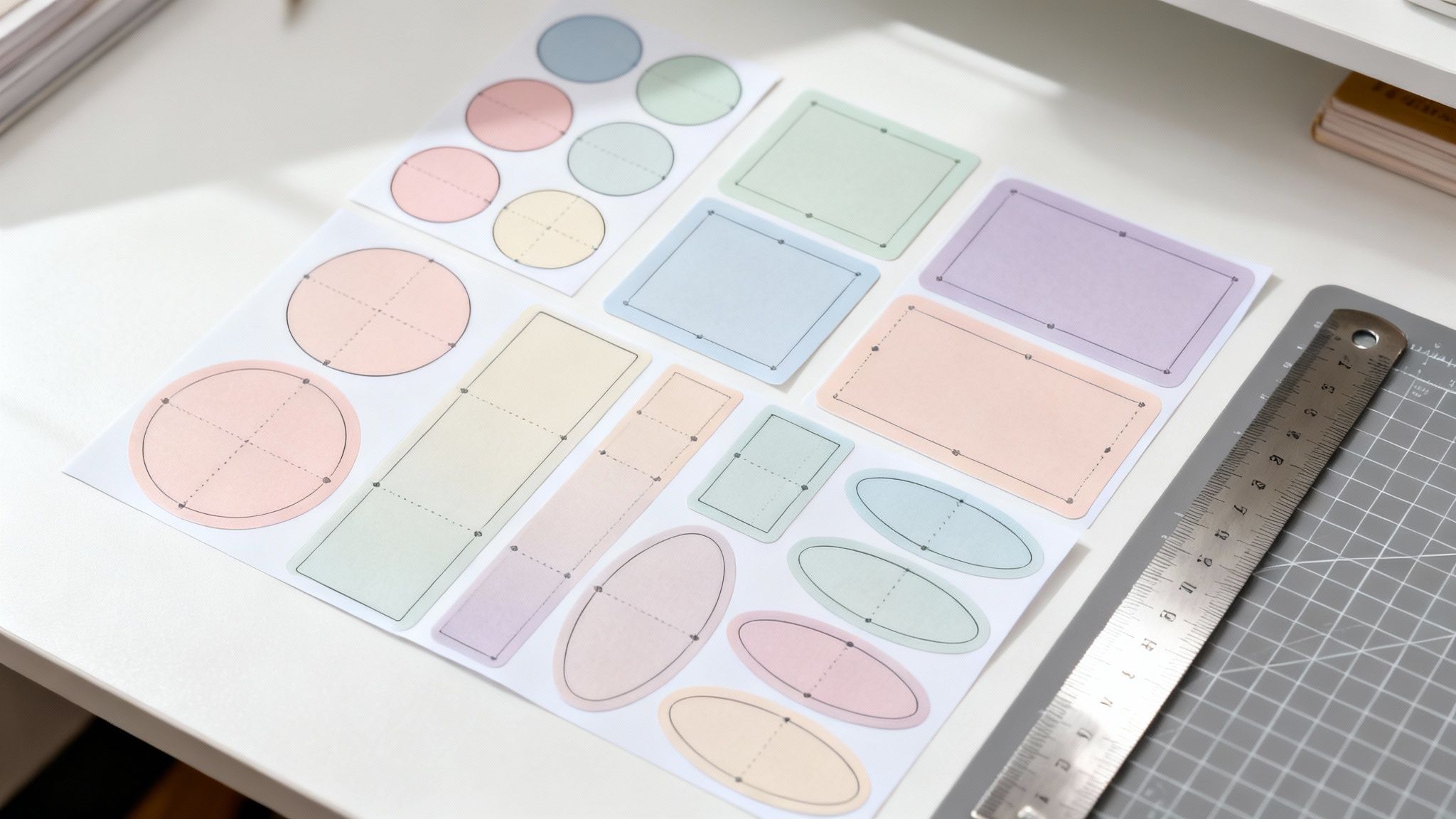
  2. Kiss-Cutting: With this technique, the blade just "kisses" the surface, cutting only through the sticker layer while leaving the backing paper whole. This lets you put multiple different stickers on a single sheet.

When done by a pro, both methods create crisp, precise edges that stick tight to a surface. Stickers with frayed or jagged edges are way more likely to start peeling when they get wet or scuffed. A clean cut is that final polish that guarantees a professional look and a secure bond that lasts.

Inspiring Ways Businesses Use Waterproof Stickers

All the technical talk is great, but let's see what this stuff can actually do out in the wild. Seeing how other businesses put waterproof sticker paper to work is the best way to spark some ideas and understand its real-world value. These aren't just labels; they're branding workhorses that solve real problems and protect your image when things get messy.

Whether it’s a craft beer bottle chilling in an ice bucket or a shampoo dispenser living in a steamy shower, the right sticker makes sure a product looks incredible from the moment it’s made to the last time a customer uses it. Let's look at a few common scenarios where these durable stickers saved the day.

Three panels showing items covered in water droplets: a beer in ice, a shower dispenser, and a waterproof sign.

For the Craft Brewery

Picture this: a local brewery creates a stunning label for their new IPA, but at festivals and in store coolers, those paper labels turn into a peeling, soggy disaster. It completely undermines the premium quality of their beer and makes the bottles look cheap.

They found their fix by switching to a glossy-finish waterproof vinyl sticker. Because vinyl is naturally impervious to water, the labels could be submerged in ice for hours without a single sign of damage. The glossy finish didn't just protect the sticker; it made their vibrant artwork pop, creating a bottle that looked just as good pulled from an ice bucket as it did on the shelf. Their branding stayed pristine, reinforcing the high-quality product inside.

Many brands rely on waterproof stickers for product labeling, particularly for items sold online. To make these products truly shine, it's about more than just the label; it’s about the entire presentation. For instance, killer packaging and product photography are critical for effective Amazon listing optimization.

For the Natural Cosmetics Brand

A boutique cosmetics brand had a similar headache. They sold organic shampoos and body washes in beautiful, minimalist bottles, but their elegant matte paper labels would wrinkle and fade after just a few encounters with a steamy shower. It cheapened the luxury experience they were trying to create.

The solution was a switch to a matte-finish waterproof polyester material. This gave them the sophisticated, non-glare aesthetic they wanted while offering total protection from daily water exposure. Paired with an adhesive designed for a rock-solid bond on smooth plastic, edge-peeling became a thing of the past. The result? The bottles looked brand new from the first pump to the last, reinforcing the brand's commitment to quality right in the customer's home.

A sticker’s ability to withstand its intended environment is a direct reflection of the product’s quality. For items used daily, like cosmetics or food products, durability isn't a feature—it's a requirement for building customer trust and loyalty.

For the Outdoor Event Planner

An event management company faced a challenge planning an outdoor food festival. They needed temporary signage, including floor graphics to direct crowds and smaller signs for vendor booths. They knew that a little rain, some spilled drinks, or thousands of trampling feet would shred standard paper signs.

They got creative with two types of waterproof stickers:

  • For Floor Graphics: They chose a heavy-duty vinyl with an anti-slip laminate specifically designed for foot traffic. This material stuck firmly to asphalt and concrete without turning into a slipping hazard.
  • For Vendor Signs: They used a weatherproof vinyl sticker finished with a UV-protective laminate. This combo ensured the signs wouldn’t fade in the bright sun or run if the weather turned sour.

The event signage survived the entire multi-day festival, looking great despite unpredictable weather and massive crowds. The floor graphics stayed put, safely guiding attendees, while vendor signs remained professional and easy to read. These are perfect examples of how choosing the right sticker solves a specific problem and delivers a fantastic return. If you want to take your branding even further, consider pairing your durable labels with custom packaging products.

To help get your own creative ideas flowing, we've put together a table of potential uses across different industries.

Waterproof Sticker Paper Use Case Ideas

Business Type Creative Application Recommended Material/Finish
Coffee Shop Branding on reusable cold brew growlers or iced coffee cups. BOPP with a matte finish for a modern, sophisticated look.
Garden Center Weather-resistant labels for outdoor plant pots with care instructions. White Vinyl with a UV laminate to prevent fading from sun exposure.
Hot Sauce Brand Labels for bottles that might be stored in the refrigerator and get greasy. BOPP with a glossy laminate to resist oil and condensation.
Surf Shop Bumper stickers and decals for cars, surfboards, and water bottles. Weatherproof Vinyl with an extra-strong adhesive for durability.
Health & Fitness QR code stickers on gym equipment linking to instructional videos. Polyester with an anti-scratch laminate for high-traffic use.

These are just a handful of possibilities. The key is to think about the environment your product or brand will live in and choose a material that's built to thrive there.

Sticker Lifespan and Its Environmental Footprint

So you've chosen a high-quality waterproof sticker paper. Now for the big question: how long will it actually hold up? Thinking about a sticker's lifespan isn't just about getting your money's worth; it’s about making a smart, sustainable choice that reflects what your brand stands for.

A sticker's resilience really comes down to three things: its material, its finish, and where it lives. Think of it on a spectrum. A laminated vinyl sticker slapped on a truck could easily tough it out for 5 or more years, shrugging off sun, rain, and changing temperatures. At the other end, a synthetic paper label on a refrigerated drink is designed to last its 1-2 year shelf life, standing up to condensation and handling without a problem.

How Long Different Materials Last

Not every waterproof material is built for the same job. How long it lasts is directly linked to what it's made of and the environment it's in. It's just common sense—a sticker on a laptop that never leaves the office will outlive one on a car bumper facing down the elements 24/7.

Here’s a quick rundown of what you can generally expect:

  • Laminated Vinyl: This is the heavyweight champion of outdoor durability. When you add a laminate to shield it from UV rays and scratches, these stickers can last a solid 5-7 years, sometimes even longer. They’re the go-to for vehicle decals and permanent outdoor signs.
  • Non-Laminated Vinyl: Even without that protective layer, a standard vinyl sticker can handle the outdoors for 1-3 years. The catch? Its colors will likely start fading from sun exposure a lot faster than its laminated cousin.
  • Polyester/BOPP: These synthetic materials are the MVPs of indoor and product labeling. They excel at resisting water, oils, and chemicals, and will easily last the lifetime of the product they're on—usually 1-3 years for things like shampoo bottles or food jars.

The real takeaway here is that longevity is all about matching the material to the mission. A sticker only needs to be as tough as its application demands. Getting this right prevents you from overpaying for durability you don't need and helps manage both costs and your environmental footprint.

The Greener Side of Durability

This whole conversation about durability naturally brings up sustainability. It's no secret that many of the toughest waterproof materials, like vinyl, are plastic-based. And while that's great for performance, it also opens up important questions about their environmental impact.

The good news is, you no longer have to pick between performance and being responsible. The industry is changing, and eco-friendlier options are becoming more and more available, letting brands find a balance between durability and sustainability. For any business looking to make greener choices, it's worth exploring the range of green printing solutions that focus on recycled materials and more sustainable methods.

The demand for durable labels just keeps climbing, which shows how vital they are for businesses. The anti-mildew and waterproof sticker market was valued at USD 136 million in 2026 and is expected to continue growing as companies need labels that can survive humid, wet conditions without falling apart. You can find more on these trends and the growth of durable stickers on Data Insights Market.

At the end of the day, making a responsible choice often involves a trade-off. A super-durable vinyl sticker that lasts for years might actually have a smaller environmental footprint than a less-durable one that you have to reprint and replace over and over. When you understand the full lifecycle of your stickers, you can make a call that not only meets your performance needs but also stays true to your brand's values.

Alright, you've done your homework. You know the difference between BOPP and vinyl, you understand how lamination protects your design, and you’re inspired by what waterproof stickers can do. Now for the fun part: turning your ideas into real-world stickers that work for your brand.

Ordering custom stickers can feel like a big step, but it’s actually pretty straightforward once you break it down. Think of it less like filling out a form and more like building your perfect branding tool, piece by piece.

From Design to Delivery

A good online printer won't just throw a bunch of technical options at you. Instead, they guide you through the choices that matter. The best platforms are built to be intuitive, many with live price calculators that adjust as you build your sticker, so you’re never caught off-guard by the final cost.

Here's what that process usually looks like:

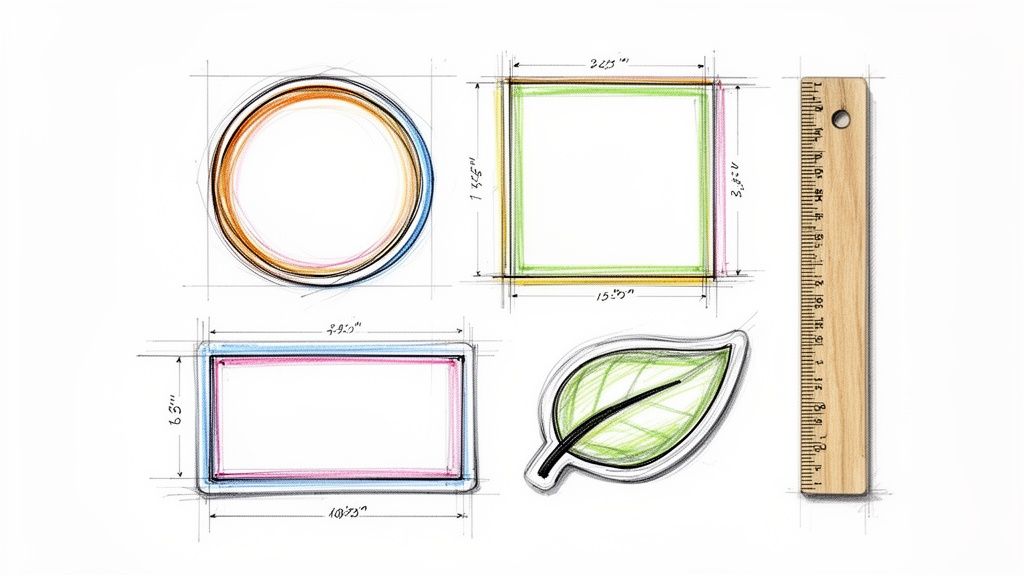
  1. Pick Your Shape and Size: Start with the basics. You can go for standard shapes like circles and squares or upload a custom die-line if you want a unique outline that follows your logo.
  2. Choose Your Material: This is where your new expertise comes in handy. Confidently select that rugged vinyl for outdoor gear or the sleek BOPP for your product labels.
  3. Select a Finish: Do you want your colors to pop with a glossy finish, or are you going for a more modern, understated look with matte? Maybe a clear background is best to let your product show through.
  4. Upload Your Artwork: Simply drag and drop your design file. Most printers provide templates and guides to make sure your art is perfectly set up for printing.
  5. Review and Approve: Before anything goes to print, you’ll get a digital proof. This is your chance to give it a final look and make sure everything is exactly how you want it.

What to Look for in a Printing Partner

Finding the right printer is just as important as picking the right sticker material. For any business, what matters most is quality you can count on, reliability, and getting a great return on your investment. You need a partner who delivers professional results without the hassle.

When you're comparing printers, keep an eye out for these key things:

  • Fast Turnaround Times: Deadlines are real. Look for printers who offer quick options, like same-day printing, to keep your projects on track.
  • Instant Price Calculators: No one likes hidden fees. Clear, upfront pricing lets you make decisions with your budget in mind from the start.
  • High-Quality Materials: Make sure they offer a solid range of the durable, truly waterproof options you've learned about.
  • User-Friendly Tools: The process should be smooth. Access to easy-to-use templates and simple upload guides makes all the difference.

When you invest in professionally printed waterproof stickers, you're not just buying a label. You’re getting a durable tool that represents your brand’s commitment to quality, protects your identity, and makes a lasting impression on your customers.

Frequently Asked Questions About Waterproof Stickers

When you’re diving into the world of durable labels, a few questions always seem to pop up. We get it. You want to make sure you're ordering the right sticker for the job. To help you choose with confidence, we've put together straightforward answers to the most common queries we hear from businesses about waterproof sticker paper.

Are Waterproof Stickers Also UV Resistant?

Not necessarily. The term "waterproof" is all about how well a sticker holds up against moisture. "UV resistant," on the other hand, refers to its ability to handle direct sunlight without the ink fading into a washed-out memory.

While high-quality vinyl has some built-in toughness against the sun, it’s the UV-protective laminate that really delivers long-term outdoor durability.

Think of it like sunscreen for your sticker. Without that protective top layer, even the best waterproof material will eventually fade under constant sun exposure, which isn't a great look for your brand. If you need a sticker to last outdoors for more than a year, a UV laminate is a must-have.

Can You Write on Waterproof Sticker Paper?

Yes, but you have to use the right tool. Trying to scribble on a glossy or laminated sticker with a regular ballpoint pen is a recipe for a smudged, unreadable mess.

For a clean, permanent mark on any waterproof surface, a permanent marker is your best friend. While a matte finish is a bit more forgiving and easier to write on, a permanent marker is the only way to guarantee your writing won’t wipe right off with a little moisture or handling.

What Is the Difference Between Water-Resistant and Waterproof?

Let’s think about it in terms of jackets. A "water-resistant" jacket will get you through a light drizzle or a small splash, but it's going to soak through in a real downpour. A truly "waterproof" jacket is made to be completely submerged without letting a drop of moisture inside.

This difference is critical when it comes to product labels:

  • Water-Resistant: Good for products that might face a bit of condensation or the occasional light splash.
  • Waterproof: Absolutely necessary for anything used in the shower, stored in a fridge, slapped on a water bottle, or left outside in the rain.

When your product's survival depends on staying dry, always go for a truly waterproof material. No compromises.

How Do I Ensure My Design Prints Clearly?

For professional, tack-sharp results, it all starts with your artwork. Make sure your design file is at least 300 DPI (dots per inch) at the size you want it printed. This is the industry standard to prevent your images and text from looking fuzzy or pixelated.

Even better, use vector files (like .AI, .EPS, or .SVG). You can scale these to any size imaginable without losing a single bit of quality. Most professional printers will double-check your files and flag any low-resolution images, giving you a chance to fix them before anything goes to print.


Ready to create stickers that can handle anything? 4OVER4 offers a full range of high-quality, durable materials and finishes to bring your brand to life. Design your perfect waterproof stickers today!

More from

Your Guide to Transparent Label Stickers
story
Your Guide to Transparent Label Stickers

11

Ever seen a logo that seems to float right on the glass of a jar or bottle? That’s the work of transparent label stickers.

author avatarEmma Davis

Mar 9, 2026

Your Ultimate Guide to Packaging and Labeling
story
Your Ultimate Guide to Packaging and Labeling

28

In a sea of options, your product's packaging and labeling are its first, and often only, chance to make a real connectio

author avatarEmma Davis

Mar 7, 2026

What Is Commercial Printing Your Complete 2026 Guide
story
What Is Commercial Printing Your Complete 2026 Guide

53

Ever tried to print a hundred high-quality flyers on your home office printer? You probably ran out of ink, dealt with paper jams, and ended u

author avatarEmma Davis

Mar 6, 2026

What Is Typography in Graphic Design: A Beginner's Guide
story
What Is Typography in Graphic Design: A Beginner's Guide

54

So, what exactly is typography in graphic design? Put simply, it’s the art of arranging letters and text in a way that is clear, legible, an

author avatarEmma Davis

Mar 5, 2026

Traditional Marketing vs Digital Marketing: Which Strategy Wins in 2026
story
Traditional Marketing vs Digital Marketing: Which Strategy Wins in 2026

714

The fundamental difference between traditional and digital marketing really boils down to one thing: traditional marketing casts a wid

author avatarEmma Davis

Mar 4, 2026

Your Guide to Winning Business Loyalty Cards
story
Your Guide to Winning Business Loyalty Cards

52

Business loyalty cards are a classic for a reason. They're more than just a marketing gimmick; they're a powerful way to reward repeat

author avatarEmma Davis

Mar 3, 2026

Construction company business card ideas: Bold, durable designs win projects
story
Construction company business card ideas: Bold, durable designs win projects

299

The best business cards for a construction company nail three things: they feel durable, just like your work; they’re

author avatarEmma Davis

Mar 2, 2026

Your Guide to Strategic Bulk Sticker Orders in 2026
story
Your Guide to Strategic Bulk Sticker Orders in 2026

109

Placing bulk sticker orders is one of the smartest investments a growing business can make. It’s a move that dramatically c

author avatarEmma Davis

Mar 1, 2026

Home
Products
Cart
Account