Table of Contents
- ‌
- ‌
- ‌
- ‌
- ‌
- ‌
- ‌
- ‌
- Home
- content hub
- Your Ultimate Guide to Packaging and Labeling
Your Ultimate Guide to Packaging and Labeling
Emma Davis
Content Writer
Mar 7, 202611 views
Mar 7, 202611 views

Table of Contents
- ‌
- ‌
- ‌
- ‌
- ‌
- ‌
- ‌
- ‌
In a sea of options, your product's packaging and labeling are its first, and often only, chance to make a real connection. Think of them less as a simple container and more as your star salesperson—the one working 24/7 to tell your story and close the deal before a customer even knows what’s inside.
The Hidden Power of Packaging and Labeling

Picture yourself in a store, surrounded by a dozen brands of the same thing. What makes you reach for one over the others? Nine times out of ten, it’s the look and feel of the package.
A thoughtfully designed package does more than just keep its contents safe. It signals quality, tells a compelling brand story, and forges an instant bond with the right audience. It’s a powerful marketing tool that operates far beyond its basic function.
More Than Just a Box
The job of packaging has evolved. It’s no longer enough to get a product from point A to point B in one piece. Today, it has to shout for attention in a ridiculously competitive space, whether that's on a physical shelf or a crowded e-commerce page.
The visual punch of your packaging is everything, especially online. For anyone selling on the web, high-quality visuals are non-negotiable. Investing in great imagery is a must, and guides on Product Photography for Amazon are a great place to start understanding just how critical this is.
Your packaging is the only part of your marketing mix that the consumer takes home. It’s a tangible piece of your brand that lives in their space, constantly reinforcing your message.
That physical interaction makes the customer’s experience with your packaging a direct conversation with your brand.
Communicating Value and Trust
Labels are the other half of this power duo, acting as the product's voice. They deliver the crucial details that shoppers need to feel confident in their purchase, from ingredients and nutrition facts to instructions and regulatory seals.
Together, great packaging and labeling perform several vital jobs:
- Brand Differentiation: Carving out a unique identity that makes your product unmistakable.
- Information Delivery: Clearly explaining what the product is, how to use it, and why it's the best choice.
- Consumer Protection: Showing that the product is safe, tamper-proof, and compliant with all legal standards.
- Emotional Connection: Using color, texture, and smart design to spark feelings and build lasting loyalty.
Ultimately, these elements work together to create a seamless and memorable experience, turning a first-time buyer into a dedicated fan. This guide will walk you through every detail, helping you create packaging that doesn't just sit on a shelf—it sells.
Understanding the Three Layers of Packaging

When you think about product packaging, it’s easy to just picture the box it comes in. But great packaging is actually a system, a series of layers working together to get a product safely from a warehouse into a customer's hands.
Think of it like a set of Russian nesting dolls. Each layer has its own job, protecting the one inside it while serving a distinct purpose. Getting these layers right is the first step to making smart, effective choices for your brand.
Primary Packaging: The First Touchpoint
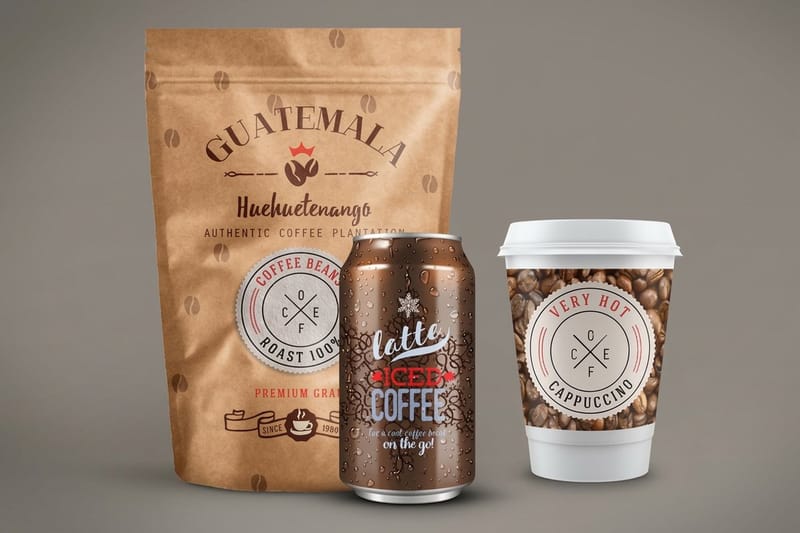
The first and most intimate layer is the primary packaging. This is what directly contains your product. It’s the perfume bottle, the candy bar wrapper, or the bag holding your coffee beans. Its main role is to contain and preserve what's inside.
This layer is also what your customer physically interacts with, so its design and feel are incredibly important for shaping their experience. Is it easy to open? Does it feel high-quality? The primary packaging sets the stage for how your brand is perceived.
Secondary Packaging: The Retail Showcase
Next, you have the secondary packaging. This is the layer that holds the primary packaged goods. For that perfume, it’s the beautiful, branded box the bottle sits in. For a six-pack of beer, it’s the cardboard carrier holding the cans together.
This layer is your product’s retail outfit, and it has several jobs to do:
- Act as a Brand Billboard: It offers a bigger canvas for branding and eye-catching graphics that grab attention on a crowded shelf.
- Add Another Layer of Protection: It provides extra defense against dings and damage during shipping and handling.
- Serve as an Information Hub: This is usually where you’ll find key details like barcodes, ingredient lists, and marketing copy.
It’s all about making a great first impression and communicating value at a glance. For brands trying to find the perfect fit, exploring different custom packaging products can spark ideas for how to make that impression count.
Tertiary Packaging: The Logistics Workhorse
Finally, we get to the tertiary packaging. This is the outermost layer built for bulk shipping and handling. We're talking about the big, plain brown corrugated box that holds a dozen perfume boxes or the stretch film wrapped around a pallet.
The main goal of tertiary packaging isn’t to dazzle the end customer—it’s to make sure a large shipment arrives at its destination safely and efficiently. The focus here is on durability and stackability, not aesthetics.
Understanding this layered structure is more than just a technicality. The global packaging market was valued at a staggering USD 1,109.44 billion in 2025 and is projected to hit USD 1,590.68 billion by 2034, showing just how critical it is. Knowing where to invest your budget is key. You can focus your design flair on the primary and secondary layers where it matters most, while ensuring the tertiary layer is all about strength and function.
Choosing Materials and Finishes That Tell a Story
The materials and finishes you pick for your packaging are much more than just a box. They’re the first physical handshake your brand has with a customer, and that first impression is powerful. The weight, texture, and overall feel of your packaging immediately signal the quality of what’s inside.
Think about it: a flimsy, thin-walled box holding a premium product creates a major disconnect. It sends a subtle message that you might be cutting corners. A solid, well-crafted package, on the other hand, communicates care, quality, and a commitment to a better customer experience before they’ve even seen the product.
Selecting the Right Foundation Material
The material you choose has to strike a balance between protection, your budget, and the brand image you want to project. Each option tells a different story and serves a unique role in getting your product from your warehouse into your customer's hands.
- Corrugated Cardboard: This is the undisputed workhorse of the shipping world. Its fluted inner layer offers incredible cushioning and strength, making it the go-to choice for e-commerce mailers and outer shipping boxes that need to survive the journey.
- Paperboard: Sleeker and more polished, paperboard is perfect for retail packaging. It provides a smooth surface that’s fantastic for high-quality printing, which is why it’s a top pick for everything from cosmetic boxes to food packaging.
- Flexible Packaging: This category covers everything from pouches and bags to wraps. It's incredibly versatile and has exploded in popularity, largely because consumers love the convenience and portability. In 2023, flexible packaging generated USD 270.9 billion globally and is expected to hit USD 373.3 billion by 2030, showing just how dominant it has become. You can dig deeper into this trend by checking out the latest research on flexible packaging.
Elevating Your Brand with Special Finishes
Once you've got your base material sorted, the real magic happens with the finishes. These are the tactile and visual details that turn a simple package into something truly memorable. The right finish doesn’t just look good—it makes your product feel valuable.
A finish is the final touch that can make a customer pause and take notice. It’s the difference between a package that is simply seen and one that is truly experienced.
Choosing the right combination of finishes can elevate your packaging, making your brand feel more premium and thoughtful. They invite touch and interaction, creating a stronger sensory connection with your product.
Here’s a quick comparison of popular materials and finishes to help you decide what’s best for your brand.
Packaging Material and Finish Comparison
| Material/Finish | Best For | Key Benefit |
|---|---|---|
| Corrugated Cardboard | E-commerce shipping & mailers | Excellent durability and protection during transit. |
| Paperboard | Retail product boxes (cosmetics, food) | Smooth surface for high-quality printing and a premium feel. |
| Gloss Lamination | Vibrant, colorful designs | Creates a high-shine surface that makes colors pop and protects from moisture. |
| Matte Lamination | Minimalist, luxury branding | Offers a soft, non-reflective look and a velvety feel that suggests elegance. |
| Foil Stamping | Highlighting logos or key text | Applies a metallic foil to specific areas, adding a touch of luxury and drawing the eye. |
| Spot UV | Creating textural contrast | A glossy coating applied to select parts of a design, making them stand out against a matte background. |
| Embossing/Debossing | Adding 3D texture and depth | Raises (emboss) or indents (deboss) parts of the design for a sophisticated, tactile effect. |
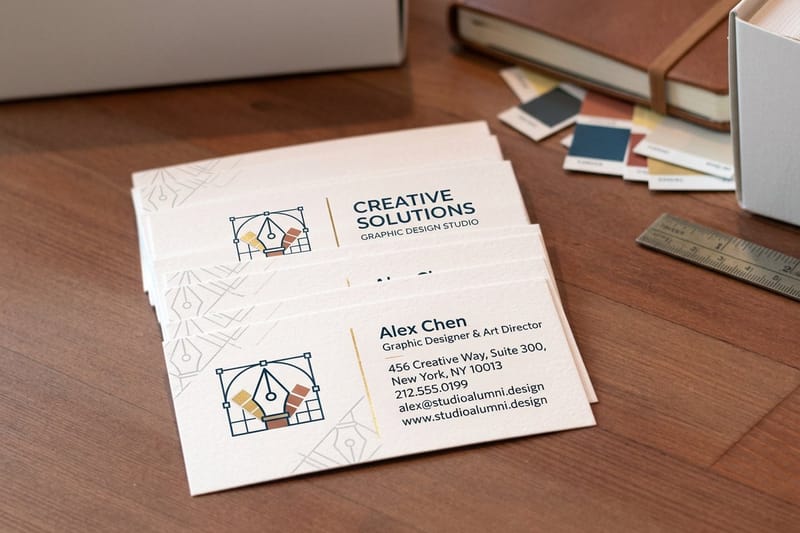
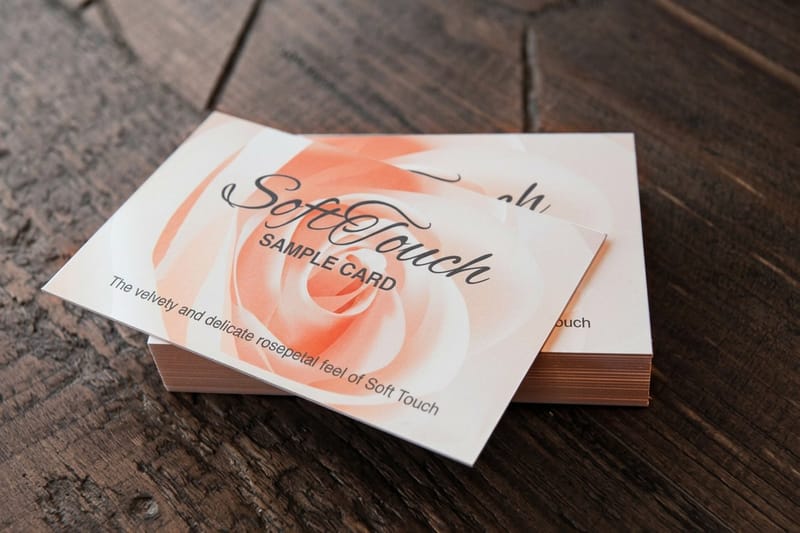
These details really do matter. A sleek matte box with a shimmering foil-stamped logo communicates a level of quality that customers notice and appreciate. By thoughtfully selecting these elements, you’re telling a story about your brand's value before the package is even opened. For a deeper look at what’s possible, check out the variety of fantastic finishes available for custom printing.
Designing for Print and Navigating Regulations
Bringing your design from a digital screen into the real world is where the magic happens. It’s that final, crucial step where your vision for a package or label becomes a tangible object a customer can hold. But this is also where art meets the unforgiving realities of printing and regulations.
Getting this part right is about more than just aesthetics. Your design has to be technically perfect to avoid costly reprints and delays. At the same time, it needs to play by the rules. Government bodies have strict requirements for what you must include on your labels, especially for food, cosmetics, and beverages. Success here is a balancing act between great looks, technical know-how, and legal must-haves.
Mastering Essential Print Concepts
Before you even think about sending a file off to print, there are three concepts you have to get right: bleed, safe zones, and dielines. Think of these as the fundamental blueprints that tell the printing press exactly what to do. Get them wrong, and your design simply won't turn out as you planned.
- The Bleed Area: This is your design's safety net. It's a small border of extra artwork—usually 0.125 inches—that extends past the final trim line of your package. Since cutting machines have a tiny margin of error, the bleed ensures you never end up with an ugly white sliver of unprinted paper at the edge if the cut is slightly off.
- The Safe Zone: This is the inverse of the bleed. It’s an inner margin where all your vital information, like logos and text, must reside. Keeping important elements well within this zone guarantees nothing gets accidentally chopped off during the final trimming process.
- The Dieline: This is the architectural plan for your package. A dieline is a template that shows the printer precisely where to cut, crease, or fold the material. Without a clear dieline, the printer has no instructions for how to construct your box or shape your label.
These technical elements work hand-in-hand with your material and finish choices to shape how customers see your product.

As you can see, the materials and finishes you select aren't just for show—they directly signal your brand's quality and value to the person picking it up.
Understanding Key Labeling Regulations
Beyond the technical setup, your labels must contain specific information to be sold legally. While the rules change depending on your industry and where you're selling, some requirements are almost universal. For instance, food products must follow strict guidelines, like those from the FDA in the United States or the FSSAI in India.
Regulatory compliance isn't optional. A single mistake, like an incorrect font size on a warning or a missing allergen declaration, can lead to product recalls, legal penalties, and a significant loss of consumer trust.
Here are some of the most common elements you'll find on a label:
- Product Identity: What the product is actually called.
- Net Quantity: The amount of product inside (e.g., weight, volume).
- Manufacturer Information: The name and address of the company behind the product.
- Ingredient List: All ingredients, listed in descending order by weight.
- Nutritional Facts: The standardized panel showing key nutritional data.
- Warning Labels: Necessary for specific products, like allergy alerts (e.g., "Contains nuts") or other safety notices.
Barcodes are another non-negotiable for most retail products. A UPC (Universal Product Code) is what allows your item to be scanned and tracked in stores. If you manage your own stock, you can learn more about implementing barcoding for your products to keep your inventory system running smoothly.
A Pre-Print Checklist for Success
To sidestep the most common printing headaches, run through this quick checklist before you submit any artwork. This simple five-minute review can save you an enormous amount of time and money.
| Checkpoint | Action | Why It Matters |
|---|---|---|
| Bleed and Safe Zone | Confirm artwork extends to the bleed line and all critical text is inside the safe zone. | Prevents unprinted edges and ensures no key information gets cut off. |
| Color Mode | Make sure your file is set to CMYK color mode, not RGB. | CMYK is the standard for printing; RGB is for screens. Using RGB will cause colors to look washed out or different in print. |
| Image Resolution | Check that all images are high-resolution, ideally 300 DPI (dots per inch). | Anything lower will make your images look pixelated and blurry when printed. |
| Font and Text | Outline all of your fonts or embed them directly into the file. | This guarantees your typography prints correctly, even if the printer doesn't have the same font installed. |
| Dielines | Ensure your dielines are on a separate layer and properly marked. | This tells the printer exactly where to cut, fold, and score your package without confusion. |
By taking the time to prepare your files correctly and follow all the rules, you're setting your packaging and labeling up for a flawless production run from start to finish.
Embracing Sustainable Packaging That Sells

It’s no secret that today's shoppers care deeply about where their products come from—and what happens to the packaging afterward. This shift from a niche interest to a mainstream expectation gives you a fantastic opportunity to connect with customers and show them what your brand truly values.
Sustainable packaging is no longer just a nice-to-have; it's a powerful way to build brand loyalty and stand out. By making thoughtful choices, you’re not just helping the planet; you’re giving customers a compelling reason to choose you over the competition.
Practical Steps Toward Greener Packaging
Making the switch to eco-friendly materials doesn't need to be an overwhelming overhaul. It's often about taking small, intentional steps that cut down on waste and speak directly to environmentally aware consumers. The key is to find options that protect your product while reflecting your brand’s commitment.
Here are a few actionable strategies you can start with:
- Choose Recyclable Materials: This is the foundation. Opting for materials like paperboard, cardboard, glass, and certain plastics that are widely recycled is a great first move. Make sure your design clearly communicates how to recycle it.
- Embrace Renewable Sources: Look for materials that come from responsibly managed origins. For example, using FSC-certified paper guarantees it's sourced from forests that meet strict environmental and social standards.
- Adopt Minimalist Design: Sometimes, the greenest package is the one that uses the least amount of material. A minimalist design not only reduces waste and shipping costs but also creates a clean, modern look that many people love.
Turning Sustainability Into a Compelling Story
Making green choices is one thing, but telling your customers about it is how you build a real connection. Your packaging and labels are the perfect place to share your eco-friendly story, turning your efforts into a core part of your brand’s identity.
Clarity and honesty are crucial here. Simple icons, like the familiar recycling symbol, and direct statements on your labels go a long way. Phrases like "Made from 100% recycled materials" or "Please recycle this box" are easy to grasp and show you've considered the product's entire journey. You can explore a wide range of green printing solutions to make sure this message is communicated beautifully and effectively.
Sustainability is reshaping how people shop. Products with clear sustainability claims saw 28% cumulative growth over five years, compared to just 20% for those without.
This isn't just about feeling good; it's smart business. With 51% of global consumers expected to rank environmental impact as a top-three purchasing factor by 2025, brands that lead with sustainability are setting themselves up for success.
By making these thoughtful, sustainable choices, you’re doing more than just reducing your environmental footprint. You’re building a brand that modern consumers can truly believe in, turning your packaging into a powerful statement of your values.
How to Order Custom Packaging and Labels with 4OVER4
Alright, you’ve got a handle on what makes great packaging and labeling. Now for the fun part: turning your vision into something you can actually hold. Making the jump from a concept on your screen to a professionally printed product can feel like a huge step, but the right tools make it surprisingly straightforward. This is where your ideas get real.
With a platform like 4OVER4, the entire process is laid out for you, giving you total control from the first click to the final delivery. You can create everything from custom mailer boxes that give e-commerce customers that "wow" moment to vibrant product labels that seal the deal on a crowded retail shelf.
Let's walk through exactly how it gets done.
Start with a Template or Design from Scratch
First things first, you need to decide how you want to approach the design. You’ve got two main paths, and each one is built for different needs and design skills. This flexibility means you’ll get a professional result whether you're a veteran designer or a startup founder juggling a dozen different roles.
- Use a Template: If you want a head start or just need a little inspiration, 4OVER4 has a library with over 10,000 templates. These pre-made layouts give you a solid foundation that you can quickly customize with your logo, brand colors, and text.
- Build Your Own: For those who have a precise vision in mind, the online designer lets you start with a blank canvas. This tool gives you the freedom to upload your graphics, arrange every element just so, and build a completely unique design right in your browser.
Choosing your starting point is all about balancing speed with creative control. A template gets you moving fast, while a custom design delivers pure brand originality.
No matter which path you take, you’ll get to see a digital proof of your work before committing. This is a critical step—it’s your chance to catch any mistakes before your project heads to the printer.
Customize and Get an Instant Quote
Once your design is looking good, it's time to dial in the physical details of your packaging. This is where you’ll pick the materials, sizes, and special finishes that will make your product pop. As you make these choices, the platform’s instant online quote updates in real-time.
This immediate price feedback is an incredible tool for budgeting. It completely removes the guesswork and lets you play around with different options—like adding a spot UV finish or trying a thicker cardstock—to see how they affect the final cost. This transparency gives you the power to find that sweet spot between your creative ambitions and your budget. If you're looking to create a truly memorable unboxing experience, exploring the full range of custom box printing options is a fantastic way to see what's possible.
Finalize Your Order and Choose Your Turnaround
After you’ve fine-tuned the design and specs, you’re on the home stretch. The final step is confirming your quantity and picking a production turnaround time that fits your schedule. This is a lifesaver when you’re up against a tight deadline for a product launch or a big marketing push.
Many online printers, including 4OVER4, offer faster options to get your packaging and labels printed in a hurry.
Key Turnaround Options:
- Standard Production: The most budget-friendly choice when your timeline is flexible.
- Rush Production: Speeds up the printing process for a quicker delivery when you're in a bit of a time crunch.
- Same-Day Shipping: For those "I need it yesterday" moments, this option gets your order printed and shipped out the very same business day.
This control over the timeline helps keep your marketing and operational plans right on schedule. By following these simple steps, you can confidently move from an idea for premium packaging and labeling to a professionally finished product, delivered right to your door.
Frequently Asked Questions About Packaging and Labeling
Even the most well-thought-out packaging project can hit a few snags. As you get closer to the finish line, small questions pop up that can feel like big hurdles. Here are some quick answers to the most common questions we hear, so you can move forward with confidence.
What Is the Difference Between a UPC and a SKU Barcode?
Think of it this way: a UPC (Universal Product Code) is your product’s public ID, while a SKU (Stock Keeping Unit) is its internal nickname.
The UPC is the universal barcode that gets scanned at a retail checkout, tracking sales across any store that carries your product. The SKU, on the other hand, is a code you create just for your business. You use it to manage your own inventory and keep things organized internally.
How Much Bleed Should I Include in My Design Files?
You'll almost always need a 0.125-inch (or 1/8-inch) bleed on every side of your design. This extra bit of artwork is your safety net during the printing process.
It guarantees your design will go all the way to the edge, preventing any ugly white slivers if the cutting machine is off by just a hair. Always take a second to check your printer’s specific requirements, as they can occasionally differ.
Getting a proof is not an optional step—it's your final chance to spot a mistake. It lets you feel the material, see the colors in person, and make sure everything is perfect before you commit to a full, expensive print run.
What Is the Most Cost-Effective Packaging for a Small eCommerce Business?
For most small eCommerce businesses, corrugated mailer boxes and poly mailers are the way to go. They hit that sweet spot between cost and function.
Corrugated boxes are fantastic for giving fragile items the protection they need to arrive in one piece. For soft goods like apparel, lightweight and tear-resistant poly mailers are perfect and can help you save a bundle on shipping costs.
Can I Get a Sample of My Packaging Before a Large Order?
Absolutely. Any professional printer, including 4OVER4, will offer proofing options. You can usually get a quick digital proof to check on your screen or order a physical prototype, often called a hard copy proof.
This lets you hold the final product in your hands and test the design, materials, and overall construction before you lock in a big order. As you're putting the finishing touches on your product's look, remember that custom product labels and essential supplies like wholesale shipping labels are just as important for your brand's logistics and presentation.
Ready to create packaging that gets your customers excited? 4OVER4 has a huge selection of customizable options, from boxes and mailers to custom labels. Check out our easy-to-use online designer and get instant pricing today at https://4over4.com.
More from
23
Ever tried to print a hundred high-quality flyers on your home office printer? You probably ran out of ink, dealt with paper jams, and ended u
Emma Davis
Mar 6, 2026
28
So, what exactly is typography in graphic design? Put simply, it’s the art of arranging letters and text in a way that is clear, legible, an
Emma Davis
Mar 5, 2026
226
The fundamental difference between traditional and digital marketing really boils down to one thing: traditional marketing casts a wid
Emma Davis
Mar 4, 2026
42
Business loyalty cards are a classic for a reason. They're more than just a marketing gimmick; they're a powerful way to reward repeat
Emma Davis
Mar 3, 2026
283
The best business cards for a construction company nail three things: they feel durable, just like your work; they’re
Emma Davis
Mar 2, 2026
99
Placing bulk sticker orders is one of the smartest investments a growing business can make. It’s a move that dramatically c
Emma Davis
Mar 1, 2026
47
Your car wash business cards aren't just little rectangles with your phone number on them. Think of them as a physical ha
Emma Davis
Feb 28, 2026
230
Let's get straight to it. The standard A7 envelope comes in at 5.25 x 7.25 inches, which translates to 133.35 x 1
Emma Davis
Feb 27, 2026