
The 12-Piece Accountant Suite That Wins Client Engagements
Clients hand an accountant their finances long before they see any work, so the practice is judged on its signals first. This suite is the paper side of that judgment: the card that carries your credentials, the folder that closes the proposal, and the deadline postcard that brings the whole client list back every season.
The accountant client-winning suite is 12 print pieces that carry a practice from introduction to yearly renewal: financial business cards, brochures, gloss presentation folders, business forms, letterheads, postcards, printed envelopes, appointment cards, rack cards, notepads, magnets, and flyers. The card, brochure, and rack card win the meeting, the folder and stationery close and formalize the engagement, and organizer forms, appointment cards, deadline postcards, magnets, and notepads keep every client orderly and returning each tax season. One restrained look across all 12 and the firm reads as meticulous before the first return is filed.
The picks
The 12 pieces, priced live
Start here. These are the 12 products that make up the suite, each priced live from the configurator. Order them together so card, folder, letterhead, and envelope all share one stock family and one restrained look, then read on for what each piece does in the client journey.
Design and print help
Keep all 12 pieces on brand
A trust profession cannot afford a suite that looks assembled from three different print shops. These 4OVER4.COM services hold the line on consistency, and take the seasonal mailing work off the firm's plate.
How they work together
Print in the order clients decide
Each piece owns a stage of the engagement. Run the whole sequence and no stage of the client journey goes unbranded, from the first handshake to the January organizer.
The introduction at the chamber breakfast, the referral over lunch, the walk-in with a shoebox of receipts. The card carries your credentials, the brochure and rack card explain what the firm actually does and for whom, and the tax-season flyer announces the practice at the community events where clients are made.
The proposal goes across the desk in a branded folder, the engagement letter arrives on real letterhead in a matching envelope. Everything about the paper says the numbers inside are handled with the same care.
Organizers and intake forms make every engagement orderly, the appointment card locks the tax-season slot before the client leaves, the deadline postcard brings the whole list back without a cold call, and the magnet and notepad keep the firm's number in the client's kitchen all year.
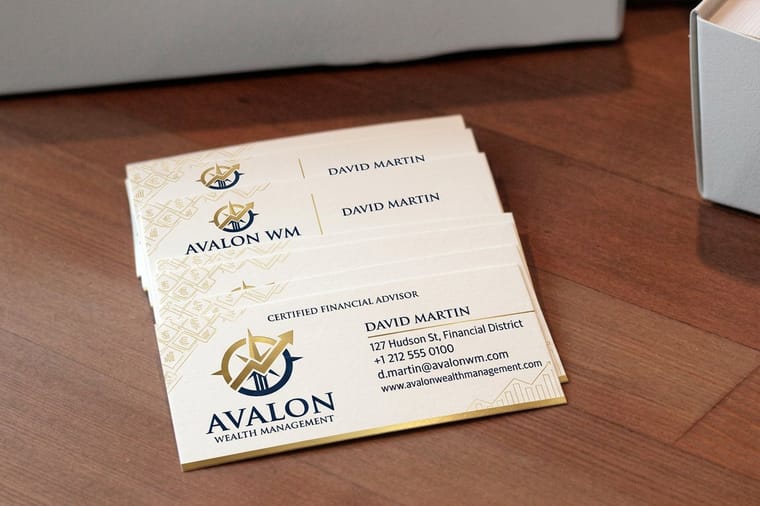
1. Financial business cards: credentials in a pocket
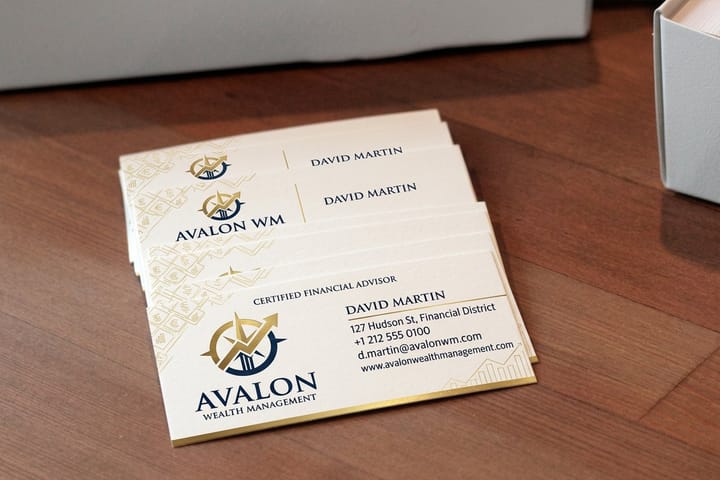
Accountants get hired at moments no ad can reach: a business owner complains about taxes at a chamber event, someone's bookkeeper quits mid-quarter, a friend asks who handles your returns. The card in your pocket is the only marketing that is present for all of them.
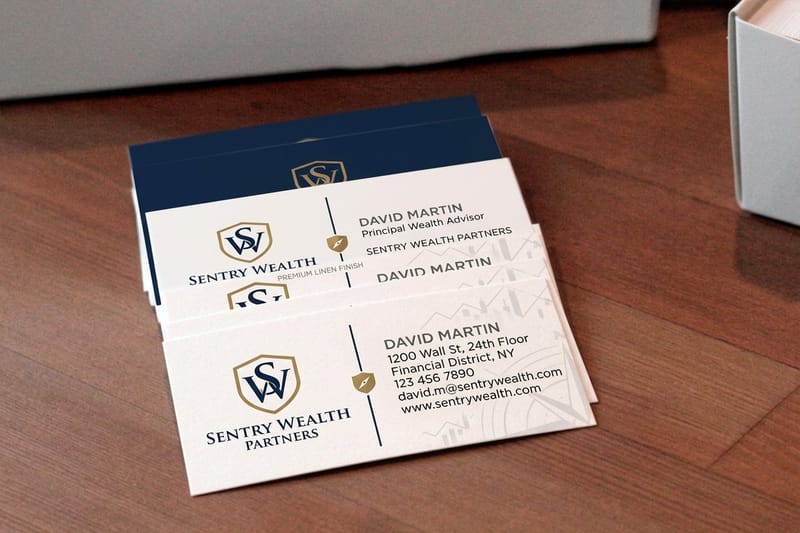
Put the credentials on the front, CPA, EA, the designations clients actually search for, and consider the back for a plain-language line about who you serve: "Tax and books for contractors and small retail." A heavier stock matters more in this profession than most; our guide to business card paper weights explains why 16pt reads as established, and what to include on a business card keeps the layout disciplined.
Under twenty dollars a box, and every referral conversation for the next year has something to hand over.
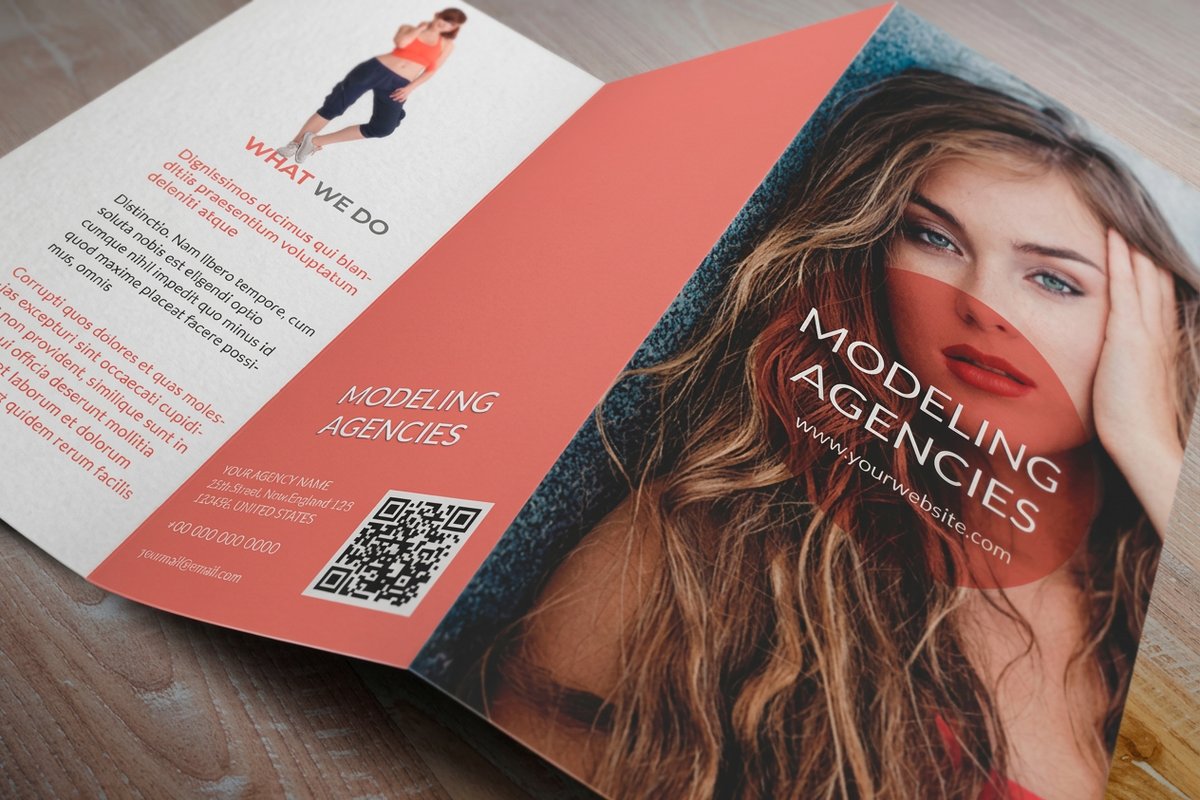
2. Brochures: the services explained before the meeting
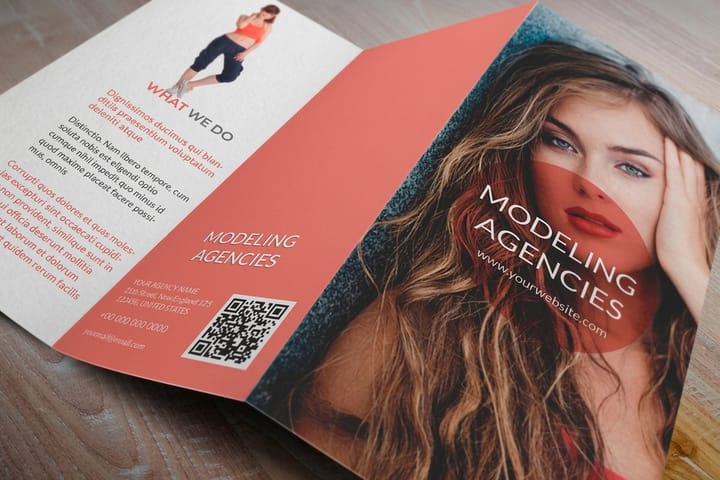
Most prospects do not know what they need from an accountant; they know they have a pain. The brochure is where "we do tax, bookkeeping, and payroll" becomes "here is what monthly bookkeeping costs, here is what we take off your plate, here is when to call us instead of doing it yourself." It answers the awkward questions before the first meeting.
Structure it by client situation rather than by service: the new business, the growing business, the yearly filer. Our walkthrough of brochure design elements covers hierarchy and panel order, how to fold a brochure matches the fold to the content, and brochure paper types picks a stock that feels like a professional document rather than a takeout menu.
Leave a stack in the office, tuck one into every proposal folder, and hand one to every referral source who says "what do you actually do?"
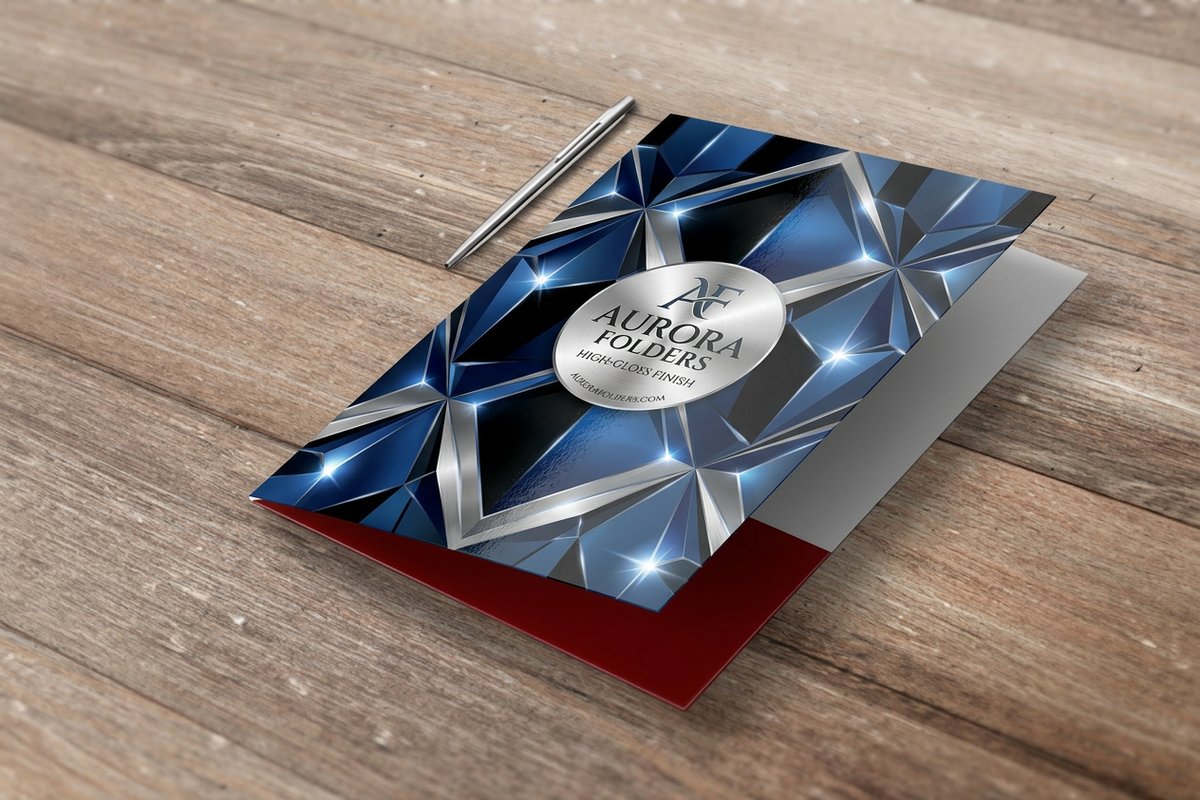
3. Presentation folders: the proposal that feels signed already
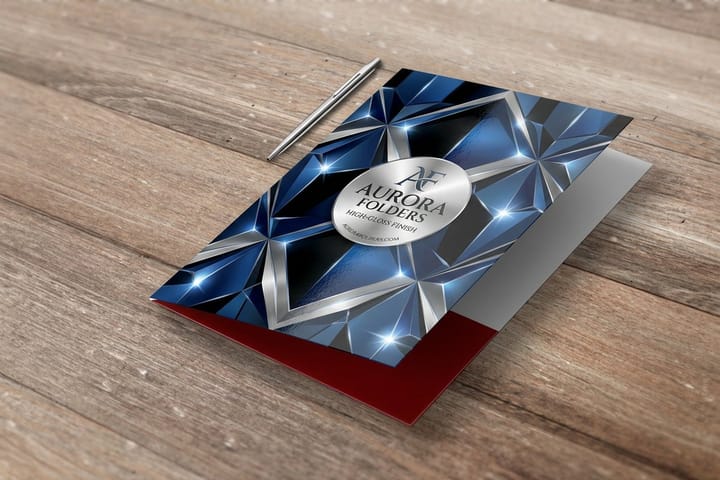
The highest-stakes print moment in an accounting practice is the proposal handoff. The same engagement quote reads completely differently loose versus inside a branded folder with your card in the die-cut slot, and the folder is what the decision maker carries into the room where the decision actually happens.
A gloss folder does double duty at onboarding: new clients receive their organizer, engagement letter, and checklist in one branded package they will keep all season, with your contact line on the cover when a document question comes up in March. Our explainer on what pocket folders are covers pockets, capacity, and card slits, and standard folder sizes confirms the 9 x 12 that fits letterhead without creasing.
Order them in proposal volume, not pamphlet volume. Each folder should sit on a desk that signs checks.
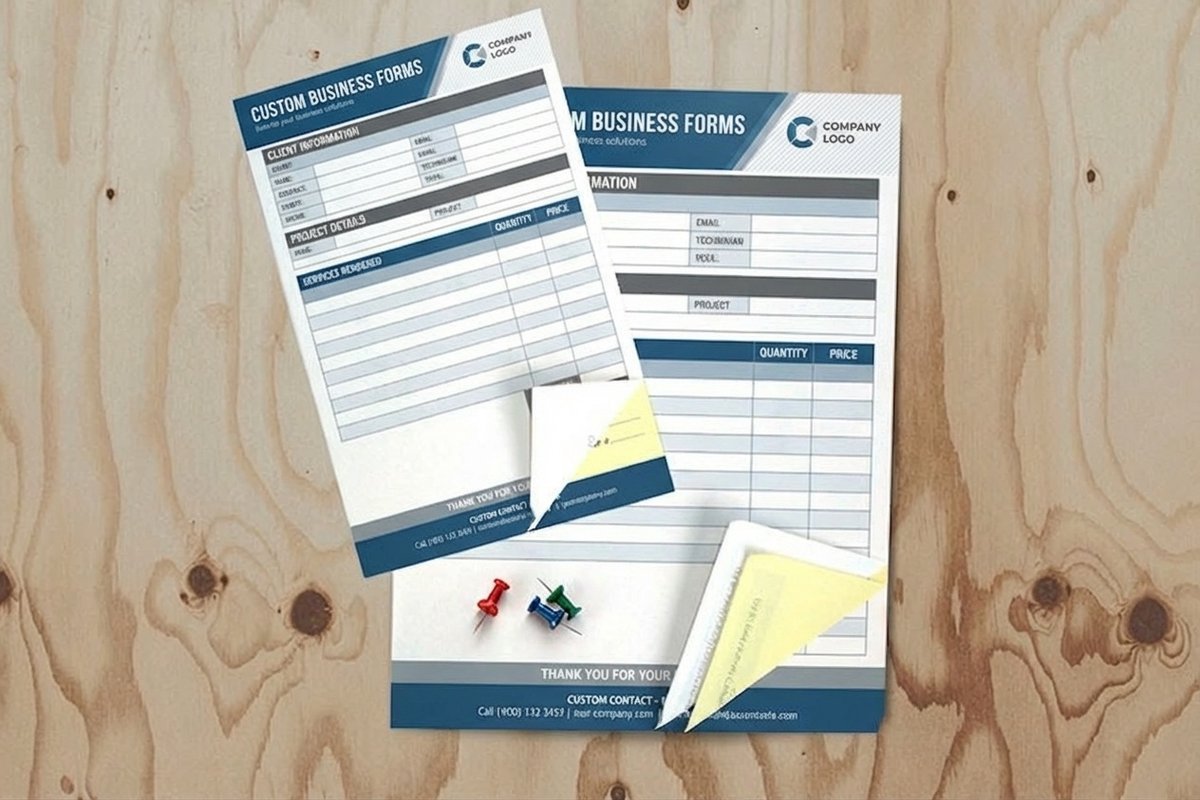
4. Business forms: intake and organizers that run the season
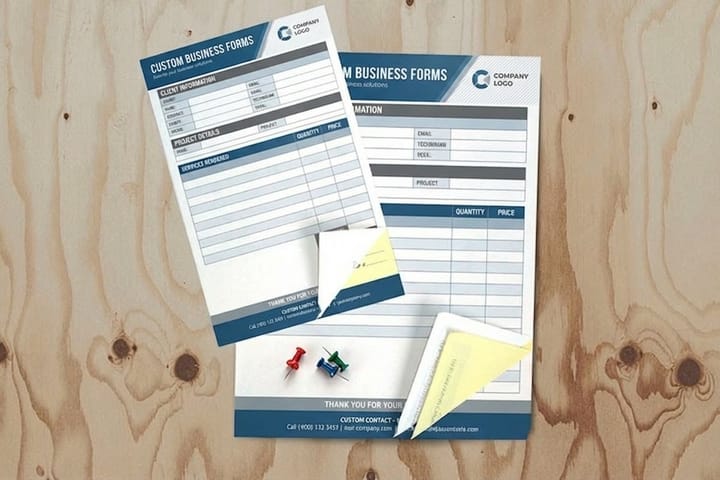
Tax season is a paperwork pipeline, and the firms that survive it cleanly are the ones whose intake is standardized. A printed organizer or intake form, client details, income sources, the documents checklist, turns every new engagement into the same orderly process instead of forty different email threads.
Carbonless sets earn their keep on anything a client signs in the office: the client leaves with a copy, the file keeps a copy, and nothing depends on the scanner. Our explainer on what carbonless forms are covers two-part and three-part sequences, and sequential numbering turns the same forms into an audit trail your own accountant would approve of.
A branded form also does quiet retention work: it is your logo on the document the client fills out at their own kitchen table.
5. Letterheads: the sheet that makes it official
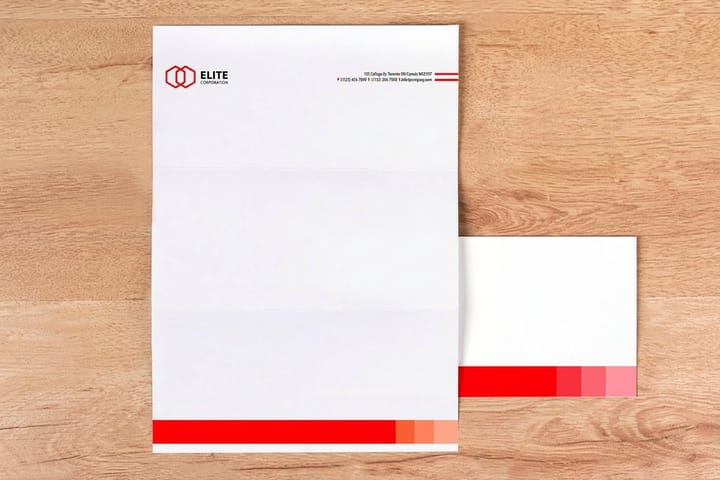
Engagement letters, completed-return cover pages, responses to IRS notices: the documents an accountant produces carry legal and financial weight, and the paper should say so. Letterhead is the difference between correspondence and printout.
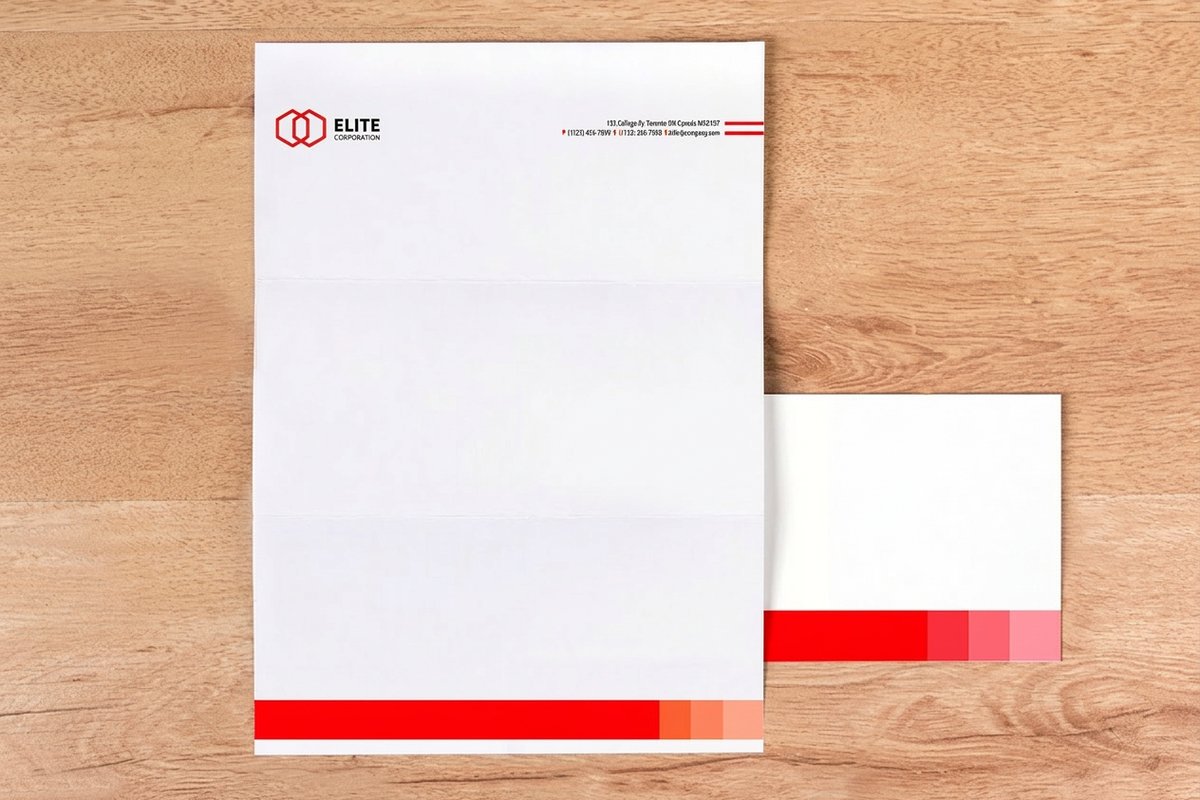
Keep the design to a disciplined header, firm name, credentials, address, phone, and a clean footer with any required disclosures. Our guide on what a letterhead is covers the anatomy, and letterhead design tips gets the typography right, which in this profession is most of the design.
Print enough for the season. The moment you are photocopying a letterhead because the drawer ran out, the signal it was supposed to send is gone.
6. Postcards: the deadline reminder that renews the client list
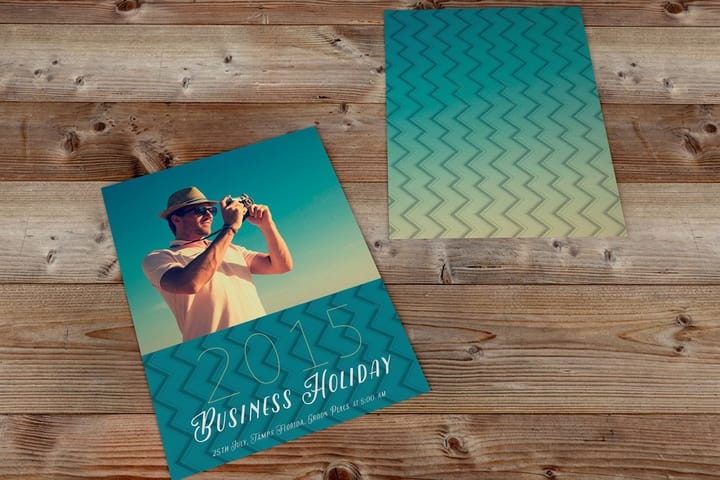
Accounting has something most businesses would pay dearly for: dates on which every client must act. A postcard mailed ahead of each one, January organizer reminder, April filing, quarterly estimates, November year-end planning, is simultaneously a client service and the cheapest retention program in professional services.
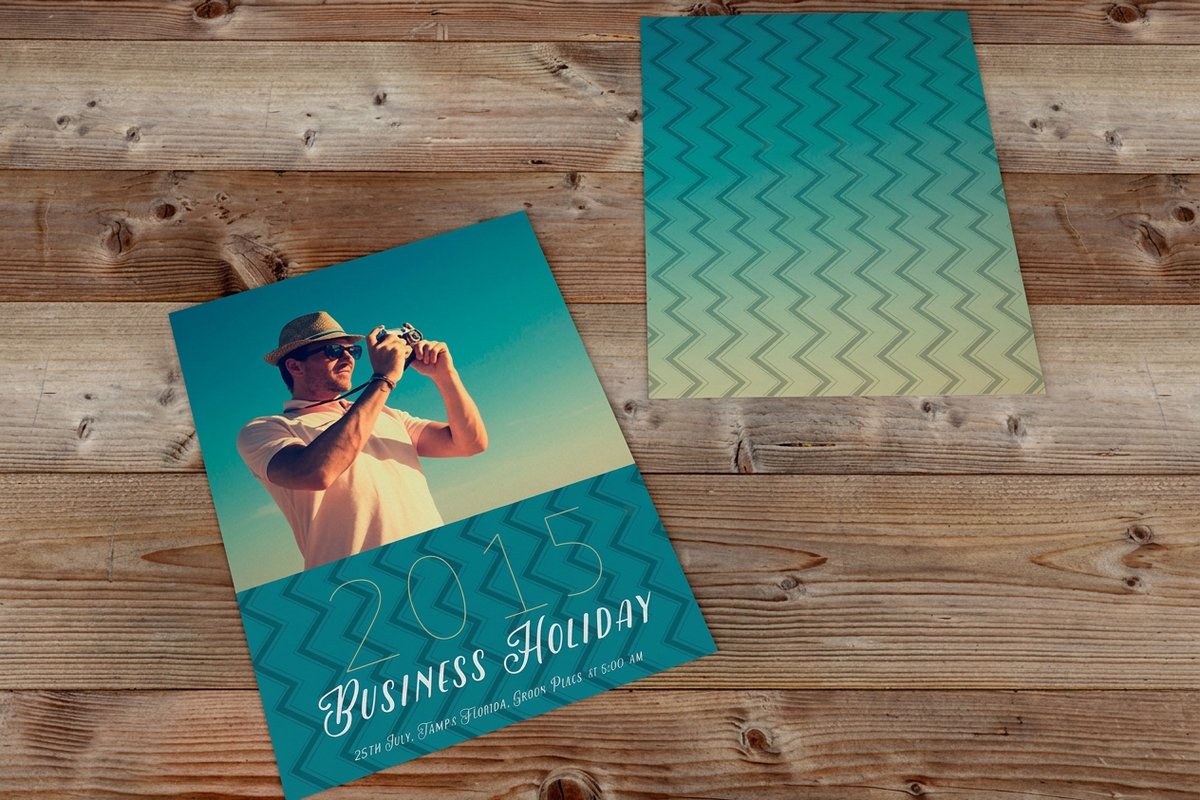
One card, one deadline, one action: "Book your tax appointment before March 1." Our guide to postcard design for direct mail covers the elements that get a card kept rather than tossed, and sending direct mail postcards turns the client list into a mailed wave in an afternoon.
Starting under twenty dollars, the deadline calendar becomes four touchpoints a year that no inbox filter can swallow.
7. Printed envelopes: the firm name before the letter is opened
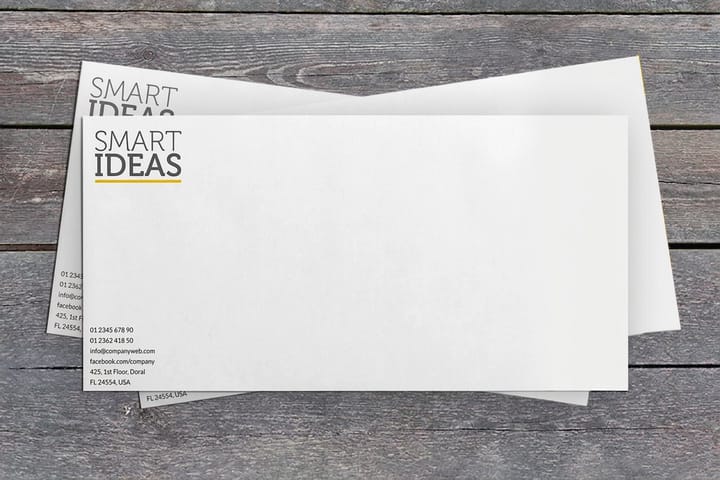
Financial mail gets triaged hard: real correspondence opened, everything else recycled unread. An envelope with your firm name printed in the corner clears that triage instantly, because it looks like exactly what it is, a document from the professionals who handle the money.
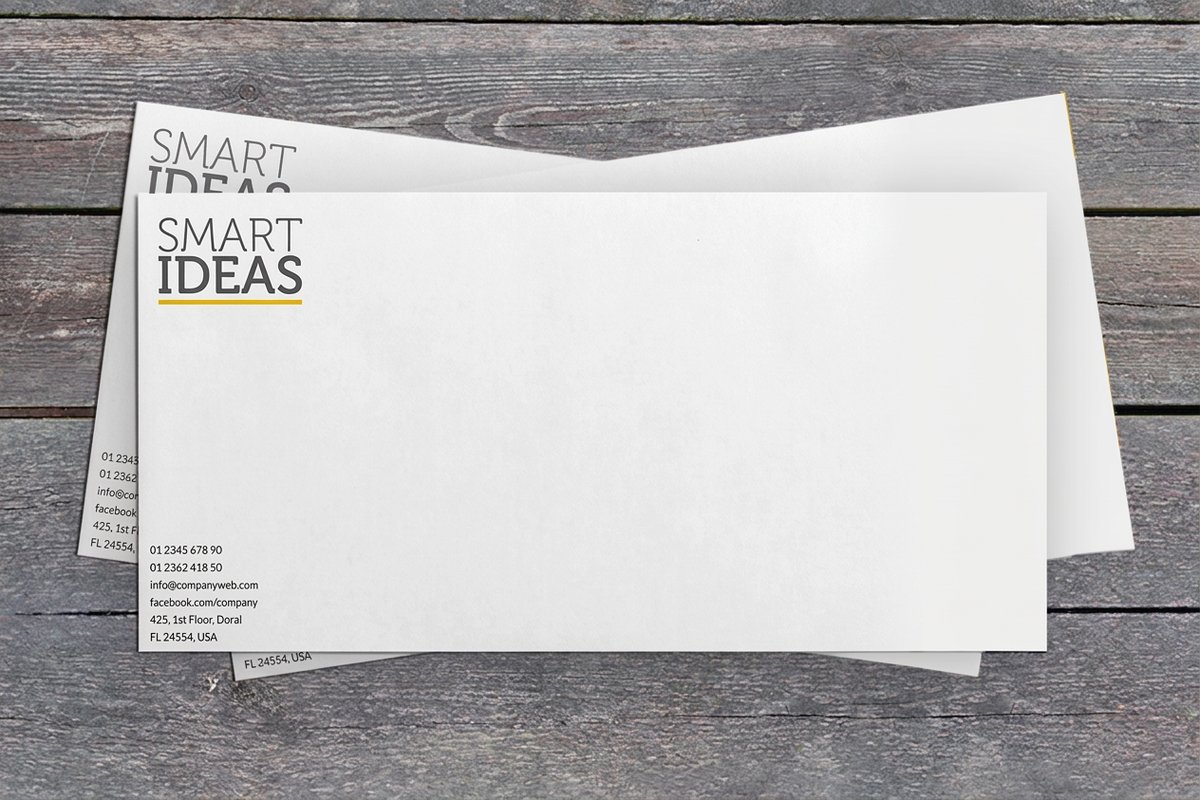
Match the envelope to the letterhead, same logo, same type, same restraint, and the whole mailing reads as one designed object. The #10 handles standard correspondence and the 9 x 12 carries returns and folders flat; our guide to standard envelope sizes maps which size fits which document, and envelope sizes for business mail covers the full-color options for the marketing pieces.
It is the least glamorous item in the suite and the one every single client touches, usually before they touch anything else you print.
8. Appointment cards: the tax-season slot, locked before they leave
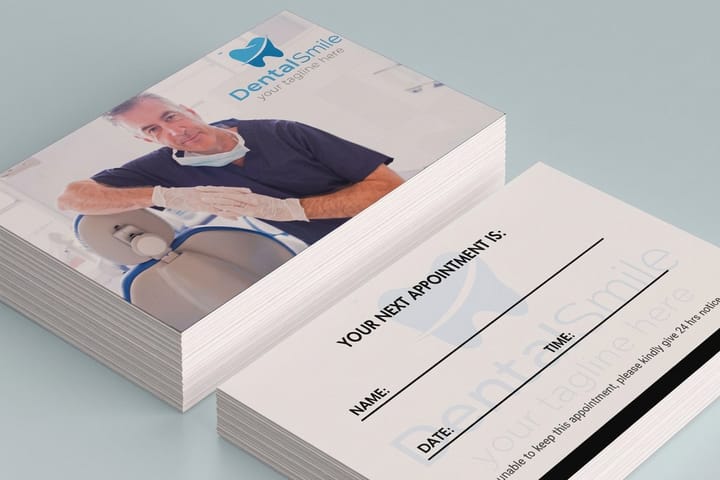
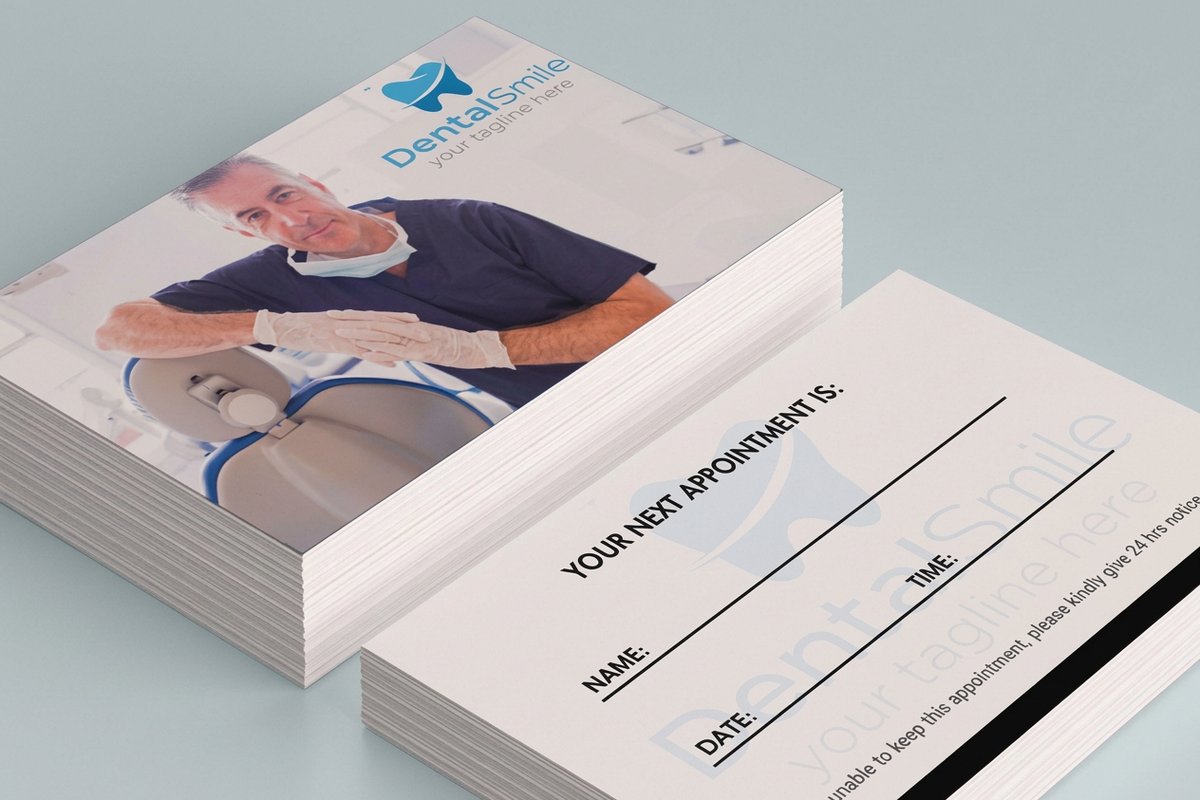
The best time to book next year's tax appointment is the moment this year's return is signed, while the relief is fresh and the client is standing at your desk. An appointment card makes the booking physical: date, time, and the documents to bring, handed over before they walk out the door.
The card does double duty during the season itself, marking the drop-off date for documents and the pickup date for the finished return, which cuts the where-is-my-return calls that eat a February. Print it in the same stock family as the business cards from the appointment cards configurator so the desk hands over one consistent brand.
A client with a card on the fridge does not drift to the storefront chain in January. At cents per card, it is the cheapest renewal instrument in the suite.
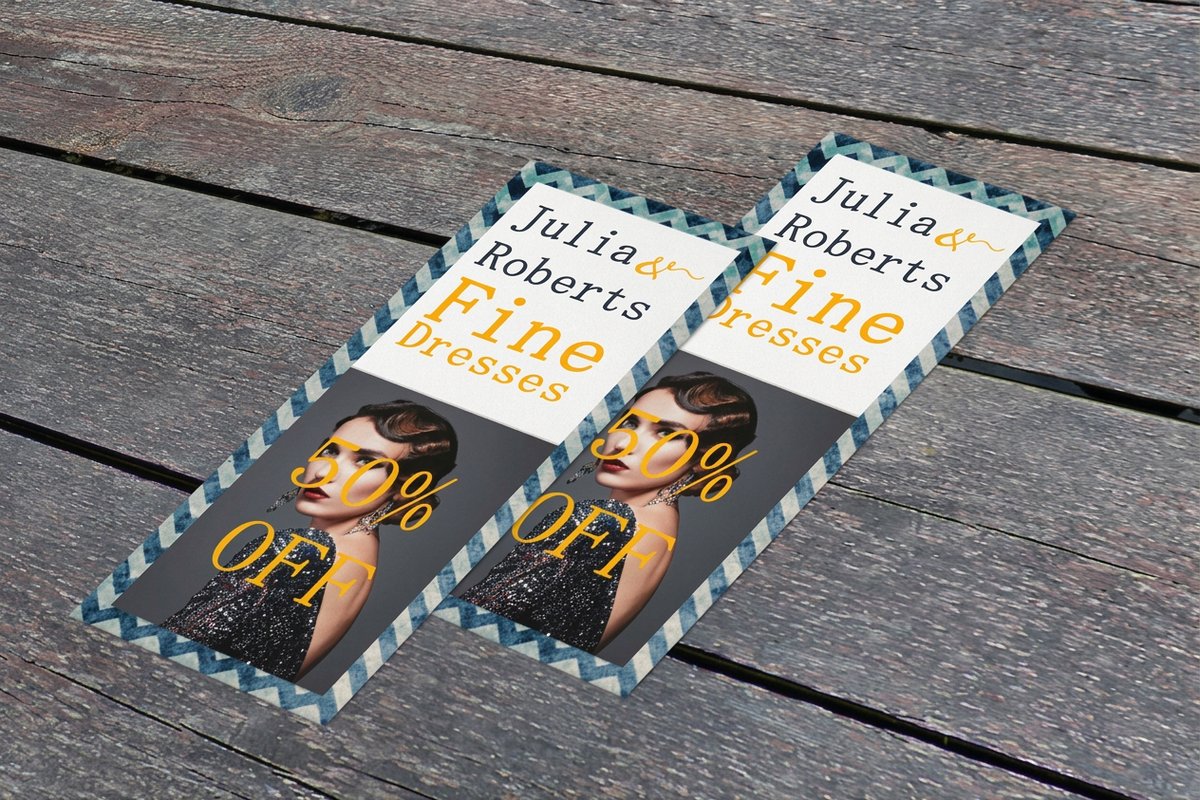
9. Rack cards: the services menu that travels light
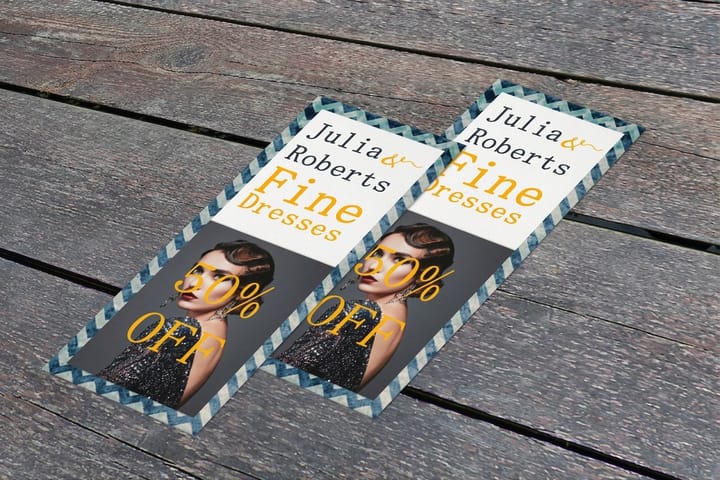
The brochure argues; the rack card announces. One tall panel with the services, the client types you serve, and the booking line is the piece that works the places a folded brochure cannot: the counter at the small-business incubator, the welcome rack at the chamber office, the banker's desk that refers you clients who need books cleaned up before a loan.
Structure it for a ten-second read: services grouped plainly, one line each, a clear starting point like "free first consultation." Our explainer on what rack cards are covers the format, and how to create a captivating rack card design keeps the narrow canvas disciplined.
Refresh the stack at every referral partner each quarter. The card sitting on a lender's desk in March is the cheapest salesperson the firm employs.
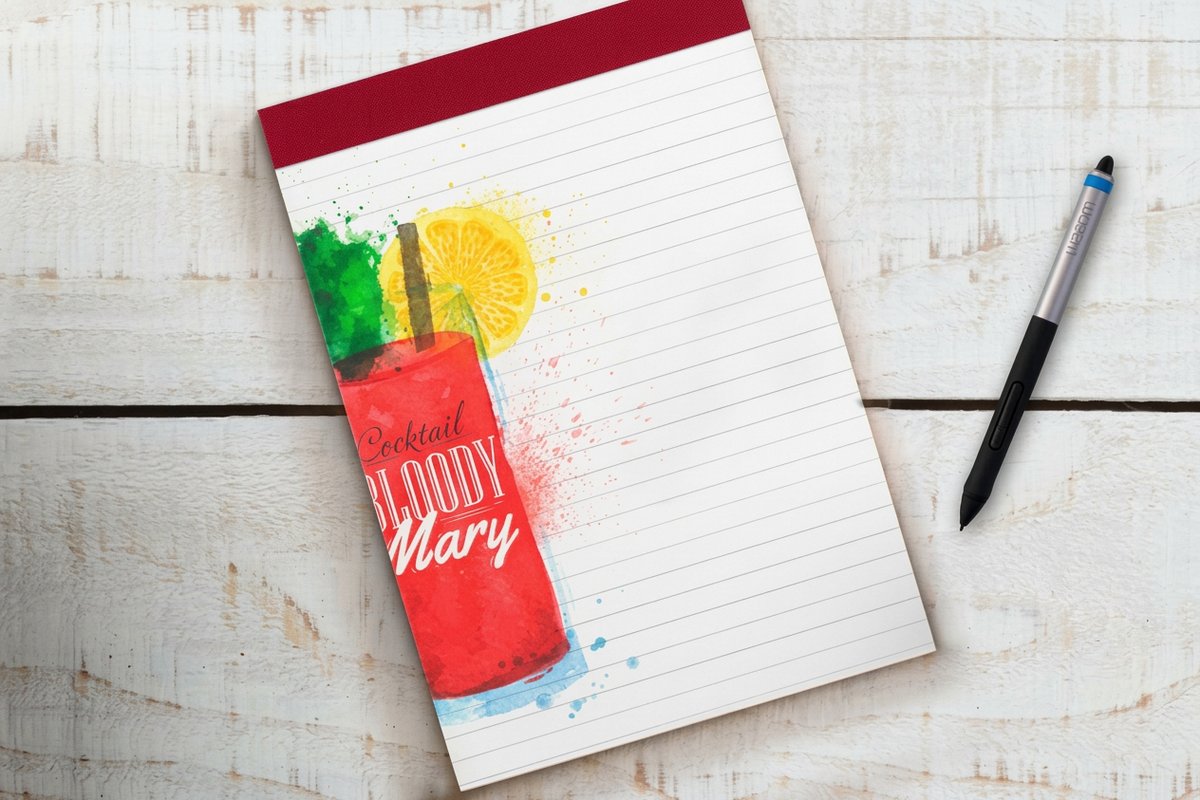
10. Notepads: the firm's name under every client scribble
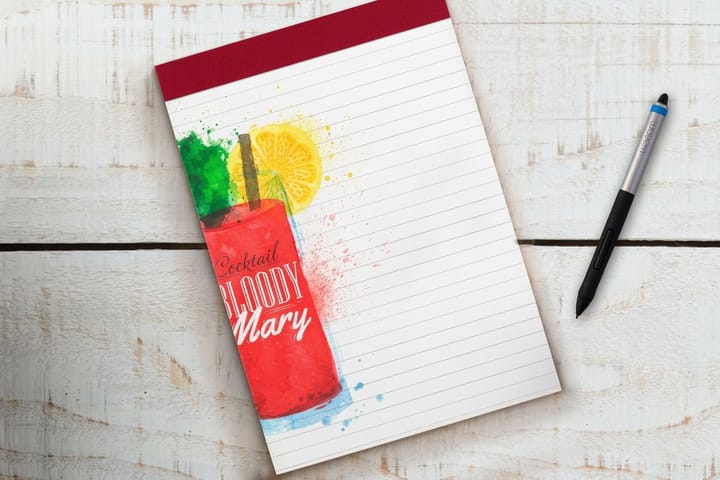
Every client meeting produces notes: the deductions to gather, the deadline agreed, the number to call with questions. On a branded notepad, those notes go home under the firm's name and phone line, so the follow-through happens on your stationery instead of the back of an envelope.
Pads also make the giveaway that outlasts every pen: left at the front desk, dropped into the onboarding folder, and gifted to the bookkeepers and office managers who decide which accountant the whole company uses. Our comparison of notepads versus post-its covers when the full pad earns its keep, and the notepads configurator handles sizes and sheet counts.
Keep the header restrained, firm mark, phone, one line, and the pad stays a working tool that happens to advertise, which is exactly the register this profession sells in.
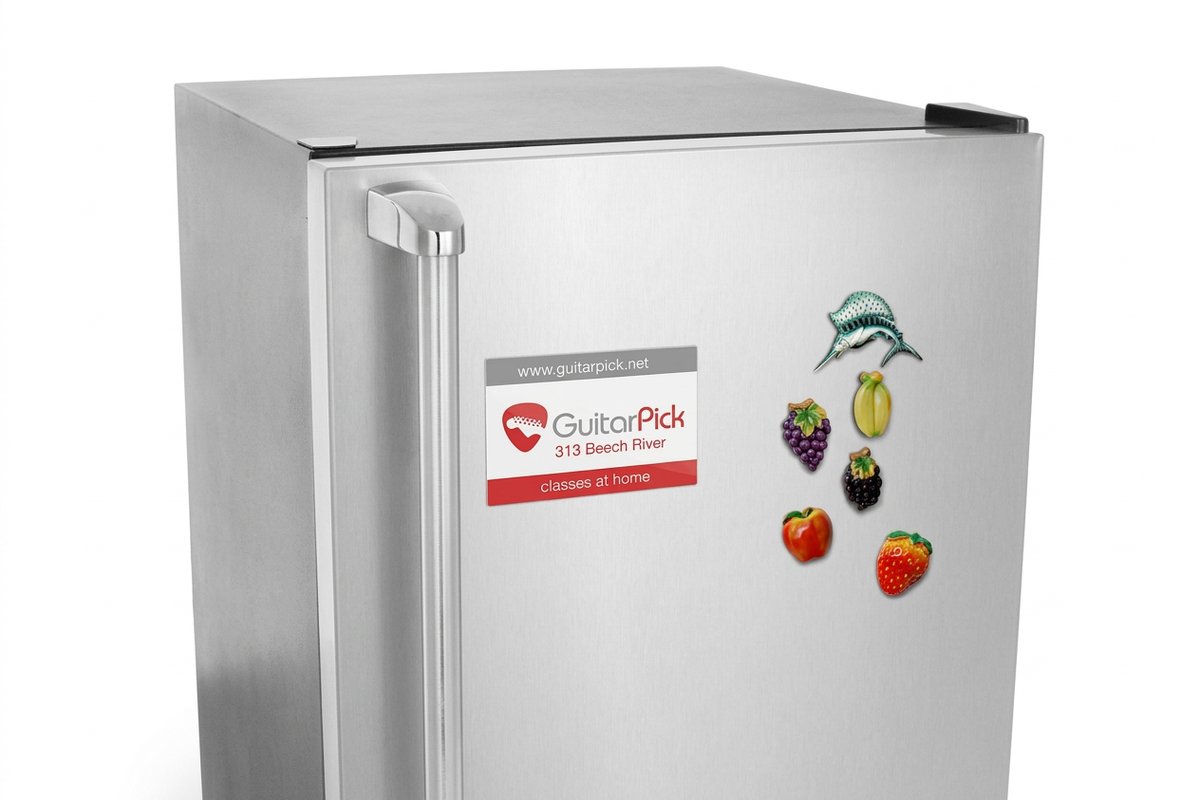
11. Magnets: the filing deadline on the client's fridge
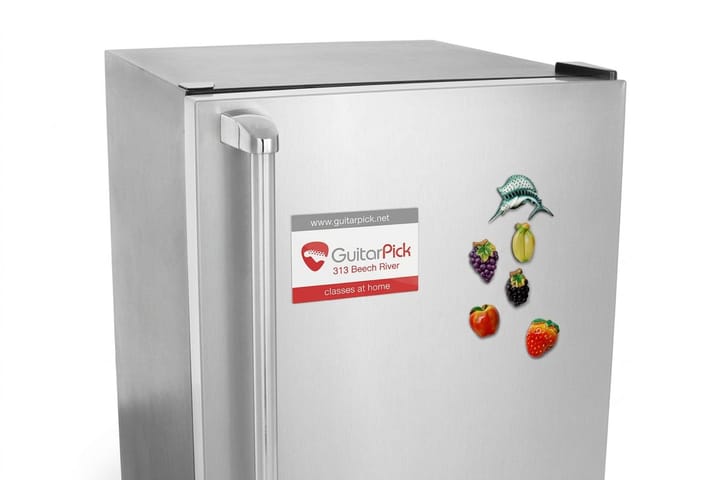
The accountant's phone number is needed at unpredictable moments: an IRS letter arrives, a 1099 shows up late, a side business suddenly has revenue. A fridge magnet with the firm name, the phone line, and the key filing dates puts the answer in the household's most-viewed spot, and it stays there through every season the client might otherwise drift.
Print the year's deadlines right on it, quarterly estimates, the April date, the October extension, and the magnet becomes a reference the family consults instead of a logo they ignore. Our how to make custom magnets covers sizes and stocks, and magnets versus stickers settles why the kitchen beats every other placement.
Mail one with the January organizer packet and hand one to every new client. It costs cents and answers the question every client asks eventually: what was my accountant's number?
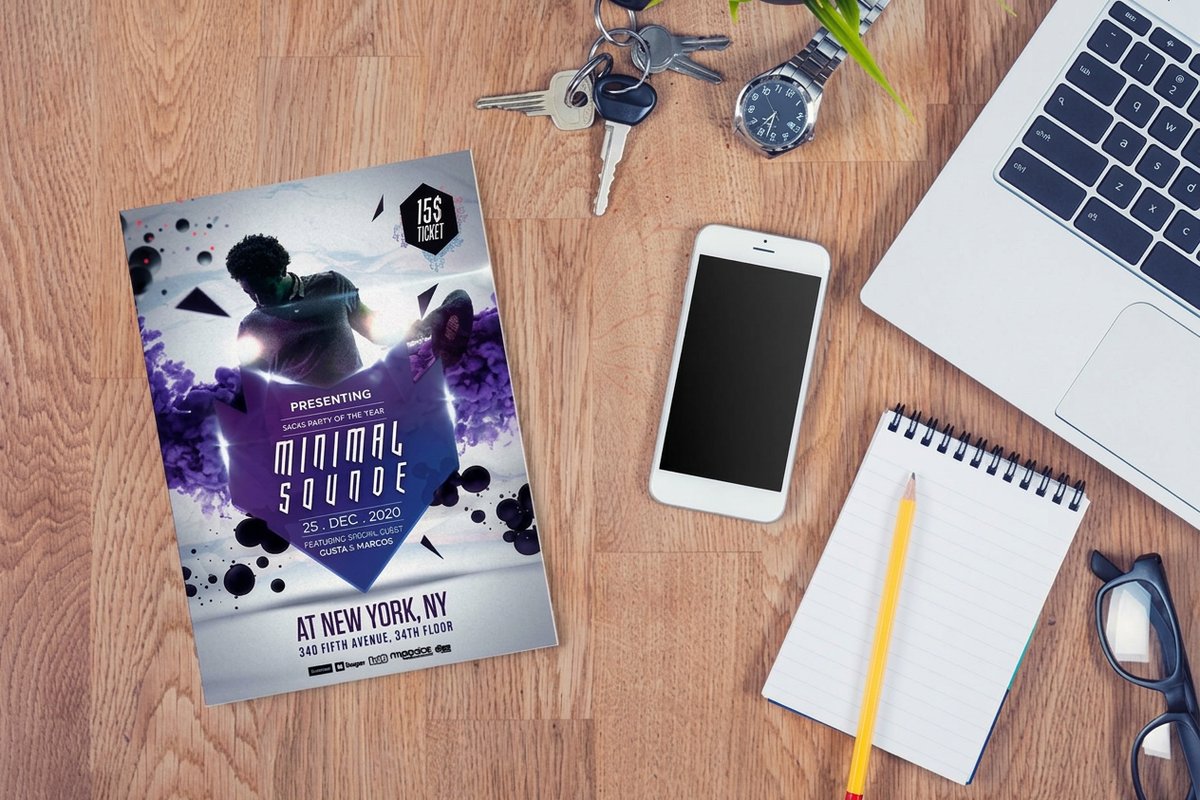
12. Flyers: tax season, announced where clients gather
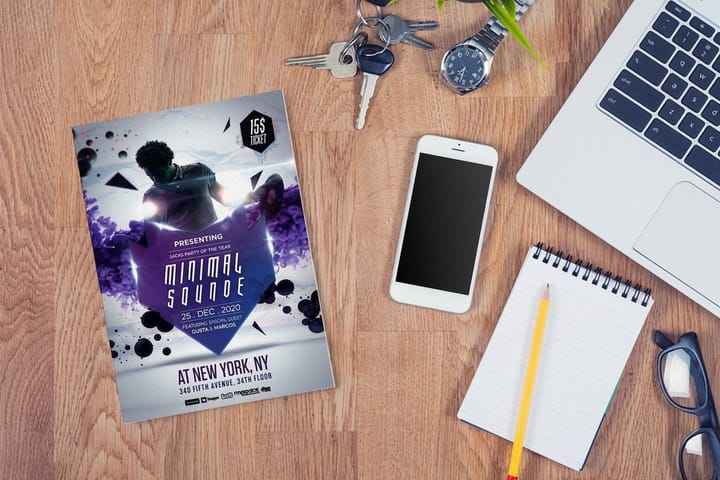
Every January, thousands of households and small businesses in your zip code decide who does their taxes this year, and most decide from whatever is in front of them. A flyer at the community center, the small-business breakfast, the credit union counter, and the coworking space kitchen puts your firm in front of them at exactly that moment.
One offer per flyer: the free first consultation, the new-business bookkeeping package, the tax-season booking line. The focal-point discipline in how to design flyers keeps it readable at a glance, and flyer distribution best practices covers the counters worth asking and the refresh cadence.
Print a run each January and another before the quarterly deadlines. A flyer that books two consultations has paid for the year's supply.

Specs and pricing
Anchor the suite: financial business card specs and live pricing
The business card sets the stock family and color discipline everything else follows. Here are the live specs and price tiers for financial business cards at 4OVER4.COM, straight from the configurator.
Wally explains the suite
Twelve pieces that make a firm feel meticulous on paper
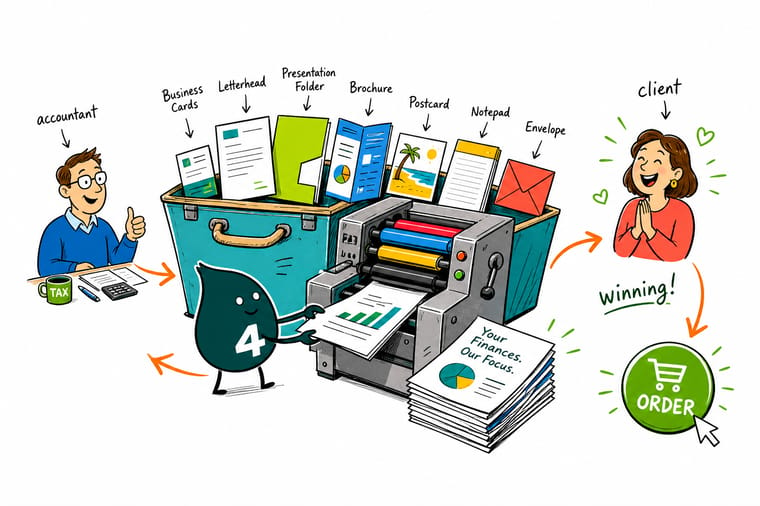
Wally treats an accounting practice like a proof: every step has to hold. The card and brochure open the engagement, the folder with letterhead and matching envelope closes it, and the organizer forms plus deadline postcards keep every client filed, on time, and coming back each season. Keep one logo, one typeface, and two colors across all 12 pieces and 4OVER4 prints the whole suite on matching stock in one order.
Shop the financial collection →See it in use
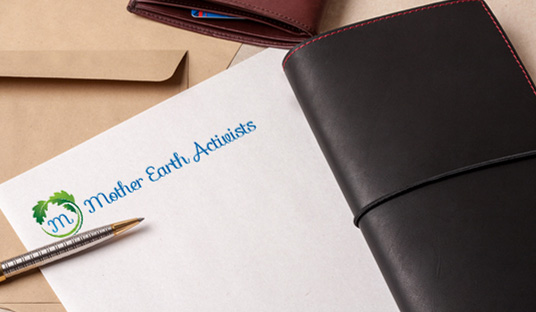
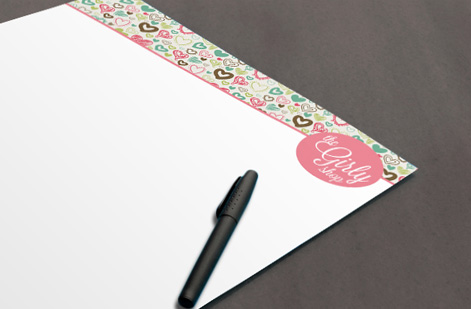
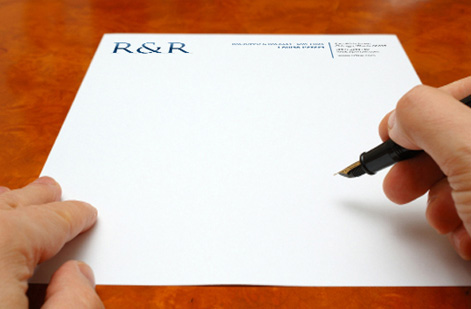
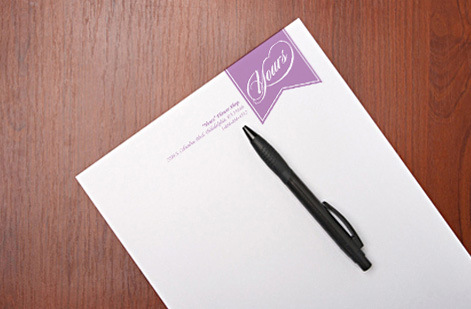
Real letterhead print work, printed in-house

Explore more
Where to go next

By the numbers
One suite, printed to win engagements
Common Questions
Common questions about the accountant client-winning suite
What is in the accountant client-winning suite?
Twelve print pieces that cover an accounting practice from first handshake to yearly renewal: financial business cards, service brochures, gloss presentation folders, business forms, letterheads, postcards, printed envelopes, appointment cards, rack cards, notepads, magnets, and flyers. The card, brochure, rack card, and flyer win the introduction, the folder, letterhead, and envelope close and formalize the engagement, and the forms, appointment cards, deadline postcards, magnets, and notepads keep every client organized and returning each season.
Why does print still matter for an accounting firm?
Because the product is trust, and trust is judged on signals before it is proven by work. A prospective client cannot evaluate your tax strategy in the first meeting, but they can feel the weight of your card, see the crispness of the proposal folder, and receive an engagement letter on real letterhead. Firms that look meticulous on paper are assumed to be meticulous with numbers, and that assumption wins engagements.
What belongs in the presentation folder at a proposal?
The proposal itself on letterhead, a one-page service brochure, your business card in the die-cut slot, and a blank organizer form the client can start on immediately. That last item is the quiet closer: it moves the conversation from "should we hire an accountant" to "we have already started." Keep the folder design restrained, firm name, logo, and contact line, so it reads as stationery rather than advertising.
How should an accountant use deadline postcards?
Build the mailing calendar from the filing calendar: a card in early January before W-2s arrive, one ahead of the April deadline, quarterly reminders for estimated-tax clients, and a year-end planning card in November. Each card is a genuine service, a date the client must not miss, with your booking line attached. Reminders get kept on refrigerators; ads do not. The same format also carries a referral offer to the neighborhoods around your best clients.
Do clients really notice letterhead and printed envelopes?
They notice the difference between an invoice that arrives on branded letterhead in a matching envelope and one that arrives as a bare PDF attachment. For documents with financial weight, engagement letters, completed returns, IRS correspondence, the physical envelope with your firm name printed on it signals that the contents were prepared carefully. It also survives on a desk in a way an email never does.
How much does the full suite cost to print?
Each piece prices live on its own product page and scales with quantity, stock, and finish. Business cards and postcards start under twenty dollars, brochures just over fifty five, letterheads under a hundred, and envelopes and business forms in office volumes, while presentation folders are the premium piece, ordered in smaller counts for proposals and onboarding. Set quantities in each configurator and the totals update as you choose.
Can I add more pieces as the practice grows?
Yes. Growing firms commonly add greeting cards for the holiday list, window graphics for a street-front office, and personalized mailings through variable data printing once the client list justifies it. Browse the financial printing collection at 4OVER4.COM to keep every addition consistent with the suite, and reorder any piece in a few clicks.
Get Started
Ready to look as careful as your work?
Order the full client-winning suite from 4OVER4.COM and print all 12 pieces on matching stock, in one turnaround. Adjust size, finish, and quantity on any product and watch the price update live.
Legal Disclaimer
Gold Standard guarantees apply to all standard orders placed through 4over4.com. Price match requires verifiable proof of a competitor's published price for an equivalent product with matching specifications and turnaround time. Satisfaction guarantee covers manufacturing defects and print quality issues. Contact support with order number and documentation. On-time delivery rate based on tracked orders 1999 to 2026. Individual results may vary based on shipping carrier performance.
