
Mailing Services That Get Your Print Into Real Mailboxes


The campaign is not done when it prints, it is done when it lands in mailboxes. Our mailing services print, address, sort, and mail your postcards, flyers, letters, and brochures as one job, at bulk postage rates. Here is how it works and how to send one.
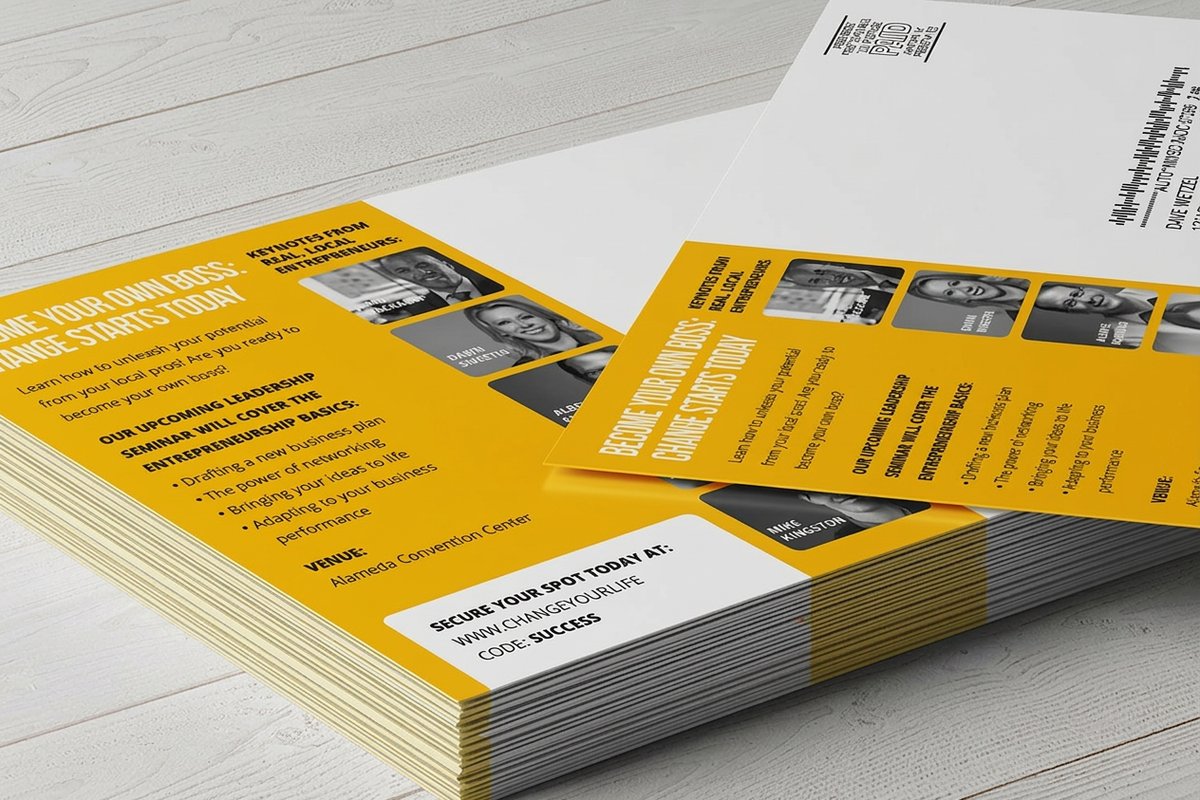
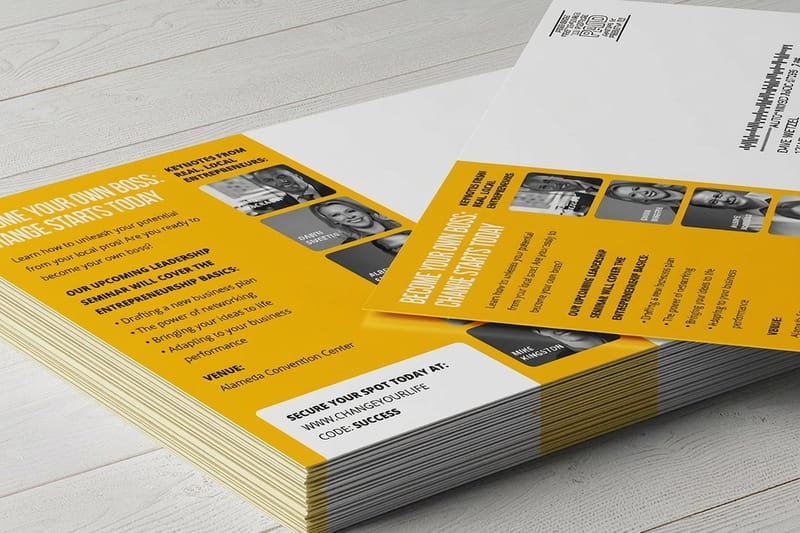
Mailing services carry your print job all the way to the mailbox: printing, address verification, addressing with postal barcodes, presorting, and induction into the mail stream with bulk postage applied. Mail to your own list, a targeted list, or every door on chosen routes with EDDM. Presorted preparation earns postage rates below retail stamps, and the whole campaign leaves on a mail date you choose instead of costing your office a week of labels and stamps.
Start here
Mailing services in one paragraph
A mailing service turns a print order into delivered mail: the piece prints, your list is verified and deduplicated, each piece is addressed with postal barcodes, the run is presorted to postal standards, and it enters the mail stream with bulk postage applied. You choose the audience, an addressed list or every door on selected routes, and the mail date. The postage savings from presorting typically offset a meaningful share of the printing cost, and your office never touches a label sheet.
Why mailing services beat the label-and-stamp afternoon
Every business that has run a mailing by hand knows the arc: the boxes arrive from the printer, someone finds the label sheets, the stamps run out at piece 340, and the post office counter closes at five. The campaign that was supposed to reach mailboxes on Monday lands scattered across the week, and the office lost two days of real work to it.
A mailing service collapses all of that into the print job itself. Your direct mail postcards come off the press, get addressed with postal barcodes, sorted into trays the way the postal system requires, and enter the mail stream with postage already applied, at bulk rates a stamped envelope never sees. You approve the artwork and the list; the logistics disappear.
The service sits alongside the rest of our finishing and logistics range, from EDDM route mailing for no-list saturation to kitting and fulfillment for everything that does not fit a mailbox. This page walks through the options, the formats, the data work, and how to get a campaign into the mail.
What a full mailing service actually includes
Five stages, one job. First, printing: the piece runs on the same calibrated presses as everything else we make, at the size and stock the postal rules allow for its class. Second, data: your list is verified against postal address databases, deduplicated, and corrected where the postal system knows a better address.
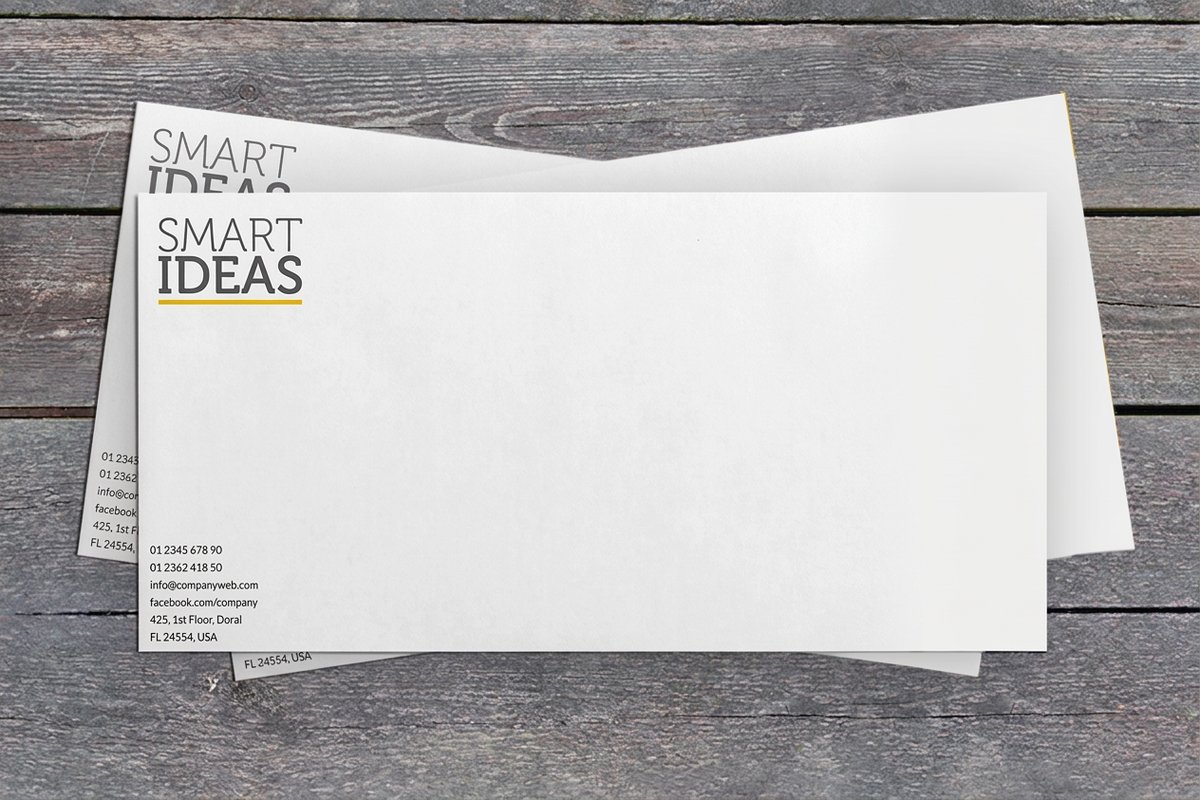
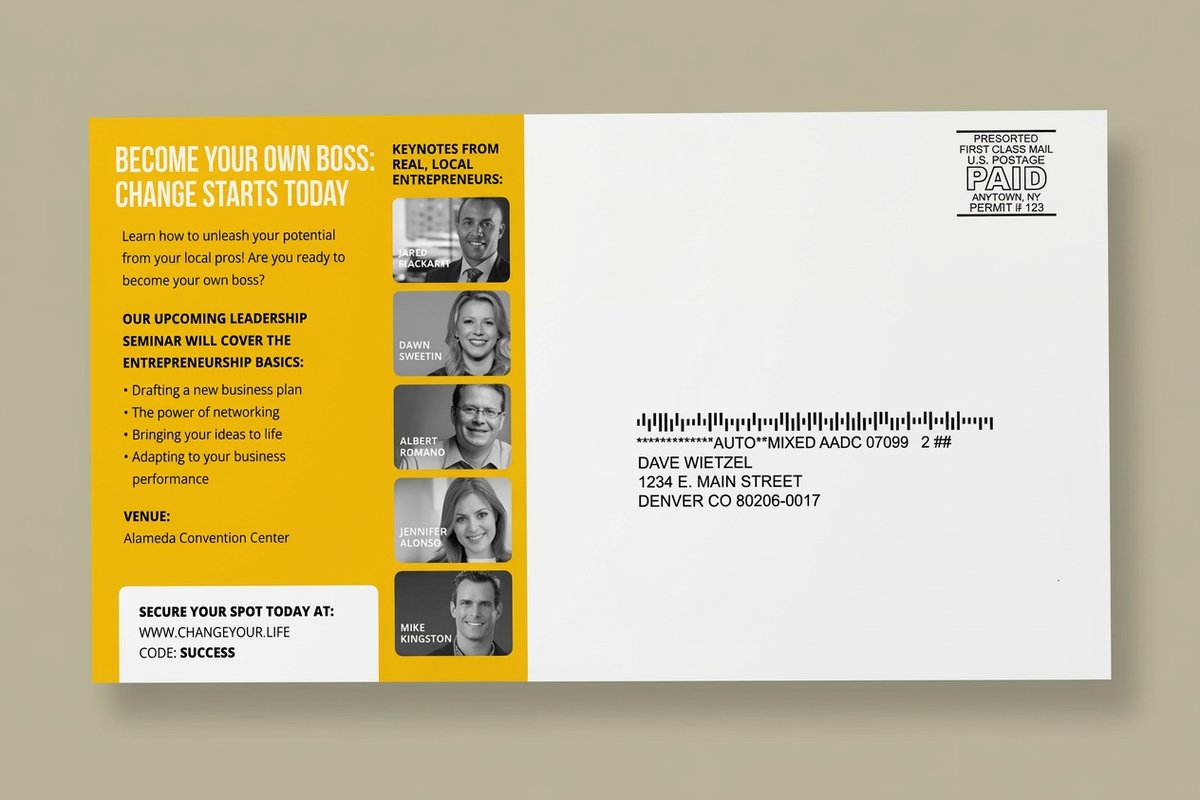
Third, addressing: each piece gets its recipient block and barcode printed directly on the piece, no labels, which reads cleaner and processes faster. Fourth, presorting: the run is sorted and trayed to postal specifications, which is what unlocks bulk postage rates. Fifth, induction: the trays enter the mail stream with postage applied, and the campaign is officially out of your hands.
The practical difference shows in the invoice and the calendar: postage billed at presort rates instead of retail stamps, and a mail date you choose instead of a week of office labor. For pieces that need an envelope, printed envelopes run in the same job, and the letter format handles the contents.
Targeted lists or every door: choosing your reach
The first strategic decision in any mailing is who receives it, and there are three honest answers. Your own list is the strongest: customers who already know you respond at multiples of any cold audience, which makes reactivation mailings the highest-return use of the service. Purchased targeted lists come second, built from geography, demographics, home ownership, or business type, so a roofing company can mail owners of older homes and skip the apartment blocks.
The third answer skips lists entirely. EDDM saturates entire postal carrier routes, every mailbox on the route receives the piece, at the lowest postage rates available. No names, no data cost, and total local coverage, which is exactly right for restaurants, salons, gyms, and home services whose customers are simply the people nearby.
The formats follow the choice: addressed campaigns run on direct mail postcards, mailing flyers, and letters, while EDDM favors larger postcard formats that stand out in the day's stack. The comparison table below puts the three approaches side by side.
The formats that mail: postcards, flyers, letters, brochures
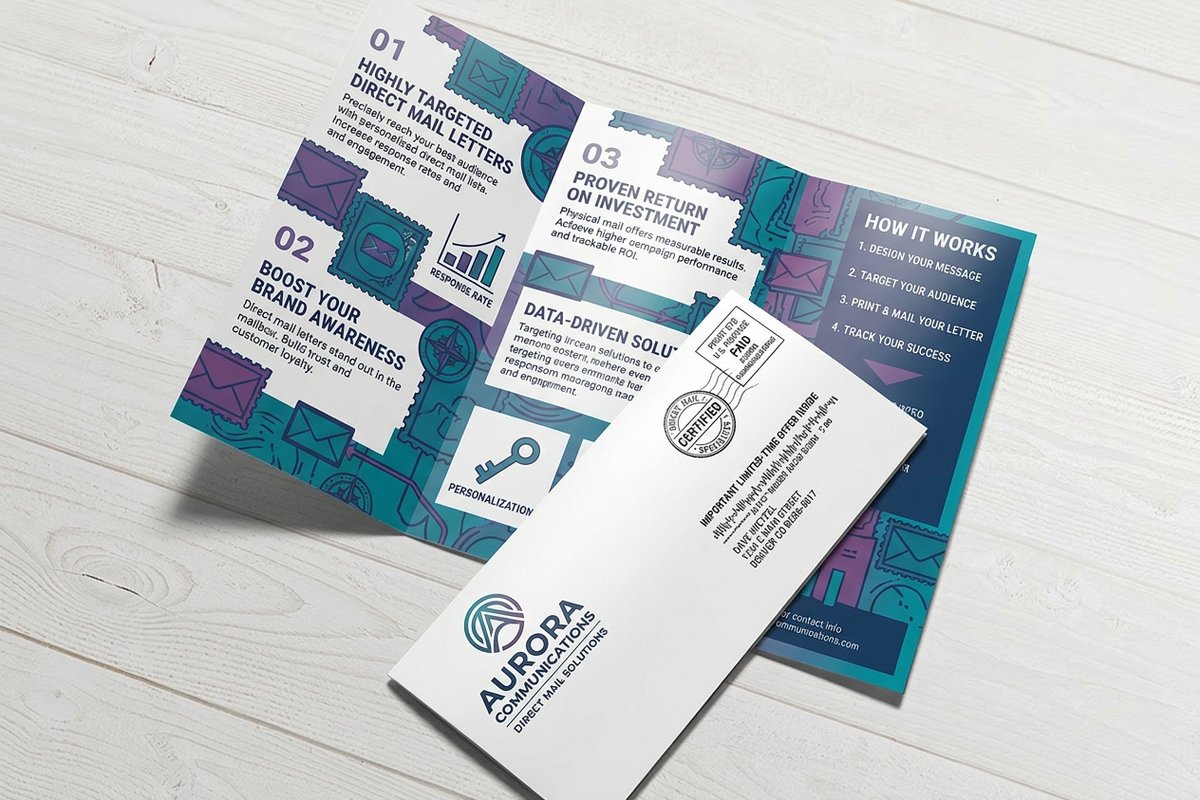
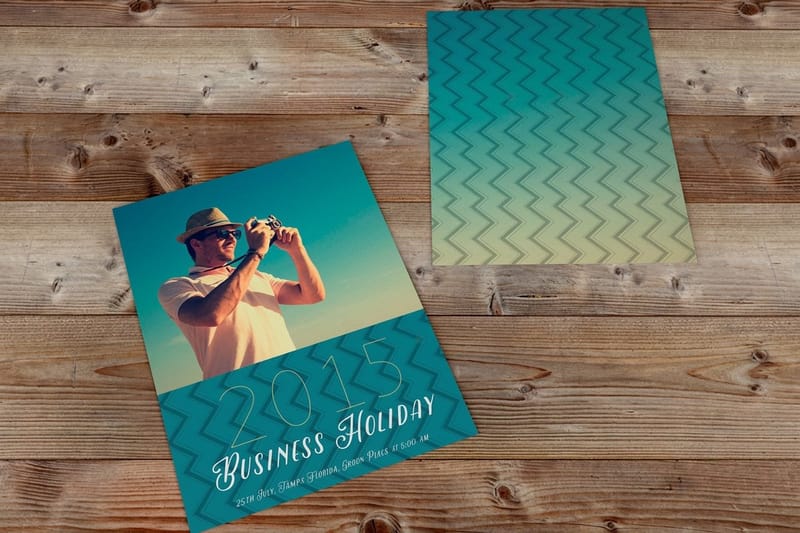
Each mailing format solves a different persuasion problem. The postcard is the sprinter: no envelope to open, the offer lands face-up in the hand, and postage runs lowest. It suits sales, appointment reminders, grand openings, and any message that fits one strong image and two sentences. Mailing flyers carry more copy at similar economics.
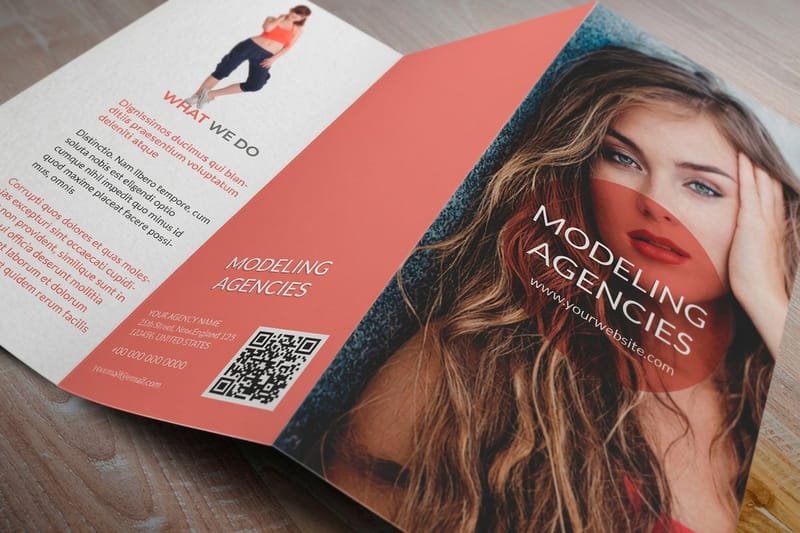
The letter is the diplomat: an envelope signals correspondence rather than advertising, which earns it an open where a postcard gets a glance. Fundraising, financial and medical offers, and anything private or detailed belongs in a letter. Direct mail brochures are the storytellers, folded panels that sell visually for real estate, travel, menus, and product lines.
Postal rules set size and weight bands for each class, and pieces that miss them pay surcharges. The service checks your piece against the rules before printing, and if you are still choosing a format, browse the postcard range to see what each size gives the design.
List hygiene: the unglamorous work that decides results
Mailing campaigns fail quietly through bad data. A list that has not been cleaned in two years typically carries moved households, duplicates, and formatting errors, and every one of them is a printed piece and postage spent on a mailbox that will never respond. List hygiene is where a mailing service earns its keep before anything prints.
Verification runs each address against postal databases and standardizes it to the format automation equipment reads best. Change-of-address checks catch movers and either update or drop them. Deduplication collapses the three variants of the same household that CRMs accumulate. What remains is a smaller, cheaper, better-performing list, and the difference is often enough to pay for the printing.
Returned mail closes the loop: pieces that bounce tell you which records to retire, so the list improves each campaign. Keep the cleaned list as an asset, it compounds. For the file side of preparation, our file check and proofing service reviews the artwork while the data team works the list.
What mailing services cost and how to budget a campaign
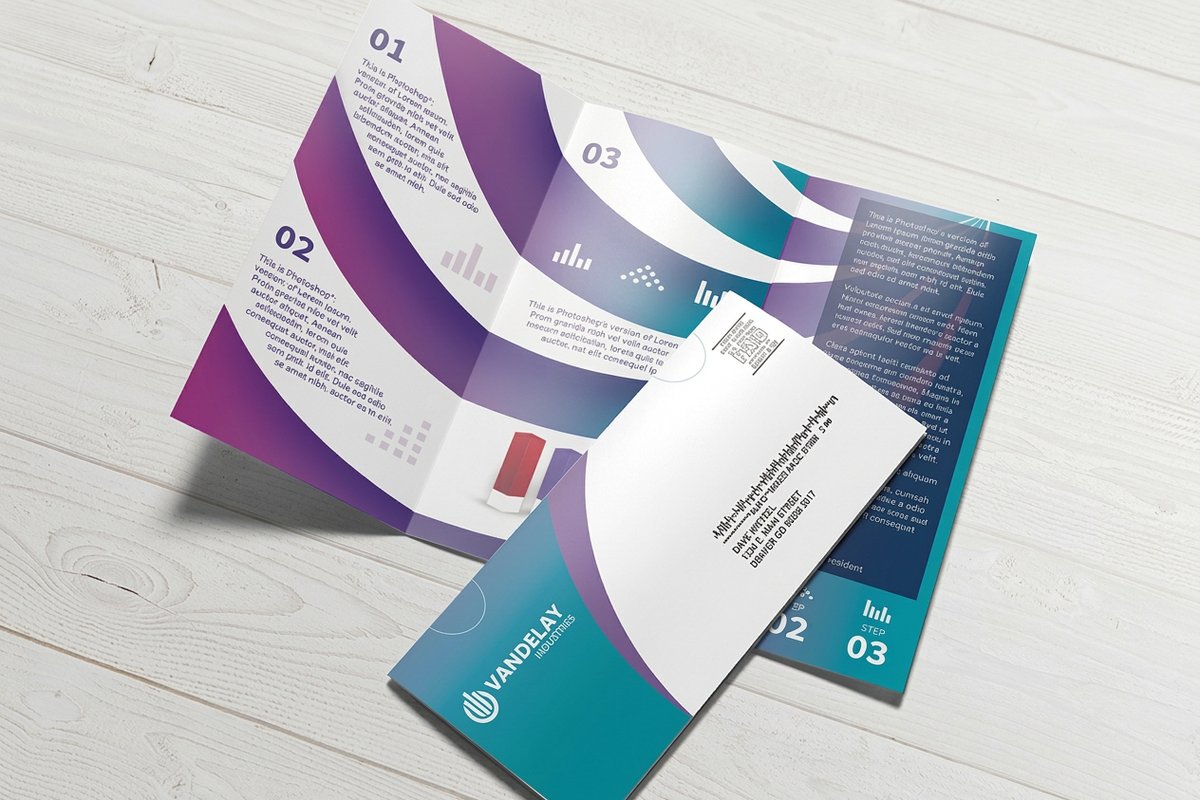
A mailing campaign has three cost lines: printing, postage, and data. Printing follows the usual levers, quantity, size, stock, and the per-piece price falls in bulk tiers. Postage depends on class and preparation: presorted bulk mail undercuts retail stamps, and EDDM saturation runs lowest of all. Data costs apply only if you buy a targeted list; your own list and EDDM cost nothing on this line.
The budgeting shortcut: decide the audience first, because it moves the biggest numbers. Five hundred addressed postcards to proven customers is a different campaign, and budget, than five thousand EDDM pieces across a zip code, and both are legitimate. The configurator prices the printed piece live, and the team quotes postage and data for your specific list and routes.
Response math favors honesty: direct mail typically earns its keep on repeat business and lifetime value, not the first order. Track responses with a coupon code or a QR to a landing page, and let two or three campaigns of data pick your best audience. Start the piece itself from a design template or brief our design team.
How to order a mailing, from artwork to mail date
The order flow runs in five steps. Configure the piece: format, size, stock, and quantity, priced live in the configurator. Upload the artwork with the address side laid out to postal rules, our free prepress review checks it either way. Supply the audience: your list, a targeted list brief, or EDDM route selections. Approve the proof, the exact piece and a data summary. Set the mail date, and the campaign leaves on it.
First campaign advice: start with the audience you trust most, usually your own customers, and a format you can evaluate, a postcard with one offer and one response mechanism. Resist the urge to say everything; the mailbox rewards clarity. The printing FAQs cover file details, and the printing terms glossary decodes the postal vocabulary on the quote.
When the campaign outgrows the mailbox, samples, welcome boxes, event packs, the same logistics muscle continues into kitting and fulfillment. And if the piece needs finishing first, folding, perforated reply cards, the full services range runs under the same roof.
Compare the options
Three ways to get mail out the door
Addressed direct mail, EDDM saturation, and mailing it yourself each fit a different campaign. Here is what each does and where it wins.
| Approach | What it does | Best for |
|---|---|---|
| Direct mail with a list | Prints, addresses, sorts, and mails each piece to a name on your list or a purchased targeted list. | Customer reactivation, targeted offers, and any campaign where you know exactly who should receive it. |
| EDDM (every door) | Saturates chosen postal carrier routes without needing names or addresses, at the lowest postage rates. | Restaurants, salons, home services, and local retail reaching every household in a radius. |
| Mail it yourself | You receive the printed boxes, then handle labels, stamps, sorting, and the post office run on your own. | Very small runs, hand-addressed invitations, and mailings that need a personal touch per piece. |
Infographic
The mailing process in four steps
From approved artwork to a mailbox across town, here is what happens inside a mailing job.
Presorting is the step that earns bulk postage rates: the run arrives at the postal system already sorted by route, so it costs less to deliver, and that saving lands on your invoice.
Specs and pricing
A live pricing example
Postage and list work are quoted per campaign, but the printed piece prices out live in the configurator. Here are the specs and price-per-unit for the workhorse mailing format, straight from 4OVER4.COM.
| Quantity | Price Per Unit | Total |
|---|---|---|
| 500 | 17.9¢ | $89.68 |
| 1,000 | 17.1¢ | $170.53 |
| 2,000 | 9.35¢ | $186.95 |
| 3,000 | 6.84¢ | $205.13 |
| 4,000 | 5.58¢ | $223.31 |
| 5,000 | 4.83¢ | $241.51 |
| 6,000 | 4.56¢ | $273.85 |
| 7,000 | 4.37¢ | $306.18 |
Mail these
Products built to be mailed
Wally explains mailing services
Print it, address it, mail it, one job.
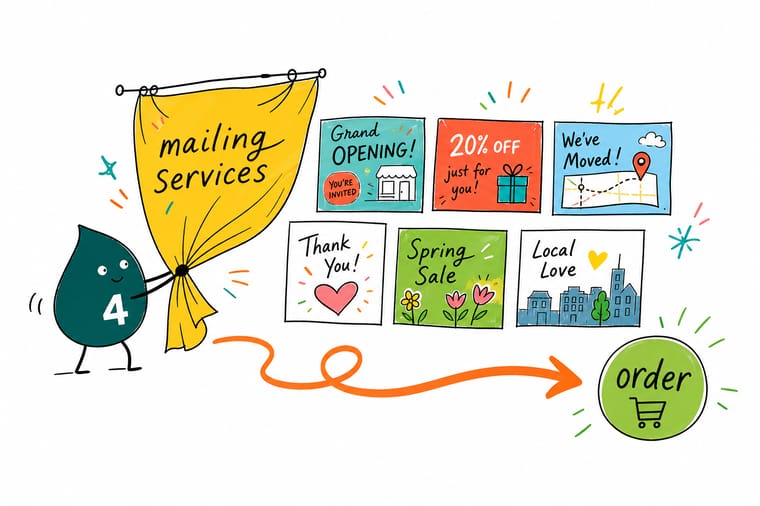
Wally runs a mailing the way the pros do: the postcards print, the list gets scrubbed so no piece chases a dead address, every card gets its barcode, and the trays roll into the mail stream at bulk rates. No label sheets, no stamp runs, no post office queue. Pick the audience, pick the mail date, and let 4OVER4 carry the campaign from the press to the mailbox.
Start a mailing project →Get Started
Ready to put a campaign in the mail?
Bring the artwork and the audience, and 4OVER4.COM handles the rest: printing, list hygiene, addressing, presorting, and bulk postage. Configure your mailer and watch the price update live.
Explore more
Where to go next
By the numbers
Mail programs you can count on at 4OVER4
Common Questions
Common questions about mailing services
What do mailing services include?
A full mailing service covers everything between your artwork and the recipient's mailbox: printing the piece, verifying and deduplicating the address list, printing each address with postal barcodes, sorting the run to postal standards, and delivering it into the mail stream with postage applied. You approve a proof and a mail date; the rest happens as one production job. It replaces the office afternoon of labels, stamps, and post office queues that campaigns used to cost.
What is the difference between direct mail and EDDM?
Direct mail sends an addressed piece to each name on a list, your customers or a targeted list built by geography, demographics, or interests, which suits offers aimed at specific people. EDDM (Every Door Direct Mail) skips names entirely and saturates chosen carrier routes, every household on the route receives the piece, at the lowest postage of any option. Targeted lists win on precision; EDDM wins on local coverage per dollar. See our dedicated EDDM service for route-level planning.
How does mailing-service postage compare to stamps?
Bulk mail presorted to postal standards qualifies for rates meaningfully below retail stamps, and EDDM saturation rates run lower still. The savings come from work the mailing service does in advance: verified addresses, printed barcodes, and trays sorted the way the postal system wants them. On runs in the hundreds or thousands, the postage saved typically covers a good share of the printing cost, which is why mailing campaigns are priced as a package.
What formats can I mail?
Postcards are the workhorse: no envelope, the message lands face-up, and postage is lowest. Mailing flyers carry more content at a similar weight. Letters in envelopes suit private or detailed offers, fundraising, and anything that should read as correspondence. Folded brochures sell visually for real estate, menus, and catalogs. Each format has postal size rules, and the service checks your piece against them before printing so nothing surprises you at the post office.
Do I need to supply my own mailing list?
You can mail to your own customer list, and it is usually the strongest list you will ever use. If you do not have one, targeted lists can be built by area, income band, homeowner status, business type, and more, or you can skip lists entirely with EDDM route saturation. Either way, the list is verified against postal address databases before printing, so you do not pay to print pieces that cannot be delivered.
How should I prepare my artwork for a mailing?
Design the piece with the address area clear: a defined zone for the recipient block, the postal barcode, and the indicia (the printed postage mark) on the address side. Keep critical content away from that zone and inside the safe margins, with full bleed on the background. Our prepress team checks every mailing file for postal compliance during the free file review, and flags anything that would slow the piece down before it prints.
How long does a mailing campaign take to land?
Printing and mail preparation typically take a few production days, then delivery follows postal service standards: local saturation mail tends to land within days of entering the mail stream, while broader standard-class campaigns spread over a week or more depending on distance. Plan the mail date backward from the offer date, a weekend sale wants the piece landing early that week, and the team can time the drop accordingly.
Legal Disclaimer
Gold Standard guarantees apply to all standard orders placed through 4over4.com. Price match requires verifiable proof of a competitor's published price for an equivalent product with matching specifications and turnaround time. Satisfaction guarantee covers manufacturing defects and print quality issues. Contact support with order number and documentation. On-time delivery rate based on tracked orders 1999 to 2026. Individual results may vary based on shipping carrier performance.
