
The 12-Piece Medical Practice Print Suite Every Front Desk Needs
Patients judge a practice by what they can evaluate, and paper is high on that list. These are the 12 print pieces that carry a practice from the first referral to the follow-up visit, with trust intact at every step.
The medical practice suite is 12 print pieces that run a trusted practice: business cards, appointment cards, patient brochures, business forms, printed envelopes, newsletters, posters, letterheads, rack cards, notepads, magnets, and medical signs. Cards, brochures, and rack cards carry referrals and education, forms, envelopes, letterheads, and notepads keep the front office clean and credible, and the newsletter, posters, magnets, and signage bring patients back on schedule and guide them in calmly.
The picks
The 12 pieces, priced live
Start here. These are the 12 products in the suite, numbered in the order a practice usually needs them, each priced live from the configurator. Order them together so the practice identity matches from card to newsletter, then read on for the job each piece does.



Design and print help
One identity from card to newsletter
Clinical trust is built on consistency. These 4OVER4.COM services keep the practice identity, and every name and credential, exactly right across all 12 pieces.
How they work together
The patient journey, in three moves
Each piece owns a stage: arriving, being cared for, and coming back. Print the whole suite and no stage of the relationship goes quiet.
The card travels with referrals from patients and neighboring providers, the brochure and rack card answer the new patient's questions before and after the visit, and clear signage gets them from the parking lot to the desk without stress.
Forms keep intake and consent clean, envelopes and letterheads carry statements, results, and referral letters with authority, notepads send aftercare home in writing, and the appointment card locks the follow-up before the patient leaves.
The newsletter brings patients back for seasonal care, waiting room posters educate on screenings and services between conversations, and the fridge magnet keeps the practice number in the house all year.
1. Medical business cards: how referrals travel
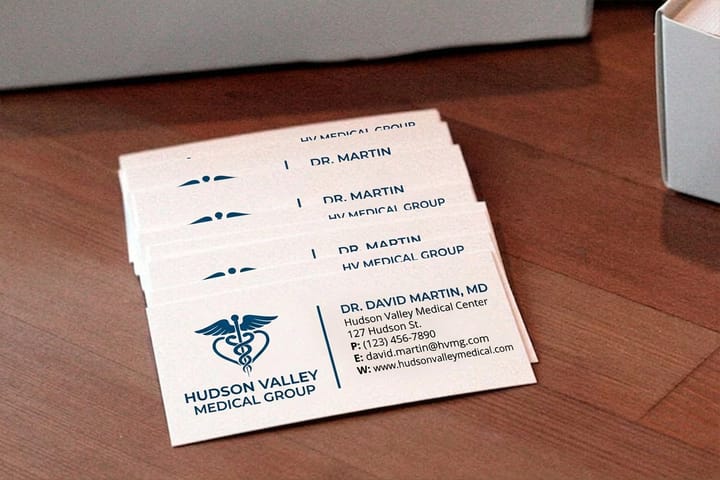
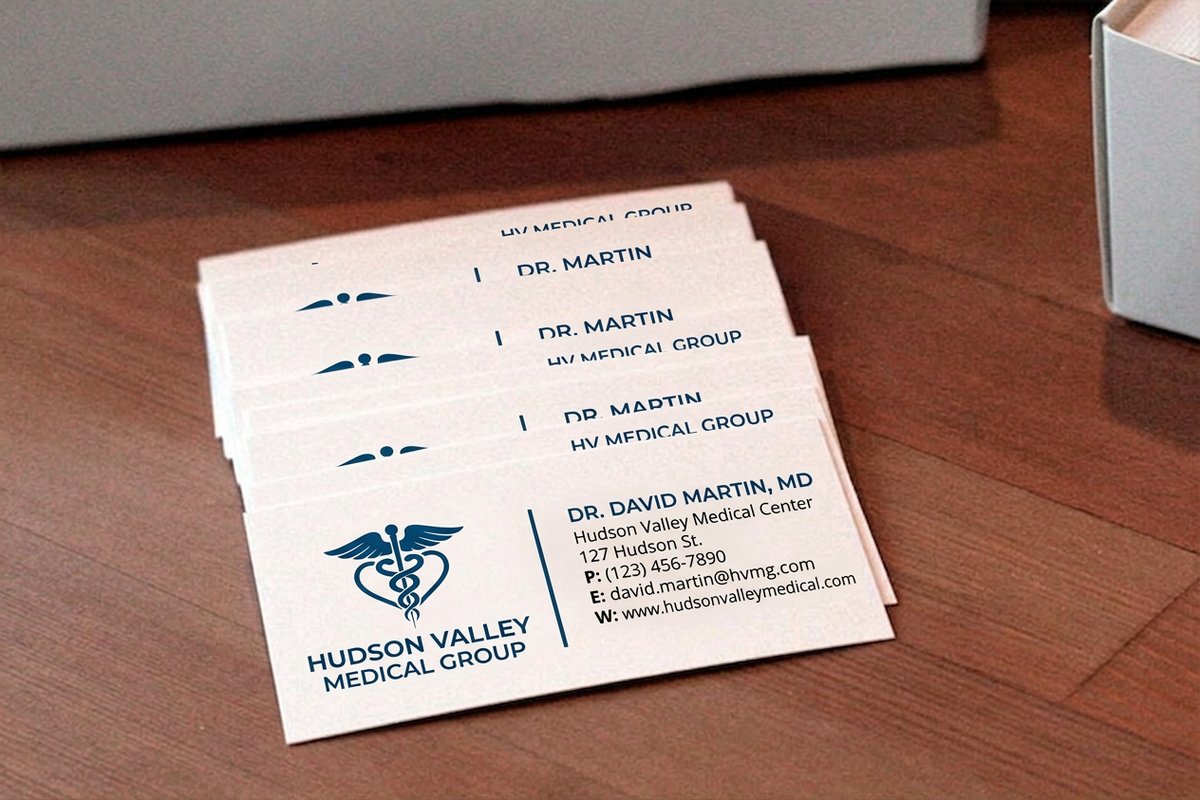
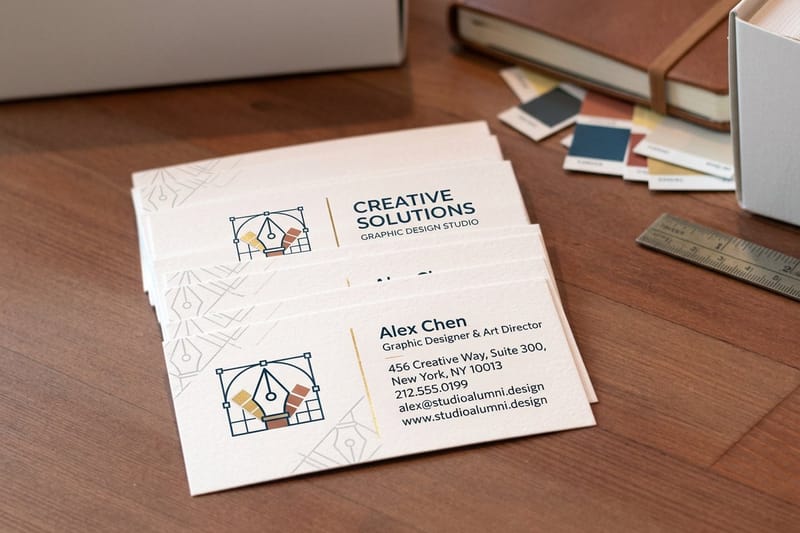
Healthcare referrals move person to person: a patient tells a coworker about the doctor who finally listened, a physical therapist recommends the orthopedist she trusts. The business card is the vehicle for that conversation, because "let me give you their card" closes the loop that "look them up" leaves open.
Print one card per provider with credentials, plus a practice card for the front desk, and put the scheduling line and portal address on the back. A clean, substantial card matters more in medicine than almost any field, because patients read production quality as clinical quality. The finish options at business card printing run from classic matte to soft touch.
Stock every exam room and the checkout desk. The moment a patient says "my sister has the same problem" is the moment a card should already be within reach.
2. Appointment cards: the follow-up that actually happens
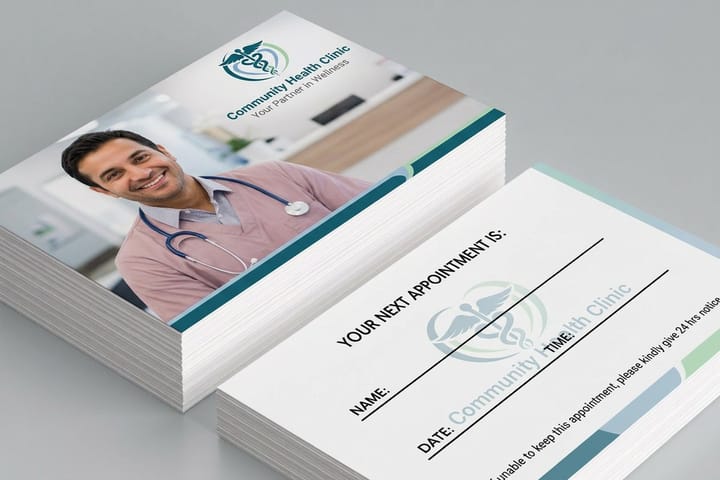
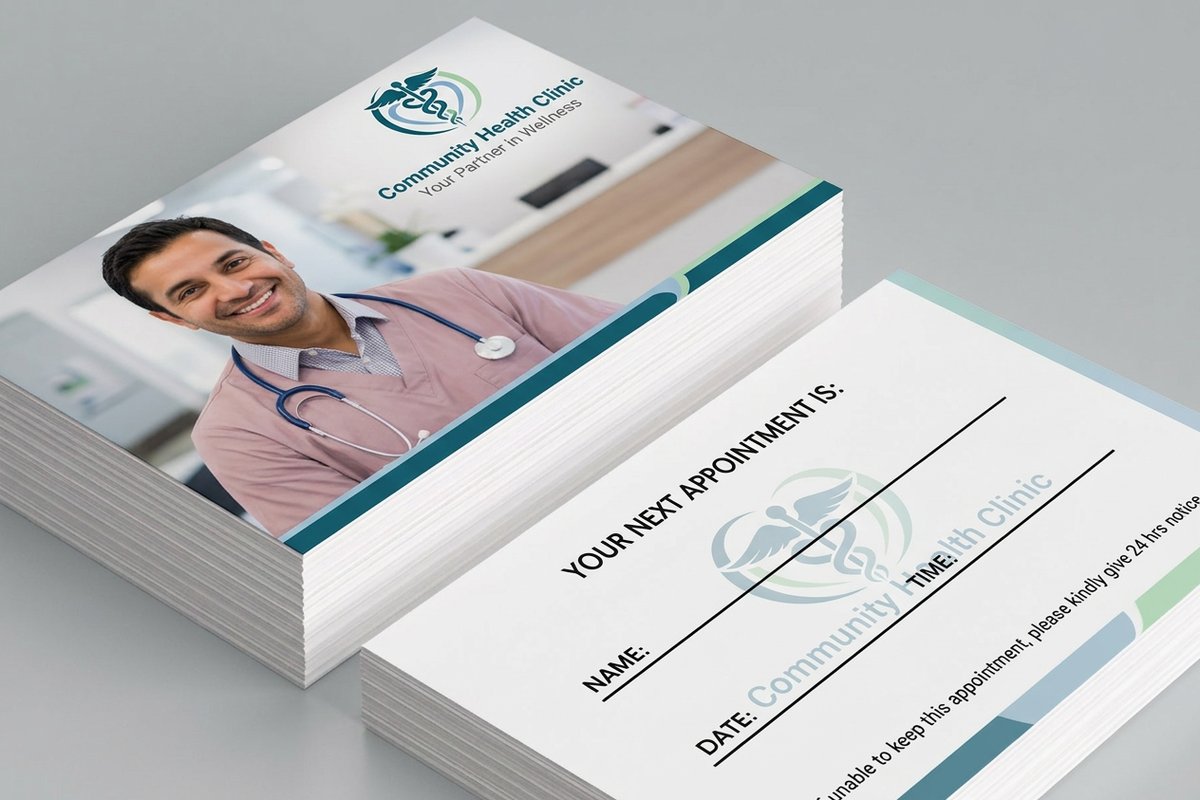
No-shows are the quiet leak in every practice schedule, and the humble appointment card remains one of the most effective plugs. A written date handed across the desk becomes a physical commitment: it goes on the fridge, in the wallet, next to the calendar, and it survives the notification purge that buries text reminders.
Keep the front clean and clinical with space for date, time, and provider, and print rescheduling instructions on the back so a conflict becomes a phone call instead of an empty slot. Order them from medical appointment cards in the same stock family as the business cards so the desk hands over one consistent brand.
For multi-visit treatment plans, the card does clinical work too: patients who leave with the next date in hand stay on schedule, and staying on schedule is care.
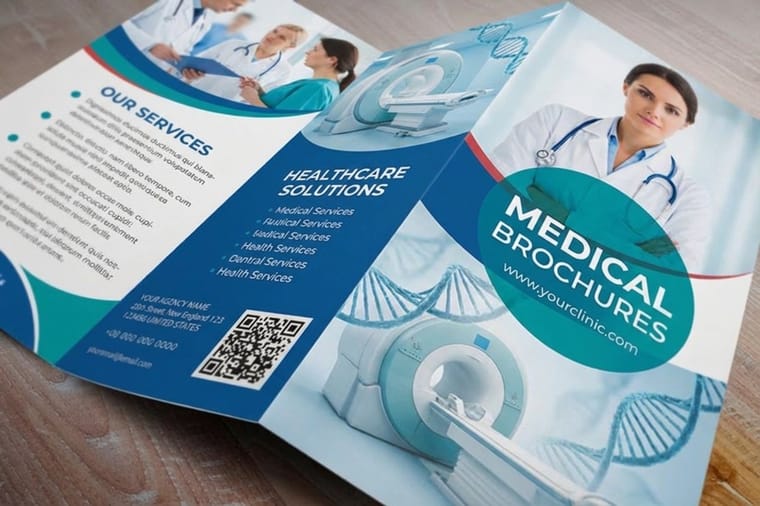
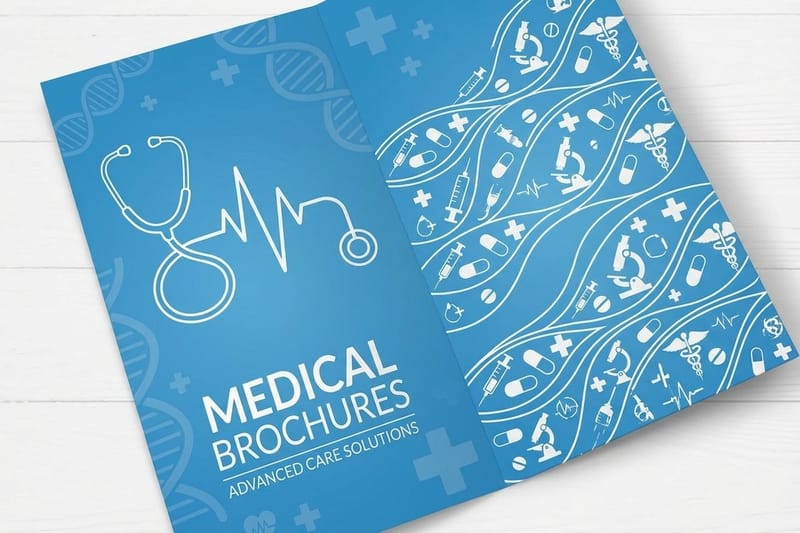
3. Patient brochures: the explanation that goes home
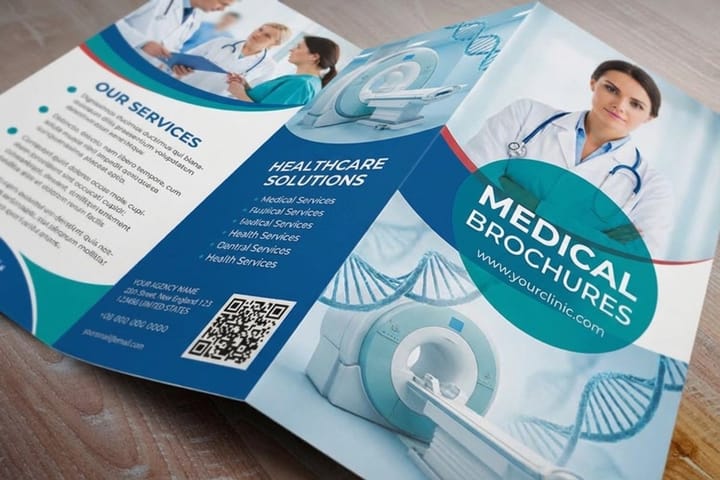
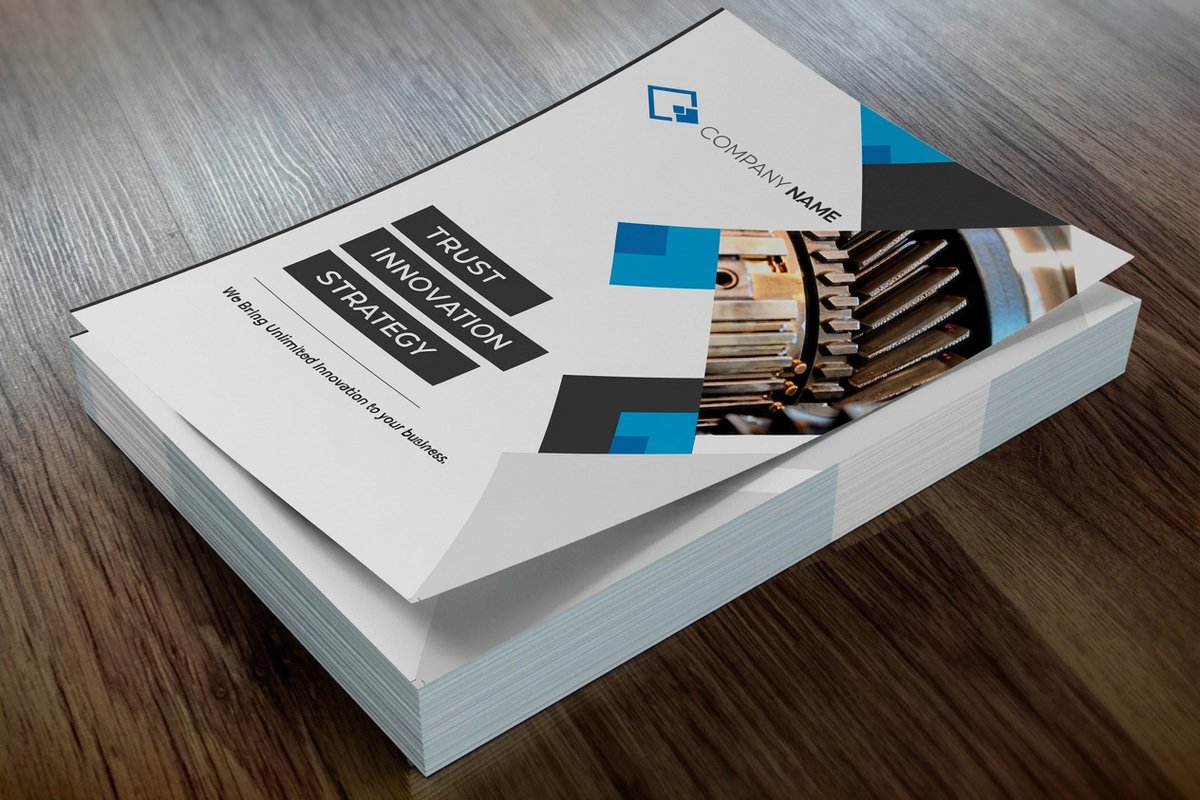
Patients absorb a fraction of what is said in an exam room, and the questions arrive two hours later at the kitchen table. A take-home brochure is how the practice keeps answering: what the procedure involves, how to prepare, what recovery looks like, when to call. It gets read slowly, shared with the family members who weigh in on health decisions, and kept.
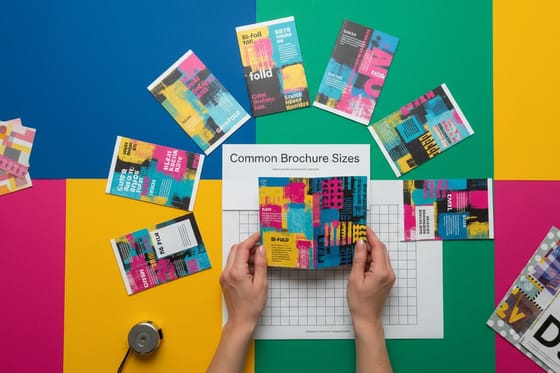
Write one brochure per common procedure or condition in plain language, and keep the layout calm, generous type, clear headings, no crowding. The brochure sizes and folds guide helps pick the format, and best paper types for brochures matches the stock to a piece that must feel authoritative, not glossy.
Rack them in the waiting room and hand the relevant one over at checkout. A patient educated on paper calls the front desk less and follows aftercare more.
4. Business forms: the paperwork that keeps the desk moving
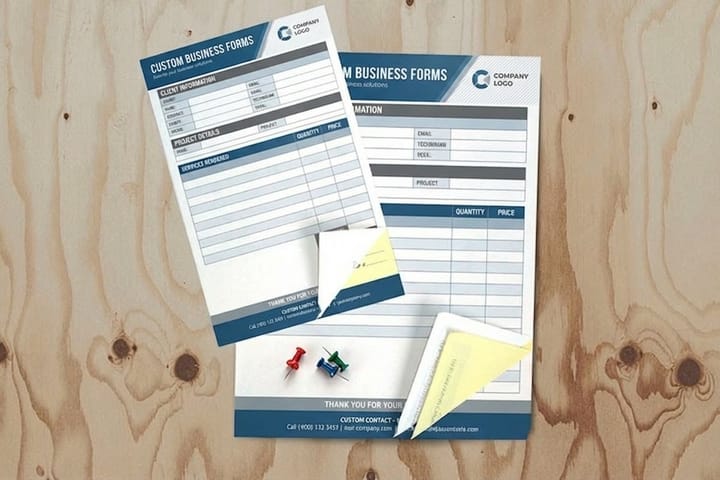
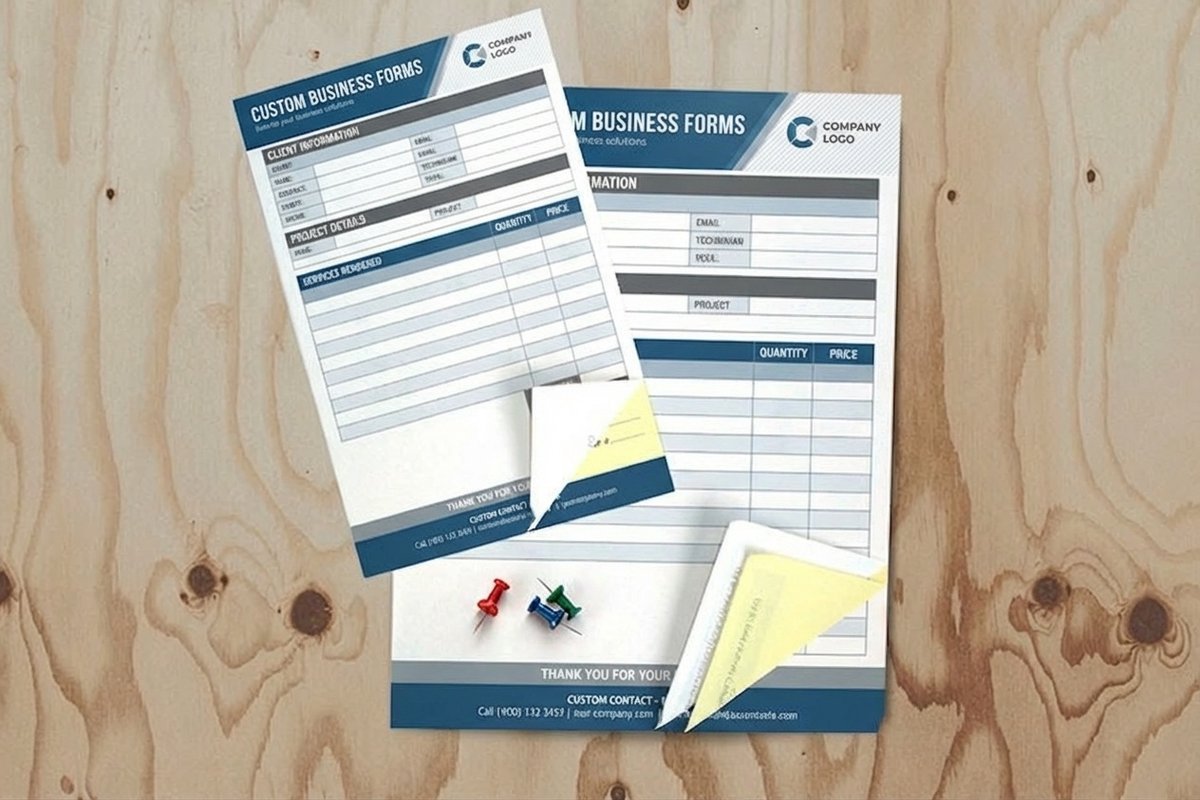
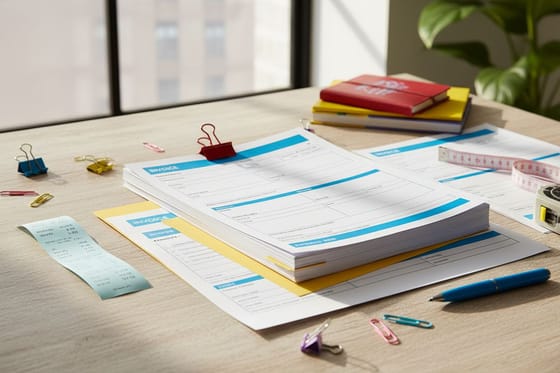
A practice runs on paperwork whether it wants to or not: intake and history forms, consents, referral pads, superbills, receipts. Printing them as designed, branded sets rather than photocopies does more than look professional. Consistent layouts speed up the front desk, reduce missed fields, and keep the records uniform across every provider in the practice.
Carbonless duplicates give the patient and the file each a copy without a trip to the copier, and sequential numbering keeps referral pads and receipts accountable. For layout ideas grounded in real examples, the collection of business form and invoice examples is a practical starting point, and the business forms configurator handles parts, pads, and numbering.
Design the forms once with your compliance review, then reorder forever. Stability in paperwork is a feature, not a rut.
5. Printed envelopes: authority in the mailbox
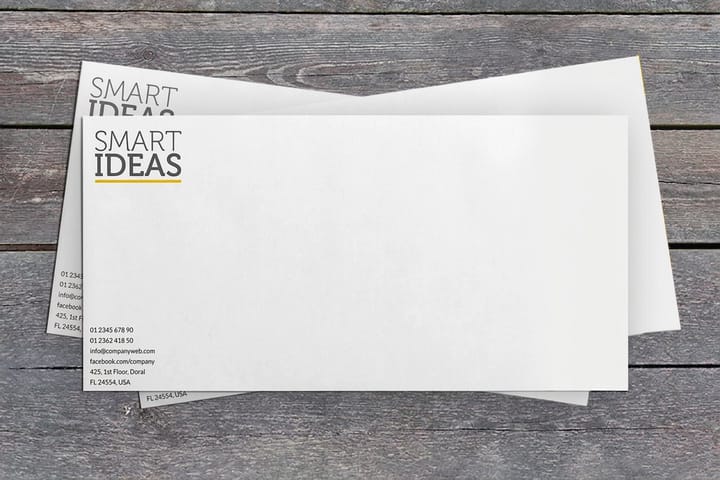
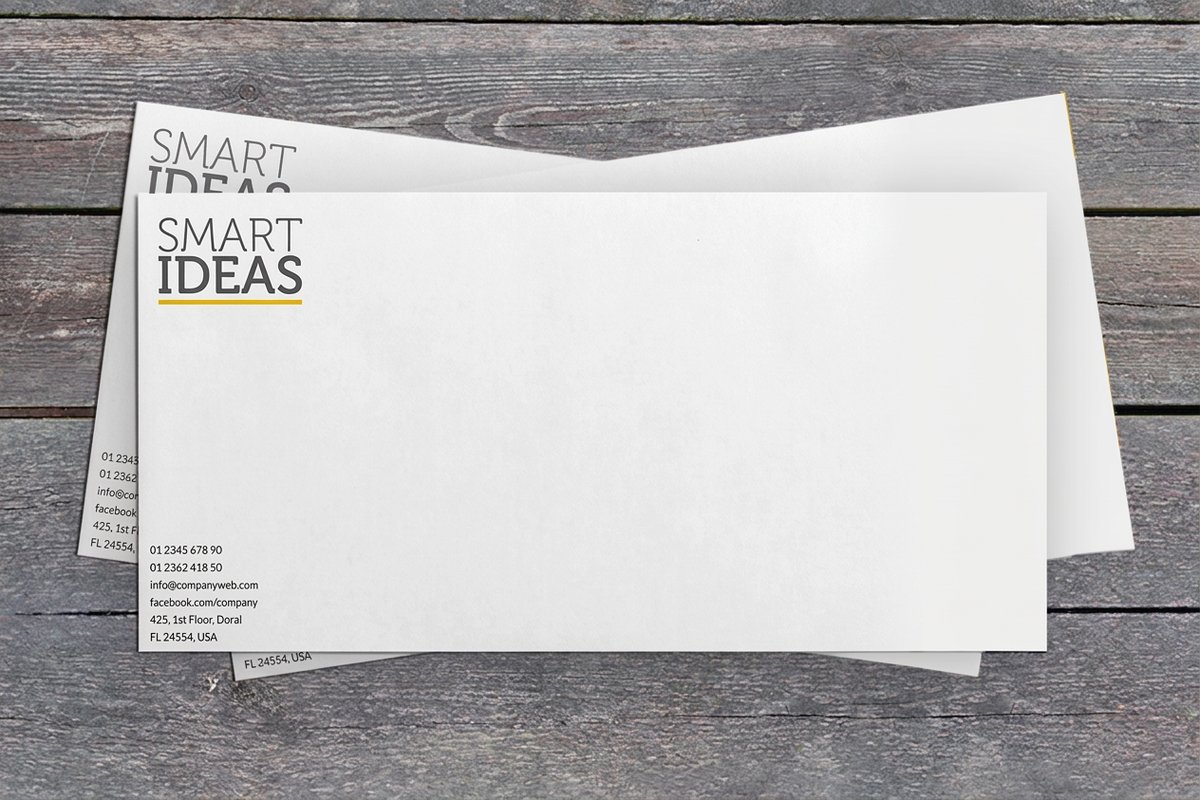
Statements, test results, referral letters, and records requests all leave the practice in an envelope, and the envelope decides how the contents are received. A printed return address with the practice name and mark says official and expected; a hand-stamped plain envelope says small and improvised. Patients open the first faster and trust it more.
Order the sizes your mail actually uses, standard #10 for statements and letters, larger formats for records, with the practice identity printed consistently. The rundown on envelope sizes for business mail matches formats to contents, and keeps the outside compliant: identity on the corner, nothing about the contents anywhere.
Envelopes are the least glamorous piece in the suite and among the most seen, because every bill and result the practice sends wears one.
6. Newsletters: the recall program patients actually read
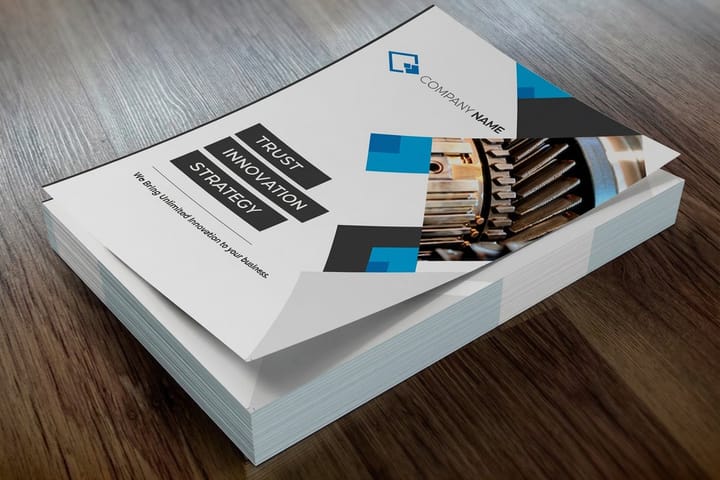
Between visits, a practice goes silent in a patient's life until something hurts. A quarterly printed newsletter breaks that silence with a rhythm: flu shots in the fall, screening reminders in their awareness months, a new provider introduction, one short readable health feature. Print gets opened and read at rates practice emails rarely see, particularly by older patients.
Keep it to one sheet, front and back, and let every issue carry one clear call to schedule. The mechanics in creating newsletters for direct mail cover format and addressing, and pairing the mailing with your printed envelopes keeps the whole package on brand.
Measure it by the front desk phone in the week after each drop. Recall waves are visible in the schedule, which makes the newsletter one of the few marketing pieces a practice can audit honestly.
7. Posters: the waiting room that educates

Patients spend real minutes in the waiting and exam rooms with nothing assigned to their attention. Posters put that time to work: the screening schedule by age, the flu clinic dates, the services half your patients never knew you offered, physicals, travel vaccines, minor procedures done in-office. Practices are routinely surprised by how much revenue hides behind "I didn't know you did that."
Design them like calm public health pieces, not ads: one message, clear hierarchy, practice colors. Size to the wall using the large-format poster size guide, and frame them, because a framed poster reads as information while a taped one reads as clutter.
Rotate seasonally with the newsletter so the walls and the mailbox tell the same story. Repetition across touchpoints is what moves a patient from aware to scheduled.
8. Letterheads: the referral letter that carries authority
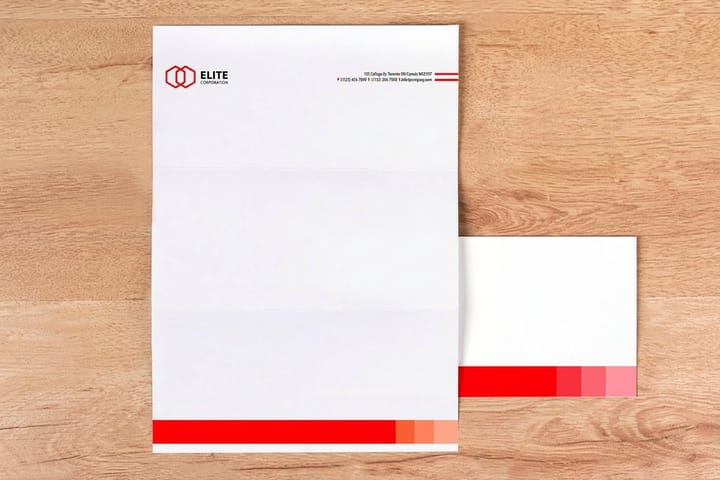
A practice writes more letters than it realizes: referral letters to specialists, results summaries, records correspondence, work and school notes, welcome letters to new patients. Every one of those pages either carries the practice identity or looks like it came off the break-room printer, and the reader, often another clinician, notices the difference immediately.
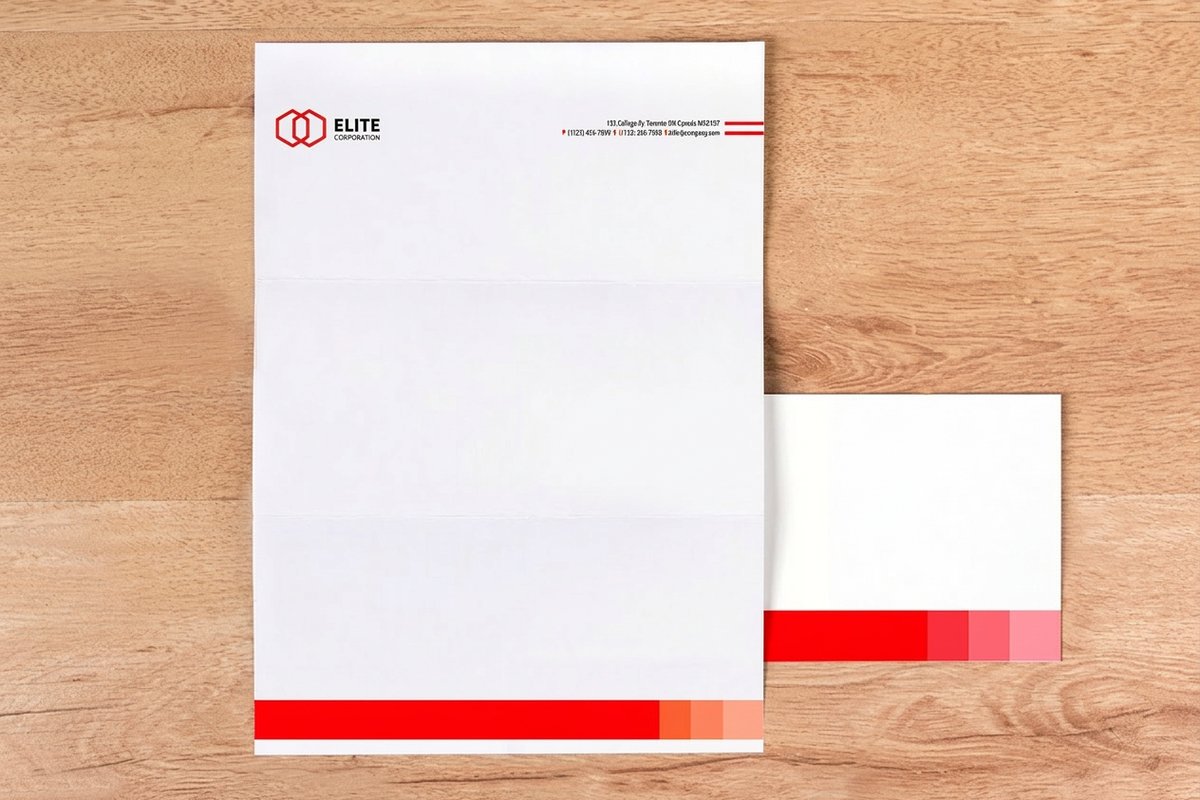
Printed letterhead settles it once. The practice name, providers, credentials, and contact block sit exactly where a reader expects them, and the paper itself has the weight of a document worth filing. Browse the letterheads range for stocks that feel substantial in hand, and match the stock family to your envelopes so the whole mailing reads as one practice.
Keep the letterhead general, providers and contact only, so a new associate or a new phone line is the only reason to reprint.
9. Rack cards: the services menu patients and referrers scan

Half of what a practice offers is invisible to its own patients: the in-office procedures, the travel vaccines, the physicals, the telehealth line. A rack card fixes that on one scannable panel, services on the front, hours and scheduling on the back, racked in the waiting room and stacked at the front desks of the providers who refer to you.
Design it to be read in ten seconds: the service list grouped plainly, one line each, no clinical jargon. Our explainer on what rack cards are covers the format, and how to create a captivating rack card design keeps the narrow canvas working hard without crowding it.
Give a fresh stack to every referring office each quarter. The card that sits beside a neighboring receptionist is quietly your hardest-working salesperson.
10. Notepads: aftercare in writing, brand on every sheet

Patients forget most of what they hear in an exam room, and the scribbled instruction on a random scrap forgets itself. A branded notepad gives every handwritten instruction, dosage note, and prep reminder a header with the practice name and phone number, so the note on the kitchen counter also tells the family exactly who to call with questions.
Pads work as quiet marketing too: a stack gifted to referring offices lives beside their phones for months, putting your name in front of the exact desk that decides where patients go next. Our comparison of notepads versus post-its covers when a full branded pad out-earns the small stuff, and the notepads configurator handles sizes and sheet counts.
Order a size for the exam rooms and a smaller one for the desk, both in the practice palette, and the humblest paper in the suite starts pulling weight.
11. Magnets: the practice number on the family fridge
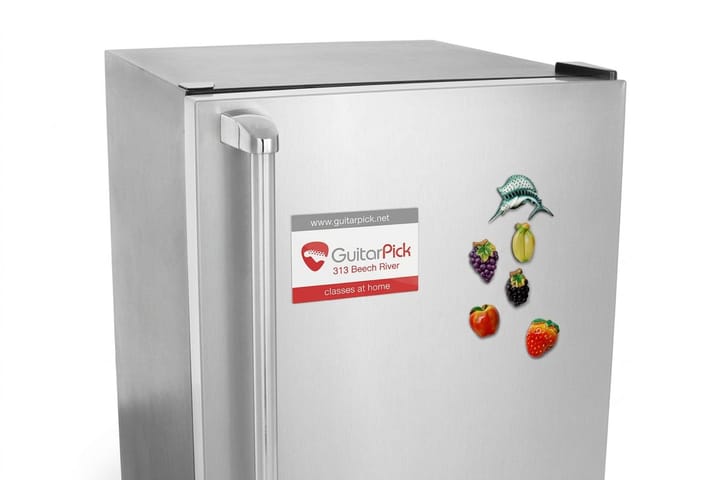
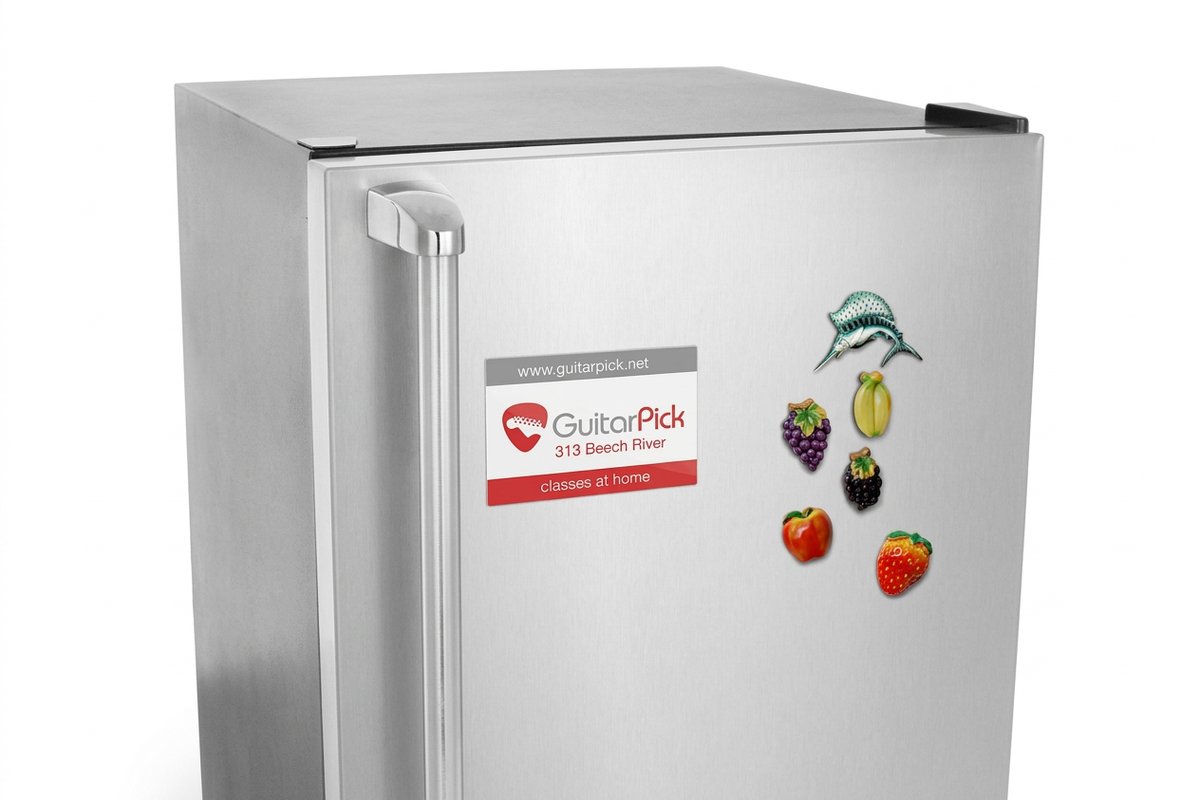
When someone in the house feels unwell, the family does not search a drawer for a business card, they look at the fridge. A practice magnet with the name, the phone line, and the after-hours instructions is the rare giveaway that gets kept for years and consulted at exactly the moment a patient needs to reach you.
Keep it simple and legible from across a kitchen: practice name, scheduling number, portal address, nothing else. Hand one to every new patient with the welcome paperwork and mail one with the fall newsletter. Our how to make custom magnets covers stocks and sizes, and magnets versus stickers settles why the fridge wins for a practice.
At cents apiece, the magnet is the cheapest continuity-of-care tool in the suite: it keeps the right number in the house between visits.
12. Medical signs: wayfinding that calms the visit
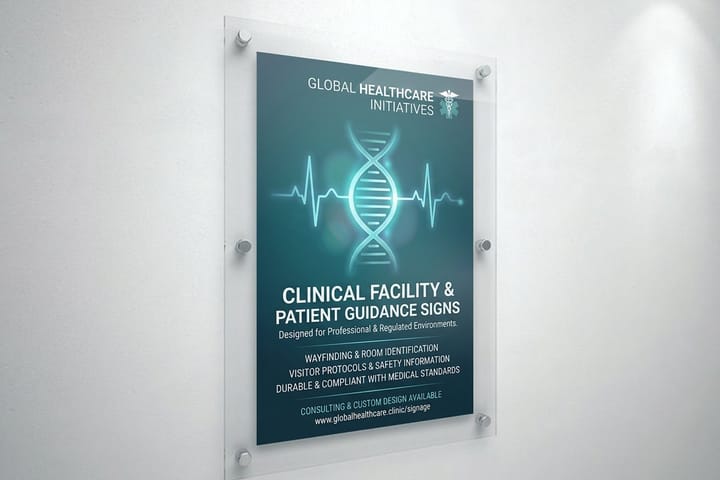
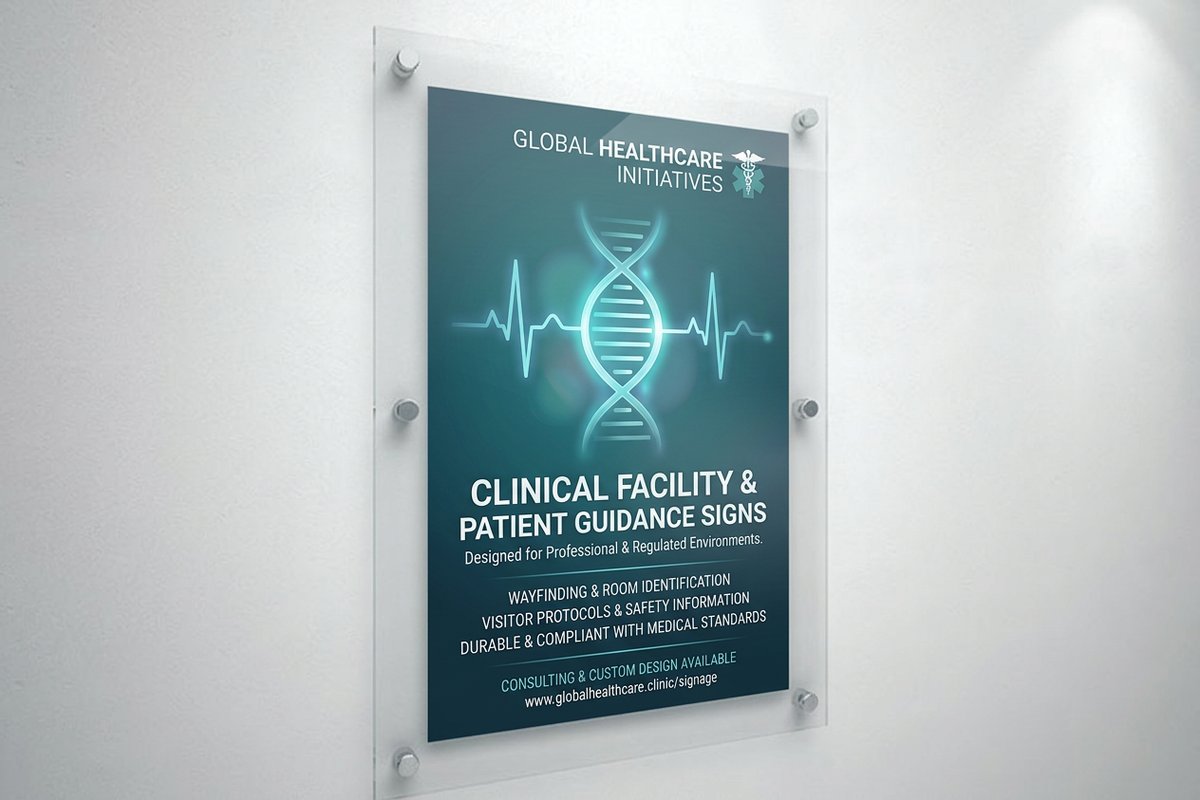
A patient's stress starts in the parking lot, not the exam room. Clear printed signage, patient parking here, entrance this way, check in at this desk, masks available, flu clinic through here, removes the small confusions that arrive as frustration at the front desk. Good wayfinding is the first clinical courtesy a practice extends.
Rigid medical signs handle the permanent jobs, entrance, suite number, office hours, while inexpensive extras cover the seasonal ones like the vaccination clinic or a temporary entrance during construction. Keep the palette and type identical to the rest of the suite so the building reads as the same practice the card promised.
Walk the route a first-time patient takes, from car to check-in, and place a sign at every point you had to think. That audit costs an afternoon and pays off at every visit after.

Specs and pricing
Anchor the suite: brochure specs and live pricing
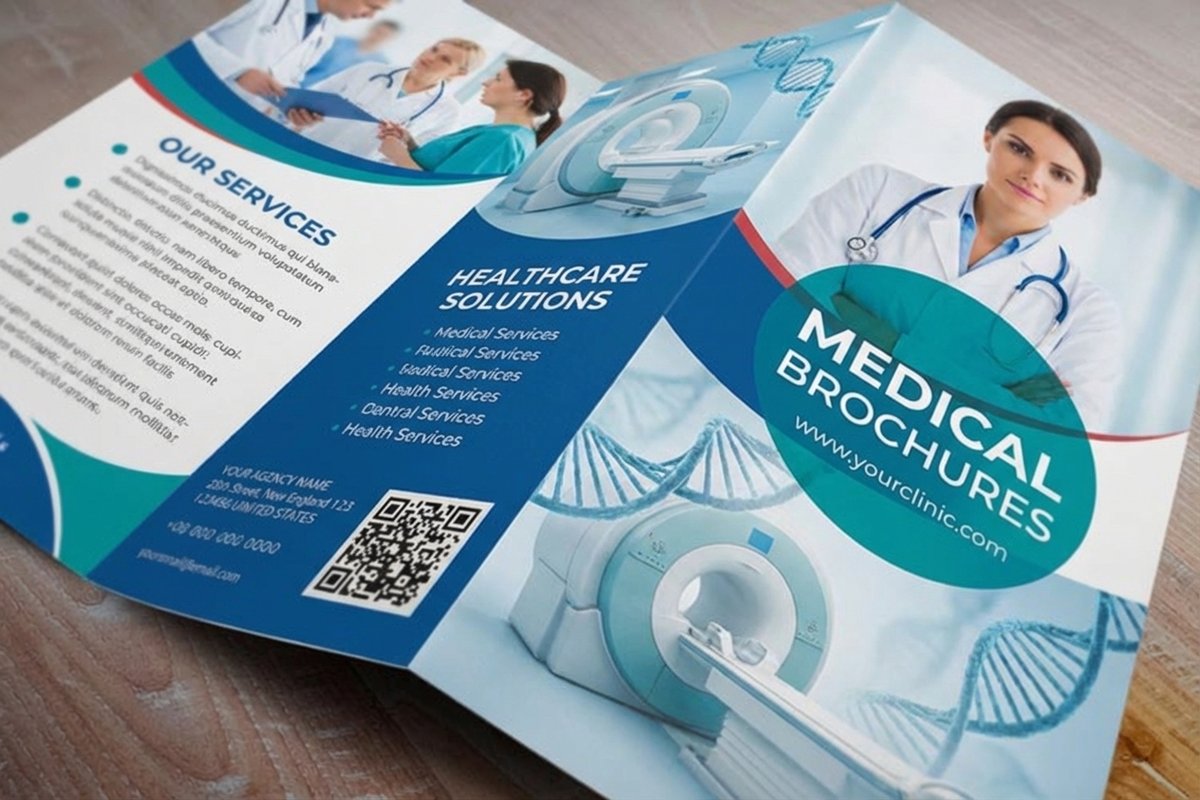
The patient brochure is the piece that carries the practice's voice home, so it anchors the order. Here are the live specs and price-per-unit for medical brochures at 4OVER4.COM, straight from the configurator.
| Quantity | Price Per Unit | Total |
|---|---|---|
| 50 | $1.14 | $57.11 |
| 100 | 82.4¢ | $82.38 |
| 200 | 53.3¢ | $106.55 |
| 300 | 41.0¢ | $123.02 |
| 400 | 34.9¢ | $139.49 |
| 500 | 31.2¢ | $155.97 |
| 600 | 26.7¢ | $160.36 |
| 700 | 23.5¢ | $164.75 |
Wally explains the suite
Twelve pieces, one practice, trusted at every touch
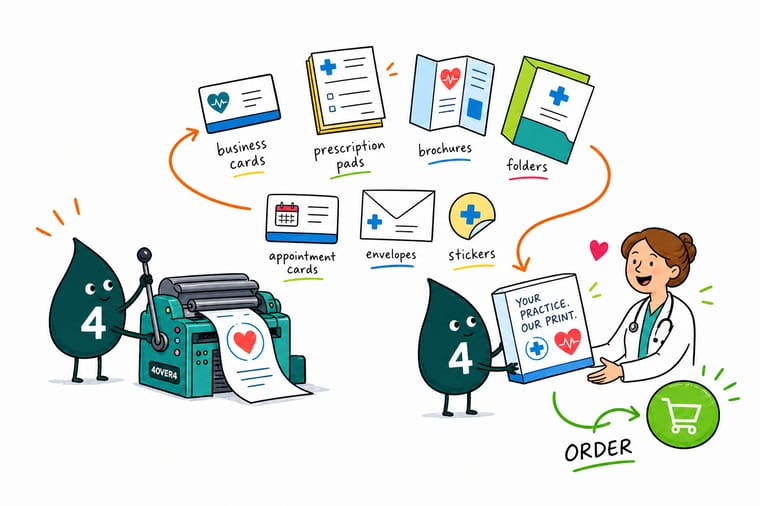
Wally follows the paper through a patient's year. The card arrives with a referral, the signage walks the patient in calmly, the intake form starts the file, the brochure and rack card go home to answer the kitchen-table questions, and the appointment card and magnet pin the follow-up and the phone number to the fridge. Between visits, the newsletter, the letterhead, and the statement envelope keep the practice present and professional. Print all 12 at 4OVER4 in one run and every touch carries the same identity.
Shop medical printing →See it in use
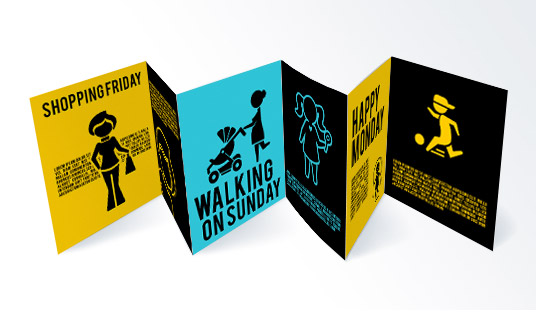
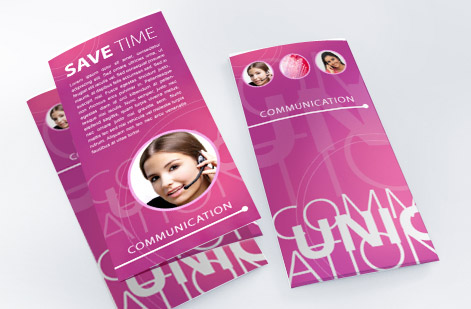
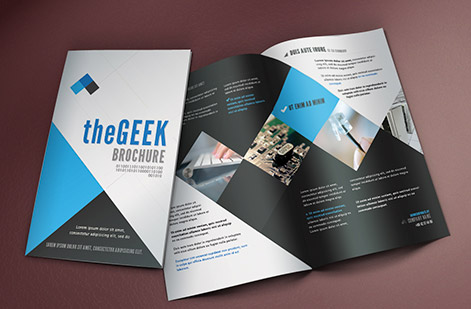
Real brochure work, printed in-house





Explore more
Where to go next

By the numbers
One suite, printed to be trusted
Common Questions
Common questions about the medical practice suite
What is in the medical practice suite?
Twelve print pieces that carry a practice from the first referral to the follow-up visit: medical business cards, appointment cards, patient education brochures, business forms, printed envelopes, newsletters, posters, letterheads, rack cards, notepads, magnets, and medical signs. The cards, brochures, and rack cards build trust and referrals, the forms, envelopes, letterheads, and notepads run the front office, and the newsletter, posters, magnets, and signage keep patients oriented and engaged between visits.
What should a new practice print first?
Business cards, appointment cards, and intake forms, because they are needed on day one: cards for the referral network you are building, appointment cards for the follow-ups you book at the desk, and forms for every patient who walks in. Brochures and the newsletter come next as your patient education and recall programs take shape.
Why do printed appointment cards still matter?
Because they measurably reduce no-shows. A written card is a physical commitment device: it lives on the fridge or in the wallet and does not get buried like a text reminder. For treatment plans that need a follow-up in six weeks, that card is often the difference between continuity of care and a cold restart, and each one costs cents.
What makes a good patient education brochure?
Calm structure and plain language. One condition or procedure per brochure, what to expect, how to prepare, aftercare, and when to call, written at an accessible reading level with your contact information prominent. A take-home brochure gets read slowly at the kitchen table and shared with the family members who influence health decisions.
What forms does a practice typically print?
Patient intake and history forms, consent forms, referral pads, superbills, and receipt or records forms, often in carbonless duplicate so the patient and the file each keep a copy. Printing them as consistent, branded sets keeps the front desk fast and the documentation uniform across providers. Configure parts, numbering, and pads to match your workflow.
Do patients actually read practice newsletters?
Print newsletters get read at a rate email owners envy, especially by older patients who make up much of primary care. A quarterly issue with seasonal reminders, flu shots, screening months, new services, and one short health feature keeps the practice in the household between visits, and the recall prompts fill the schedule in predictable waves.
How do I keep patient information compliant across printed pieces?
Keep protected health information off anything mass-printed. Marketing and education pieces, cards, brochures, newsletters, posters, carry general information only, while forms are designed to receive patient data after printing, inside your records workflow. When mailing statements or results, use envelopes without revealing content markings. Your compliance officer should review templates once, then reorders stay safe.
Get Started
Ready to print the practice right?
Order the full medical practice suite from 4OVER4.COM and print all 12 pieces in one turnaround, on matching stocks. Adjust size, finish, and quantity on any product and watch the price update live.
Legal Disclaimer
Gold Standard guarantees apply to all standard orders placed through 4over4.com. Price match requires verifiable proof of a competitor's published price for an equivalent product with matching specifications and turnaround time. Satisfaction guarantee covers manufacturing defects and print quality issues. Contact support with order number and documentation. On-time delivery rate based on tracked orders 1999 to 2026. Individual results may vary based on shipping carrier performance.
