
How to Make a Business Name That Sticks


To create a company name, work in three steps: write down what your business promises and who it is for, generate at least thirty candidates by fusing two words, coining a new one, or naming the benefit, then cut the list by saying each one out loud and clearing the domain, the social handles, a federal trademark search, and your state business registry. Naming is part strategy, part instinct. Start from what you stand for, generate options from every angle, pressure-test the finalists, lock the domain, then put the winner on a card. Here is the full playbook, from blank page to printed name, including the idea starters, the availability checks, and the registration paperwork that makes the name yours.
To make a business name, start from what your business stands for, then generate options by combining words, coining new ones, or describing the benefit you deliver. Say each candidate out loud, confirm the .com domain and social handles are free, and clear a quick trademark search. Choose the name that is easy to spell, easy to remember, and still fits you five years from now. Then register it, either as the entity name on an LLC or corporation filing with your state, or as a DBA if you trade under a name that is not your own legal name, and make it real by printing it on a business card.
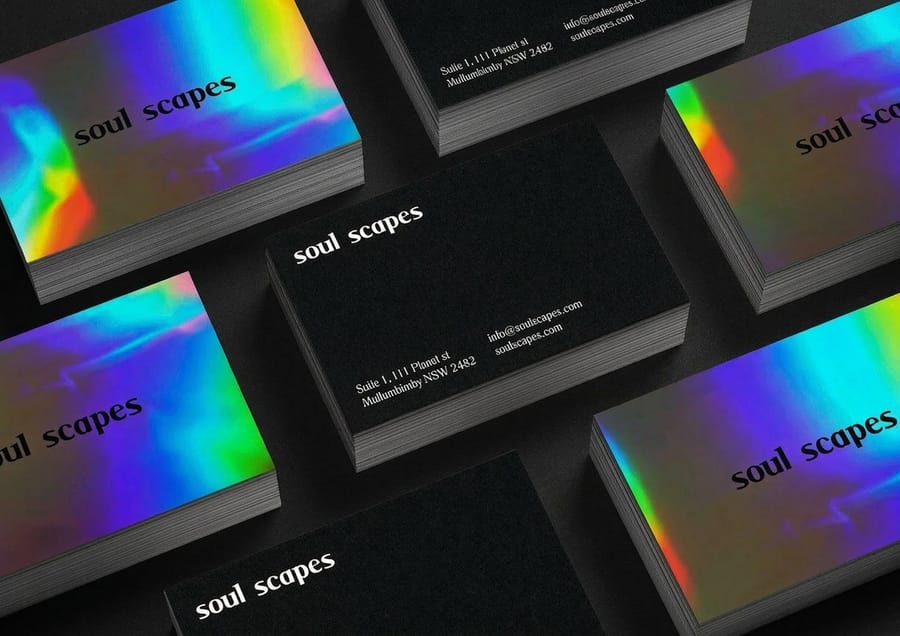
Quick tips
Quick tips for naming your business
Start from what the business stands for, then generate options by combining words, coining new ones, or naming the benefit you deliver. Say every candidate out loud, check that the .com domain and social handles are free, and run a quick trademark search before you decide. Pick the name that is easy to spell, easy to remember, and still fits you five years from now, then make it real by printing it on a card at 4OVER4.COM.
Start with what the name has to carry
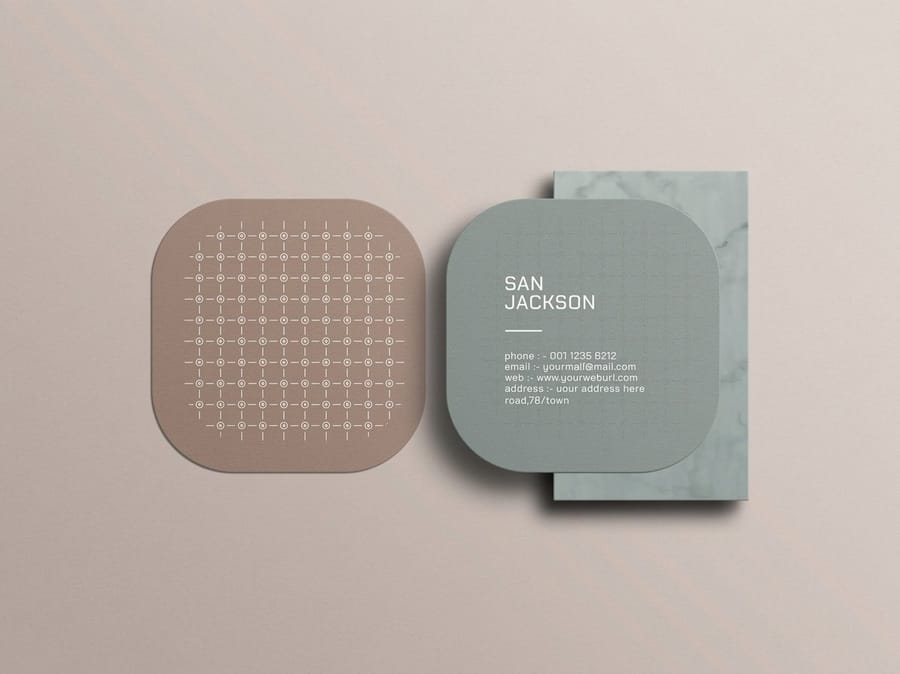
Before you brainstorm a single word, get clear on what the business is and who it is for. A name is not decoration. It is the first promise a customer hears, and it has to survive being said at a networking event, typed into a phone, and printed on the front of a card. When the meaning underneath is fuzzy, the name comes out fuzzy too.
Write down three things: what you sell, the feeling you want people to walk away with, and the one word a happy customer would use to describe you. Those three notes are the raw material for every exercise below. If you have not mapped your positioning yet, our guide to what branding actually means for a small business is the right place to start, and building a brand identity shows how the name, logo, and color all pull in one direction.
Keep those values close while you generate options. The best business names are rarely the cleverest ones. They are the ones that still make sense once you know exactly what the company stands for.
Eleven ways to come up with a name that sticks

There is no single formula, but most memorable names come from one of a handful of moves. Run your notes through all eleven and you will have more candidates than you can use.
- Use your own name. Personal, trustworthy, and impossible for a competitor to copy. It works especially well for studios, law firms, and the trades.
- Combine two words. Stitch a benefit onto a category. A surprising number of strong brands are just two everyday words fused together.
- Coin a new word. Invented names are the easiest to trademark and to own online, but budget a little time to teach people how to say them.
- Describe the benefit. Say what the customer gets, not the technical thing you do to deliver it.
- Use a metaphor. Borrow an image that carries the feeling, a summit for reliability, a compass for guidance.
- Go geographic, carefully. A place name roots you locally, just make sure you are not fencing yourself in if you expand.
- Play on words. A light pun is sticky, as long as it still reads clearly on a sign at a glance.
- Borrow from another language. A well-chosen foreign word can feel elevated, but check the meaning with a native speaker first.
- Lean on alliteration. Repeated sounds are easy to remember and genuinely fun to say out loud.
- Go abstract. A name with no literal meaning becomes whatever you make it, which leaves room to grow.
- Keep it short and punchy. One or two syllables fit on a logo, a card, and a URL without a struggle.
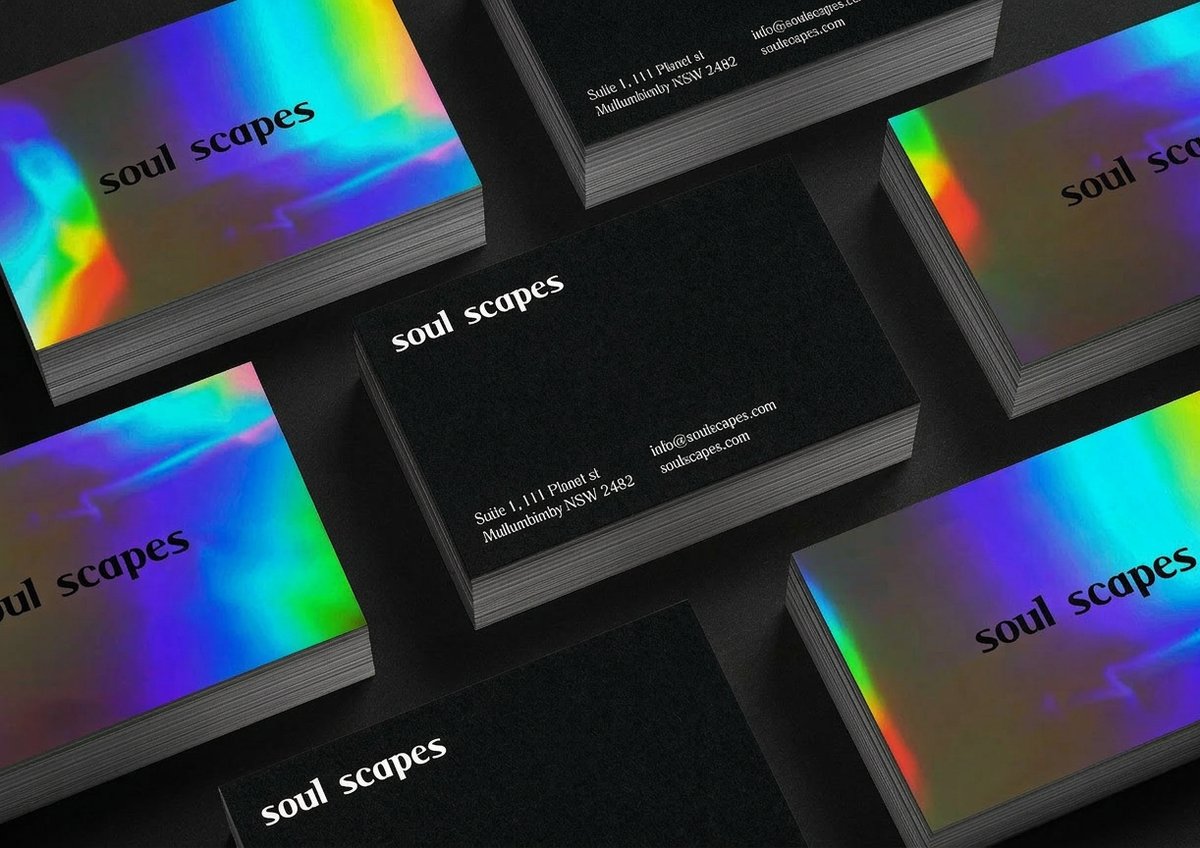
Do not stop at your first favorite. Push to thirty options, then walk away and return tomorrow. For a sense of how names look once they are on paper, flip through 30 standout business card designs.
Say it out loud: the tests every name has to pass
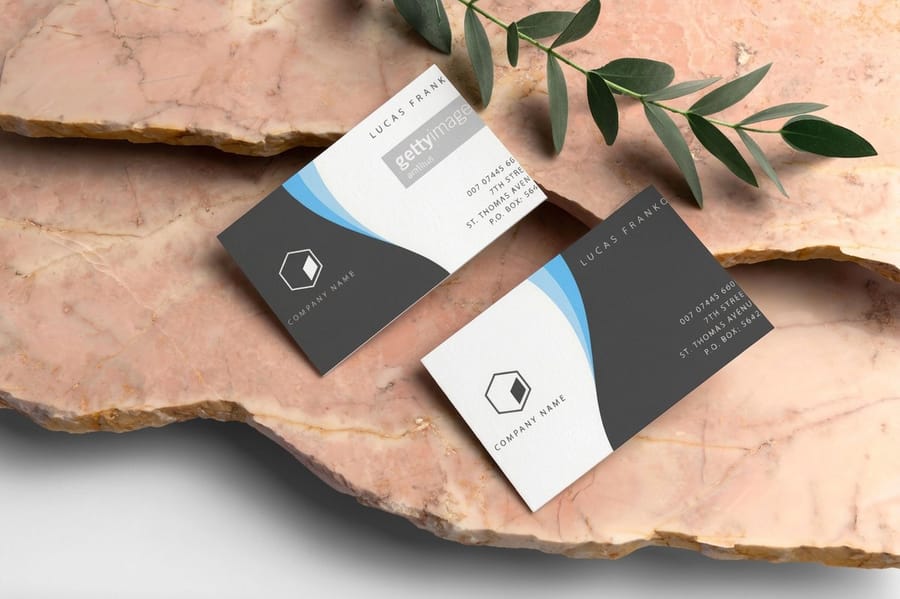
A name that looks great on screen can fall apart the moment someone tries to say it, spell it, or search for it. Before you fall in love, put each candidate through four quick checks.
- Say it on a phone call. If you have to spell it twice, it is already too hard.
- Type it from memory. Silent letters and creative spellings cost you traffic every single day.
- Read it fast. Squished-together words sometimes hide a second word you did not intend, so check the letters where they join.
- Ask what it means elsewhere. A quick search saves you from an accidental slang meaning in another language.
The names that clear all four tend to share one trait: people can hear them once and repeat them correctly. That is the whole game. A name that travels by word of mouth does marketing for you before you have spent a dollar. When you are ready to see how it looks set in type, our logo design guide walks through turning a name into a mark.
Make sure you can actually own it

A perfect name you cannot legally or digitally claim is not a name, it is a headache waiting to happen. Before you commit, clear it on four fronts. The order matters, because each check can knock a candidate out before you waste time on the next. Two of the four are digital, the domain and the social handles, and two are legal, the federal trademark database and your state business registry. You want all four clean before a single card goes on press.
Where each check actually happens. The domain check is any registrar search bar, and the handle check is fastest done by hand on the two or three platforms you will really post to. The trademark check is the federal USPTO trademark database, which covers marks nationwide, so it catches conflicts a state search never will, especially inside your own class of goods and services. The business entity search sits on your Secretary of State website, and it tells you whether a company registered in your state already holds the name or something close enough to be refused. Run them in that order and most weak candidates die in the first ten minutes.
DBA or LLC, and what registering actually gets you. Forming an LLC or a corporation registers that exact legal name with your state, and it is the name that lands on your formation paperwork, your bank account, and your tax filings. A DBA, also called a fictitious or assumed name, is the smaller filing that lets you trade under a name other than your entity name, or other than your own legal name if you are a sole proprietor. Plenty of owners run both: the LLC holds the legal name, the DBA carries the brand name customers read on the sign, the truck, and the card. Neither filing is a trademark, so neither one stops a company two states away from using the same words. Filing offices, fees, and renewal cycles differ by state and sometimes by county, so confirm yours before you order anything printed.
When only the domain is taken. Do not scrap a strong name over one unavailable .com. Add a short, sayable word that fits the work, get, try, shop, studio, hq, or the city you serve, and leave the brand name itself untouched. A .co or an industry extension holds up if the name reads clearly without it. If the .com is parked and unused, a polite offer through the registrar sometimes costs less than a rebrand will later. The one move to avoid is taking a deliberate misspelling of an available word, because everyone who hears it out loud will type the correct spelling and land on somebody else.
The domain. The exact-match .com is worth chasing, but a short, clean variant is fine when the perfect one is taken. Social handles. Consistency across platforms makes you findable, so check them all in one sitting. Trademark. A quick federal search flags obvious conflicts before you invest in signage and print. Business registration. Your state database confirms the legal name is free to file.
Clear all four and the name is genuinely yours. If a conflict shows up late, it is far cheaper to swap now than after your business cards and letterhead are already printed with it.
Give the name room to grow
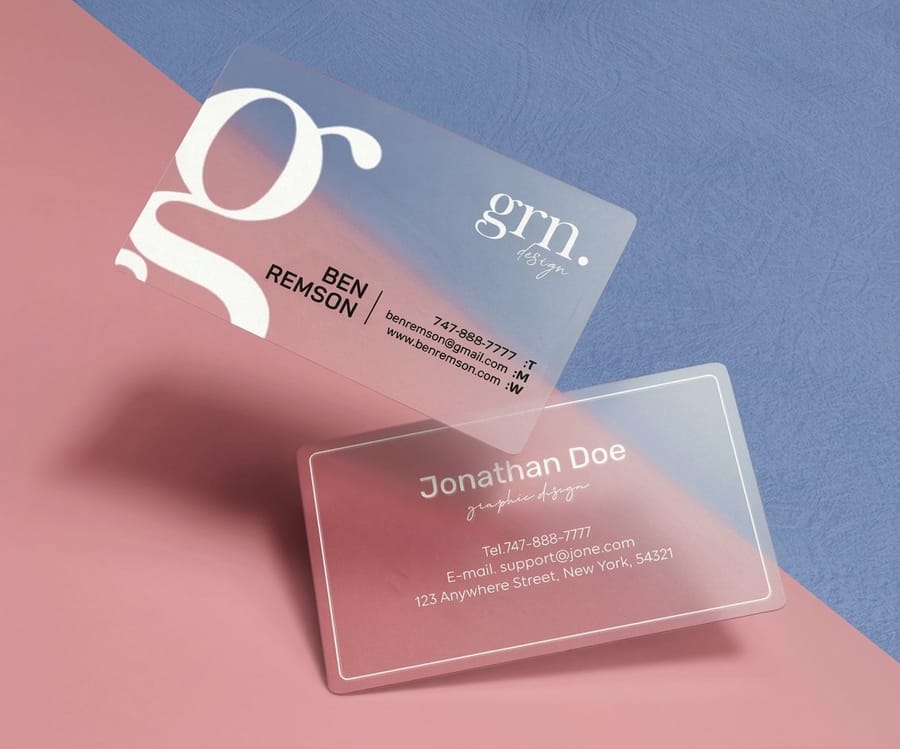
The most common naming regret is not a bad word, it is a name that turned out too small for the business it became. "Bob's Brooklyn Bagels" is charming right up until Bob wants to sell coffee in three states.
Aim for a name that describes a feeling or a promise rather than one product or one zip code. Abstract and benefit-driven names travel best because they do not argue with your future. If you are torn between a tightly descriptive name and a flexible one, picture where you want the business to be in five years, then name that company, not this week's version of it.
This is also where a little planning pays off. A name, a look, and a voice that fit together age well, and rebranding later is genuinely expensive. Thinking it through once beats doing it twice. For the marketing side of growing, the small-business marketing guide covers how the name shows up everywhere, from a storefront to a search result.
Test it before you commit
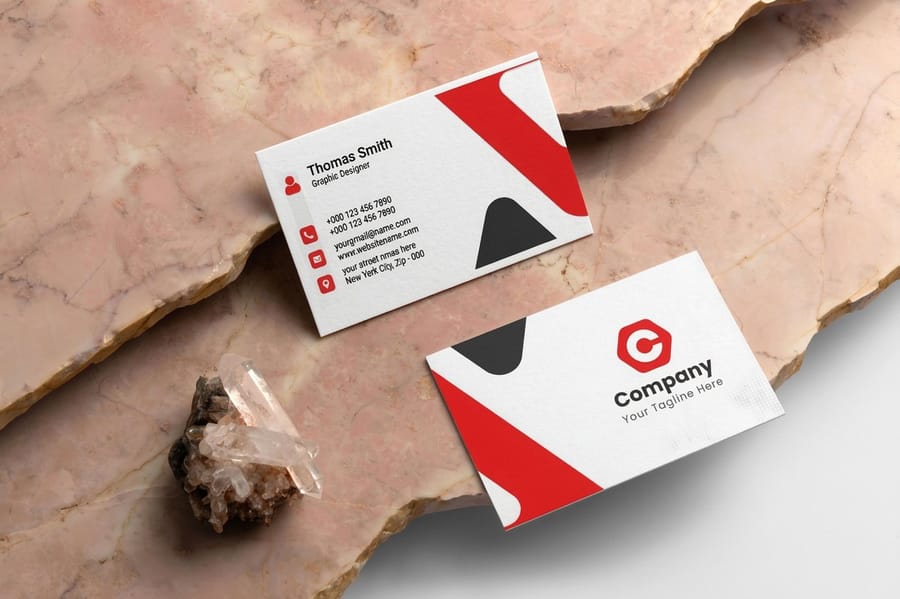
You are too close to your own shortlist to judge it. Get the name out of your head and in front of real people before it goes on anything permanent.
- Say it to ten people and ask them to repeat it back an hour later. The one they remember is doing its job.
- Mock it up. Set it in a font, drop it on a card, and see whether it still feels right at business-card size.
- Sleep on the finalists. A name that still excites you after a week is a keeper. The one you have quietly gone cold on has answered its own question.
Our free online designer lets you drop a name into a real layout in minutes, so you can react to it the way a customer will instead of guessing on a whiteboard. Seeing it in context is the fastest way to break a tie between two finalists.
Turn the name into something people can hold
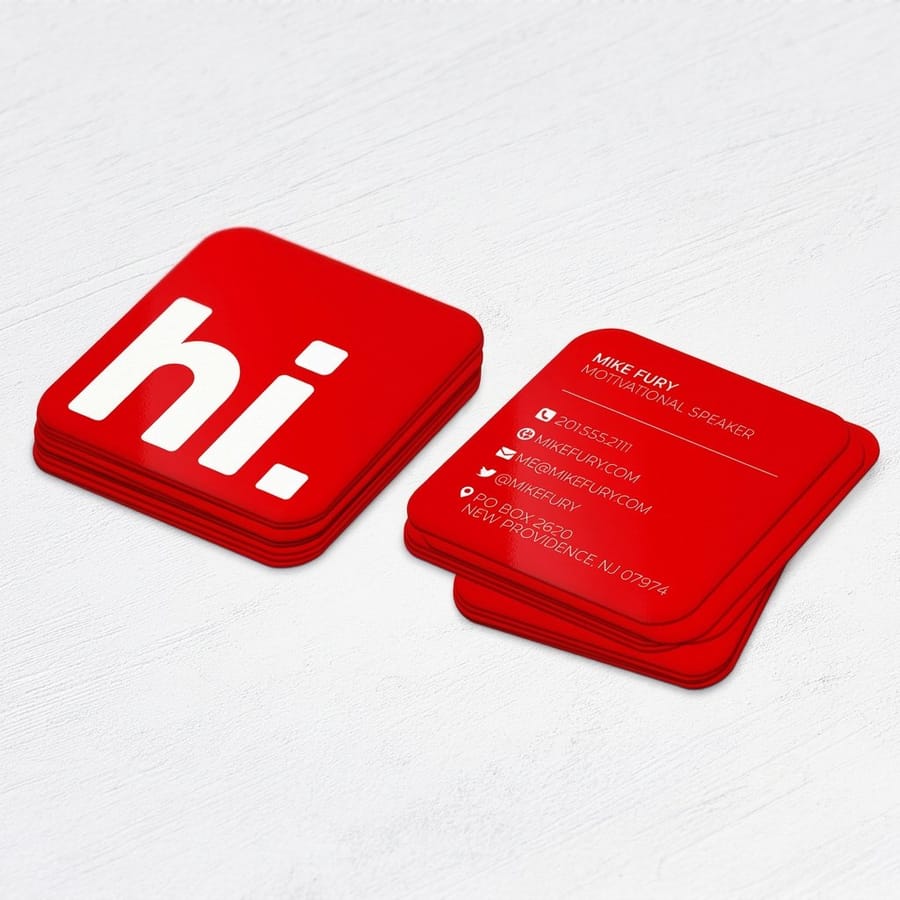
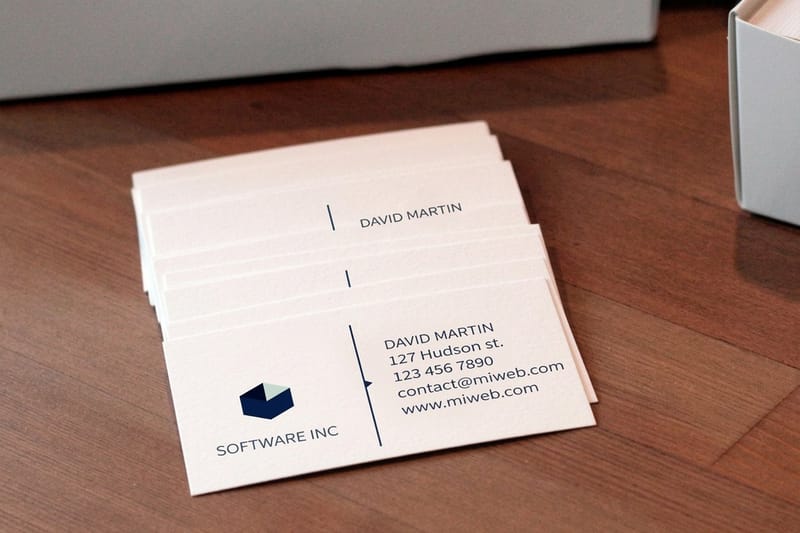
A business name only starts working once it is out in the world. The first place most founders put a new name is a business card, because it is the one piece of print you hand to someone during the exact conversation where you most want to be remembered.
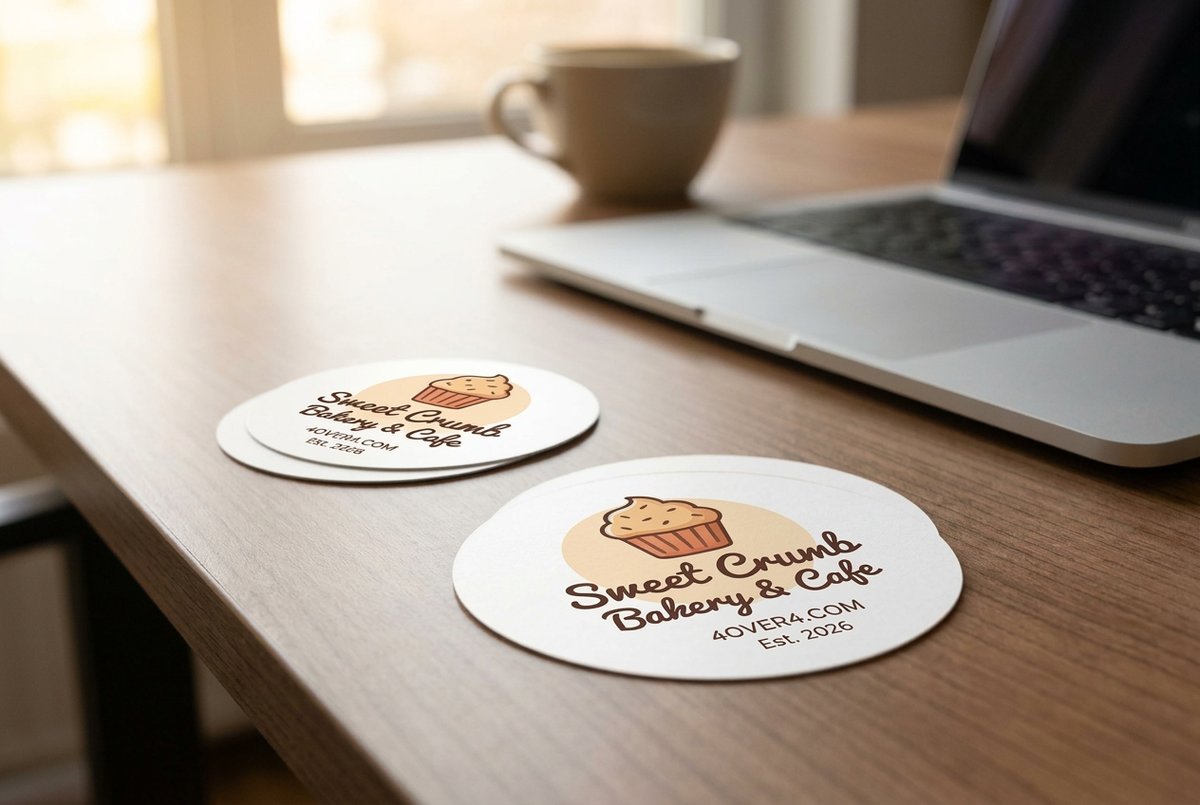
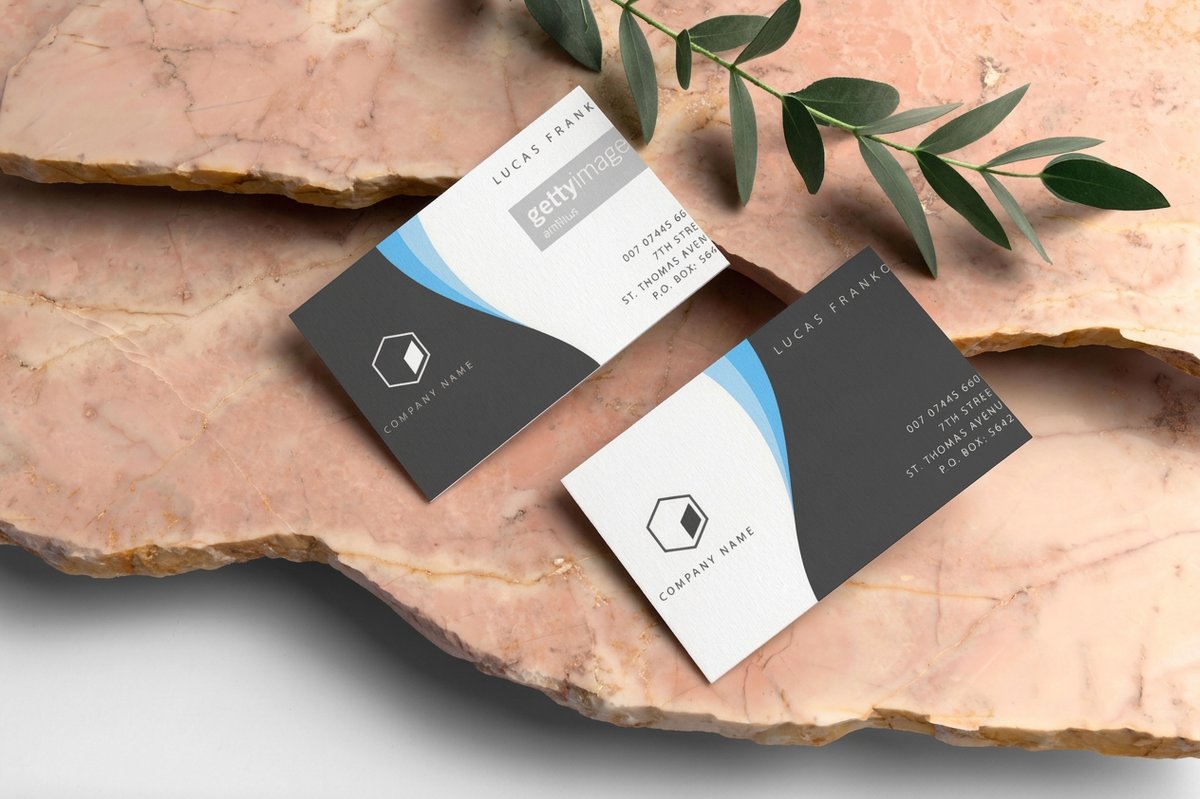
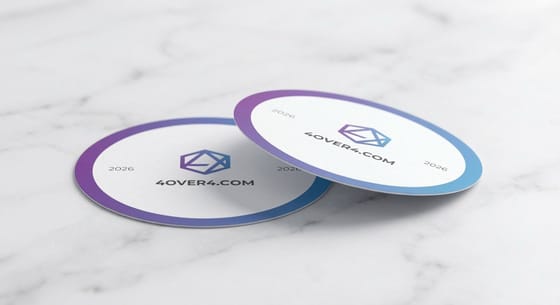
At 4OVER4.COM you can take the name you just landed on and put it on custom business cards the same week, with paper, finish, and shape that match its personality. If the name is playful, circle cards lean into that. If it is buttoned-up, classic cards keep it clean. From there the same name flows onto letterhead and the rest of your business stationery, so every touchpoint reads as one company.
Need the file ready to print? Our guide to preparing a business card logo for printing covers resolution, bleed, and color so the name looks as sharp on paper as it did on your screen.
Naming mistakes that get expensive later

Even careful founders trip over the same handful of naming traps. Sidestep these and you avoid a costly do-over down the road.
- Impossible to spell. Clever spellings feel unique to you and read as typos to everyone else. If people cannot type it, they cannot find you.
- Skipping the trademark check. Falling for a name that is already owned is the most expensive mistake on this list.
- Chasing a trend. The suffix that feels current today will date the business in three years.
- Too generic. A name that describes the whole category is impossible to protect and easy to forget.
- Too long. If it does not fit cleanly on a card or a logo, it is fighting you everywhere it appears.
- Copying a competitor. Sounding like the market leader makes you forgettable, not credible.
When you have a name that dodges all six, you are ready to make it real. Browse the full range at business card printing or start free with our design templates, then get the name you fought for onto something you can hand across a table.
Wally explains naming
A great name is one people can repeat
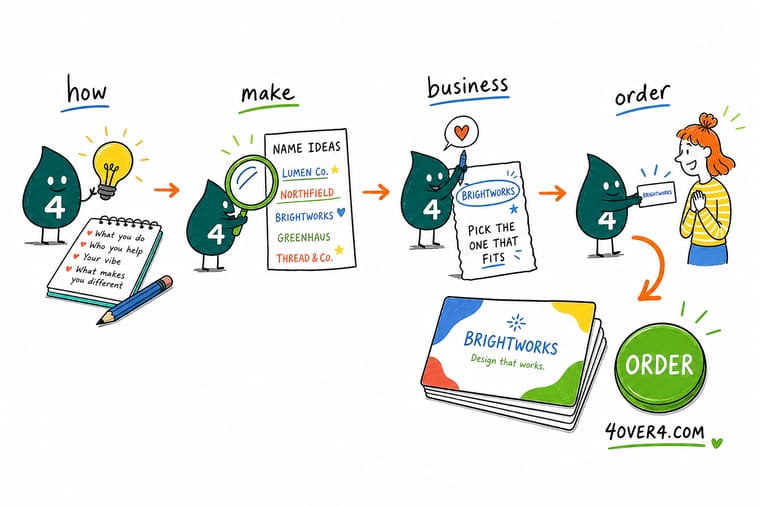
Wally has a simple rule for business names: if he cannot say it, spell it, and remember it after one hearing, it needs more work. Start from what you stand for, test the finalists out loud, lock the domain, and only then let yourself fall in love. The day the name feels real is the day you hand someone a card with it printed on the front. That is the part 4OVER4.COM handles for you.
Order business cards →Specs and pricing
Custom business card specs and pricing
Once you have the name, here is what a set of custom business cards gives you at 4OVER4.COM, with live specs and price-per-unit pulled straight from the configurator.
| Quantity | Price Per Unit | Total |
|---|---|---|
| 100 | 17.6¢ | $17.57 |
| 200 | 11.5¢ | $23.07 |
| 300 | 9.15¢ | $27.46 |
| 400 | 7.96¢ | $31.86 |
| 500 | 7.25¢ | $36.26 |
| 600 | 6.77¢ | $40.64 |
| 700 | 6.43¢ | $45.04 |
| 800 | 6.18¢ | $49.43 |
Print it
Order business cards to match your new name
See it in use
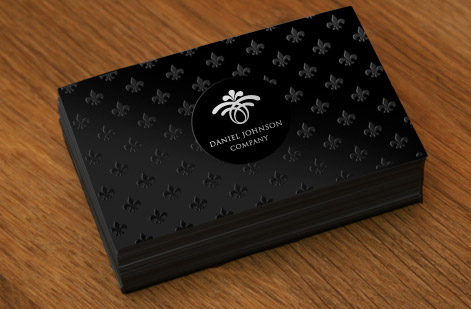
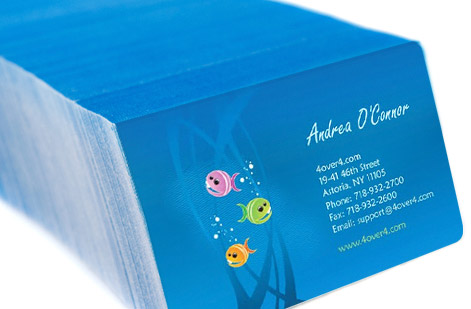
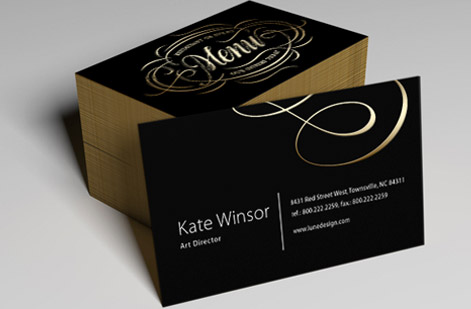
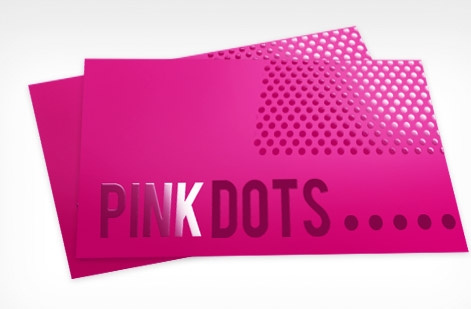
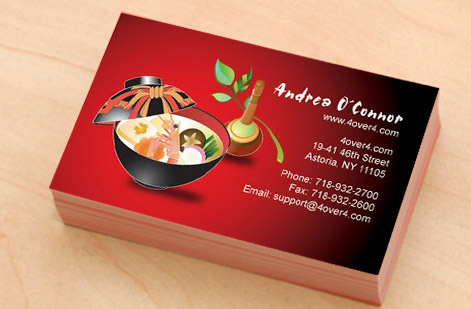
Real business card work, printed in-house



Explore more
Where to go next




By the numbers
Printing you can count on at 4OVER4
Common Questions
Common questions about naming a business
How do I actually come up with a business name?
Start with three notes: what you sell, the feeling you want customers to leave with, and the one word a happy customer would use to describe you. Then run those notes through a few naming moves, combine two words, coin a new one, name the benefit, or borrow a metaphor. Generate around thirty candidates in one sitting, walk away, and come back the next day to judge them with fresh eyes.
What makes a business name good?
A good name is easy to say, easy to spell, and easy to remember after hearing it once. It fits on a logo and a card without a fight, it still makes sense once someone knows what you do, and it has room to grow instead of boxing you into one product or one town. If a name passes the phone test and the trademark check, it is doing its job.
How do I check if a business name is already taken?
Clear it on four fronts before you commit. Search the exact-match .com domain, check the handle across the social platforms you plan to use, run a federal trademark search for obvious conflicts, and look it up in your state business registry. If all four come back clean, the name is genuinely yours to build on.
Should my business name describe exactly what I do?
Descriptive names help customers understand you instantly, but they can also box you in. "City Dog Walking" is clear until you add grooming and boarding. If you plan to grow or add services, lean toward a benefit-driven or abstract name that describes a feeling or promise rather than a single product, so the name still fits the company you become.
How long should a business name be?
Shorter is almost always stronger. One or two syllables fit cleanly on a logo, a URL, and the front of a business card. Long names get shortened by customers anyway, so it is better to choose the short version yourself than to let the market pick a nickname you did not intend.
Do I need to trademark my business name?
A trademark is not required to open, but it is the only thing that stops a competitor from using a name close to yours. At minimum, run a free federal search before you print anything so you do not build a brand on a name someone else already owns. Registering the mark is worth it once the business has traction and you are investing in signage, packaging, and print.
How much does it cost to put my business name on cards at 4OVER4.COM?
Custom business cards at 4OVER4.COM start at $17.57, with the exact price set by your quantity, paper, finish, and shape. You can see live pricing per unit right on the product page, and ordering more brings the cost per card down. That makes it easy to get your new name printed and in your pocket the same week you land on it.
How do I legally name my business?
Legally naming a business is a paperwork step, not a creative one, and it comes after you pick the name. Search your state business entity registry first so you are not choosing something an already registered company holds, then run a federal trademark search for conflicts in your line of work. Once the name is clear, register it: form an LLC or a corporation and the entity name is filed with your state as part of the formation, or file a DBA, also called a fictitious or assumed name, if you are a sole proprietor or you want to trade under something other than your entity name. Then use the exact same spelling everywhere, on the filing, the bank account, the website, and the printed cards, because a mismatch between the registered name and the brand name is what causes trouble at the bank and with clients later.
Do I have to register my business name?
It depends on how you trade. A sole proprietor operating under their own legal name usually does not have to register a name at all, but the moment you do business publicly under a different one you generally need a DBA filing with your state or county. Forming an LLC or a corporation registers the name with the state as part of the formation, which is why many owners never file a separate DBA. Registration is not a trademark, though: it prevents collisions inside your state register, not nationwide use, so run a federal trademark search as well before you invest in signage and print. Filing offices, fees, and renewal cycles vary by state, so confirm your own rules before you commit.
How do I legally name my business?
Legally naming a business is a paperwork step, not a creative one, and it comes after you pick the name. Search your state business entity registry first so you are not choosing something an already registered company holds, then run a federal trademark search for conflicts in your line of work. Once the name is clear, register it: form an LLC or a corporation and the entity name is filed with your state as part of the formation, or file a DBA, also called a fictitious or assumed name, if you are a sole proprietor or you want to trade under something other than your entity name. Then use the exact same spelling everywhere, on the filing, the bank account, the website, and the printed cards, because a mismatch between the registered name and the brand name is what causes trouble at the bank and with clients later.
Do I have to register my business name?
It depends on how you trade. A sole proprietor operating under their own legal name usually does not have to register a name at all, but the moment you do business publicly under a different one you generally need a DBA filing with your state or county. Forming an LLC or a corporation registers the name with the state as part of the formation, which is why many owners never file a separate DBA. Registration is not a trademark, though: it prevents collisions inside your state register, not nationwide use, so run a federal trademark search as well before you invest in signage and print. Filing offices, fees, and renewal cycles vary by state, so confirm your own rules before you commit.
How do I legally name my business?
Legally naming a business is a paperwork step, not a creative one, and it comes after you pick the name. Search your state business entity registry first so you are not choosing something an already registered company holds, then run a federal trademark search for conflicts in your line of work. Once the name is clear, register it: form an LLC or a corporation and the entity name is filed with your state as part of the formation, or file a DBA, also called a fictitious or assumed name, if you are a sole proprietor or you want to trade under something other than your entity name. Then use the exact same spelling everywhere, on the filing, the bank account, the website, and the printed cards, because a mismatch between the registered name and the brand name is what causes trouble at the bank and with clients later.
Do I have to register my business name?
It depends on how you trade. A sole proprietor operating under their own legal name usually does not have to register a name at all, but the moment you do business publicly under a different one you generally need a DBA filing with your state or county. Forming an LLC or a corporation registers the name with the state as part of the formation, which is why many owners never file a separate DBA. Registration is not a trademark, though: it prevents collisions inside your state register, not nationwide use, so run a federal trademark search as well before you invest in signage and print. Filing offices, fees, and renewal cycles vary by state, so confirm your own rules before you commit.
How do I legally name my business?
Legally naming a business is a paperwork step, not a creative one, and it comes after you pick the name. Search your state business entity registry first so you are not choosing something an already registered company holds, then run a federal trademark search for conflicts in your line of work. Once the name is clear, register it: form an LLC or a corporation and the entity name is filed with your state as part of the formation, or file a DBA, also called a fictitious or assumed name, if you are a sole proprietor or you want to trade under something other than your entity name. Then use the exact same spelling everywhere, on the filing, the bank account, the website, and the printed cards, because a mismatch between the registered name and the brand name is what causes trouble at the bank and with clients later.
Do I have to register my business name?
It depends on how you trade. A sole proprietor operating under their own legal name usually does not have to register a name at all, but the moment you do business publicly under a different one you generally need a DBA filing with your state or county. Forming an LLC or a corporation registers the name with the state as part of the formation, which is why many owners never file a separate DBA. Registration is not a trademark, though: it prevents collisions inside your state register, not nationwide use, so run a federal trademark search as well before you invest in signage and print. Filing offices, fees, and renewal cycles vary by state, so confirm your own rules before you commit.
Get Started
Got the name? Put it on a card.
Drop your new business name into a layout, pick your paper, finish, and shape, and we print cards you can hand out this week.
Legal Disclaimer
Gold Standard guarantees apply to all standard orders placed through 4over4.com. Price match requires verifiable proof of a competitor's published price for an equivalent product with matching specifications and turnaround time. Satisfaction guarantee covers manufacturing defects and print quality issues. Contact support with order number and documentation. On-time delivery rate based on tracked orders 1999 to 2026. Individual results may vary based on shipping carrier performance.
