
15 Stylish Business Card Examples to Inspire You


What Makes a Business Card Worth Keeping
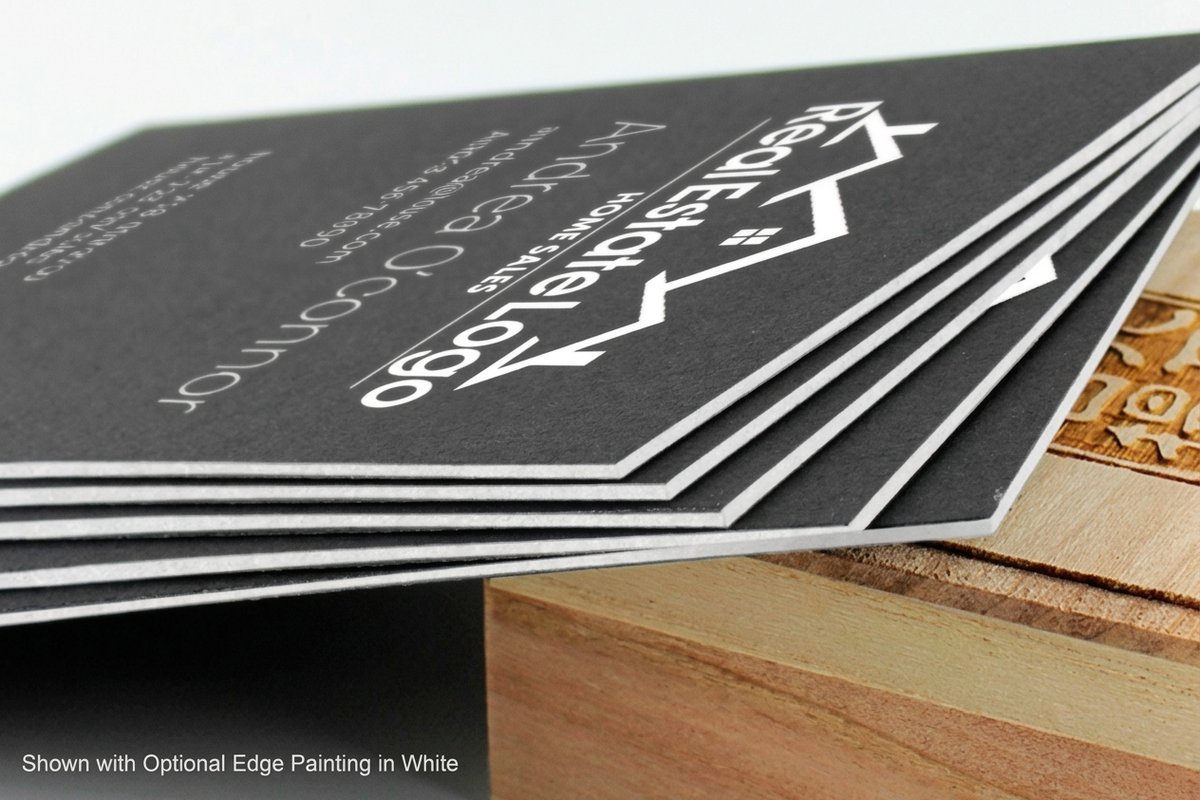
Most business cards get a polite glance and a spot in a drawer. A few get kept, photographed, and passed around the office. The difference is almost never the person’s title. It is the moment the card lands in a hand and quietly signals that someone cared about the details.
Two levers control that moment. The first is design: the type, the color, the shape, the restraint. The second is the stock and finish, which is the part people forget until they feel a card that is thicker, softer, or shinier than the ten they collected before it. Great examples get both right, and the finish is doing more of the work than most designers admit.
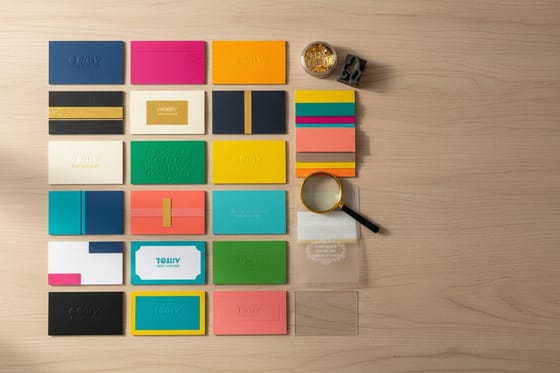
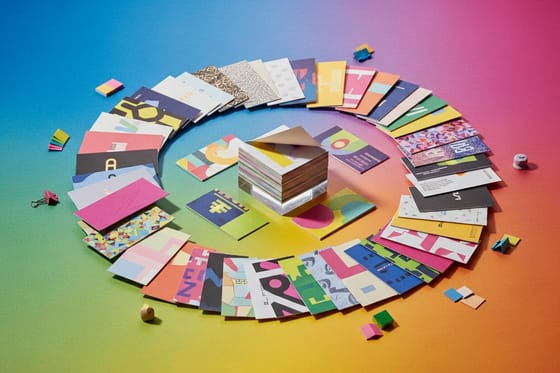
4OVER4.COM has printed 10 billion+ cards for 150,000+ businesses since 1999, so we have seen which looks actually turn heads. This gallery walks through 15 stylish business card examples across every style, and each one names the exact stock and finish that pulls it off. When a look grabs you, recreate it in minutes with the free online Designer in the 4OVER4.COM design templates library, then print it on the matching stock from Business Cards Printing.
Shop the category
Business Cards Printing
Every style in this gallery, plus the stocks and finishes to recreate them, all in one place.
Minimalist Typography That Makes a Mark
Minimalism is a choice, not a shortcut. A type-only card reads confident precisely because it leaves so much out, which means every element that stays has to earn its place. These three lean on typography and empty space instead of graphics, and they let the stock do the finishing.
1. Type-only on heavy uncoated stock
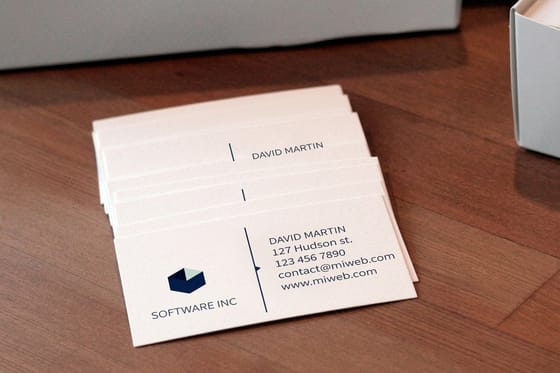
Set the name in one well-chosen typeface, give it room to breathe, and print it on thick uncoated stock so the fingertips register the weight before the eyes read a word. No gloss, no gradient, just intent. Recreate it with Classic Business Cards on a heavier stock and skip the coating.
2. One accent color against black or white
Keep the whole card monochrome, then let a single accent color carry the brand. One warm red on cream, or one electric blue on white, does more than a full palette ever could. The discipline is the design. A soft-touch matte finish keeps the color muted and expensive rather than loud.
3. Oversized initials as the whole design
Blow the monogram or first letter up until it fills the front, bleeding off the edge, with the real details tucked small on the back. It turns a name into a mark. Print it double-sided so the front stays graphic and the contact info never crowds the art. Our take on double-sided cards covers when to split the load this way.
Print picks
Three business card styles worth a look
Live prices, ready to customize with your logo and message.
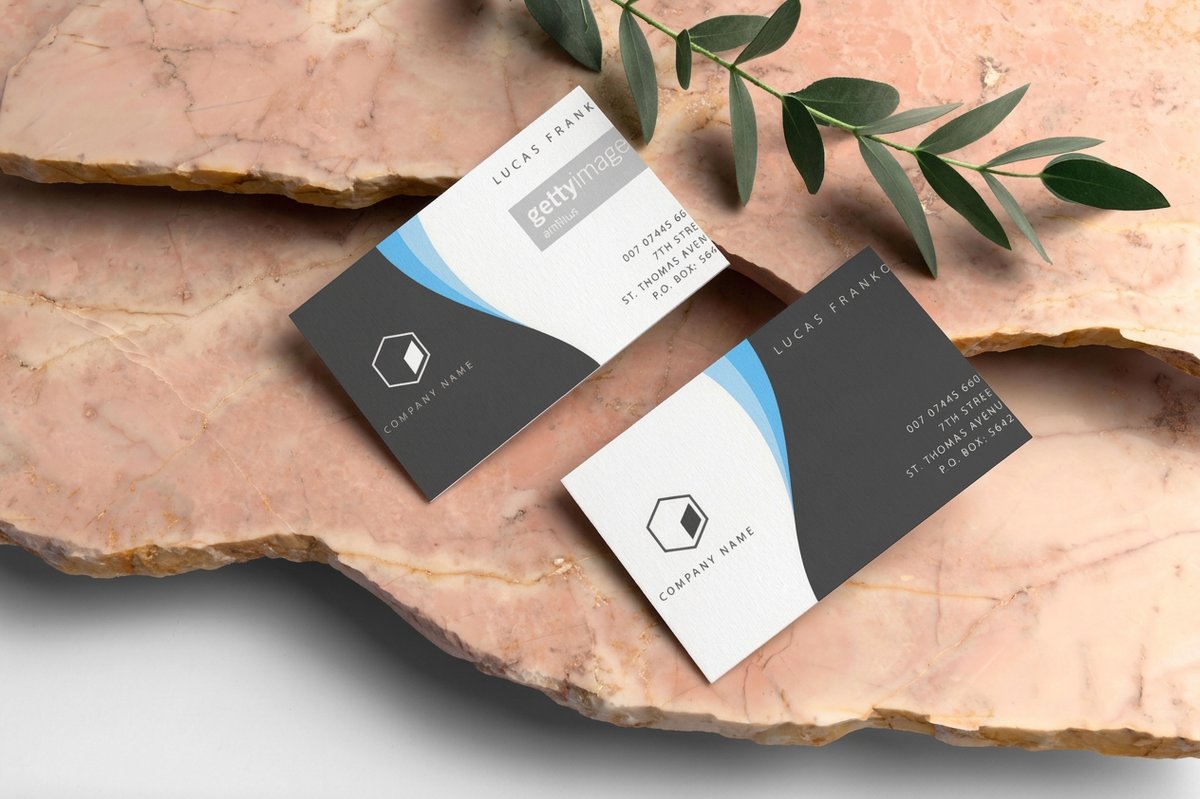 Classic Business Cards From $17.57 The everyday workhorse, sharp on premium stock at an unbeatable price. Black Business Cards From $40.62 Deep, saturated black stock that makes light ink and foil pop.
 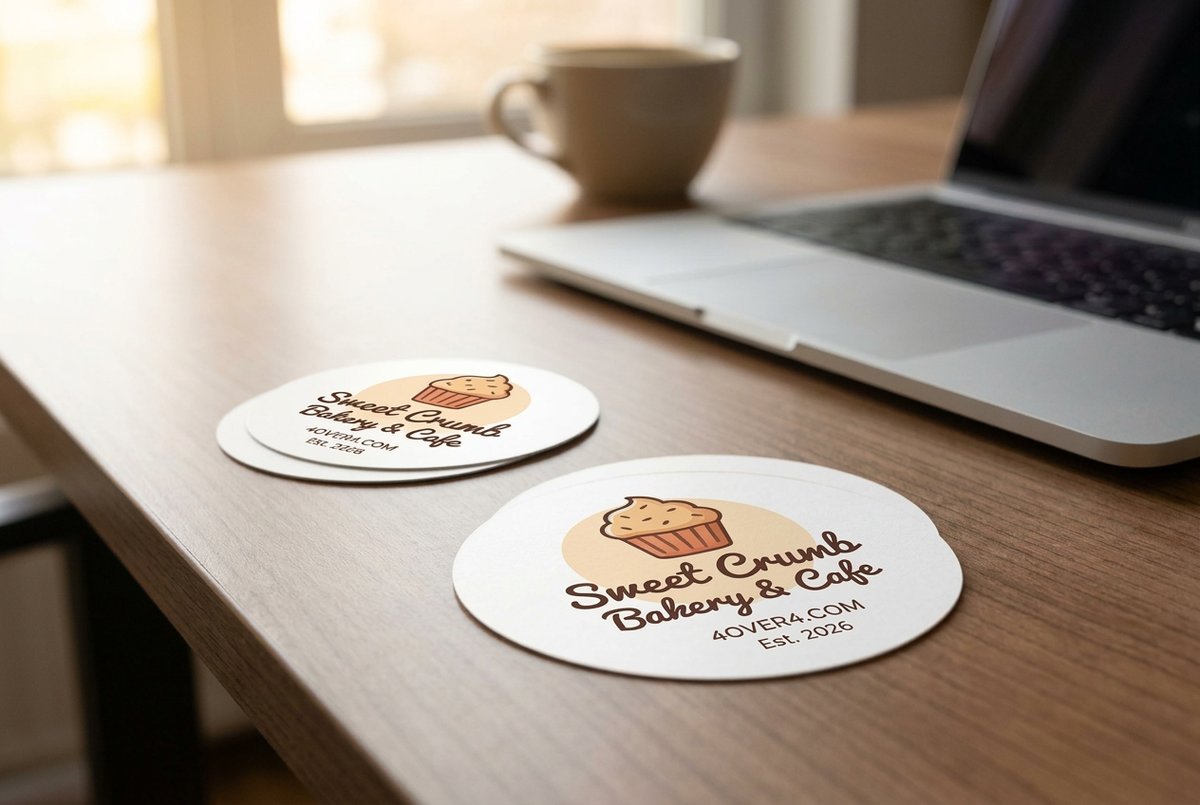 Circle Business Cards From $26.37 A round die-cut that stands out in any stack of rectangles.
 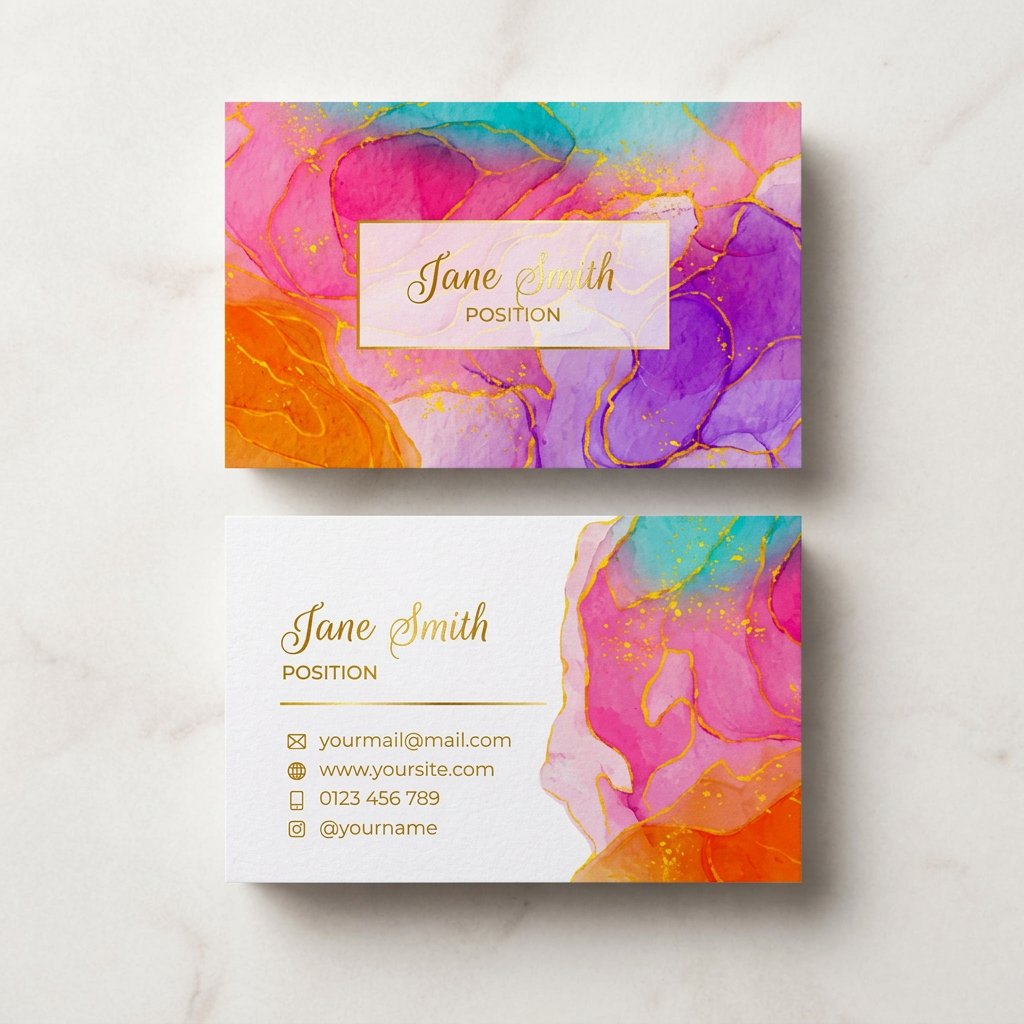 Artist Business Cards From $17.57 A blank canvas for the kind of bold layout these examples show off.
 Bold Color and High Contrast
If minimalism whispers, these cards are meant to be heard from across the room. Bold color works when it is deliberate, backed by a stock that keeps the saturation honest rather than washed out. The trick is committing fully instead of hedging with a timid tint.
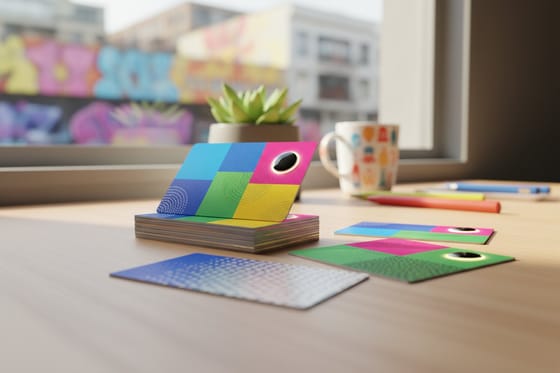
4. Full-bleed color with knockout type
Flood the entire card in one saturated color and knock the type out in white or black. There is nowhere for a weak color to hide, so the print quality matters. On a coated stock the ink stays rich edge to edge, which is exactly the point.
5. Black stock with metallic or light ink
A deep black stock is the best backdrop print has to offer. Silver or gold foil glows against it, and light-colored ink reads like it is lit from behind. See it in person with Black Business Cards, where the saturated stock makes every accent pop.
Unique Shapes That Signal Original Thinking
Nothing breaks the pattern of a stack faster than a card that is not a rectangle. Shape is the earliest signal a card sends, landing before anyone reads a single word, and it quietly says the business thinks a little differently. Two shapes do most of the heavy lifting.
6. The circle card
A round card is impossible to file the usual way, which is the whole idea. It sits on top, gets picked up, and gets remembered. Circle Business Cards use a clean die-cut that reads intentional rather than gimmicky, and they suit brands built on a logo mark.
7. Rounded corners and custom die-cuts
You do not have to go fully round to stand out. Softened corners feel modern and friendly, while a custom die-cut shaped to your logo or industry turns the card itself into the brand. It is the smallest change with the biggest first impression, and it photographs well when people share it.
Quantity and price
Business card pricing and specs
Real configurator numbers. The more you order, the lower the per-card cost drops.
| Quantity | Price Per Unit | Total |
|---|---|---|
| 100 | 17.6¢ | $17.57 |
| 200 | 11.5¢ | $23.07 |
| 300 | 9.15¢ | $27.46 |
| 400 | 7.96¢ | $31.86 |
| 500 | 7.25¢ | $36.26 |
| 600 | 6.77¢ | $40.64 |
Embossed, Foil, and Raised Textures
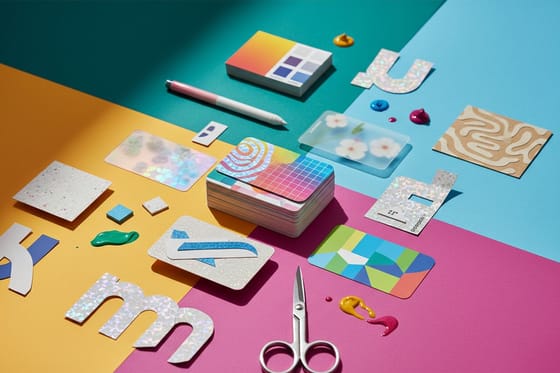
This is where finish quietly becomes the whole design. Raised and textured treatments give a card a physical presence you feel before you see, and they are the fastest way to read as premium. These three finishes turn plain artwork into something people run a thumb across.
8. Raised foil for a luxury signal
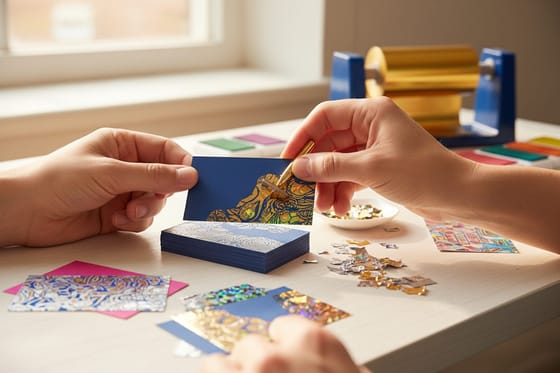
Foil that sits proud of the surface catches the light and the fingertips at once. Used sparingly on a logo or a single line, it signals care and budget in equal measure. Our guide to the foil accent on a business card shows how the metallic layer is built.
9. Spot UV over a matte base
Spot UV lays a sharp gloss over selected areas of an otherwise matte card. The contrast between shiny and flat is invisible until the card tilts under a light, then a hidden pattern or the logo suddenly appears. It rewards a second look, which is exactly what you want.
10. Soft-touch suede finish
A soft-touch coating gives the card an almost velvety feel that makes people hold on a beat longer. It mutes color into something quiet and expensive and pairs beautifully with foil. The soft touch business card guide explains why the surface feels the way it does.
Compare finishes
Popular business cards, side by side
Stock, finish, size, quantity, turnaround, and from-price across our most ordered business cards.
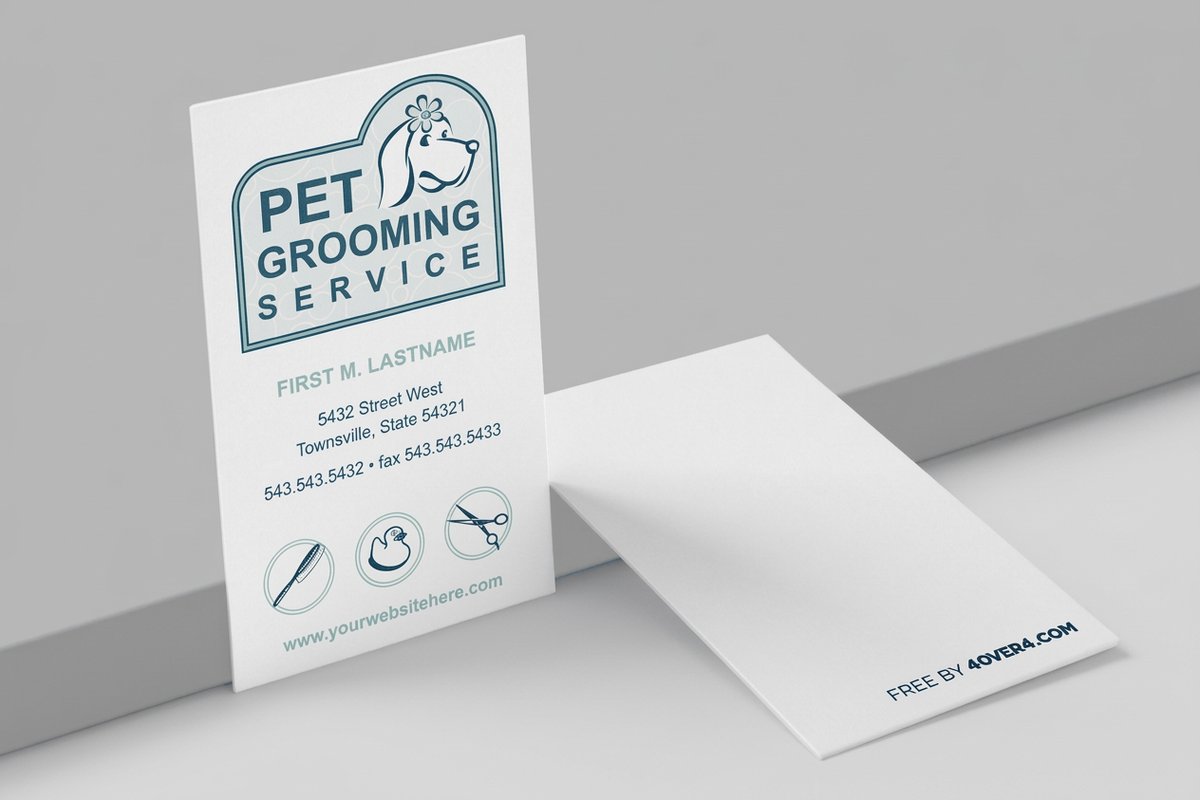 free business cards | 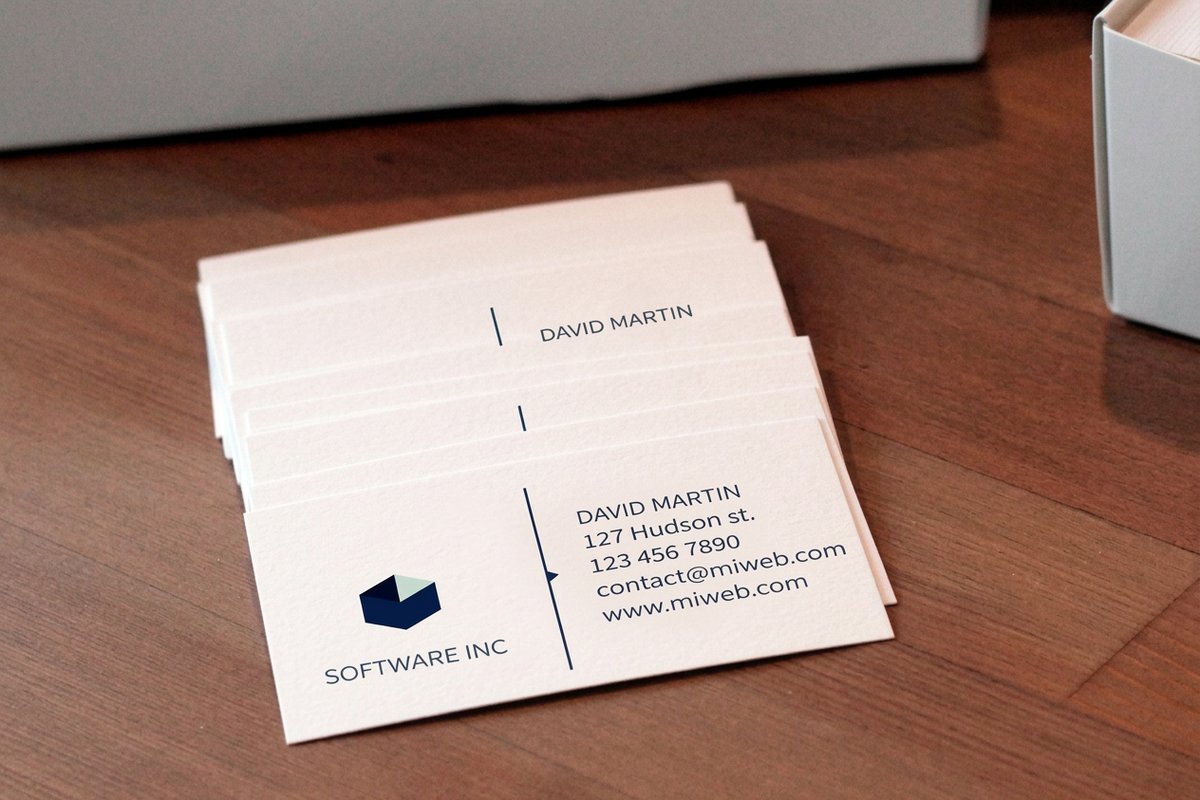 Standard Business Cards |  3D Lenticular Business Cards | 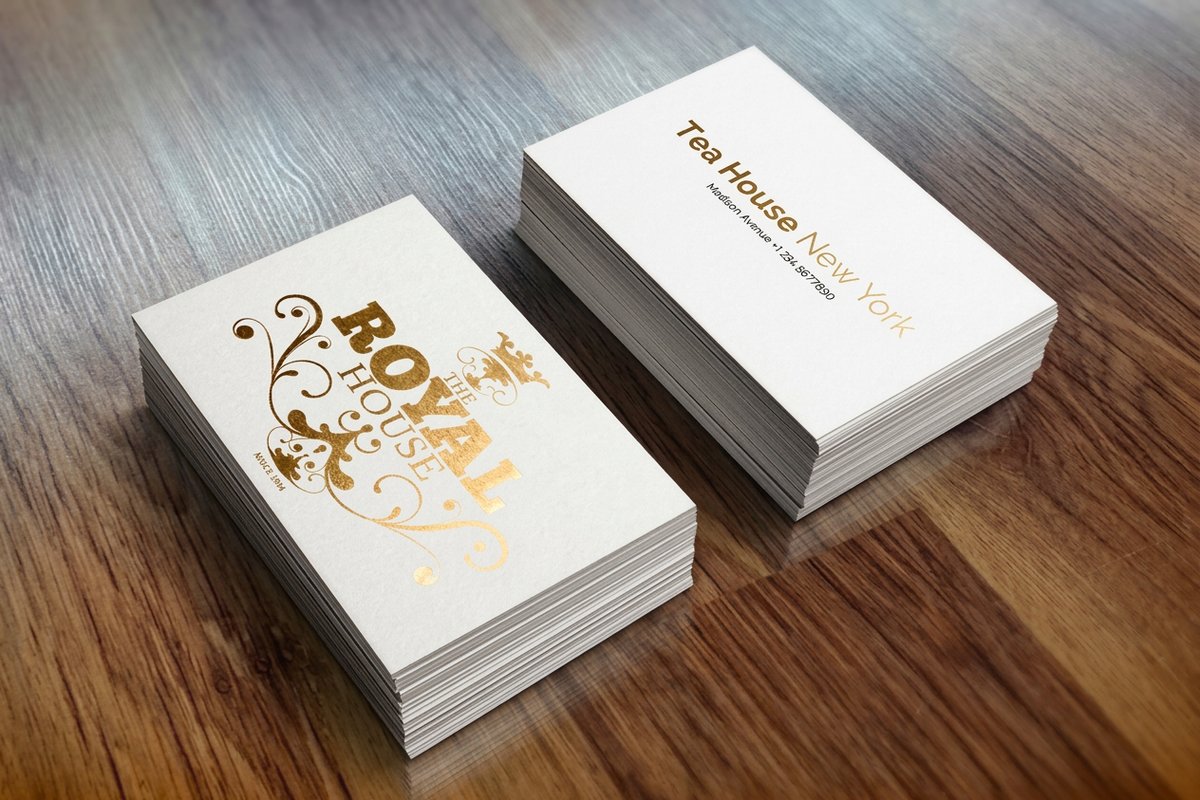 Metallic Foil Business Cards | |
|---|---|---|---|---|
| Min price | Free | $17.57 | $690.88 | $222.13 |
| Paper / stock | 14pt Gloss Cover | 14pt Gloss Cover | 31pt Lenticular Lens | 16 Point Silk Laminated |
| Finish | - | Standard Finish | - | - |
| Size | 2" x 3.5" | 2" x 3.5" | 2" x 3.5" - Vertical | 2" x 3.5" |
| Default qty | 200 | 100 | 500 | 500 |
| Turnaround | 5 business days | 3 business days | 22 business days | 7 business days |
| Rating | ||||
| View & customize | View & customize | View & customize | View & customize |
Clear, Layered, and Unconventional Stocks
Once you leave standard paper behind, a business card can become a small object people simply do not throw away. These stocks trade convention for memorability, and they photograph like nothing else in the wallet.
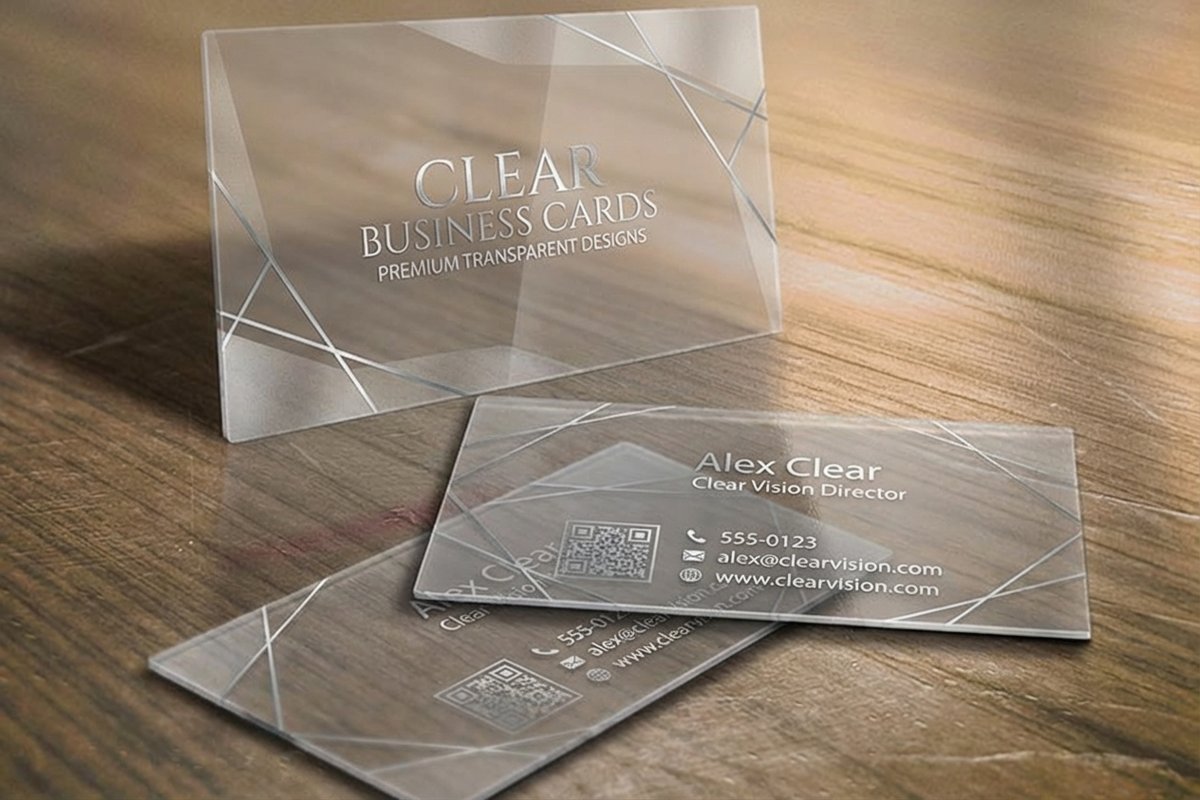
11. Clear frosted plastic
A see-through card is a genuine double take. Frosted plastic lets the background show through while keeping the type crisp, so the design feels like it is floating. Clear Business Cards hold up to handling far better than paper and suit modern, design-forward brands.
12. Sandwich stock with a painted edge
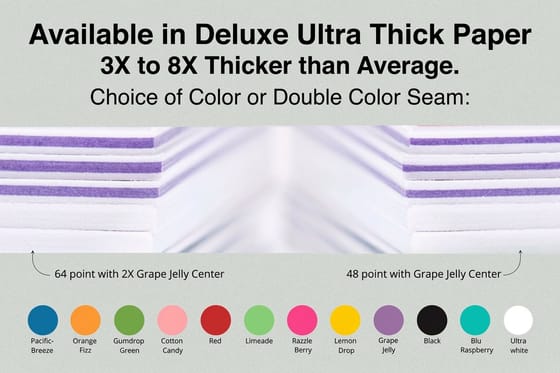
A sandwich card bonds layers of stock together, often with a bright color hidden in the middle so a stripe of unexpected color runs around every edge. The result is thick, solid, and clearly custom. The sandwich business card guide breaks down how the layers come together.
Unconventional stock
Clear business cards
Frosted, see-through plastic that keeps type crisp and holds up to daily handling.
Eco-Friendly and Natural Materials
Sustainability has become a design language of its own, and done well it reads as honest and grounded rather than preachy. The natural look works because the material tells the story before the copy does.
13. Natural kraft stock
Uncoated kraft has a warm, recycled character that suits makers, roasters, outdoor brands, and anyone who wants their card to feel handmade. Dark ink and a single foil hit land beautifully on the brown stock. If the green angle matters to you, our piece on whether business cards are recyclable covers the practical side.
Interactive and Novelty Cards
The last group turns the card into an experience. These formats are conversation pieces, the kind people show a colleague before they finish reading. They are not for every brand, but for the right one they are unforgettable.
14. 3D lenticular cards that move
A lenticular card shows two images that swap as the card tilts, so a logo animates right in the hand. It is the closest print gets to motion. See how it works with 3D Lenticular Business Cards, and read why lenticular cards became a trend.
15. Magnet and sticker cards that stay put
A card that sticks around, literally, keeps working long after the handshake. Magnet cards live on the fridge and the filing cabinet, while sticker-back cards land on laptops and water bottles. Both turn a one-time exchange into a standing reminder of your brand.
Design it yourself
Free online Designer
Recreate any look in this gallery in minutes. Drop in your logo, pick a layout, choose the finish, and print.
How to Recreate Any of These in Minutes
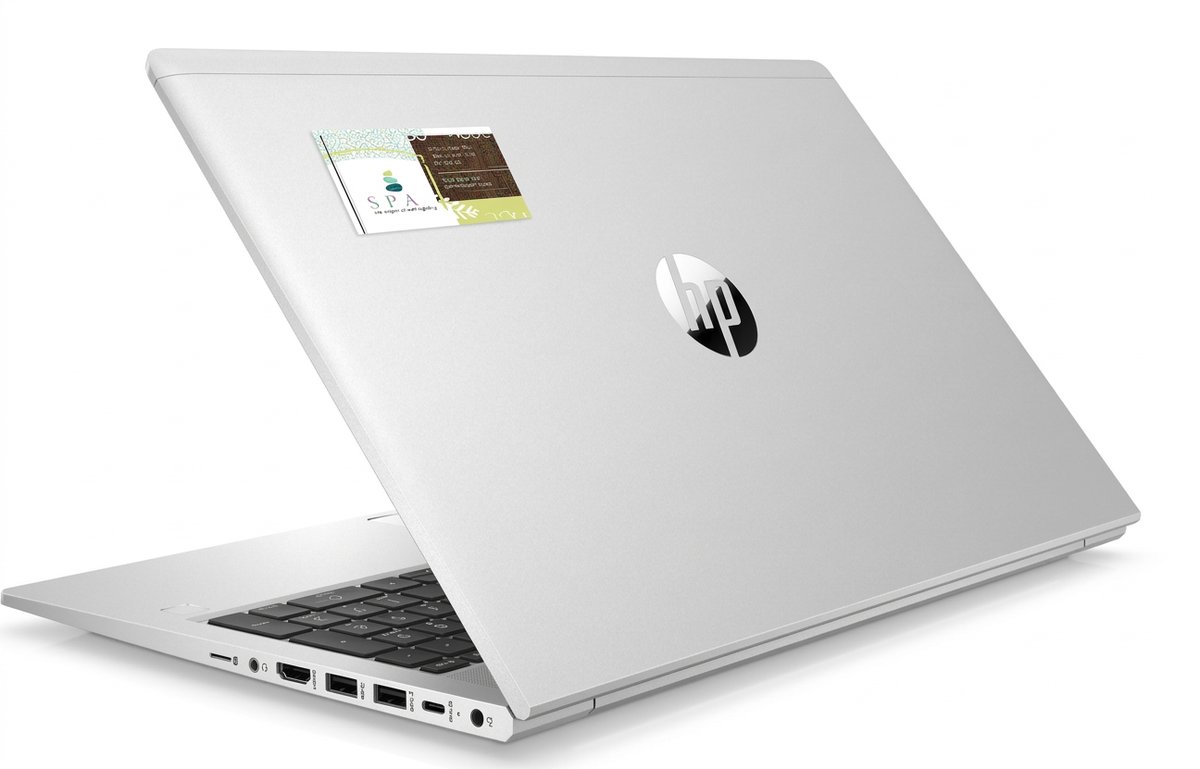
A card you love in a gallery is only worth so much until it is in your pocket. The good news is you do not need a designer to recreate any of these looks. Open the free online Designer in the design templates library, drop in your logo, and pick the layout that matches the example you liked. Prefer a guided walkthrough? Our tutorial on the free business card design tool takes you from blank canvas to print-ready in a few clicks.
Once the artwork is set, two small decisions shape the result: how thick the card feels and how many you print. Our guide to business card thickness helps you land the right weight, and the breakdown on how many cards to order matches the quantity to how you actually hand them out.
Match the finish to the goal
- Quiet and premium. Soft-touch matte or heavy uncoated stock for a card that feels considered.
- Loud and memorable. Full-bleed color, black stock, or a die-cut shape that refuses to blend in.
- Luxury signal. Raised foil, spot UV, or a sandwich edge for a card that reads high-end on contact.
- Natural and honest. Kraft or recycled stock for makers and outdoor brands that want the material to speak.
Wally breaks down what makes each card work
The look, then the stock and finish that pulls it off
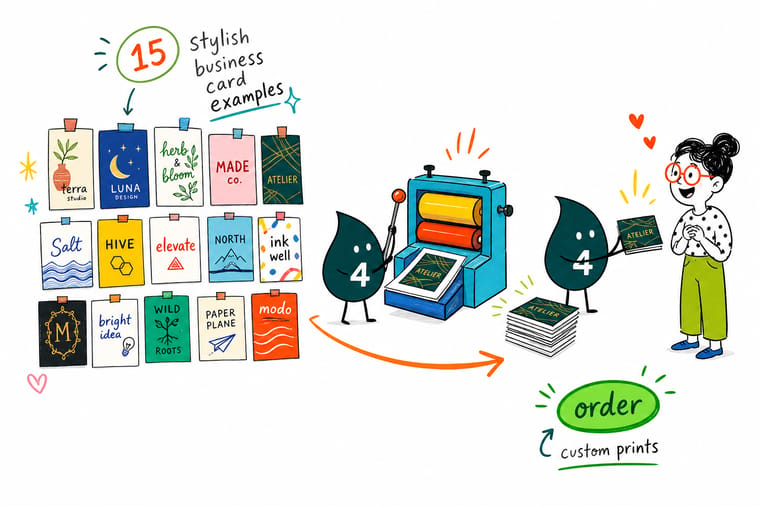
Every card in this gallery works because two things agree: the design and the finish. Wally’s rule is simple. Decide the impression you want, match a stock and finish to it, then recreate the look in the free online Designer. Print it sharp on the right paper and the card feels as good as it looks, whether that is soft-touch minimalism, raised foil, or clear plastic.
Design your business cards →Borrowing what makes these cards work
Explore more
More ways to design and print business cards
Related pages across 4OVER4.COM, one card each, so you can keep exploring styles, finishes, and formats.
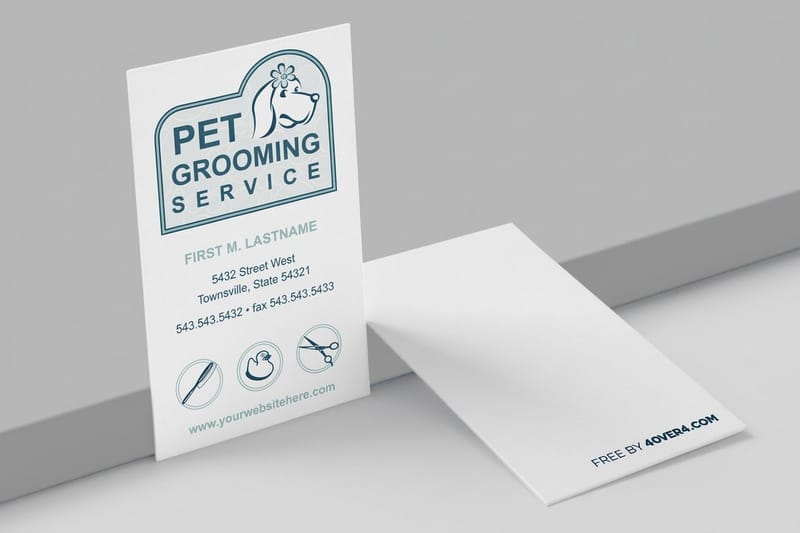 Shop Business Cards Printing Every style, stock, and finish in one place.
  Product 3D Lenticular Business Cards Cards that animate as they tilt in the hand.
 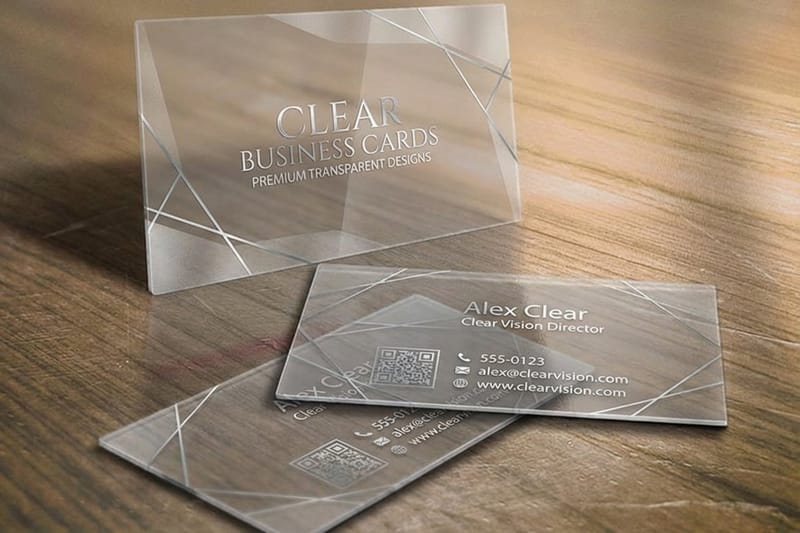 Product Clear Business Cards See-through frosted plastic for a genuine double take.
  Guide Foil Accent Cards How metallic finishes work on a business card.
  Guide Soft Touch Cards The velvety finish that makes people hold on longer.
  Guides All Printing Guides How-tos across every product and finish.
  Showcase Business Card Showcase Real customer designs and finish ideas.
  Article 30 Amazing Card Designs A bigger roundup of design inspiration.
  Article Card Design Trends What is shaping business card design this year.
  Alternative 4OVER4 vs Vistaprint How the two stack up for business cards.
  Alternative 4OVER4 vs MOO NFC A closer look at the smart-card comparison.
  Benefit Same Day Printing Order today, ship today when time is tight.
 Found a card you love? Print it.
Pick a style from the gallery, recreate it in the free online Designer, choose a finish from soft-touch to raised foil, and 4OVER4.COM prints it sharp, as fast as same day.
Business card design questions before you print
What are the most popular business card styles right now?
The styles that keep showing up are minimalist type-only layouts, bold high-contrast color, unique die-cut shapes like circles and rounded corners, raised finishes such as foil and spot UV, and unconventional stocks like clear plastic and natural kraft. This gallery walks through 15 of them, and each one notes the exact stock and finish that pulls the look off. For even more inspiration, see our roundup of the most amazing business card designs.
How do I choose the right business card style for my brand?
Start with the impression you want to leave, then let your industry and budget narrow it. A law firm or consultant leans into restrained minimalism and heavy uncoated stock, a creative studio can go bold with color or a die-cut shape, and a premium brand earns its keep with raised foil or soft-touch. Match the finish to the message rather than chasing every trend at once. If you are torn between two ideas, our take on square business cards shows how far a small format change can go.
What stock or finish should I pick for a business card?
The stock changes how the card feels the second it lands in someone’s hand, which is why it matters as much as the artwork. Soft-touch reads premium and quiet, spot UV adds sharp gloss over a matte base, raised foil catches light for a luxury signal, and clear or kraft stock breaks the pattern of the usual white rectangle. Thickness plays a part too, so our guide to business card thickness helps you land on the right weight before you order.
How much do custom business cards cost?
Business cards from 4OVER4.COM start at $17.57, and the per-card price keeps dropping as the quantity climbs. Price depends on the stock, finish, and how many you order. Standard cards on classic stock cost the least, while specialty finishes like raised foil, spot UV, clear plastic, or 3D lenticular run higher. Ordering in larger runs brings the unit cost down fast, so a bigger batch is usually the better value if you hand cards out often.
How many business cards should I order?
For most people a run of 250 to 500 covers a year of steady networking, while sales roles, event booths, and busy owners go through 1,000 or more without blinking. Because the per-card price falls as the quantity rises, printing a little extra is cheap insurance against running out mid-quarter. Our full breakdown on how many business cards to order matches quantities to how you actually use them.
