




What an NFC business card actually is
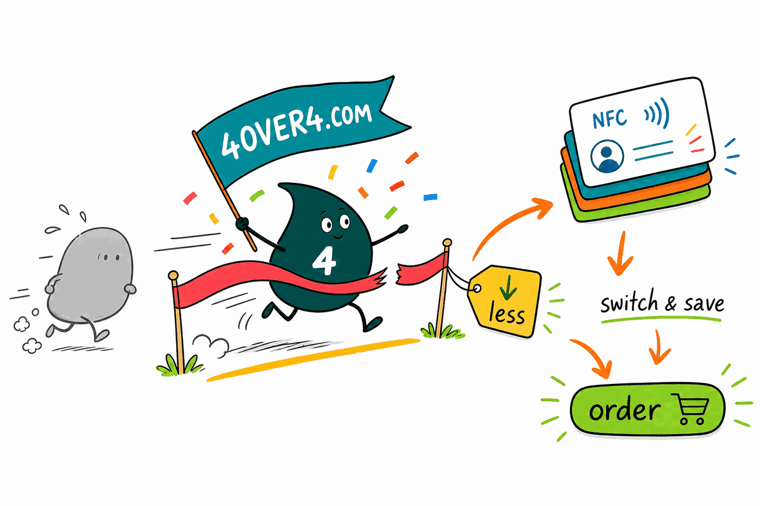
An NFC card embeds a tiny chip that a phone can read at close range. Tap the card to the back of a modern phone and it opens a digital profile you have set up in advance, contact details, links, socials, sometimes a payment or booking link. MOO sells a clean version of it. The mismatch comes from how you use business cards, handing them out by the dozen at events and in follow-up mail, which a single reusable chip card does not fit.
Where the NFC card runs into walls
Three problems come up. The tap is not universal: NFC has to be switched on and the phone has to read the tag. And because the card is reusable and pricier, you carry one, so it rarely gets left behind with the person you met. NFC fits one personal card better than a stack you give away.
How the QR-on-print approach wins the everyday case
A QR code solves the same problem from the other direction. It prints at no extra cost on any card and points at the same kind of digital profile. The guide on why business cards still matter in a digital world makes the same case.
Card quality and premium stocks
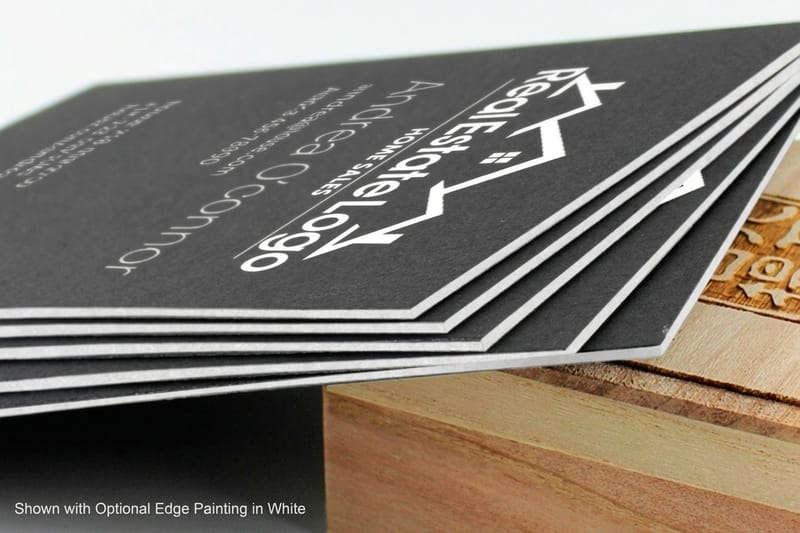
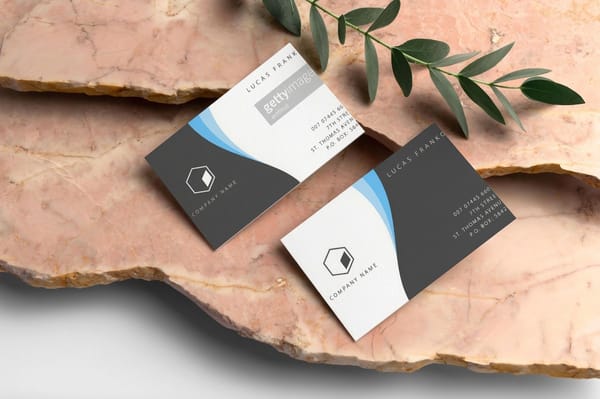
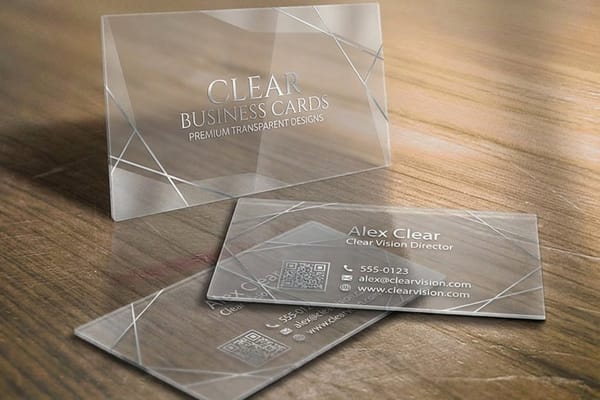
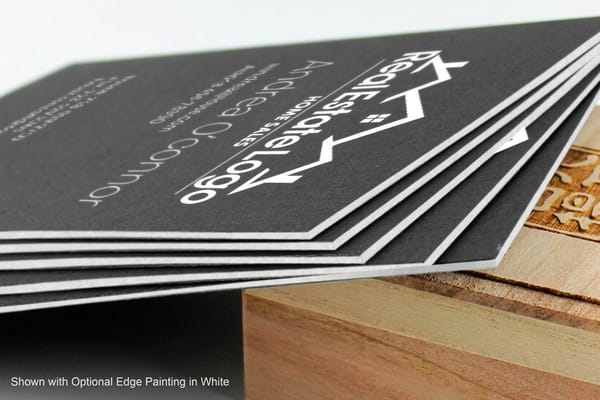
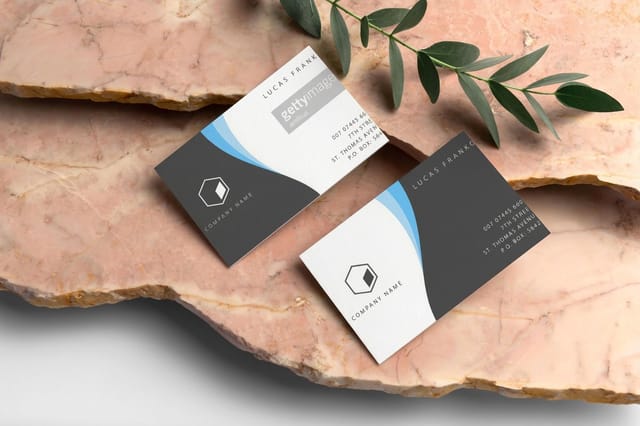
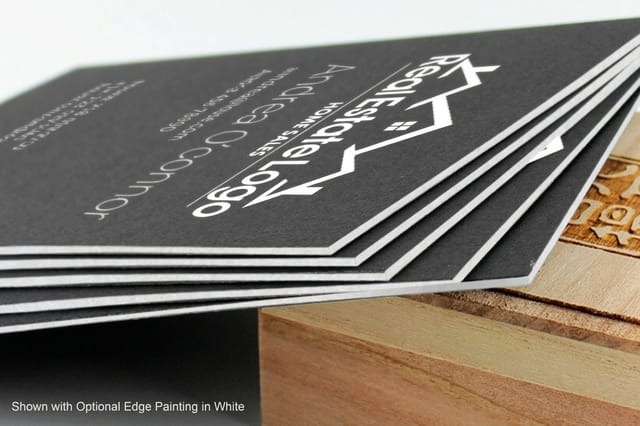
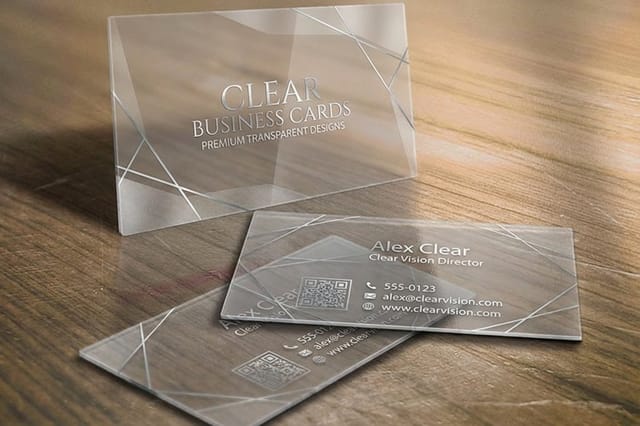
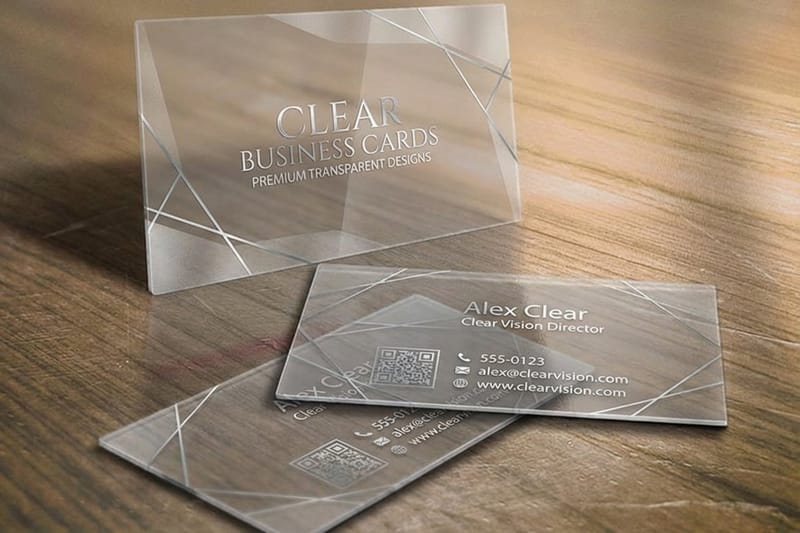
A MOO NFC card spends its budget on the chip and leaves the paper plain. On the four 4OVER4.COM cards the budget goes into the stock: 74 classic paper types, black cards from 32pt to 80pt Midnite Black, clear plastic cards that read like a credit card, and 3D lenticular cards on 31pt lens stock with two to four flips. Every order runs a pre-press check on calibrated presses with a free proof, so the finish and the color are settled before printing. Each of the four takes a QR code for the digital half. Hold the stocks first with a free samples kit, then read up on clear cards or holographic finishes.
Pricing: 100 classic cards at $17.57, 50 black cards at $40.62
4OVER4.COM classic cards start at 100 and run up through 39 quantity tiers, so the unit cost falls the more you print. For ranges across finishes, see how much business cards cost. The gap grows with every card a team adds to the order.
Who is outfitting a team, not one pocket
Teams and reps get bulk tiers, one consistent stock, and the same QR on every card, so a new hire is a reorder. Freelancers and founders get a premium card with the follow-up link printed on it. Anyone who leaves cards at events, receptions, or in follow-up mail gets a card cheap enough to leave behind. If you want a single reusable tap card and nothing else, MOO’s NFC product does that one thing. MOO’s paper cards, stickers and stationery are weighed in the full 4OVER4.COM vs MOO breakdown.
Clear vinyl, black stock and lenticular, all QR ready
Each of the four stocks takes the code without a price change, so the choice comes down to the feel you want: clear vinyl that reads like a credit card, black stock with a painted edge, or a lenticular image that flips. Pick a stock in the business cards collection and add your QR code before you place the order.