
How to Measure a Box and Calculate Cubic Inches


Measure any box in three easy steps, turn the numbers into cubic inches, and read the dimensional weight carriers use to price your shipment. Then order the right size box at 4OVER4.COM.
To calculate the cubic inches of a box, multiply its length by its width by its height, with every measurement in inches. Measure the longest side of the opening as the length, the shorter side as the width, and the depth as the height. A 12 by 9 by 4 inch box holds 12 x 9 x 4, or 432 cubic inches. That volume is also the starting point for the dimensional weight carriers bill.
Start here
Measuring and calculating cubic inches, in one paragraph
Measure length, width, and height in inches, then multiply the three to get the volume in cubic inches. Length is the longest side of the opening, width is the shorter side, and height is the depth. A 12 by 9 by 4 inch box works out to 432 cubic inches. Use inside dimensions to check whether a product fits and outside dimensions to price shipping, and divide the cubic inches by a carrier DIM divisor to find the dimensional weight. This guide walks each step with a worked example, then shows how to order the right size box.
Why measuring your box correctly matters
A box measurement looks like a small detail until it costs you money. Order a box a half inch too tight and the product will not go in. Order one too loose and you pay for void fill, risk damage as the item shifts, and often get bumped into a higher shipping tier. Getting the three numbers right, and knowing the volume they add up to, is the difference between packaging that fits and packaging that fights you.
Measurements matter most at two moments: when you order a custom shipping box and when you hand the parcel to a carrier. For ordering, the inside dimensions tell you whether your product fits. For shipping, the outside dimensions and the cubic inches decide how the carrier prices the parcel. Mix the two up and you either buy a box that does not fit or pay more than you should to ship it.
This guide keeps it practical. First, three easy steps to measure any box the right way. Then how to turn those three numbers into cubic inches and, from there, into the dimensional weight carriers actually bill. By the end you will be able to size a box to your product with confidence and order it from our custom box printing range.
3 easy steps to measure your box's dimensions
Step 1, measure the length. With the box open in front of you, find the longest side of the opening and measure it edge to edge. That is your length. Writing length first, every time, keeps your three numbers in a consistent order so a 12 by 9 by 4 always means the same thing.
Step 2, measure the width. Width is the shorter side of the same opening, measured at a right angle to the length. Together, length and width describe the footprint of the box, the flat area it takes up on a shelf, a scale, or a pallet.
Step 3, measure the height. Height, sometimes called depth, is the distance from the opening down to the base, measured perpendicular to the footprint. One point decides everything downstream: measure the inside dimensions when you want to know whether a product fits, and the outside dimensions when you are working out shipping, because the board adds a little thickness. When you order from our custom box printing range or lay a box out in the online designer, these three numbers are exactly what you enter.
How to calculate box volume for shipping
Once you have the three dimensions, the volume is a single multiplication: length times width times height, with every measurement in inches. The answer comes out in cubic inches, and the order you multiply in makes no difference to the total. This one number tells you how much the box can hold and feeds directly into how a carrier prices it.
Take a worked example. Say your box measures 12 inches long, 9 inches wide, and 4 inches high. Multiply them: 12 x 9 x 4 = 432 cubic inches. That is the full volume of the box. If you ever need cubic feet instead, divide by 1,728, since a cubic foot is 12 inches on every side, so 432 cubic inches is about 0.25 cubic feet. Cubic feet are useful for storage and freight estimates, cubic inches for parcel shipping.
Keep your measurements honest and the math takes care of itself. If a product needs cushioning, size the box so the cubic inches include room for the void fill, then you are measuring the box you will actually ship rather than a snug fit that leaves the item unprotected. When protection and volume both matter, our custom shipping boxes and finishing services let you build the box to the exact size the product calls for.
Understanding dimensional (DIM) weight
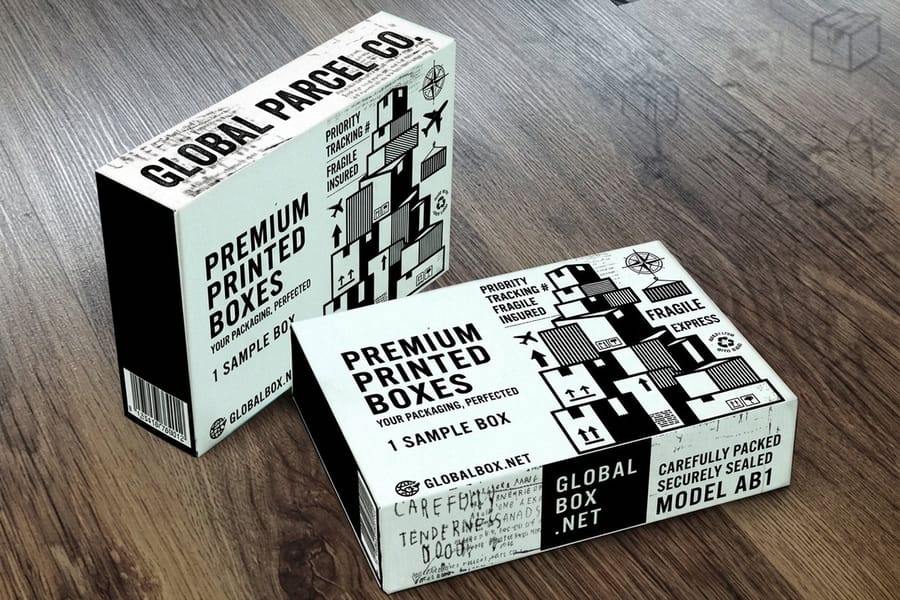
Carriers do not bill by weight alone. They also calculate a dimensional weight, or DIM weight, which converts the space a box occupies into a billable weight so a large, light parcel pays its fair share of the truck. Then they charge the greater of the two: the actual scale weight or the dimensional weight. For anything bulky and light, the dimensional weight often wins, which is why an oversized box quietly inflates your shipping bill.
The calculation builds straight on the cubic inches you already have. Divide the cubic inches by the carrier DIM divisor and round up to get the dimensional weight in pounds. A common divisor for domestic ground is 139. Take the 432 cubic inch box from before: 432 divided by 139 is about 3.1, which rounds up to a 4 pound dimensional weight. If the product inside weighs less than that, you are billed on the box, not the contents.
The lesson is simple: every extra inch of box is extra cost, repeated on every shipment. Right-sizing the box to the product keeps the cubic inches down, keeps the dimensional weight in check, and protects the contents better because there is less room to shift. That is exactly what a custom shipping box built to your dimensions is for.
Put your measurements to work

With a reliable way to measure and a volume you trust, you can size any box with intent. Measure your product with its packing, add a small allowance for cushioning, and you have the inside dimensions you need. Add the board thickness and you have the outside dimensions the carrier will price. From there, the cubic inches and dimensional weight follow in a couple of steps.
The dimensional data table further down shows a handful of common box sizes with their cubic inches worked out, so you can see how quickly volume grows as the sides get longer. It is a useful gut check: a box that looks only a little bigger can hold a lot more air, and that air is what you pay to ship. Comparing sizes side by side makes the right-size decision obvious.
When you know the size you need, a custom box beats a stock one because it is measured to the product rather than approximated from a shelf. Pair a snug shipping box with a printed packaging label and the shipment is both efficient and on-brand. Order free samples first if you want to check the board in hand.
Start ordering your custom boxes today
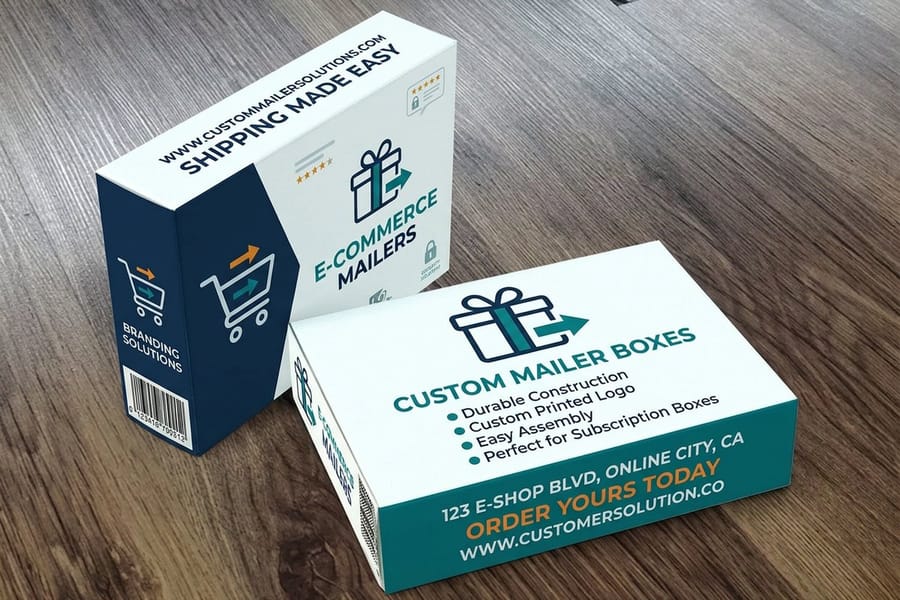
Ordering is the easy part once the measuring is done. Enter your length, width, and height, choose the board weight that suits the contents, decide on print coverage, and set the quantity. Because packaging is priced by the batch, the cost per box falls as the run grows, so a larger order is often the cheaper decision per unit. Live pricing updates in the configurator as you adjust each option.
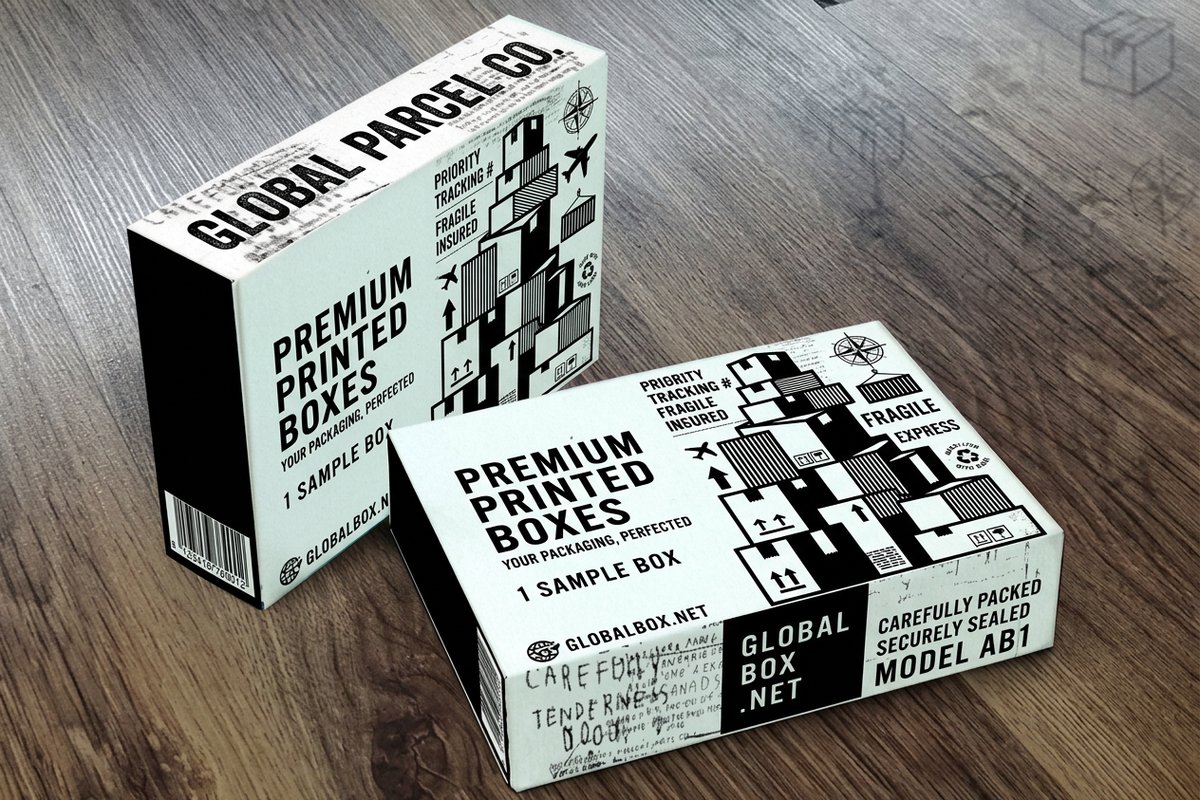
If your box also carries your brand, remember the same dimensions work for a printed mailer box as for a plain shipping box, and food sellers can apply the same measuring approach to bakery boxes. Whichever style you land on, the numbers you measured drive the setup. Our guide to choosing the best box style can help you pick the right one.
When the file is ready, start from a design template, build the artwork in the online designer, and follow our guide to preparing files for packaging so it goes to press clean. If a term is unfamiliar, our list of printing terms spells it out. Then browse the full custom box printing range and order the box you measured.
Wally measures the box
Length times width times height, in inches
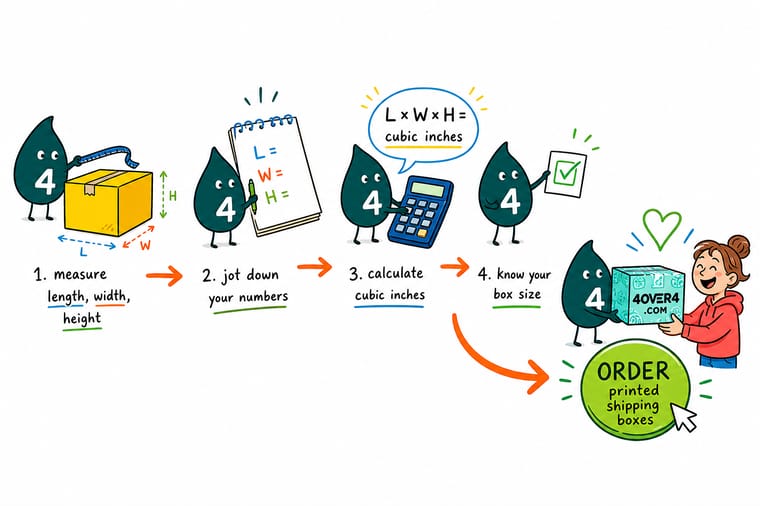
Wally keeps it clear: measure the longest side of the opening for length, the shorter side for width, and the depth for height, then multiply all three. A 12 by 9 by 4 inch box comes out to 432 cubic inches, and that number is what feeds the dimensional weight carriers bill. Right-size the box to the product and you stop paying to ship air. 4OVER4 prints custom boxes to the exact size you measure.
Shop custom box printing →Dimensional data
Common box sizes and their cubic inches
A few common box sizes with the volume worked out, so you can see how fast cubic inches climb as the sides grow. Multiply length times width times height and the total is the space you pack, store, and pay to ship.
| Box size (L x W x H) | Cubic inches | Typical use |
|---|---|---|
| 6 x 6 x 4 in | 144 | Small accessories, cosmetics, jewelry |
| 9 x 6 x 4 in | 216 | Books, small apparel, subscription items |
| 12 x 9 x 4 in | 432 | Folded apparel, mid-size retail goods |
| 12 x 12 x 8 in | 1,152 | Bulkier goods, multi-item orders |
| 16 x 12 x 8 in | 1,536 | Large or consolidated shipments |
Specs and pricing
Shipping box specs and live pricing
Once you have the dimensions, the printing decisions come down to size, board weight, print coverage, and quantity. Here are the live specs and price-per-box for shipping boxes at 4OVER4.COM, straight from the configurator.
| Quantity | Price Per Unit | Total |
|---|---|---|
| 250 | $2.85 | $711.78 |
| 500 | $1.42 | $711.78 |
| 1,000 | 79.7¢ | $797.02 |
| 2,500 | 53.5¢ | $1,338.30 |
| 5,000 | 44.6¢ | $2,231.42 |
| 10,000 | 40.4¢ | $4,044.70 |
| 15,000 | 39.0¢ | $5,844.45 |
| 20,000 | 38.3¢ | $7,657.73 |
Print it
Order your box at 4OVER4


See it in use
Real printed boxes, run in-house






Explore more
Where to go next





By the numbers
Printing you can count on at 4OVER4
Common Questions
Common questions about measuring a box and cubic inches
How do I measure a box?
Measure the box in three dimensions and always in the same order: length, width, then height. Length is the longest side of the opening, width is the shorter side of the opening, and height is the depth measured perpendicular to the opening, from top to bottom. Use inside dimensions when you want to know whether a product will fit, and outside dimensions when you are working out shipping size and carrier cost, because the corrugated board itself adds a small amount of thickness. Record all three in inches so the numbers are ready for a volume calculation.
How do you calculate cubic inches of a box?
Multiply the three dimensions together: length times width times height, all in inches. The result is the volume in cubic inches. For example, a box that measures 12 inches long, 9 inches wide, and 4 inches high holds 12 x 9 x 4, which is 432 cubic inches. As long as every measurement is in inches, the answer is always in cubic inches, and the order you multiply the sides in does not change the total.
What is the difference between cubic inches and dimensional weight?
Cubic inches measure how much space a box takes up. Dimensional weight, sometimes called DIM weight, converts that space into a billable weight so carriers can charge for bulky, lightweight packages fairly. To find it, divide the cubic inches by a carrier DIM divisor, a common one is 139 for domestic ground, and round up. Carriers then bill the greater of the actual weight and the dimensional weight, so a large but light box can cost more than its scale weight suggests.
Should I measure the inside or the outside of a box?
It depends on the question. Measure the inside dimensions when you need to know whether a product and its protective packing will fit, since that is the usable space. Measure the outside dimensions when you are calculating shipping, because carriers price by the external size of the parcel. The two differ by the thickness of the board, which is small for single-wall corrugated and larger for heavier grades, so it is worth checking both before you order or ship.
How do I convert cubic inches to cubic feet?
There are 1,728 cubic inches in one cubic foot, because a cubic foot is 12 inches on every side and 12 x 12 x 12 equals 1,728. To convert, divide your cubic inches by 1,728. For example, a 12 x 12 x 8 inch box holds 1,152 cubic inches, which is 1,152 divided by 1,728, or about 0.67 cubic feet. Cubic feet are handy for estimating storage space, pallet loads, and freight volume.
Why does box size affect my shipping cost?
Carriers charge for the space a package occupies on the truck, not only its weight, so a box that is larger than it needs to be can push you into a higher price tier through dimensional weight. Right-sizing the box to the product keeps the cubic inches down, reduces the void fill you have to buy, and protects the contents better because there is less room for the item to shift. Ordering a custom box measured to your product is one of the most reliable ways to trim shipping cost over time.
Get Started
Ready to order the right size box?
Bring your dimensions to 4OVER4.COM and print a box measured to your product on the board and finish you choose. Adjust every option and watch your price update live.
Legal Disclaimer
Gold Standard guarantees apply to all standard orders placed through 4over4.com. Price match requires verifiable proof of a competitor's published price for an equivalent product with matching specifications and turnaround time. Satisfaction guarantee covers manufacturing defects and print quality issues. Contact support with order number and documentation. On-time delivery rate based on tracked orders 1999 to 2026. Individual results may vary based on shipping carrier performance.
