
How to Choose the Best Box Style for Your Product


Jordan is our labels, packaging and sustainability voice, built from the knowledge of our production team, with over 20 years in printing.
The best box style is the one built for your product, your budget, and the moment a customer opens it. Weigh design, material, style, and custom features in that order, then print the box to spec.
To choose the best box style, start with the product, not the box. Note its weight, size, whether it is fragile or food, and how a customer will open it. A light retail item that gets unboxed points to a mailer box, a heavy load points to a shipping box, and food or gifts point to a bakery or product box. Then set a budget, match the board weight to the contents, and add only the custom features that earn their cost.
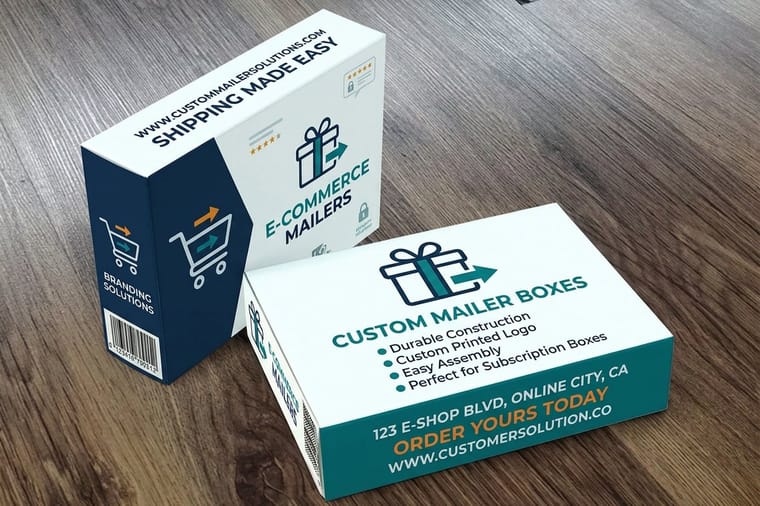
Start here
How the style choice actually gets made
The best box style is the one built for your product, not the one that looks nicest in a catalog. Our mailer, shipping and bakery boxes each configure from 5 by 7 by 1.7 or 5.5 by 5.5 by 2.625 inches on 14pt uncoated or 18pt cover board, so your product's measurements narrow the pick at once. Start with what you sell, its weight, size, whether it is fragile or food, and how a customer opens it, then work back to the shape that fits. From there, set a budget, choose the material and board weight, pick the style within that family, and add only the custom features that earn their cost. This guide walks each decision in order so the box protects, presents, and prices out exactly as it should.
Engage customers with a custom box design
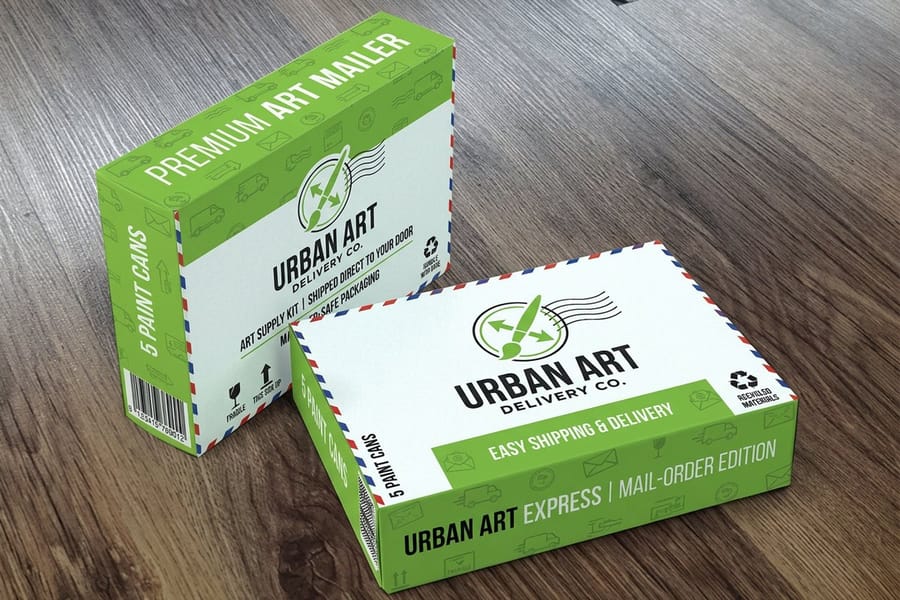
The box is the first physical thing a customer touches, and a considered one, such as a 5 by 7 by 1.7 inch mailer printed full color on 18pt board, does its work before the product is even out of it. A crisp print, a snug fit, and a box that opens the way you intended all say the same thing: this brand cares about the details. That signal is why a custom box design is worth more than the board it is printed on, and why the choice of box style deserves real thought rather than a default.
A generic carton is invisible at best and a small letdown at worst. A custom box turns a delivery into an arrival. Full-color artwork, a shape that suits the product, and an opening that feels deliberate give a customer a reason to remember the moment, photograph it, and come back. For direct-to-consumer brands especially, the box is a marketing surface that keeps working every time it is opened.
Getting there starts with a decision that too many brands skip: which box style actually fits what you sell. This guide walks through why the design matters, the benefits of printing your own packaging, and how to weigh budget, material, style, and custom features so you land on the box your product deserves. Our companion guides cover the benefits of custom packaging kept simple and how to design your own cosmetic packaging. If you already know the direction, our custom box printing range and online designer let you shape and print it.
Benefits of printing custom packaging boxes

The clearest benefit of a custom box is brand consistency. A box that carries your colors, your logo, and your voice extends the brand from the website to the doorstep, so the experience does not drop off at checkout. One run of 250 printed boxes, from $711.78, carries the same logo and color build to every doorstep that season. That continuity builds trust, and trust is what turns a first order into a repeat one.
Custom packaging also protects better because it is built for the product rather than approximated from a stock size. Size a box to the contents and nothing rattles, less void fill is needed, and fewer items arrive damaged. A snug fit is quietly one of the best returns you can buy, since a damaged delivery costs you the replacement, the shipping, and often the customer. Pair the box with a printed packaging label and the whole shipment looks intentional.
Then there is the unboxing itself, which has become a genuine channel. A printed interior, a clean reveal, and a well-fitted product give customers something worth sharing, and that reach is effectively free advertising. To make the most of it, many brands add finishing through our print and finishing services and start their build from a design template so the artwork lands right the first time.
How to choose a custom box style for your product
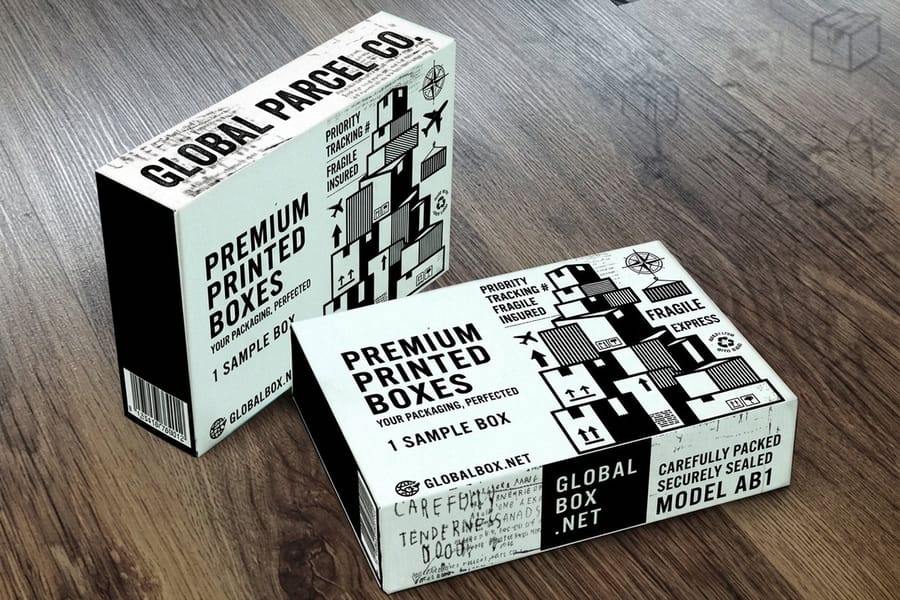
Choosing a box style is a working backward exercise. Begin with the product and answer four questions: how heavy and how big is it, is it fragile or food, how will it ship, and how should it feel to open. Measure the product to the quarter inch first, since our stock box sizes are 5 by 7 by 1.7 and 5.5 by 5.5 by 2.625 inches. Those answers point to a style long before you think about print. A light retail item that gets unboxed leans toward a mailer box, a heavy or bulky item leans toward a shipping box, and a pastry, candle, or gift leans toward a bakery or product box.
Once the shape is roughly settled, four decisions shape the rest of the box: the budget you have to work with, the material and board weight, the specific style within that family, and the custom features that make it yours. They pull on each other, so it helps to rank what matters most. If protection leads, board weight wins the budget. If presentation leads, print and finishing get the spend. If cost leads, a simpler style and a larger run bring the unit price down.
The sections below take each of those four decisions in turn. Work through them in order and you will not overbuild a box the product does not need, or underbuild one it does. When you are ready to see the options side by side, our custom box printing range lays out every style, and our finishing services cover the extras.
Match the box style to what you sell
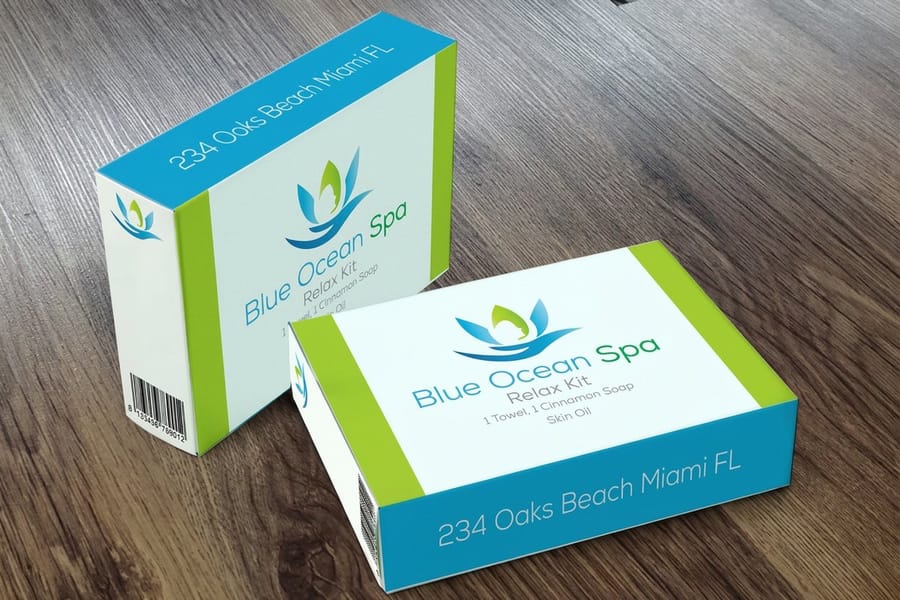
Most products land in one of four styles. A mailer box is a one-piece, self-locking corrugated box that ships flat and folds up without tape, printed inside and out, which makes it the default for retail and subscription unboxing. A shipping box is a taped slotted carton built for heavier or bulkier loads and rough transit, where raw protection matters more than the reveal. At 4OVER4 the mailer, shipping and bakery boxes share two sizes, 5 by 7 by 1.7 and 5.5 by 5.5 by 2.625 inches, and two boards, 14pt uncoated cover or 18pt cover with gloss on one side.
A product or tuck box is a lighter folding carton for items that sit on a shelf, think cosmetics, supplements, or small electronics, where a clean printed face does the selling. A bakery box is made for food, often with a die-cut window and a grease-resistant or food-safe board, so pastries and treats travel well and still look good. Each style exists because it does one job better than the rest.
Plenty of brands use more than one. A printed mailer box tucked inside a plain shipping carton keeps the brand moment intact while the outer box takes the handling. The comparison further down lays these styles out side by side so you can see which one matches your product at a glance, and the full custom box printing range covers all of them. Brands shipping custom orders daily can read our guide on shipping custom packages, and how to choose packaging mailers that fit your product and your shipping bill sizes the mailer itself.
Set a budget and let quantity work for you
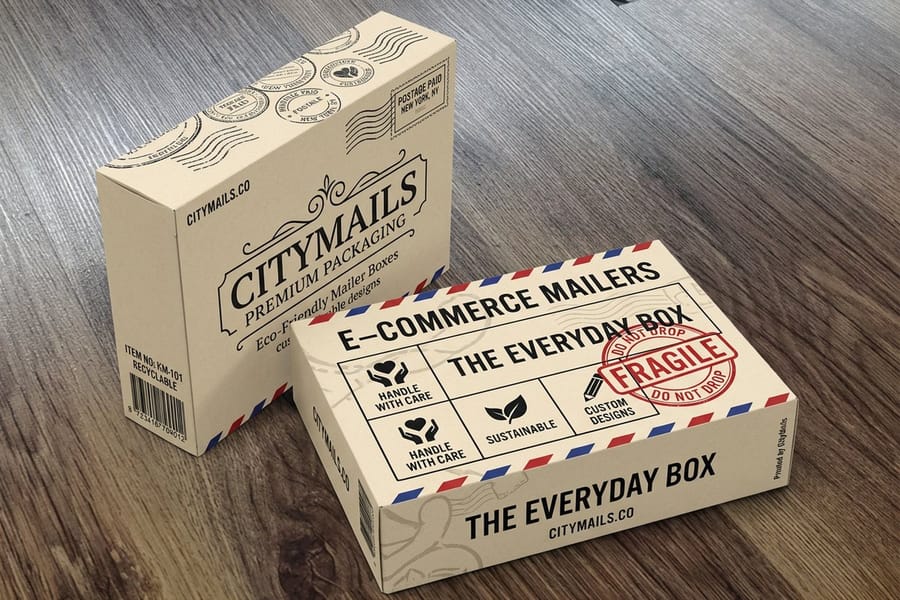
Packaging is priced by the batch, so the single biggest lever on your unit cost is quantity. The setup, the dieline, and the print plates are spread across the whole run, which means the cost per box falls steadily as the order grows: 250 boxes cost $711.78 and 1,000 cost $797.02, so each box drops from about $2.85 to about 80 cents. A run that feels large up front is often the cheaper decision per unit, provided you can store and use the boxes.
The other levers are the ones you choose: box dimensions, board weight, how much of the box you print, and any finishing. A plain single-color exterior on a light board is the economical end, while a heavier board printed inside and out with a soft-touch finish sits at the premium end. Neither is wrong. The goal is to spend where the product needs it and save where it does not.
A sensible way to budget is to fix the non-negotiables first, usually protection and the print coverage your brand needs, then flex the quantity to reach a unit price you are happy with. When you are close, order free samples so you are not guessing at the board, and check live pricing in the configurator as you adjust size and quantity.
Choose the right material and board weight
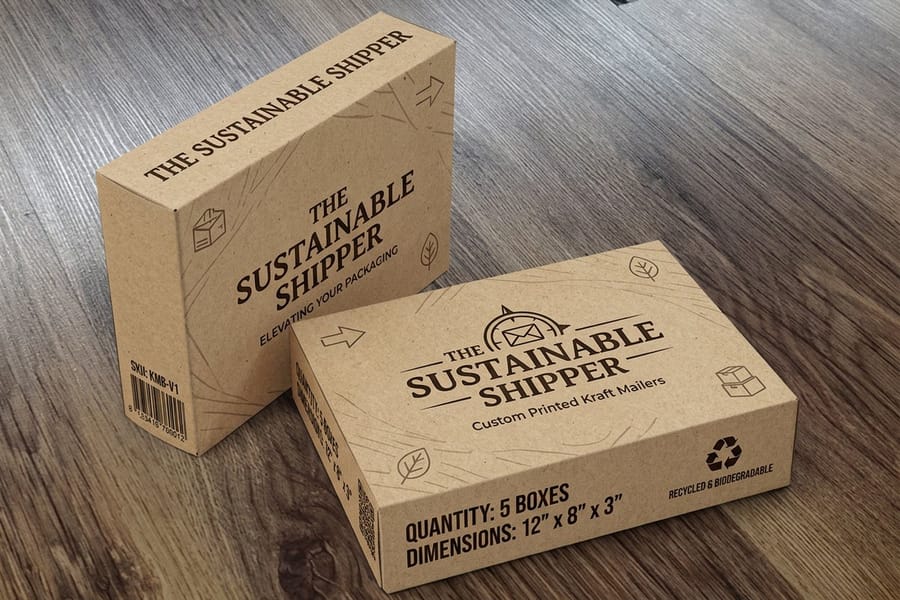
Material is where protection is won or lost. Corrugated board, with its fluted inner layer, is the strong choice for anything that ships and stacks, and it comes in single-wall for everyday durable goods and heavier grades for weight and rough freight. Folding carton stock is lighter and smoother, ideal for product and tuck boxes that live on a shelf rather than in a delivery truck. On our mailer and bakery boxes the board choice is 14pt uncoated cover or 18pt cover with gloss on one side.
Board weight should follow the contents, not the other way around. Under-spec the board and a box crushes in transit; over-spec it and you pay to ship stiffness the product never needed. Match the weight to how heavy, fragile, and well-traveled the item is. For food, step across to a food-safe or grease-resistant stock so the packaging is fit for what it carries.
With more than 60 paper and board stocks across our whole catalog, company wide, the material decision is rarely the constraint, it is the opportunity; each box style lists its own shorter set of boards. The surface also changes how print looks and how the box feels, so it is worth ordering free samples to compare stocks in hand. Our custom box printing range shows which stocks pair with each style.
Custom features that make a box yours
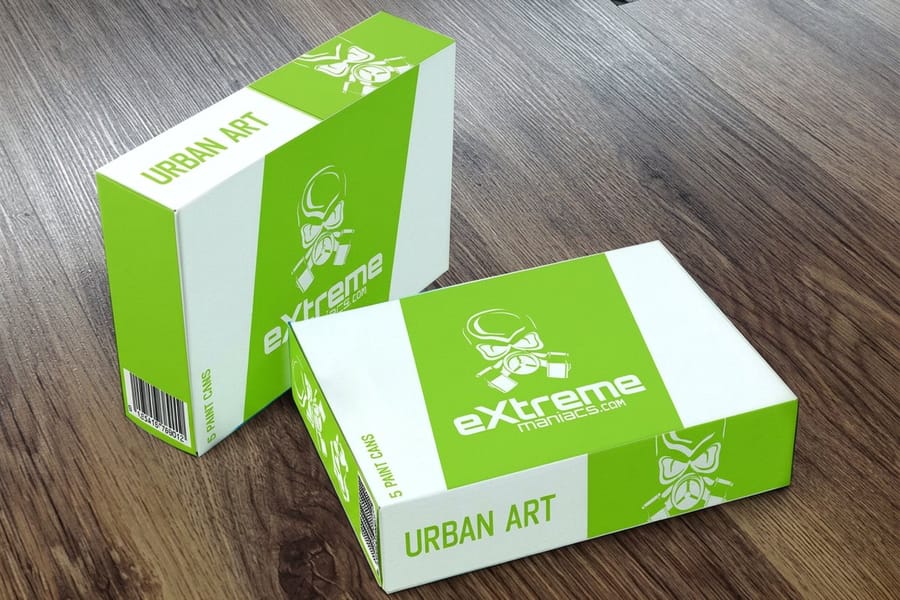
Once the style, material, and budget are set, custom features are what separate a good box from a memorable one. A die-cut window lets a customer see the product before they open it, which suits bakery, gift, and retail boxes. Interior print turns the first second of opening into a brand moment, one of the things a mailer box does that a plain carton cannot. Finishing such as soft-touch lamination, spot gloss, or foil changes how the box feels and reads on a shelf.
Features are not free, and that is the point of choosing carefully. Each one adds to the setup and the unit cost, so the question for every add-on is simple: does it support how the product is sold, or is it decoration for its own sake. A window on a food box earns its place. A foil stamp hidden inside a shipping carton does not. Settle features before the proof, because a printed box run carries 7 business days of production and a change after approval restarts it.
The strongest boxes usually pick one or two features and commit to them rather than piling on everything. Decide which detail carries the most weight for your product, whether that is visibility, the reveal, or the tactile feel, and build around it. Our print and finishing services cover the options, and you can preview how they sit on your artwork in the online designer.
Design and order your custom box
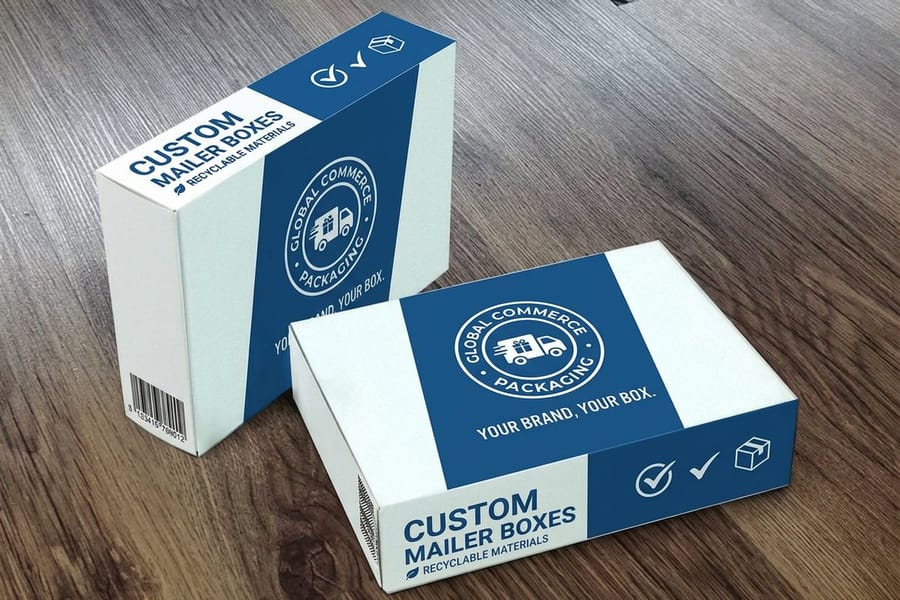
Every custom box, whatever the style, starts from a dieline: the flat map of your exact box showing every panel, fold score, and glue tab in one shape. You design onto that dieline so the artwork lines up with the folds. Extend the art past the trim to the bleed line so no white edge shows after cutting, keep logos and text inside the safe zone away from the score lines, and build the file in CMYK at print resolution.
You do not have to build the dieline from scratch. Start from a design template for your chosen style, lay your art out in the online designer, and follow our guide to preparing files for packaging so the file goes to press clean. If a term trips you up, our list of printing terms spells it out.
When the artwork is ready, size the box to the product, pick the board and print coverage, and set the quantity to see live pricing. Order free samples first if you want to feel the stock, browse the full custom box printing range for every style, and start your mailer box, shipping box, or bakery box when you are set. Choose the style with intent and the box does the rest.
Wally helps you pick the style
Start with the product, then choose the box
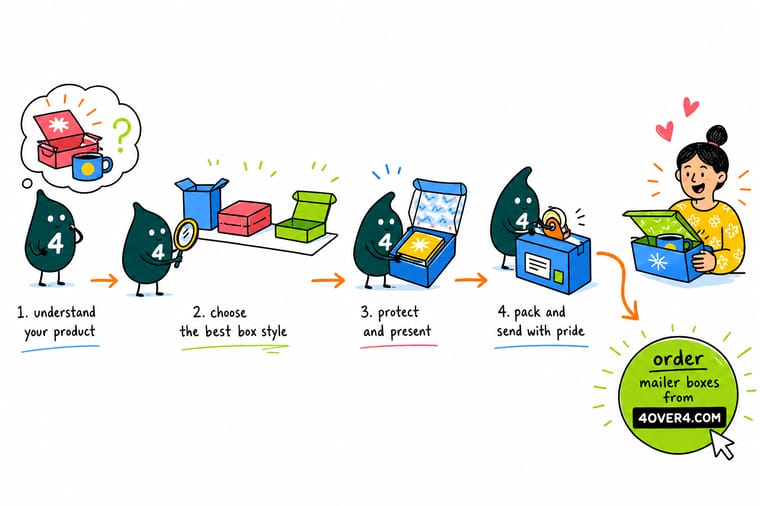
Wally keeps the choice simple: figure out what the product needs first, then pick the style that gives it. Light and made to be unboxed means a mailer box. Heavy and headed for transit means a shipping box. Food or a gift means a bakery or product box. Once the style is set, spend on the board and the one or two features that matter, and 4OVER4 prints it to your exact spec.
Shop custom box printing →
Compare
Box styles at a glance
The four styles you will reach for most, and the product each one is built to carry. Match the box to what you sell rather than forcing the product into a shape that does not fit. At 4OVER4 the mailer, shipping and bakery styles each start at 250 boxes for $711.78 with 7 business days of production.
| Box style | Best suited to | What sets it apart |
|---|---|---|
| Mailer box | Retail and subscription unboxing, light durable goods | One-piece, self-locking, printed inside and out, ships flat |
| Shipping box | Heavy, bulky, or fragile items and consolidated orders | Taped slotted carton built for transit, stacking, and rough handling |
| Product or tuck box | Retail shelf items like cosmetics, supplements, small electronics | Lighter folding carton with a clean printed face for display |
| Bakery box | Pastries, treats, gifts, and food-to-go | Food-safe or grease-resistant board, often with a die-cut window |
Specs and pricing
Mailer box specs and live pricing
The mailer box is the most versatile custom style for retail brands, so it is a useful place to see how the choices play out. Here are the live specs and price-per-box for mailer boxes at 4OVER4.COM, straight from the configurator. They come in 5 by 7 by 1.7 or 5.5 by 5.5 by 2.625 inches on 14pt uncoated or 18pt cover board, from 250 for $711.78, with 1,000 for $797.02 and 7 business days of production.
| Quantity | Price Per Unit | Total |
|---|---|---|
| 250 | $2.85 | $711.78 |
| 500 | $1.42 | $711.78 |
| 1,000 | 79.7¢ | $797.02 |
| 2,500 | 53.5¢ | $1,338.30 |
| 5,000 | 44.6¢ | $2,231.42 |
| 10,000 | 40.4¢ | $4,044.70 |
| 15,000 | 39.0¢ | $5,844.45 |
| 20,000 | 38.3¢ | $7,657.73 |
Print it
Print your box style at 4OVER4
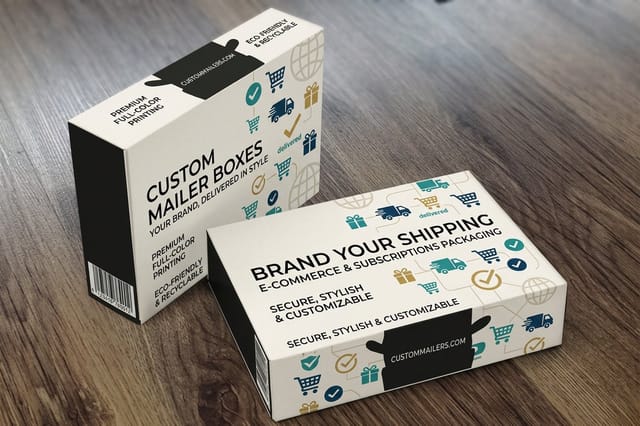
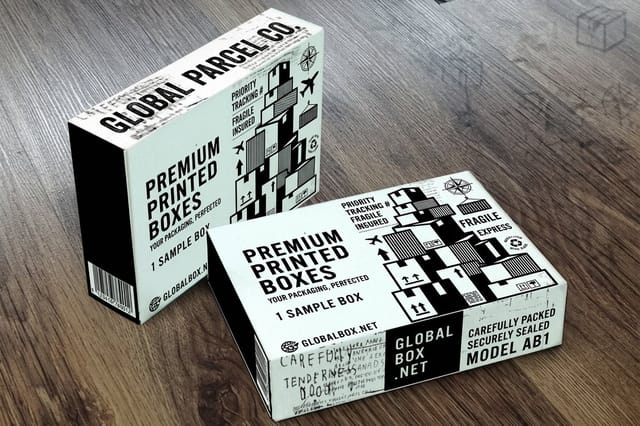
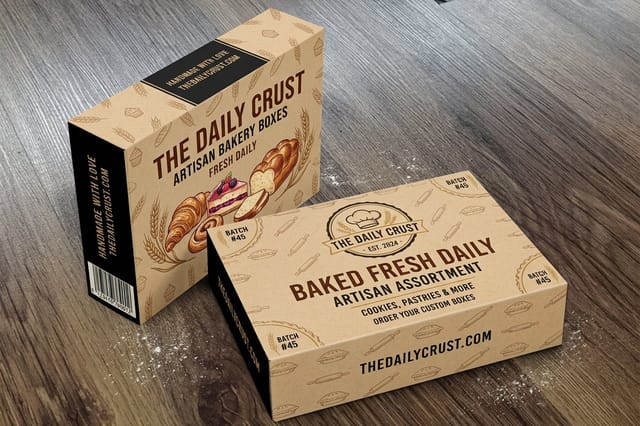
Mailer boxes for unboxing, shipping boxes for weight and stacking, and bakery boxes for food, each from 250 for $711.78 in the same two sizes, so one run can cover a product line.

Explore more
Where to go next

By the numbers
Who cuts, folds, and prints your box
Common Questions
Common questions about choosing a box style
What is a box style?
A box style is the structural design of a box: how it is cut, scored, folded, and closed. Two boxes can hold the same product yet behave completely differently because one is a self-locking mailer, another is a taped shipping carton, and a third is a tuck-front product box. The style decides how the box ships flat, how it assembles, how it protects the contents, and how it opens, so choosing a style is really choosing how your product travels and how a customer meets it.
How do I choose the best box style for my product?
Start with the product, not the box. Note its weight, its dimensions, whether it is fragile or food, and how a customer will receive it. A light retail item that gets unboxed points to a mailer box, a heavy or bulky item points to a shipping box, and a pastry or gift points to a bakery or product box. From there, set a budget, pick a board weight that suits the contents, and add only the custom features that earn their cost. 4OVER4.COM prints every one of those styles to your spec.
What are the most common custom box styles?
The four you will reach for most are the mailer box, the shipping box, the product or tuck box, and the bakery box. Mailer boxes are one-piece, self-locking, and print-ready for unboxing. Shipping boxes are taped slotted cartons built for transit and stacking. Product or tuck boxes are lighter folding cartons for retail shelves. Bakery boxes are made for food, often with a window or grease-resistant board. Each one exists because it does a specific job better than the others.
Does the box style affect the price?
Yes. A more complex cut, a heavier board, interior print, a window, or special finishing all add to the cost, while a plain slotted carton is the cheapest way to move cargo. The other big lever is quantity, because packaging is priced by the batch and the cost per box drops as the run grows. The trick is to choose the style your product actually needs, then use quantity to bring the unit price down rather than cutting features that matter.
What material should my custom box be made from?
Most custom boxes are corrugated board for strength or folding carton stock for lighter retail packaging. Corrugated comes in single-wall for everyday durable goods and heavier grades for weight and rough transit, while folding carton suits product boxes and lighter items. For food, choose a food-safe or grease-resistant stock. 4OVER4.COM offers more than 60 paper and board stocks, so you can match the material to the weight and the look you want. Order free samples to feel the board before you commit.
Can I add custom features like windows or interior print?
Yes, and the right feature can make the box. A die-cut window lets a customer see the product, interior print turns the opening into a brand moment, and finishing such as soft-touch or spot gloss changes how the box feels in hand. Every feature adds a little to the setup and the price, so add the ones that support how the product is sold and skip the ones that are decoration for its own sake.
How do I set up artwork for a custom box style?
Design onto the dieline for your chosen style and size, since the 5 by 7 by 1.7 inch mailer and the 5.5 by 5.5 by 2.625 inch box each lay their panels, folds and glue tab out flat in a different shape. Extend art past the trim to the bleed line so no white edges show, keep logos and text inside the safe zone away from the score lines, and build the file in CMYK at print resolution. Pick the board first, 14pt uncoated or 18pt with gloss on one side, because the same color reads softer on the uncoated one. You can start from a template in our online designer or follow our guide to preparing files for packaging so the file is press-ready the first time.
Get Started
Print 250 boxes from $2.85 each
Bring your product to 4OVER4.COM and print it on the style, board, and finish that fits. Custom boxes run 7 business days in production once artwork is approved.
Legal Disclaimer
Gold Standard guarantees apply to all standard orders placed through 4over4.com. Price match requires verifiable proof of a competitor's published price for an equivalent product with matching specifications and turnaround time. Satisfaction guarantee covers manufacturing defects and print quality issues. Contact support with order number and documentation.
