
How to Choose the Best Paper for Your Printing Project


Start with the job, then work through weight, coating, brightness, and finish. This guide gets you from a blank order form to the exact stock your programs, menus, and flyers deserve.
To choose the best paper, start with the job: pages that turn and fold want text weight, standalone pieces want cover weight. Go coated for sharp photos and vivid color, uncoated when you need warmth or a writable surface. Brighter, higher-opacity stock protects double-sided readability, and a finish like matte, soft-touch, or spot UV sets the final mood. When in doubt, hold a free sample before you print.
Quick tips
Quick tips for choosing the right paper
Pick the paper by the job, not by habit. Match text weight to pages that fold and cover weight to pieces that stand on their own. Choose coated stock when photos and color have to be sharp, and uncoated when you need warmth or a writable surface. Step up brightness and opacity on double-sided work to stop show-through, then add a finish only when it earns its place. 4OVER4.COM prints on 60+ stocks, and a free sample pack lets you feel the choice before you commit.
Why paper is the decision that shapes the whole piece
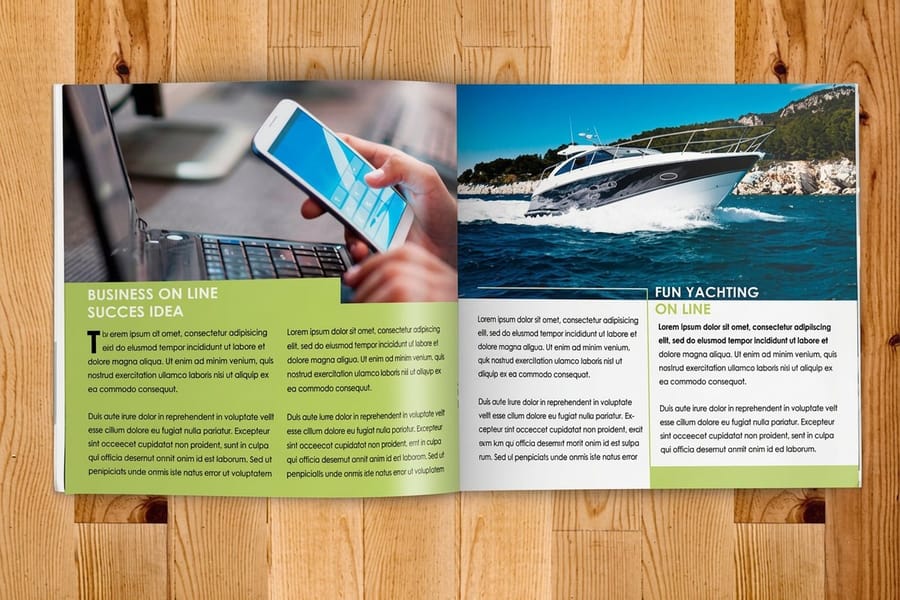
People judge a printed piece before they read a word of it. The weight in the hand, the way light moves across the surface, the sound the page makes when it turns, all of that lands in the first second. Ink and design get the credit, but the paper is doing quiet, constant work underneath. Choose the right stock and a modest layout feels expensive. Choose the wrong one and a beautiful design feels thin.
That is why paper deserves a real decision, not a default. This guide walks the choice the way a print buyer actually makes it: start with the job the piece has to do, then work through weight, coating, brightness, and finish until one stock is clearly right. Whether you are ordering booklets and event programs, menus, or flyers, the same short chain of questions gets you there.
If you would rather feel the options than read about them, order a free sample pack first and hold the real stock. And when the layout is ready, our Online Designer lets you set up a program or menu in the browser and send it straight to print on the stock you chose.
Essential paper knowledge before you order print
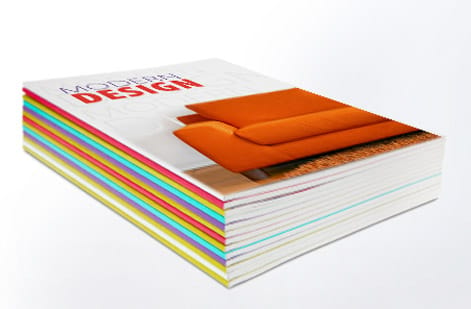
Four properties decide almost every paper choice, and once you can name them the rest gets easy.
- Weight and thickness. How heavy and how thick the sheet is. This is what people feel first and read as quality.
- Coating. Whether the surface is coated (gloss, silk, or matte) or uncoated. Coating controls how ink sits and how light reflects.
- Brightness and opacity. How white and reflective the sheet is, and how well it stops the back of a page showing through.
- Finish. Anything added after printing, from a full matte laminate to a spot UV highlight or a soft-touch coating.
Every stock is just a combination of those four, and the best paper for printing is the one whose combination matches your piece. If a printing term ever trips you up, the printing terms glossary defines the vocabulary in plain language, and our full guide library goes deep on each property.
Start with usage: match the paper to the project
The fastest way to the right stock is to picture how the piece gets used, then let that pick the weight and finish for you. Usage answers the question before a chart does.
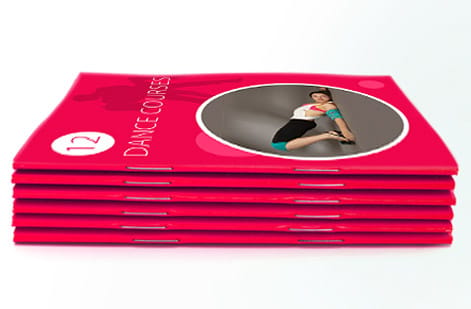
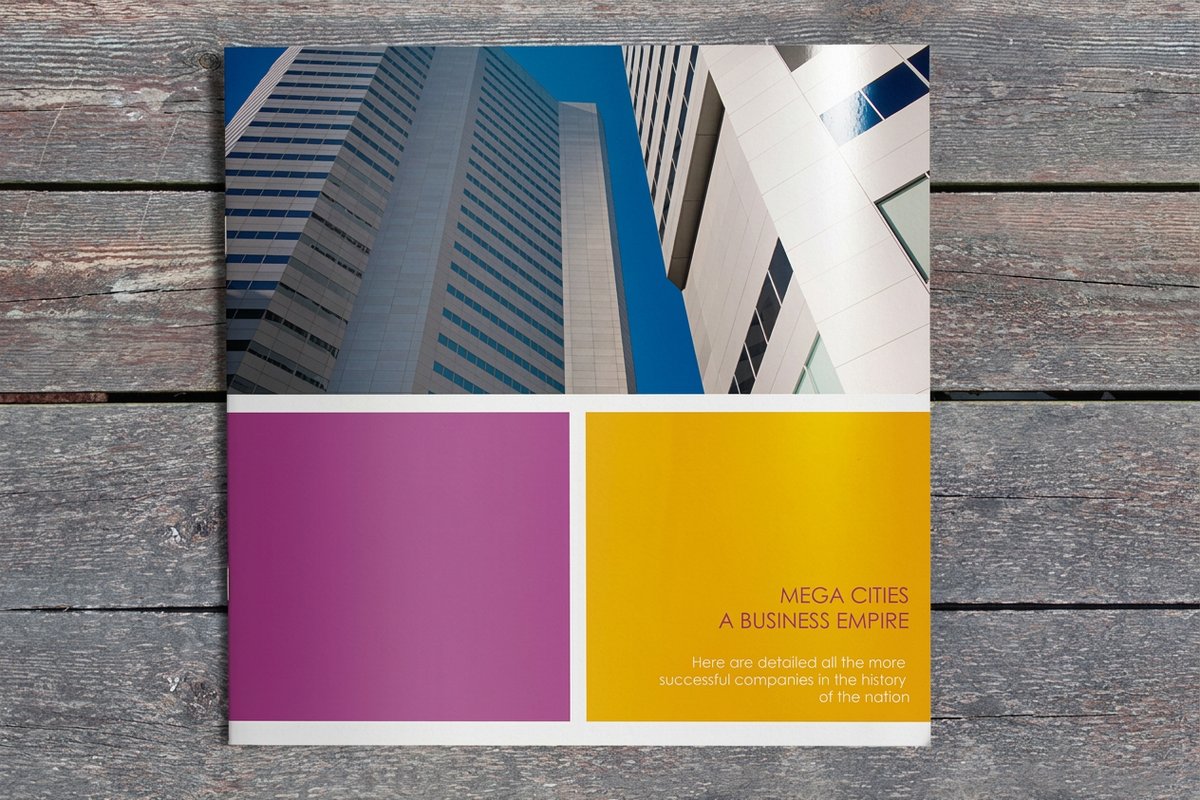
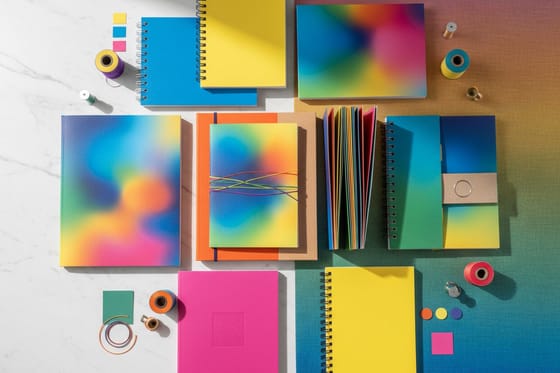
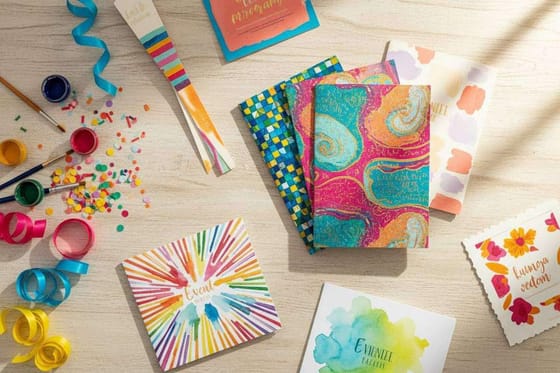
Paper for programs and booklets. An event program is handled, read cover to cover, and often kept as a keepsake. Print the pages on an 80 lb to 100 lb text stock so they turn cleanly, and bind them as a saddle-stitched booklet so they lie flat. A single-fold program can move up to a light cover so it holds its shape. For wording and layout ideas, our program wording guide and event program examples are a good starting point.
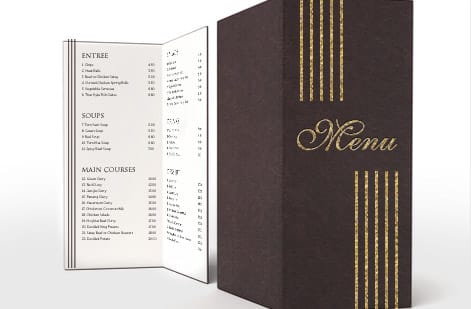
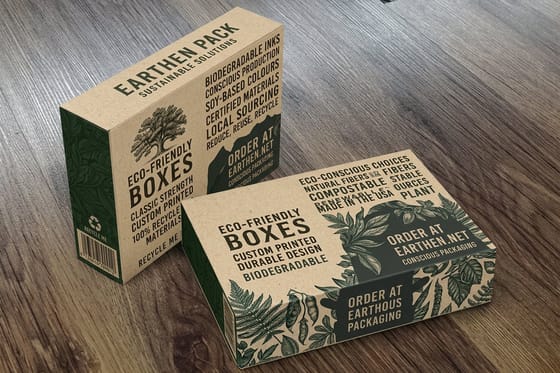
Menus. A menu gets touched constantly, so durability wins. A coated or laminated stock resists grease and moisture, while a kraft or uncoated sheet reads warm and rustic for a certain kind of room. Compare finishes on our menu printing page.
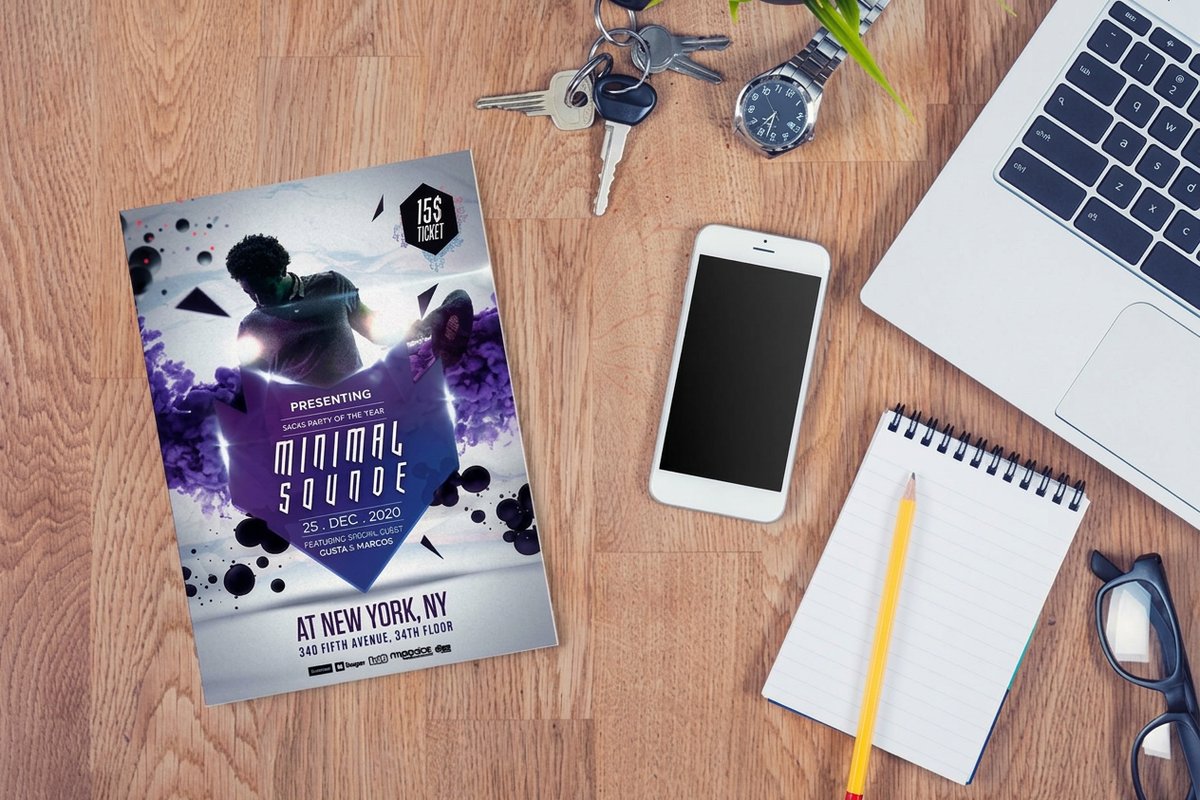
Flyers and handouts. These are printed in volume and often read once, so a bright 80 lb to 100 lb gloss text sheet gives you punchy color at a sensible cost. See the range on flyer printing, or read our flyer paper weight guide.
Notice the pattern: the job names the paper. When you are still deciding, a set of recycled and FSC-certified stocks covers most of these jobs sustainably without giving up sharpness.
Paper stock: coated vs uncoated

This is the choice that changes a piece most, and it comes down to what the coating does to ink and light.
Coated paper has a smooth sealed surface, in gloss, silk, or matte. Ink sits on top instead of soaking in, so photos stay sharp and colors stay saturated. Gloss is the most reflective and makes color pop hardest. Silk sits in the middle, rich but low glare. Matte coated keeps the crispness while killing the shine. Coated stock is the default for anything photo-heavy or color-critical, think menus, catalogs, and glossy programs.
Uncoated paper has an open, natural surface that absorbs a little ink. Color reads slightly softer and warmer, and the sheet feels tactile. Crucially, you can write on it with a normal pen, which coated stock resists. Uncoated is the right call for invitations, letterheads, signable forms, and any program or piece you want to feel handmade rather than mass-produced.
The honest test is two questions. Do the photos have to sing, and does anyone need to write on it? If photos win, lean coated. If a pen has to work, lean uncoated. Our matte vs gloss guide goes deeper on the coated side of that choice.
Paper thickness and weight, in plain terms
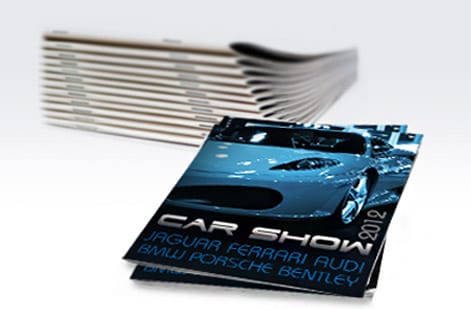
Weight is where most people get lost, because the numbers come in two families that do not compare directly. Here is the short version that actually helps.
Text weight (measured in lb book, roughly 60 to 100) is for pages that turn and fold. Booklet interiors, flyers, brochures, and letters live here. Cover weight (measured in lb cover, roughly 80 to 130, or in points like 14 pt and 16 pt) is for pieces that stand on their own and need to feel firm. Postcards, business cards, folders, and rack cards live here.
The trap is comparing a text-weight number to a cover-weight number as if they were the same scale. They are not, because they are weighed on differently sized parent sheets. When in doubt, ignore the math and feel the stock, which is exactly what a free sample pack is for. For a full breakdown of the two scales, read the paper weight guide and understanding paper weight for printing projects.
Choosing the right thickness and weight
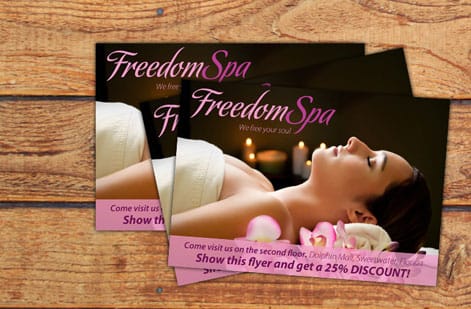
With the two scales clear, picking a weight becomes a quick lookup against the job.
- 60-70 lb text. Booklet and program interiors, inserts, and letters, where many pages need to turn without bulk.
- 80-100 lb text. The workhorse range for programs, flyers, brochures, and menus that need substance without stiffness.
- 80-100 lb cover. Postcards, rack cards, and presentation folders that must stand up and feel solid.
- 14-16 pt cover and up. Business cards, invitations, and premium pieces where thickness itself is the statement.
A useful habit: pick the lightest weight that still feels right for the job. Going heavier than the piece needs adds cost and, on folding work, invites cracking at the spine. If a program cover feels flimsy at text weight, step it up one grade rather than three. Reading a printed sample of the exact stock removes the guesswork entirely.
Paper brightness and opacity
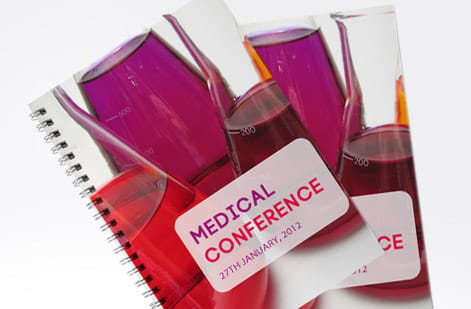
Two quieter properties decide how clean your print looks, especially on double-sided pieces.
Brightness is how much light the sheet reflects, usually scored from the mid 80s to the high 90s. A brighter sheet makes colors and whites pop, which flatters photography and bold design. A softer, warmer white feels classic and calm, which suits invitations, literary programs, and anything meant to read as handmade. Brightness is a mood decision, not a quality ranking, so choose the white that fits the piece.
Opacity is how well the sheet blocks what is printed on the other side. On a double-sided program or menu, low opacity lets the reverse ghost through and muddies the page. Heavier weights and higher-opacity stocks solve this, which is one more reason page-heavy jobs favor a proper book stock over the thinnest option. If show-through worries you, order a printed sample with a dark image on the back and hold it to the light.
Finishes: UV coating, soft-touch, matte, and gloss
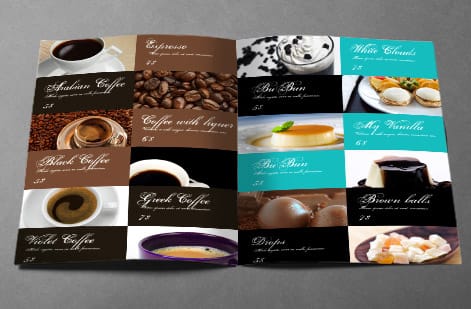
Finishes are the last 10 percent, applied after printing to change how a piece feels and how long it lasts. They are optional, but the right one turns a good stock into a memorable object.
- Gloss coating maximizes shine and color depth. Great for photo-forward menus and catalogs, less ideal where glare or fingerprints are a problem.
- Matte coating keeps ink crisp while removing shine, for a clean, modern, low-glare surface that photographs beautifully.
- Soft-touch adds a velvety, almost suede feel that instantly reads as premium. It is a favorite on covers and cards you want people to keep holding.
- Spot UV lays a glossy, raised highlight over one part of the design, a logo or a title, so it catches the light against a matte background.
A quick word on durability: laminates and coatings protect pieces that get handled hard, like menus and rack cards, but they also stop a pen from writing on the surface. If anyone needs to sign or annotate the piece, keep that area uncoated. To see how a raised gloss highlight works, read what is spot UV printing, and for cards specifically, the best business card finish guide compares matte, glossy, and soft-touch head to head.
The best paper for event programs
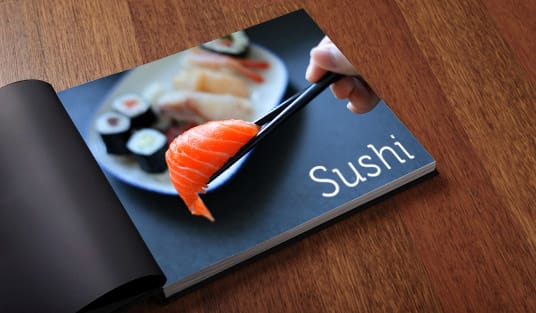
Programs deserve their own note because they carry two jobs at once. They have to be readable during the event and worth keeping after it, so the paper has to feel considered without becoming heavy or precious.
For a multi-page booklet program, print the interior on an 80 lb gloss or matte text stock, which turns cleanly and holds photos and type crisply, then bind it as a saddle-stitched booklet so it opens flat in the hand. If you want the cover to feel a step above the pages, ask for a heavier cover stock on the outside, a common and elegant pairing.
For a single-fold program, a single sheet folded once, move up to a 100 lb cover so the piece stands on its own and does not go limp during a long ceremony. An uncoated cover here reads warm and formal, and it takes a signature if guests sign a keepsake copy.
For tone, a softer white and an uncoated or soft-touch finish feel classic and intimate, right for weddings, memorials, and recitals, while a bright coated stock feels crisp and contemporary, right for concerts, galas, and conferences. Browse real work on our booklet and program showcase to see how paper choice changes the mood.
A quick checklist before you send files to print
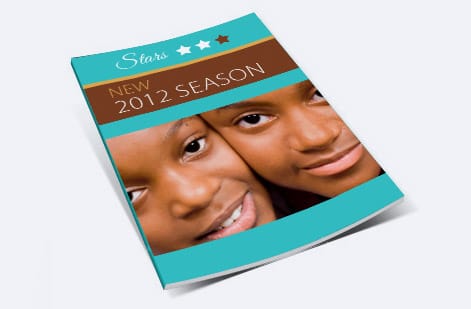
Run this five-question checklist and the paper choice makes itself.
- What is the job? Named the piece and how it will be held, read, and kept. That alone narrows weight and finish.
- Turn or stand? Pages that fold want text weight, standalone pieces want cover weight.
- Photos or pen? Photo-critical leans coated, writable leans uncoated.
- Single or double sided? Double-sided jobs want enough weight and opacity to stop show-through.
- What mood? Bright and coated for punch, soft and uncoated for warmth, then a finish to seal the feeling.
One last habit worth keeping: order a free sample pack and hold the exact stock before a big run. Charts and screens approximate paper, your fingers do not. When you are ready, configure the real thing on our booklet and program page, or explore the full marketing materials range to keep every piece on brand.
Wally explains paper choice
The right stock makes an ordinary design feel expensive
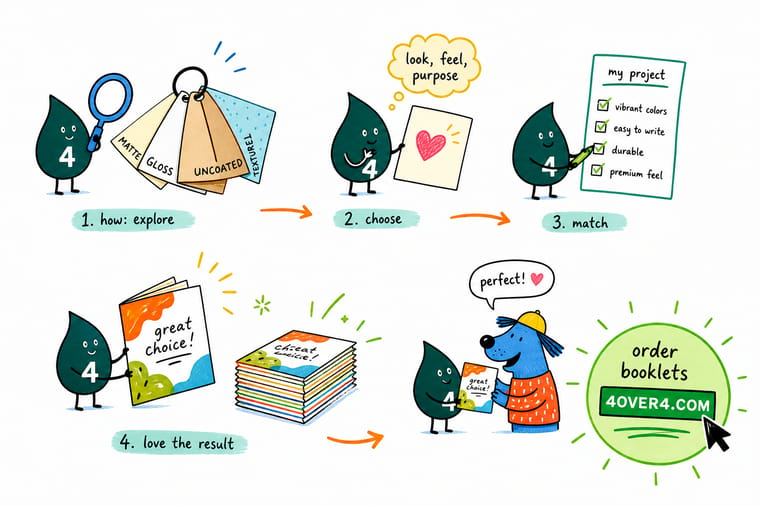
Wally treats paper like the frame around a painting: nobody talks about it, but it changes how everything inside it reads. Start with the job the piece has to do, let that pick text or cover weight, go coated for punchy photos or uncoated for a warm, writable feel, then add a finish only if it earns its keep. When it is time to print your programs, menus, or flyers, 4OVER4 offers 60+ stocks and free samples so you feel the choice before you commit.
Order booklets and programs →
Specs and pricing
Booklet and program specs and pricing
When you are ready to print, here is what a custom booklet or event program gives you at 4OVER4.COM, with live paper options, specs, and price-per-unit straight from the configurator.
| Quantity | Price Per Unit | Total |
|---|---|---|
| 25 | $9.62 | $240.55 |
| 50 | $6.04 | $302.06 |
| 100 | $3.61 | $361.37 |
| 200 | $2.22 | $444.85 |
| 300 | $1.65 | $495.38 |
| 400 | $1.29 | $515.14 |
| 500 | $1.06 | $531.61 |
| 600 | 91.5¢ | $549.19 |
Print it
Popular pieces to print on your chosen stock
See it in use
Real booklets and programs, printed in-house

Explore more
Where to go next

By the numbers
Paper you can count on at 4OVER4
Common Questions
Common questions about choosing printing paper
What is the best paper for event programs?
For a program that people hold, read, and keep, a text-weight sheet around 80 lb to 100 lb gloss or matte book strikes the balance: light enough to fold and turn cleanly, substantial enough to feel considered. If the program is a single folded sheet rather than a bound booklet, step up to a 100 lb cover so it holds its shape in the hand. Print booklet-style programs as saddle-stitched booklets so the pages lie flat.
What does premium paper actually mean?
Premium paper is a loose term, not a single grade. In practice it points to heavier weights, higher brightness, and specialty stocks like silk, linen, kraft, or soft-touch that feel different from standard house stock. The honest answer is that premium is whatever makes your specific piece feel right, a thick soft-touch business card and a bright, bulky menu stock are both premium for their jobs even though they share nothing else.
Coated or uncoated paper, which should I choose?
Choose coated when the piece is photo-heavy or color-critical, since the coating holds ink on the surface for sharp images and vivid color. Choose uncoated when the piece will be written on, or when you want a warm, natural, tactile feel, an invitation, a letterhead, or a program you want to sign. Many jobs work either way, so ask whether anyone needs to write on it and whether the photos have to sing.
How do I know what paper weight I need?
Match weight to how the piece is used. Pages that turn and fold want text weight, roughly 60 lb to 100 lb book. Cards, covers, and standalone pieces want cover weight, roughly 80 lb to 130 lb cover, so they feel firm. When you are unsure, order a free sample pack and hold the real stock, no chart replaces the feel of paper between your fingers.
Does brighter paper always print better?
Brighter paper makes colors and whites pop, which helps photography and bold design, but it is not automatically better. A softer, warmer white can suit invitations, literary programs, and anything meant to feel classic or handmade. Brightness is a design choice, not a quality score, so pick the white that fits the mood of the piece.
Can I mix paper types in one printed project?
Yes, and it often looks intentional. A booklet can pair a heavier cover with lighter text pages, a menu can use a durable coated stock while the insert uses uncoated, and a mailer can combine a thick postcard with a lighter letter. Mixing weights and finishes is a normal production choice, and ordering free samples first lets you feel the combination before you commit.
What is the best paper for booklet printing?
Most booklets land on 80 lb or 100 lb text inside and a 100 lb cover or 12 pt cover outside. Choose gloss text when the interior is photo-heavy and you want color and detail to stay sharp, matte or uncoated text when there are paragraphs to read or pages to write on. Keep the interior at text weight so the pages turn and lie flat, and let the cover carry the weight, since the cover is the sheet people judge with their hands. On a short, light booklet a self cover printed on the same text stock as the interior is a fair way to save money without the piece looking cheap.
What paper weight should booklet pages be?
Use 60 lb to 70 lb text when the page count is high and many sheets have to turn without bulk, and 80 lb to 100 lb text for the everyday booklet, program, or catalog that needs substance without stiffness. Above 100 lb text you are into cover weight, which belongs on the outside rather than the inside: a saddle-stitched booklet is folded through the middle, so every heavy interior sheet thickens the fold and pushes the inner pages outward. Perfect binding is more forgiving, because the pages are glued to a flat spine instead of folded through it, so 100 lb text sits comfortably inside a 12 pt cover. If two weights are close, order a free sample pack and turn the pages before you commit.
Get Started
Ready to print on the right paper?
Pick your stock, drop in your design, and we print programs, menus, and flyers that feel exactly as considered as they look.
Legal Disclaimer
Gold Standard guarantees apply to all standard orders placed through 4over4.com. Price match requires verifiable proof of a competitor's published price for an equivalent product with matching specifications and turnaround time. Satisfaction guarantee covers manufacturing defects and print quality issues. Contact support with order number and documentation. On-time delivery rate based on tracked orders 1999 to 2026. Individual results may vary based on shipping carrier performance.
