
Embossing Vs Debossing


Two premium finishes that share a press and split on personality. One lifts your logo up to catch the light, the other sinks it in to catch the shadow. Here is how embossing and debossing differ on feel, stock, pairings, and cost, so you print the card that fits your brand.
Choose embossing to make a logo rise and shine, choose debossing to make it sink and whisper. Embossed business cards press the design up above the surface for a raised, light-catching mark that reads bold and prestigious. Debossed business cards press the design down into the stock for a recessed, shadow-filled impression that reads quiet and refined. Both start around $251.36, both use a custom die, and both print sharp at 4OVER4.COM. Pick the personality first, then the stock that shows it best.
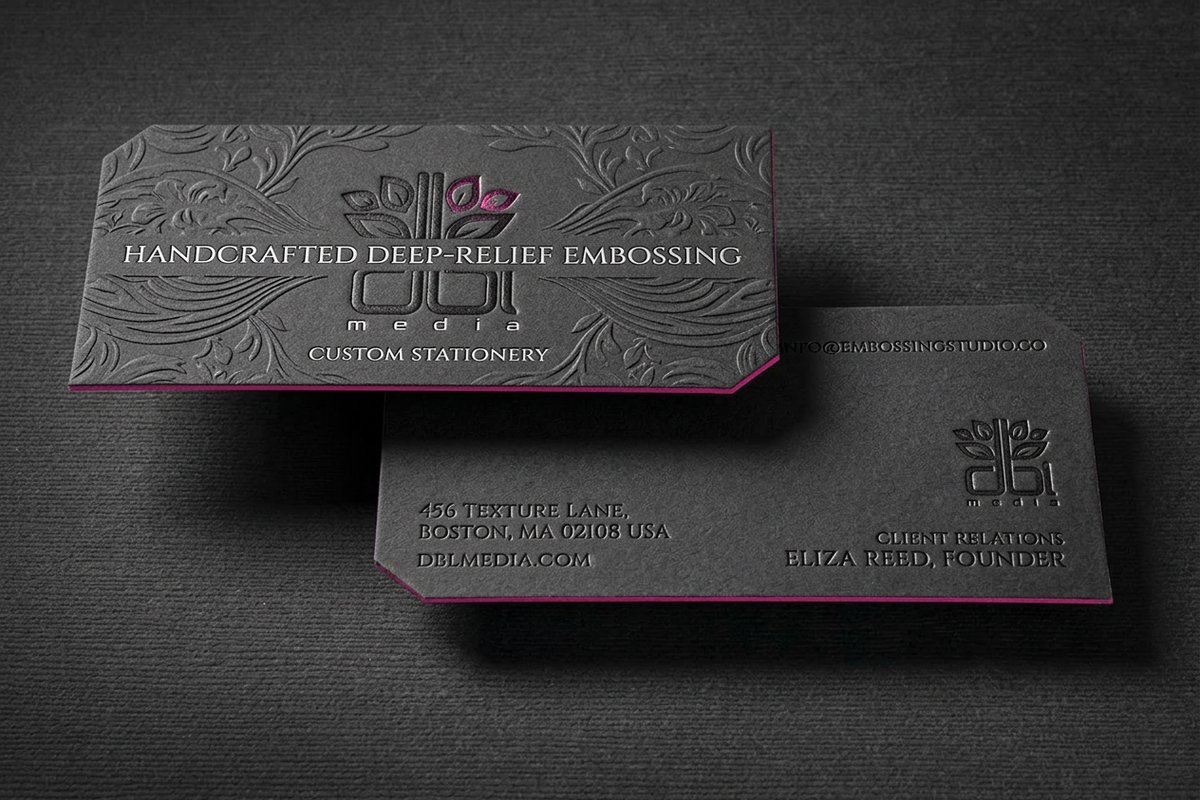
Head to head
Embossed vs debossed at a glance
The fastest way to choose is to read down the column that matches your brand. If you want your logo to rise and catch the light, your answer is on the left. If you want a felt detail that rewards a second look, it is on the right. Starting prices are live from the 4OVER4.COM configurator.
| Embossedraised | Debossedrecessed | |
|---|---|---|
| Best for | Bold, prestige cards where the name or logo should stand out and catch light | Understated, minimalist cards where a felt detail signals quiet luxury |
| The technique | Design pressed up, raised above the card surface | Design pressed down, recessed into the card surface |
| How it feels | A raised ridge you feel on the front of the card | A sunken groove that sits below the surface |
| How it reads | Catches light, reads bold and confident | Catches shadow, reads subtle and refined |
| Shows best on | Lighter and standard stocks that throw a clean shadow | Dark, colored, or textured stocks with depth |
| Pairs with | Foil for a raised, shining combination stamp | Blind impressions, letterpress, and flat spot color |
| Mark on the back | Yes, the raised front sinks into the reverse | Minimal, the impression stays on the front |
| Starts at | $251.36 | $251.36 |
| Order online | Customize embossed | Customize debossed |
Both finishes need a heavier stock to hold a clean impression, so thickness matters as much as the texture you pick. Order free paper samples if you want to feel the lift and the sink before you order.
Our picks
Three ways to print a premium business card
The recessed impression, the raised mark, and the crisp classic that lets the artwork carry the weight. Each one is live with real specs and pricing.
The core difference: one rises, the other sinks
Put the two cards side by side under raking light and the difference is obvious before you read a word. An embossed business card has its logo or name pushed up above the surface, a raised shape you can feel with a fingertip and see the instant the light rakes across it. The image is formed by pressing the stock between a raised die and a recessed counter, so it lifts off the front.
A debossed business card does the reverse. The design is pressed down into the stock, a recessed groove that sits below the surface and catches shadow instead of light. Nothing rises off the front, which is exactly why it reads as quiet and deliberate. Same pressure, same custom metal die, opposite direction.
Both are texture rather than ink, so a blind emboss or a blind deboss carries no color at all and still stops a hand mid-shuffle. If the vocabulary of dies, blind impressions, and counters is new, keep our printing terms glossary open while you read.
Mood and message: shout softly or whisper loudly
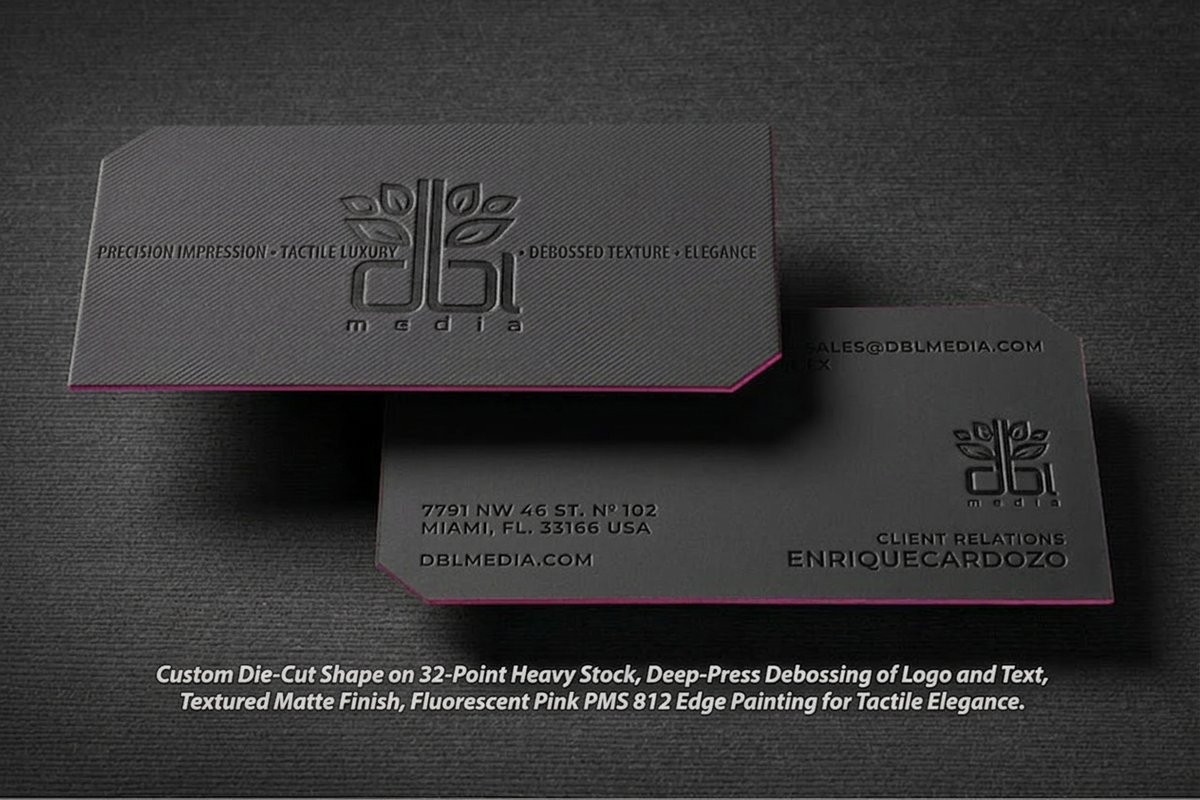
The quickest way to choose is to decide what you want the card to say about you before anyone reads it. Embossing is the extrovert. The raised name announces itself, catches every light source in the room, and signals confidence, which is why firms and premium brands that want a logo to feel monumental tend to reach for it.
Debossing is the introvert with taste. The sunken impression is felt more than seen, a detail someone discovers when they run a thumb across it, and that restraint is the whole point. It suits minimalist identities, dark and colored stocks, and brands that would rather be remembered for how the card felt than how loud it was.
Either way, you do not have to guess at the layout. Lay your card out in the browser with our online designer, start from a ready-made file in the design templates library, and order free paper samples to feel a real emboss and deboss in hand before you commit a full run.
Stock and color: where each texture shows best
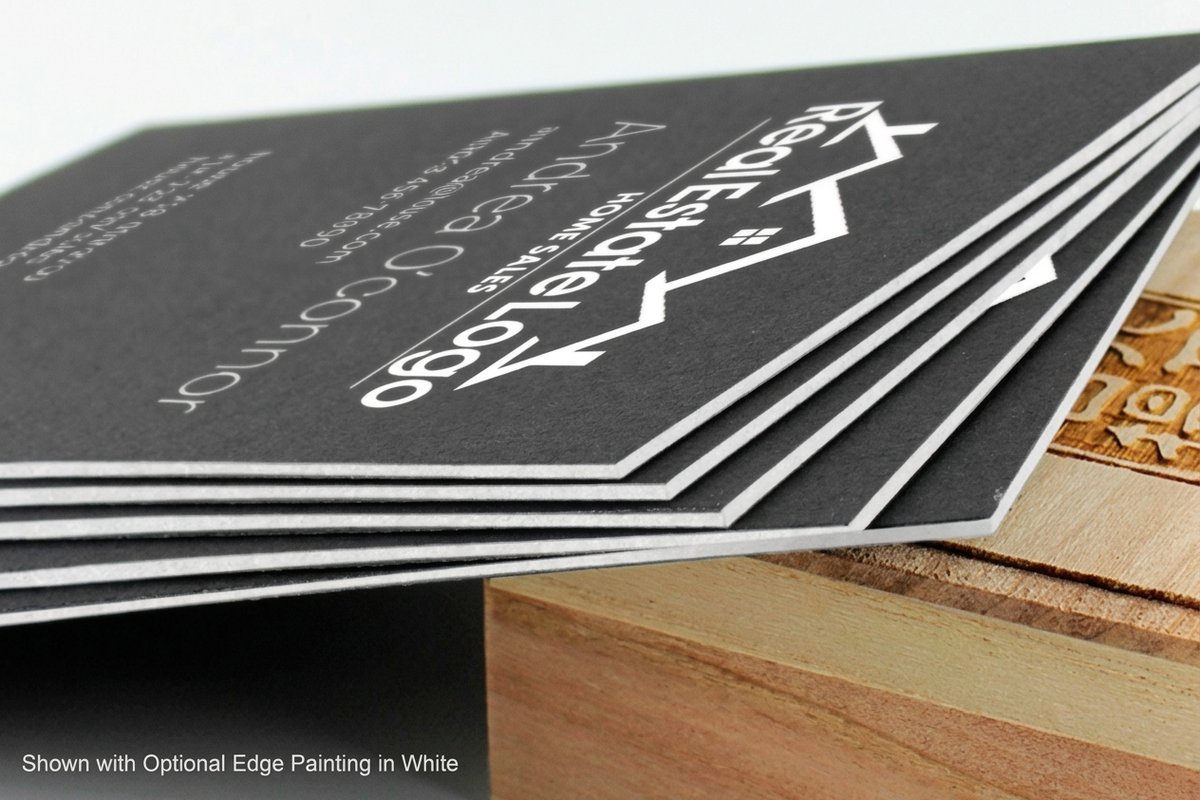
Texture lives or dies by the paper under it. Embossing loves a heavier stock with enough fiber to hold a crisp raised shape without cracking, and it shows most clearly on lighter cards where the lifted edge throws a real shadow. Thin stock fights back, so a thick business card weight or above is the safe floor.
Debossing is the opposite showman. Its recessed groove reads best on dark, colored, or richly textured stocks, where the shadow inside the impression gives the design its depth. A blind deboss on a black card is one of the most understated luxury looks in print, precisely because there is no color doing the work, only shadow.
Whichever you pick, thickness matters more than usual. Both techniques need heft to hold their shape, so if you are unsure how the weights compare, the business card size guide lays out the standard dimensions and stock options before you order.
Pairings: foil, blind, and everything between
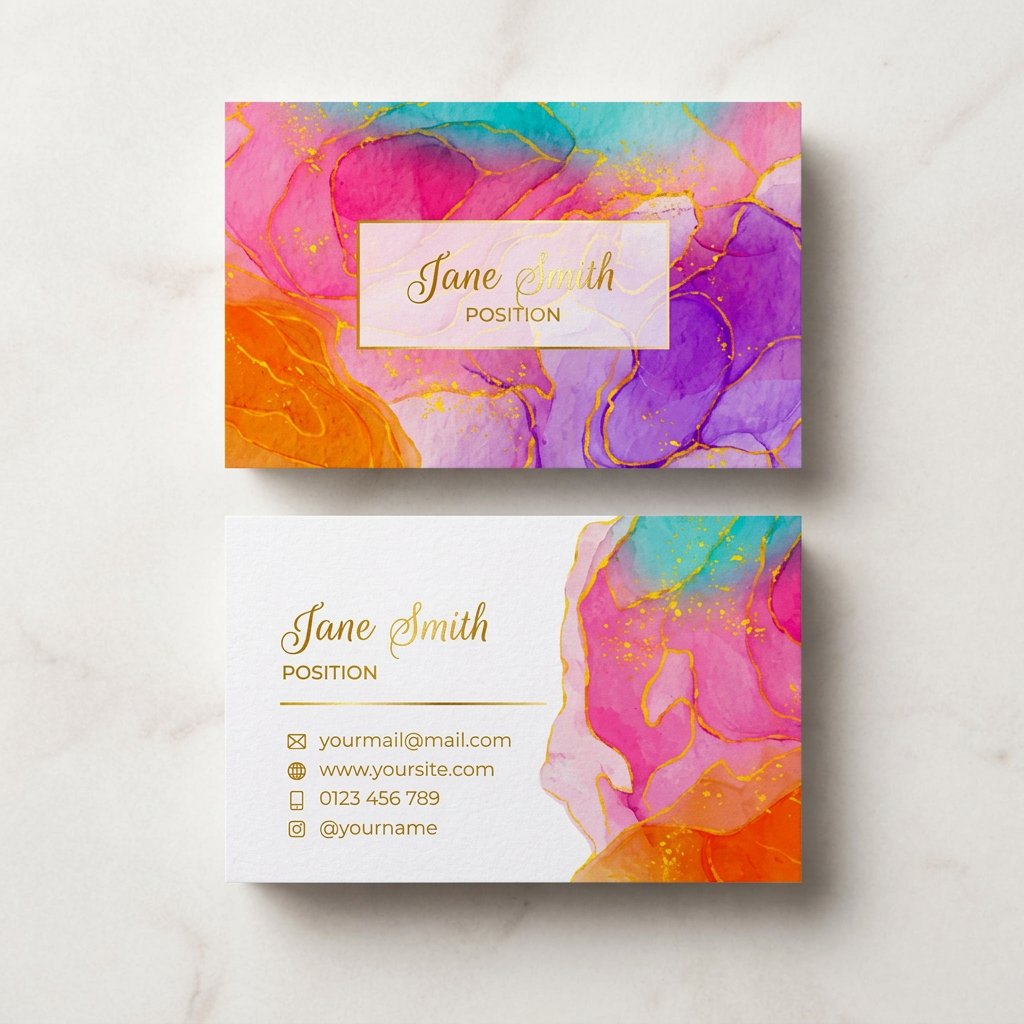
Neither technique has to work alone. Embossing pairs famously with foil, since pressing metallic foil into the raised shape gives you a combination stamp that is both lifted and shining, the most attention-hungry finish a card can carry. Left uncolored, a blind emboss keeps the same tactile lift with a monochrome, architectural calm.
Debossing leans the other way. It is often left blind, letting the impression alone do the talking, and it plays beautifully next to letterpress and flat spot color, where the sunken area frames a printed element without competing with it. On a busier artist or creative card, one debossed mark can be the quiet detail that ties a loud design together.
Cost sits in the same neighborhood for both. An embossed or debossed run starts around $251.36 because each needs a custom die and a press pass, and the live configurator updates the moment you set quantity, size, and stock. For the fuller picture on what drives card pricing, our guide on how much business cards cost breaks down every lever.
Design: what to raise and what to sink
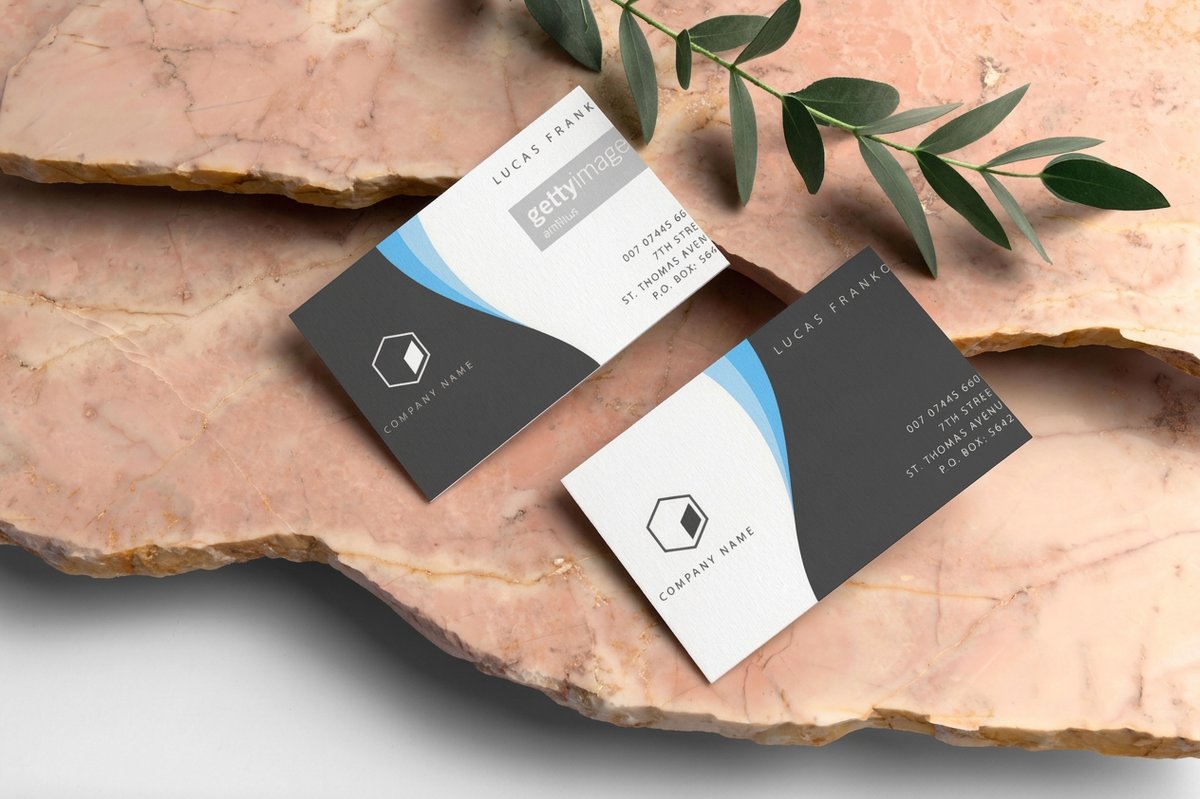
Both finishes reward simple, bold shapes over fine detail. A logo mark, a monogram, a name, or a single rule will emboss or deboss cleanly, while hairline type and dense textures tend to blur once the die presses them. Give the shape room to breathe and it will feel intentional rather than crowded.
With embossing, remember that the impression shows on the back of the card, so plan the reverse around it or keep that area clear. With debossing, contrast is your friend: the deeper the sink and the darker the stock, the more the shadow defines the shape. If your identity already has a strong mark, a classic card upgraded with one well-placed impression often beats a card that tries to texture everything.
Not sure where to begin? The design templates library has layouts with the bleed and safe margins already set, so your file presses clean the first time, and the how to make business cards guide walks the full design-to-print path.
How to choose in one minute
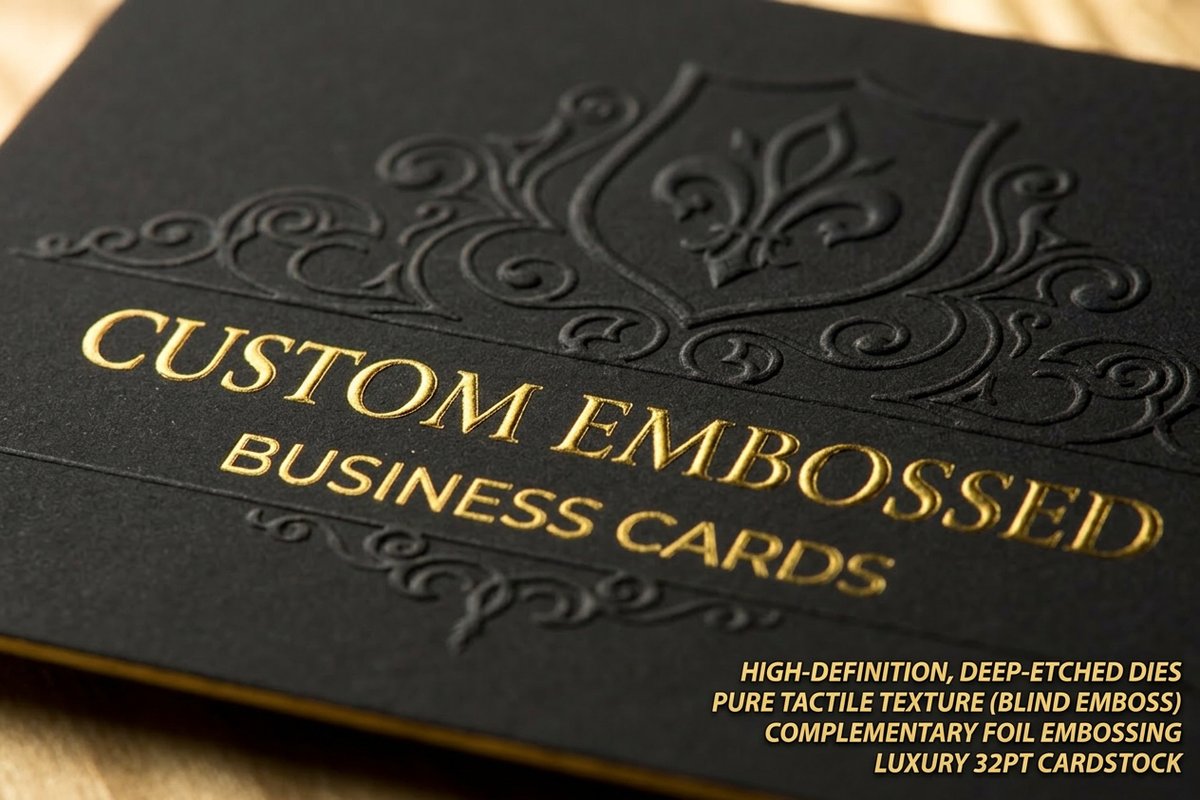
Reach for embossing when you want the logo or name to stand up off the card, catch the light, and read as bold and confident. It is the pick for prestige brands, lighter stocks, and any card meant to feel monumental the instant it lands in a hand.
Reach for debossing when you want restraint that rewards a second look, a tactile detail felt more than seen, and a finish that shines on dark or colored stock. It is the pick for minimalist identities and anyone who believes quiet is the new loud.
Reach for both, or neither, when the design calls for it. A combination emboss-and-foil goes maximal, a blind deboss goes minimal, and a crisp flat-printed classic card is still the right answer when the artwork already carries the weight. Browse every option in business card printing.
The trade-offs
What each texture gives you, and what it asks in return
No finish is free of compromise. Weigh the upside against the trade-off for the card you actually need to hand across a table.
Embossed
Where embossing wins
- Raised mark catches light and reads bold from a distance
- Signals prestige and confidence the instant it lands in a hand
- Pairs with foil for a lifted, shining combination stamp
- Works blind for pure tactile texture with no color
- Unmistakable premium feel on lighter, heavier stocks
Where it falls short
- The raised front leaves an impression on the back of the card
- Fine detail and hairline type can blur under the die
- Needs a clear reverse layout to read cleanly
- Bolder look is not always the goal for minimal brands
Debossed
Where debossing wins
- Recessed impression reads quiet, refined, and expensive
- Shines on dark, colored, and textured stocks
- Stays on the front, so both sides can carry printing
- Blind deboss delivers understated luxury with zero color
- A single sunken mark can anchor a busy design
Where it falls short
- Felt more than seen, so it can be missed at a glance
- Needs contrast and depth to read on light stock
- Fine detail loses definition inside a shallow groove
- Too subtle when the brief calls for a loud statement
Live options
Compare real premium business card options
Pulled straight from the catalog so you can see how price, stock, and turnaround shift across the premium business card family, with the embossed card anchored for reference.
Embossed Business Cards | 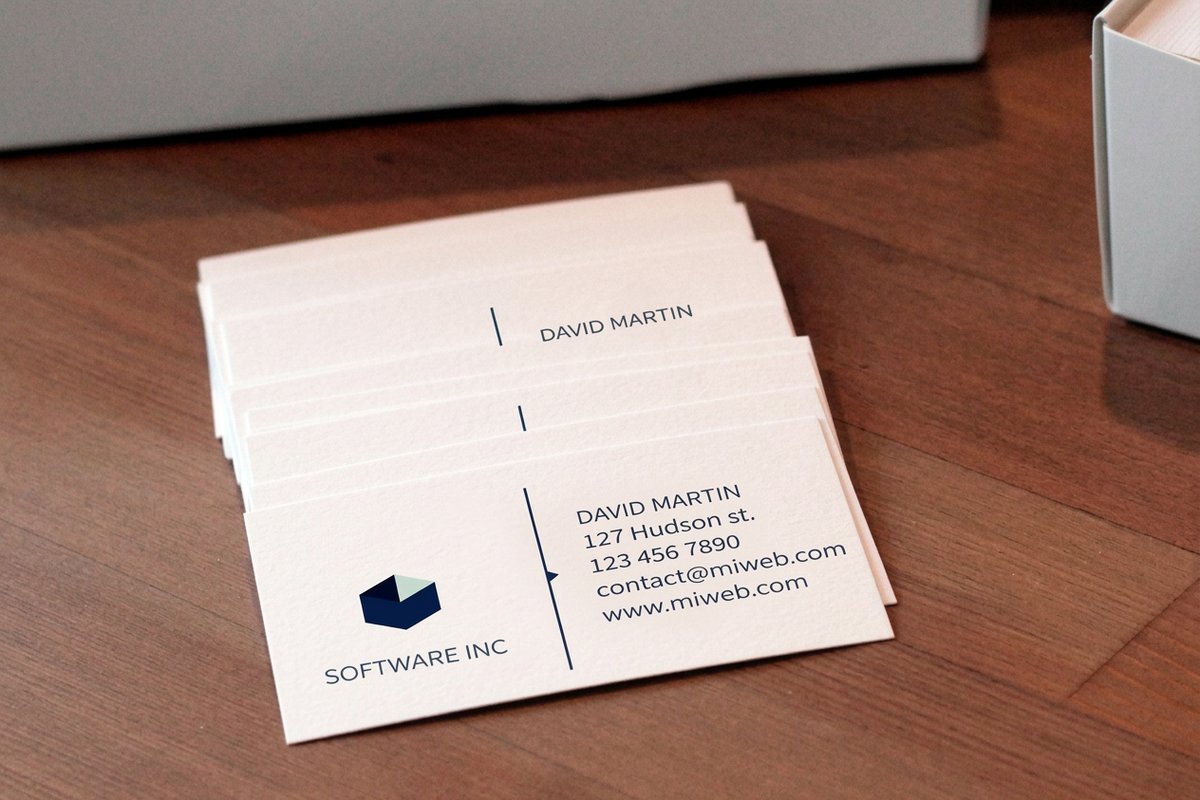 Standard Business Cards | 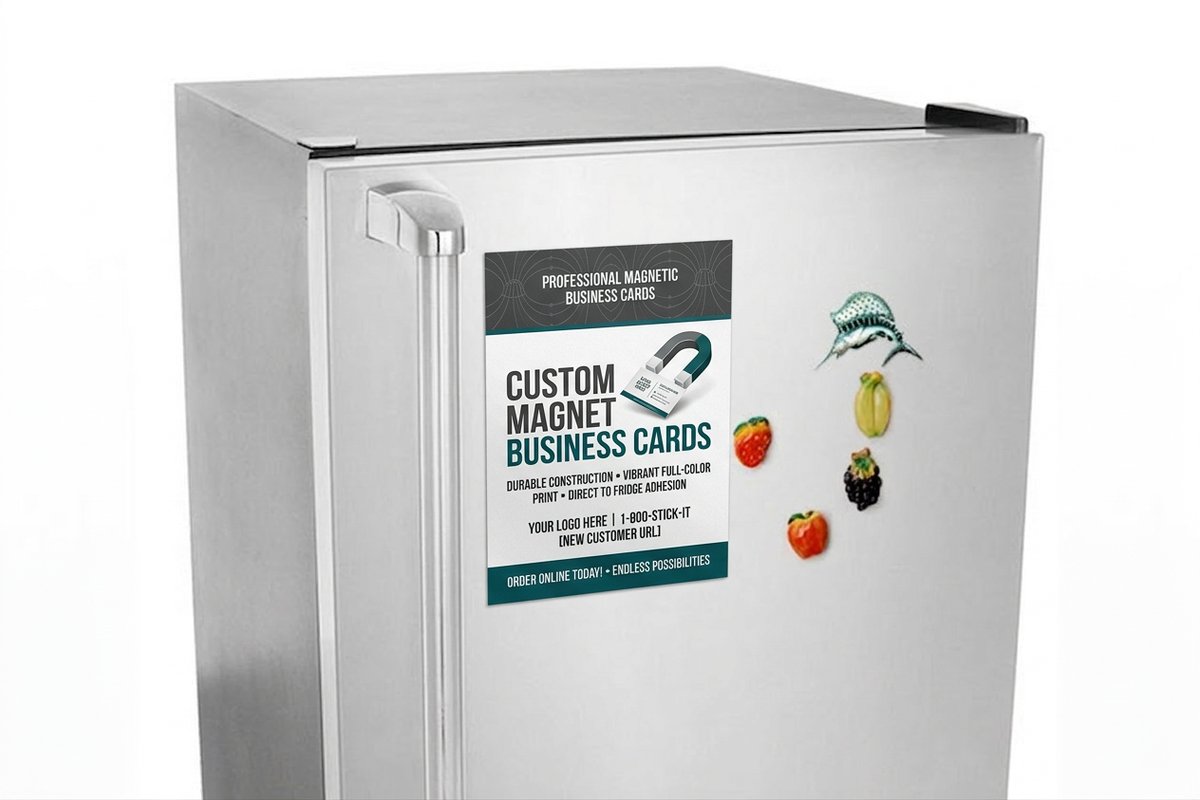 Magnet Business Cards | 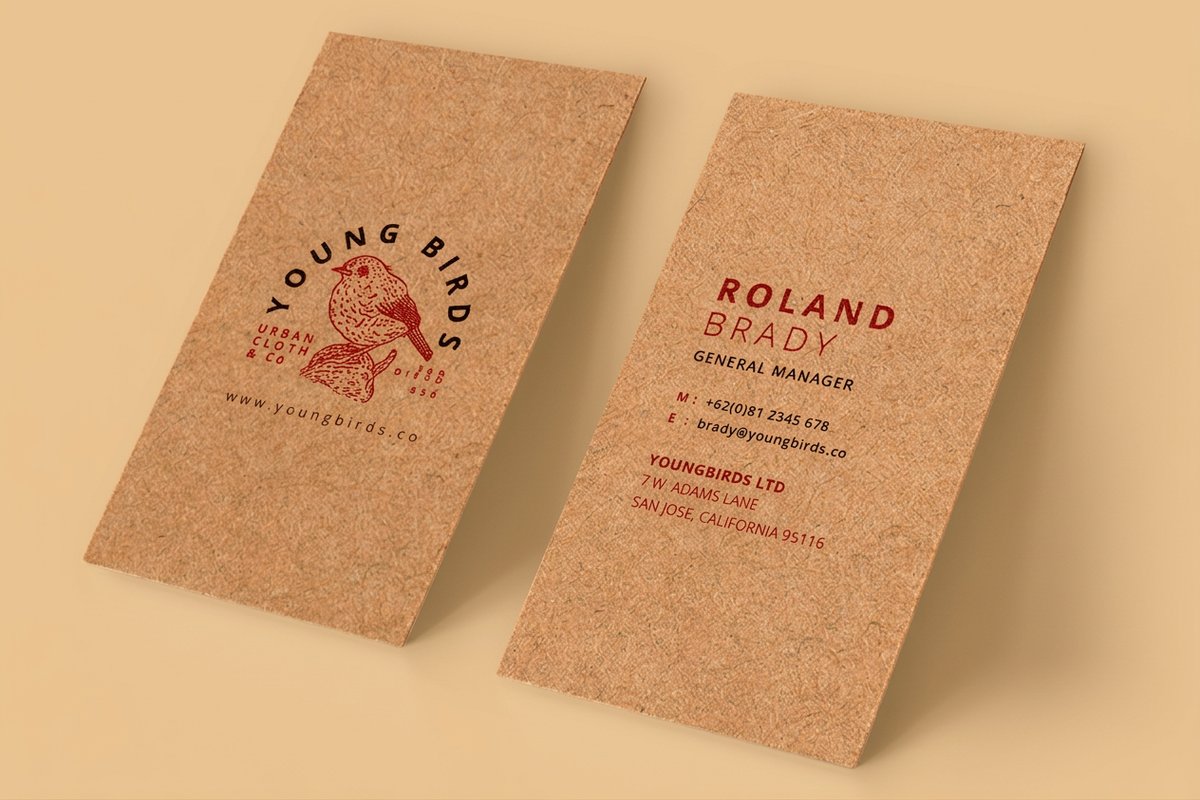 Kraft Business Cards | 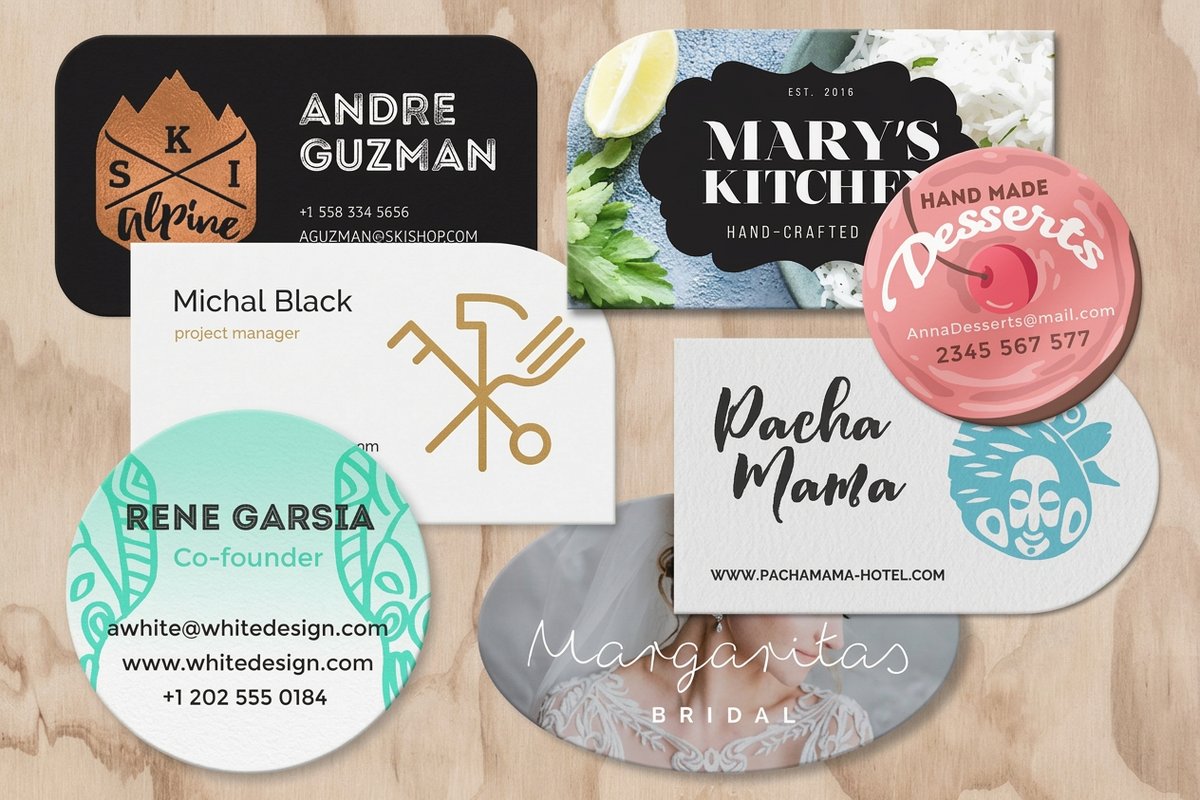 Die-Cut Business Cards | 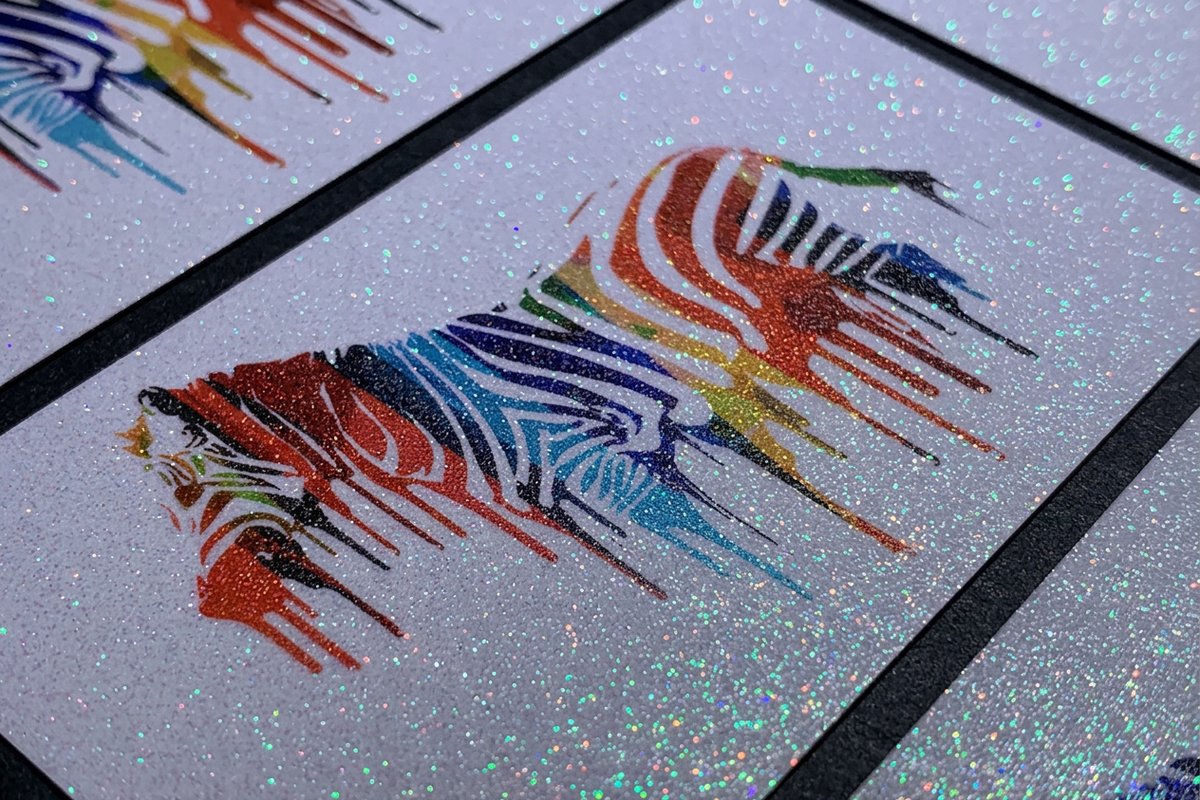 Diamond Glitter Business Cards | |
|---|---|---|---|---|---|---|
| Min price | $251.36 | $17.57 | $19.68 | $24.75 | $26.37 | $31.84 |
| Paper / stock | 32pt Silk Laminated | 14pt Gloss Cover | 17pt Indoor Magnet | 18pt Kraft Uncoated Cover (100% PCW) | 14pt Gloss Cover | 17pt Diamond Glitter (Front Only) |
| Finish | - | Standard Finish | UV Coating | - | Standard Finish | - |
| Size | 2" x 3.5" | 2" x 3.5" | 2" x 3.5" | 2" x 3.5" | 2" x 3.5" Rounded Corners | 2" x 3.5" |
| Default qty | 250 | 100 | 25 | 100 | 100 | 50 |
| Turnaround | 15 business days | 3 business days | 5 business days | 5 business days | 3 business days | 5 business days |
| Rating | ||||||
| View & customize | View & customize | View & customize | View & customize | View & customize | View & customize |
Specs and pricing
Live specs and pricing, side by side
When you have narrowed the choice, it comes down to size, stock, and quantity. Here are the live specs and price-per-unit for embossed and debossed business cards at 4OVER4.COM.
| Quantity | Price Per Unit | Total |
|---|---|---|
| 250 | $1.01 | $251.36 |
| 500 | 65.4¢ | $327.15 |
| 1,000 | 37.8¢ | $377.68 |
| 2,000 | 36.6¢ | $731.35 |
| Quantity | Price Per Unit | Total |
|---|---|---|
| 250 | $1.01 | $251.36 |
| 500 | 65.4¢ | $327.15 |
| 1,000 | 37.8¢ | $377.68 |
| 2,000 | 36.6¢ | $731.35 |
Wally presses both
Same die, opposite direction, and both are right
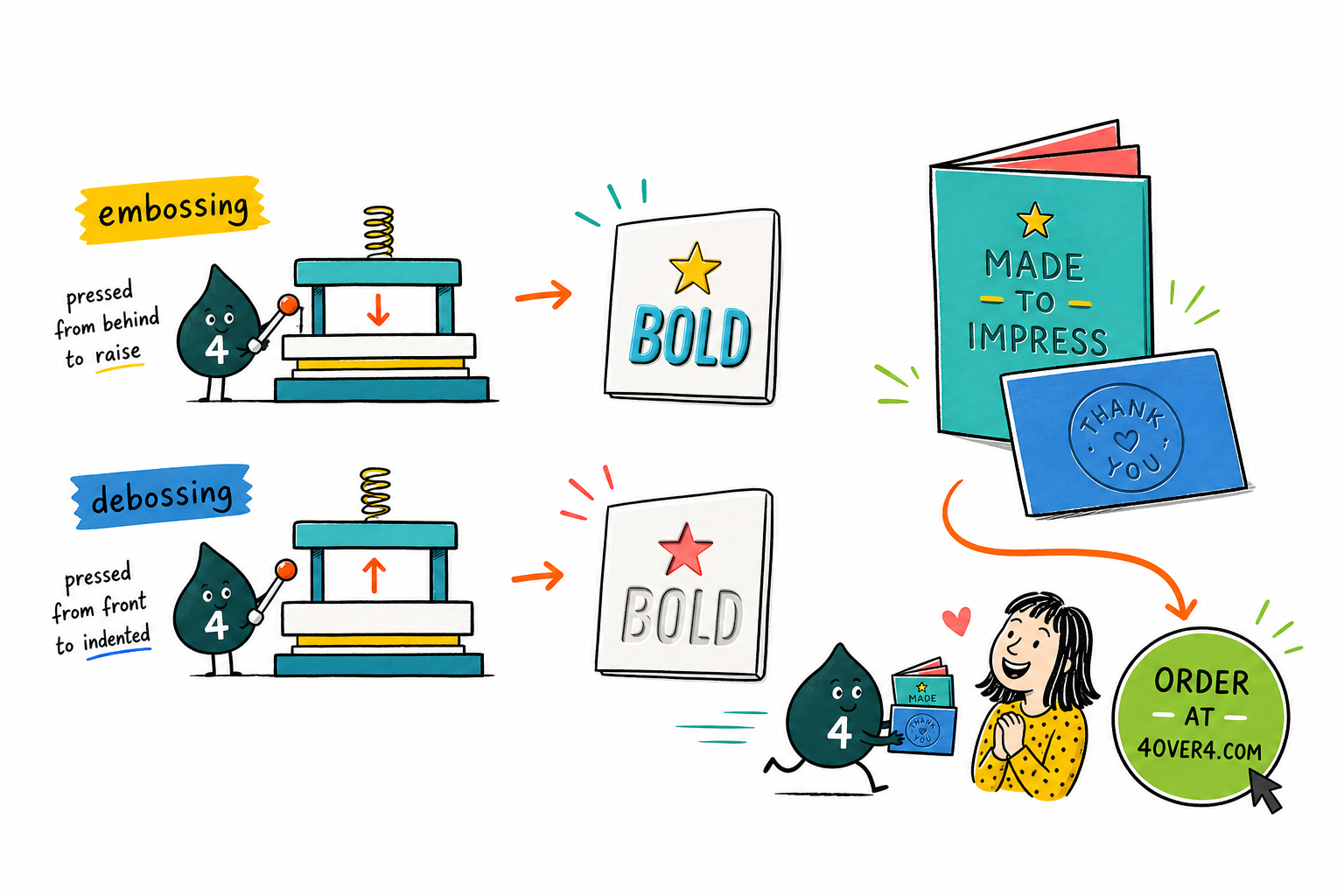
Wally leans on the press and shows you the trick. Push the stock up and you get an embossed card, a raised mark that catches the light and shouts confidence. Push it down and you get a debossed card, a sunken groove that catches shadow and whispers taste. It is not which is better, it is which one matches your brand. Pick the personality, then let 4OVER4 print it sharp on the size, stock, and finish you choose.
Start with embossed →The verdict
So which should you print?
There is no single winner, because they are not really competing. Score each one on the turf it was built for and the choice makes itself: embossing owns bold and prestige, debossing owns quiet and refined. Below is how each rates for its own job.
Embossed, for bold prestige
The right call when you want the logo to rise off the card, catch the light, and read confident from across a room. Best on lighter, heavier stocks, and unbeatable paired with foil.
Configure embossedDebossed, for quiet luxury
The right call when restraint is the message and the detail should be felt more than seen. Best on dark or colored stock, and stunning left blind for pure understated texture.
Configure debossedStill torn, or want texture without picking a side? Print a crisp classic business card and add one well-placed impression later, or combine an emboss with foil for a card that both lifts and shines.
Explore more
Where to go next


By the numbers
Print either texture with a shop you can count on
Common Questions
Common questions about embossed and debossed cards
What is the difference between embossed and debossed business cards?
Embossing raises the design up above the card surface, so the logo or name lifts off the front and you can feel a ridge with a fingertip. Debossing does the reverse, pressing the design down into the stock to leave a recessed groove that sits below the surface. Both use a custom metal die and pressure rather than ink, but embossing catches light and reads bold, while debossing catches shadow and reads quiet and refined.
Are embossed or debossed business cards more expensive?
They land in the same premium neighborhood. At 4OVER4.COM both embossed and debossed business cards start around $251.36, because each needs a custom die and a dedicated press pass. Neither technique is a simple ink change, which is why they cost more than a flat-printed card. Quantity, size, and stock then move the live number, and the configurator updates as you set them.
Which stock works best for embossing and debossing?
Both techniques need heft to hold their shape, so a thick business card weight or heavier is the safe floor. Embossing shows most clearly on lighter, uncoated or lightly coated stocks where the raised edge throws a clean shadow. Debossing looks richest on dark, colored, or textured stocks, where the shadow inside the sunken impression gives the design its depth. Order free paper samples if you want to feel the difference before committing a full run.
Can you emboss and deboss the same card?
Yes. A combination card can raise one element and sink another, and embossing pairs famously with foil for a mark that is both lifted and shining. On the other end, a blind deboss carries no color at all and lets the impression do the talking. The main limit is space and contrast, so keep the shapes simple and give each texture room to read.
Does embossing show on the back of the card?
It does. Because embossing lifts the front of the stock, the raised shape leaves a soft impression on the reverse side. Plan the back of the card around that area or keep it clear so the design still reads. Debossing mostly stays on the front, since it presses down rather than up, which is one reason it suits cards with heavy printing on both sides.
What is a blind emboss or blind deboss?
Blind means the texture carries no ink or foil at all. A blind emboss lifts the shape off the card in the same color as the stock, and a blind deboss sinks it in the same way. The effect is pure texture, felt more than seen, which is why blind impressions read as understated and expensive. They are a favorite for minimalist identities and for adding a tactile detail without adding color.
Which should I choose for a luxury brand?
It depends on the personality you want the card to carry. Embossing is the confident, prestige choice, since the raised mark announces itself and catches every light source in the room. Debossing is the quiet, minimalist choice, a detail someone discovers by running a thumb across it. If your identity is bold, emboss it. If it is restrained, deboss it. Order free samples of both and let your hand decide.
Get Started
Ready to print a card people remember by touch?
Bring your design to 4OVER4.COM and print embossed, debossed, or classic business cards on the size, stock, and finish that fits your brand. Adjust every option and watch your price update live.
Legal Disclaimer
Gold Standard guarantees apply to all standard orders placed through 4over4.com. Price match requires verifiable proof of a competitor's published price for an equivalent product with matching specifications and turnaround time. Satisfaction guarantee covers manufacturing defects and print quality issues. Contact support with order number and documentation. On-time delivery rate based on tracked orders 1999 to 2026. Individual results may vary based on shipping carrier performance.
