
Plastic vs Standard Business Cards and Which Material Wins


Emma is our prepress and print production voice, built from the knowledge of our production team, with over 20 years in printing.
Same rectangle, two very different objects. One is premium paper you hand out by the box for a few cents each. The other is a rigid, waterproof plastic panel built to be kept. Clear and frosted stock is where plastic does something paper cannot.
Print standard paper cards to hand out in volume, print plastic cards to be unforgettable. Standard business cards are premium paper, take a pen, and start around $17.57, which makes them the everyday choice for networking and reprints. Plastic cards are waterproof and durable, come in clear, frosted, or white, and start around $180.02, which makes them the choice for VIP handouts and cards people keep. Match the material to the moment and both print beautifully at 4OVER4.COM.
Head to head
Plastic vs standard business cards at a glance
The fastest way to choose is to read down the column that matches your goal. If you need reach, low cost, and the ability to write on the card, your answer is on the right. If you need durability and a card people keep, it is on the left. Plastic runs 250 for $180.02, kraft 100 for $24.75.
| Plastic cardsdurability | Standard cardsvalue | |
|---|---|---|
| Best for | High-impact first impressions, VIP handouts, and cards that must survive | Everyday networking, volume handouts, and fast, cheap reprints |
| Material | Durable plastic, 20mil and up, clear, frosted, or white | Premium card stock, 14pt and 16pt through heavy triple-layer |
| Feel and look | Rigid, glossy, often translucent or frosted | Classic paper tooth with matte, gloss, or soft-touch |
| Durability | Waterproof, tear-resistant, bends back to shape | Sturdy but creases, softens, and shows wear over time |
| Write on it? | Not easily, ink beads on the surface | Yes, takes pen for notes and appointments |
| Typical thickness | 20mil, plus 30mil clear, frosted, and white | 14pt, 16pt, and thicker premium stocks |
| Starts at | $180.02 | $17.57 |
| Smallest run | 250 cards, 1,000 for $264.60 | 100 cards, 500 for $36.26 |
| Sizes | 2 x 3.5 in, credit card 2.125 x 3.375 in, oval, 2.5 x 2.5 in square | 2 x 3.5 in, 2 x 2 in, 1.5 x 3.5 in, credit card size, or custom |
| Corners | Rounded, 1/8 in or 1/4 in radius | Square, or rounded at 1/8 in or 3/8 in |
| Standard turnaround | 7 business days | 3 business days |
| Premium finishes | Clear, frosted, white, rounded corners, spot color | Spot UV, foil, soft-touch, painted edge, embossed gloss |
| Order online | Customize plastic | Customize standard |
Plastic starts higher because of the rigid, waterproof substrate and specialty clear or frosted stock. Standard paper stays lowest per piece and drops further at volume. Both prices are live in the configurator.
Our picks
Three ways to print this at 4OVER4
Rigid plastic on 20 Point White Rigid Vinyl, Frosted or Clear runs 250 for $125.22. Standard cards start at 100 for $17.57 on more than a dozen paper stocks. Plastic cards on the same three vinyl sheets start at 250 for $180.02 and also print as bookmarks and 4 x 6 in postcards.
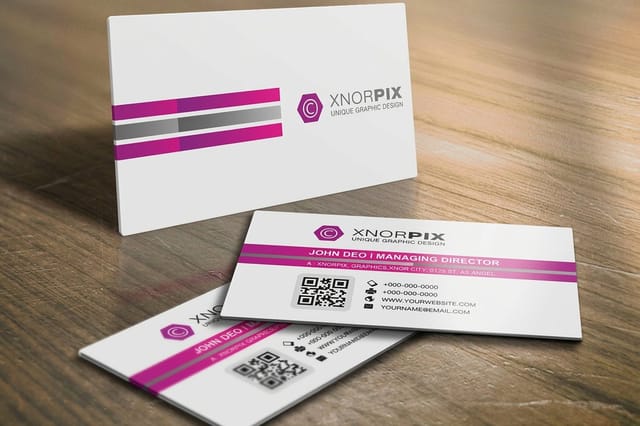
Same size, two completely different objects
Hold a plastic business card next to a standard business card and the difference is in your fingers before it reaches your eyes. The plastic card is a rigid, sealed panel that feels closer to a credit card than a note. The paper card has a tooth and a warmth to it, a surface that takes ink and lamination the way stationery has for a century. Same footprint, entirely different construction.
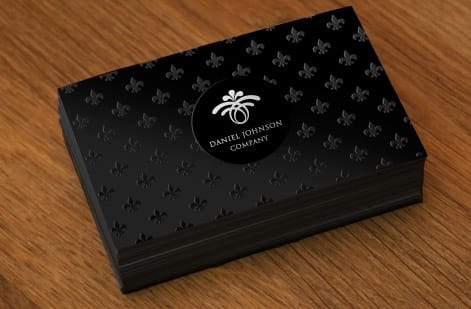
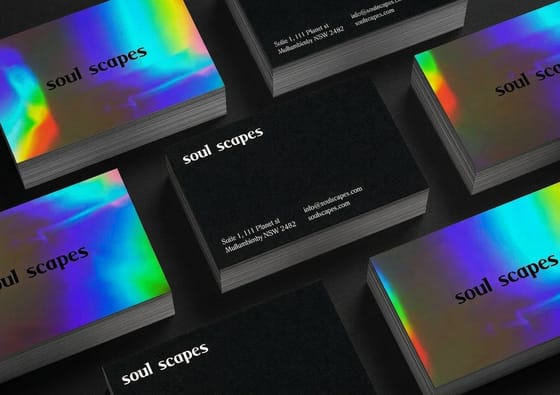
That construction is the whole decision. Plastic comes in solid white, clear, and frosted stock, so a design can let the background show through in a way paper simply cannot. Standard cards live on premium 14pt and 16pt stock, and step up into soft-touch, foil, painted edges, and embossed gloss when you want the paper itself to feel expensive. If shine is the goal, watch the metallic foil business cards video and read custom holographic cards explained, which weighs foil stamping against full rainbow stock. If any of those terms are new, keep our printing terms glossary open in another tab while you decide.
Neither is a downgrade of the other. They are two answers to two different questions, and the rest of this comparison is about matching the material to the question you are actually asking.
Durability: which one survives a year in a wallet
This is the category where plastic wins outright. A plastic card is waterproof, resists tearing, and flexes back to shape instead of holding a crease. Spill coffee on it, leave it in a back pocket through a wash cycle, or let it ride in a wallet for a year, and it still looks like the day it printed. That resilience is exactly why plastic doubles so well as a membership, loyalty, or VIP card that people are meant to keep.
Standard paper cards are sturdier than most people expect, especially at 16pt or in a heavy triple-layer stock, and a soft-touch or laminated finish adds real protection. But paper is still paper. Over months of handling it softens at the corners, picks up creases, and shows the honest wear of being carried. For a card that gets handed out and replaced often, that is completely fine, and if longevity is not your priority the rigid plastic upgrade is there only when you need it.
So the durability question is really a lifespan question. If the card needs to last one meeting, paper is more than enough. If it needs to live in someone's wallet as a lasting reminder, plastic earns its place.
Cost and quantity: what each does to your budget
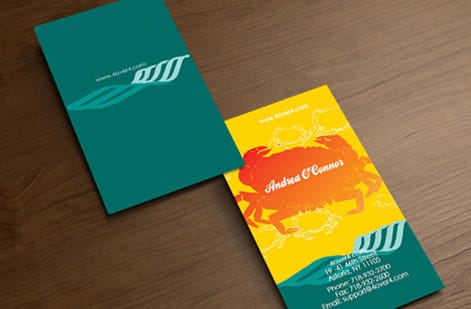
On raw price the standard card wins and it is not close. A run starts around $17.57, and because it is premium paper with no specialty substrate, the per-piece cost keeps dropping as the quantity climbs. That efficiency is the reason standard cards are the default whenever the goal is reach: hundreds of handouts at an expo, a fresh box for every new hire, a reprint the moment your number changes.
Plastic cards start around $180.02, and the gap is materials rather than markup. You are paying for a rigid, waterproof panel and options like clear or frosted stock that no paper card can match. That makes plastic a targeted spend: print a smaller batch for the people and moments where being remembered is worth more than being economical. Our guide on how much business cards cost breaks down every lever behind both numbers.
Both prices are live, not estimates. Set your quantity, thickness, and finish in the configurators below and watch the number move, and if you want to see either material in hand before you commit, order free paper samples first.
Look and feel: translucent shine vs classic paper tooth
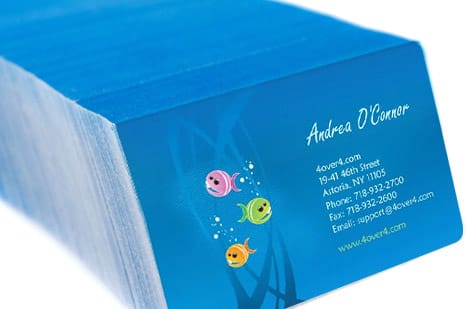
The two materials reward different design instincts. Plastic is at its best when the material is the idea. A clear card that lets a logo float over whatever is behind it, or a frosted card with an etched-glass softness, does the kind of work that makes someone stop and turn it over. It reads modern, unexpected, and a little bit like a credit card, which is exactly the reaction you want at a premium touchpoint.
Standard paper earns its premium a quieter way, through touch. A thick 16pt stock with soft-touch lamination, foil accents, or painted edges feels rich the instant it lands in a hand, and the finish debate there is real: our take on matte vs glossy business cards covers how each surface changes the read. If you are staying on paper, the 14pt vs 16pt thickness call shapes the feel more than most people expect.
Not sure where to begin on either material? Our online designer and ready-made design templates let you lay out a plastic or paper card in the browser, with bleed and safe margins already set so the file prints clean the first time.
The pen test, the eco question, and who each card is for
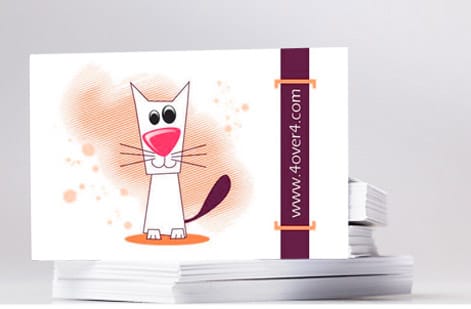
Two practical questions settle most decisions fast. First, the pen test: does anyone need to write on the card? Appointment times, a table number, a personal note on the back. If yes, print standard paper, because ink beads and smears on a sealed plastic surface. Second, the recycling question: if your brand leans on sustainability, paper is the easier story, and our piece on whether business cards are recyclable lays out the details.
From there it comes down to audience. Standard cards are the tool for volume and everyday networking, the box you never want to run out of. Plastic cards are the tool for the handful of interactions where you want to be unforgettable: a key client, a launch event, a card that also works as a membership or loyalty pass. Many brands print both and hand out the right one for the moment.
If you are weighing formats more broadly, not just materials, our business cards vs postcards comparison covers when a card in the hand beats a card in the mail, and the full business card printing range shows every material side by side.
Handed out by the box, or kept in a wallet
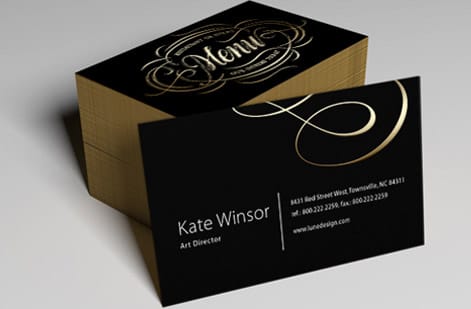
Print standard paper cards when you hand out cards in volume, price and fast reprints matter, someone may need to write on them, or a warm, tactile, premium-paper feel fits your brand. A box of 500 standard cards costs $36.26 and ships on a 3 business day standard turnaround, on stocks from 14pt Gloss Cover to 24pt Ultra Thick, 16pt Uncoated with Soft Touch and 18pt Kraft. This is the right call for most businesses most of the time. Start in business card printing and pick your thickness and finish.
Print plastic cards when the card has to survive, get noticed, or double as a membership or loyalty card, and the audience is small enough that a higher unit cost is worth the impact. Clear and frosted stock is where plastic truly separates itself from paper. Configure one at plastic business cards.
Reach for a rigid plastic card when you want maximum durability and heft, a card that feels solid and holds up to constant handling. It is the heavyweight of the plastic family and a natural pick for premium memberships. See it at rigid plastic business cards, or tap through the rigid plastic business cards story before you order.
Wally weighs the two materials
It is not which is better, it is which one fits the moment
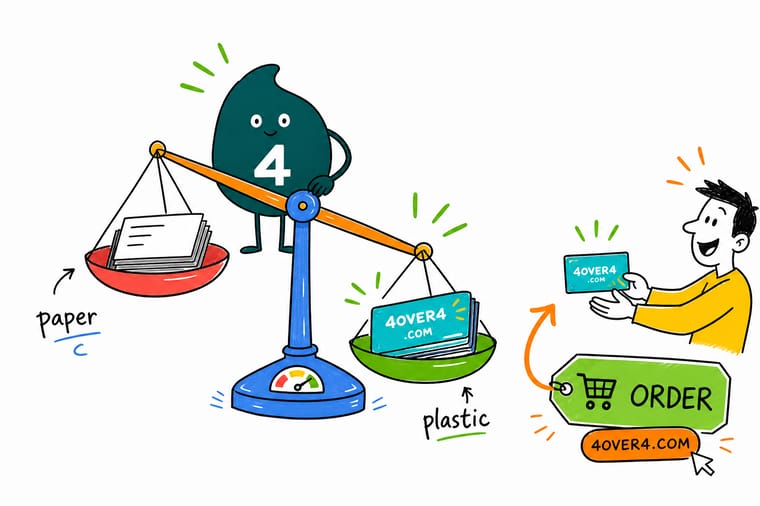
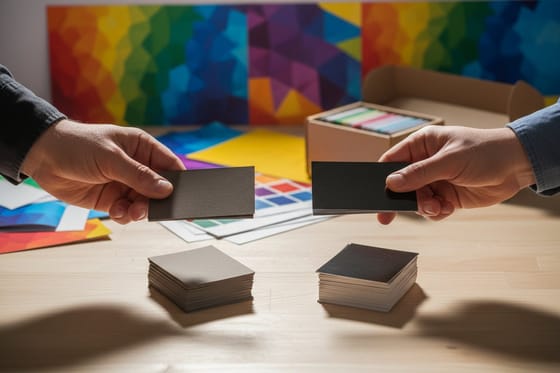
Wally holds a see-through plastic card in one hand and a soft-touch paper card in the other and grins, because both are right, just for different jobs. Need to hand out cards all day and let people write on them? Standard paper is cheap, fast, and warm in the hand. Need one card someone keeps for years, waterproof and unforgettable? Plastic does what paper cannot. Pick the moment first, then let 4OVER4 print it sharp on the material, thickness, and finish you choose.
Start with standard cards →
The trade-offs
What each material gives you, and what it asks in return
Plastic asks $180.02 for 250 cards against $17.57 for 100 on paper, and a 7 business day standard turnaround against 3. In return you get a 20 point vinyl card that survives water and a wallet. Weigh each upside below against its trade-off for the card you hand out.
Plastic cards
Where plastic wins
- Waterproof and tear-resistant, survives a wallet for years
- Clear and frosted stock does what paper physically cannot
- Doubles as a membership, loyalty, or VIP card
- Rigid, premium heft that reads modern and memorable
- Bends back to shape instead of holding a crease
Where it falls short
- Higher cost per piece, a deliberate premium spend
- Ink beads on the surface, so you cannot write on it
- Overkill for everyday, high-volume handouts
- Not the easiest material for a sustainability story
Standard cards
Where standard paper wins
- Lowest cost per piece, and it drops further at volume
- Takes a pen for notes, times, and personal touches
- Warm, tactile feel with soft-touch, foil, and painted edges
- Fast and cheap to reprint when details change
- The easier eco and recyclability story
Where it falls short
- Softens, creases, and shows wear over months of use
- Not waterproof or built for long-term keeping
- Cannot match the see-through effect of clear plastic
- Feels less unexpected than a novel plastic card
Live options
Compare real business card options
Two live tables from the business card catalog. The first starts from plastic cards on white, frosted or clear 20 point vinyl, the second from standard cards on 14pt Gloss Cover and up, with the price and turnaround of each sibling beside them.
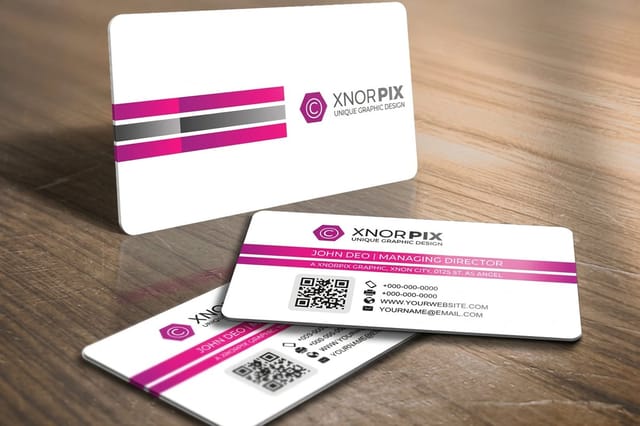 Plastic Business Cards | 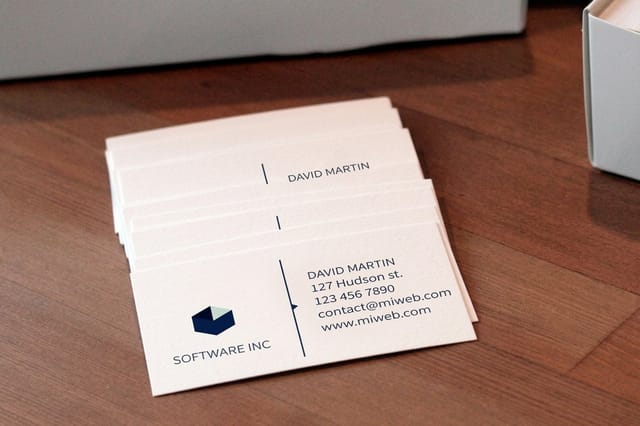 Standard Business Cards | 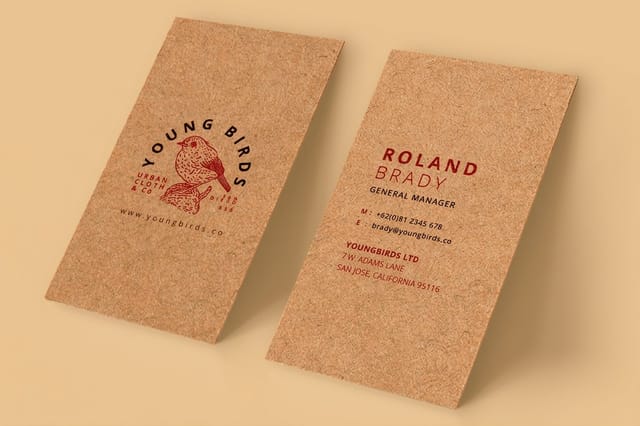 Kraft Business Cards | 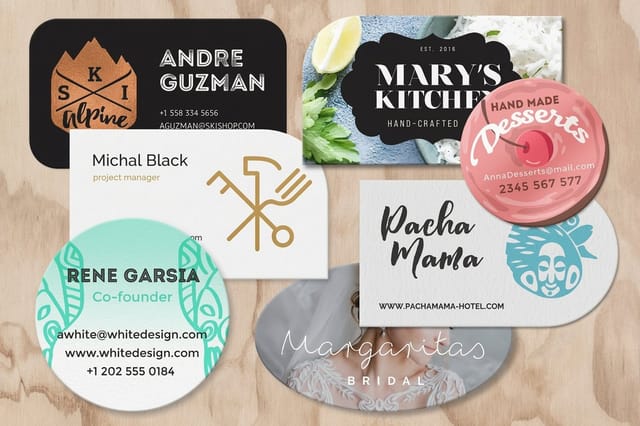 Die-Cut Business Cards | 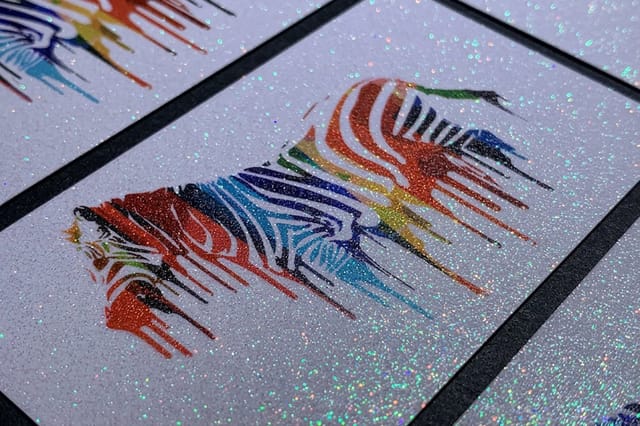 Diamond Glitter Business Cards | |
|---|---|---|---|---|---|
| Min price | $180.02 | $17.57 | $24.75 | $26.37 | $31.84 |
| Paper / stock | 20 Point White Rigid Vinyl | 14pt Gloss Cover | 18pt Kraft Uncoated Cover (100% PCW) | 14pt Gloss Cover | 17pt Diamond Glitter (Front Only) |
| Finish | - | Standard Finish | - | Standard Finish | - |
| Size | 2" x 3.5" | 2" x 3.5" | 2" x 3.5" | 2" x 3.5" Rounded Corners | 2" x 3.5" |
| Default qty | 250 | 100 | 100 | 100 | 50 |
| Turnaround | 7 business days | 3 business days | 5 business days | 3 business days | 5 business days |
| Rating | |||||
| View & customize | View & customize | View & customize | View & customize | View & customize |
| Standard Business Cards | Kraft Business Cards | Die-Cut Business Cards | Diamond Glitter Business Cards | 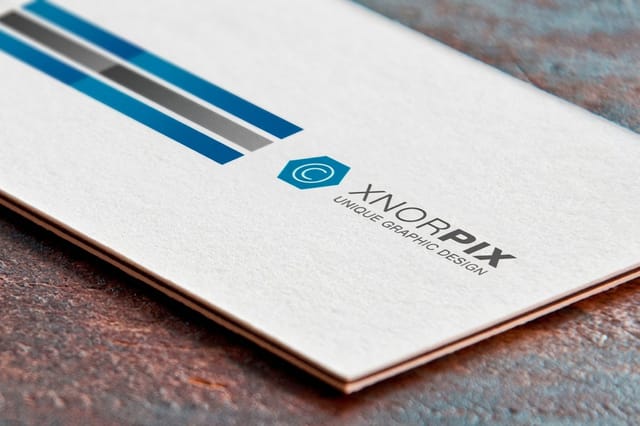 Premium Prestige Business Cards | |
|---|---|---|---|---|---|
| Min price | $17.57 | $24.75 | $26.37 | $31.84 | $36.62 |
| Paper / stock | 14pt Gloss Cover | 18pt Kraft Uncoated Cover (100% PCW) | 14pt Gloss Cover | 17pt Diamond Glitter (Front Only) | 32pt UltraWhite Uncoated Cover |
| Finish | Standard Finish | - | Standard Finish | - | Standard Finish |
| Size | 2" x 3.5" | 2" x 3.5" | 2" x 3.5" Rounded Corners | 2" x 3.5" | 2" x 3.5" |
| Default qty | 100 | 100 | 100 | 50 | 50 |
| Turnaround | 3 business days | 5 business days | 3 business days | 5 business days | 5 business days |
| Rating | |||||
| View & customize | View & customize | View & customize | View & customize | View & customize |
Specs and pricing
Live specs and pricing, side by side
Plastic cards come in four business card shapes with 1/8 in or 1/4 in rounded corners and 4/0 or 4/4 color. Standard cards add custom sizes, a High Gloss UV coating and variable data for names or codes. The live specs and price ladders for both sit below.

| Quantity | Price Per Unit | Total |
|---|---|---|
| 250 | 72.0¢ | $180.02 |
| 500 | 38.4¢ | $192.11 |
| 1,000 | 26.5¢ | $264.60 |
| 2,500 | 21.7¢ | $542.49 |
| 5,000 | 19.3¢ | $965.36 |
| Quantity | Price Per Unit | Total |
|---|---|---|
| 100 | 17.6¢ | $17.57 |
| 200 | 11.5¢ | $23.07 |
| 300 | 9.15¢ | $27.46 |
| 400 | 7.96¢ | $31.86 |
| 500 | 7.25¢ | $36.26 |
| 600 | 6.77¢ | $40.64 |
| 700 | 6.43¢ | $45.04 |
| 800 | 6.18¢ | $49.43 |
See it in use
Rigid vinyl next to coated cover
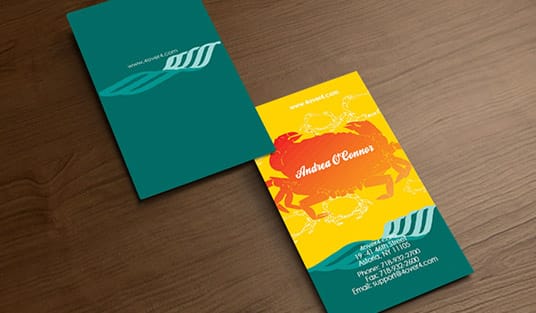
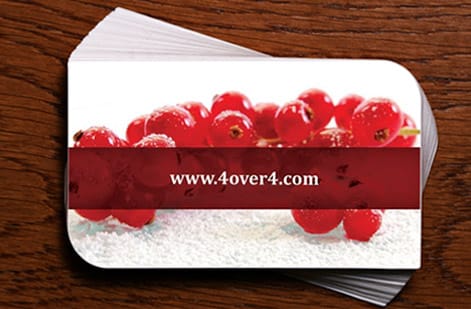
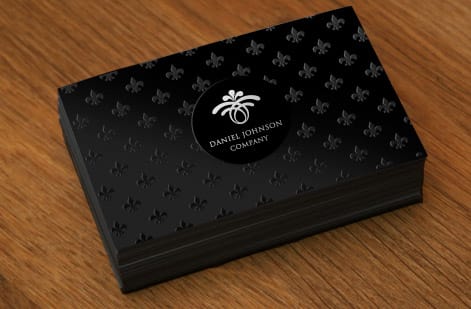
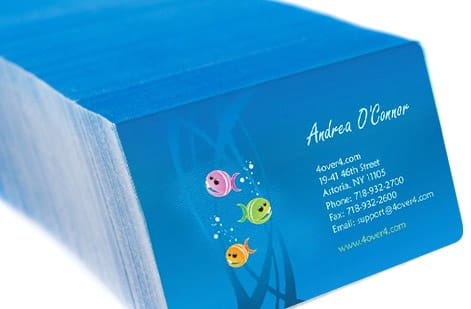
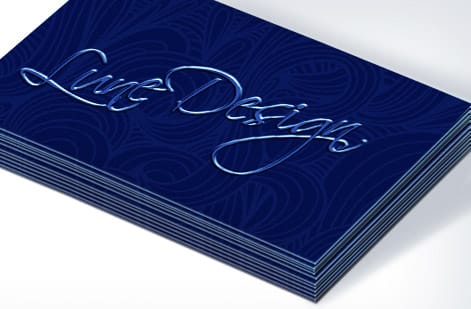
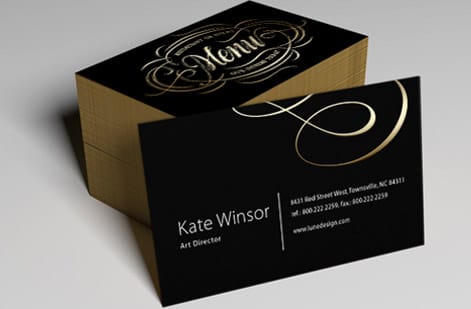
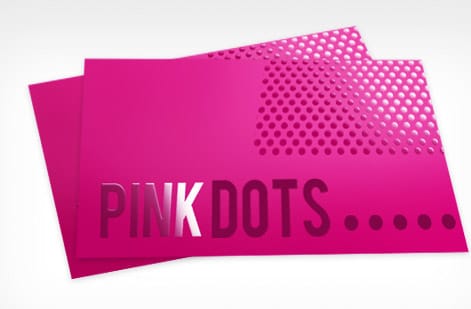
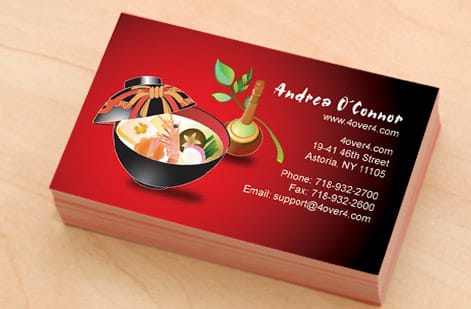
Clear and frosted vinyl let the surface behind a logo show through; coated and uncoated cover carry soft touch, foil and painted edges. The gallery below shows finished business cards across those styles and finishes.
The verdict
So which should you print?
Standard cards start at $17.57 for 100 and plastic at $180.02 for 250, and a kraft paper run of 100 is $24.75, which works out to about 72 cents a plastic card against 18 cents a paper one. Pay that gap when the card has to outlive a wallet and a spill. Keep it when you need reach, fast reprints and a surface that takes a pen: standard paper owns value, speed and everyday reach, plastic owns durability.
Standard cards, for value and reach
The right call for most businesses most of the time. Cheapest per piece, fast to reprint, takes a pen, and premium in the hand with soft-touch, foil, or painted edges.
Plastic cards, for durability and impact
The right call when the card has to survive, get noticed, or double as a membership card. Waterproof, tear-resistant, and unforgettable in clear or frosted stock.
Want the maximum-durability version, a plastic card with real heft that holds up to daily handling? Print a rigid plastic business card, the heavyweight of the family and a natural pick for premium memberships.

Explore more
Where to go next



By the numbers
Print either material with a shop you can count on
Common Questions
Common questions about plastic and standard business cards
What is the difference between plastic and standard business cards?
A standard business card is printed on premium paper stock, usually 14pt or 16pt, and can carry matte, gloss, soft-touch, foil, or painted-edge finishes. A plastic business card is printed on a rigid plastic panel that is waterproof and tear-resistant, and it can be made clear, frosted, or solid white. Standard cards are the affordable, everyday choice you hand out by the box. Plastic cards are the durable, high-impact choice you reserve for moments you want people to remember and keep.
Are plastic business cards worth the extra cost?
They are worth it when the goal is to be remembered rather than to be economical. At 4OVER4.COM standard cards start around $17.57 while plastic cards start around $180.02, so plastic is a deliberate upgrade. If you meet a handful of high-value prospects and want a card that survives a wallet and sparks a comment, that premium pays for itself. If you are handing out hundreds of cards at events, standard paper stretches your budget much further.
Can you write on plastic business cards?
Not reliably. The smooth, sealed surface of a plastic card causes most standard ink to bead up or smear instead of drying, so plastic is a poor choice if you or your customers need to write appointment times, table numbers, or quick notes. If handwriting on the card matters, print standard paper cards, which accept pen cleanly. You can always run a small batch of plastic cards for impact and keep paper cards for anything that needs to be written on.
How much do plastic and standard business cards cost?
At 4OVER4.COM standard business cards start around $17.57 and plastic business cards start around $180.02, with both prices updating live in the configurator as you set quantity, thickness, and finish. The gap is materials, not markup: plastic cards use a rigid, waterproof panel and specialty options like clear or frosted stock. For a full breakdown of what drives the number on either material, our guide on how much business cards cost walks through every variable.
Are plastic business cards more durable than paper?
By a wide margin. Plastic cards are waterproof, resist tearing, and flex back to shape instead of creasing, so they look the same on day three hundred as on day one. Standard paper cards are sturdy and premium, but over months in a wallet they soften at the corners, pick up creases, and show wear. If your card needs to double as a loyalty card, membership card, or anything people keep long-term, plastic is built for that life.
Which material looks more premium?
They read as premium in different ways. A clear or frosted plastic card feels modern and unexpected because it does something paper cannot, so it wins on surprise. A thick 16pt paper card with soft-touch lamination, foil, or painted edges feels rich and tactile in a way people instantly associate with quality. Neither is objectively fancier. Match the material to your brand: sleek and futuristic leans plastic, warm and crafted leans premium paper.
Can I get clear or frosted plastic business cards?
Yes. Along with solid white plastic, 4OVER4.COM prints clear and frosted plastic cards that let light and background show through for a genuinely striking effect. Clear stock suits minimal, logo-forward designs, while frosted softens the transparency for a premium, etched-glass look. Our guide on making clear business cards covers how to set up artwork so the transparent areas print exactly the way you picture them.
Get Started
Order 250 plastic business cards from $180.02
Bring your design to 4OVER4.COM and print standard, plastic, or rigid plastic business cards on the thickness, stock, and finish that fits the moment. Plastic prints on 20 Point White Rigid Vinyl, Frosted or Clear.
Legal Disclaimer
Gold Standard guarantees apply to all standard orders placed through 4over4.com. Price match requires verifiable proof of a competitor's published price for an equivalent product with matching specifications and turnaround time. Satisfaction guarantee covers manufacturing defects and print quality issues. Contact support with order number and documentation.
