
Booklet vs Brochure and How to Choose the Right Format for Your Message


One is a bound mini-book, the other a folded sheet. Here is how a booklet and a brochure differ on content, feel, and cost, with a real spec table to help you choose.
A booklet is a bound multi-page piece for depth and durability; a brochure is one folded sheet for a fast, focused, low-cost message. Choose a booklet for catalogs, reports, and portfolios that will be kept, and a brochure for menus, sell sheets, and handouts printed in volume. Count your content to decide.
Start here
Booklet vs brochure in one paragraph
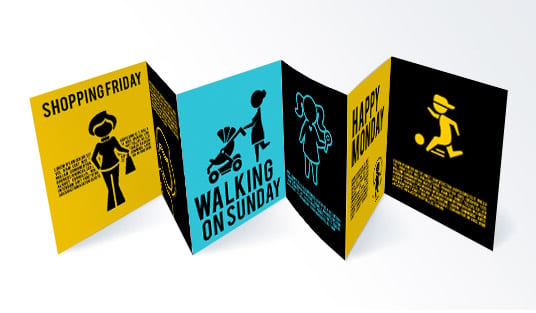
A booklet is bound pages; a brochure is one folded sheet. Pick a booklet when you need depth, many pages, and a premium, durable feel, for catalogs, reports, and portfolios. Pick a brochure when the message is focused and you want speed, low cost, and easy volume distribution. The diagram below shows the structural difference at a glance.
What is a booklet
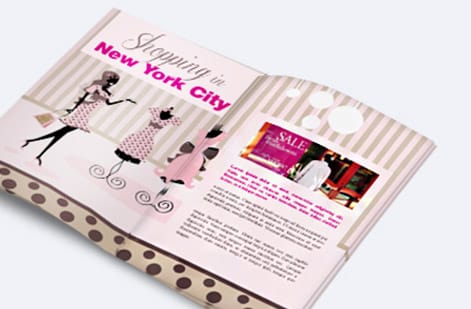
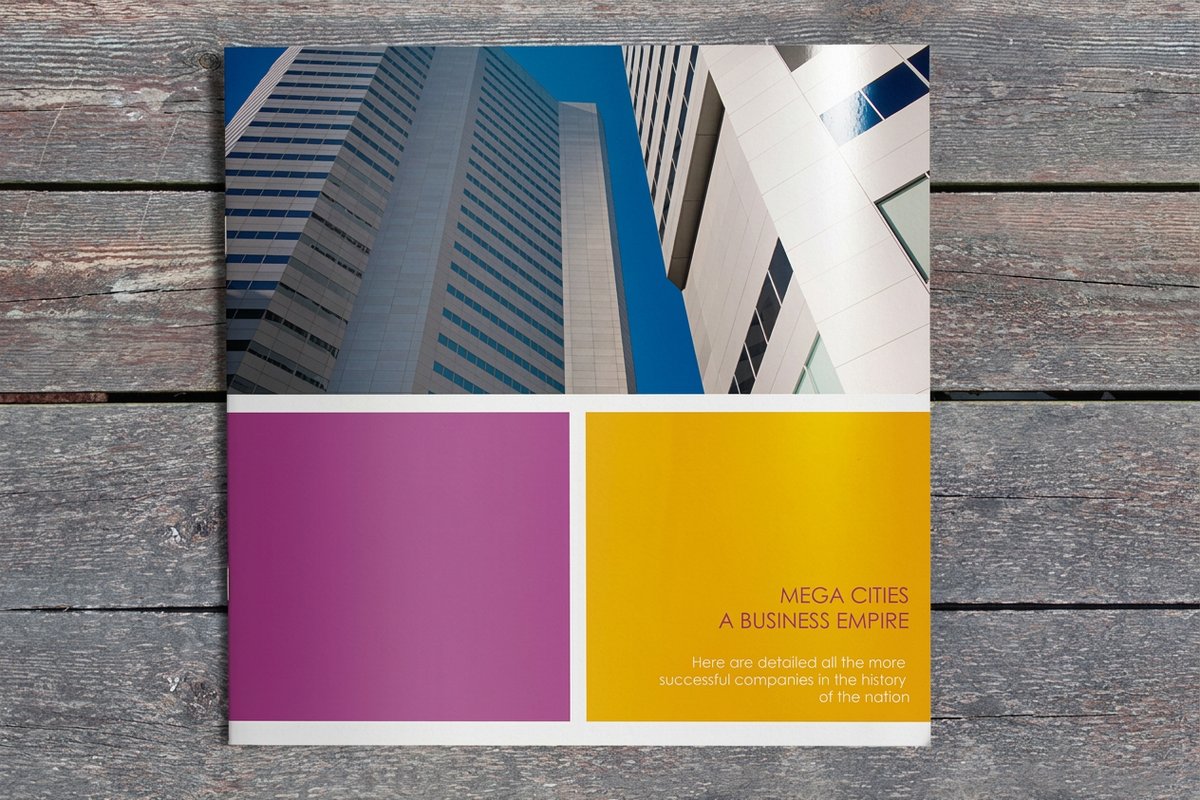
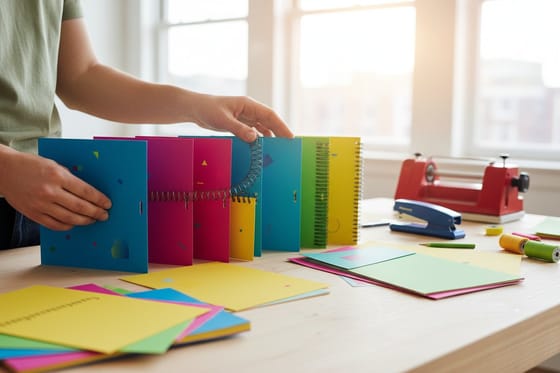
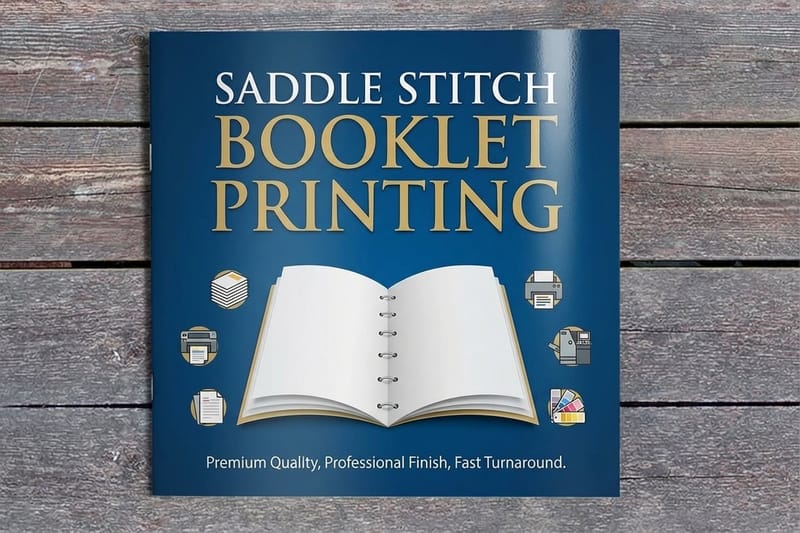
A booklet is a bound, multi-page piece, essentially a small book. Several printed sheets are held together at the spine, either folded and stapled through the center with saddle stitches or glued into a flat spine with perfect binding. Because it has real pages in reading order, a booklet is built to carry a lot of content: a product catalog, an annual report, a course guide, a portfolio, or a program.
The defining traits are pagination and durability. Pages let you organize information into sections and chapters, and the binding gives the piece a substantial, premium feel that holds up to being kept and re-read. That is why booklets are the format of choice when a message needs depth and the piece needs to last on a shelf. Order booklets when your content simply will not fit on a few folded panels.
The tradeoff is that booklets cost more per piece and take a little longer to produce, since they are printed, folded, collated, and bound. When the content justifies it, that cost buys an impression a folded sheet cannot match. Our guide to binding types covers the options in detail.
What is a brochure and a pamphlet
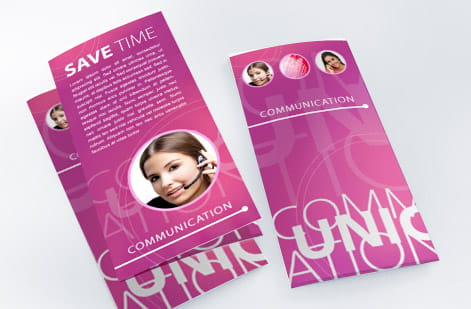
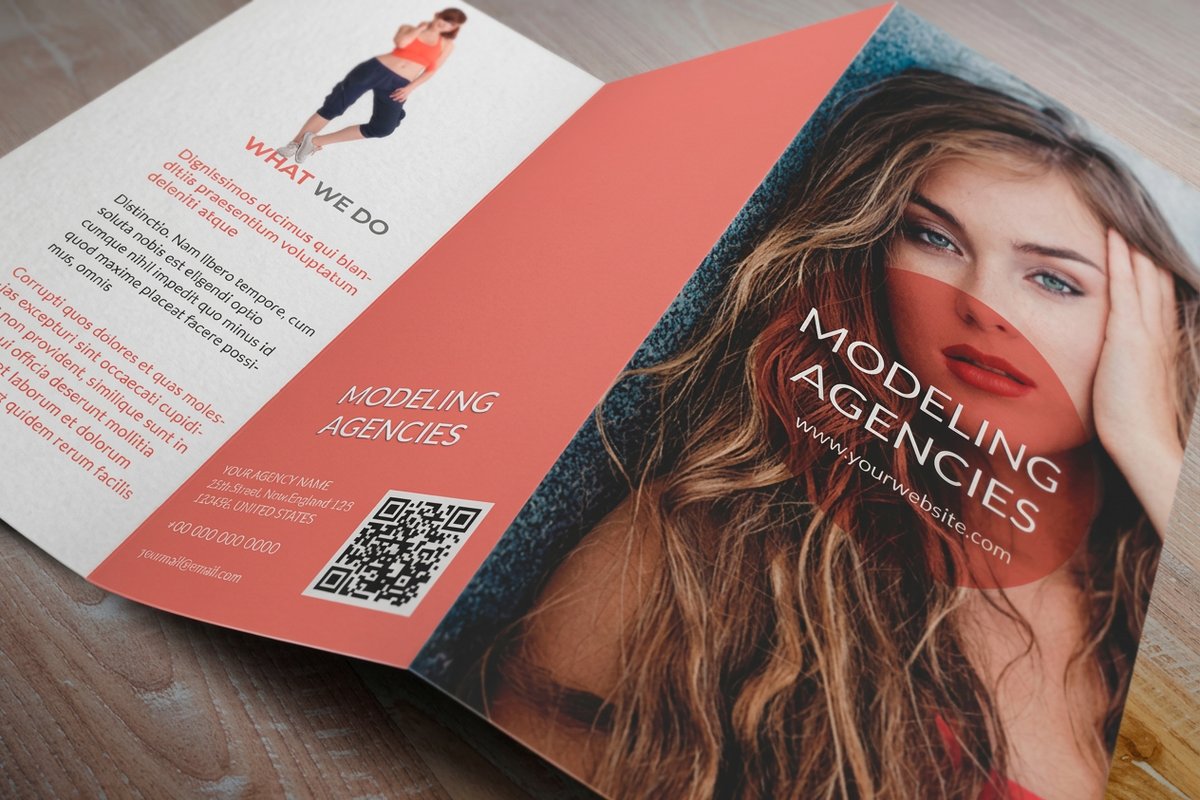
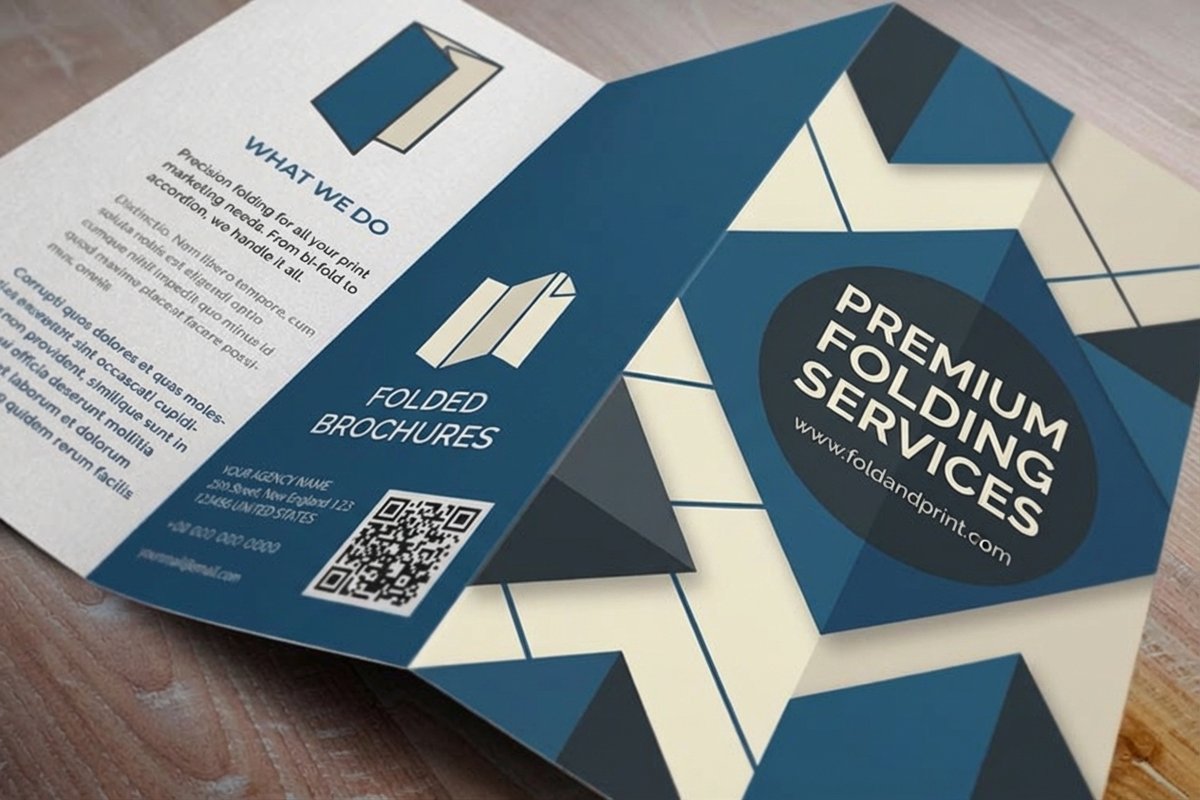
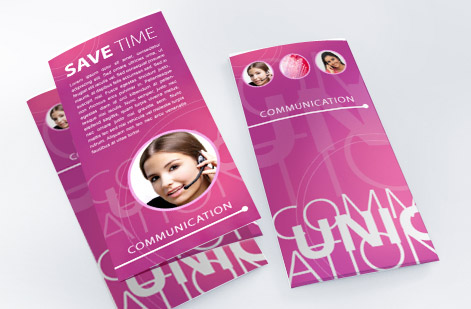
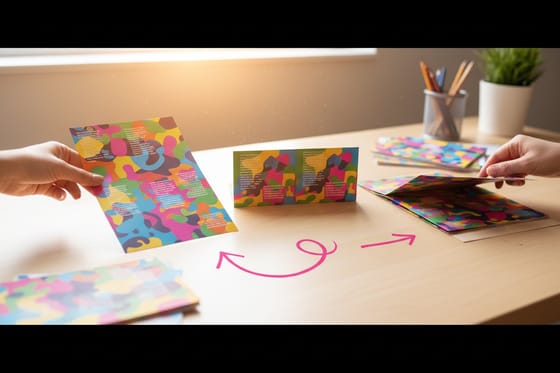
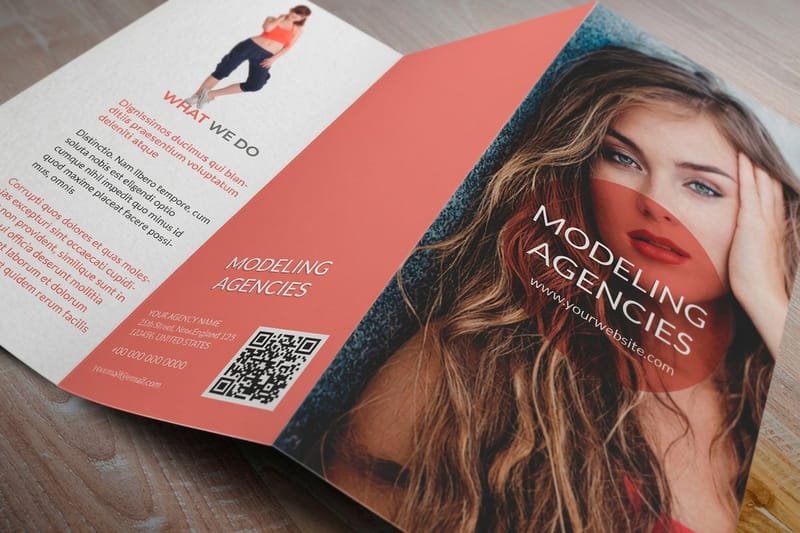
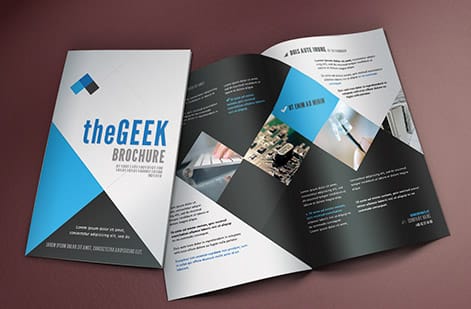
A brochure is a single sheet of paper folded into panels. A tri-fold, the most common, folds one sheet into three panels per side. Because it is one unbroken sheet rather than bound pages, a brochure is fast and inexpensive to produce and easy to hand out in volume, which makes it ideal for a focused message: a service overview, a menu, an event program, or a quick sell sheet.
The word pamphlet is often used interchangeably with brochure. In practice a pamphlet tends to describe a simpler, more informational folded sheet, while brochure implies a more designed, marketing-oriented piece, but they share the same single-sheet, folded structure. Both differ from a booklet in the same way: no binding, no true pages, just folds.
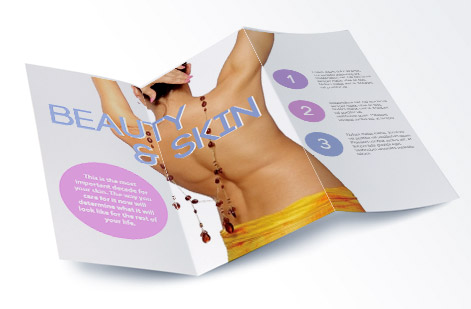
Brochures shine when speed, low cost, and easy distribution matter more than depth. Choose the fold to fit the content and the reveal you want, which our guide on how to fold a brochure walks through. Order brochures when a few well-designed panels can carry your message.
The key differences, side by side
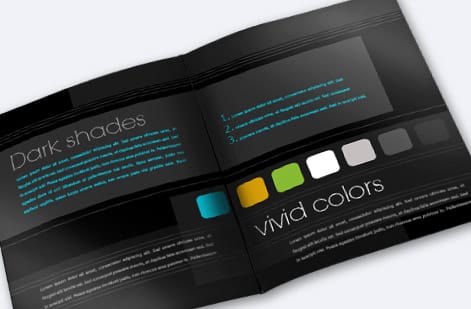
The two formats diverge on a handful of practical points, and the diagram above shows the structural contrast at a glance. Structure is the root difference: a booklet is bound, a brochure is folded. From that, everything else follows.
Content capacity is the biggest practical gap. A booklet holds many pages of information in order, while a brochure fits a focused message across a few panels. Page or panel count reflects it: booklets bind in multiples of four, from 8 up to 48 pages and beyond, while a brochure delivers 2, 3, or 4 panels from a single fold set. Feel and durability separate them too, a bound booklet reads premium and survives being kept, a brochure reads fast and light and is happy to be disposable.
The comparison table further down puts these attributes in one view for our actual brochure and booklet products, with live pricing so you can weigh the real numbers, not just the concepts. For the three-way view that adds flyers, see flyers vs brochures vs booklets.
When to choose a booklet, and when a brochure

Choose a booklet when the content needs room and the piece needs to last. Product catalogs, annual reports, course guides, real estate portfolios, and image-heavy lookbooks all want pages and a premium feel. If a reader will keep it, refer back to it, or judge your brand by its heft, a booklet is the right call.
Choose a brochure when the message is focused and you need volume, speed, and low cost. A service one-sheet, a restaurant menu, an event program, a trade-show handout, or a mailer with a single offer all fit a few folded panels perfectly. If you are printing thousands to hand out and each piece is essentially disposable, a brochure is far more economical.
A quick test: count your content and decide how long it must live. More than a few panels of information, or a piece meant to be kept, points to a booklet. A short message printed in volume points to a brochure. When a flyer might also work, our guide comparing flyers, brochures, and booklets helps you decide.
How to order the right format
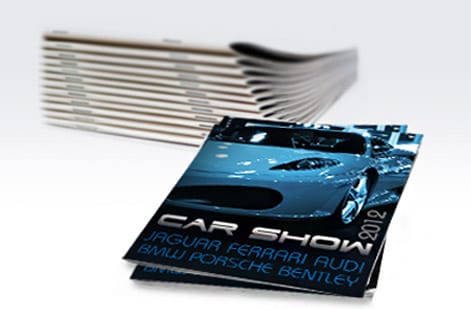
Once you have picked a format, ordering is straightforward. For a booklet, choose the size, the binding, saddle stitch for thinner pieces or perfect bound for thick ones, and a page count in multiples of four, then select cover and interior stocks. For a brochure, pick the sheet size and the fold, bi-fold, tri-fold, or z-fold, and a single stock.
Both files need a 0.125 inch bleed. A booklet adds a gutter allowance so content does not vanish into the binding, and a brochure needs its panels measured to the fold so art lands correctly when it opens. Our guides on booklet templates and brochure folds cover each setup.
When you order either product, your file passes through a free preflight check that confirms the bleed, page count, or fold setup before it prints. Use the live specs and pricing panels below to compare our real booklet and brochure options, then configure the one that fits your message.
Wally lets the content pick the format
Bound pages for depth, a folded sheet for speed
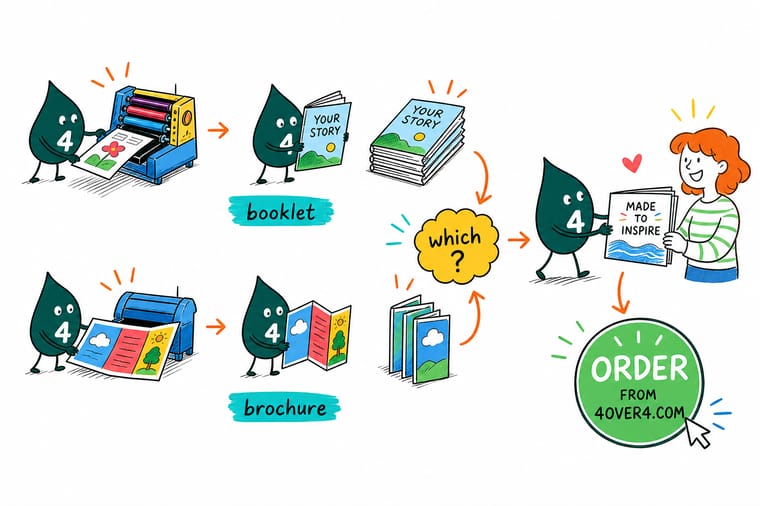
Wally does not guess. He counts the content and asks how long the piece must last. A lot to say, or a piece a client will keep, gets a bound booklet. A focused message printed in volume gets a folded brochure. Match the format to the job, prep the file with bleed, and 4OVER4 prints the one that carries your message best.
Compare booklets and brochures →Side by side
Booklet vs brochure, compared
The practical differences in one view, so you can match the format to your content and budget.
| Attribute | Booklet | Brochure |
|---|---|---|
| Structure | Booklet: bound pages | Brochure: one folded sheet, no binding. |
| Content capacity | Booklet: high, many pages | Brochure: focused, a few panels. |
| Page or panel count | Booklet: 8 to 48 in fours | Brochure: 2, 3, or 4 panels from one fold set. |
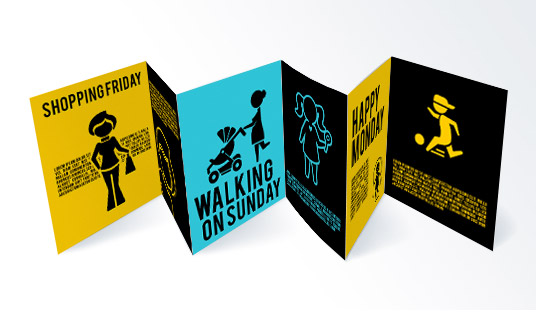
| Binding or fold | Booklet: saddle stitch or perfect bound | Brochure: bi-fold, tri-fold, or z-fold. |
| Feel | Booklet: premium, durable | Brochure: fast, light, easy to hand out. |
| Best for | Booklet: catalogs, guides, reports | Brochure: menus, flyers with folds, quick sell sheets. |
Step by step
Choose and order the right format in 7 steps
- Count your content first List everything the piece must say. A short, focused message fits a brochure, while anything that needs sections, chapters, or many images points to a booklet.
- Decide how long it must last A brochure handed out at an event can be disposable, while a booklet a client keeps on a shelf should feel durable and premium.
- Match the format to the feel Choose a booklet when depth and a premium impression matter, and a brochure when speed, low cost, and easy distribution win.
- Pick the binding or fold For a booklet, choose saddle stitch for thinner pieces or perfect bound for thick ones. For a brochure, choose bi-fold, tri-fold, or z-fold.
- Set the size and page count Booklets bind in multiples of four, so plan 8, 12, or 16 pages. Brochures start from a standard sheet size and a fold pattern.
- Prepare the file with bleed Both formats need 0.125 inch bleed. Booklets add gutter allowance near the binding, and brochures need panels measured to the fold.
- Order and let us check it Upload your file and our free preflight check confirms the bleed, page count, or fold setup before either piece goes to press.
Specs and pricing
Live specs and pricing for both
Compare the real numbers. Here are the live specs and price-per-unit for our brochures and our booklets, straight from the configurator.
| Quantity | Price Per Unit | Total |
|---|---|---|
| 50 | $1.14 | $57.11 |
| 100 | 82.4¢ | $82.38 |
| 200 | 53.3¢ | $106.55 |
| 300 | 41.0¢ | $123.02 |
| 400 | 34.9¢ | $139.49 |
| 500 | 31.2¢ | $155.97 |
| 600 | 26.7¢ | $160.36 |
| 700 | 23.5¢ | $164.75 |
| Quantity | Price Per Unit | Total |
|---|---|---|
| 25 | $9.62 | $240.55 |
| 50 | $6.04 | $302.06 |
| 100 | $3.61 | $361.37 |
| 200 | $2.22 | $444.85 |
| 300 | $1.65 | $495.38 |
| 400 | $1.29 | $515.14 |
| 500 | $1.06 | $531.61 |
| 600 | 91.5¢ | $549.19 |
Print it
Booklets and brochures, from 4OVER4
See it in use
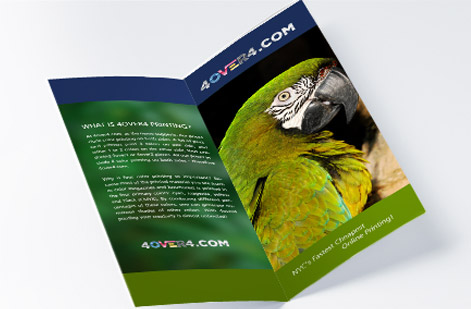
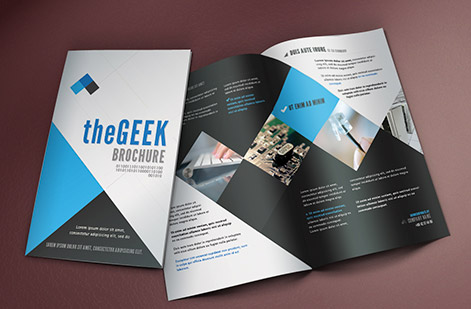
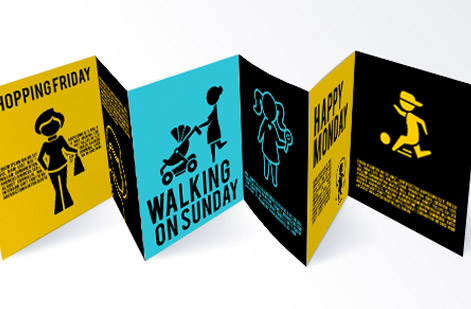
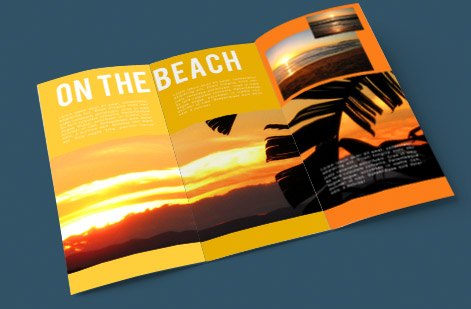
Real brochures, printed in-house

Explore more
Where to go next
By the numbers
Booklet and brochure printing you can count on
Common Questions
Common questions about booklets and brochures
What is the difference between a booklet and a brochure?
A booklet is a bound, multi-page piece, several sheets held together with saddle stitches or a glued spine, built to carry a lot of content in reading order like a small book. A brochure is a single sheet folded into panels, such as a tri-fold, designed to deliver a focused message quickly and cheaply. The core difference is structure: a booklet is bound and paginated, a brochure is folded and unbroken. That one distinction drives everything else, how much content each holds, how it feels in hand, what it costs, and how long it takes to produce.
How do I choose the right one, a booklet or a brochure?
Start with your content and your goal. If the message is short and focused, a menu, a service overview, a single offer, a brochure delivers it fast and cheap and is easy to hand out in volume. If you need to present a lot of information in sections, like a product catalog, an annual report, a course guide, or an image-heavy portfolio, a booklet gives you the pages and the premium, durable feel to match. Also weigh how long it must last: disposable event handout points to a brochure, a keep-on-the-shelf piece points to a booklet. The comparison table on this page lays the tradeoffs out side by side.
What do booklets and brochures cost and how are prices set?
Brochures are generally cheaper per piece because they are a single folded sheet with no binding, which makes them ideal for high-volume, short-message distribution. Booklets cost more per piece because they have more pages, require binding, and often use separate cover and interior stocks, but they earn that cost when depth and durability matter. For both, price scales with quantity, size, stock, finishing, and, for booklets, page count. You set each option in the configurator and the price updates live, so you can compare a brochure run against a booklet run before you commit.
What sizes, folds, and bindings are available for each?
Brochures print from standard sheet sizes with fold options including bi-fold, tri-fold, z-fold, and gate fold, on a range of text and cover stocks. Booklets print in sizes like 8.5 by 11 and 5.5 by 8.5 plus square formats, with saddle stitch binding for thinner page counts and perfect binding for thicker ones, and separate stock choices for the cover and interior. Both offer coatings and premium finishes. The live specs and pricing panels below show the exact sizes, folds, bindings, and stocks for our actual brochure and booklet products.
How long does each take to print and ship?
Brochures typically produce faster because they only need printing and folding, so many run on same-day or next-day timelines. Booklets take a little longer because they are printed, folded, collated, and bound, and premium finishing adds time. For both, a clean print-ready file with correct bleed, and a valid page count for booklets, keeps the timeline tight, while a file that needs fixes can add days. The configurator shows the live turnaround for your exact specs on either product so you can plan around your deadline.
Get Started
Ready to print the right format?
Compare our brochures and booklets side by side, then configure the one that fits your message. Adjust every option and watch your price update live.
Legal Disclaimer
Gold Standard guarantees apply to all standard orders placed through 4over4.com. Price match requires verifiable proof of a competitor's published price for an equivalent product with matching specifications and turnaround time. Satisfaction guarantee covers manufacturing defects and print quality issues. Contact support with order number and documentation. On-time delivery rate based on tracked orders 1999 to 2026. Individual results may vary based on shipping carrier performance.
