
What Is a Rack Card? + How to Design One That Gets Picked Up


A rack card is the tall, slim card in every lobby rack. Only the top third shows, so it lives or dies on one headline and one image. Here is what the format is and a five-step method to design one that gets grabbed.
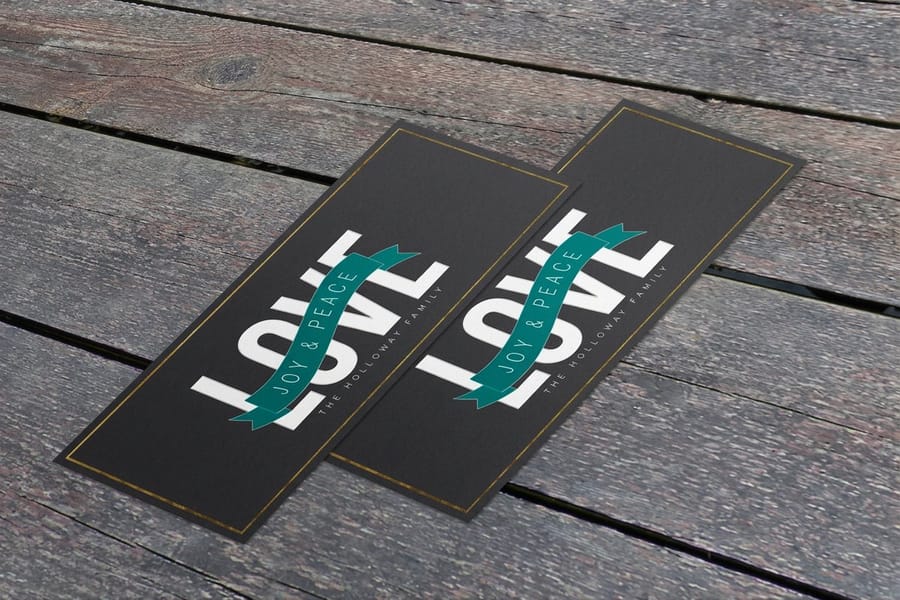
A rack card is a tall, single-page marketing card, usually 4 x 9 inches, printed on sturdy cover stock to stand in a display rack. Because only the top third clears the rack, a rack card gets picked up when its headline names a benefit fast, one strong image backs it up, and the back closes with a clear offer, a QR code, and the exact next step.
Quick answer
How to design a rack card that gets picked up
Give the card one goal, then design the top third first. Lead with a benefit headline, back it with a single strong image, and print on 14pt or 16pt coated cover stock so it stands up straight in the rack. Put the offer, a QR code, and the exact next step on the back. 4OVER4.COM customers who follow this order watch their racks empty faster than they can refill them.
Why some rack cards get picked up and most get ignored
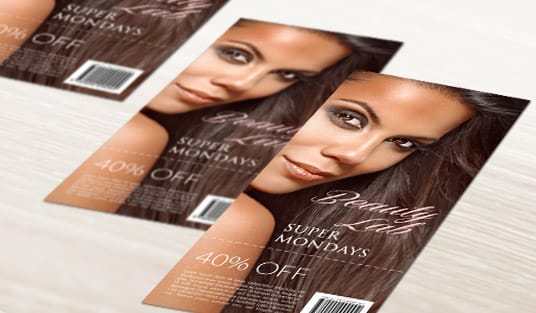
Picture a wire rack in a hotel lobby. Thirty cards, all fighting for the same glance. Someone walks by with a coffee and about two seconds of idle attention. The card that gets picked up is not the prettiest one or the one with the most information. It is the one that answers a single question fast: what is in this for me?
Rack cards live or die in that narrow strip that clears the top of the rack. Below the lip, your careful layout is invisible until the card is already in a hand. So the whole game is winning the walk-by first, then rewarding the pick-up. Get that order right and a stack of cards becomes a quiet salesperson that works a room all day.
This guide breaks down what a rack card actually is, then walks through a five-step method to design one that gets grabbed. If you want to see the format in action first, browse real rack card designs printed in-house at 4OVER4.COM and note how the strongest ones say one thing loudly.
What is a rack card in marketing?
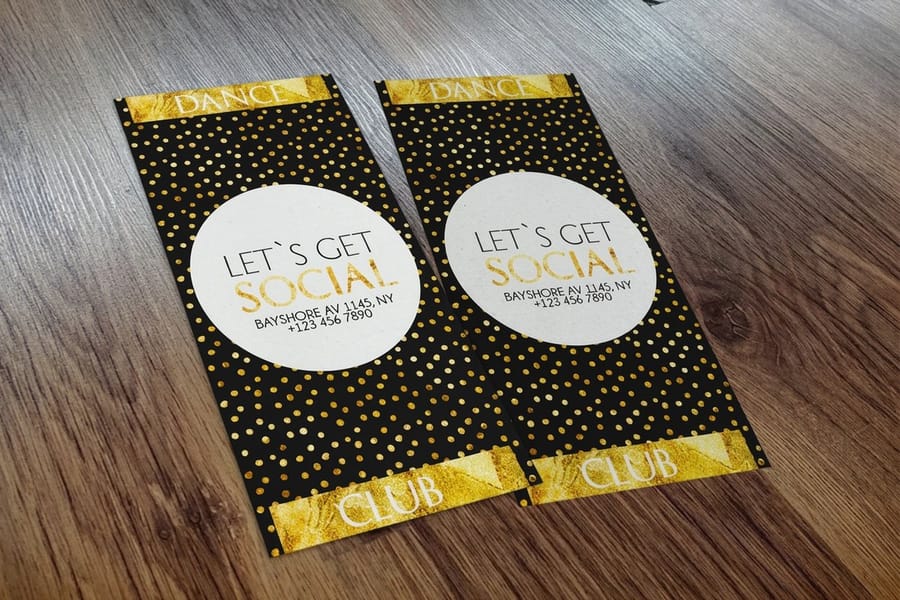
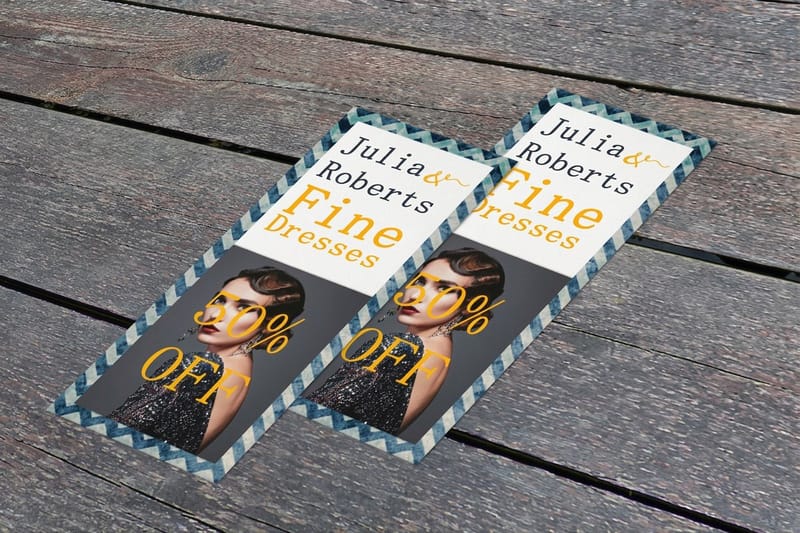
A rack card is a tall, slim marketing card, most often 4 x 9 inches, printed on sturdy cover stock and built to stand upright in a display rack. It carries one message on the front and the supporting detail on the back. That is the whole format. No folds, no panels, no fine print buried in a gutter.
The proportions are the point. A rack card is narrow enough to sit three or four across in a standard brochure rack and tall enough that its headline rises above the pocket. Compared with a folded piece, it trades depth for immediacy. If you need room for a menu or a service list, a folded format serves you better, which is why it helps to know what a brochure is and how to fold a brochure before you choose between them.
Rack cards sit in the marketing-materials family alongside flyers, postcards, and buckslips. For the standard sizes, common uses, and how the card fits a wider campaign, our companion piece on what are rack cards goes deeper, and you can order the format directly from rack card printing.
The anatomy of a rack card that works
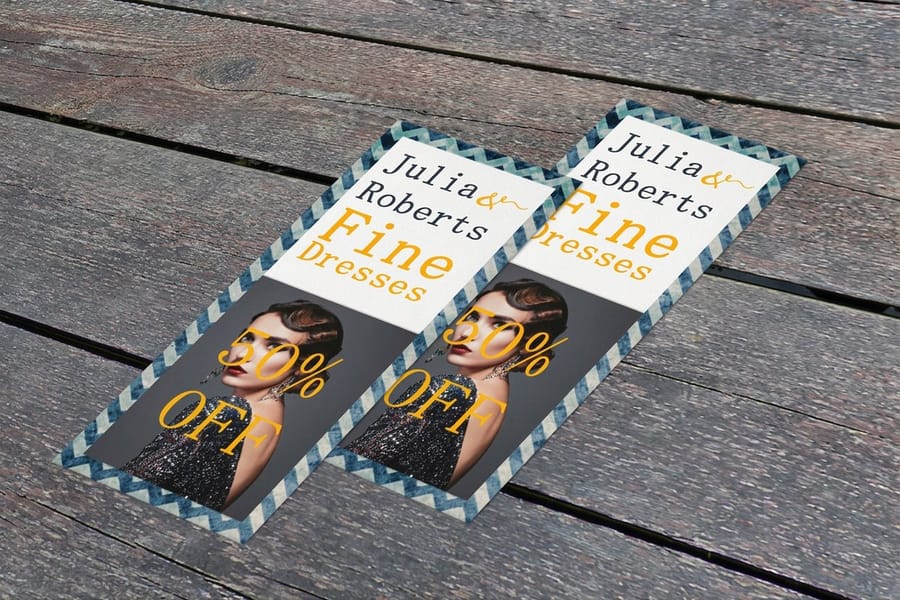
Every rack card has the same four working zones, and the order matters more than the artwork. Design from the top down, because that is the order a passer-by reads it.
- The top third: your headline and logo, sized to read from a few feet away.
- The image band: one photo or graphic that shows the outcome, not the product spec sheet.
- The benefit line: a single sentence that turns interest into a reason to keep holding the card.
- The call to action: the front hints at it, the back closes it.
Keep those zones distinct and the card almost designs itself. Crowd them together and even a beautiful layout gets skimmed past.
Step 1: Start with a single, clear goal

Before you open a design tool, finish this sentence: after someone reads this card, I want them to ______. Book a tour. Scan the code. Call for a quote. Visit the site. One verb. If you cannot name a single action, the card is not ready to design.
The temptation is to pack in every service, every price, every reason you are great. Resist it. A rack card competes for two seconds of attention, and a wall of options reads as work. One goal keeps the headline sharp, the image honest, and the call to action impossible to miss. Everything that does not serve that goal is a candidate for the cutting room.
If you have several messages to tell, that is a signal to run several cards, each tuned to one audience, rather than one card that mumbles at everyone. This is exactly how effective local print marketing campaigns are built, one clear ask at a time.
Step 2: Write a headline that stops the walk-by
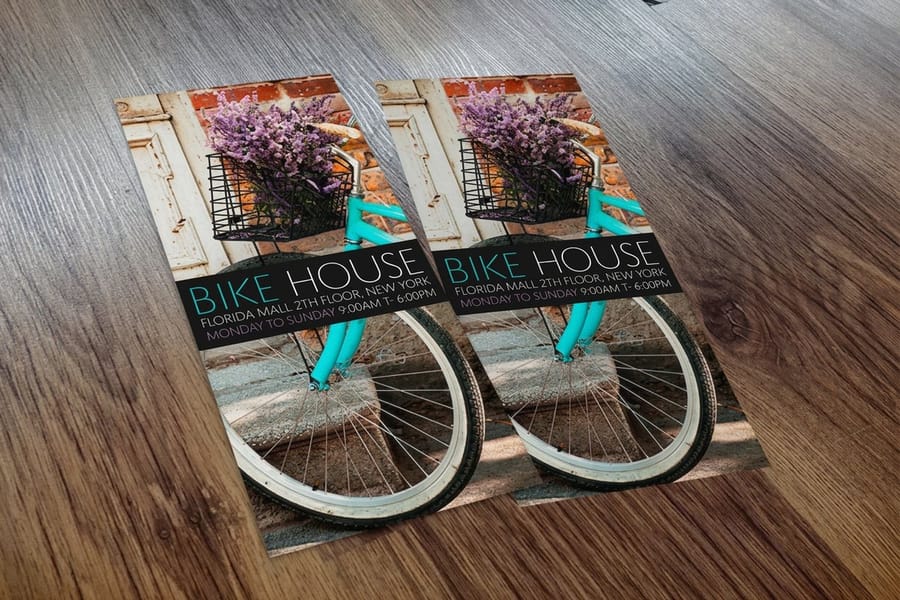
The headline is the only part of your card most people will ever read, because it is the part that clears the rack. Treat it like a billboard, not a paragraph. Six words, big and confident, promising an outcome the reader wants.
Lead with the benefit, not the business name. "Kayak the bay at sunrise" beats "Harbor Adventure Tours LLC." Your logo can sit smaller beneath the promise. The reader decides whether to care in the time it takes to walk two steps, and a company name rarely earns that.
A few patterns that consistently pull a hand toward the rack:
- The clear offer: "20% off your first month."
- The specific outcome: "Sell your home in 30 days."
- The curiosity hook: "The tour locals do not talk about."
Set it in a bold, clean typeface with real contrast against the background. If the words compete with a busy photo behind them, the words lose. When you are unsure how tightly letters should sit, our note on leading, kerning, and tracking keeps the headline readable from a distance.
Step 3: Lead with one strong image, not five
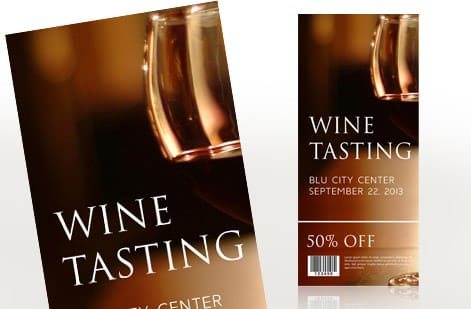
One great image beats a collage every time. A rack card is small, and every extra photo shrinks the rest until nothing lands. Choose the single picture that shows the result your customer wants, the sunrise view, the finished kitchen, the packed class, and let it own the image band.
Shoot or source it at high resolution so it stays crisp at full-bleed size. Print resolution should be 300 dpi at the final dimensions, and the color should run edge to edge with a proper bleed so no white slivers appear after trimming. If terms like bleed and safe zone are new, the printing terms glossary defines them in plain language.
Photography of real people and real outcomes almost always outperforms stock clip art or clustered icons. The eye trusts a scene it can picture itself in. For more on turning a single strong visual into a campaign, the walkthrough on compelling travel print shows how one image carries a whole piece.
Step 4: Put the payoff and the ask on the back
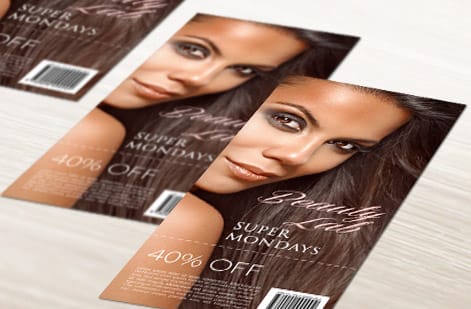
Once the front has done its job and the card is in a hand, the back is where you close. This is the side that gets read in full, so give it room to earn the action the front promised.
A back that converts usually carries four things:
- The offer restated, with any detail the front left out, kept short.
- A reason to trust you, a quick line of proof, a rating, an award, or a guarantee.
- A QR code that jumps straight to a booking page or a landing page, not just your homepage.
- The exact next step, phone, website, address, and hours, so nothing is left to guesswork.
Keep the back calm. White space around the QR code and the phone number makes the action feel easy, and easy is what gets taken.
Step 5: Set up the file and pick a stock that survives
A brilliant design still fails if the file is set up wrong or the stock is too thin. Rack cards get handled, stuffed in bags, and left in sunny windows, so the physical card has to hold up.
Build the file to spec: full-bleed artwork with about an eighth-inch of bleed on every edge, all critical text pulled inside a safe margin, and images at 300 dpi. Export a print-ready PDF in CMYK so the color on press matches what you designed.
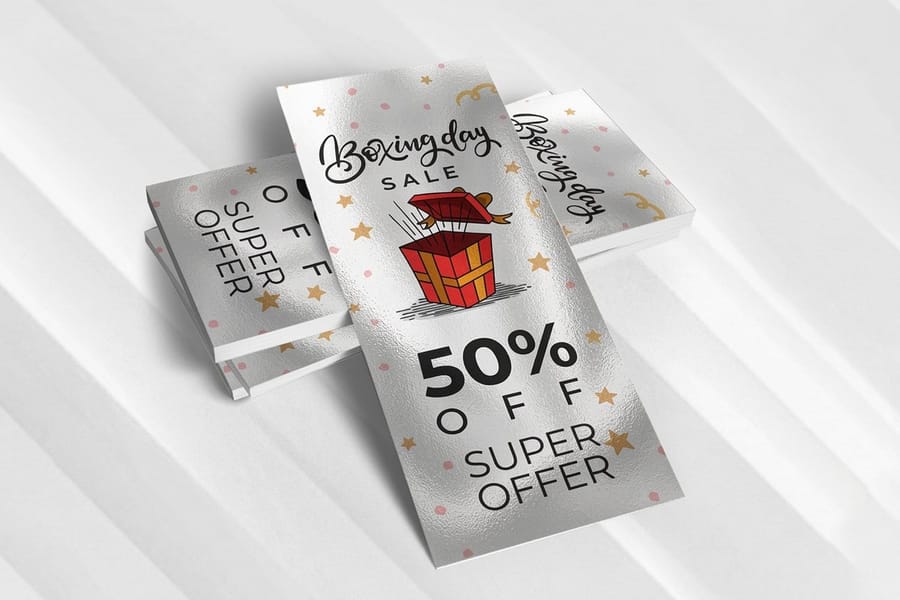
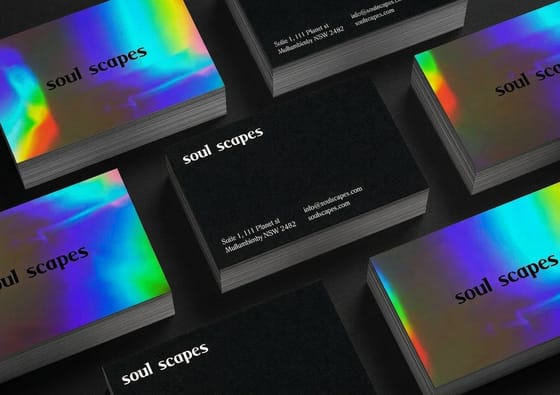
Choose the stock for the environment. A 14pt or 16pt cover stock stands up straight in a rack and resists curling. A gloss coating makes photos pop and shrugs off fingerprints in high-traffic lobbies, while a matte or soft-touch finish reads as premium in the hand. For a card that signals luxury the moment it is picked up, a metallic rack card adds shimmer that flat stock cannot. When weight and thickness get confusing, our paper weight guide makes the numbers make sense, and free paper samples let you feel the difference before you commit.
Where rack cards do their best work
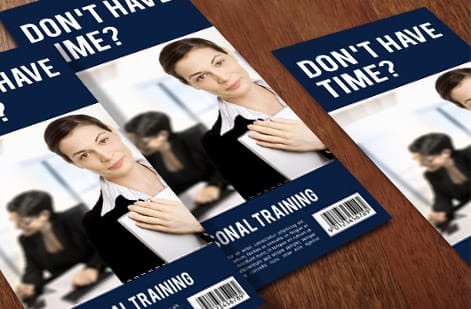
Rack cards earn their keep in any place where people wait, browse, or decide. The classic homes are tourism and hospitality: hotel lobbies, visitor centers, and restaurant entryways where a rack of local attractions is part of the furniture. Travel and tour operators lean on the format hard, and the travel printing collection is built around it.
Real estate is the other natural fit. Agents leave rack cards at open houses, coffee shops, and relocation offices, which is why the real estate printing collection pairs them with signs and flyers. Gyms, salons, clinics, and events all use the same play: a tall card at the front desk that turns a passing glance into a booking.
The smartest distribution move is partner racks. Hand a stack to a business that shares your audience but not your service, and your card travels far beyond your own door. For a whole playbook on placement, see our list of places to leave print materials, and browse the full marketing materials range to build a matching set of flyers, postcards, and cards.
Wally explains the rack
Win the top third and the whole card gets picked up
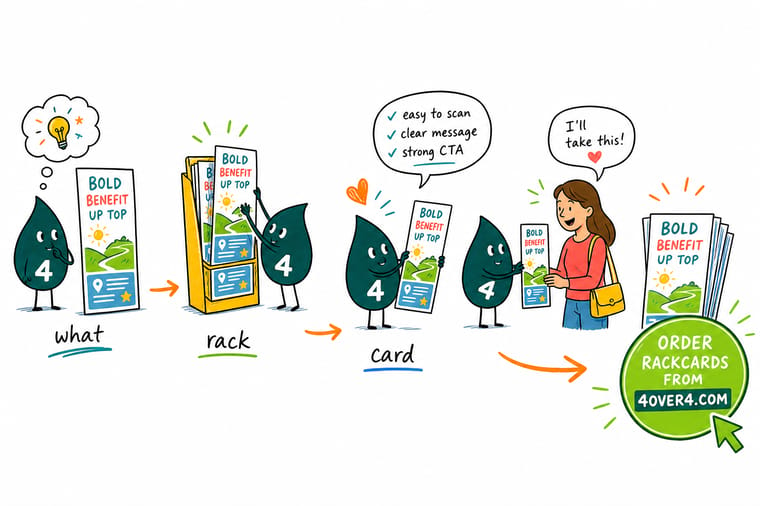
Wally treats a rack card like a tiny billboard on a shelf: only the top strip shows, so the headline and one image have to do the selling in two seconds. Give the card one job, put the offer and a QR code on the back, and print it on cover stock that stands up straight. Do that and your rack empties itself. Design yours in the browser and print it sharp at 4OVER4.
Order rack cards →Specs and pricing
Rack card specs and live pricing
Here is what a standard rack card gives you at 4OVER4.COM, with live specs and price-per-unit pulled straight from the configurator so you can size the run before you order.
| Quantity | Price Per Unit | Total |
|---|---|---|
| 50 | 85.7¢ | $42.84 |
| 100 | 60.4¢ | $60.42 |
| 200 | 31.2¢ | $62.40 |
| 300 | 25.5¢ | $76.45 |
| 400 | 22.6¢ | $90.51 |
| 500 | 20.9¢ | $104.57 |
| 600 | 20.5¢ | $123.02 |
| 700 | 20.2¢ | $141.47 |
Print it
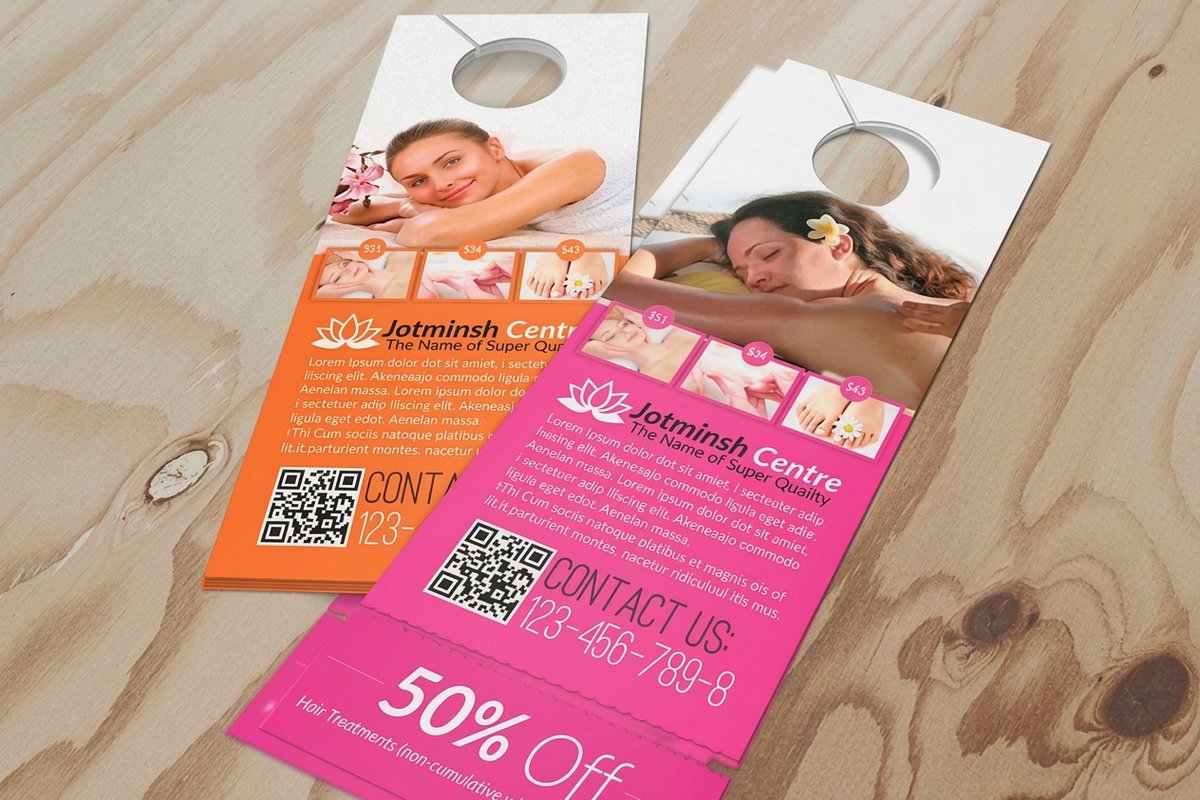
Order rack cards and grab-and-go print at 4OVER4
See it in use
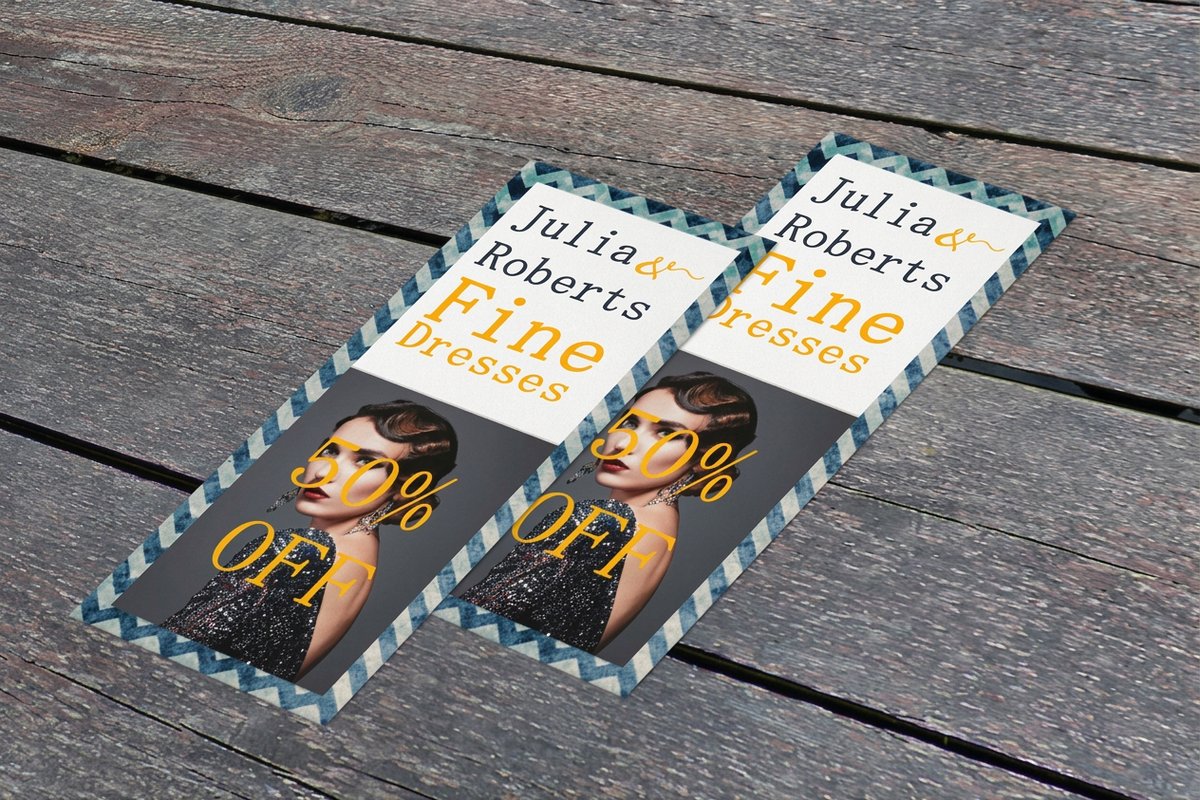
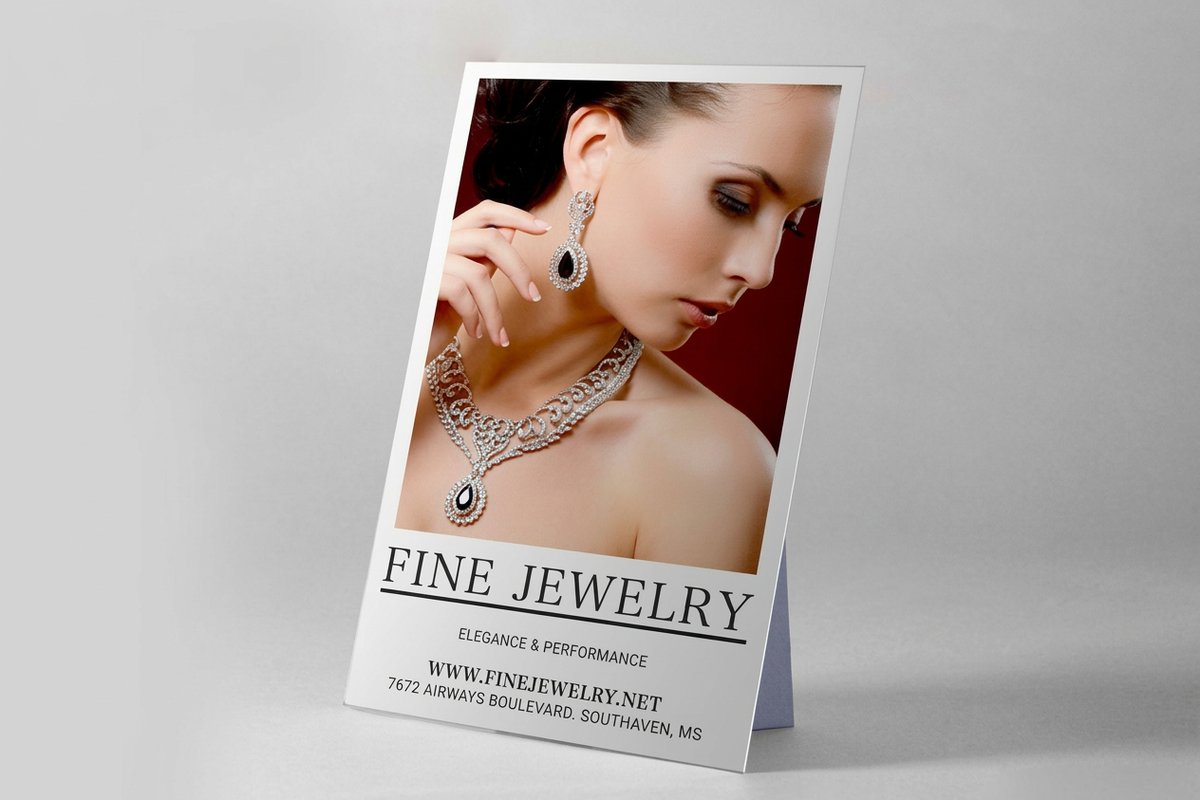
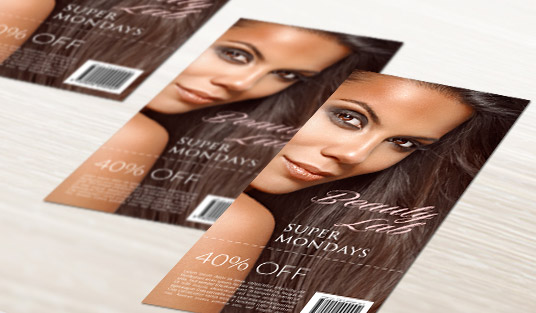
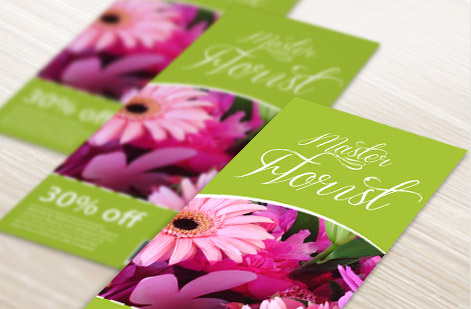
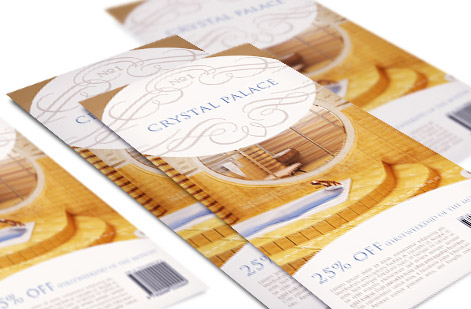
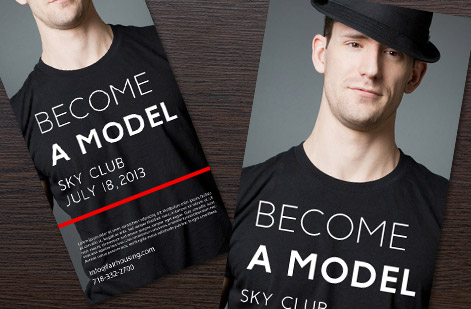
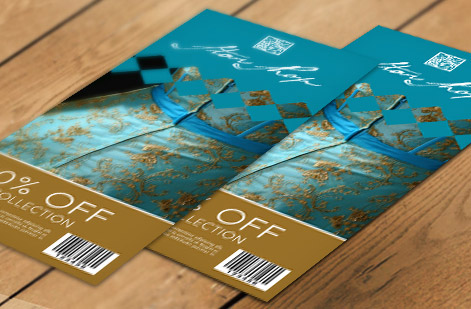
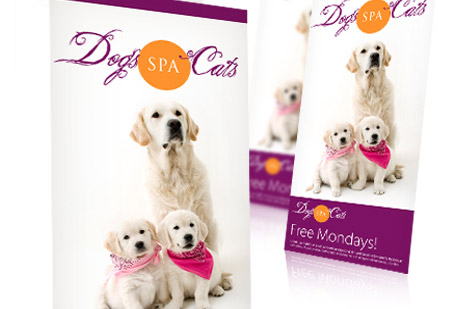
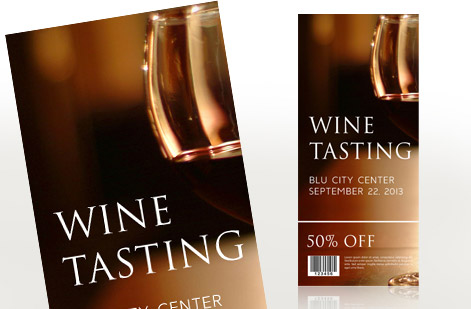
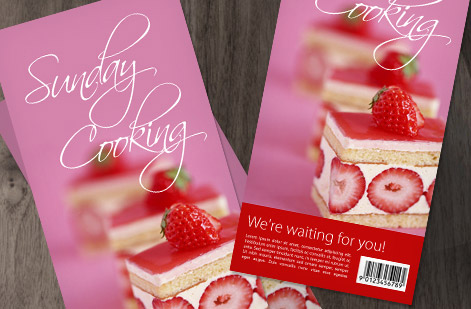
Real rack card work, printed in-house
Explore more
Where to go next
By the numbers
Printing you can count on at 4OVER4
Sizes
Standard rack card sizes
Four sizes cover almost every rack you will meet. Build the file at the bleed size, keep the headline and the phone number inside the safe area, and measure the rack before you print, because a card a quarter inch too tall leans instead of standing.
| Trim size | File size with bleed | Safe area | Rack it fits |
|---|---|---|---|
| 4 x 9 in | 4.25 x 9.25 in | 3.75 x 8.75 in | The default. Standard wire and acrylic brochure racks in hotel lobbies and visitor centers, and it mails at a letter rate inside a #10 envelope. |
| 3.5 x 8.5 in | 3.75 x 8.75 in | 3.25 x 8.25 in | Narrow pockets and multi-column racks where a 4 in card wedges. Also the easiest size for a small counter stand. |
| 3.67 x 8.5 in | 3.92 x 8.75 in | 3.42 x 8.25 in | The three-up size: three of them sit side by side across an 11 in sheet, so it is the economical choice on long runs for partner racks. |
| 4.25 x 11 in | 4.5 x 11.25 in | 4 x 10.75 in | Deep wall pockets and full-length racks. The extra height buys a taller visible strip, but it stands proud of shallow lobby racks. |
Every size uses the same rule: an eighth-inch of bleed on each edge and type pulled an eighth-inch inside the trim, art at 300 dpi, exported as a print-ready CMYK PDF. Whichever you choose, design the top three inches first, because that strip is all a passer-by sees above the rack lip. Full specs and live pricing sit on the rack card product page, and the wider rack card printing range covers the matching stocks and coatings.
Print It
Order rack cards once the design is settled
Pick the size, pick 14pt gloss, 16pt matte or 16pt with UV coating, upload the print-ready CMYK PDF, and the price and turnaround for that exact run show on screen before you pay. Configure a single job on the rack card product page, compare stocks and coatings across the rack card printing range, or step up to a metallic rack card when the card has to feel expensive in the hand. Still deciding between 14pt and 16pt? Order free paper samples first and choose with the card between your fingers.
Common Questions
Common questions about rack cards
What is a rack card in marketing?
A rack card is a tall, single-page marketing card, most often 4 x 9 inches, designed to sit upright in a wire or acrylic display rack. You find them in hotel lobbies, visitor centers, real estate offices, gyms, and restaurant entryways. Racks sit at chest height beside a door or a front desk, so the format is built for a two second glance and a one hand pick-up. Because they stand shoulder to shoulder with dozens of other cards, a rack card has to earn attention from the narrow strip that shows above the rack, then reward the pick-up with a clear offer on the back. Think of it as a poster and a business card fused into one grab-and-go format.
What size is a standard rack card?
The most common rack card size is 4 x 9 inches, which fits standard brochure racks and mails at a letter rate inside a #10 envelope. You will also see 3.5 x 8.25 and 4 x 8 as popular alternatives for tighter racks, plus 3.5 x 8.5 and 3.67 x 8.5 for narrow wire pockets and 4.25 x 11 for deep, full-length racks. Whichever you pick, set the file up with an eighth-inch of bleed on every edge, so a 4 x 9 card is built at 4.25 x 9.25, and keep type an eighth-inch inside the trim, which leaves a 3.75 x 8.75 safe area. Whatever size you pick, design for the top three inches first, because that is roughly what clears the rack lip and stays visible to a passer-by.
What is the difference between a rack card and a brochure?
A rack card is a single flat card with a front and a back, so it delivers one focused message at a glance. A brochure folds into panels and holds more copy, which suits detailed menus, service lists, or step-by-step stories. A brochure also has to be folded, which adds a production step and bulk, so a wire pocket that swallows a deep stack of flat cards holds far fewer folded pieces before it jams. Rack cards win when the goal is a fast, single call to action in a display. Brochures win when the reader has already opted in and wants depth. Many businesses run both: a rack card to hook interest, then a folded brochure for the full pitch.
Can I print rack cards at home?
You can run a few on an inkjet, but home printers rarely reach the crisp color, full-bleed edges, and rigid cover stock that make a rack card stand up straight and survive handling. Home paper curls in a rack within a day and photos look muddy. For anything a customer will hold, a commercial press on 14pt or 16pt cardstock with a protective coating gives you cleaner color, true edge-to-edge printing, and a card that still looks sharp after a week in a busy lobby.
How do I choose the right rack card for my business?
Start with where the card will live and how long it needs to last. High-traffic tourism and hospitality racks call for a coated cover stock that resists fingerprints. A premium consultation or real estate handout may deserve a metallic or soft-touch finish that signals quality the moment it is picked up. Match the size to the rack you are targeting, then pick the coating for the environment. When in doubt, order free paper samples and hold the stocks in your hand before you commit.
How much does rack card printing cost and how is the price set?
Price is driven by quantity, paper stock, size, coating, and how many sides you print. Larger runs bring the cost per card down sharply, which is why rack cards are a low-cost way to reach a lot of people. At 4OVER4.COM the configurator prices every combination live, so you can see exactly what a change in stock or quantity does before you order. Standard rack cards start low, and premium finishes like metallic add a per-unit premium for the extra shine.
Where should I display rack cards to get the most pickups?
Put them where people are already waiting or deciding: front desks, checkout counters, waiting rooms, elevator lobbies, and partner businesses that share your audience. Eye level beats knee level, and a rack near a doorway or a line captures idle attention. Refill often so the display never looks picked over, and give a stack to complementary businesses so your card travels beyond your own four walls.
What paper stock should a rack card be printed on?
Cover weight, always. 14pt gloss cover is the everyday choice: it stands straight in a rack, the photos look saturated, and fingerprints wipe off in a busy lobby. 16pt matte is stiffer, holds its line in a loose or half-empty rack, kills glare so small type and schedules stay readable, and takes a pen when a customer writes down an appointment. 16pt with a UV coating is the one for damp entryways, poolside racks and sunny windows, where an uncoated card fades and curls. For a card that has to feel expensive the second it is picked up, a metallic rack card adds a shimmer flat stock cannot. Order free paper samples if you want to settle it by hand rather than on screen.
How do I set up a rack card file with bleed and a safe area?
Build the document a quarter inch larger than the trim size, an eighth-inch of bleed on every edge, and run the background art all the way to that outer edge. A 4 x 9 rack card is therefore a 4.25 x 9.25 file. Then pull every headline, logo, phone number and QR code an eighth-inch inside the trim, which leaves a 3.75 x 8.75 safe area, so nothing lands in the cut. Place images at 300 dpi, export a print-ready PDF in CMYK so the color on press matches the screen, and lay out the top three inches first, since that is the strip that clears the rack lip.
What are rack cards used for?
They sell to people who are standing still. Hotels, visitor centers and restaurant entryways use them for local attractions and tours, real estate agents leave them at open houses, coffee shops and relocation offices, and gyms, salons, clinics and events keep a stack at the front desk so a passing glance turns into a booking. The strongest use is the partner rack: hand a stack to a business that shares your audience but not your service, and your card works a room you will never stand in. They also double as a mailer, since 4 x 9 goes at a letter rate inside a #10 envelope, and as a handout at trade shows where a folded brochure is too bulky to carry.
Get Started
Ready to print a rack card that gets picked up?
Pick your size, drop in your headline and image, and we print a crisp, sturdy rack card that stands up straight and stops the walk-by.
Legal Disclaimer
Gold Standard guarantees apply to all standard orders placed through 4over4.com. Price match requires verifiable proof of a competitor's published price for an equivalent product with matching specifications and turnaround time. Satisfaction guarantee covers manufacturing defects and print quality issues. Contact support with order number and documentation. On-time delivery rate based on tracked orders 1999 to 2026. Individual results may vary based on shipping carrier performance.
