
How to Choose the Right Flyer Paper Stock and Weight


Flyer paper comes down to two choices: how heavy the stock is and how it is coated. Here is how to match weight and finish to the job so your flyer feels right and prints exactly as you designed it.
Choose flyer paper by weight and coating. Use 80 to 100 lb gloss or matte text for low-cost mass handouts, and 14 pt or 16 pt cardstock for premium leave-behinds and mailers. Pick gloss for photos, matte for text-heavy reads, and uncoated when people need to write on it. Match the stock to the job, not the other way around.
Start here
Flyer paper in one paragraph
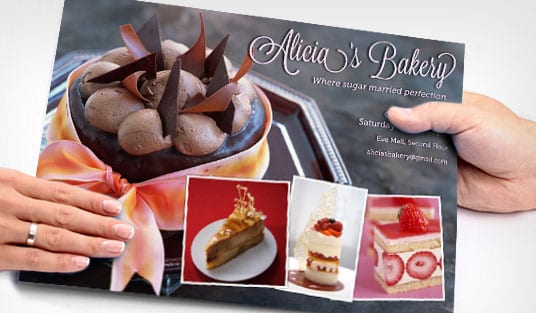
Flyer paper is the stock a flyer prints on, described by its weight in pounds or points and by its coating, gloss, matte or uncoated. Light 80 to 100 lb text keeps mass handouts cheap. A 14 pt or 16 pt cardstock makes a leave-behind or mailer feel valuable. Gloss deepens photos, matte kills glare, uncoated takes a pen. The map below shows how the pieces fit together.
Why flyer paper decides how your message lands
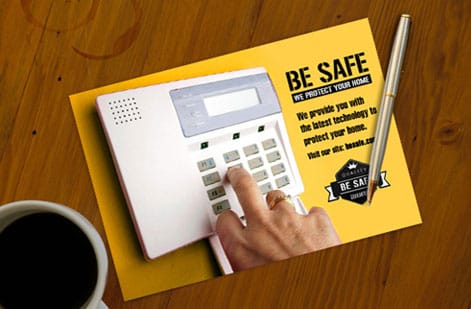
Two flyers can carry the exact same design and land completely differently, and the reason is almost always the paper. A flimsy sheet reads as disposable before a single word is scanned, while a substantial one signals that the offer inside is worth a second look. The stock is the first impression your reader makes with their hands, not their eyes.
Flyer paper is described by two things: weight and coating. Weight is how heavy and rigid the sheet is, and coating is the surface finish that shapes how your colors and text appear. Get both right and your flyer feels intentional and prints exactly as you designed it. This guide walks through both, in the order you would actually decide them, so you can match the stock to the job instead of guessing.
Text stock or cardstock: the two families of flyer paper
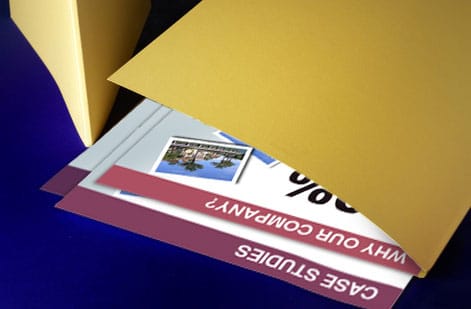
Almost every flyer prints on one of two paper families. Text stock is the lighter, more flexible sheet, measured in pounds, and it covers the classic 80 lb and 100 lb weights you would reach for on a high-volume handout. Cardstock is the rigid, substantial board measured in points of thickness, like 14 pt and 16 pt, and it is what you choose when a flyer needs to feel premium, mail on its own, or last.
The choice between them is really a choice about purpose and budget. If you are printing thousands of flyers to hand out on a street corner, a light text weight keeps the cost per piece low. If you are leaving a single flyer behind after a sales meeting or mailing a promotion to homes, a 14 pt or 16 pt cardstock earns its higher price by feeling valuable. When you would rather skip file setup entirely, our online design tool and ready-made products get you to print faster on either family.
Can you print flyers on regular printer paper?
You can, but it will read as a memo rather than a promotion. Copier paper is 20 lb bond, thin enough that ink from the back shows through and the sheet curls in a rack. A 100 lb gloss text is roughly three times heavier, holds saturated color, and still costs pennies per piece in volume.
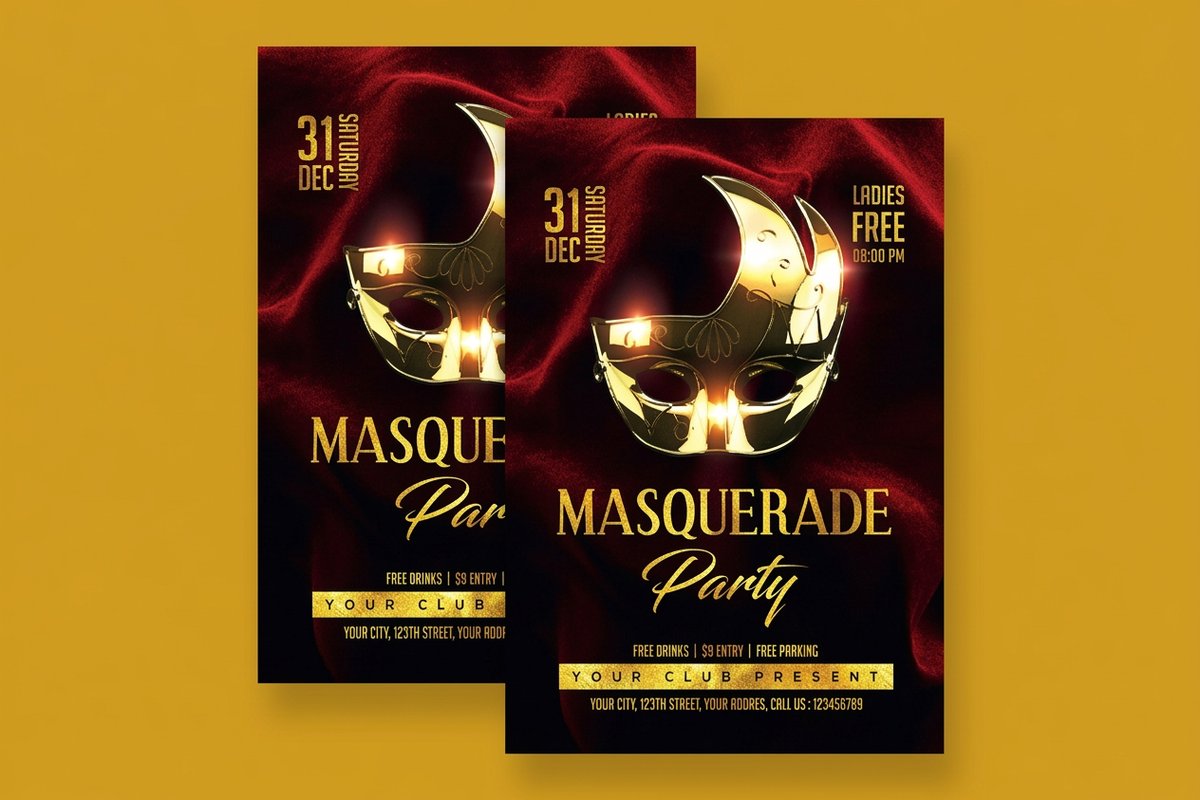
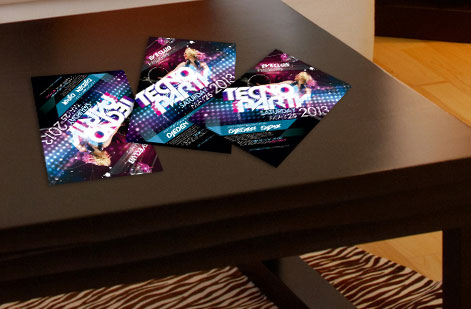
For the heaviest, most eye-catching handouts, specialty formats like club flyers lean into thick gloss cardstock on purpose, while metallic flyers add shimmer to the stock itself. Browse the full range on the flyer printing category to see every weight and finish side by side.
Flyer paper weights, from lightweight handouts to premium cardstock

Weight is the single biggest driver of how a flyer feels. At the light end, an 80 lb gloss text is thin, inexpensive, and perfect for a promo you expect to be glanced at once and recycled. Step up to 100 lb text and the sheet gains a little body without losing the low cost, which is why it is the most popular all-around flyer weight.
What weight paper is best for flyers?
- 100# Gloss Text. The default. Saturated color, low cost per piece, right for almost any handout run.
- 100# Silk/Matte Text. Same weight without the glare, so a text-heavy flyer stays comfortable to read.
- 70# Uncoated Text. The cheapest way to run big numbers, and the one to pick when people write on it.
- 80# Gloss Cover. The first real step up in stiffness, good for a flyer that has to stand in a rack.
- 100# Silk/Matte Cover. Premium feel with a soft sheen, the choice for a leave-behind after a meeting.
- 14pt Gloss Cover. Card thickness with shine, sturdy enough to mail on its own.
- 14pt Uncoated Cover (30% PCW). The same board with a natural surface and recycled content, for eco-led brands.
Move into cardstock and the character changes entirely. A 14 pt stock is firm and holds its shape in a bag or pocket, and a 16 pt stock is noticeably thicker and reads as high value the moment someone picks it up. Both are stiff enough to double as a mailer or a mini poster. The rule of thumb: the more you want the flyer kept rather than tossed, the heavier you go.
Gloss, matte, and uncoated: choosing the right coating
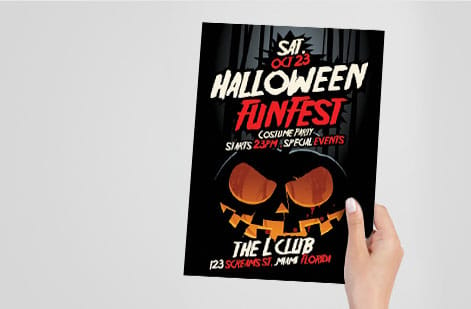
Coating is the surface layer on the paper, and it changes both the look and the usability of a flyer. Gloss gives a shiny, reflective finish that deepens color saturation and makes photography snap, which is why photo-driven promos and event flyers usually go glossy. The trade-off is glare under bright light and a surface that resists pen ink.
Glossy or matte flyer paper?
Gloss for photo-led promos, where saturation and shine do the selling. Matte for text-led and upscale pieces, where glare-free reading and a quieter surface do more than shine ever will.
Matte is a smooth, non-reflective coat that keeps colors rich while eliminating glare, so it suits text-heavy flyers and upscale, understated designs that need to be read comfortably indoors. Uncoated stock has no surface layer at all, giving a natural, tactile feel that readily accepts handwriting, stamps, and signatures, which makes it the right pick for coupons, forms, and anything a customer fills in. If a precise brand color matters, judge the coating on a printed sample, since the same ink looks different on gloss than on uncoated.
Match the stock to the flyer job
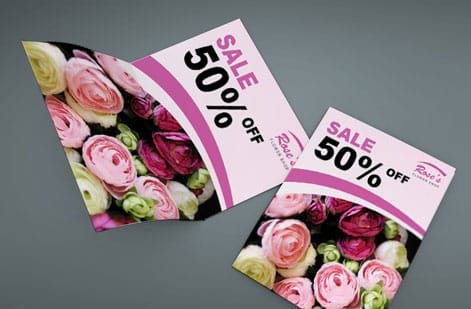
The fastest way to choose is to name the job and work backward. A mass handout wants low cost and clean color, so 80 to 100 lb gloss or matte text is ideal. A premium leave-behind after a pitch or at a trade show should feel weighty, which means 14 pt or 16 pt cardstock. A direct-mail flyer needs stiffness to survive the mail stream, so cardstock again, often paired with gloss for shelf appeal.
A coupon or form flyer that customers write on calls for uncoated text so the ink takes. And a photo-forward promo where images do the selling benefits from a gloss or high-gloss coating that makes those pictures pop. Name the outcome you want and the stock stops being a guess. The quick-reference table below pairs each common job with a recommended weight and finish.
What flyer paper costs and how pricing works

Paper never shows up as its own line item; it is one of the four levers that set your print price, alongside quantity, size, and finish. Larger runs lower the price per flyer, heavier cardstock costs more than light text stock, and premium coatings like high-gloss UV or metallic add a little on top. Because you set each option in the configurator, you can watch the total shift the instant you switch stocks or bump the coating.
That transparency is what makes stock selection a budget decision rather than a mystery. If a lighter text weight hits your goal, you keep the savings for a bigger run. If the piece needs to feel premium, you can see exactly what the upgrade costs before you commit. Use the live specs and pricing panel below to compare weights and finishes for your quantity, or order free paper samples first so the stock is in your hands before your file goes to press.
Wally helps you pick the flyer stock
The right weight and coating do half the selling
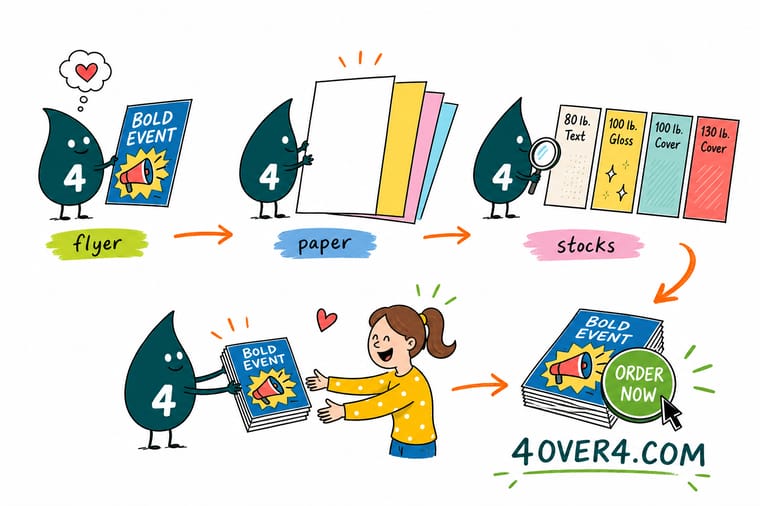
Wally thinks about the flyer's whole life before choosing paper: a street handout stays light and cheap, a leave-behind goes to cardstock so it feels worth keeping, and a mailer needs the stiffness to survive the route. Then he picks the coating by content, gloss for photos, matte for reading, uncoated for writing. Match stock to job, and 4OVER4 prints it exactly as you pictured it.
Order your flyers →Quick reference
Flyer stock by the job, at a glance
Name the job and the recommended weight and finish follow. Match these and your flyer prints right for its purpose.
| The job | Recommended stock | Why it fits |
|---|---|---|
| Everyday handout | 80 to 100 lb gloss text | Low cost per piece, prints color cleanly, and stacks well for mass distribution. |
| Readable, writable | 100 lb matte or uncoated text | No glare under lights, and uncoated takes pen ink for notes or coupons. |
| Premium leave-behind | 14 to 16 pt cardstock | Rigid and substantial, so it feels valuable and survives a bag or pocket. |
| Mailer flyer | 14 pt cardstock or heavier | Stiff enough to travel through the mail stream without curling or creasing. |
| Photo-heavy promo | Gloss or high-gloss UV coating | Deepens saturation and sharpens images so visuals carry the message. |
| Coupon or form flyer | Uncoated text | Accepts handwriting, stamps, and signatures that gloss coatings resist. |
Step by step
Choose your flyer paper in 7 steps
- Start with where the flyer will live A flyer handed out by the thousand, pinned to a board, mailed to a home, or tucked into a premium kit each calls for a different stock. Decide the destination first and the weight almost picks itself.
- Choose text stock or cardstock For high volume and low cost, stay with an 80 to 100 lb text weight. When the flyer needs to feel premium, mail on its own, or last, step up to a 14 pt or 16 pt cardstock.
- Pick the coating for your content Gloss for photo-driven promos, matte for text-heavy or elegant designs, and uncoated when anyone needs to write on it. The coating changes readability as much as looks.
- Check readability under real light Glossy stock can throw glare in bright rooms, so if your flyer is copy-heavy or read indoors, lean matte. Keep small text a solid dark ink so it stays crisp on any finish.
- Confirm mailing and handling needs If the flyer gets mailed, it has to be stiff enough not to jam or crease, which points to cardstock. For counter stacks and street handouts, a lighter text weight is fine.
- Order a sample or proof Stock feels different in hand than it looks on screen. Request free paper samples or a printed proof so you can judge weight, coating, and color on the real material before a full run.
- Set your run and upload Pick the size, stock, and finish in the configurator, watch the price update as you go, and upload your press-ready file or build one in our online design tool.
Specs and pricing
Flyer specs and live pricing
Once you have picked a stock, the rest is size, finish, and quantity. Here are the live specs and price-per-unit for flyers at 4OVER4.COM, straight from the configurator.
| Quantity | Price Per Unit | Total |
|---|---|---|
| 50 | 79.1¢ | $39.54 |
| 100 | 57.1¢ | $57.11 |
| 200 | 37.3¢ | $74.69 |
| 300 | 28.6¢ | $85.68 |
| 400 | 24.4¢ | $97.76 |
| 500 | 21.8¢ | $108.75 |
| 600 | 18.7¢ | $112.03 |
| 700 | 16.5¢ | $115.33 |
Order it
Print your flyers on the right stock

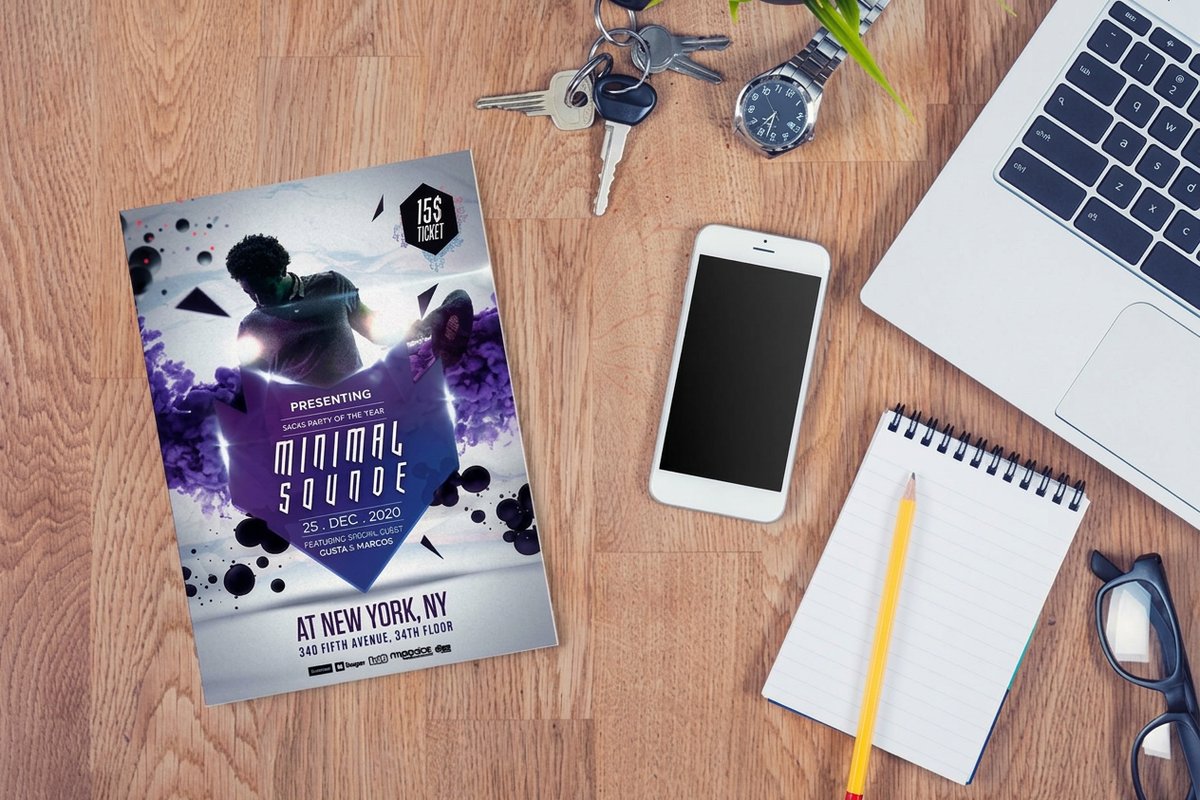
See it in use
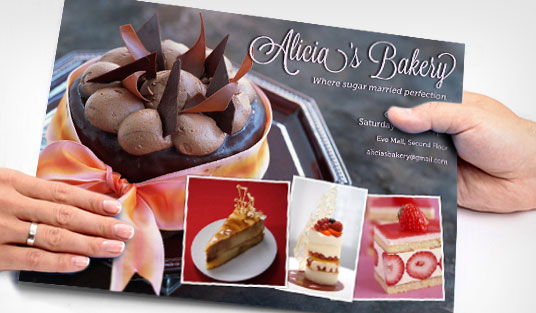
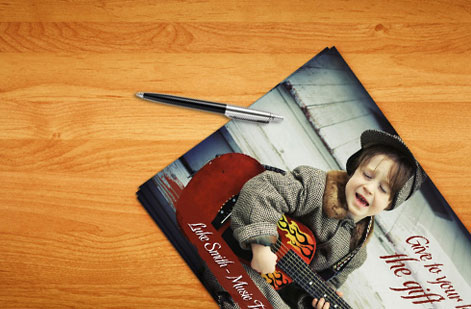
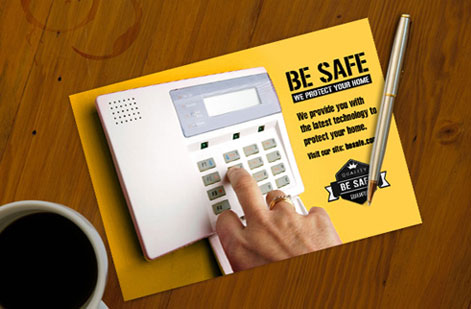
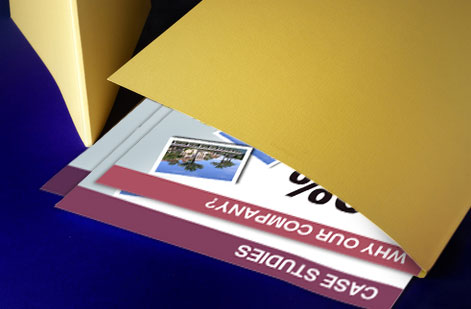
Real flyers, printed in-house
Explore more
Where to go next
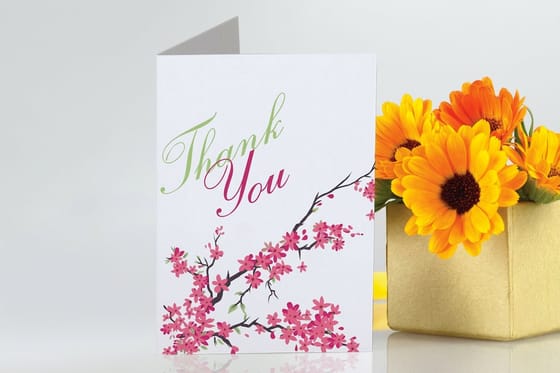
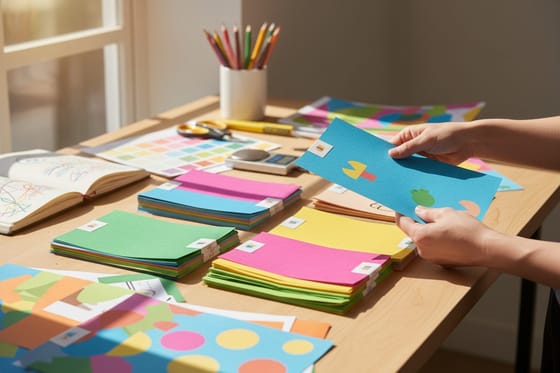


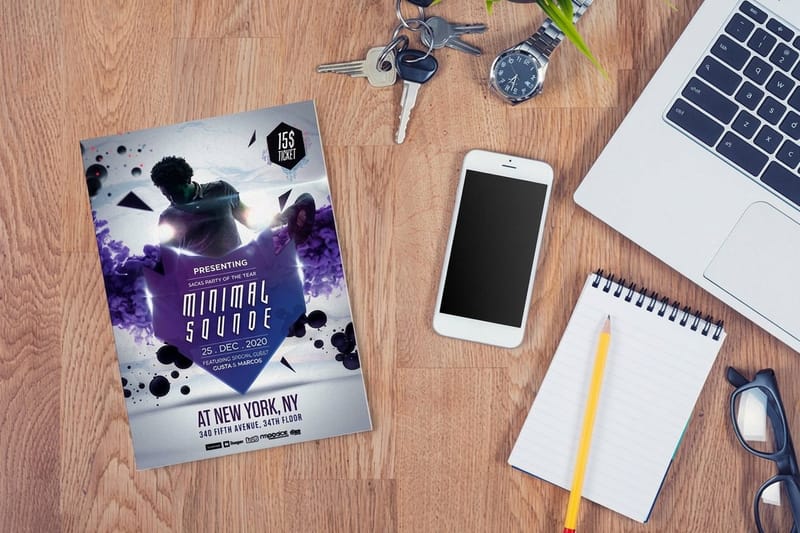

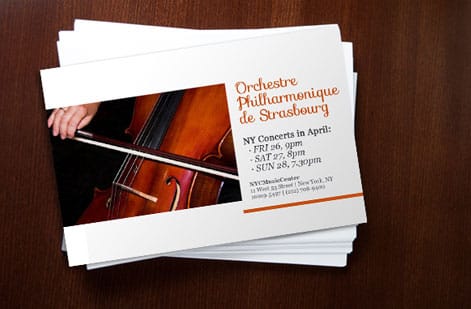
By the numbers
Flyer printing you can count on at 4OVER4
Common Questions
Common questions about flyer paper
What is flyer paper?
Flyer paper is the stock your flyer prints on, described by its weight and its coating. Weight is measured in pounds for text stocks (like 80 lb or 100 lb) and in points of thickness for cardstocks (like 14 pt or 16 pt). Coating is the surface finish: gloss for shine and saturation, matte for a soft glare-free read, or uncoated for a natural, writable surface. Together, weight and coating decide how a flyer feels in the hand, how your colors and text look, and how well it survives handling or mailing. Choosing them deliberately is what separates a flyer that gets kept from one that gets tossed.
How do I choose the right flyer paper?
Work backward from where the flyer will be used. For mass street or counter handouts, an 80 to 100 lb gloss or matte text weight keeps cost low while printing color cleanly. For a premium leave-behind or a mailer, step up to a 14 pt or 16 pt cardstock so it feels substantial and holds up. Then pick the coating by content: gloss for photo-heavy promos, matte for text-heavy or upscale designs, and uncoated when people need to write on it. When in doubt, order a free sample so you can feel the difference before committing to a full run.
What does flyer paper cost and how are prices set?
The paper itself does not carry a separate charge; it is one of the levers that sets your total print price. Cost scales with quantity, size, stock, and finish. Larger runs lower the price per flyer, heavier cardstock costs more than light text stock, and special coatings like high-gloss UV add a bit on top. In the configurator you set each option and the total updates live, so you can see exactly how switching from 100 lb text to 14 pt cardstock, or adding a gloss coat, changes the number before you order.
What sizes, stocks and finishes are available for flyer paper?
Flyers print in standard sizes from compact handbills up to larger 8.5 by 11 in sheets and folded formats, on a range of stocks that spans light 80 lb text up through rigid 16 pt cardstock. Finishes include gloss, matte, uncoated, high-gloss UV, and specialty options like metallic. Not every size pairs with every stock and coating, so the live product configurator shows the exact combinations available, along with the price for each, so you can build the flyer to fit the job.
How long does flyer paper take to print and ship?
Turnaround depends on the product, the finish, and the quantity, not on the paper alone. Standard flyer stocks print and ship quickly, while heavier cardstocks or specialty coatings can add a little production time. The live estimate on the product page shows the current print and ship window for your exact size, stock, and quantity, and choosing a standard gloss or matte text weight is usually the fastest path when a deadline is tight.
What gsm is flyer paper?
Most flyer paper falls between 100 and 350 gsm. A 70 lb uncoated text is roughly 104 gsm, 100 lb gloss text is about 148 gsm, 80 lb gloss cover sits near 216 gsm, and 14 pt cardstock lands around 300 to 350 gsm. US printers quote pounds and points rather than gsm, so use gsm to compare against a spec sheet written in metric, and quote the lb or pt figure when you order.
Can you print flyers on regular printer paper?
You can, but it reads as a memo rather than a promotion. Copier paper is 20 lb bond, thin enough that ink from the back shows through and the sheet curls in a rack. A 100 lb gloss text is roughly three times heavier, holds saturated color, and still costs pennies per piece in volume. Use printer paper for a proof on your desk, then print the run on a real flyer stock.
Is heavier flyer paper always better?
No. Heavier stock feels premium and mails well, but it also costs more, and a lot of flyers are meant to be handed out by the thousand and glanced at once. For a quick promo, a lighter text weight does the job for far less money. Save the 14 pt and 16 pt cardstock for pieces that need to feel valuable, get kept, or travel through the mail. Matching weight to purpose is smarter than always reaching for the thickest option.
Get Started
Ready to print flyers on the perfect stock?
Pick your size, weight, and finish at 4OVER4.COM and watch the price update live. From light handouts to premium cardstock, we print your flyers exactly as designed.
Legal Disclaimer
Gold Standard guarantees apply to all standard orders placed through 4over4.com. Price match requires verifiable proof of a competitor's published price for an equivalent product with matching specifications and turnaround time. Satisfaction guarantee covers manufacturing defects and print quality issues. Contact support with order number and documentation. On-time delivery rate based on tracked orders 1999 to 2026. Individual results may vary based on shipping carrier performance.
