
Custom Printed Banners for Events, Promos, and Storefronts


A great custom banner comes down to material, finishing, and size. Here is how to choose all three for events, promotions, and storefronts, and design one that reads from across the room.
A custom printed banner starts with the material, then the finishing, then the size. Choose scrim vinyl for most jobs, mesh for windy outdoor spans, or fabric for premium indoor use. Add welded hems and grommets every 24 inches so it hangs tight, size it to the space, and design bold for distance.
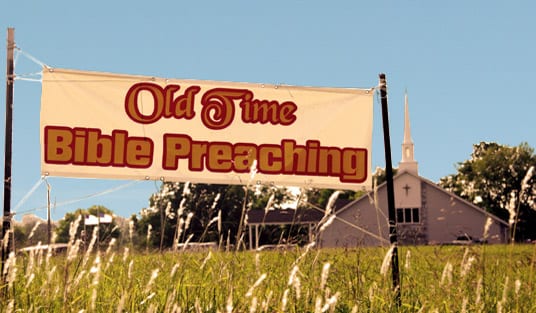
Start here
Custom printed banners in one paragraph
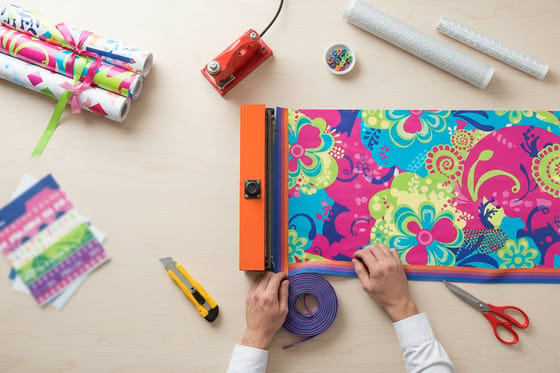
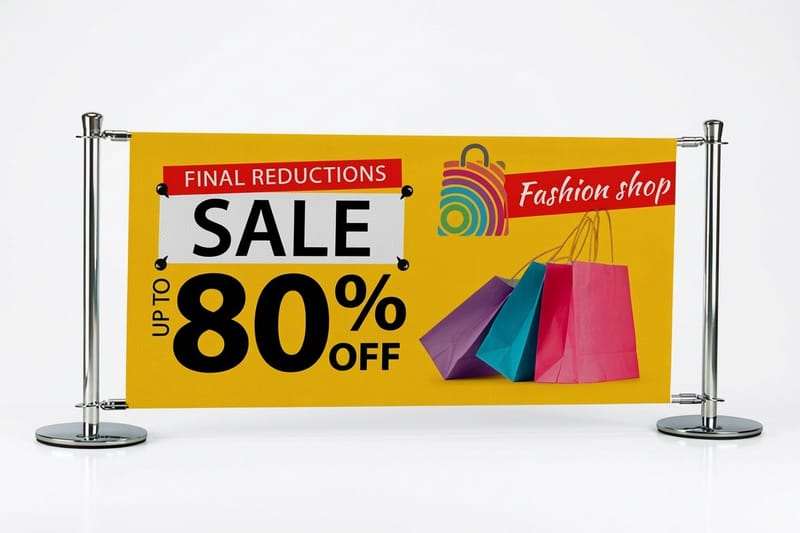
A custom banner is three decisions in order: material, finishing, and size. Pick scrim vinyl, mesh, or fabric to match the setting, add welded hems and grommets so it hangs tight, size it to the space, and design bold enough to read from a distance. The diagram below shows how the finishing comes together on a real banner.
What a custom printed banner really involves
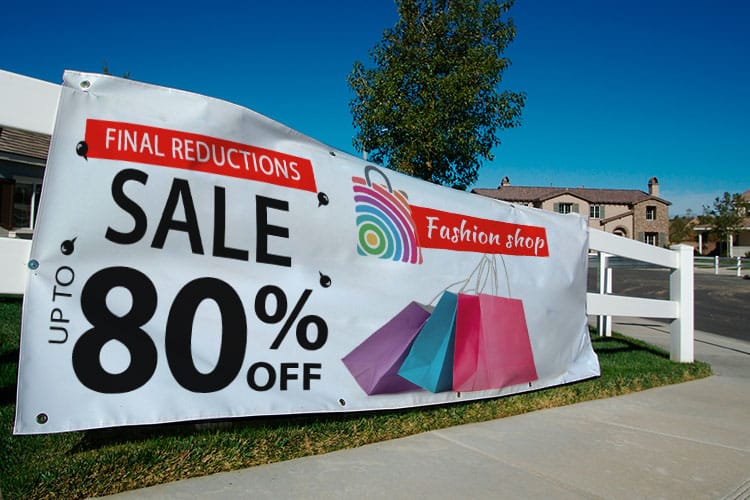
A custom banner looks simple from across the room, but a good one is the result of three decisions made in the right order: the material it is printed on, the finishing that lets it hang, and the size that fits its space. Get those three right and the banner installs clean and lasts. Get them wrong and it sags, flaps, or tears.
This guide is the single reference for all of it, whether you are printing a grand-opening banner, a trade-show backdrop, an outdoor promotion, or a storefront sign. The rules are the same across every use, so we cover material, finishing, sizing, and design once, then point you to the exact product for your job.
If you would rather not build the file yourself, our online design tool and banner templates set the size and bleed for you, and the price for outdoor banners updates live as you configure the build. Browse the full range on our banners collection.
Materials and finishing that make a banner last
Material comes first. Standard 13 oz scrim vinyl is the durable, weatherproof default that handles most jobs. For large outdoor spans in windy spots, mesh vinyl has tiny perforations that let air pass through so the banner does not act like a sail and tear. For premium indoor events and backdrops, a fabric banner gives a matte, wrinkle-resistant look.
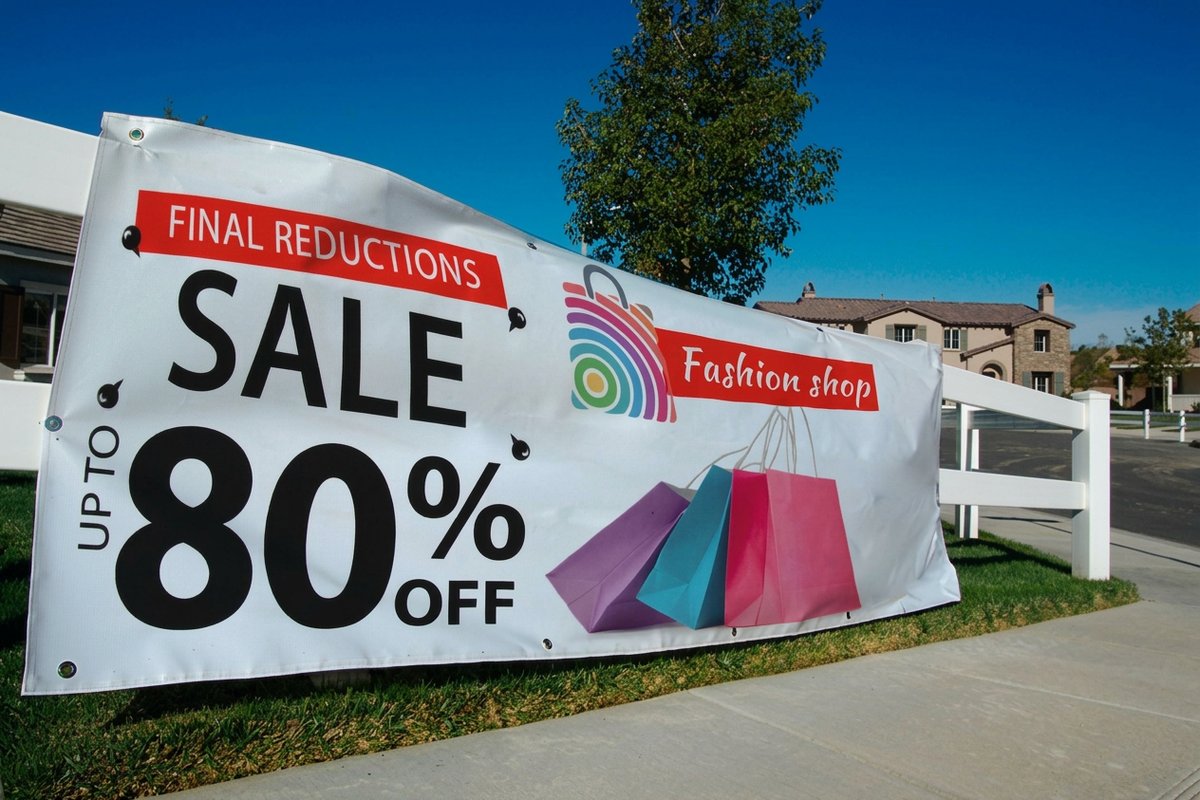
Finishing is what actually keeps a banner on the wall. Welded hems fold and reinforce the edges so they will not fray or tear under tension, and they keep the banner hanging square. Grommets, the metal eyelets set into the hem every 24 inches, give you clean, evenly spaced points to tie or bungee it down. For a pole or crossbar hang, pole pockets replace grommets with sewn sleeves.
The right combination depends on the setting. Outdoor banners want hemming and grommets on wind-rated material, while indoor indoor banners can lean into a cleaner build. Our guide on banner material types goes deeper on the material choice.
Sizing and designing for readability
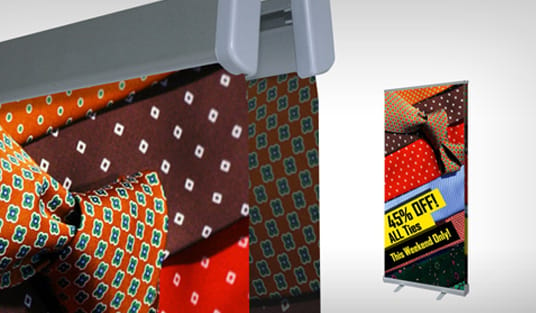
Size to the space, not the design. Measure the wall, fence, railing, or booth first, then build the artwork to that dimension. Common promotional sizes run from 2 by 4 feet up to 4 by 8 feet and larger, but the correct size is always the one that fits its spot cleanly and keeps the message readable from its viewing distance.
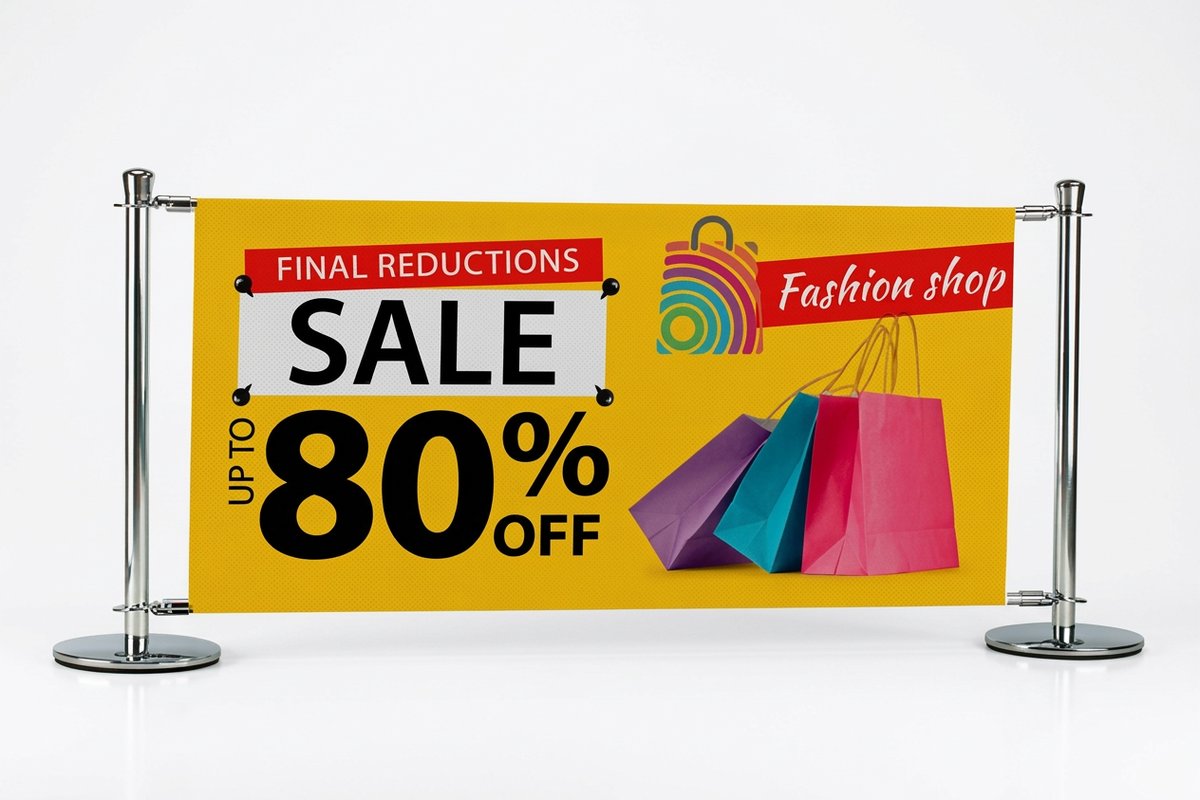
Because a banner is read from a distance, the design has to be bold and simple. Lead with one clear message, use large high-contrast type, and keep the layout uncluttered so it reads in a glance from across a parking lot or event hall. Keep essential text and logos away from the edges, where hems and grommets sit, so finishing never covers anything important.
Finally, set the file up at the final size in CMYK with a small bleed. Our how to make banners guide walks the file setup in full, and our templates handle the technical rules for you. When the file is ready, use the live configurator below to lock in your size, material, and finishing.
Event banner ideas by event type
The event decides the size and the material. A booth backdrop, a storefront announcement, and a fence banner fail in different ways if you print the wrong build, so start from where the banner hangs and how far away people stand when they read it.
Trade shows. Measure the back wall of the booth first, then print to it. An 8 by 4 foot banner fills a standard back wall, and a 6 by 3 foot banner suits the rail above a table. Fabric is the material to pick here: it hangs flat under booth lighting, keeps a matte surface that does not bounce glare back at people walking the aisle, and folds into a case without holding the crease vinyl keeps. Put the company name and one line about what you sell in the top third, because the bottom of a backdrop sits behind staff and product all day.
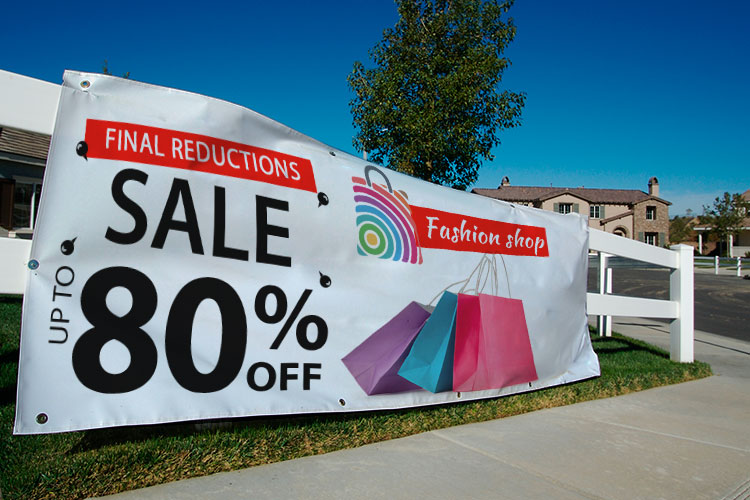
Grand openings. A storefront announcement is read from a moving car, so go large and keep it plain: 4 by 8 feet on 13 oz scrim vinyl, with welded hems and grommets every 24 inches so it can be tied or bungeed to a railing, fence, or awning frame. Two or three words carry it, such as NOW OPEN plus the date. If the frontage funnels wind between buildings, print the same size on mesh vinyl so air passes through instead of turning the banner into a sail.
Birthdays and parties. Indoor and close range, so 2 by 4 feet is usually enough above a table or a doorway, and the heavy outdoor finishing can be skipped. Fabric earns the upgrade when the banner ends up behind every photo, because the matte surface does not flare under a camera flash. Keep the name large and everything else small; it is read from a few feet away, not across a parking lot.
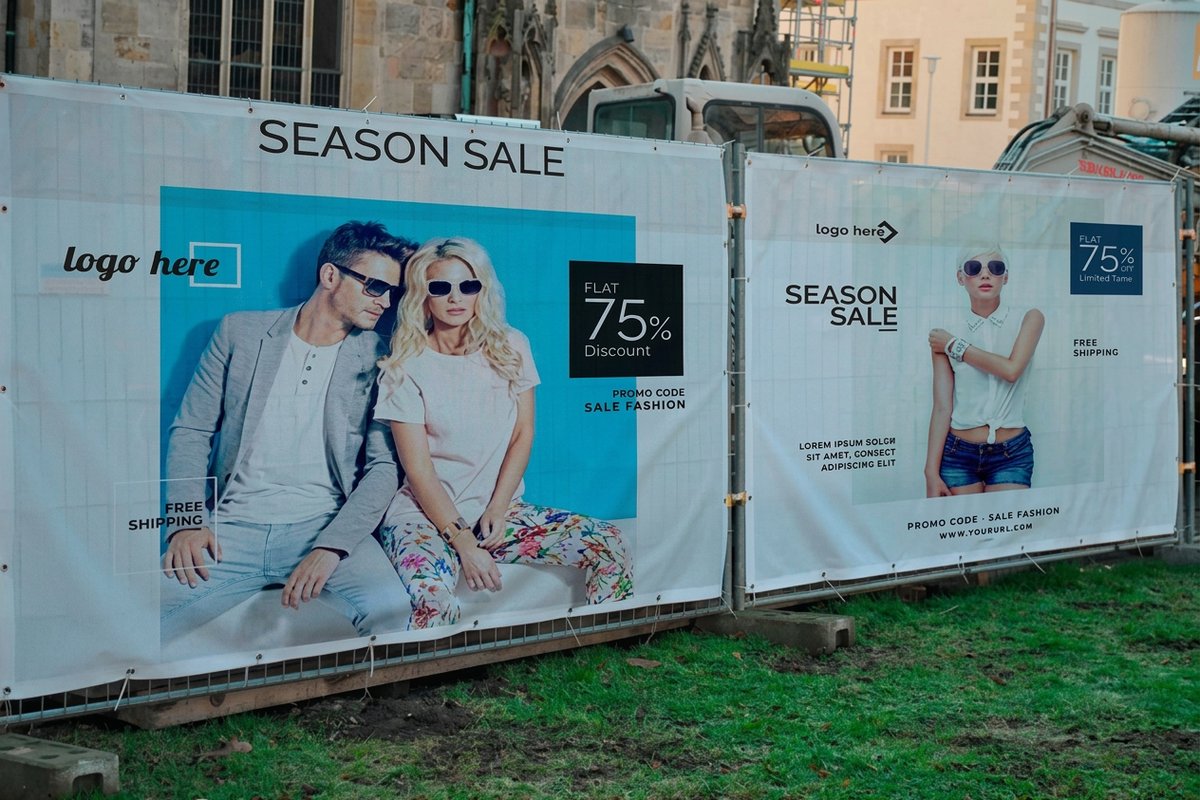
Sports and sponsors. Field and fence banners hang outdoors in wind for a whole season, so mesh vinyl at 3 by 6 or 4 by 8 feet is the safe build, with grommets every 24 inches for zip ties along a chain link fence. Keep team names and sponsor logos well inside the edges, because fence banners get pulled tight at the corners and anything sitting near the hem wraps around the tubing and disappears.
Weddings and receptions. A 2 by 4 foot welcome banner at the entrance plus a wider fabric backdrop behind the head table or photo corner cover most of the day. Fabric again for the matte finish in photographs, and pole pockets instead of grommets when the banner hangs from a crossbar on a stand and you do not want hardware showing in the shot.
Whatever the event, build the file at the final size in CMYK with a small bleed, or start from our templates so size, bleed, and safe area are already correct, then set the size, material, and finishing in the live configurator below.
Wally hangs a banner that stays put
Material, finishing, and size, in that order
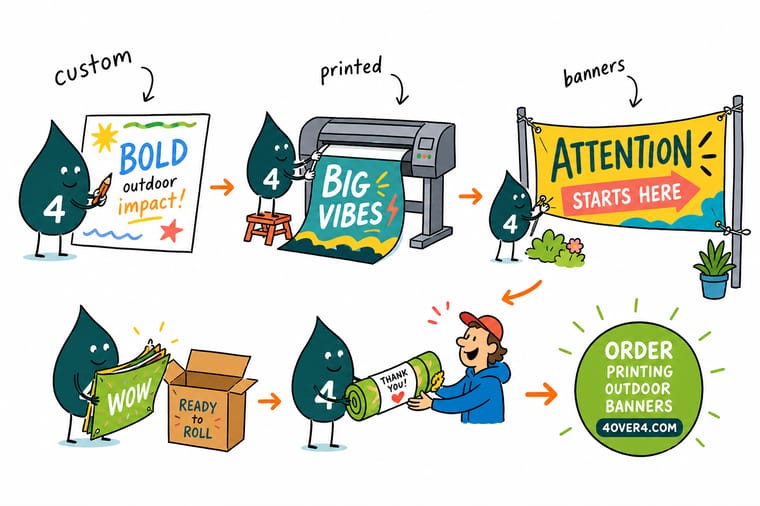
Wally does not just print a banner, he builds it to hang. Pick the material for the setting, weld the hems so the edges hold, set grommets every couple of feet for clean tie points, and size it to the wall. Then design it bold enough to read from the far end of the lot. 4OVER4 prints and finishes it, and it stays put through the whole event.
Print your custom banner →Quick reference
Custom banner options, at a glance
Match the material and finishing to your setting, and your banner installs clean and holds up for the whole run.
| Option | What to choose | Why it matters |
|---|---|---|
| Standard material | 13 oz scrim vinyl | Durable, weatherproof, and cost-effective for the majority of banners. |
| Windy spans | Mesh vinyl | Perforations let wind pass so large outdoor banners resist tearing. |
| Premium indoor | Fabric banner | A matte, wrinkle-resistant look for events, stages, and backdrops. |
| Edge finishing | Welded hems | Reinforced edges stop tearing and keep the banner square under tension. |
| Hanging points | Grommets every 24 in | Evenly spaced metal eyelets give clean, secure tie points. |
| Pole hanging | Pole pockets | Sewn sleeves slide over a rod or pole for a frameless hang. |
Step by step
Order a custom banner in 6 steps
- Measure the space first Before you design anything, measure the wall, fence, railing, or booth where the banner will hang. The available space sets the size, and designing to a real dimension prevents sagging, overhang, and awkward proportions.
- Choose the material for the setting Pick standard scrim vinyl for most jobs, mesh for large or windy outdoor spans where air needs to pass through, and fabric for a premium matte look at indoor events and backdrops.
- Design for distance A banner is read from across a room or a parking lot, so lead with one clear message, use bold high-contrast type, and keep the layout uncluttered. Keep critical text away from the edges where grommets and hems land.
- Add the right finishing For outdoor use, add welded hems for strength and grommets every couple of feet for secure tie points. For a pole or crossbar hang, choose pole pockets instead. Indoor banners can often skip the heavy finishing.
- Set up a print-ready file Build your artwork at the final size in CMYK with a small bleed, and keep the resolution appropriate for large-format viewing. Our online tool and templates handle these rules so the file goes straight to press.
- Configure size, material, and finishing Enter the size, pick the material, add hemming and grommets, and set the quantity on the product page. The price updates live as you go, so you can balance the build against your budget before ordering.
Specs and pricing
Outdoor banner specs and live pricing
Once you have chosen material and finishing, the order comes down to size and quantity. Here are the live specs and price-per-unit for outdoor banners, straight from the configurator.
| Quantity | Price Per Unit | Total |
|---|---|---|
| 1 | $79.00 | $79.00 |
Print it
Print your custom banner at 4OVER4
See it in use
Real banner work, printed in-house
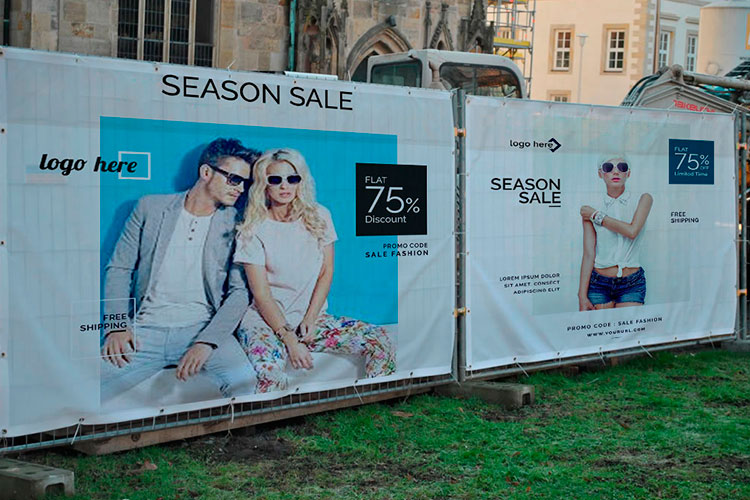
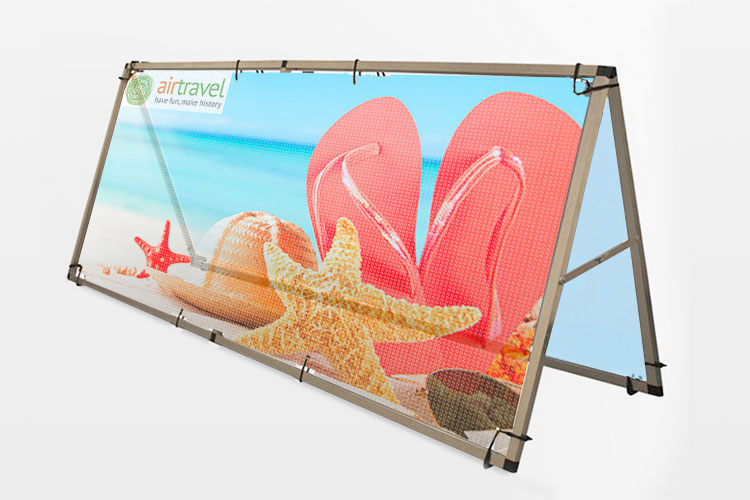
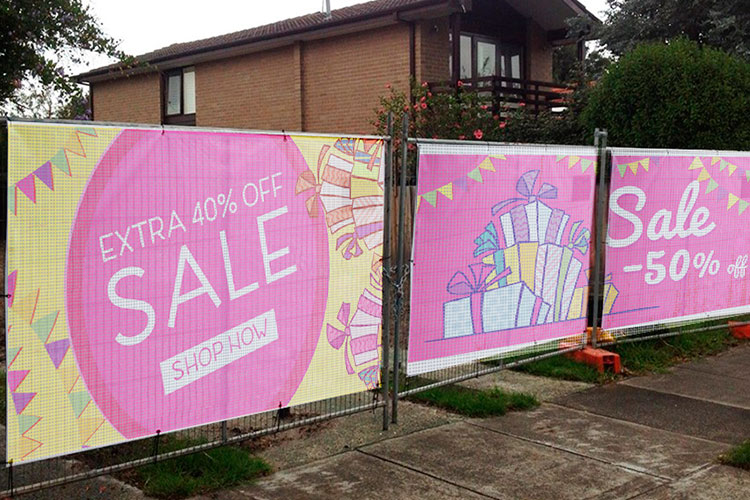
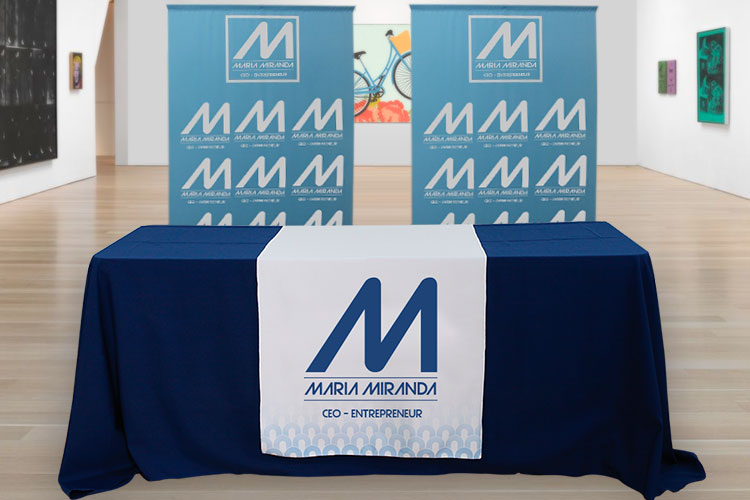
Explore more
Where to go next
By the numbers
Banner printing you can count on at 4OVER4
Common Questions
Common questions about custom banners
What size banner do I need for an event?
Measure the space before you pick a size, because the wall, fence, railing, or booth sets the dimension and the viewing distance sets how large the type has to be. Most promotional event banners land between 2 by 4 feet and 4 by 8 feet. For a trade show, 8 by 4 feet fills a standard booth back wall and 6 by 3 feet fits the rail above a table, both best on fabric so booth lighting does not glare off the surface. For a grand opening read from the street, 4 by 8 feet on 13 oz scrim vinyl with welded hems and grommets every 24 inches is the usual build, or the same size on mesh vinyl where the frontage catches wind. For a fence or field banner that hangs all season, 3 by 6 or 4 by 8 feet on mesh with grommets every 24 inches takes zip ties along chain link. For indoor parties and wedding welcome signs, 2 by 4 feet is normally enough, and fabric keeps the surface matte in photographs. When a size falls between two options, size up rather than down, since an undersized banner reads as an afterthought from across a hall.
What material should a custom banner be printed on?
The default is 13 oz scrim vinyl, a durable, weatherproof material that suits the large majority of indoor and outdoor banners at a reasonable cost. For large outdoor banners in windy locations, mesh vinyl has tiny perforations that let air pass through, which reduces the sail effect and helps the banner resist tearing. For premium indoor use such as stage backdrops and event displays, a fabric banner gives a matte, wrinkle-resistant look. Choose the material to match the setting before you design.
What finishing options do custom banners need?
The two core finishing options are hemming and grommets. Hemming folds and welds the edge to reinforce it so the banner does not tear or fray under tension, and it keeps the banner hanging square. Grommets are metal eyelets set into the hem, typically every 24 inches, that give you clean, evenly spaced points to tie or bungee the banner down. For hanging from a pole or crossbar, pole pockets are sewn sleeves that slide over a rod instead of using grommets.
How do I choose the right banner size?
Start by measuring the exact space where the banner will hang, whether that is a wall, fence, railing, storefront, or trade-show booth. Design to that measured size rather than picking a size first and hoping it fits, which prevents sagging, overhang, and awkward gaps. Common promotional sizes run from 2 by 4 feet up to 4 by 8 feet and larger, but the right size is always the one that fits your space cleanly and keeps the message readable from its viewing distance.
Are vinyl banners suitable for outdoor use?
Yes. Scrim vinyl is built for outdoor use, standing up to sun and rain, and with welded hems and grommets it hangs securely against wind. For very large banners or especially windy sites, mesh vinyl is the better outdoor choice because its perforations let wind pass through and reduce stress on the material and mounting points. Adding proper finishing is what turns a printed banner into one that survives an outdoor season rather than tearing loose in the first storm.
How should I design a banner so it reads well?
Design for distance, because banners are read from across a room or a parking lot rather than up close. Lead with a single clear message, use bold type and high contrast between text and background, and resist the urge to crowd in details. Keep essential text and logos away from the edges where hems and grommets sit, so nothing important is obscured by finishing. A clean, uncluttered layout with one strong focal point outperforms a busy design every time.
What does a custom banner cost, and how is the price set?
Outdoor banners start around $79, and the total scales with size, material, finishing, and quantity. A larger banner, a premium material, or added hemming and grommets increases the price, while ordering more than one lowers the unit cost. You set every option in the configurator and the price updates live as you adjust size and finishing, so you can see exactly what a bigger banner or extra grommets adds before you commit to the order.
Get Started
Ready to print your custom banner?
Set the size, material, and finishing your event or storefront calls for at 4OVER4.COM, and watch the price update live as you add hemming and grommets.
Legal Disclaimer
Gold Standard guarantees apply to all standard orders placed through 4over4.com. Price match requires verifiable proof of a competitor's published price for an equivalent product with matching specifications and turnaround time. Satisfaction guarantee covers manufacturing defects and print quality issues. Contact support with order number and documentation. On-time delivery rate based on tracked orders 1999 to 2026. Individual results may vary based on shipping carrier performance.
