
Custom Food Wrapping Paper, a Practical Branding Guide


Branded wrapping paper turns a plain sandwich or pastry into a photo-ready moment. Here is how food-safe, grease-resistant paper works, which of the four food wrapper printing stocks suits your menu, dry wax, greaseproof, kraft or foil-lined, and how to print your logo across it.
Custom food wrapping paper is food-safe, grease-resistant sheet or tissue paper printed with your branding to wrap sandwiches, burgers, baked goods, and takeout. Food wrapper printing runs on four stocks: dry wax and greaseproof for hot, oily food, food-grade kraft for dry bakery items, and foil-lined paper when the wrap has to keep heat in as well as grease out. It uses food-grade inks and a greaseproof surface so it holds up against oils without bleeding, and it turns everyday service into a branded, shareable moment at almost no added cost per order.
Start here
Food wrapping paper in one paragraph
Custom food wrapping paper is food-safe, grease-resistant paper printed with your branding to wrap sandwiches, baked goods, and takeout. Food wrapper printing means putting that artwork onto a sheet chosen for the food first: dry wax or greaseproof for hot and oily items, food-grade kraft for dry bakery goods, foil-lined when the wrap also has to hold heat. It relies on food-grade inks and a greaseproof surface so oils never bleed through your print, and a simple repeating logo or pattern reproduces cleanly even when the paper is folded and crumpled. Match a light tissue or a sturdier deli paper to the food, and every order becomes branded, shareable marketing that leaves the counter with the food.
What makes paper safe to wrap food
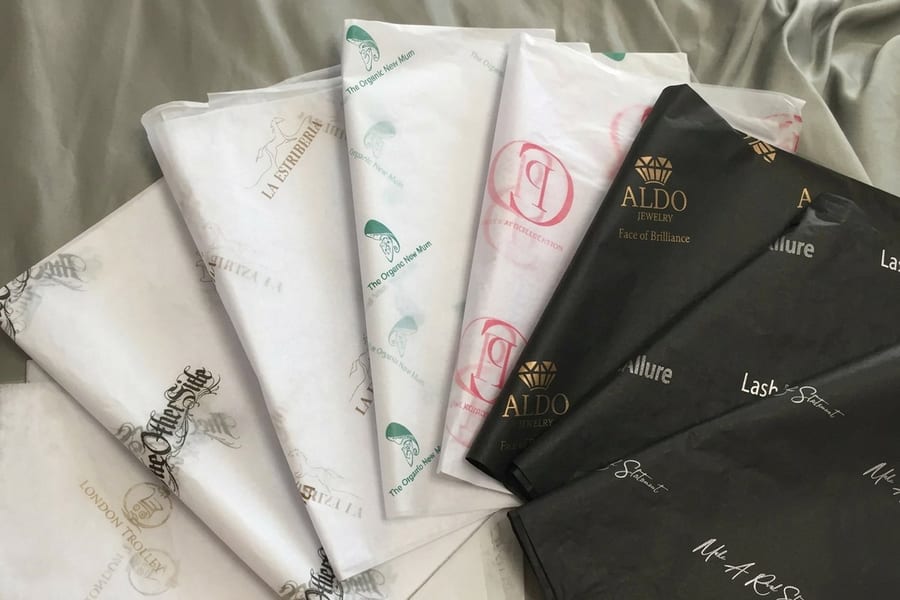
Food wrapping paper is not ordinary printing paper. To touch food directly it has to be food-grade, meaning the paper and the inks are safe for contact with what people eat, and it needs to resist grease so the oils in a burger or a buttery pastry do not soak through and smear your design. Those two traits, food-safe and grease-resistant, are what separate a proper wrap from a sheet that would fail the moment it met a fry.
Get that foundation right and the branding takes care of itself. A greaseproof surface keeps your print sharp from the counter to the customer's table, and food-grade inks keep the whole thing safe against direct contact. Everything else, the pattern, the color, the finish, sits on top of that safe, greaseproof base. Explore branded wrap and tissue options together in our custom printing collection.
Order custom printed food wrappers
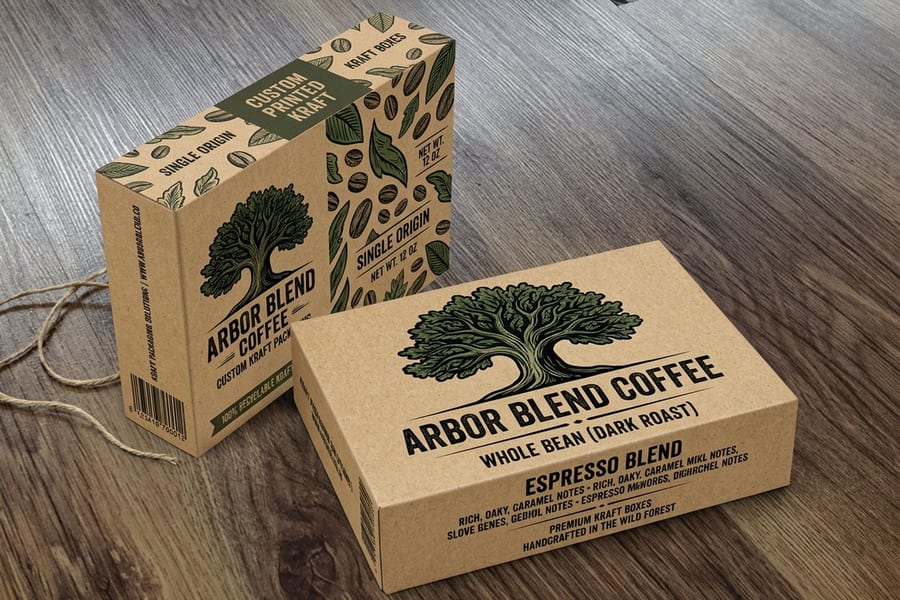
Food wrapper printing starts with the sheet, not the artwork. Pick the material that survives your food, then put the logo on it: dry wax or greaseproof for anything hot and oily, food-grade kraft for dry bakery items and artisan presentation, foil-lined paper when the wrap has to hold heat as well as grease. This is the same shortlist we walk a cafe, a deli or a delivery kitchen through before a first run.
| Dry wax | Greaseproof | Kraft | Foil-lined | |
|---|---|---|---|---|
| Grease resistance | High. A thin wax layer stops oil from burgers, bacon and fried food reaching the outside face. | High. The pulp is refined dense rather than coated, so the sheet repels oil on its own. | Low to moderate on its own. Fine for dry goods, add a greaseproof liner for anything oily. | Highest. Grease and moisture both stop at the foil, and the wrap keeps the food warm. |
| Direct food contact | Yes, on food-grade dry wax stock with food-grade inks. | Yes, on food-grade greaseproof stock with food-grade inks. | Only on food-grade kraft. Plain packaging kraft belongs on the outside of the pack. | Yes, foil face to the food, printed paper face out. |
| Print method | Ink sits on a low-absorbency surface, so one or two bold spot colors hold better than fine halftones. | Takes fine line work and a repeating pattern well. Keep type above hairline weight so folds do not break it. | The brown sheet shifts every color warm. White ink or a single dark spot color is the safe pair. | Print the paper face only. The foil face stays bare against the food. |
| Best food type | Sandwiches, burgers, fries, anything hot and oily. | Pastries, cheese, deli meats, baked goods. | Bakery liners, dry goods, gift-style presentation. | Hot subs, gyros, tacos, anything that has to stay warm through a delivery run. |
Sheet size follows the food rather than a catalog number. Lay the item on the sheet, allow enough paper to fold the long sides over and tuck both ends, and that is your size: a sandwich wrap needs roughly twice the footprint of the sandwich, a pastry liner needs the base plus one fold. Set the stock, the sheet size and the run length on the product page and the cost per wrap and the ship date move together, so you can see what a longer run buys you before you commit. Foil-lined stock adds a lamination step, so plan that one further ahead than a plain kraft or greaseproof run. With 60+ paper stocks on press there is almost always a sheet that matches both the food and the look.
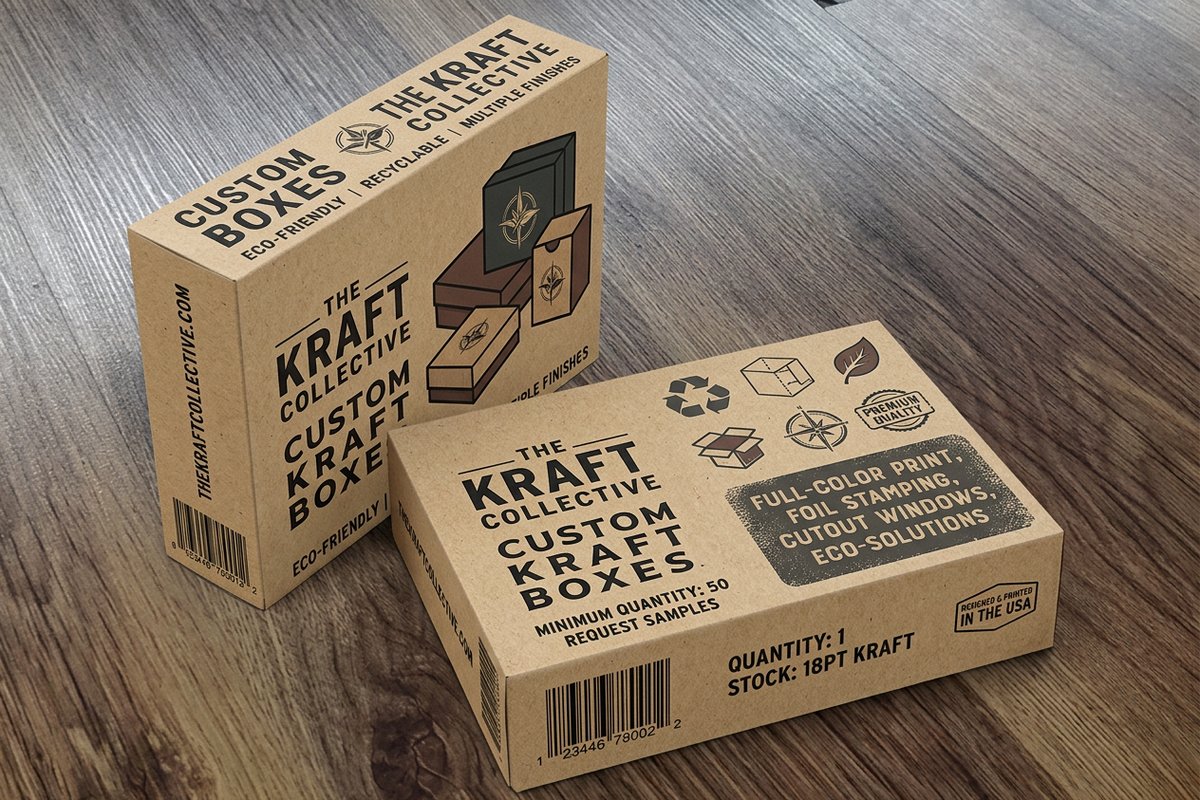
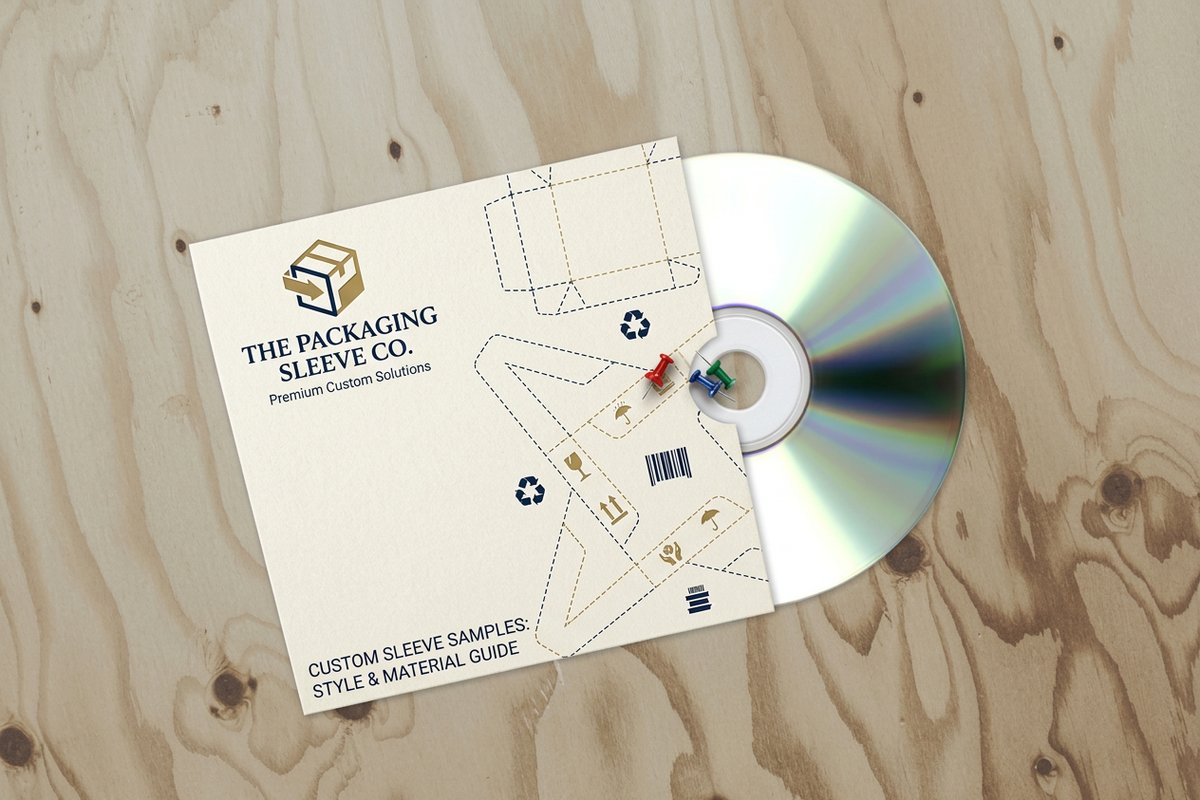
Order printed wrap and tissue on custom tissue paper, and put the ingredient panel and brand mark on premium food labels so that copy stays off the greaseproof face. Carry the same artwork through the rest of the pack with custom kraft boxes and packaging sleeves, or compare the whole set in the custom printing collection.
What is food wrapper printing?
Food wrapper printing is printing your branding onto food-grade, grease-resistant sheets, dry wax, greaseproof, food-grade kraft or foil-lined, that touch the food directly. The inks are food-grade, the surface is greaseproof so oil cannot carry ink through the sheet, and the artwork is drawn bold and repeating so it still reads after the wrap is folded, tucked and crumpled in someone's hand.
What is the minimum order for printed food wrappers?
The minimum is set by the stock and the sheet size you choose, not by one site-wide figure. Pick the material and the size on custom tissue paper and the smallest available run for that combination appears with its price and turnaround before checkout. Smaller sheets and lighter tissue start lower than heavy laminated stock, so a bakery testing a pattern can start small and scale the same file up later.
Types of food paper and what each is for
Not all food paper does the same job. Light tissue and gift-style wrap are ideal for pastries, bakery boxes, and premium takeout where the wrap is more about presentation than grease control. Sturdier deli and sandwich paper is heavier and more greaseproof, built to hold a hot, oily sandwich or a burger without wilting. Kraft-toned paper adds a rustic, artisanal feel that suits cafes and makers.
Choose by the food and the moment. A delicate croissant wants soft tissue, a dripping burger wants a greaseproof sandwich sheet, and a gift-style bakery order wants tissue that photographs well when the box opens. Custom tissue paper covers the presentation end, and it pairs naturally with sturdier packaging when the item needs more protection. For heavier structure, see how paper works alongside boxes in our types of packaging guide.
Branding the wrap so it works as marketing
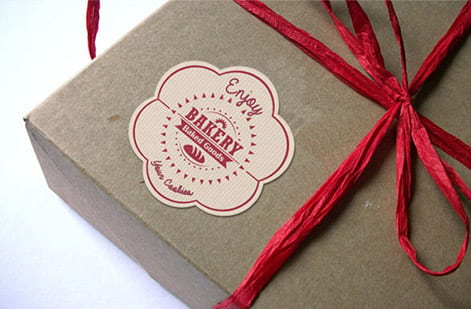
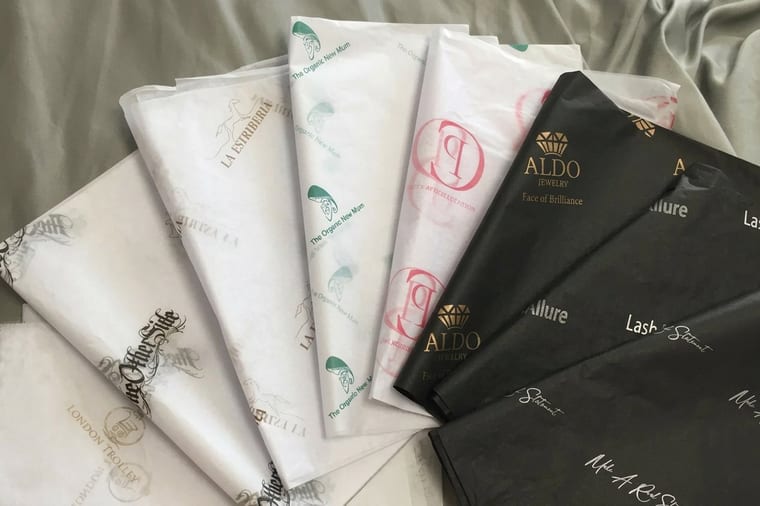
The reason to print your own wrap is that it is some of the cheapest marketing you will ever run. Every wrapped order carries your logo out the door, onto a desk, into a photo, and across a feed. Unlike a flyer that gets tossed, the wrap is doing its job at the exact moment the customer is enjoying your food, which is when your brand impression is strongest.
The art that works best is simple and repeating: your logo tiled across the sheet, a two-color pattern, or your name in a clean band. Because the paper gets folded and crumpled, fine detail and tiny text can disappear, so keep marks bold and high-contrast. A single ink on natural kraft can look just as intentional as full color. If you want to extend the look, matching food labels tie the wrap to your cups, bags, and boxes.
Grease resistance and food safety in practice
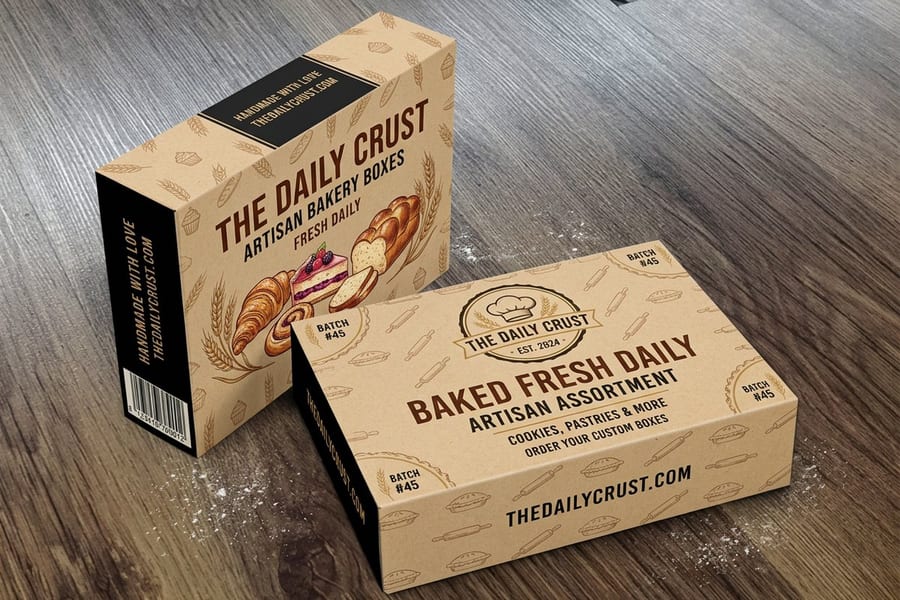
Grease resistance is what keeps your print looking deliberate rather than blotchy. When oils cannot penetrate the sheet, the ink stays put and the paper keeps its shape, so a sandwich wrapped at noon still looks clean when it is unwrapped later. Pairing a greaseproof wrap with a food-grade ink means the surface that touches the food is safe and the surface that faces the world stays sharp.
In practice, match the paper's grease resistance to how oily and hot the food is. Dry pastries forgive a lighter sheet, while fried or saucy items need a heavier greaseproof paper or a wrap-plus-box combination. When the item is messy or needs to travel, lining a kraft box with branded paper gives you both protection and presentation in one move.
Sizes, formats, and how to order
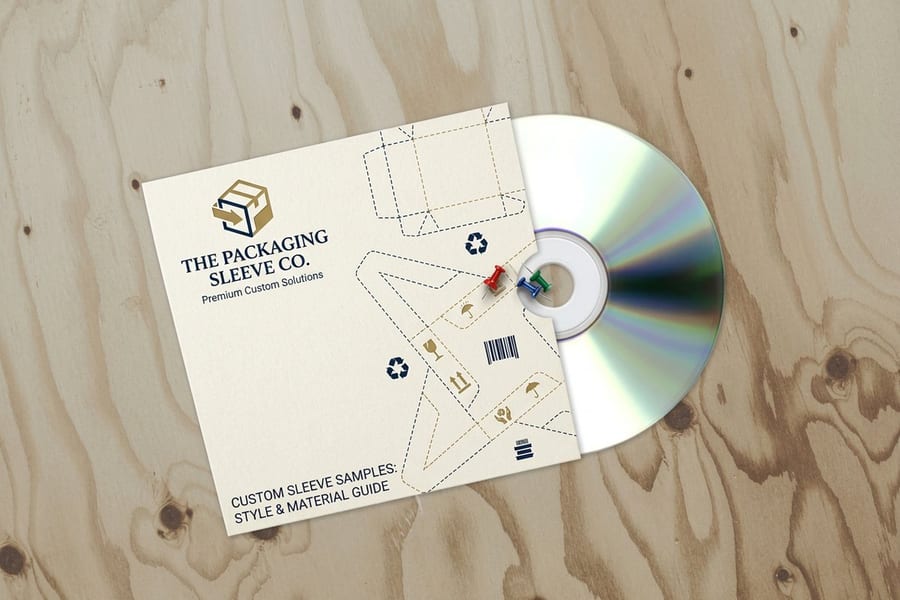
Wrapping paper comes as pre-cut sheets or larger formats you cut to size, and the right dimension depends on the item. A sandwich or burger wants a sheet big enough to fold fully around it with an overlap, while tissue for a bakery box only needs to line and drape. Order a size that comfortably covers your largest common item so one paper handles most of your menu.
To order, pick the paper type, the sheet size, and your quantity, and the price updates live, dropping per sheet as the run grows since paper gangs efficiently at volume. Start with custom tissue paper for presentation-first wrapping, add a packaging sleeve to band bakery items, and browse the wider range in the custom collection.
Pairing wrap with the rest of your packaging
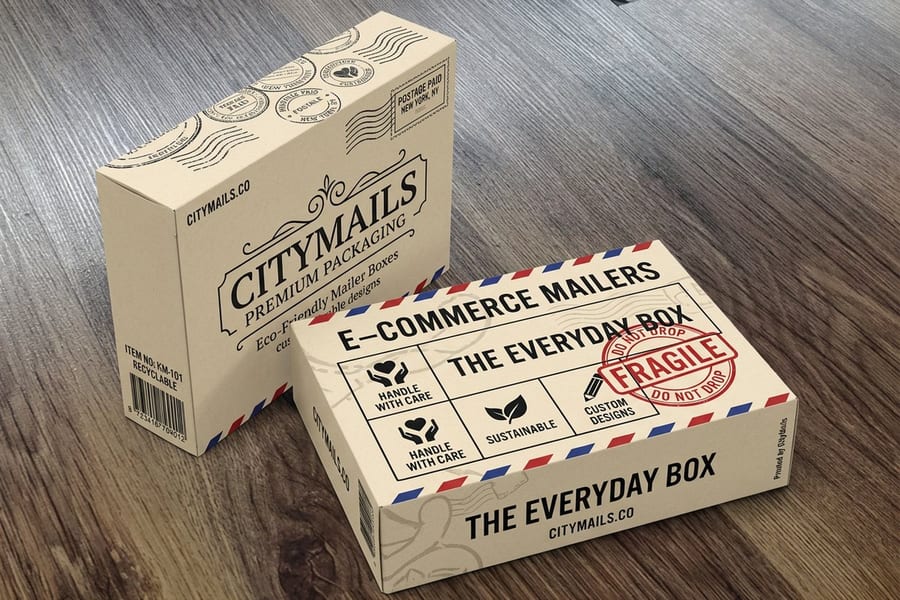
Wrapping paper is strongest as part of a set. When the wrap, the box, the sleeve, and the labels all share one logo and palette, a takeout order feels designed rather than assembled, and that consistency is what customers remember and photograph. The paper is the low-cost thread that ties the more expensive pieces together, so even a plain box feels premium once it is lined with branded tissue.
Plan the pieces as a system: a greaseproof wrap for the food, a printed box or mailer box for structure, a sleeve to band it, and labels to seal it. Match colors and repeat the logo across each, and your brand shows up at every step of the unboxing. Design the whole set once in our tools, or explore structure options in the packaging collection.
Wally turns the wrap into your cheapest ad
Food-safe first, branded all over
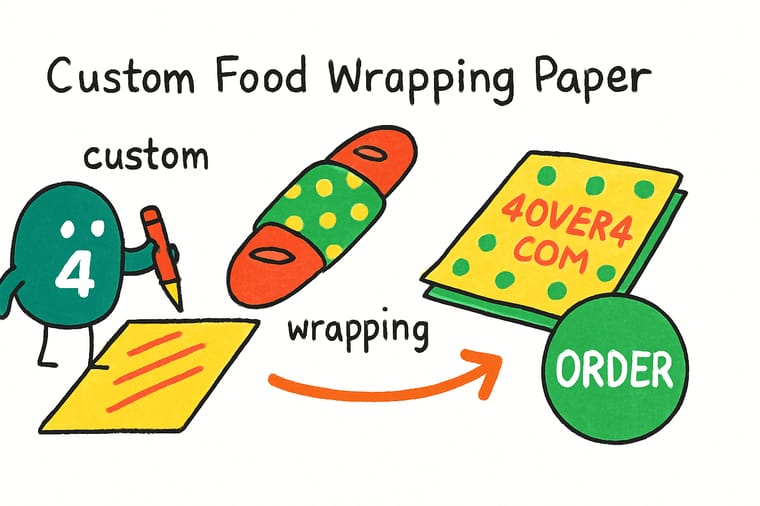
Wally reaches for greaseproof, food-grade paper so oils never smear your print, then tiles your logo across the whole sheet. Every wrapped order carries your brand out the door and into a photo. Match the paper to the food, coordinate it with your boxes and labels, and let 4OVER4 print a wrap that markets while it protects.
Order custom food paper →Quick reference
Food paper types and where each fits
Match the paper to how oily, hot, and heavy the food is, and to the moment you want it to create.
| Paper type | Key property | Best for |
|---|---|---|
| Tissue paper | Light and drapes well | Pastries, bakery boxes, and gift-style premium takeout presentation. |
| Deli and sandwich paper | Heavier and greaseproof | Hot, oily sandwiches, burgers, and wraps that need to hold their shape. |
| Kraft-toned paper | Rustic natural look | Cafes and makers wanting an artisanal, sustainable feel. |
| Food-grade ink | Safe for direct contact | Any paper that touches food directly, required across all types. |
| Repeating logo art | Reproduces when folded | Keeps branding readable after the paper is creased and wrapped. |
| Sheet size | Covers your largest item | One size that folds around your biggest common menu item with overlap. |
Step by step
Brand your food wrap in 6 steps
- Confirm food safety Choose a food-grade, grease-resistant paper so the surface touching food is safe and your print will not blotch.
- Match paper to the food Pick light tissue for pastries and presentation, or a heavier greaseproof sheet for hot, oily items.
- Design simple repeating art Tile a bold logo or two-color pattern that stays readable once the paper is folded and crumpled.
- Size the sheet to your menu Order a size that comfortably wraps your largest common item with an overlap so one paper covers most orders.
- Coordinate the palette Match the wrap to your boxes, sleeves, and labels so the whole order looks designed as a set.
- Set quantity and order Choose your run in the configurator, watch the per-sheet price fall, and place the order.
Specs and pricing
Live custom tissue paper specs and pricing
Custom tissue is the presentation heart of branded food packaging. Here are the live specs and price-per-unit at 4OVER4, straight from the configurator.
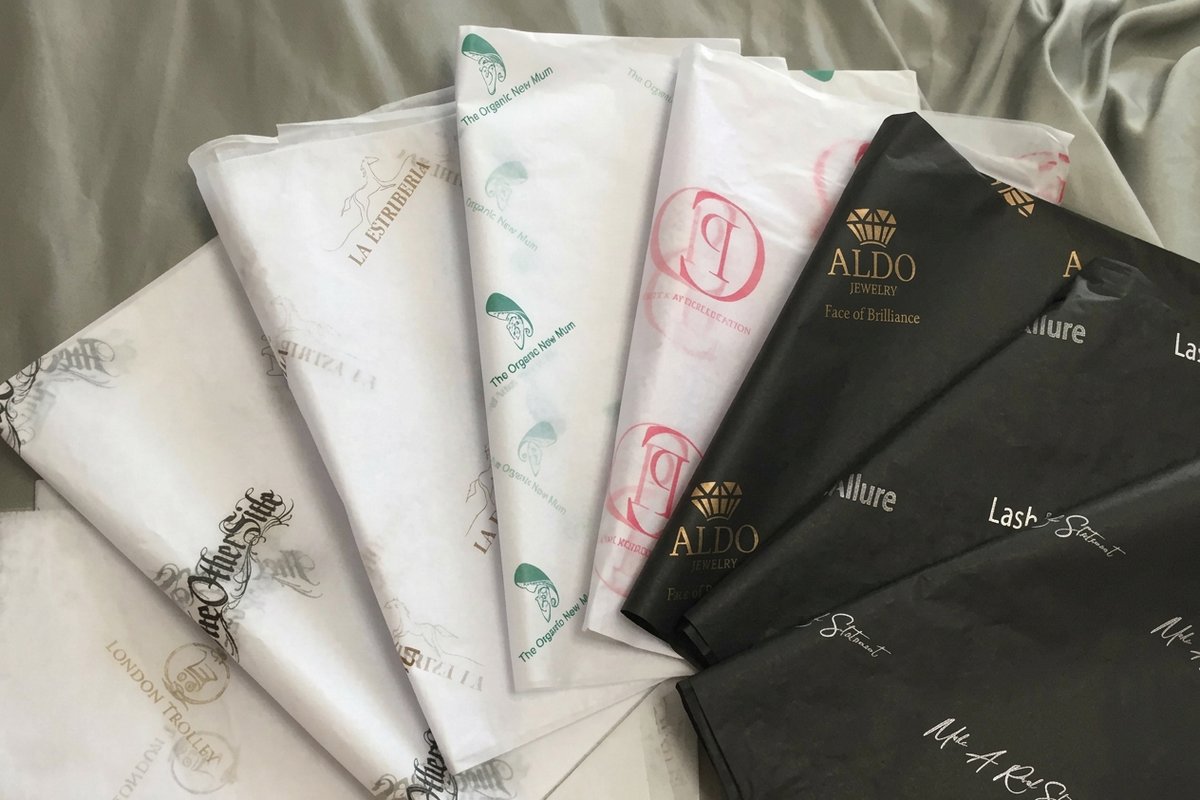
| Quantity | Price Per Unit | Total |
|---|---|---|
| 100 | $1.26 | $126.32 |
| 200 | $1.07 | $214.19 |
| 300 | $1.08 | $324.03 |
| 400 | $1.03 | $411.90 |
| 500 | 98.9¢ | $494.27 |
| 600 | 96.1¢ | $576.65 |
| 700 | 93.4¢ | $653.55 |
| 800 | 91.3¢ | $730.42 |
Order it
Branded packaging to wrap your food in
See it in use
Real branded packaging, printed in-house




Explore more
Where to go next

By the numbers
Food packaging you can count on at 4OVER4
Common Questions
Common questions about food wrapping paper
What is food wrapping paper?
Food wrapping paper is food-safe, grease-resistant paper, either light tissue or heavier deli and sandwich sheets, printed with your branding to wrap sandwiches, baked goods, burgers, and takeout. It uses food-grade inks and a greaseproof surface so oils do not soak through and smear the print, which keeps the wrap looking clean from the counter to the customer's table while carrying your logo out the door.
How do I choose the right food wrapping paper?
Match the paper to how oily, hot, and heavy the food is, and to the moment you want to create. Light tissue suits pastries and gift-style presentation, heavier greaseproof deli paper handles hot, oily sandwiches and burgers, and kraft-toned paper gives a rustic, artisanal feel. Order a size that comfortably wraps your largest common item, and keep the art a simple repeating logo or pattern so it reads after folding.
What does custom food paper cost and how are prices set?
Price depends on the paper type, the sheet size, and the quantity. Because paper gangs efficiently, the per-sheet cost drops as the run grows, so ordering the quantity you will actually use is the main lever. You set each option in the configurator and the total updates live, so you can see how a larger sheet or a bigger run changes the number before you commit.
What sizes, stocks, and finishes are available for food wrapping paper?
Food paper comes as tissue for presentation or heavier greaseproof deli and sandwich sheets for grease control, in a range of sizes from small pre-cut sheets to larger formats. Because the paper touches food and gets folded, the emphasis is on food-grade printing and bold, repeating artwork rather than glossy coatings. Coordinate the color and logo with your boxes, sleeves, and labels for a cohesive set.
How long does custom food paper take to print and ship?
Standard turnaround is the most economical and lets the shop gang your paper efficiently. Faster options are available when you need them, at an added cost for the speed. You can see the production and shipping estimate for your exact paper and quantity in the configurator before placing the order.
Is printed food wrapping paper safe against grease and oil?
Yes, when you use a proper greaseproof, food-grade paper. The greaseproof surface stops oils from penetrating the sheet, so the ink stays put and the paper keeps its shape even under a hot, oily sandwich, and the food-grade ink keeps the contact surface safe. For very messy or saucy items, pair a heavier greaseproof wrap with a printed box for both protection and presentation.
Get Started
Ready to wrap every order in your brand?
Choose a food-safe, grease-resistant paper, tile your logo across it, and turn every sandwich and pastry into branded, shareable marketing. Watch the price per sheet drop as your quantity climbs.
Legal Disclaimer
Gold Standard guarantees apply to all standard orders placed through 4over4.com. Price match requires verifiable proof of a competitor's published price for an equivalent product with matching specifications and turnaround time. Satisfaction guarantee covers manufacturing defects and print quality issues. Contact support with order number and documentation. On-time delivery rate based on tracked orders 1999 to 2026. Individual results may vary based on shipping carrier performance.
