
The 9 Types of Packaging Explained


Jordan is our labels, packaging and sustainability voice, built from the knowledge of our production team, with over 20 years in printing.
Nine packaging formats do the real work, from the mailer box a customer opens to the label that carries your brand. Each one below links to a box, label, sleeve or roll of tape you can order.
The nine core types of packaging are corrugated shipping boxes, mailer boxes, folding cartons and retail boxes, rigid and specialty boxes, kraft and eco boxes, pillow and gift boxes, sleeves, labels and seals, and finishing pieces like tags and tape. Each one sits in one of three tiers, primary, secondary or tertiary, explained below.
The short answer
The nine types of packaging at a glance
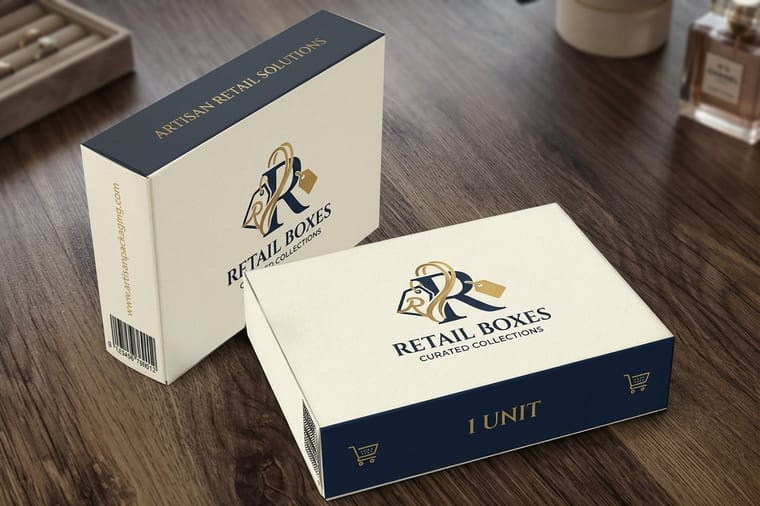
Packaging breaks into nine practical types across three tiers. Labels and pillow boxes are primary. Mailer boxes, folding cartons, rigid boxes, kraft boxes and sleeves are secondary. Shipping boxes and tape are tertiary. Decide the tier first, then the format, then the run size. 4OVER4.COM prints a product for each of the nine types.
Packaging formats we print, with sizes and prices
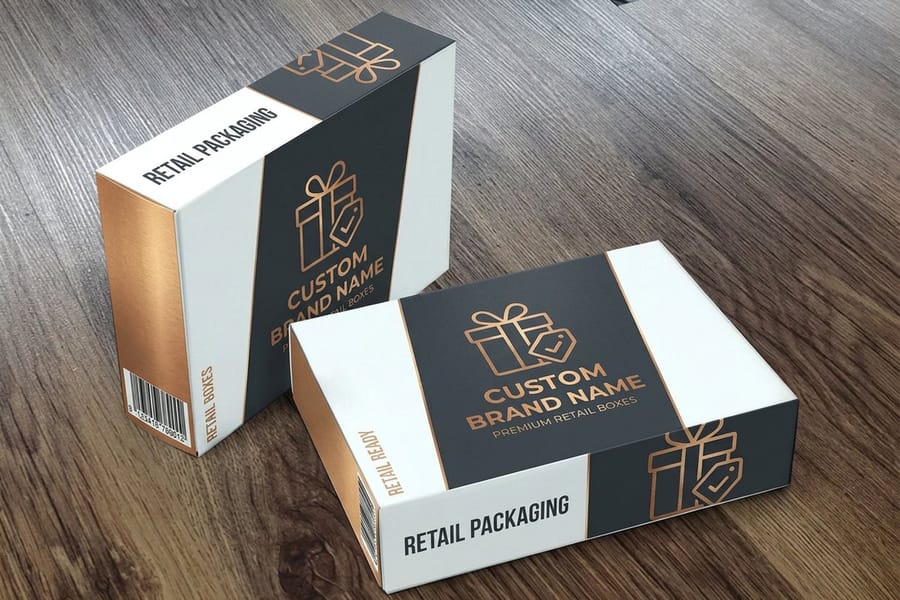
These are the packaging formats on our order forms today, grouped the way you buy them. Every box below prints full color on the outside with a blank inside.
- Mailer, retail, kraft and shipping boxes. Two sizes, 5 x 7 x 1.7 and 5.5 x 5.5 x 2.625 inches, on 14pt Uncoated Cover or 18pt Cover, Gloss 1 Side. 250 or 500 boxes cost $711.78, and 1,000 cost $797.02.
- Pillow boxes. One 3.625 x 1.5 x 7.25 inch size, with an edge lock or a glued side seam. 50 boxes cost $284.49.
- Wine boxes. A 3.23 x 3.23 x 13.125 inch box with a tuck top or a handle. 50 boxes cost $460.22.
- Packaging sleeves. A 5 x 5 inch sleeve on seven stocks from 80# Gloss Cover to 14pt White Linen. 100 sleeves cost $438.25.
- Packaging labels. 50 sizes, from a half inch circle to a 4 x 6 inch oval, on uncoated, semi-gloss, hi-gloss, white vinyl or clear stock. 25 labels cost $23.88.
- Header cards and tape. Header cards come 3.5, 4 or 6 inches wide, scored to fold into a 2 inch panel, at 1,000 for $218.30. Printed tape comes in 2 or 3 inch rolls by the case, from $347.11 for one case.
What product packaging really is
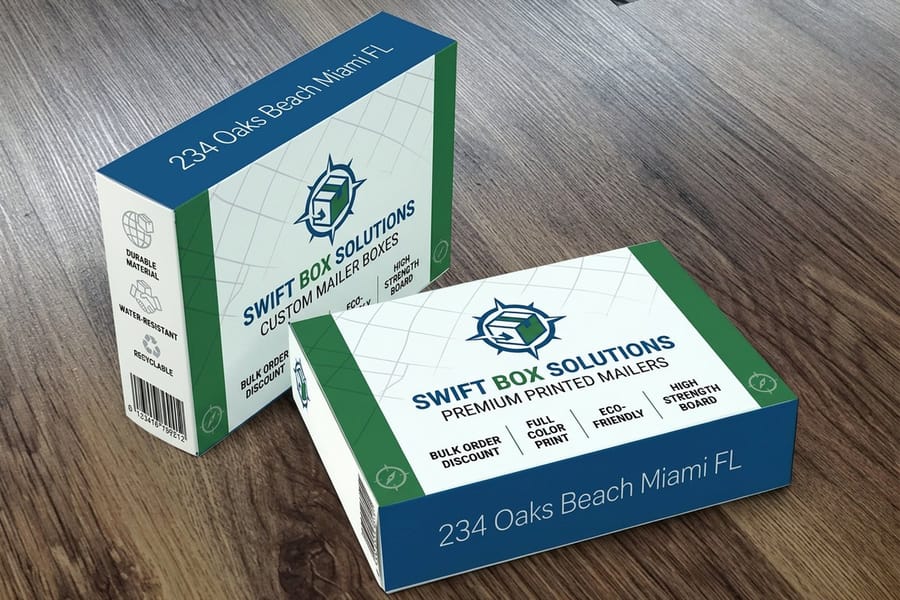
Product packaging is everything that holds, protects, and presents what you sell, from the printed carton on a shelf to the corrugated box that survives a cross-country truck. It does three jobs at once, and on an e-commerce order three printed pieces can share them: a mailer box, a label and a roll of printed tape. It keeps the product intact, it tells a shopper what the product is, and it carries your brand from your table to someone's doorstep.
Packaging sounds like a single box, but a finished order is usually a stack of decisions: the box, the label, the tissue, the tape, and the insert that keeps the thing from rattling. If you are building a brand from scratch, our complete guide to designing packaging for a product walks through the dieline and artwork side in detail.
This guide keeps it practical. We map the nine packaging types you will actually order, explain when each one earns its place, and point every type at a real product you can print at 4OVER4.COM. Browse the full packaging printing collection if you want to see the range before you read on.
Understanding the packaging hierarchy
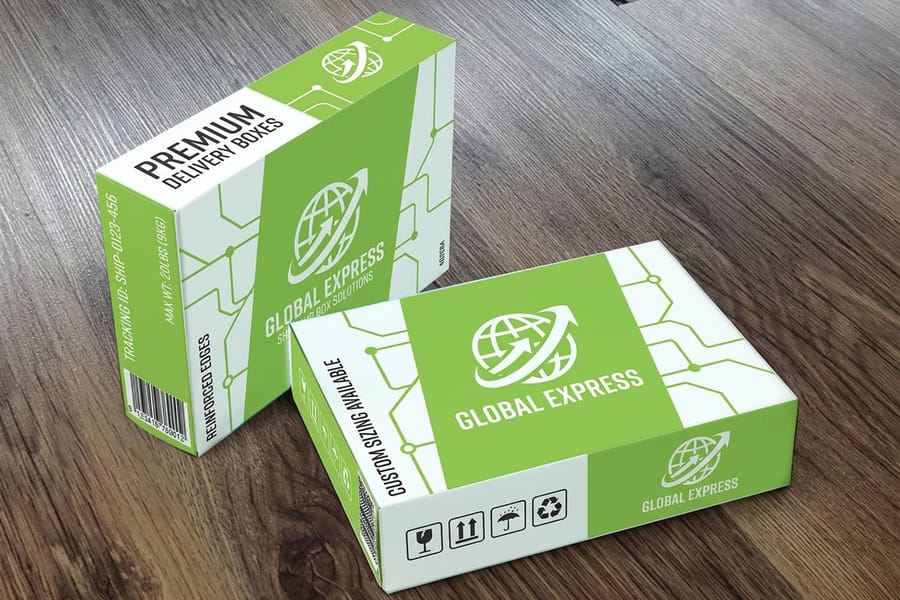
Before you choose a format, it helps to know which layer you are choosing for. Packaging works in three tiers, and every type below slots into one of them.
Primary packaging touches the product. It is the label on the bottle, the pouch around the coffee, the pillow box around the soap. Its job is protection and identity at the exact point of contact.
Secondary packaging groups and brands. It is the printed carton on a shelf, the mailer box that presents the coffee, the wine box around a bottle. This is where most of the moment at the open lives.
Tertiary packaging gets everything there safely. It is the corrugated shipping box, the tape, and the void fill that absorb the abuse of transit. Customers rarely see it, but they notice when it fails. Once you know which tier you are solving for, picking the right type gets a lot simpler.
Choosing the right type of packaging

Answer four questions, in this order.
- What am I protecting? A ceramic mug and a cotton tee do not need the same wall thickness. Fragile or heavy points you toward corrugated. Flat and light opens up folding cartons and mailers.
- How does it ship? If it moves through a carrier network, the outer layer has to pass drop tests. If it only travels from your counter to a bag, you can spend more of the budget on the pretty layer.
- What moment do I want at the open? A plain brown box and a full-color mailer cost differently and feel differently. Decide how much the unboxing matters to your brand before you price anything.
- What is my run size? It decides which formats are open to you, since each one has its own minimum on our forms.
Work those four in sequence and the format almost picks itself. If cost is the sticking point, our breakdown of what product packaging design costs shows where the money actually goes, and the packaging box materials comparison lines up corrugated, paperboard, kraft, and rigid side by side.
Shop the category
Mailer boxes and the rest of the packaging collection
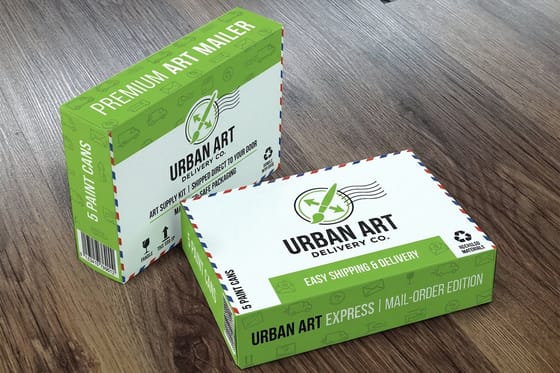
Boxes alone sit under custom box printing, and labels and seals under the custom packaging hub.
The nine types
The 9 types of packaging, and what each is for
Each card names the tier, says when to reach for that type, and links the product you can print at 4OVER4.COM.
- 1
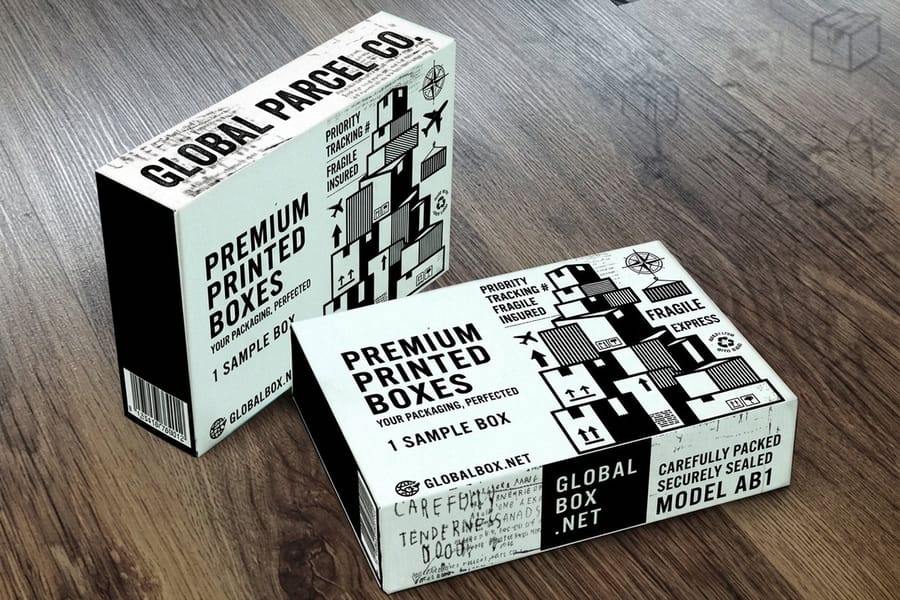 Shipping boxesTertiary Light items that travel through a carrier network in a branded box. Ours print full color on the outside; heavy or fragile goods still want a corrugated outer carton. See the product →
 - 2
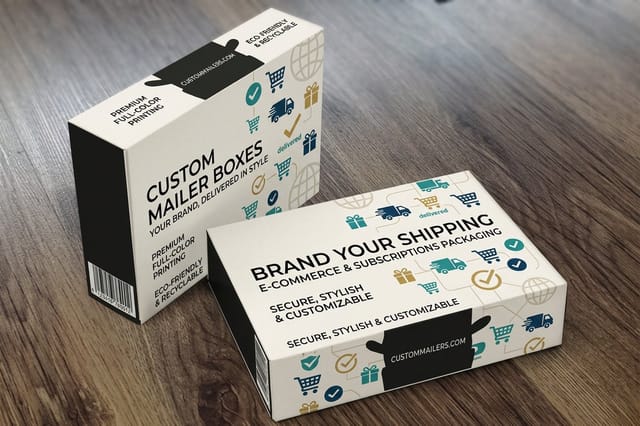
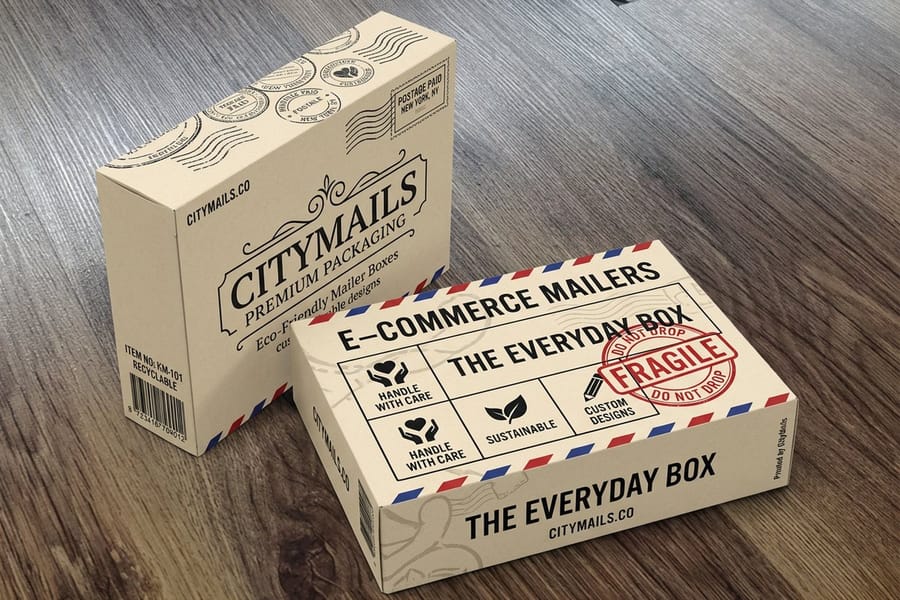 Mailer boxesSecondary E-commerce orders where the unboxing is part of the brand. Ours print full color on the outside, so the brand is the first thing a customer sees on the doorstep. See the product →
 - 3
 Folding cartons and retail boxesSecondary Shelf products that need sharp, full-color print. Paperboard cartons ship and store flat, then fold at pack time, which keeps storage cheap when you hold stock for a whole season. See the product →
 - 4
 Specialty and gift boxesSecondary Premium and gift items such as a bottle of wine. Our wine box is a 3.23 x 3.23 x 13.125 inch printed box with a tuck top or a handle, so the box becomes part of the gift instead of the wrapping you throw away. See the product →
 - 5
 Kraft and eco boxesSecondary Natural and refill brands that want a plain, earthy look. Ours share the mailer sizes, and the 14pt Uncoated Cover option gives an unglazed face for that look. See the product →
 - 6
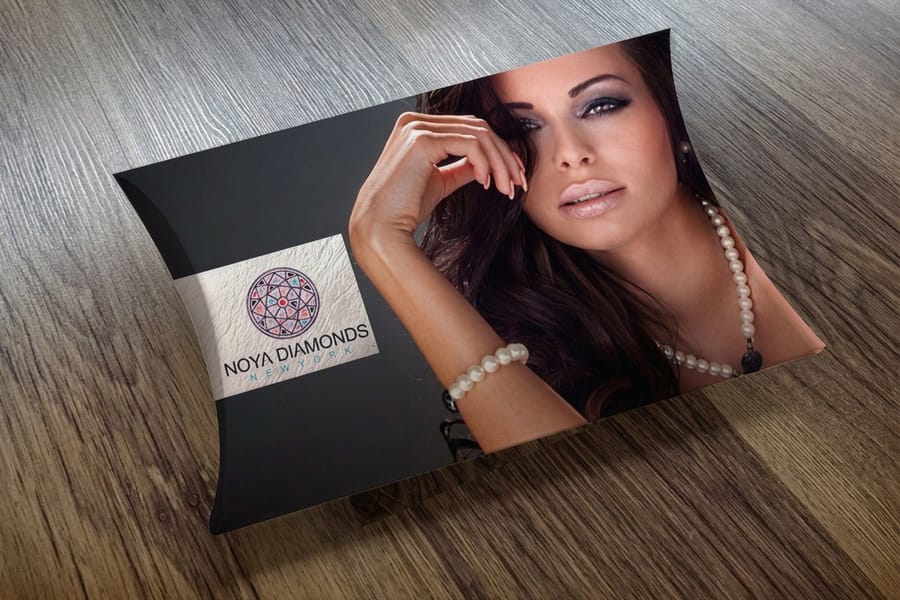
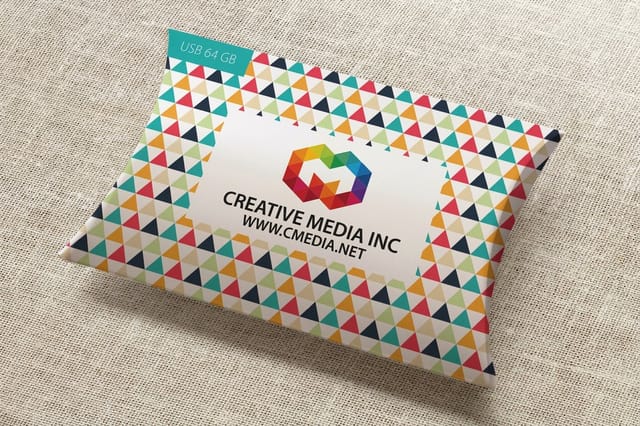
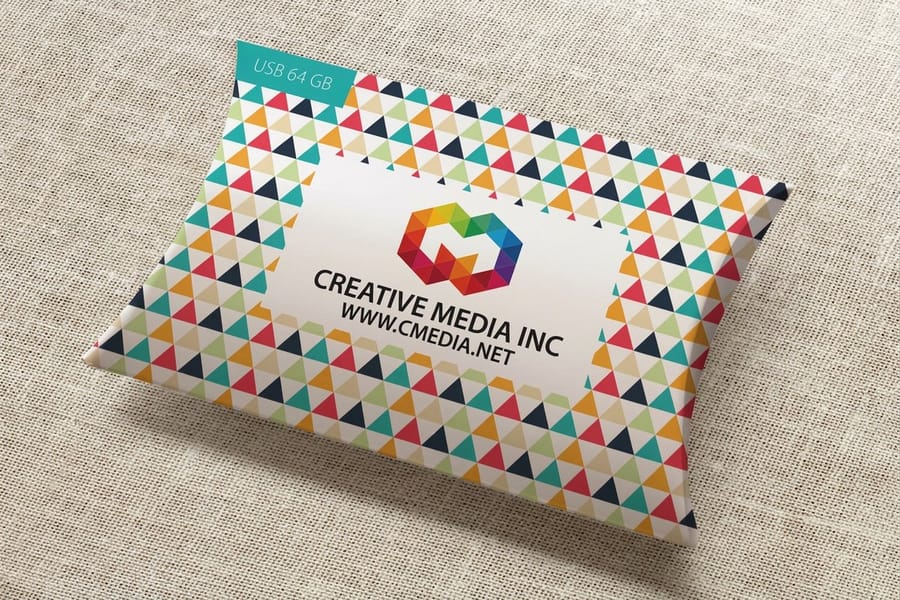 Pillow and gift boxesPrimary and secondary Small, light retail items and gift sets such as soap, jewelry and favors. The curved ends tuck closed, so the box stays shut without tape or a sticker. See the product →
 - 7
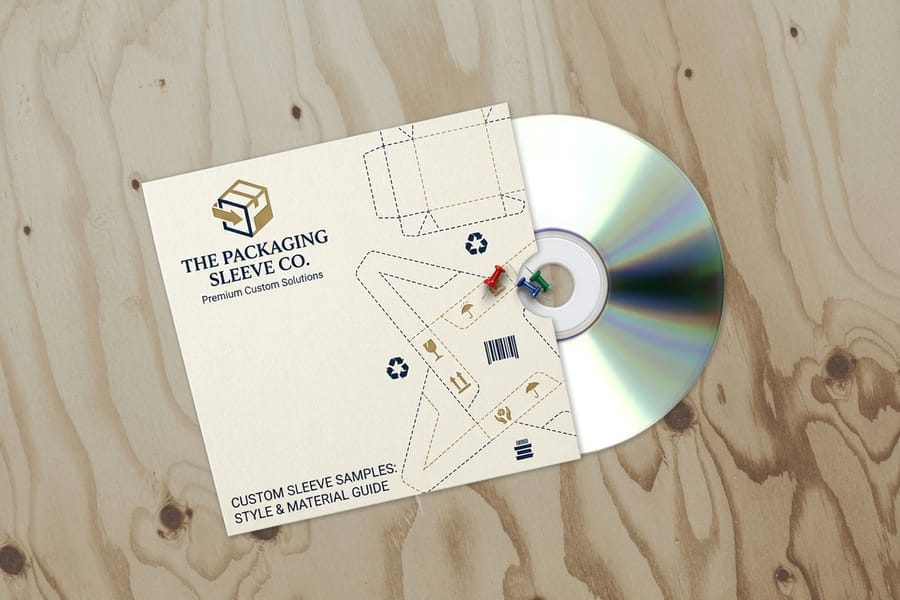 Sleeves and wrapsSecondary Discs and small flat items that need a printed cover. Ours is a 5 x 5 inch die-cut sleeve, with High Gloss UV coating as an option. See the product →
 - 8
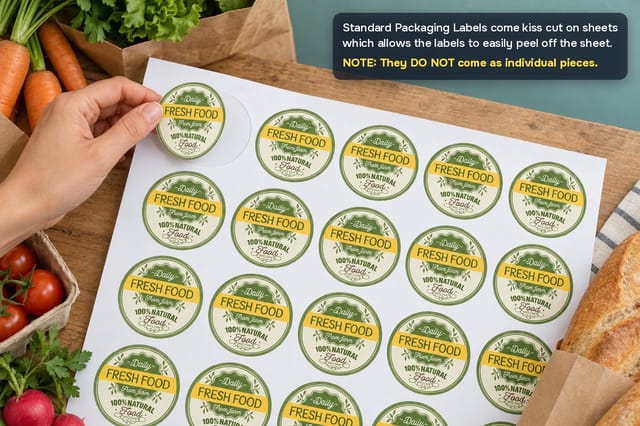
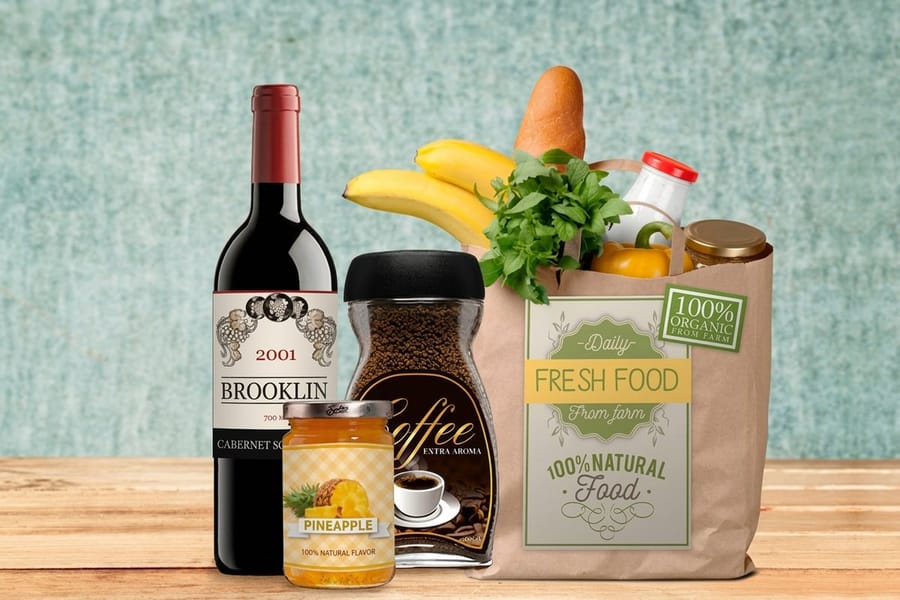 Labels and sealsPrimary Turning a blank jar, bag or box into a branded product, printed in black only or full color. See the product →
 - 9
 Tags, header cards, and tapeFinishing Peg-ready retail, hangtags, and branded sealing. See the product →

A real order, mapped to the hierarchy

Say you sell a candle in a tin. The three tiers stack like this in one order, with the product that does each job.
The label on the tin is your primary packaging: a 3 inch circle carries the brand on the shelf and at home. On the shelf, the tin sits in a 5.5 x 5.5 x 2.625 inch retail box, the secondary layer that protects it and turns it into a gift. When you sell online, a plain corrugated carton sealed with printed tape is the tertiary layer, packed so the retail box cannot shift.
Change the product and the pieces change, but the logic holds. A coffee roaster puts the same kind of label on a pouch instead of a tin. A jewelry brand leans almost entirely on primary and secondary, since the pieces are light and the presentation is the product. For a worked niche example, the ice cream packaging design guide shows the same three tiers under freezer conditions.
Labels, sleeves, tags, and tape: the finishing layer
One money-saving rule: you do not have to reprint the box to rebrand. A label run starts at 25 pieces and a printed box run at 250, so a new label is the cheap way to change a look.
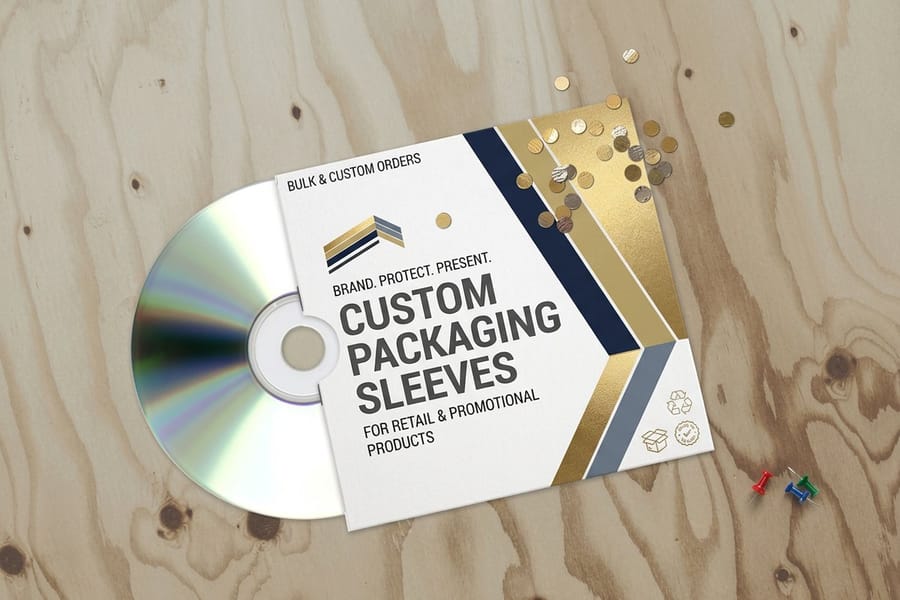
A plain stock box plus a bold packaging label reads as a finished, branded product. A printed sleeve gives a disc or a small flat insert its own printed cover.
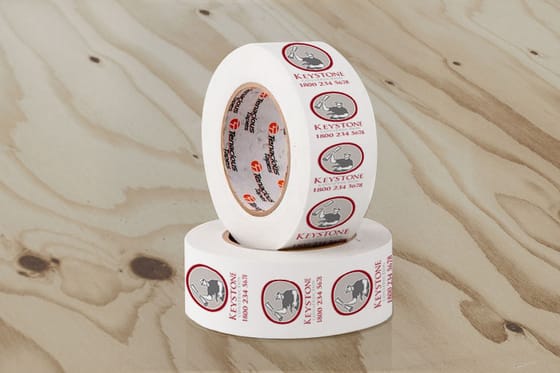
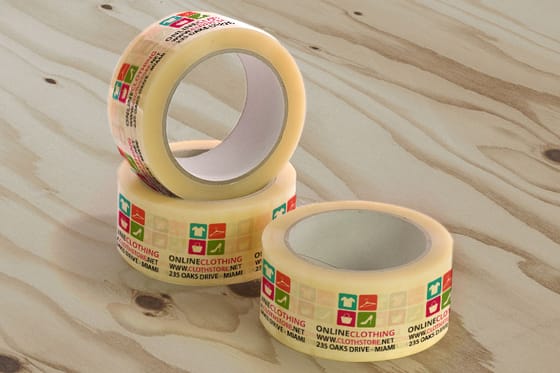
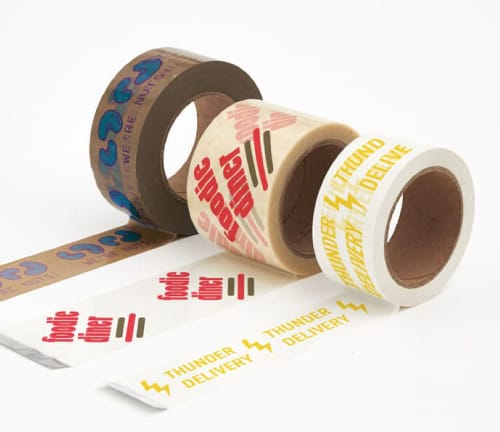
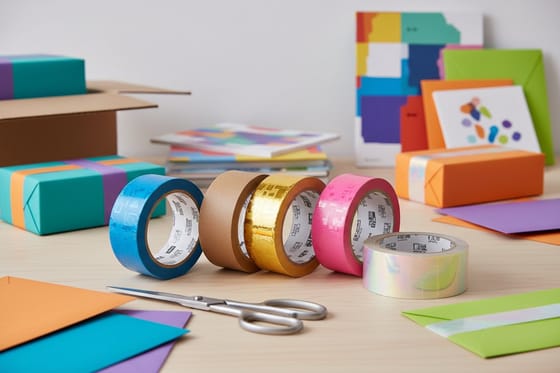
A header card folds over a poly bag and staples shut, which turns the bag into a peg-ready retail item. Branded packaging tape, in white or clear with one or two ink colors, puts your name on a stock brown carton.
Labels are also the quickest place to test a new design. Explore the full packaging labels printing range, or start your artwork in our online designer.
Sustainable packaging: materials that match your values
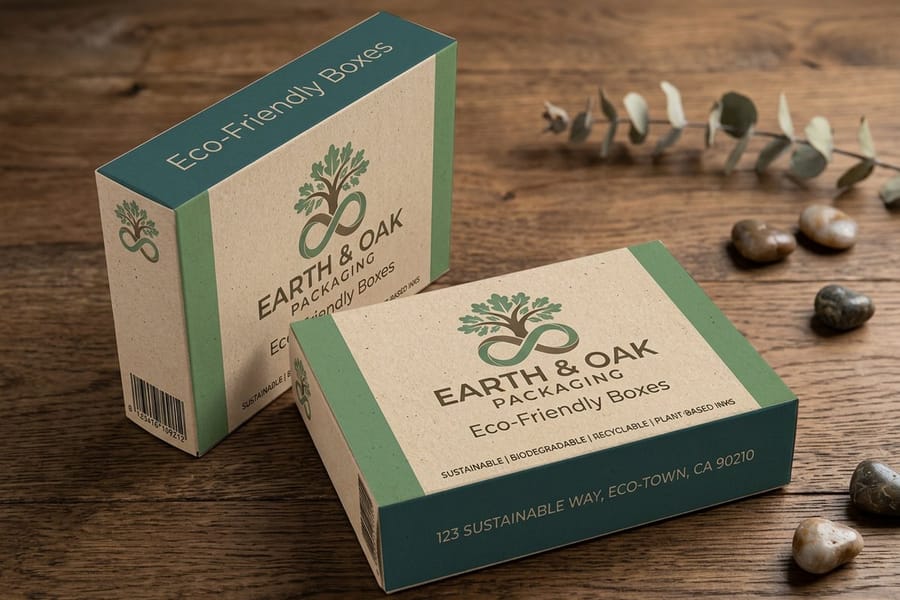
Recycled content is a spec, so check it on the order form before you print the word. Our packaging sleeves offer 13pt Uncoated Cover with 100% post-consumer waste and 15pt Cover, Gloss 1 Side with 30%, so the recycled content is written on the spec sheet itself.
Corrugated and paperboard are widely recycled and take print well. Brown kraft board signals natural, which is why refill brands lean on it. Our kraft boxes print on 14pt uncoated or 18pt gloss board, so the earthy look comes from your artwork, while the kraft printing collection holds the products printed on brown recycled kraft stock.
Two honest cautions. Compostable and recyclable are not the same claim, so match the word to the material. And if you sell a regulated product, the format is not just aesthetic: our note on child-resistant packaging for cannabis covers where the law, not the brand, decides the box.
Matching packaging to your product, run size, and budget
The last decision is quantity, and it changes everything upstream. Order fifty and you can test three artwork directions cheaply. Order fifty thousand and a single typo becomes a warehouse problem, so you lock the file first.
A sane sequence looks like this: prototype the format with a short run, prove the artwork with real customers, then scale the winner. Before you upload, run through how to prepare files for packaging products so your bleed, dielines, and coatings are right the first time. Picking a stock? The paper stocks guide explains what matte, gloss, linen, and kraft each do to a printed box, and how to get custom shipping boxes covers sizing them for your product.
If you are comparing printers, our Jukeboxprint alternative page sets the two side by side.
Specs and pricing
Retail box specs and live pricing
Retail boxes, the shelf format from type 3, carry the full price ladder below. 250 and 500 boxes cost the same, so check the 500 tier before you order 250.
| Quantity | Price Per Unit | Total |
|---|---|---|
| 250 | $2.85 | $711.78 |
| 500 | $1.42 | $711.78 |
| 1,000 | 79.7¢ | $797.02 |
| 2,500 | 53.5¢ | $1,338.30 |
| 5,000 | 44.6¢ | $2,231.42 |
| 10,000 | 40.4¢ | $4,044.70 |
| 15,000 | 39.0¢ | $5,844.45 |
| 20,000 | 38.3¢ | $7,657.73 |
Print it
Popular packaging to print at 4OVER4
Between them, these three cover every tier: the label goes on the product, the pillow box presents it, and the mailer box carries it to the door.
Wally sorts the packaging shelf
Nine formats, one simple question at each layer
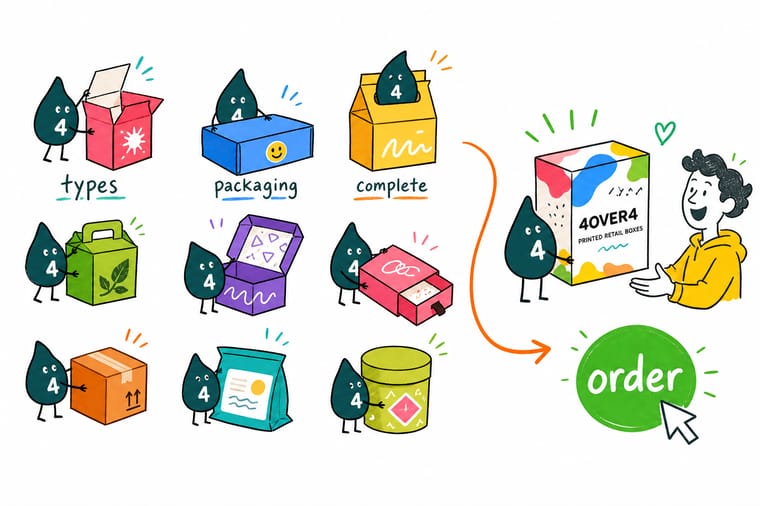
Wally lines up every box, sleeve, and label by the one job it does. What touches the product is primary, what groups and brands it is secondary, what ships it safely is tertiary. Answer those three in order and the format stops being a guess. When you know which nine types you actually need, print them all in one place, on the same 60+ stocks, at 4OVER4.
Explore packaging →See it in use
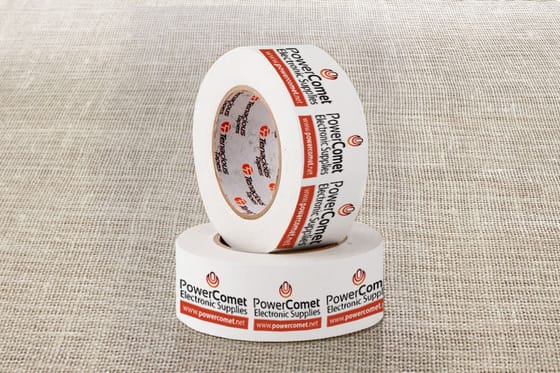
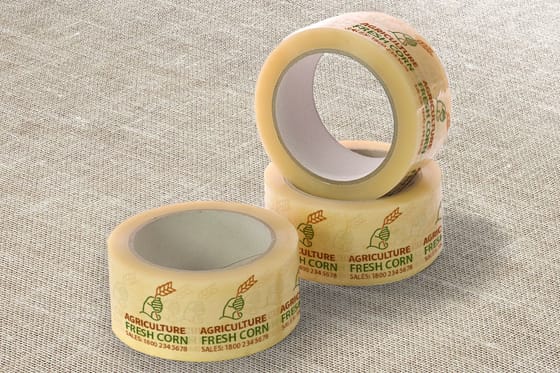
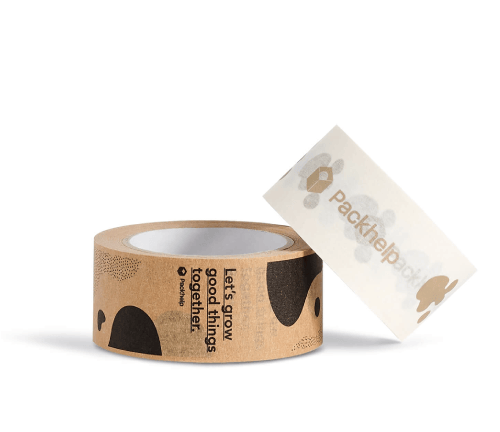
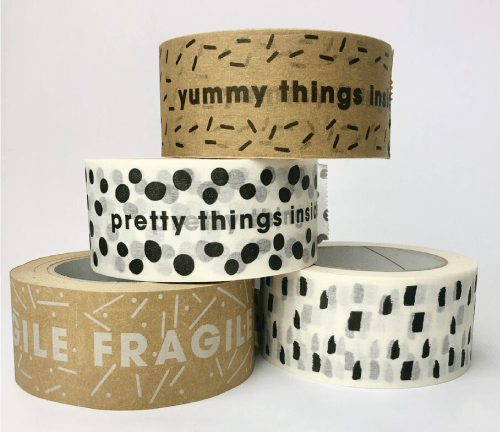
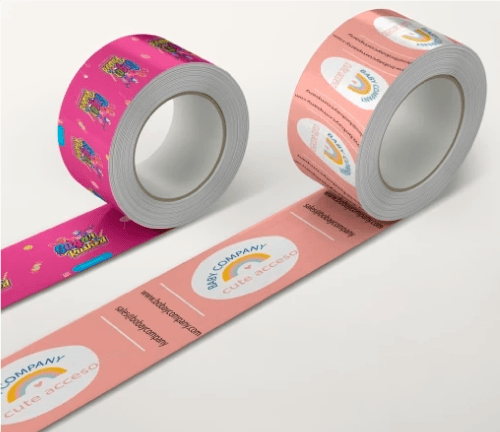
Printed packaging tape from our Queens plant
%22%2F%3E%3Ccircle%20cx%3D%2244%22%20cy%3D%221%22%20r%3D%2219%22%20fill%3D%22%23a78bfa%22%20opacity%3D%220.15%22%2F%3E%3Ccircle%20cx%3D%2240%22%20cy%3D%2250%22%20r%3D%225%22%20fill%3D%22%23a78bfa%22%20opacity%3D%220.1%22%2F%3E%3Crect%20x%3D%2274%22%20y%3D%22-7%22%20width%3D%2229%22%20height%3D%2210%22%20rx%3D%224%22%20fill%3D%22%23a78bfa%22%20opacity%3D%220.08%22%20transform%3D%22rotate(9%2080%2030)%22%2F%3E%3C%2Fsvg%3E)
Explore more
Where to go next
By the numbers
The printer behind these boxes
Common Questions
Common questions about types of packaging
Are there more than nine types of packaging?
Yes, if you count formats such as pouches, blister packs, bottles and pallet wrap. Those are made by specialist packaging plants, and what a brand usually prints for them is the label. The nine on this page are the ones a small brand orders printed: boxes, sleeves, labels and the finishing pieces.
Is a shipping box always tertiary packaging?
No. The tier comes from the job, not the box. A printed shipping box that goes straight to the customer is the branded layer and the transit layer at once, while the same box packed inside a larger carton becomes secondary.
How long does printed packaging take?
Standard packaging labels can ship the same day or take up to 3 business days. Sleeves take 5 business days, header cards 6, mailer, retail, kraft and shipping boxes 7, pillow and wine boxes 9, and printed tape 20. Transit time comes on top of production.
What is the difference between a mailer box and a shipping box?
In packaging terms, a mailer box is the print-forward box a customer opens on the doorstep, and a corrugated shipping box is the heavier outer carton built for stacking and rough handling. On our forms, Custom Mailer Boxes and Shipping Boxes share the same sizes, boards and price ladder, so the name follows how you use the box.
How much does custom packaging cost, and how is the price set?
Format, size, board and quantity set the price, and quantity moves it most. A retail box costs about $2.85 each in a run of 250 and about 40 cents each at 10,000, as the price table above shows. Each product page lists the price at every tier, so you can see where the breaks fall before you order.
Get Started
Pick a format and print it
Pick a format, drop in your logo or artwork, and we print boxes, mailers, sleeves, and labels that protect the product and carry your brand.
Legal Disclaimer
Gold Standard guarantees apply to all standard orders placed through 4over4.com. Price match requires verifiable proof of a competitor's published price for an equivalent product with matching specifications and turnaround time. Satisfaction guarantee covers manufacturing defects and print quality issues. Contact support with order number and documentation.
