
Custom Embossing and Debossing Explained for Premium Print


Embossing shapes the paper instead of the ink, raising a design you can feel. Here is how embossing and debossing work, the die styles to ask for, and the 4OVER4 products where the finish is already built in.
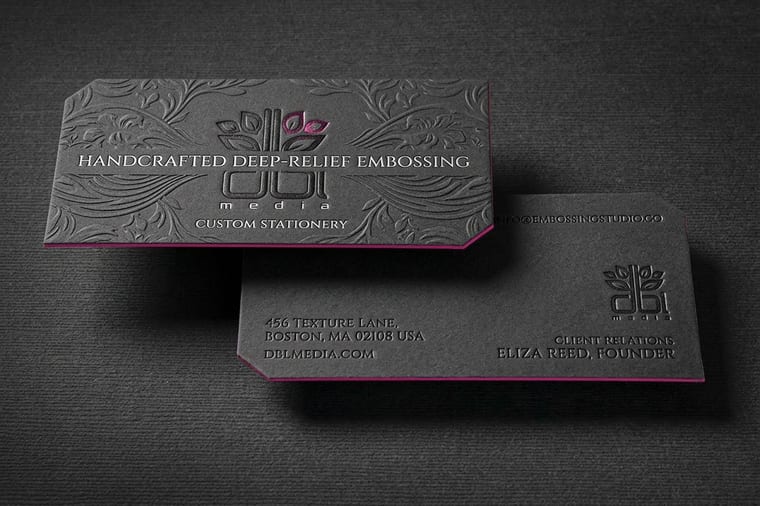
Embossing raises a design above the paper with a metal die and counter-die; debossing presses it in. Neither needs ink, which is what makes the finish read as premium. Die styles range from a subtle blind emboss to a foil combination that lifts a logo in metallic. It works best on heavier stocks: business cards, folders, and invitations.
Start here
Embossing in one paragraph
Embossing shapes the paper, not the ink. A metal die and its mirror press the sheet to raise a design toward the viewer; deboss presses it in. No ink is required, which is why the finish reads as premium. Die styles run from a subtle blind emboss to a foil combination, and the effect is strongest on heavier stocks. The cross-section below shows how the die works.
What is embossing and debossing
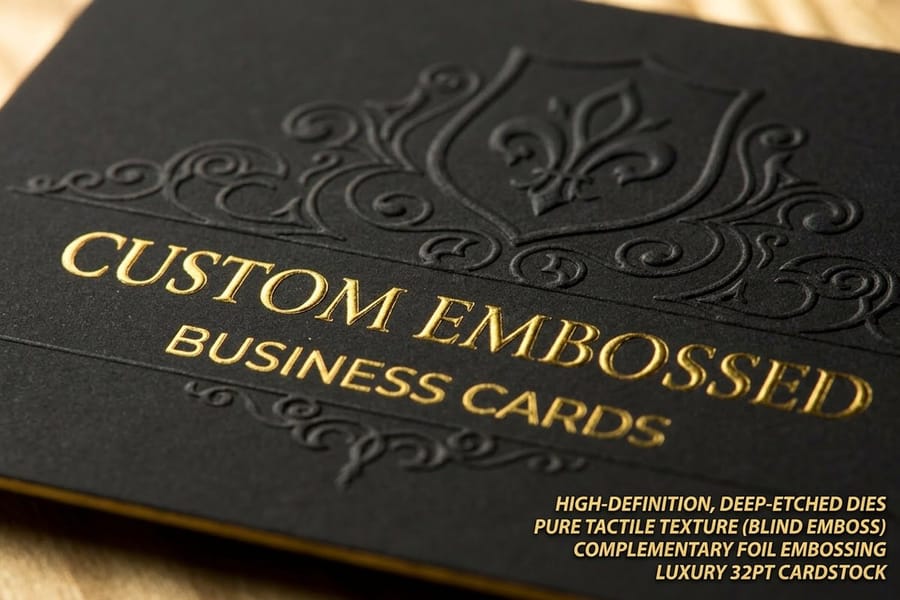
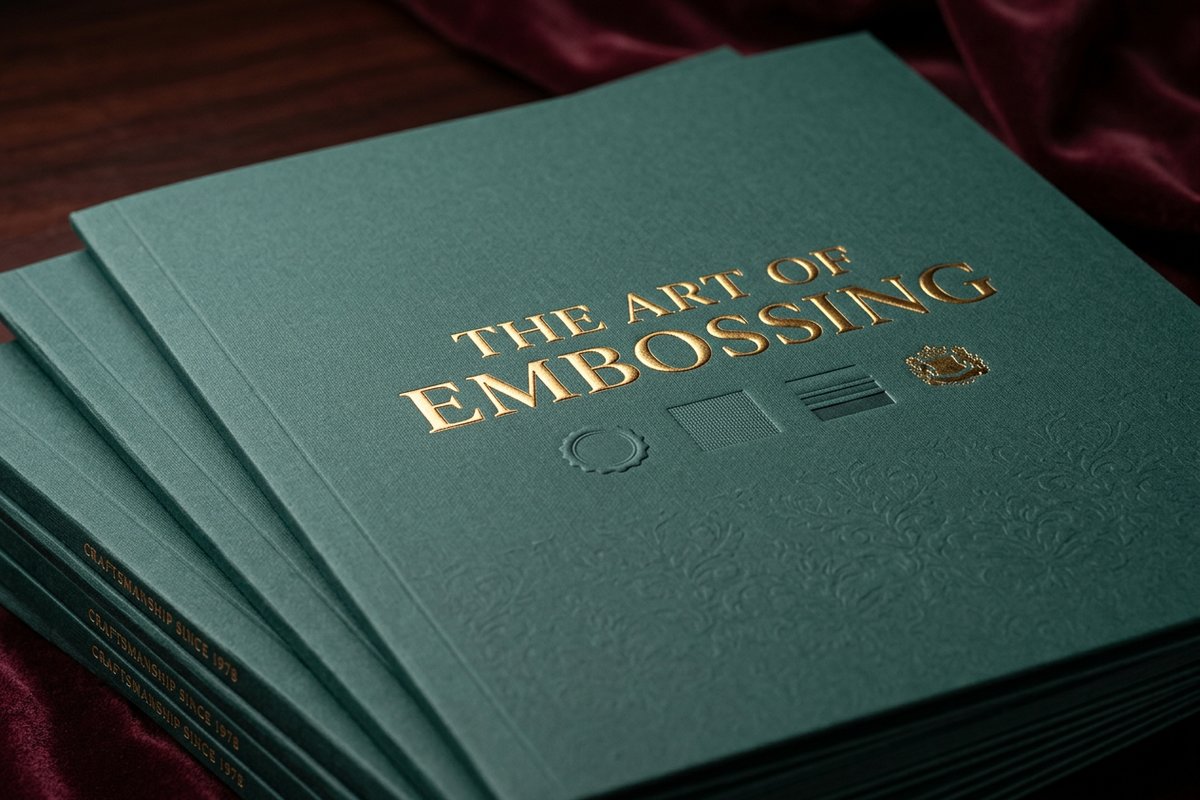
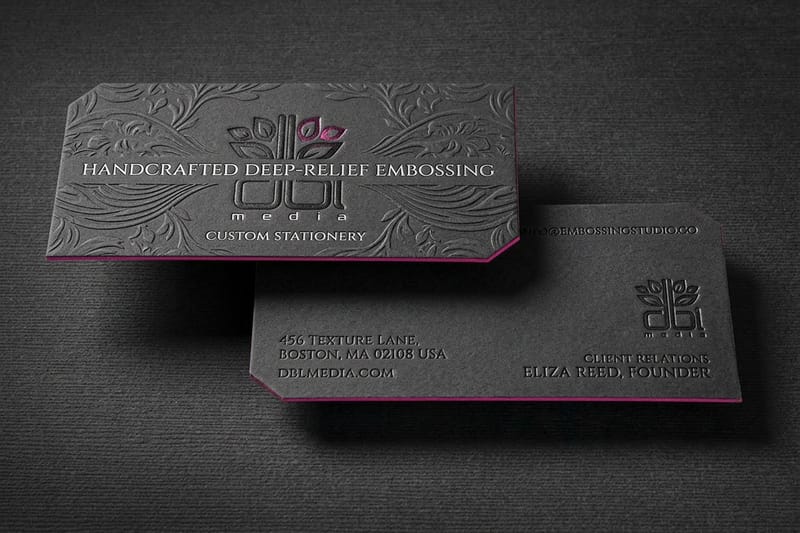
Embossing is one of the few print finishes you feel before you fully see it. Instead of adding ink, it shapes the paper: a metal die and a matching counter-die press the sheet between them, pushing part of the design up toward the viewer as a raised relief. Run a fingertip across an embossed business card and the logo stands proud of the surface. That physical dimension is what makes the finish read as considered and premium.
Debossing is the mirror image. The same die-and-counter principle presses the design down into the stock instead of up, so the artwork sits recessed below the surface for a clean, stamped-in look. Where an emboss feels bold and dimensional, a deboss feels understated and precise. Both belong to the same family, and both work by moving paper rather than laying down color.
Because neither technique needs ink to work, the most striking version is often a blind emboss: no color at all, just the raised shape and the play of light and shadow across it. The cross-section in the blueprint above shows exactly how the die and counter-die shape the sheet in each direction.
Embossing techniques and die styles
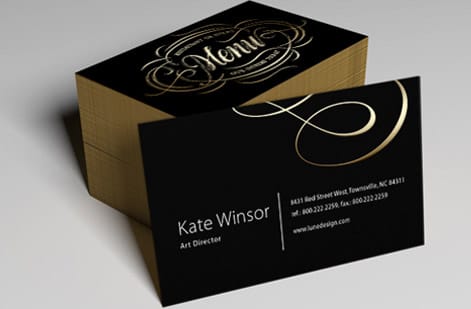
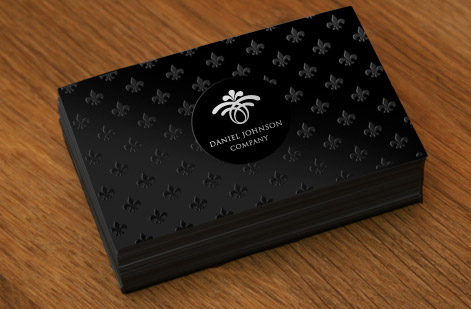
The die is where the effect is decided, and there are several styles to ask for. A blind emboss uses only the raised shape and its shadow, no ink or foil, for the most subtle, tone-on-tone result. A registered emboss lines the relief up precisely with a printed or foiled element, so color and dimension land exactly on top of each other rather than beside one another.
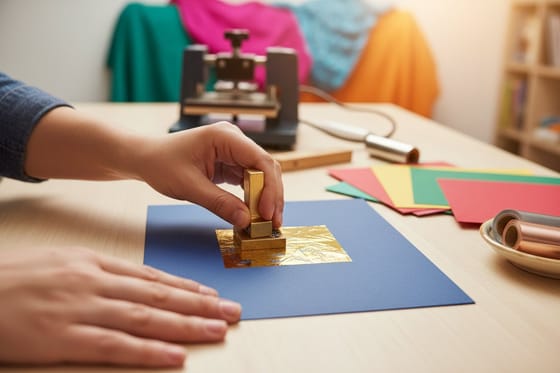
A combination die embosses and applies foil in a single pass, lifting a logo off the card in gold, silver, or color at once, which is the classic luxury business-card move. Step up in detail and a multi-level or sculptured die is cut at several depths to create gradients and contours, the right choice for a detailed crest, seal, or monogram. And debossing simply reverses the direction for a recessed design.
Choosing a style is really choosing three things: how bold you want the relief, how much fine detail it needs to hold, and whether metallic foil is part of the look. The table further down lines the styles up so you can match one to your piece. For the foil side of that decision, our guide on foil stamping covers it in depth.
Where embossing shines
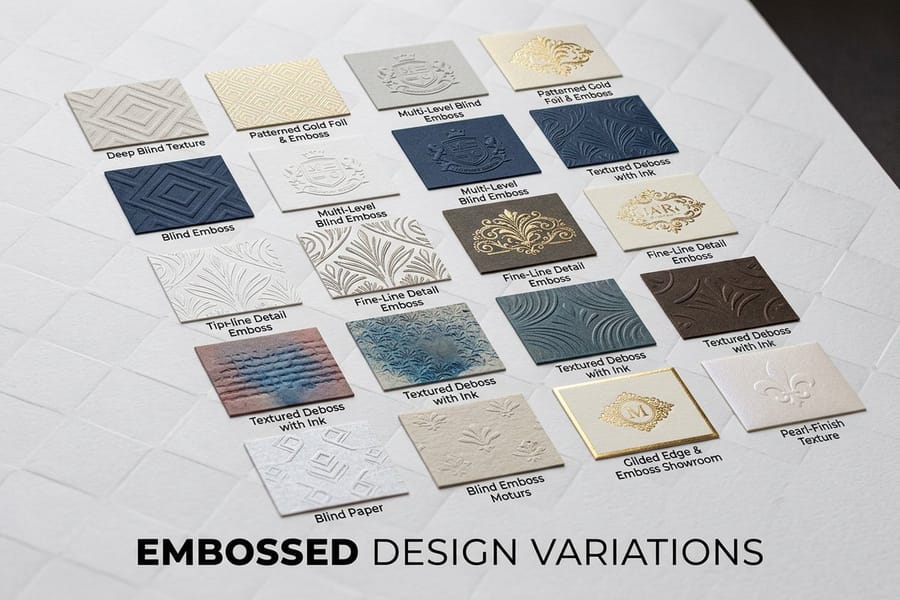
Embossing pays off most where a first impression is physical and the stock can carry a clean relief. That points straight at the pieces a person holds and keeps: business cards, presentation folders, and wedding and event invitations, along with menu covers, book covers, and packaging. In each case the raised design signals care before a single word is read.
The most effective use is usually the most restrained one: emboss the logo or a monogram and leave the rest of the layout flat. That contrast draws both the eye and the fingertips straight to the brand, which is exactly where you want attention on a card or a folder. Overdoing it, embossing large areas or fine body text, works against the finish, since the effect lives in contrast.
Stock matters as much as design. Thicker cards and cover weights hold a deeper, crisper impression, so embossing and heavy stocks belong together. That is also why it combines so naturally with foil for a true luxury finish, and why the embossed products at 4OVER4 start from substantial stocks built to take the die.
4OVER4 embossed products to order
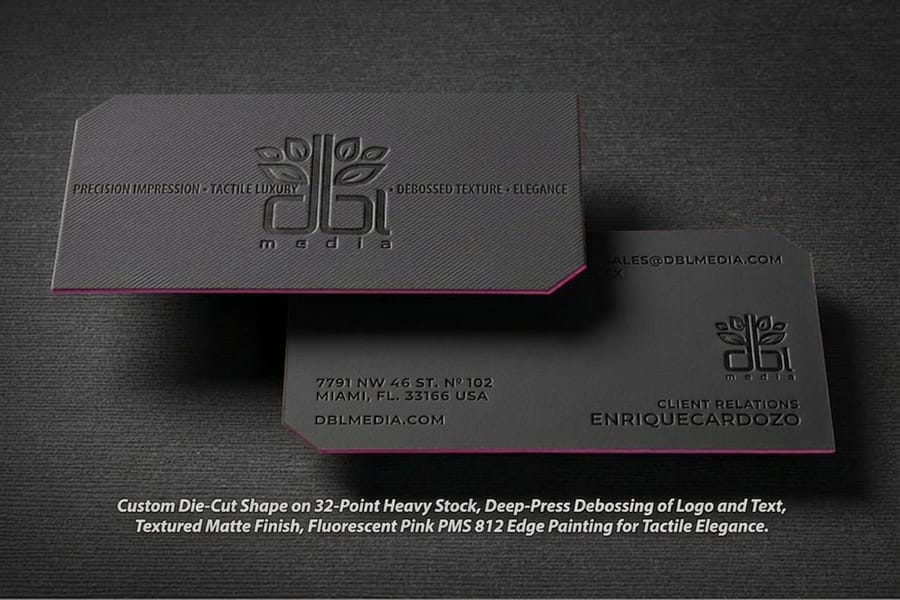
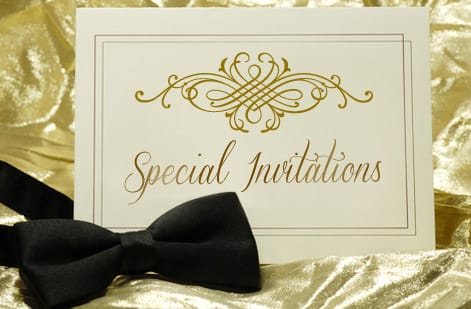
The simplest way to get a flawless emboss is to start from a product where the finish is already built in and priced for you, rather than specifying dies from scratch. At 4OVER4 that means embossed business cards for a raised logo in the hand, debossed business cards for the recessed look, embossed presentation folders for proposals and media kits, and embossed wedding invitations for events that deserve a tactile first impression.
Each product handles the die work for you, so your job is the design and the specs. Set the stock and quantity in the configurator and the price updates live, with the embossed finish already accounted for. Where you want the design to read metallic as well as raised, choose a product that pairs the emboss with foil.
Browse the full embossing collection to see every embossed option side by side, or order free paper samples first so you can feel the relief before your job goes to press. Start from the products below.
Wally presses the design into the paper
A finish you feel before you read it
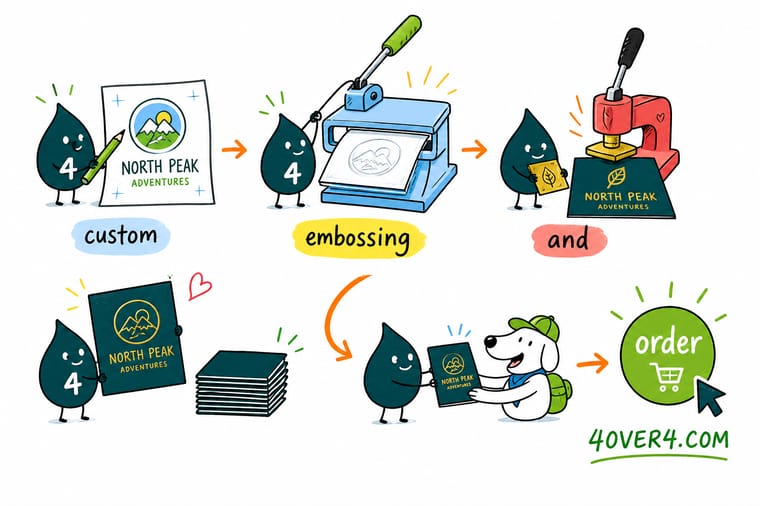
Wally treats embossing like sculpting: a die and its mirror shape the sheet so the logo rises off the card, or presses in for a deboss, with no ink needed. He keeps it restrained, one raised mark against a flat layout, and reaches for heavier stock so the impression stays crisp. Pick an embossed product and 4OVER4 handles the die, so the piece a client holds first feels made with care.
Order embossed business cards →Quick reference
Embossing die styles, side by side
The die decides the effect. Match a style to how bold, how detailed, and how metallic you want the finished piece to be.
| Die style | The effect | Best for |
|---|---|---|
| Blind emboss | Raised, no ink | Only the raised shape and its shadow define the design. Subtle, tactile, and unmistakably premium in one color. |
| Registered emboss | Raised over printed art | The emboss lines up precisely with a printed or foiled element, so color and relief sit exactly on top of each other. |
| Combination (emboss and foil) | Raised metallic | A die embosses while foil is applied at the same time, lifting a logo off the card in gold, silver, or color. |
| Debossing | Recessed into the sheet | The mirror of embossing. The design presses down into the stock for a clean, understated stamped-in look. |
| Multi-level or sculptured | Dimensional relief | A die cut at several depths creates gradients and contours, ideal for detailed crests, seals, and monograms. |
Specs and pricing
Embossed business card specs and live pricing
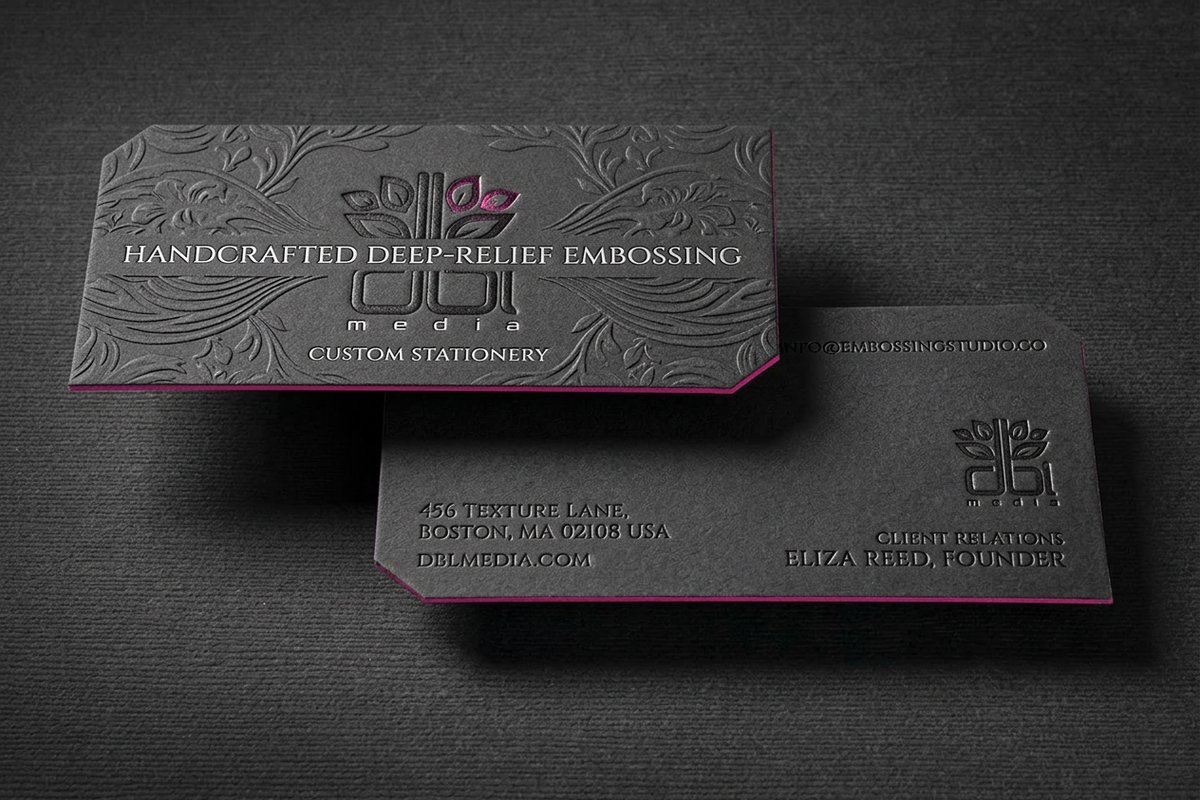
The embossed finish is built into the product and priced for you. Here are the live specs and price-per-unit for embossed business cards at 4OVER4.
| Quantity | Price Per Unit | Total |
|---|---|---|
| 250 | $1.01 | $251.36 |
| 500 | 65.4¢ | $327.15 |
| 1,000 | 37.8¢ | $377.68 |
| 2,000 | 36.6¢ | $731.35 |
Print it
Order embossed print at 4OVER4
See it in use
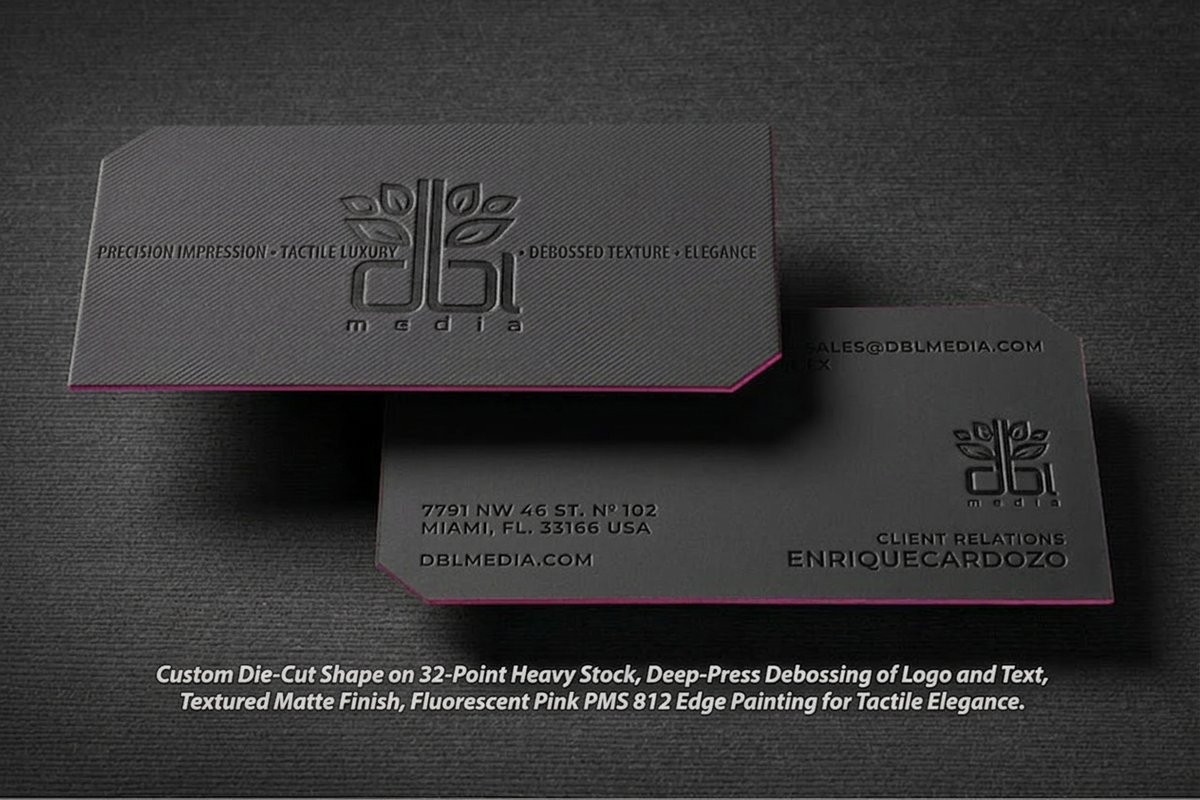
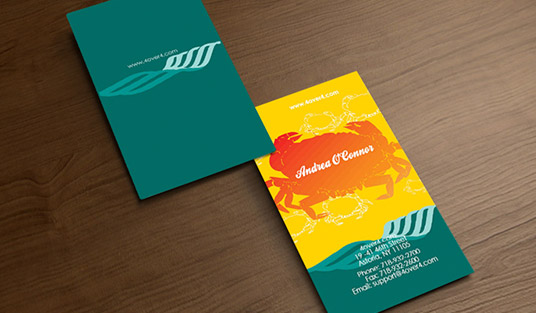
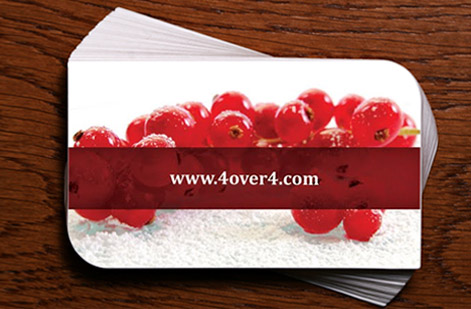
Real premium cards, printed in-house
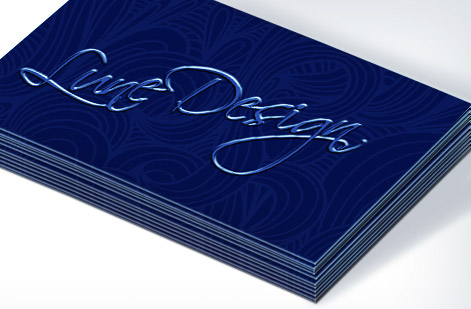
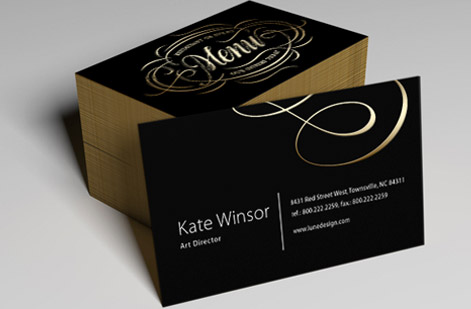
Explore more
Where to go next

By the numbers
Premium finishes you can count on at 4OVER4
Common Questions
Common questions about embossing
What is embossing, and how is it different from debossing?
Embossing is a finishing technique that raises a design above the surface of the paper using a metal die and a matching counter-die. The sheet is pressed between them so the artwork pushes up toward the viewer, creating a raised, tactile relief. Debossing is the exact opposite: the design is pressed down into the stock so it sits recessed below the surface. Both shape the paper rather than adding ink, which is what gives them their understated, high-end feel. Embossing tends to feel bold and dimensional, while debossing reads as clean and subtle.
What embossing techniques and die styles are there?
The effect comes down to the die. A blind emboss uses no ink or foil at all, relying on the raised shape and its shadow. A registered emboss aligns the relief precisely with a printed or foiled element. A combination die embosses and applies foil in one pass for a raised metallic look. Debossing presses the design in rather than up. And multi-level or sculptured dies are cut at several depths to create dimensional, contoured reliefs for detailed crests and monograms. Choosing the style is really choosing how bold, how detailed, and how metallic you want the result.
Where does embossing shine, and how do you use it?
Embossing works best where a premium, tactile impression matters and the stock is heavy enough to hold a clean relief. That means business cards, presentation folders, wedding and event invitations, book and menu covers, and packaging. A common and effective use is to emboss the logo or a monogram while leaving the rest of the design flat, so the eye and the fingertips are drawn straight to the brand. Because it depends on thickness, embossing pairs naturally with thicker cards and cover stocks, and it combines especially well with foil for a luxury finish.
What does custom embossing cost, and how are prices set?
Embossing is a premium finish, so an embossed piece costs more per unit than a flat-printed one, but the price still follows the familiar levers: quantity, where a larger run lowers the cost per piece, plus the product, stock, and any added finishes like foil. You choose the product and options in the configurator and the total updates live. Because the impression is part of the product, the simplest path is to start from an embossed product at 4OVER4, such as embossed business cards or folders, where the finish is already built in and priced for you.
What products can be embossed at 4OVER4?
A range of premium products carry an embossed finish, including embossed business cards, embossed presentation folders, and embossed wedding invitations, along with debossed business cards for the recessed look. These are ideal when you want the piece a client holds first to feel substantial and considered. Set your stock and quantity in the product configurator, order free paper samples if you want to feel the relief in hand before committing, and pair the emboss with foil where you want the design to lift off the card in metallic.
Get Started
Ready to print a piece your clients can feel?
Bring your logo to 4OVER4 and put it on an embossed card, folder, or invitation where the finish is already built in. Set your stock and quantity and watch your price update live.
Legal Disclaimer
Gold Standard guarantees apply to all standard orders placed through 4over4.com. Price match requires verifiable proof of a competitor's published price for an equivalent product with matching specifications and turnaround time. Satisfaction guarantee covers manufacturing defects and print quality issues. Contact support with order number and documentation. On-time delivery rate based on tracked orders 1999 to 2026. Individual results may vary based on shipping carrier performance.
