
Booklets vs Catalogs Compared


Same shelf of the print aisle, two different jobs. One is a flexible bound piece that informs a reader. The other is a booklet built to sell products. Here is how they differ on purpose, page count, binding, and cost, so you print the right one.
Print a booklet to inform, print a catalog to sell. A booklet is a flexible multi-page piece for programs, menus, manuals, and lookbooks. A catalog is that same bound object organized around products, prices, and a path to buy, usually running more pages. Both are saddle-stitched, both start around $240.55, and both print on the same premium stocks at 4OVER4.COM. Choose by the job your pages have to do, not by the label.

Head to head
Booklets vs catalogs at a glance
The fastest way to choose is to read down the column that matches your goal. If the pages exist to inform, your answer is on the left. If the pages exist to sell, it is on the right. Starting prices are live from the 4OVER4.COM configurator.
| Bookletsinform | Catalogssell | |
|---|---|---|
| Best for | Programs, menus, manuals, lookbooks, portfolios, and guides | Selling products, with grids, SKUs, prices, and order info |
| What it is | A flexible multi-page piece bound along one edge | A booklet built specifically to merchandise products |
| Typical pages | 8 to 48 pages | 16 to 100+ pages |
| Interior content | Mixed text, photos, schedules, and reference info | Product grids with photos, item numbers, and prices |
| Binding | Saddle-stitched to lie flat | Saddle-stitched, moving to a squarer spine as pages climb |
| Reader mindset | Read it, follow it, or keep it for reference | Browse it, compare items, and buy |
| Typical sizes | 5.5x8.5, 6x9, and 8.5x11 | 8.5x11 and 9x12 for roomy product grids |
| Starts at | $240.55 | $240.55 |
| Premium finishes | Gloss, matte, soft-touch, and spot UV covers | Same finishes, with heavier covers for shelf life |
| Order online | Customize booklets | Customize catalogs |
A catalog is structurally a booklet, so both share the same stocks, finishes, and base price. Page count is what separates them on the shelf and on the invoice.
Our picks
Three ways to print this at 4OVER4
The everyday booklet, the product catalog, and the premium square lookbook that splits the difference. Each one is live with real specs and pricing.
The anatomy: same bound object, two different jobs
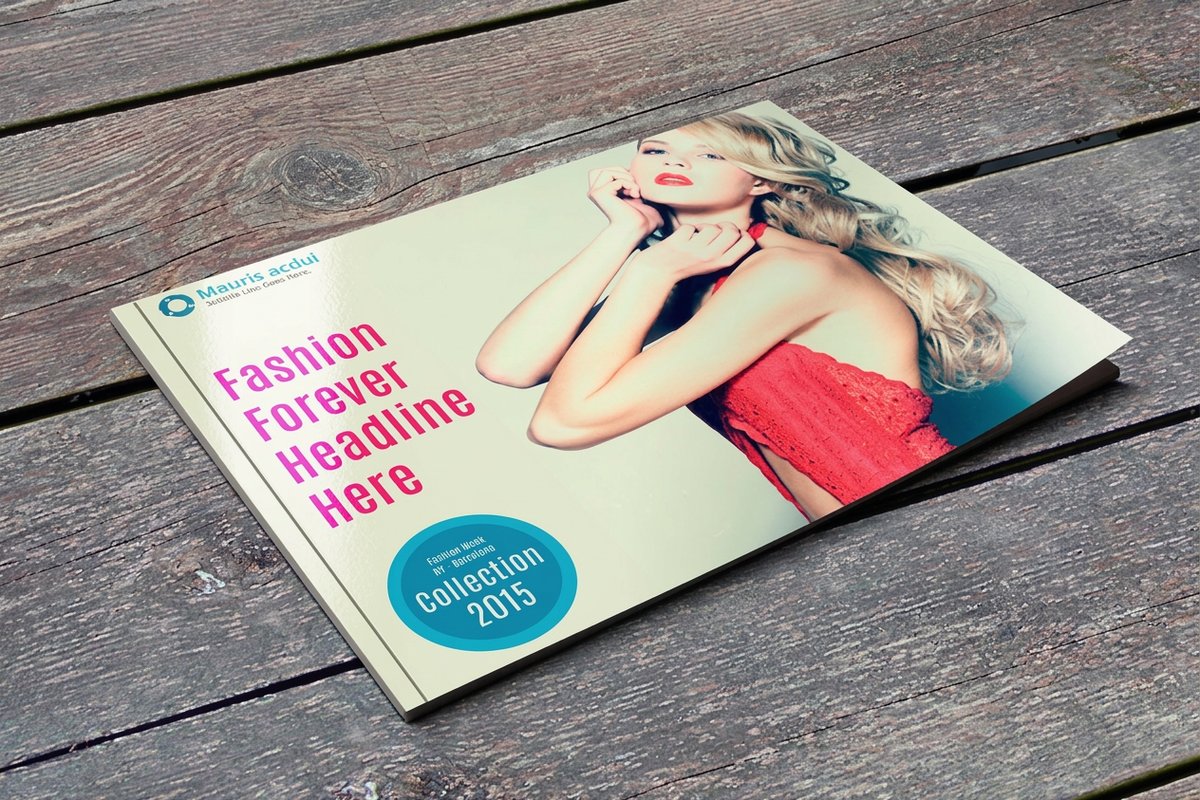
Start with the vocabulary, because the two words get swapped as if they mean the same thing and they should not. A booklet is a multi-page piece bound along one edge: a cover, a stack of interior pages, and a fold-and-stitch that holds it together. That is all it is, structurally, which is exactly why it is so flexible. A standard booklet can be a wedding program one week and a product manual the next.
A catalog is that same bound object pointed at a single job: selling. It is a booklet whose interior is organized around products, with photos, item numbers, specs, and prices laid out so a reader can browse and buy. Nothing about the binding changes. The content and the intent do.
So when someone asks which to print, they are usually asking a content question, not a format one. If a term like saddle stitch or bleed is new as you plan your pages, keep our printing terms glossary open in another tab, and if flyers and brochures are also on the table, the flyers vs brochures vs booklets breakdown maps the whole family.
Purpose and audience: inform a reader, or sell to a shopper
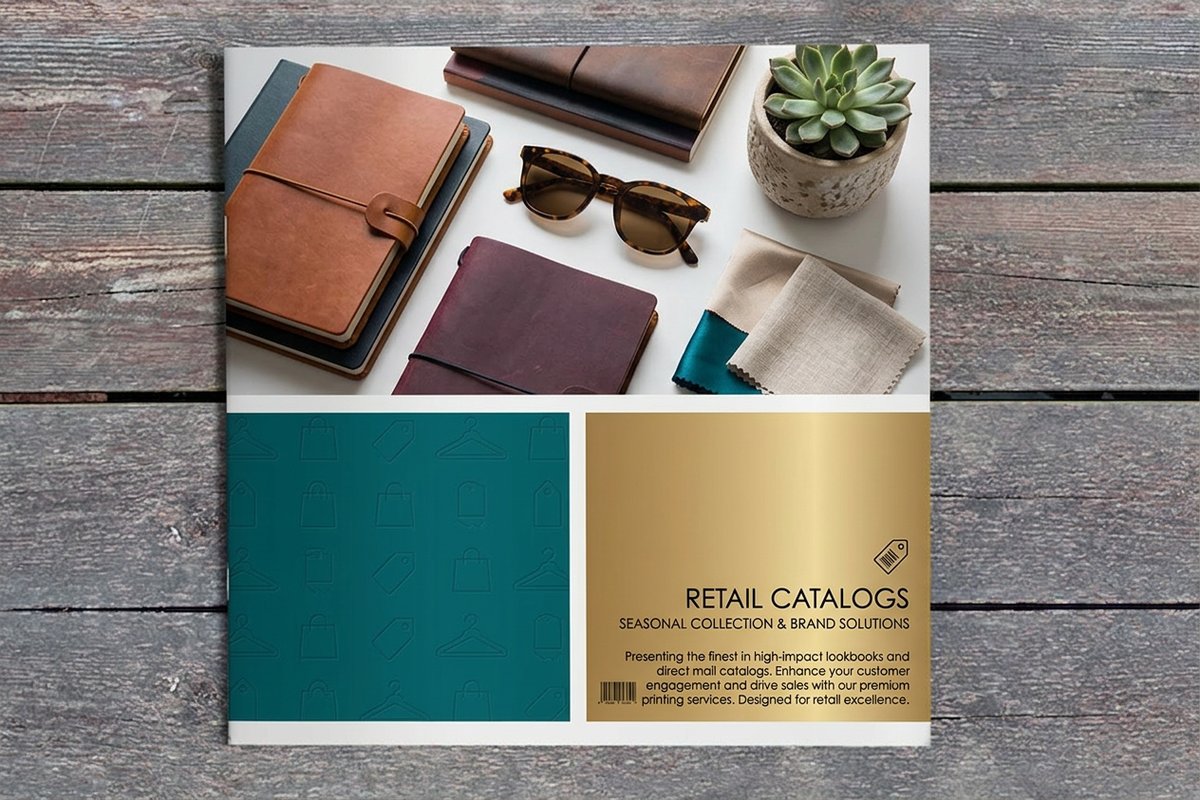
The cleanest way to decide is to picture the person holding the piece and what you want them to do next. A booklet informs. A reader opens a service overview, a program, or a manual to understand something, follow a schedule, or keep a reference on the shelf. The goal is clarity, and the piece succeeds if the reader comes away knowing more than they did.
A catalog sells. The reader is shopping, comparing, and deciding, so every spread is built to move them toward an order. That is why retailers and wholesalers reach for a retail catalog: the layout itself works like a sales floor. If your pages exist to convert, you want catalog thinking even when you call the finished piece a booklet.
Whichever job you are printing for, the build path is the same at 4OVER4.COM. Lay out either format in the browser with our online designer, start from a proven layout in the design templates library, and order free paper samples so you can feel the cover stock before you commit to a full run.
Content and page count: where the two formats quietly diverge

Page count is the difference you feel before you see it. Booklets tend to stay lean, often 8 to 48 pages, because they carry a focused set of information: a menu, a program, a portfolio, a short guide. A photography booklet or an education booklet says what it needs to say and closes.
Catalogs run longer because product ranges are long. Sixteen pages is a small catalog, while a full seasonal line can push past a hundred. More pages means more paper, more binding, and a heavier finished piece, which is the real reason a fat catalog costs more than a slim booklet even when both start at the same base price.
The lesson is to plan the page count before you fall in love with a format. If prepress is new to you, the CMYK vs RGB guide keeps your color from shifting across dozens of product photos, which matters far more in a hundred-page catalog than in a four-page program.
Binding and format: from flat pamphlet to shelf-ready lookbook
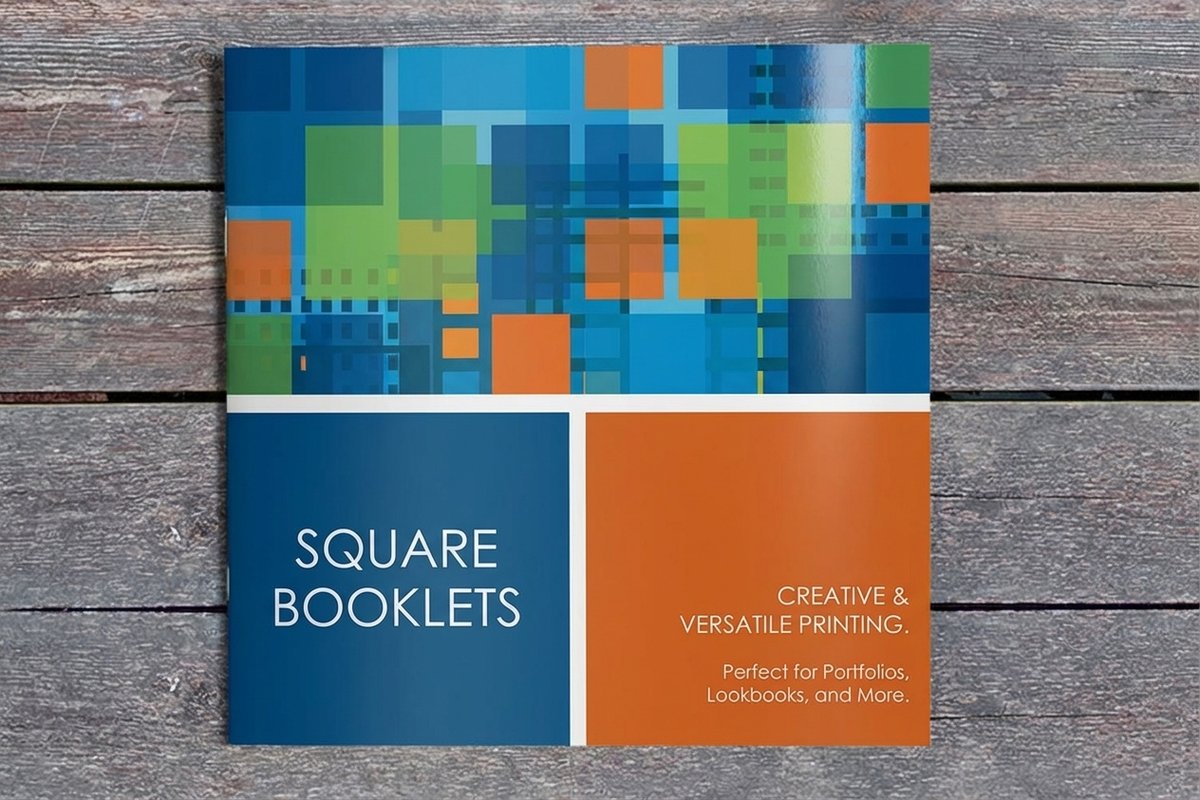
Binding follows thickness. A thin piece is saddle-stitched, folded down the middle and stapled through the spine, which lies flat, opens easily, and keeps the price low. That covers the vast majority of booklets and plenty of shorter catalogs without any fuss.
As the page count climbs, a catalog wants a sturdier spine and a flatter shelf presence, and the finished object starts to feel less like a pamphlet and more like a magazine. That is the moment a premium format earns its place. A square booklet is a favorite here: the square trim reads as a designed, upmarket lookbook, and it works equally well as an elevated program or a boutique product catalog.
Cover finish matters more as the piece gets thicker, because the cover takes all the handling. A matte or gloss laminate protects the spine and corners, and a soft-touch or spot UV cover signals quality the instant someone picks it up.
Cost and quantity: what actually moves the number

On the invoice, the name on the cover does not set the price. A run of standard booklets and a run of standard catalogs both start around $240.55 at 4OVER4.COM, because the base is the same bound object. What moves the number is page count, stock, finish, and quantity.
That is good news if you are budgeting, because it means the decision is honest: you are not paying a premium for the word catalog. You are paying for the pages the content requires. A 12-page catalog and a 12-page booklet on the same stock land in the same place, every time.
Every price on this page is live, not a guess. Set your page count, size, stock, and quantity in the configurators below and watch the per-unit cost fall as the run grows, the same quantity-is-the-biggest-lever logic that governs any bulk print decision. See the whole range in booklets and catalogs printing.
How to choose in one minute
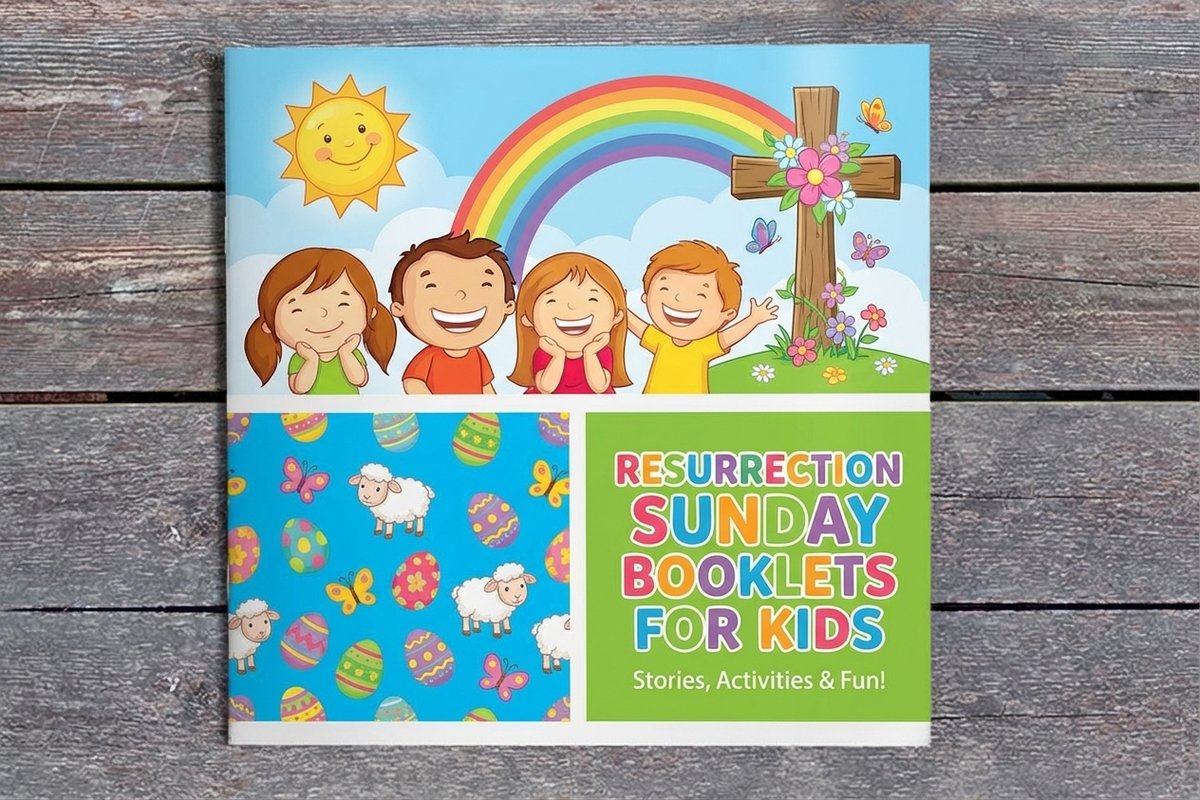
Print a booklet when the goal is to inform, the content is mixed, and the page count is modest. Programs, menus, manuals, portfolios, lookbooks, and short guides all live here. Start from a standard booklet and scale the pages to fit what you have to say.
Print a catalog when the goal is to sell, the interior is organized around products and prices, and the page count runs long. Retail lines, wholesale ranges, and service menus belong here. A standard catalog or a retail catalog gives you the room and the layout to merchandise.
Reach for a square booklet or lookbook when you want the polish of a catalog with the craft of a designed booklet, especially for a premium brand where the object itself is part of the pitch. When in doubt, order a free sample set first and hold the difference in your hands.
Wally reads the room
It is not booklet or catalog, it is inform or sell
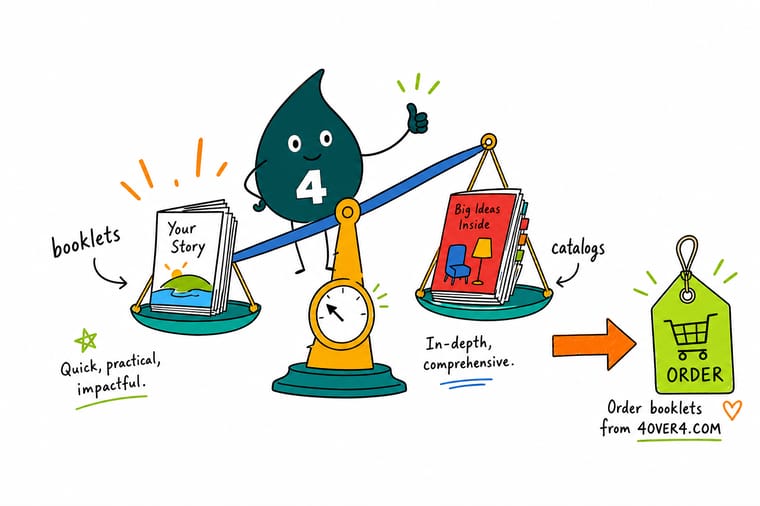
Wally flips through a slim booklet in one hand and a fat product catalog in the other and grins, because they are the same object doing two different jobs. Need to explain, present, or hand someone a keeper? The booklet stays lean and lies flat. Need to fill pages with products and prices and turn browsing into buying? The catalog gives you the room. Pick the job first, then let 4OVER4 print it sharp on the size, page count, stock, and finish you choose.
Start with a booklet →
The trade-offs
What each format gives you, and what it asks in return
No format is free of compromise. Weigh the upside against the trade-off for the piece you actually need to print.
Booklets
Where booklets win
- Flexible for programs, menus, manuals, and portfolios
- Lean page counts keep the piece light and affordable
- Saddle stitch lies flat and opens with no fuss
- Same premium stocks and cover finishes as a catalog
- Fast to design and print for time-sensitive events
Where they fall short
- Not built to merchandise a long product range
- Loose layouts can wander without a selling structure
- Thin pieces feel less substantial on a shelf
- No pricing framework unless you build one in
Catalogs
Where catalogs win
- Product grids and pricing built to drive orders
- Room to show a full range across many spreads
- Reads like a sales floor customers can shop
- Heavier, shelf-ready feel that signals a real brand
- Premium covers protect a piece meant to be kept
Where they fall short
- More pages mean a higher total than a slim booklet
- Longer to design, proof, and keep on-color
- Overkill when the goal is simply to inform
- Content dates faster when prices or lines change
Live options
Compare real booklet and catalog options
Pulled straight from the catalog, side by side, so you can see how price, stock, and turnaround shift across the booklet and catalog family.
Standard Booklets | |
|---|---|
| Min price | $240.55 |
| Paper / stock | 100# Gloss Text |
| Size | 5.5" x 8.5" |
| Default qty | 25 |
| Turnaround | 7 business days |
| Rating | |
| View & customize |
Specs and pricing
Live specs and pricing, side by side
When you have narrowed the choice, it comes down to page count, size, stock, and finish. Here are the live specs and price-per-unit for standard booklets and standard catalogs at 4OVER4.COM.
| Quantity | Price Per Unit | Total |
|---|---|---|
| 25 | $9.62 | $240.55 |
| 50 | $6.04 | $302.06 |
| 100 | $3.61 | $361.37 |
| 200 | $2.22 | $444.85 |
| 300 | $1.65 | $495.38 |
| 400 | $1.29 | $515.14 |
| 500 | $1.06 | $531.61 |
| 600 | 91.5¢ | $549.19 |
| Quantity | Price Per Unit | Total |
|---|---|---|
| 25 | $9.62 | $240.55 |
| 50 | $6.04 | $302.06 |
| 100 | $3.61 | $361.37 |
| 200 | $2.22 | $444.85 |
| 300 | $1.65 | $495.38 |
| 400 | $1.29 | $515.14 |
| 500 | $1.06 | $531.61 |
| 600 | 91.5¢ | $549.19 |
The verdict
So which should you print?
There is no single winner, because they are not really competing. Score each one on the turf it was built for and the choice makes itself: booklets own clarity and cost, catalogs own selling and shelf presence. Below is how each rates for its own job.
Booklets, for informing
The right call when the job is to explain, present, or document, and the content is mixed. Flexible, affordable, and clean at modest page counts.
Catalogs, for selling
The right call when the pages exist to move product. Built to browse and buy, and worth the extra pages when every spread is a chance to sell.
Want the polish of a catalog with the craft of a designed booklet? Print a square booklet: the square trim reads as an upmarket lookbook, at home as either an elevated program or a boutique product catalog.

Explore more
Where to go next





By the numbers
Print either one with a shop you can count on
Common Questions
Common questions about booklets and catalogs
What is the difference between a booklet and a catalog?
They are the same kind of object put to different work. A booklet is a multi-page piece bound along one edge, flexible enough to be a program, a menu, a manual, or a portfolio. A catalog is a booklet whose interior is organized to sell products, with photos, item numbers, and prices laid out so a reader can browse and buy. The binding is the same. The content and the intent are what change.
Is a catalog just a type of booklet?
Essentially, yes. Structurally a catalog is a booklet, which is why both start at the same base price at 4OVER4.COM and print on the same stocks. Calling it a catalog signals the job: the pages exist to merchandise. If your interior is product grids and pricing, you are printing a catalog even if the finished piece is slim, and if it is mixed content meant to inform, it is a booklet even if it is thick.
Do booklets and catalogs cost the same to print?
At the same page count, stock, and quantity, yes. Standard booklets and standard catalogs both start around $240.55 at 4OVER4.COM because the base is one bound object. The price only diverges because catalogs usually run more pages to cover a full product range, and more pages mean more paper and binding. A 12-page booklet and a 12-page catalog on the same stock land in the same place.
How many pages should a catalog or booklet have?
Match the page count to the content, then round to a multiple of four so the pages fold cleanly. Booklets often sit between 8 and 48 pages because they carry a focused message. Catalogs run longer, from about 16 pages for a small line to well past a hundred for a full seasonal range. Plan the count before you pick a format, because it is the single biggest lever on both price and binding choice.
What binding works best for booklets and catalogs?
For most booklets and shorter catalogs, saddle stitch is the standard: the sheets are folded down the middle and stapled through the spine, which lies flat, opens easily, and keeps the cost low. As a catalog piles on pages and weight, it wants a sturdier, flatter spine and starts to read like a magazine. The live configurator shows the binding and page-count options available for each product.
Which should a product-based business print?
If your goal is to help customers shop and order, print a catalog. The layout is a sales floor: grouped products, clear pricing, and a path to purchase on every spread. A retail catalog or a premium square lookbook does that work. Reach for a plain booklet when the goal is to inform rather than sell, such as a service overview, a how-to guide, or a company profile.
Can I get the same finishes and stocks on both?
Yes. Because a catalog is a booklet under the hood, both formats print on the same paper range and take the same cover treatments at 4OVER4.COM, from gloss and matte laminate to soft-touch and spot UV. The finish is a separate decision from the format, so start with the job the pages have to do, then choose the cover that protects the piece and signals the quality you want.
Get Started
Ready to print the right one?
Bring your pages to 4OVER4.COM and print a booklet, a catalog, or a premium square lookbook on the size, page count, stock, and finish that fits the job. Adjust every option and watch your price update live.
Legal Disclaimer
Gold Standard guarantees apply to all standard orders placed through 4over4.com. Price match requires verifiable proof of a competitor's published price for an equivalent product with matching specifications and turnaround time. Satisfaction guarantee covers manufacturing defects and print quality issues. Contact support with order number and documentation. On-time delivery rate based on tracked orders 1999 to 2026. Individual results may vary based on shipping carrier performance.
