
6 Components to Consider When Creating a Custom Calendar


Every custom calendar comes down to six parts working together: the format, the date grid, the paper stock, the binding, the cover, and the print-ready file. Nail all six and the finished calendar looks sharp and lasts the whole year.
The six parts of a calendar are the format, the date grid, the paper stock, the binding, the cover art, and the print-ready file. Format sets the size and page count, the grid makes it usable, the stock decides how it feels and prints, the binding controls how it hangs and turns, the cover earns the hook on the wall, and a clean CMYK file with bleed keeps every month crisp on press.
Quick answer
The six components at a glance
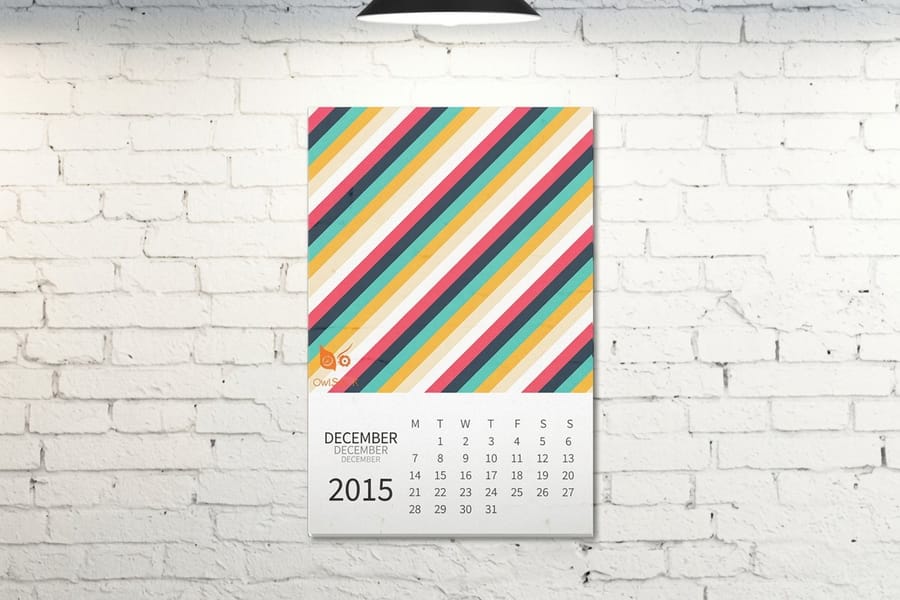
A custom calendar is built from six parts: the format that sets its size and page count, the date grid people read and write on, the paper stock that decides how it feels, the binding that controls how it hangs and flips, the cover art that earns the hook, and the print-ready CMYK file that keeps every month sharp. 4OVER4.COM customers who spec all six on purpose, instead of leaving them to chance, get a calendar that looks professional and survives a full year on the wall.
What are the parts of a calendar?
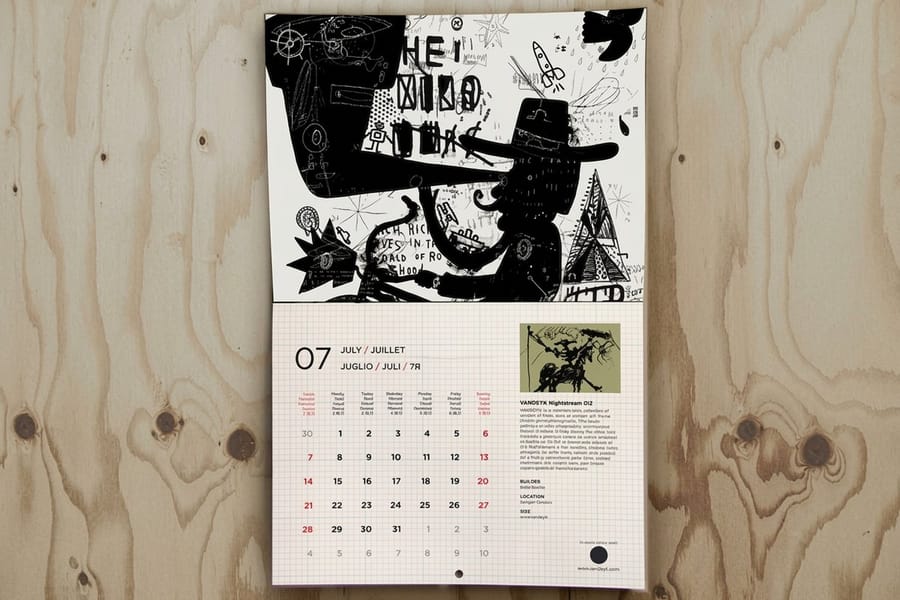
A calendar looks simple on a wall, but a good one is really six decisions stacked on top of each other. Before you fuss over which photo goes on July, it helps to see the whole thing as an assembly: a format, a date grid, a paper stock, a binding, a cover, and a print-ready file. Each part does one job, and each one changes how the finished calendar feels in someone's hands.
Getting these components in the right order saves a lot of rework. Pick the format first and the size and page count follow. Sort the grid and the stock next and the calendar becomes usable. Choose the binding and the cover and it becomes something people want to keep. Build the file correctly and it prints exactly the way you designed it. This guide walks through all six, with the choices 4OVER4.COM actually offers in calendar printing and the wider custom printing collection.
Use the diagram above as a map. Everything below is just a closer look at one labeled part at a time, so by the end you can spec a calendar from the cover down to the paper without missing anything.
Component 1: The format and structure
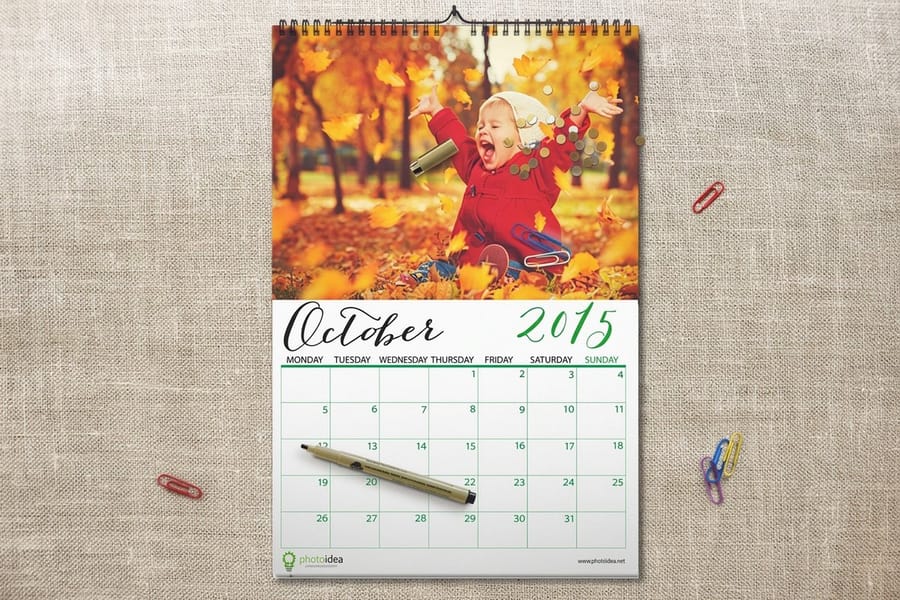
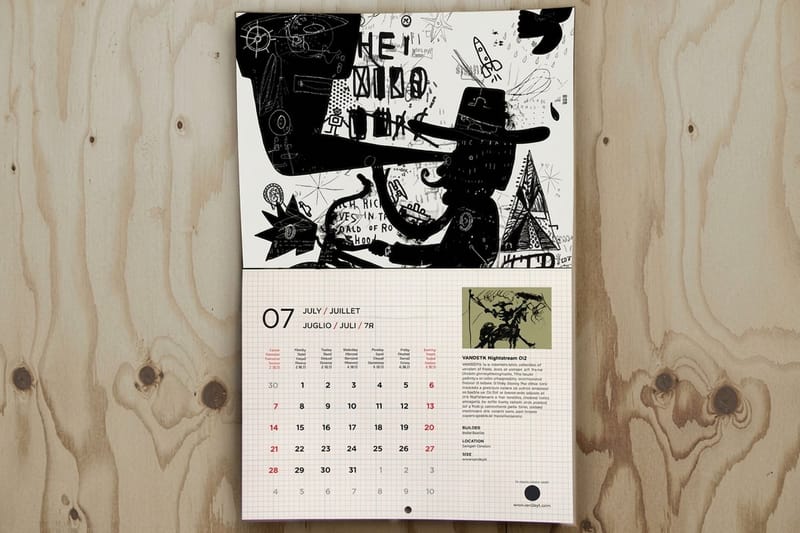
The format is the body of the calendar, and it drives every other choice. A wall calendar hangs from a single point and shows one month at a time, so it usually runs twelve or thirteen pages plus a cover. A desk calendar stands on its own and tends to be smaller and sturdier. A poster or single-panel calendar puts the whole year on one sheet, which is a different animal entirely.
At 4OVER4.COM the two workhorses are the classic bound standard calendar and the wire-o coil calendar, and the difference is mostly in how the pages carry and turn. If you want the year printed large as art rather than a working grid, that is closer to a wall piece, and you can browse those formats under posters and wall art. Decide the format first, because it locks in your trim size and page count before you place a single date.
Component 2: The date grid and monthly layout
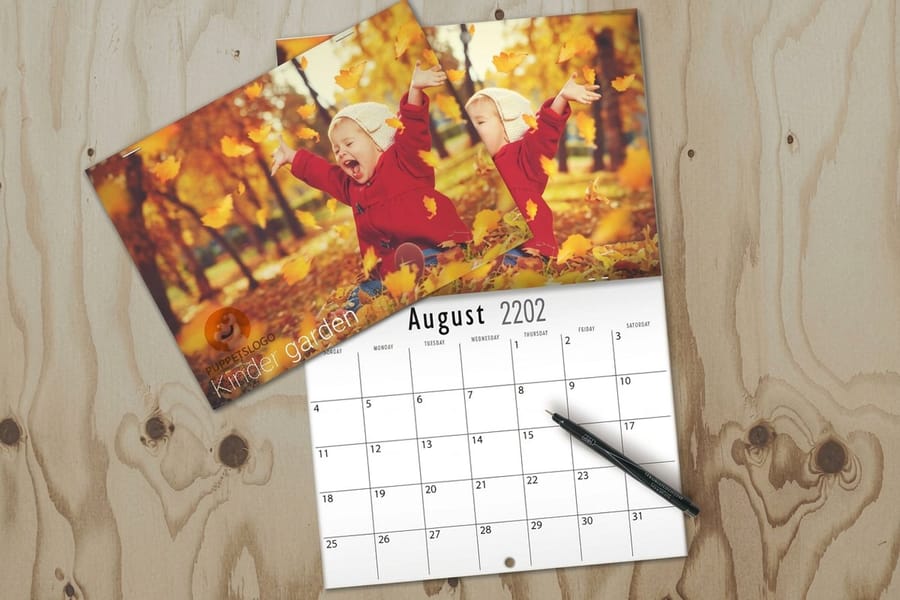
This is the part people come back to. Nobody hangs a calendar to admire the paper, they hang it to read dates and jot things down. So the grid is the most functional component of the whole piece, and it rewards a little planning.
- Pick a week start. Sunday and Monday are both common, and it should stay consistent across all twelve months.
- Leave room to write. Roomy day cells beat a cramped grid every time, especially for family or team calendars.
- Mark the dates that matter. Holidays, paydays, launch dates, or anniversaries make a calendar feel made for its owner.
- Keep type readable. Numerals should stay large and high-contrast so the grid reads from across a room.
Lay all twelve months out together before you commit, so fonts, colors, and spacing stay uniform from January to December. If you would rather build the pages in the browser, the online designer handles the grid and layout for you, and the companion walkthrough on how to plan and print a custom calendar covers the planning side in depth.
Component 3: The paper stock
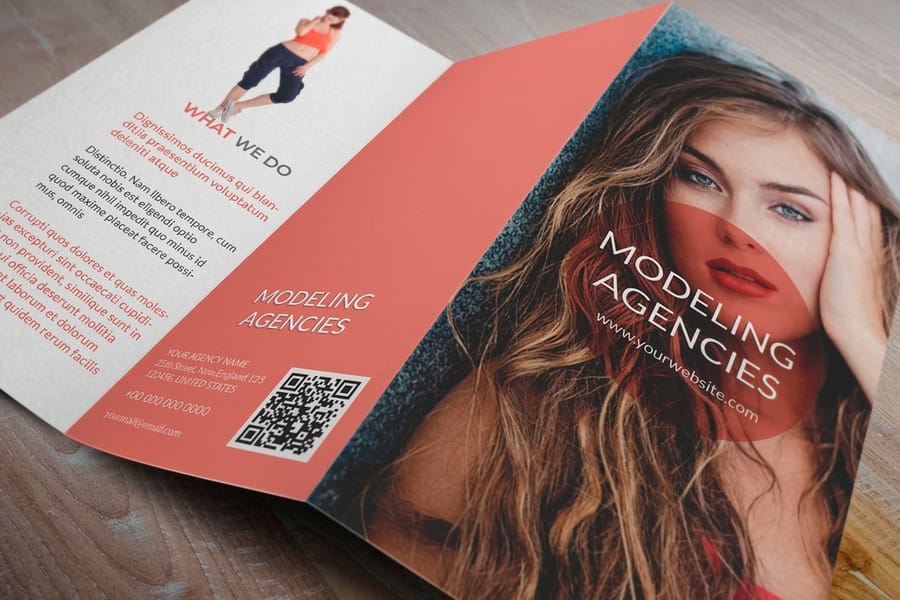
Paper stock is where a calendar starts to feel cheap or premium, and most calendars actually use two stocks doing two different jobs. A heavier cover stock with a gloss or matte finish makes photography pop and protects the piece for a year on the wall. A lighter uncoated interior stock takes pen and pencil without the ink beading or smearing, which matters the moment someone writes on it.
Weight is the other half of the decision. Heavier paper feels substantial and hangs flat, while lighter paper keeps costs and shipping weight down on a long run. If you are unsure how coatings and weights behave, the paper stocks guide compares matte, gloss, linen, and kraft side by side, and the broader stock and substrate selection guide helps you match the paper to the way the calendar will be used. When in doubt, order a sample first and let your fingers decide.
Component 4: The binding and hanging mechanism
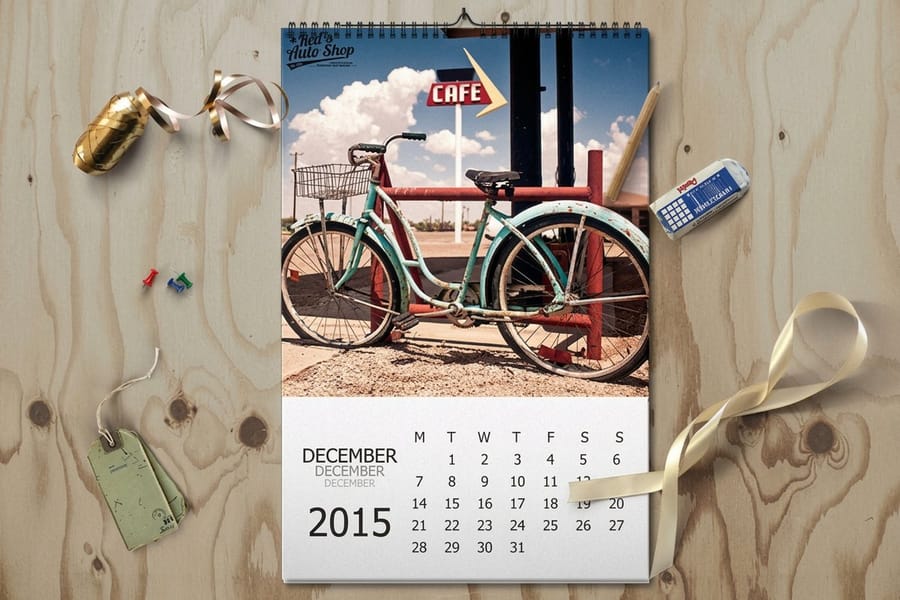
Binding is the part people physically touch every month, so it earns more attention than most beginners give it. It decides how the pages turn, how flat they lie, and how the calendar hangs on a nail or hook.
Wire-o coil is the favorite for wall calendars because the metal coil lets pages lie completely flat and flip cleanly through a full year of use, which is exactly why the wire-o coil calendar is such a popular pick. Saddle stitch keeps a slim booklet-style calendar tidy and inexpensive. A simple punched hanging hole is all a single-panel poster calendar needs. If you are choosing between spines, the complete guide to binding types lays out the trade-offs, and you can see every finish live in the binding options collection. Pick the mechanism around how the calendar gets used, not the other way around.
Component 5: The cover art, branding, and finish
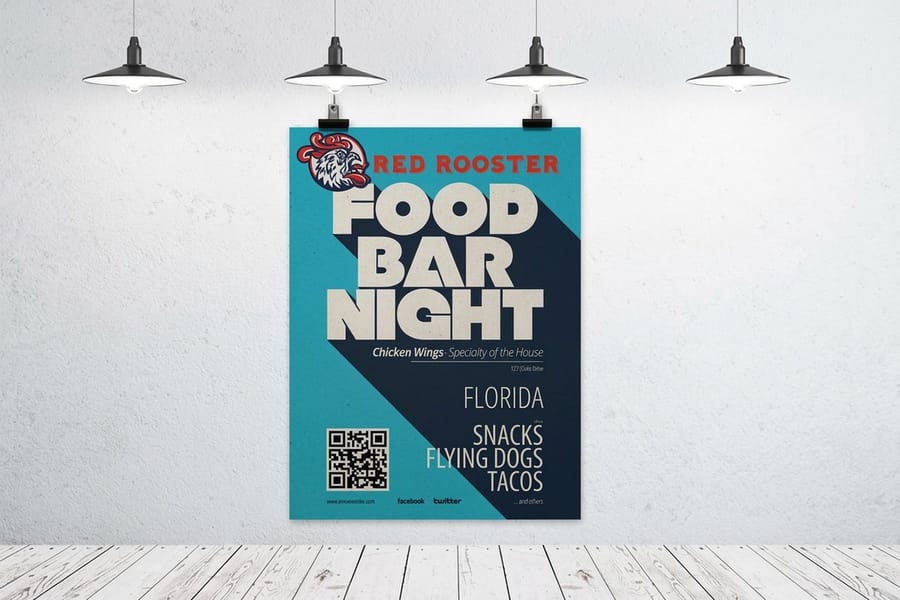
The cover is the first thing anyone sees and the reason a calendar gets hung instead of tossed in a drawer. Treat it like a small poster. A single strong image, a clear year, and a clean logo do more than a busy collage ever will.
For a branded giveaway, the cover is prime real estate, so keep your logo legible and let the finish carry the mood: a gloss coat makes a photo cover glossy and vivid, while a matte coat reads calm and modern. Consistency helps too, so a calendar that matches the rest of your marketing materials quietly reinforces the brand every time someone checks the date. You can compose the cover and drop in your logo directly in the online designer, then carry that same look through all twelve interior pages.
Component 6: The print-ready file
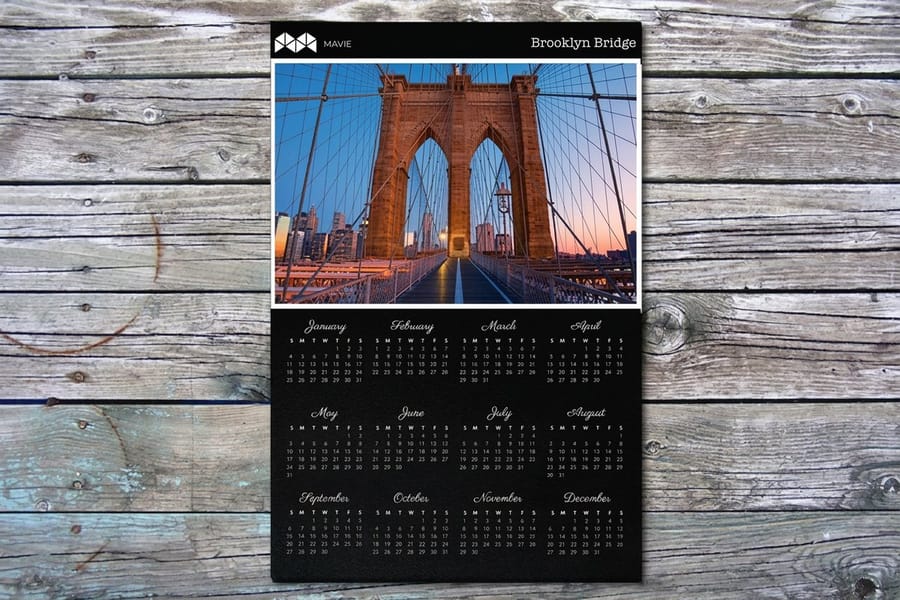
The last component is invisible until it goes wrong. A calendar can be planned perfectly and still print muddy or crop off if the file is not set up for press. Four rules cover almost everything.
- Work in CMYK. Screens are RGB, but presses are CMYK, so convert early to avoid color surprises. The CMYK vs RGB guide explains why, and the best color profile guide shows how to keep photos true.
- Add bleed. Extend any background past the trim line so no thin white slivers appear after cutting. The bleed and trim guide walks through the setup.
- Respect the safe margin. Keep dates, logos, and text inside the safe area so nothing important gets trimmed.
- Place images at 300 DPI. Low-resolution photos look sharp on a phone and soft in print, so follow the print resolution guide and use full-size files.
Bringing the six components together

Line the six parts up and the calendar almost specs itself. Format sets the size, the grid makes it useful, the stock gives it feel, the binding gives it life on the wall, the cover earns the hook, and the file keeps it all crisp on press. Miss one and you feel it, so it pays to run through the list before you order.
The one deadline that is not negotiable is the season. A calendar only has value if it arrives before the new year, so lock the design early and leave room for proofing and delivery. When you are ready, build the whole piece inside the custom printing collection, configure a standard calendar or a wire-o coil version, and if you want the full planning walkthrough alongside the components, the calendar planning guide and the wider guide hub have you covered.
Wally explains the six parts
A calendar is six good decisions in a trench coat
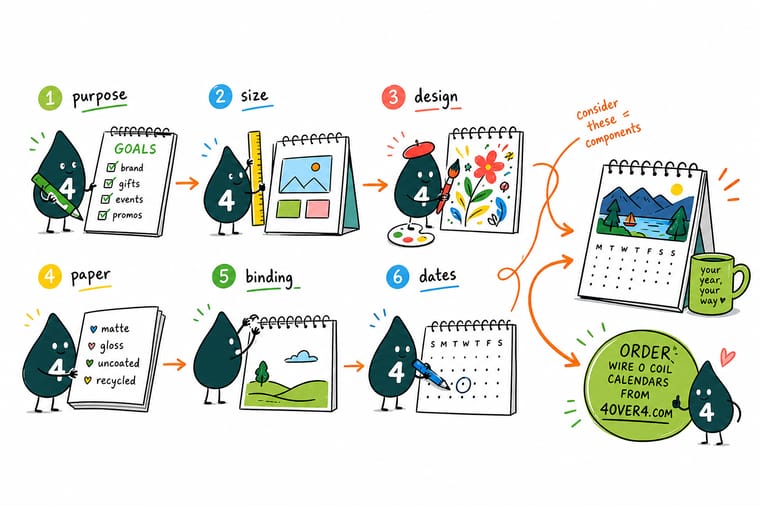
Wally builds a calendar like a stack of choices: format first, then the date grid people actually use, then the stock, the binding, the cover, and finally a clean CMYK file with bleed. Skip one and you feel it all year. Get all six right and you get a calendar that hangs flat, reads sharp, and survives a year of flipping. When you are ready, 4OVER4 prints the whole run to your exact size, stock, and binding.
Order a custom calendar →Specs and pricing
Custom calendar specs and live pricing
Once you have the six components in mind, here is what a made-to-order calendar gives you at 4OVER4.COM, with live specs and price-per-run straight from the configurator. Compare the wire-o coil finish against the standard bound calendar side by side.
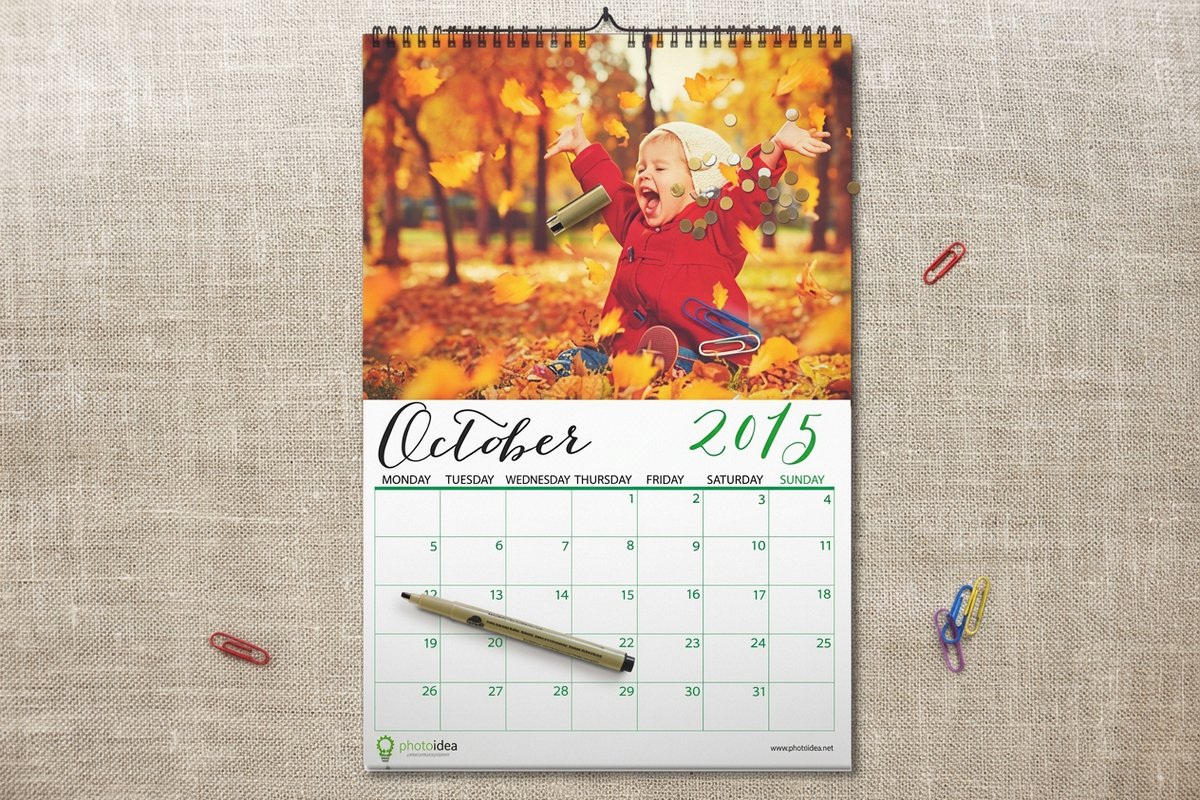
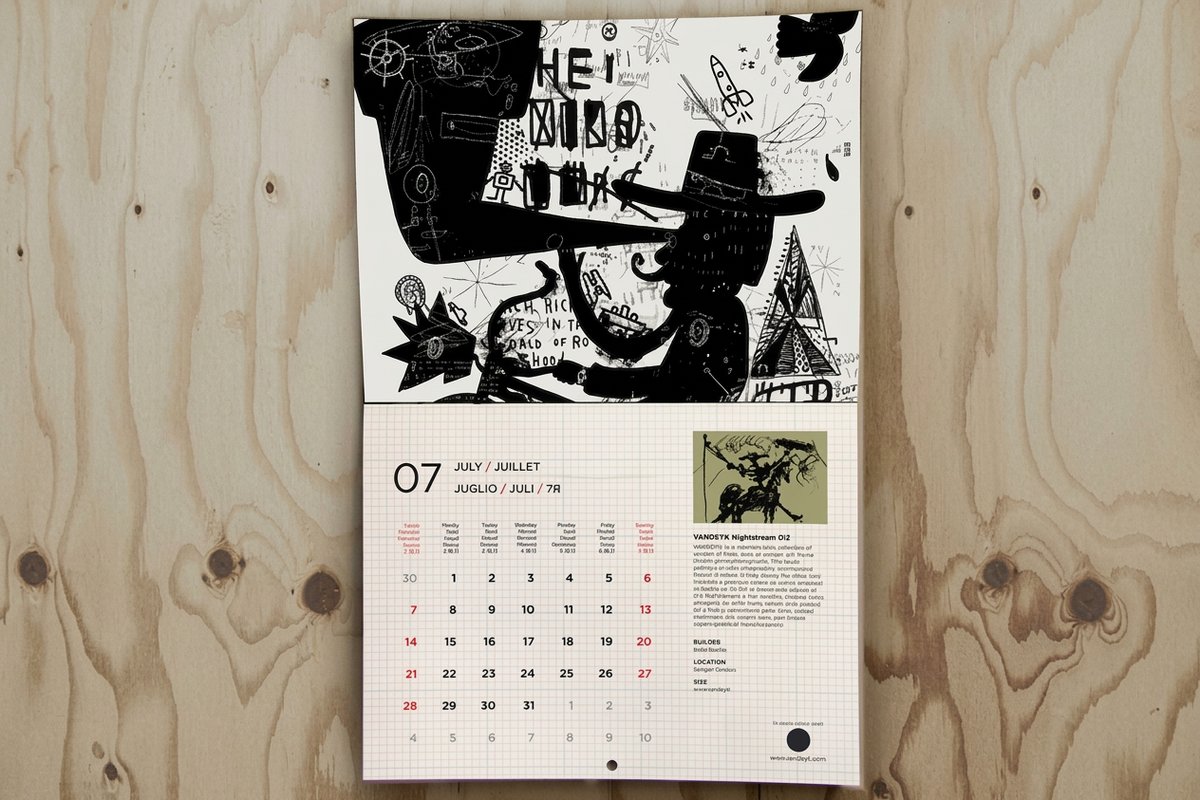
| Quantity | Price Per Unit | Total |
|---|---|---|
| 25 | $32.50 | $812.59 |
| 50 | $21.12 | $1,055.76 |
| 100 | $12.19 | $1,218.87 |
| 200 | $9.12 | $1,823.20 |
| 300 | $8.05 | $2,415.33 |
| 400 | $7.41 | $2,964.52 |
| 500 | $7.03 | $3,513.70 |
Print it
Order calendars and matching print at 4OVER4

Explore more
Where to go next



By the numbers
Printing you can count on at 4OVER4
Common Questions
Common questions about the parts of a calendar
What are the six main parts of a custom calendar?
The six components that shape almost every calendar are the format, the date grid, the paper stock, the binding, the cover art, and the print-ready file. Format decides the shape and page count, the grid is the part people actually read and write on, the stock controls how it feels and how photos print, the binding decides how it hangs and turns, the cover sets the first impression, and the file setup keeps everything crisp on press. Get those six right and the rest is styling.
How do I choose the right binding for my calendar?
Match the binding to how the calendar is used. Wire-o coil is the workhorse for wall calendars because the pages lie flat and flip cleanly for a full year, which is why so many people order it as a wire-o coil calendar. Saddle stitch keeps a slim booklet calendar tidy, and a simple punched hole is enough for a single-panel poster calendar. Our binding types guide walks through each spine in detail, and you can browse every option in the binding options collection.
What paper stock works best for a wall calendar?
Most wall calendars pair a heavier gloss or matte cover stock, which makes the photos pop and protects the piece, with a lighter uncoated interior that takes pen and pencil without smearing. Desk calendars can run a single heavier stock throughout. If you are weighing coatings and weights, the paper stocks guide compares matte, gloss, linen, and kraft so you can feel the difference before you order.
How much does a custom calendar cost and how is the price set?
Calendar pricing is driven by the quantity, the trim size, the number of pages, the paper stock, and the binding you pick, so the same design can land at very different prices depending on those choices. The fastest way to see real numbers is to open the configurator on the calendars product page or the wire-o coil calendars page, set your options, and read the live price per run. There is no guesswork and no fabricated estimate.
What sizes and finishes are available for custom calendars?
At 4OVER4.COM you can order standard and wire-o coil calendars in common wall and desk sizes, on a choice of cover and interior stocks, with gloss, matte, or uncoated finishes. Because calendars sit inside the wider custom printing collection, you can also request less common trims and pair the calendar with matching pieces. The configurator on each product page lists the exact size, stock, and finish options that are live today.
How long does it take to print and ship a custom calendar?
Turnaround depends on the product, the quantity, and the shipping method you choose at checkout, and the estimate updates live as you build the order. Because a calendar only has value if it arrives before the new year, treat the season as your real deadline and lock the design early to leave room for proofing and delivery. Order well ahead of the year change and you never have to gamble on a courier.
Get Started
Ready to build your custom calendar?
Pick your format and stock, lay out the twelve pages, choose your binding, and we print a crisp, long-lasting calendar that looks sharp on every wall or desk all year.
Legal Disclaimer
Gold Standard guarantees apply to all standard orders placed through 4over4.com. Price match requires verifiable proof of a competitor's published price for an equivalent product with matching specifications and turnaround time. Satisfaction guarantee covers manufacturing defects and print quality issues. Contact support with order number and documentation. On-time delivery rate based on tracked orders 1999 to 2026. Individual results may vary based on shipping carrier performance.
