
The Power of Direct Mail and Its 5 Main Types


Why a Mailbox Still Beats the Inbox
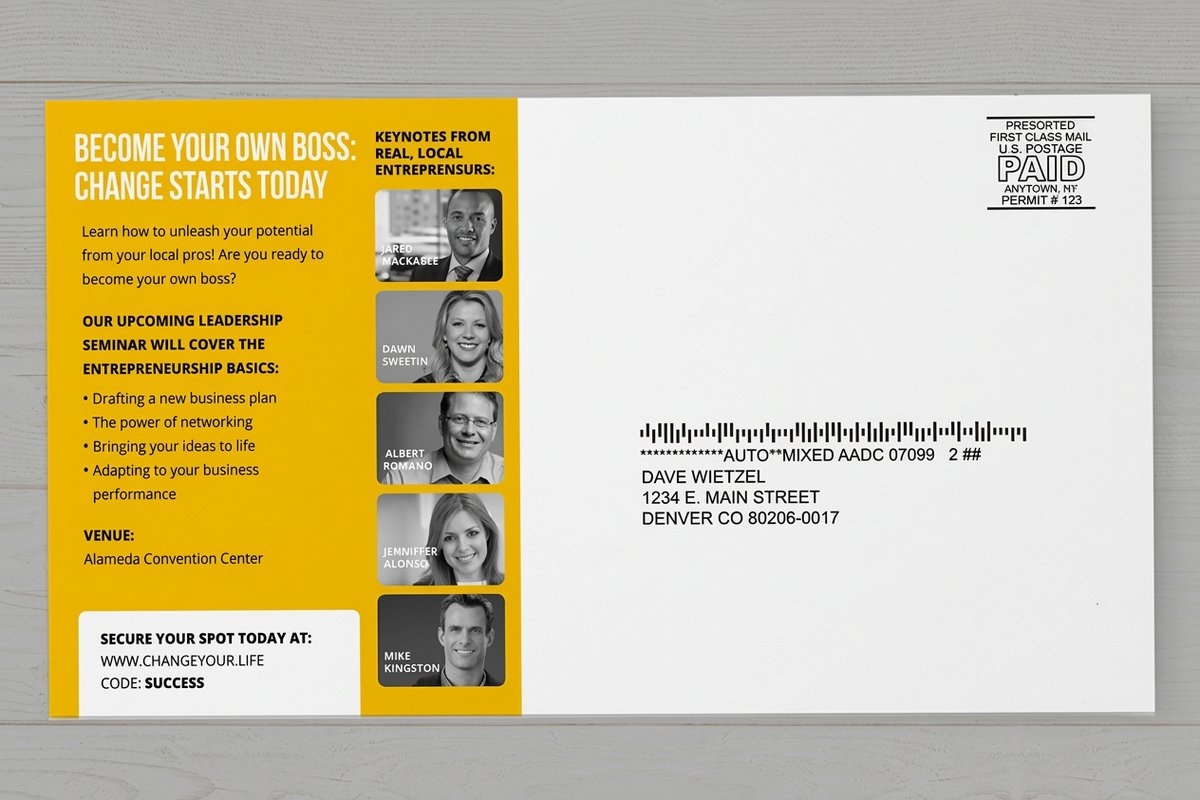
A promotional email competes with three hundred others fighting for the same thumb-swipe before breakfast. A printed mailer competes with a phone bill and a pizza coupon. That is the whole case for direct mail in one sentence: less noise, more attention, and a physical thing your prospect has to pick up and decide about before it hits the recycling.
Direct mail also does something a screen cannot. People hold it, feel the weight of the stock, and keep the pieces that feel worth keeping. A card on the fridge or a brochure on the counter keeps selling for days. The trick is not choosing whether to mail, it is choosing which format fits the job, because a postcard and a dimensional box do very different work.
4OVER4.COM has printed 10 billion+ pieces across 1,000+ product types since 1999, so we have watched which formats pull their weight for which goals. This guide walks the five main types of direct mail, postcards, letters, brochures and catalogs, dimensional mailers, and newsletters, and it names when each one wins. For the deep version, the definitive guide to direct mail advertising goes even further.
Start with the goal, not the format
Before you pick a piece, answer one question: what do you want the reader to do the second they hold it? Book a call, redeem a code, remember your name in six months, feel that you spent real money on them. The answer points straight at the format, and it keeps you from mailing a glossy catalog when a fifty-cent postcard would have done more.
Shop the format
Direct mail printing collection
Postcards, letters, brochures, and flyers built to mail, all in one place.
1. Postcards, the Fast and Affordable Workhorse
Postcards are the format most campaigns should start with, and it is not close. There is no envelope to slit open, so your message is already showing the instant it leaves the box. That single detail, no barrier between the reader and the offer, is why postcards punch so far above their cost.
They are also the cheapest way to reach a lot of people. Direct Mail Postcards start at $18.94, which makes them the natural choice for a first test, a grand opening, or a seasonal push. Pair them with Every Door Direct Mail and you can blanket a full carrier route by address without ever buying a mailing list.
Best for:
- Reach on a budget. Neighborhood saturation, store openings, and repeat reminders where volume matters more than depth.
- One clear offer. A single code, date, or call to action that fits on one side without crowding.
- Speed to market. Simple to design, quick to print, and easy to test in small batches before you scale up.
If you want the mechanics of getting one out the door, the five-step postcard mailing guide covers list, design, and drop in order.
Print picks
Three direct mail formats worth a look
Live prices, ready to customize with your offer and artwork.
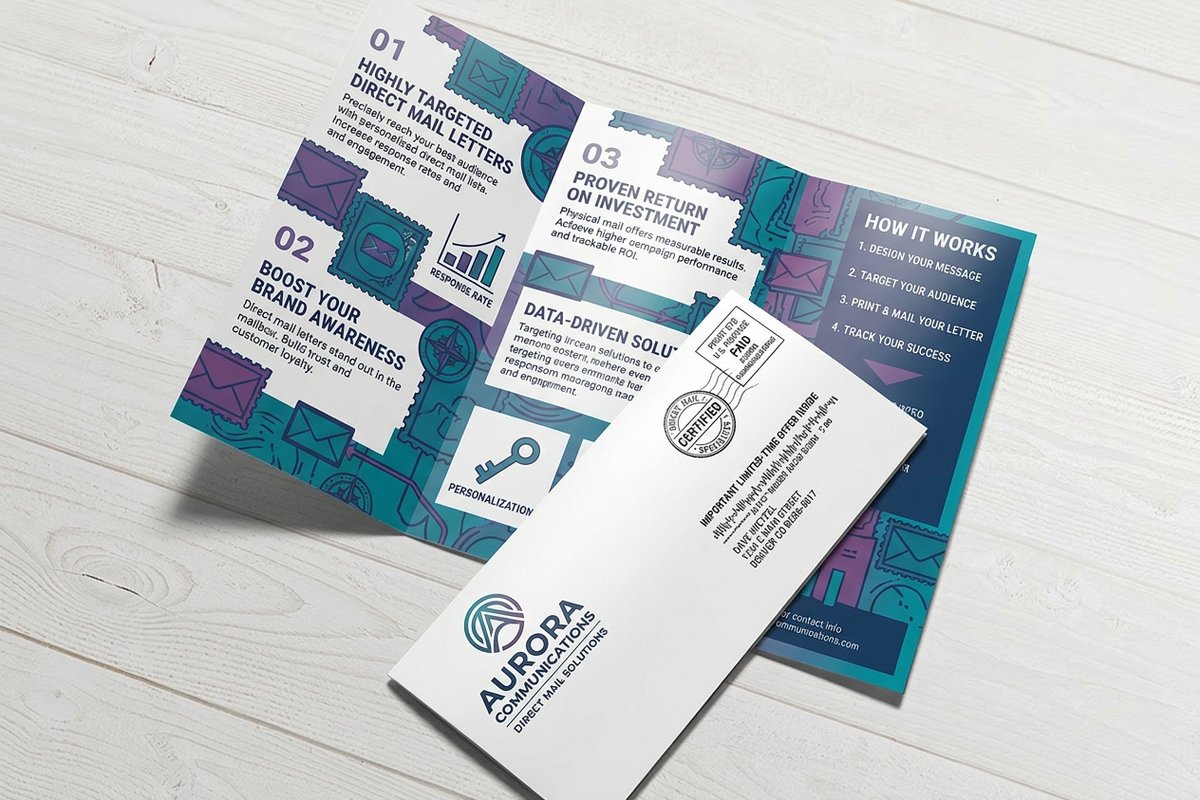 Direct Mail Letters From $238.73 A sealed, personal envelope for offers that need a real pitch to land.
 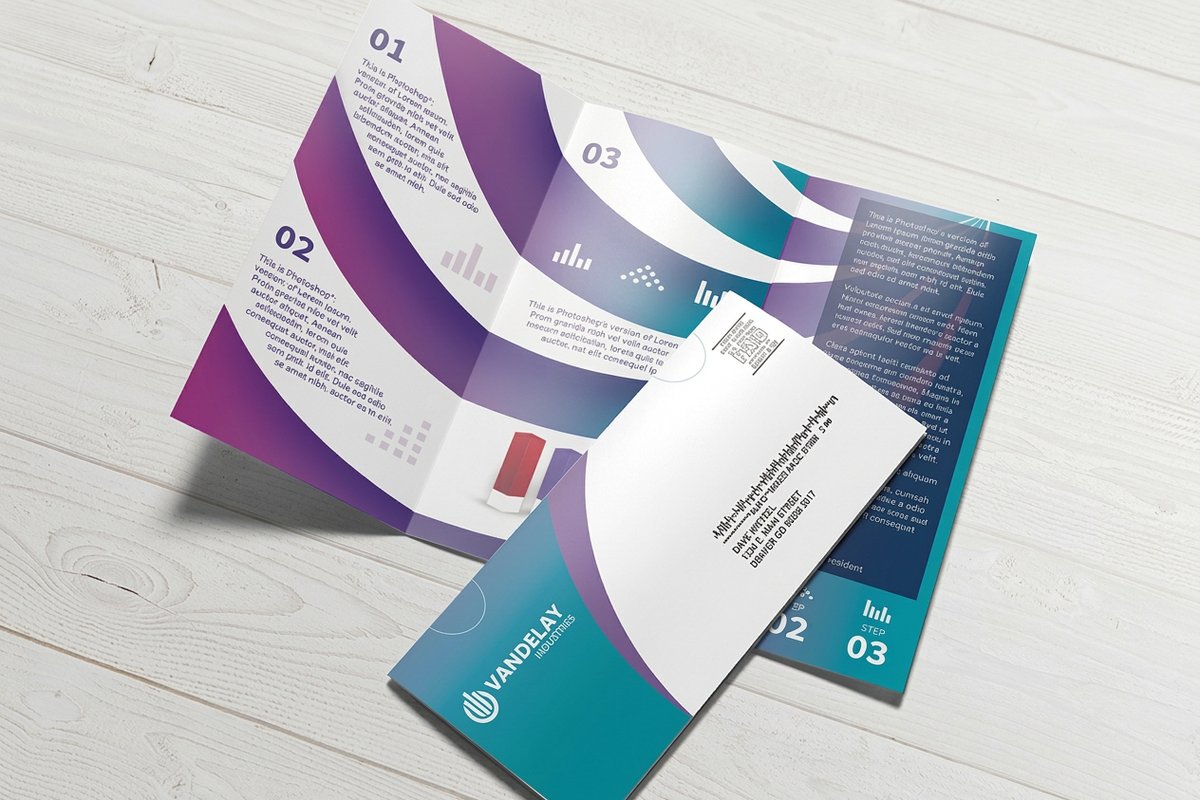 Direct Mail Brochures From $238.73 Fold-out room to tell the whole story with photos, specs, and a map.
 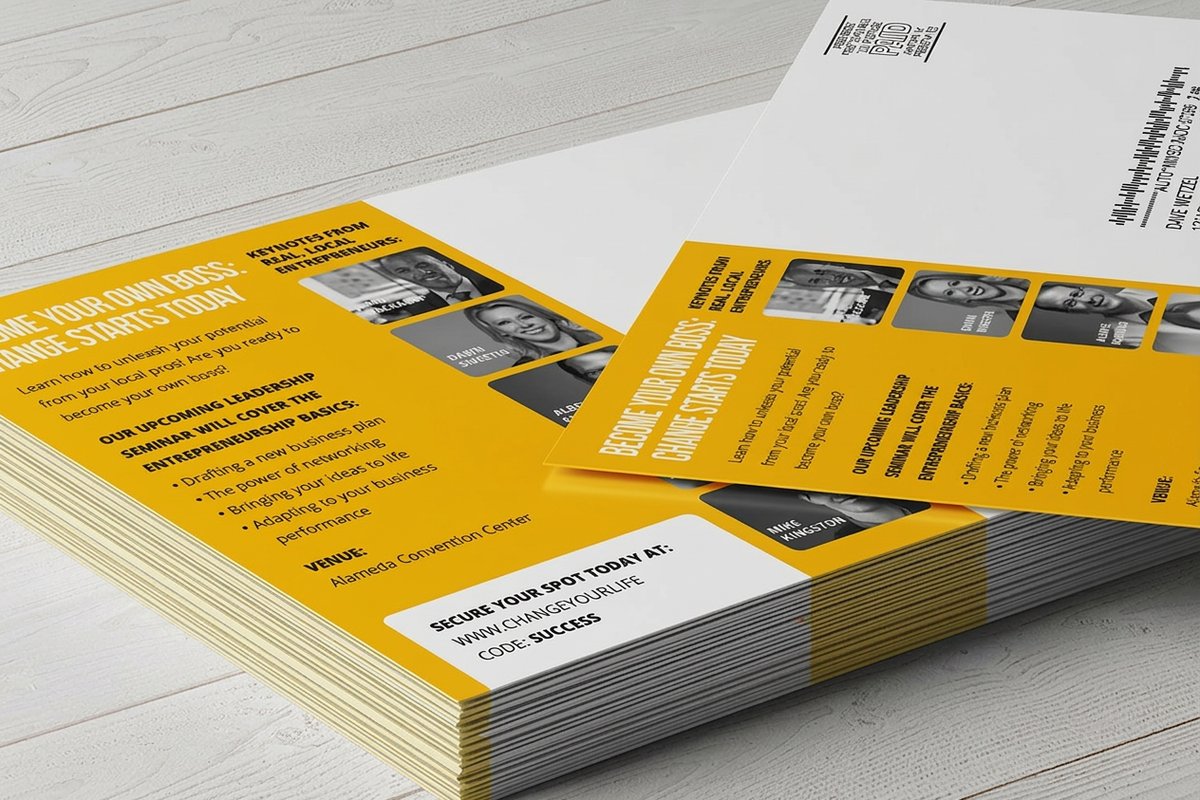 Direct Mail Postcards From $18.94 Lands face-up with no envelope to open, the workhorse of most campaigns. Direct Mail Postcards From $18.94 The most mailed of the five types covered here.
 2. Letters, the Personal and High-Trust Format
A sealed envelope still reads as important. It signals that someone chose to write to you specifically, and that quiet cue of privacy earns the open. Where a postcard shouts across the room, a letter leans in and talks. That makes Direct Mail Letters the right pick when the offer needs a real explanation rather than a one-liner.
Letters give you room to build a case: a headline that stops the reader, a story that shows you understand their problem, and a clear ask at the end. They cost more per piece than a postcard, starting at $238.73 for a run, so save them for higher-value offers where a booked appointment or a signed contract easily pays for the postage.
Best for:
- Considered purchases. Financial services, healthcare, legal, and B2B offers that need context before a yes.
- Personalized outreach. Variable names, account details, or renewal dates that make the reader feel seen.
- Warm lists. Past customers and qualified leads who already know you and will read past the first line.
Add a little extra
Tip-on printing for letters and self-mailers
Adhere a card, magnet, or sample right onto the piece, so your letter arrives with something in hand.
3. Brochures and Catalogs, Room to Tell the Whole Story
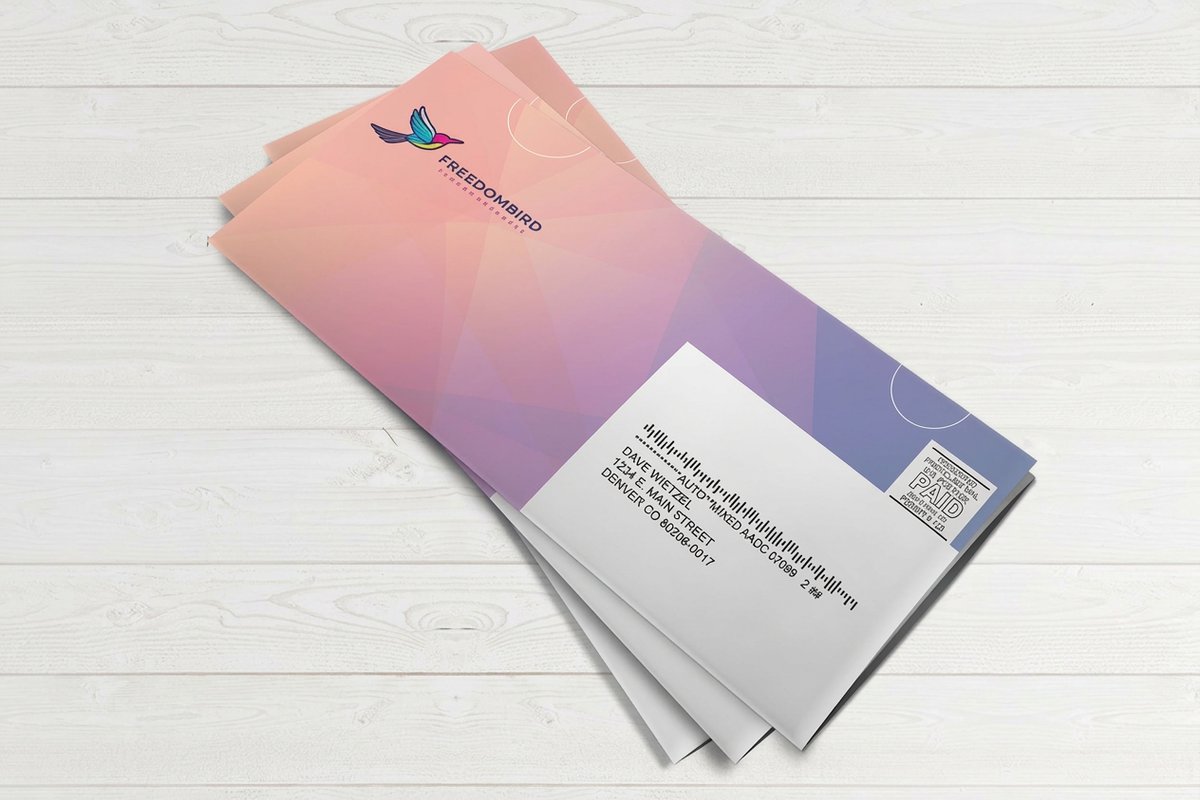
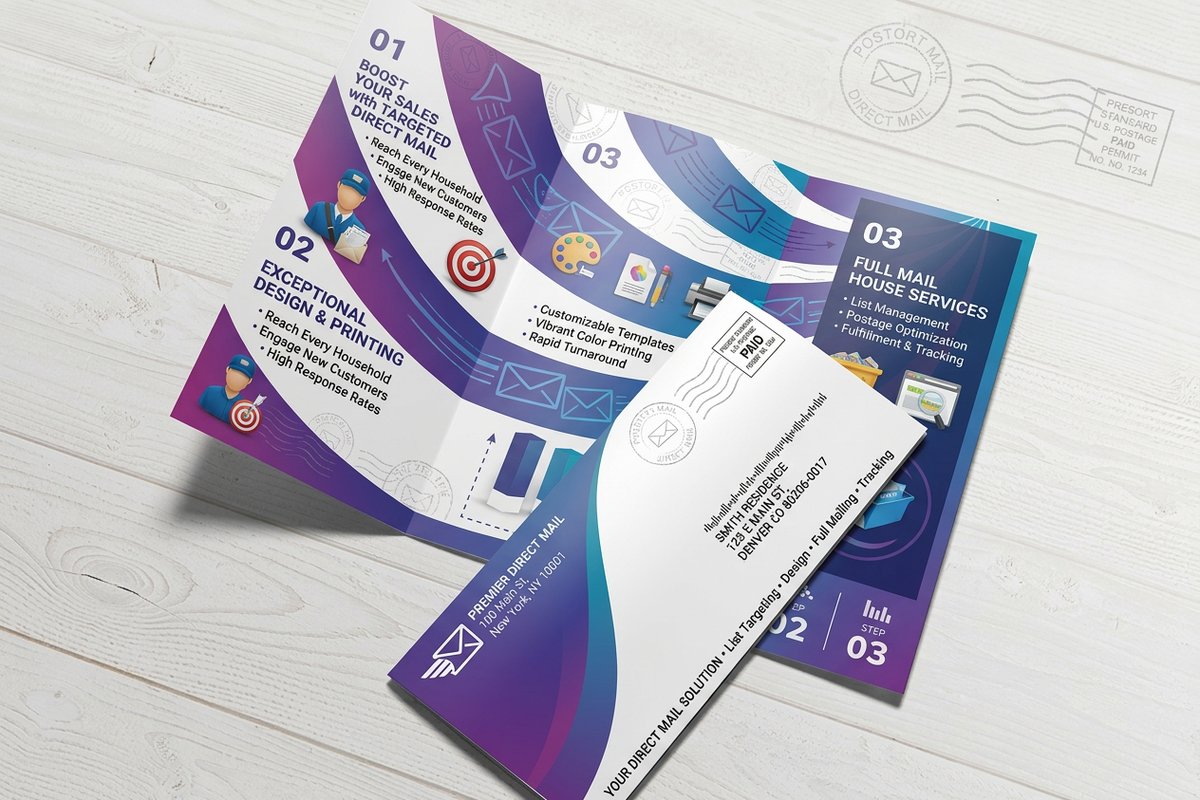
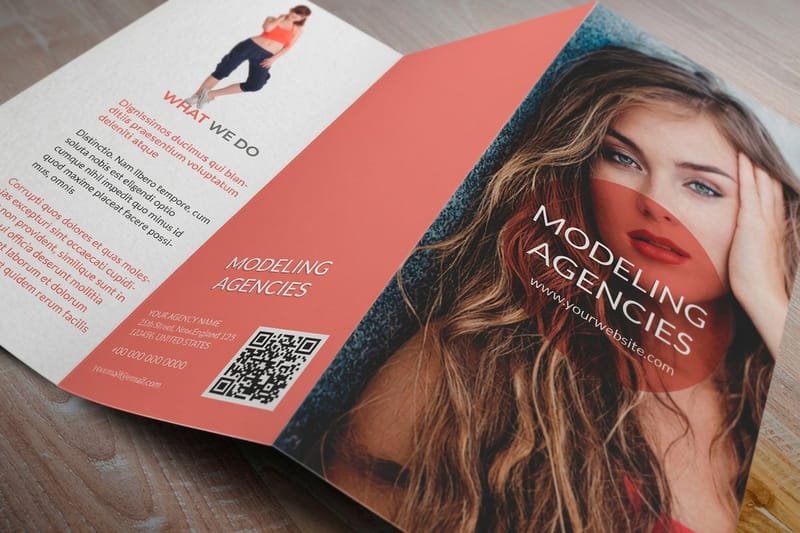
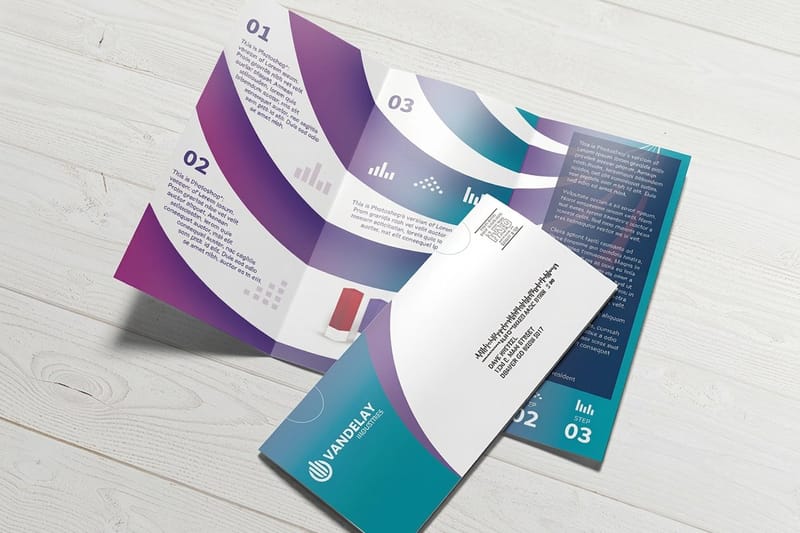
When one message will not do, you fold. Direct Mail Brochures and catalogs give you panels to work with, so you can pair photos with specifications, walk through a service step by step, or show off a whole product line without cramming. A brochure is a mini website that arrives in the mail and needs no wifi to load.
The tradeoff is that people skim before they commit, so structure carries the whole piece. Lead each panel with a benefit, let the images do the persuading, and put the offer somewhere it cannot be missed. Check the live pricing and stock options below, then match the fold and finish to how the piece will be used, whether that is a leave-behind, a menu, or a seasonal lookbook.
Best for:
- Product ranges. Catalogs, menus, and lookbooks where seeing the options is half the sale.
- Service explainers. Multi-step offers that benefit from a before, during, and after layout.
- Keeper pieces. Reference material a prospect pins to a board or tucks in a drawer for later.
Quantity and price
Direct mail brochure pricing and specs
Real configurator numbers. The more you mail, the lower the per-piece cost drops.
| Quantity | Price Per Unit | Total |
|---|---|---|
| 500 | 47.7¢ | $238.73 |
| 600 | 41.1¢ | $246.31 |
| 700 | 36.3¢ | $253.88 |
| 800 | 32.7¢ | $261.47 |
| 900 | 29.9¢ | $269.05 |
| 1,000 | 27.7¢ | $276.63 |
4. Dimensional Mailers, the Package No One Throws Away
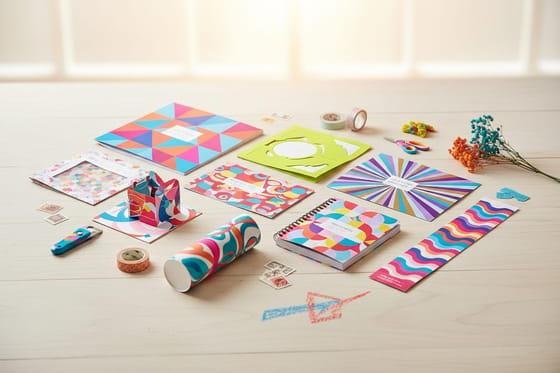
A flat piece can be tossed on autopilot. A box, a tube, or a padded package with a lump inside almost forces a hand to open it, because curiosity beats habit every time. Dimensional mailers are the heavy hitters of direct mail, and they earn their name by getting past the mental filter that kills everything else on the way to the counter.
They cost the most, so they are built for the accounts worth the most. Sales teams use them to break into a shortlist of dream clients, where landing even one contract pays for the whole run many times over. When a mailer needs a sample, a gadget, or a printed piece assembled with an insert, our kitting service packs and preps each unit so it ships as one clean package.
Best for:
- Account-based marketing. A small list of high-value targets where a memorable arrival opens the door.
- Event and launch buzz. Kits and unboxings people photograph and share, extending one mailer into many impressions.
- Standing out on purpose. Crowded categories where flat mail all blurs together and volume plus texture cuts through.
5. Newsletters, the Format That Builds a Relationship
Not every mailer needs to sell today. A printed newsletter plays the long game, showing up on a schedule with useful updates, tips, and a light touch of promotion, so that when the reader is finally ready to buy, you are the name they already trust. It is the difference between a cold pitch and a familiar face.
Newsletters usually print as folded self-mailers or single sheets, close cousins of the Direct Mail Flyers format, which keeps the recurring cost manageable. The whole point is consistency, so pick a rhythm you can actually keep, monthly or quarterly, and let value lead. For structure and content ideas, the newsletter guide for direct mail maps out a repeatable layout.
Best for:
- Retention and loyalty. Existing customers you want to keep close between purchases.
- Long sales cycles. Categories where the buying window is months out and top-of-mind wins.
- Community and nonprofits. Members and donors who want the story, not just the ask.
Newsletter format
Self-mailer and flyer specs
Recurring newsletters print as folded self-mailers or single sheets, so the per-issue cost stays lean.
Direct Mail Formats and Sizes
Format decides postage, and postage usually decides how many pieces you can afford to mail, so settle the size before you open the design file. Here is how the five types of direct mail line up on common sizes, stock, and the postage class each one falls into.
- Postcards. 4 x 6, 5 x 7 and 6 x 9 in are the workhorses. Anything from 3-1/2 x 5 in up to 4-1/4 x 6 in mails at the USPS postcard rate, the cheapest stamp in the building. Go bigger and the piece mails at letter rates, which still holds up to 6-1/8 x 11-1/2 in. Print on 14pt or 16pt card stock so it comes through the sorting equipment without a bent corner. Direct Mail Postcards start at $18.94.
- Letters. 8.5 x 11 in folded in three to fit a #10 envelope, on 70lb uncoated text that takes a fold and a signature cleanly. Mails at letter rates as long as the sealed envelope stays inside 6-1/8 x 11-1/2 in and 1/4 in thick, and as long as the stuffed piece stays under 1 oz. Direct Mail Letters start at $238.73 for a run.
- Brochures and catalogs. 8.5 x 11 in tri-fold or 11 x 17 in half-fold on 100lb gloss text, with a heavier cover stock once a catalog gets bound. A self-mailer needs tabs or a wafer seal to travel. Past 6-1/8 x 11-1/2 in it mails as a flat, which the post office accepts up to 12 x 15 in and 3/4 in thick.
- Dimensional mailers. Boxes, tubes, and anything with real bulk. These mail as parcels rather than letters or flats, priced by weight and dimension instead of a flat stamp, so weigh and measure a finished sample and price that exact piece before you set the quantity. Mail hundreds, not thousands.
- Newsletters. 8.5 x 11 in, 4 to 8 pages, folded to letter size or mailed flat. Monthly or quarterly is what turns it from a mailer into a relationship, so pick a rhythm you can hold for a year.
- Postage class. First-Class moves in 1 to 3 days and gets bad addresses forwarded or returned, which quietly cleans your list. Marketing Mail costs less per piece but needs a minimum of 200 pieces or 50 lb and takes longer to land. Every Door Direct Mail skips the list entirely and covers a whole carrier route, up to 5,000 pieces per route per day.
One rule cuts across all of it: get a real proof in your hand and mail one to yourself before the full run. Bleed that drifts, an address block that lands outside the clear zone, or a piece 1/8 in too tall are the three things that turn a cheap postage class into an expensive one.
How to Choose the Right Type, and Why Direct Mail Works
Direct mail keeps earning its budget because it does what digital struggles to do: it commands a moment of undivided attention in the physical world. There is no scroll, no skip, and no spam folder. The reader has to hold the piece and make a decision, and that friction is a feature. For the current benchmarks by format, see the direct mail response rate data.
Choosing between the five types comes down to matching the format to the goal and the budget. Reach and speed point to postcards. Trust and explanation point to letters. Depth points to brochures. Impact points to dimensional. Loyalty points to newsletters. The table below lines up the printable formats side by side so you can see how the numbers move with quantity before you commit.
Whatever you pick, the list makes or breaks it. A beautiful piece mailed to the wrong people still fails, so build or rent a clean, targeted list first. The mailing list guide covers both routes, and the campaign playbook ties the whole thing together.
Compare the types
Printable direct mail formats, side by side
From-price and quantity breaks across postcards, letters, brochures, and flyers, straight from the configurator.
| Quantity | Price Per Unit | Total |
|---|---|---|
| 500 | 17.9¢ | $89.68 |
| 1,000 | 17.1¢ | $170.53 |
| 2,000 | 9.35¢ | $186.95 |
| 3,000 | 6.84¢ | $205.13 |
| 4,000 | 5.58¢ | $223.31 |
| 5,000 | 4.83¢ | $241.51 |
| Quantity | Price Per Unit | Total |
|---|---|---|
| 500 | 47.7¢ | $238.73 |
| 600 | 41.1¢ | $246.31 |
| 700 | 36.3¢ | $253.88 |
| 800 | 32.7¢ | $261.47 |
| 900 | 29.9¢ | $269.05 |
| 1,000 | 27.7¢ | $276.63 |
| Quantity | Price Per Unit | Total |
|---|---|---|
| 500 | 47.7¢ | $238.73 |
| 600 | 41.1¢ | $246.31 |
| 700 | 36.3¢ | $253.88 |
| 800 | 32.7¢ | $261.47 |
| 900 | 29.9¢ | $269.05 |
| 1,000 | 27.7¢ | $276.63 |
| Quantity | Price Per Unit | Total |
|---|---|---|
| 500 | 47.7¢ | $238.73 |
| 600 | 41.1¢ | $246.31 |
| 700 | 36.3¢ | $253.88 |
| 800 | 32.7¢ | $261.47 |
| 900 | 29.9¢ | $269.05 |
| 1,000 | 27.7¢ | $276.63 |
Design and Print Tips That Lift Response
The format gets you into the mailbox. The design gets you a response. A few habits move the needle across every type: lead with one clear benefit, make the call to action impossible to miss, and give the eye a single obvious path from headline to offer. Clever loses to clear almost every time.
Start from a print-ready layout in the design templates library, drop in your artwork, and let the guides keep your bleed and margins honest. Ordered late? 4OVER4.COM Same Day Printing produces and ships qualifying orders the same day, and the Green Printing program keeps a big run easier on the planet. For a deeper checklist, the 4X your results guide and the postcard design breakdown both pay for the read.
Quick wins before you hit print
- One offer, one action. Two competing calls to action split attention and cut response. Pick the one that matters.
- Make the CTA loud. A code, a deadline, or a QR link that pops in color and repeats where the eye lands.
- Design for the format. Bold and glossy for postcards, personal for letters, structured panels for brochures.
- Test small, then scale. Mail a small batch, watch what responds, and pour the budget into the winner.
Start fast
Mailer templates and print-ready blanks
Free layouts plus exact-size blanks so your artwork and offer land inside the cut line.
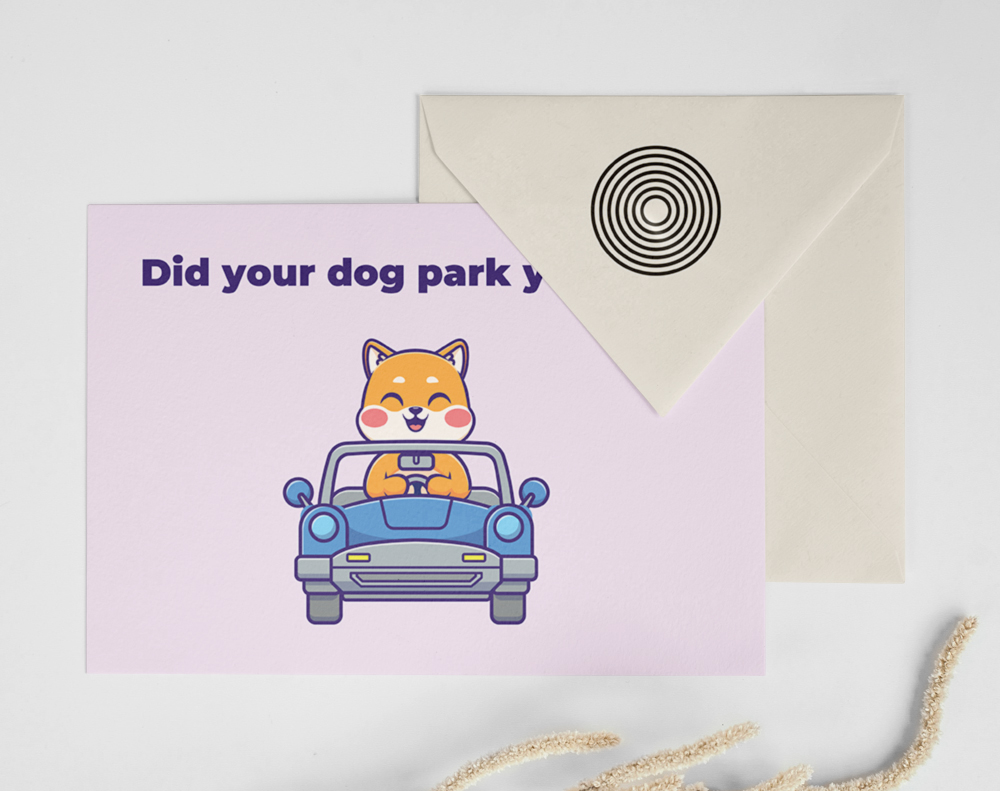
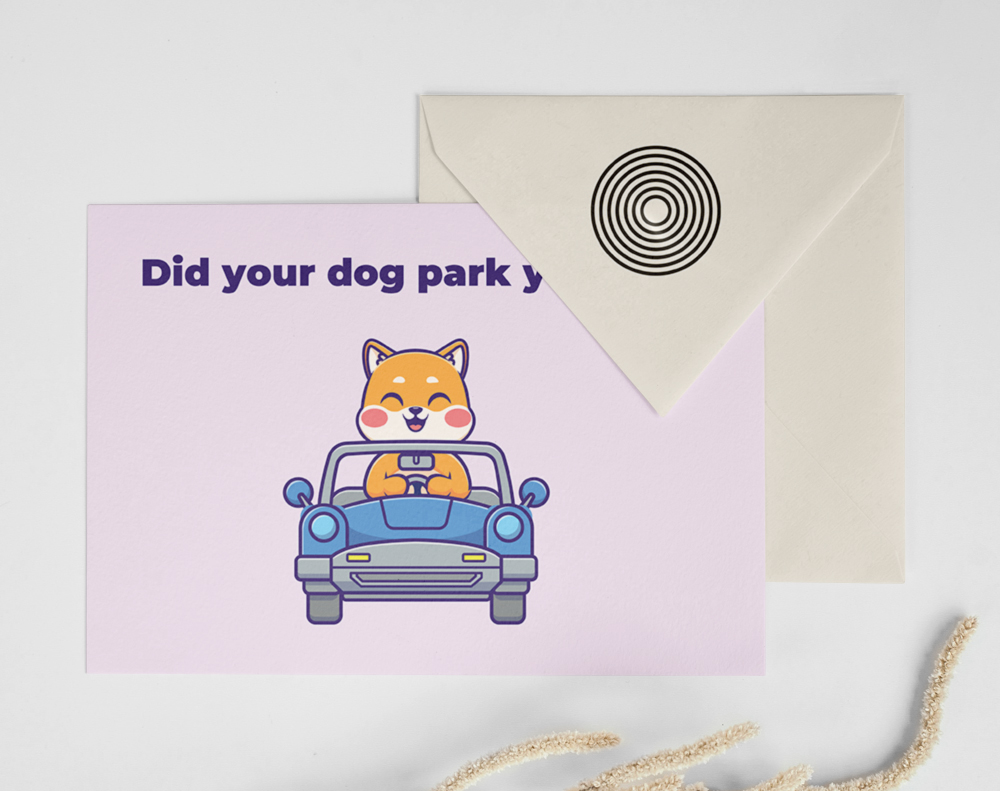
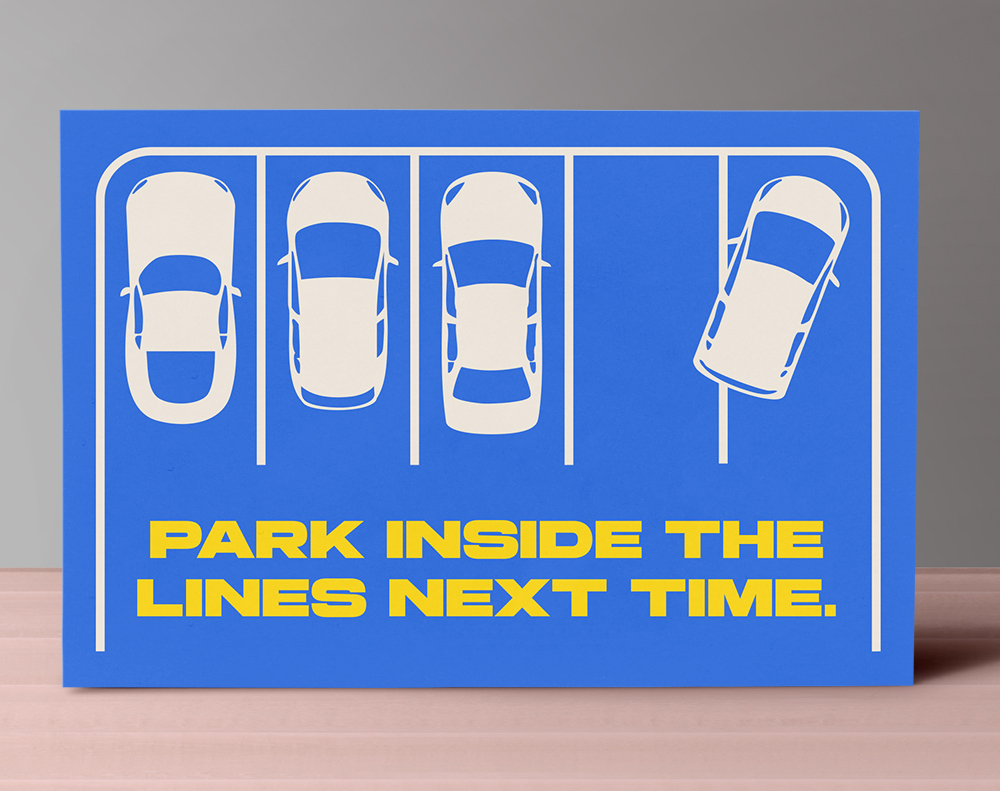
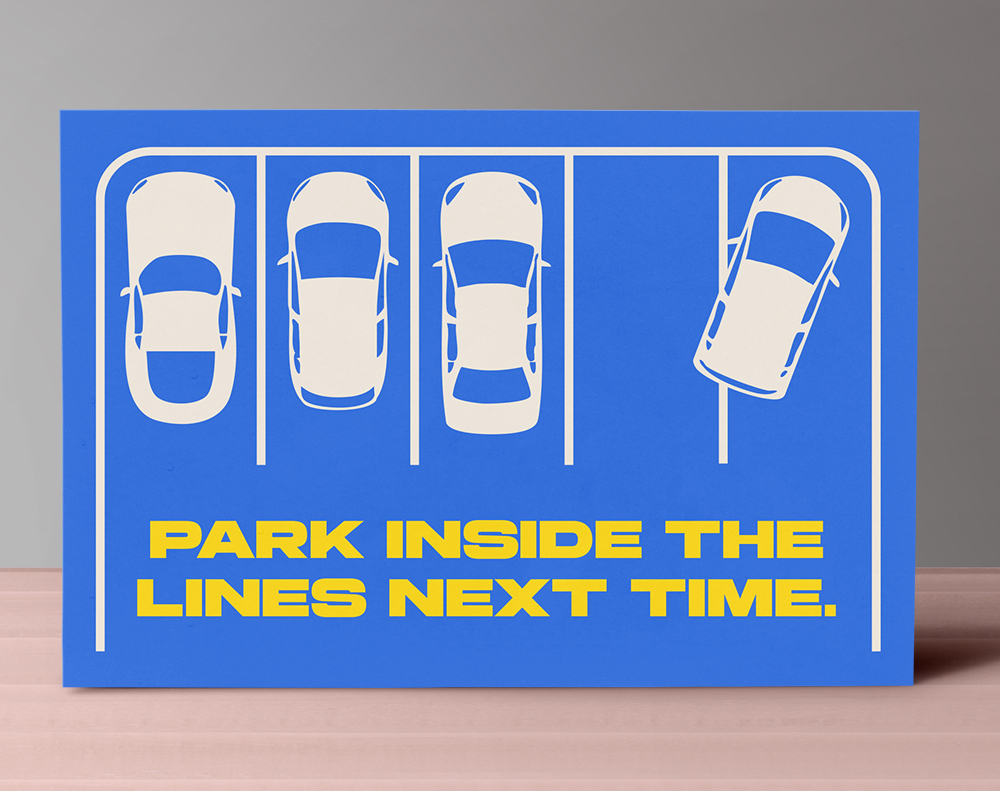
Wally helps you pick the right mail type
Five formats, one simple rule for choosing between them
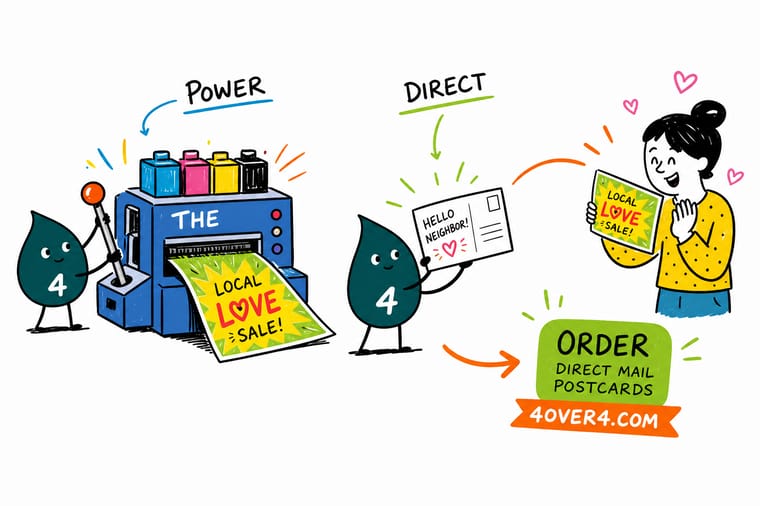
Match the piece to the goal. Reach on a budget means postcards. A pitch that needs explaining means letters. A whole product line means a brochure. Breaking into a dream account means a dimensional mailer. Staying top of mind means a newsletter. Whichever you choose, mail to a clean list and 4OVER4.COM prints it sharp and ships it on time.
Start your direct mail order →Picking the right mail piece for the job
Explore more
More ways to run print with 4OVER4.COM
Related pages across the site, one card each, so you can keep exploring formats, guides, and services.
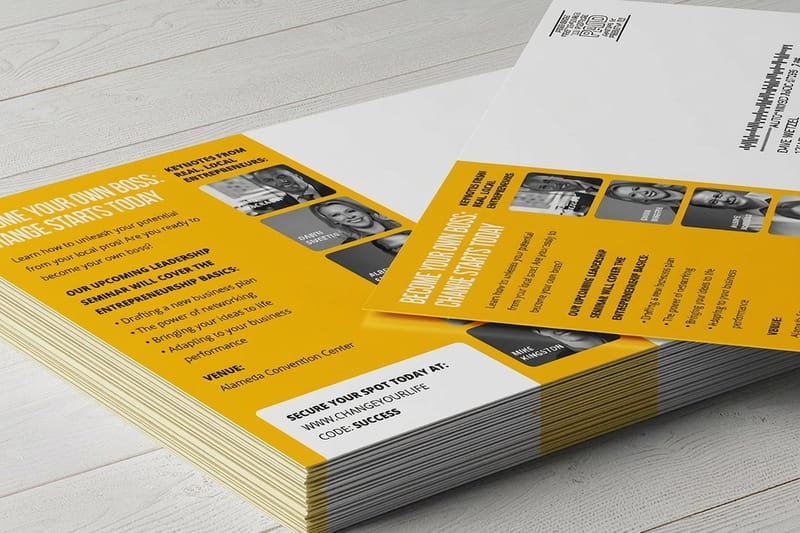 Collection Direct Mail Printing Postcards, letters, brochures, and flyers built to mail. Product Direct Mail Postcards The fast, affordable workhorse from $18.94.
 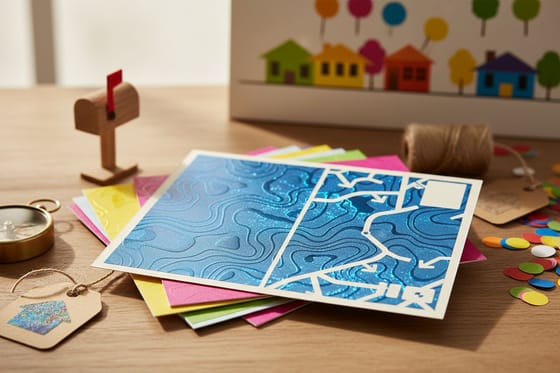 Service Every Door Direct Mail Blanket a carrier route by address, no list needed.
  Guide Design a Postcard That Works Ten elements of an effective direct mail card.
  Guides All Printing Guides How-tos across every product and campaign type.
  Article Most Effective Mail Formats Eight formats that boost response, with examples.
  Articles Direct Mail Strategies The full library of outreach guides and tips.
 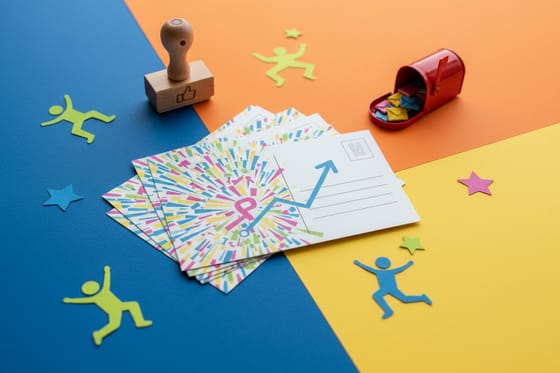 Statistics Response Rate Benchmarks Average direct mail response rates and data.
 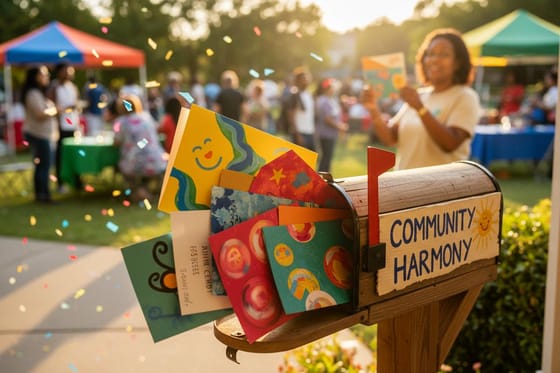 Case study Nonprofit Doubles Donations A real direct mail campaign that drove donor response.
 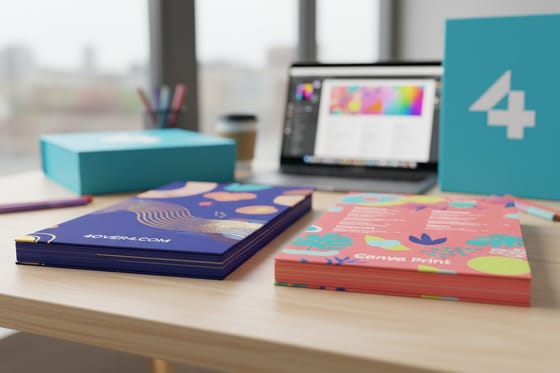 Alternative Does Canva Mail Postcards? How mailing options compare for card campaigns.
 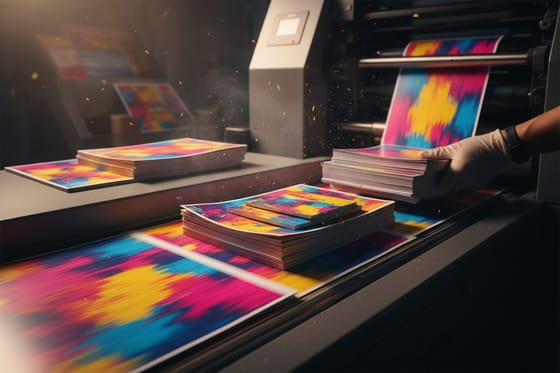 Benefit Same Day Printing Order today, ship today when a drop cannot wait.
  Guide EDDM Postcard Sizes USPS rules and dimensions for route mailing.
 Ready to put your message in the mailbox?
Pick a format, add your artwork, and 4OVER4.COM prints it sharp on 60+ stocks and ships it on time, as fast as same day.
Direct mail questions before your first drop
What are the main types of direct mail?
The five main types are postcards, letters, brochures and catalogs, dimensional mailers, and newsletters. Postcards are the cheapest and fastest way to reach a lot of people. Letters win when the offer needs a personal, high-trust pitch. Brochures and catalogs give you room to show a whole product line or explain a service. Dimensional mailers arrive as a box or package that almost forces the open, and they carry the highest cost and impact. Newsletters build a relationship over time with useful, recurring content. Each maps to a different goal, which is why the format should follow the objective rather than the other way around.
Which direct mail type should I choose?
Start with what you want the reader to do the moment they hold the piece. For broad reach on a budget, choose postcards and pair them with Every Door Direct Mail. For considered purchases that need explaining, use letters. For product ranges and service walk-throughs, use brochures. For a short list of high-value targets, use a dimensional mailer. For loyalty and long sales cycles, use a newsletter. Whatever you pick, a clean, targeted list matters as much as the piece itself.
How much does direct mail printing cost?
It depends on the format, stock, finish, and quantity. At 4OVER4.COM, direct mail postcards start at $18.94, while letters, brochures, and flyers start at $238.73 for a marketing run. Larger formats and specialty finishes cost more, and dimensional mailers are the most expensive because of the packaging and assembly involved. Ordering in higher volume brings the per-piece price down quickly, so a bigger drop is often cheaper per contact than a small one. You can see live numbers on each product page before you check out.
What is the difference between postcards and letters for direct mail?
Postcards land face-up with nothing to open, so the message shows instantly and the cost per piece is low, which makes them ideal for reach, reminders, and one clear offer. Letters arrive sealed in an envelope, which reads as personal and important and earns the open, but they cost more and suit higher-value offers that need a real explanation. A simple rule: use postcards to reach many people quickly, and use letters to persuade the right people carefully.
How do I make direct mail actually get a response?
Match the format to the goal, mail to a clean and targeted list, and keep the design focused on one benefit and one clear call to action. Add a code or deadline to make the response measurable, and test a small batch before you scale the winner. For a step-by-step approach, see the guide to 4X your direct mail results and the campaign playbook. Printing the piece on stock that matches the message helps too, since the feel of the mailer shapes the first impression.
