
How to 4X Your Direct Mail Results


Nadia is our customer education voice, built from the knowledge of our production team, with over 20 years in printing.
Mail more of the right postcards, aim them at a tighter list, retarget the visitors they send to your site, back the drop with search ads, and touch the same people again. Five levers, stacked, are how a flat campaign turns into a multiple. On press, each lever is a print order: direct mail postcards for the first drop, oversized postcards for the follow up, and direct mail letters when the offer needs a full page.
To 4X your direct mail results, stack five levers in one campaign: double the quantity you mail, aim it at a tighter and cleaner list, retarget the site visitors your postcard sends over, add Google ads on your offer during the mail window, and reach the same adults with a planned second and third touch. Each lever multiplies the others, which is why they work far better together than any one does alone.
Quick tips
The fast version of how to 4X your direct mail
Response is the product of five levers you control. Mail more postcards to the same quality of list, then tighten that list around who actually buys from you. Retarget the visitors your card sends to your website, add Google ads on your offer while the mail is landing, and plan a second and third touch instead of mailing once. Track every drop with a custom URL or code so next month's budget follows what already worked. Stacked together, these moves multiply rather than add. From the press side, doubling a run costs far less than doubling the bill: 2,000 direct mail postcards run $186.95 against $170.53 for 1,000.
What to print
The printed piece behind each touch, with size and stock
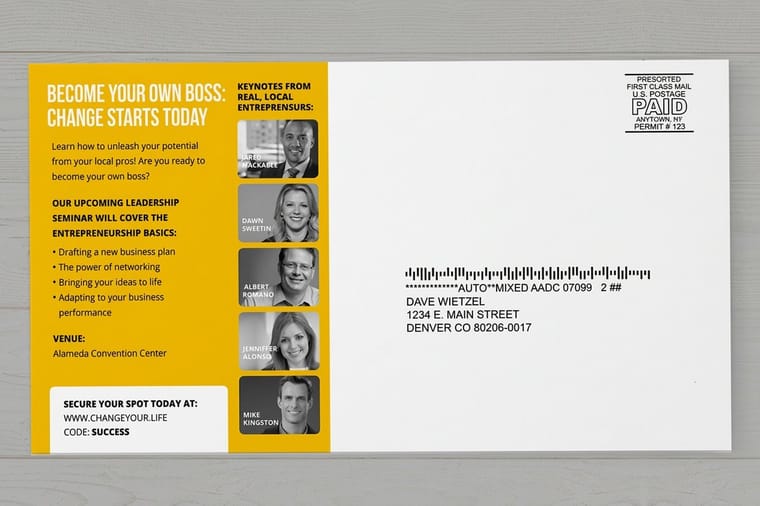
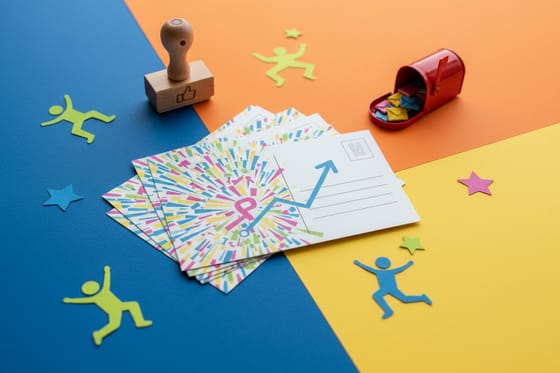
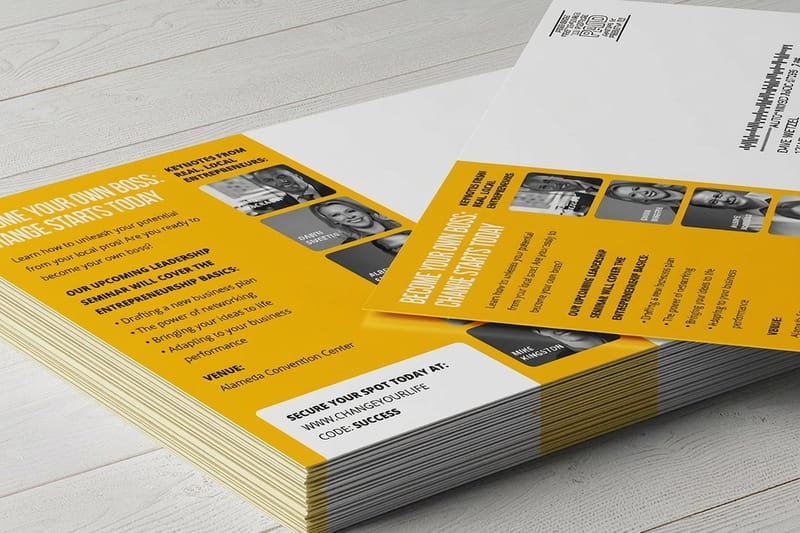
First drop, built for volume: direct mail postcards at 4 by 6 inches on 14pt gloss cover, from 500 for $89.68, printed in 4 business days. Step up to 16pt or a matte or UV front when the card has to feel heavier in the hand.
Second touch, a new shape in the mailbox: oversized postcards in 5.5 by 8.5, 6 by 8, 6 by 9 or 6 by 11 inches, from 50 for $51.62, on stocks from 14pt gloss to 26pt metallic pearl ice, printed in 3 business days.
Third touch, a longer offer: direct mail letters on 8.5 by 11 up to 11 by 17 inch sheets of 100# gloss or silk text or 70# uncoated, from 500 for $238.73, printed in 6 business days. Upload each file as a print-ready PDF with bleed, and put the custom URL or QR code on every piece so each touch counts separately.
Why most direct mail quietly underperforms
Most campaigns that disappoint were never really given a fair shot. The design was fine and the offer was reasonable, but the drop was too small, aimed at too broad a list, and sent once with nothing behind it. Direct mail is one of the few channels that lands physically in a hand, and that advantage gets wasted when the fundamentals are thin.
Response is not a mystery you have to guess at. It is the product of five levers you control, and each one multiplies the others. Pull one and you get a bump. Pull all five in the same campaign and the gains stack, which is where the 4X in the title comes from. None of this requires a bigger creative budget or a clever gimmick, just a sharper plan for who you reach and how often.
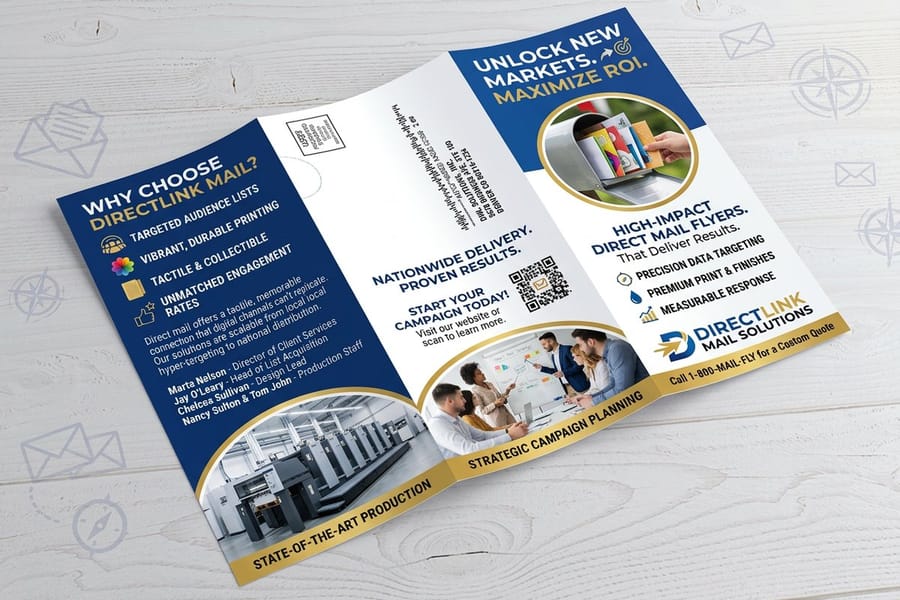
Everything below is built around direct mail postcards because they are cheap to scale, read without being opened, and easy to track. If you want the wider view of how a campaign fits together first, our direct mail campaign guide and the numbers on our response rate benchmarks page set the table for the tactics that follow.
1. Double the quantity of postcards you mail
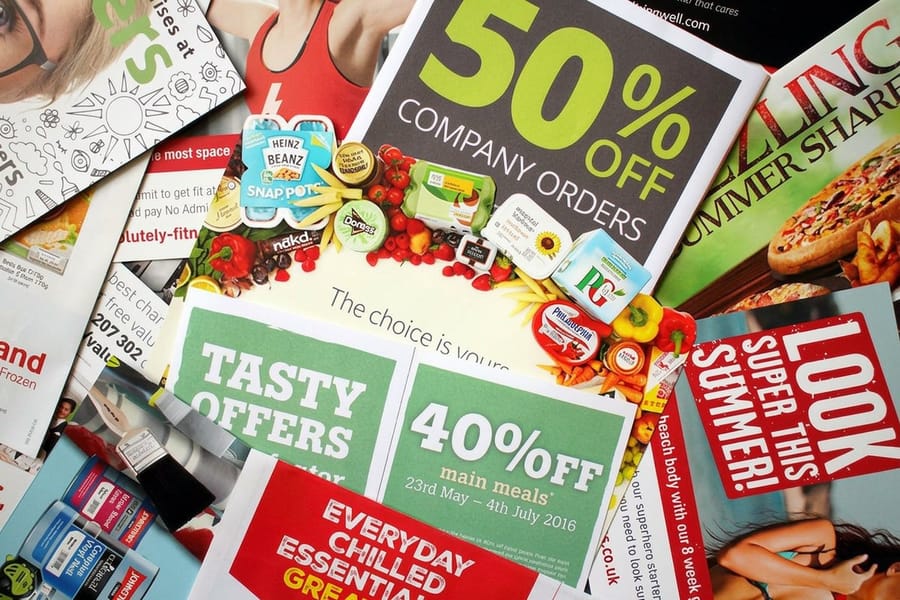
This is the lever nobody wants to hear and everybody should try first. When you mail more of the same postcard to the same quality of list, your response rate holds roughly steady while your reach grows. Twice the doors, at a similar hit rate, means close to twice the leads. It is the least glamorous move in this guide and often the most reliable.
Volume also works in your favor on price. Print cost per piece drops sharply as the run grows, so the second thousand postcards almost always costs less each than the first. On 4 by 6 direct mail postcards printed on 14pt gloss cover, 1,000 cost $170.53, about 17 cents each, and 2,000 cost $186.95, about 9 cents each. That means a larger drop can lower your cost per lead even before a single extra sale comes in.
- Right-size the offer to the reach. A slightly leaner design mailed wider usually beats a lavish one mailed narrow.
- Keep the list quality flat as you scale. Doubling reach only helps when the extra households still fit your buyer.
- Batch your art once. One clean layout reprinted at higher quantity is where the savings live.
See what a larger run actually costs in the specs and pricing panel below, or start a quantity in the direct mail postcard configurator and watch the per-piece price fall as you scale. Browsing formats first? The full postcard printing range shows every size and stock you can mail.
2. Mail to a tighter, better list
If volume is the fastest lever, the list is the strongest. A postcard mailed to five hundred households that genuinely match your buyer will out-pull the same card mailed to five thousand random addresses. Every name that does not fit is postage and paper spent talking to the wrong person, so tightening the list is the closest thing to a free response boost.
Build the list around who already buys from you. Filter a rented or purchased list by the traits that define your customers, whether that is a zip radius around your shop, household income, home ownership, business type, or recent life events like a move. Then keep your own past customers and inquiries on a separate, warmer list and write to them differently.
Not sure where the names come from? Our guide on how to build or rent a mailing list walks through the sources and the filters, and the types of direct mail advertising guide helps you match the list to the format.
3. Catch the leads who visit your website

One pattern most mailers miss: a good postcard rarely closes the sale in the mailbox. It sends people to your website to look you up, compare, and think it over. A large share of those visitors leave without acting, and without a second touch they quietly forget you.
Retargeting fixes that. Place a small tracking pixel on your site, and the visitors who arrived because of your mailer can be shown a matching ad afterward as they browse elsewhere online. Now a one-touch paper drop becomes a repeated conversation, and the message that started in the mailbox keeps following the reader while your offer is still fresh.
The bridge between paper and screen is a clean handoff. Print a short, memorable custom URL or a scannable code on the card so the jump from mailbox to website is effortless and measurable. Our walkthrough on adding a QR code to your postcards covers the setup, and you can build the whole layout in the online designer without leaving the browser.
4. Add Google ads so response compounds
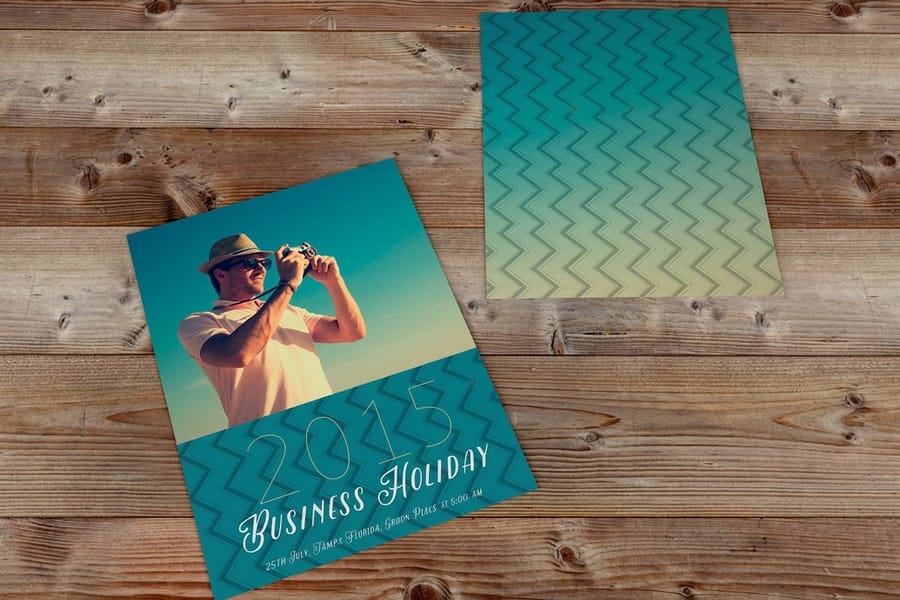
When your postcard prompts someone to search your name or your offer, you want to be the first thing they find. That is exactly the moment paid search earns its keep. Running a small set of Google ads on your brand terms and your headline offer during the mail window catches the hand-raisers your postcard sent looking, before a competitor does.
The two channels are not rivals, they are partners. Mail creates the intent and the search ad captures it, so the same person can be touched on paper and on screen within days. Campaigns that pair a drop with a matching paid push tend to see both channels report stronger numbers than either would alone, because the credit is shared across a reader who saw your message twice.
Keep the promise identical across both: the same offer, the same deadline, the same look. If your card and your ad and your landing page all say the same thing, the reader never has to reset. Treat the mail piece as one instrument in a wider kit, the way our marketing materials range is meant to work together, and lean on the data in our direct mail ROI reference to size the spend.
5. Reach the same adults again, wherever they are
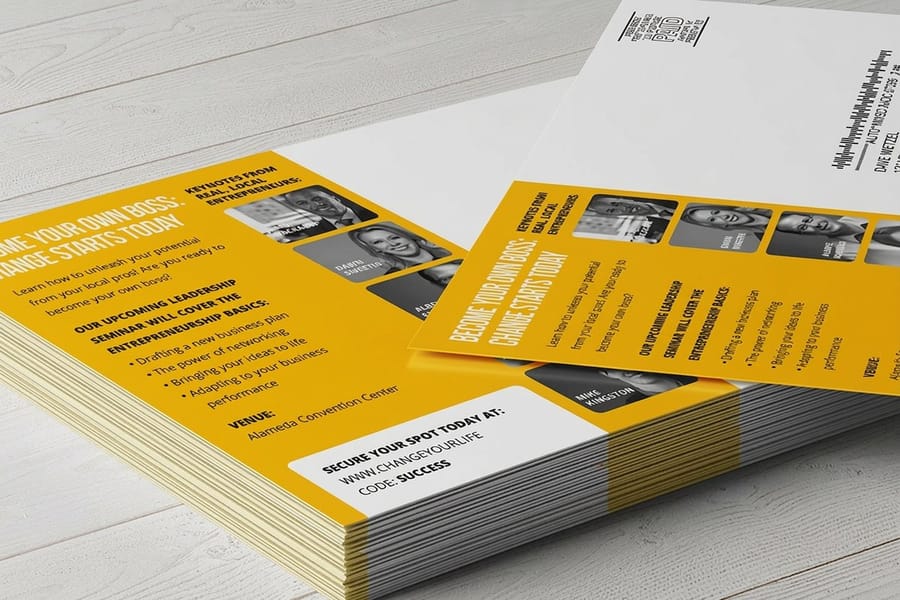
One impression almost never closes a sale. People need to see an offer more than once before it registers as real, which is why the single biggest mistake in direct mail is mailing once and waiting. Plan the second and third touch from the start, and space them close enough that the first is still a memory when the next arrives.
Reach the reader where they already are. A follow-up postcard a couple of weeks after the first, a retargeting ad on their screen, and a matching search result together surround the same person across the places they spend attention. You are not shouting louder, you are showing up again in a familiar shape so the message finally lands.
- Sequence, do not repeat blindly. Touch one introduces, touch two reminds, touch three gives a reason to act now.
- Vary the format to stay fresh. Follow a standard card with an oversized postcard so the second piece feels new in the mailbox.
- Hold the offer steady. Change the frame, not the deal, so recognition builds instead of confusion.
Multi-touch is the through-line of every strong campaign, and it is why the direct mail services collection pairs postcards with letters and flyers you can rotate across a sequence.
Stack the five levers and measure the lift

The 4X does not come from any single tactic. It comes from stacking them, because each lever multiplies the ones beside it. A bigger drop to a tighter list, backed by retargeting and paid search and a planned second touch, compounds in a way no one move can on its own.
Stacking only works when you can see it, so wire in measurement before the first piece ships. Give every touch its own trackable path with a custom URL or a scannable code, watch which list segments and offers respond, and pour next month's budget into what already worked. Our guide on adding a QR code to your postcards is the simplest way to make a paper drop measurable.
Design carries the weight too, so borrow the fundamentals from how to design a postcard for effective direct mail before you scale a layout you cannot yet prove.
Mistakes that quietly cap your response rate

Even a strong plan can leak response through a few avoidable habits. Fix these and every other lever in this guide starts pulling harder.
Mailing once and waiting. A single touch is the most common reason a campaign underperforms. Build the second and third drop into the plan from day one.
A vague or missing offer. "Learn more" gives no reason to act now. Lead with a specific, time-bound reason to respond and put it where the eye lands first.
Burying the call to action. The reader should know what to do and how to do it in a glance. One clear next step beats three competing ones.
Skipping the proof. A typo in a phone number or URL quietly kills response across the whole run. Approve a free proof before you print thousands.
Guessing instead of tracking. Without a trackable path you cannot tell which list or offer worked, so you keep paying for the ones that do not. Choosing the right stock matters here as well, and how to choose paper for printed marketing materials helps the piece feel worth the response you are asking for.
Wally explains the 4X
One postcard is a start, five levers are a campaign
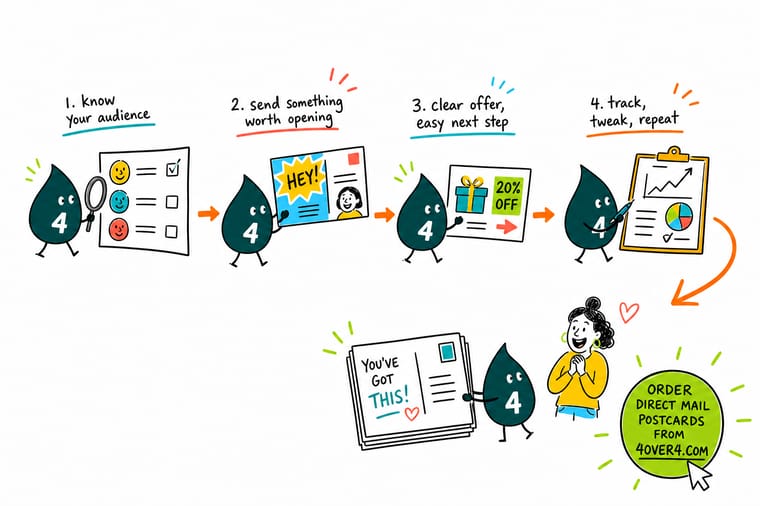
Wally thinks of direct mail like a set of dials, not a single switch. Turn up the volume, tighten the list, chase the click with retargeting, back it with a search ad, and knock again a second and third time. Each dial nudges response a little. Turn all five in the same campaign and the results multiply instead of add. Start with a postcard you can scale, prove the offer, then stack the rest at 4OVER4.
Order direct mail postcards →%22%2F%3E%3Ccircle%20cx%3D%2249%22%20cy%3D%2220%22%20r%3D%2224%22%20fill%3D%22%232dd4bf%22%20opacity%3D%220.15%22%2F%3E%3Ccircle%20cx%3D%2254%22%20cy%3D%2227%22%20r%3D%22-3%22%20fill%3D%22%232dd4bf%22%20opacity%3D%220.1%22%2F%3E%3Crect%20x%3D%2279%22%20y%3D%22-9%22%20width%3D%2234%22%20height%3D%2220%22%20rx%3D%224%22%20fill%3D%22%232dd4bf%22%20opacity%3D%220.08%22%20transform%3D%22rotate(44%2080%2030)%22%2F%3E%3C%2Fsvg%3E)
Specs and pricing
Direct mail postcard specs and live pricing
Volume is the lever that lowers your cost per piece. A made-to-order direct mail postcard at 4OVER4.COM starts at 500 for $89.68 at 4 by 6 inches on 14pt gloss cover, runs in nine sizes up to 6 by 11 inches on 14pt or 16pt stock, and takes 4 business days to print; 5,000 cost $241.51, under 5 cents a card. The live specs and price per unit below come straight from the configurator. Scale the quantity and watch the per-piece price drop.
| Quantity | Price Per Unit | Total |
|---|---|---|
| 500 | 17.9¢ | $89.68 |
| 1,000 | 17.1¢ | $170.53 |
| 2,000 | 9.35¢ | $186.95 |
| 3,000 | 6.84¢ | $205.13 |
| 4,000 | 5.58¢ | $223.31 |
| 5,000 | 4.83¢ | $241.51 |
| 6,000 | 4.56¢ | $273.85 |
| 7,000 | 4.37¢ | $306.18 |
Print it
Postcards built to mail and multiply
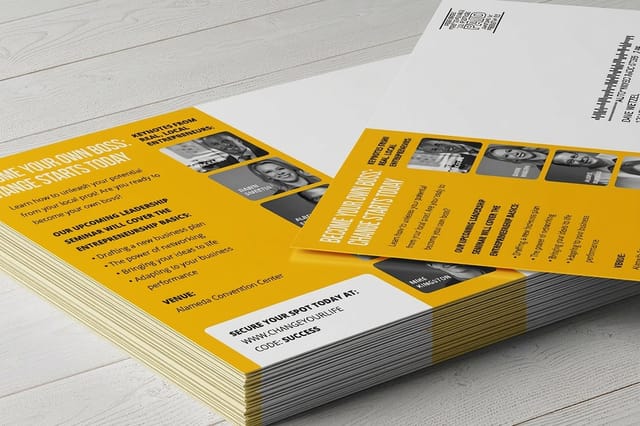
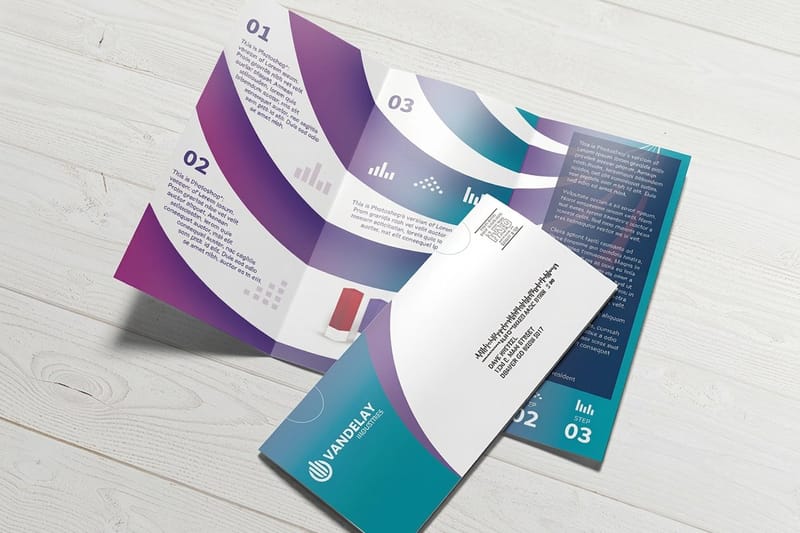
Rotate the pieces across a sequence: a 4 by 6 direct mail postcard for the first drop, an oversized postcard from 5.5 by 8.5 up to 6 by 11 inches for the second, and a direct mail letter on 8.5 by 11 up to 11 by 17 inch text stock when the third touch needs room to explain.
See it in use
Multi-touch drops we printed
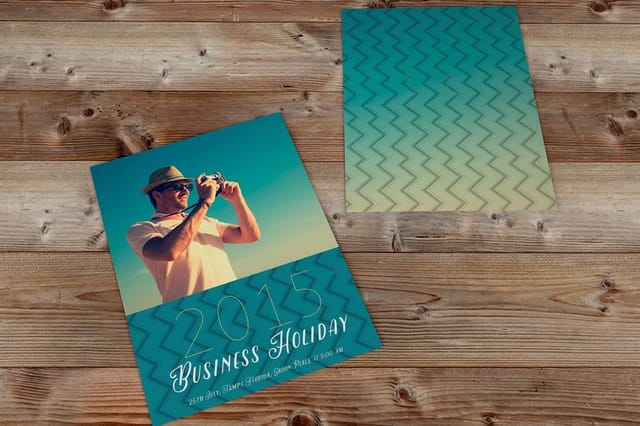
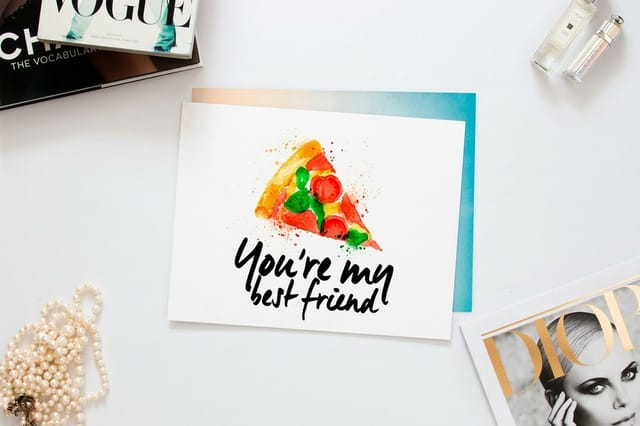
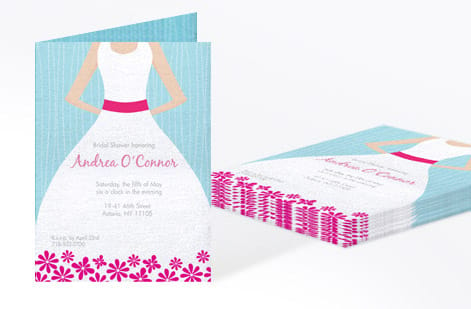
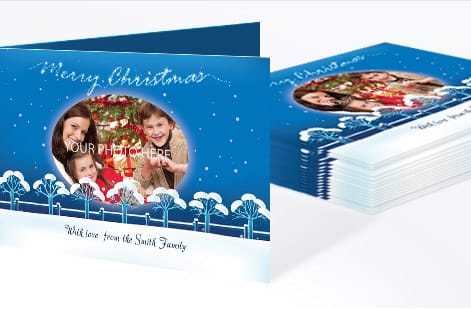
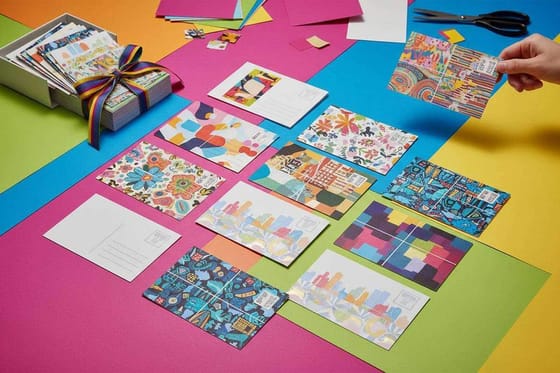
Customer postcard work printed in-house at our Queens plant, from standard 4 by 6 cards to oversized 6 by 11 formats, so you can see how a size and a stock read in the hand before you pick one for each touch.







Explore more
Where to go next

By the numbers
Standard at $0.33, oversized at $1.03
Common Questions
Common questions about direct mail results
Does simply mailing more postcards really lift my results?
In most local campaigns, yes. Response rate stays roughly steady while your reach grows, so doubling the quantity to the same quality of list usually doubles the leads for a lower cost per piece. Volume is the lever you can pull today without touching your design or your list, which is why it sits at the top of this guide. The one caveat is list quality: mailing twice as many of the wrong households multiplies waste, not response.
Should I mail to a fresh list or the one I already have?
Do both, but treat them differently. Your existing customers and past inquiries are the warmest names you own and deserve their own message. For growth, rent or build a targeted list filtered by geography, household income, home ownership, or industry so every new piece lands with someone who fits your buyer. A tighter list mailed to fewer people almost always beats a broad blast to everyone.
What counts as a good direct mail response rate?
It depends on the offer, the list, and the follow-up, so there is no single magic number. A strong, specific offer to a well-matched list outperforms a generic message to a cold one by a wide margin. Rather than chasing a benchmark, track your own cost per response and improve it drop after drop. Our direct mail response rate benchmarks page breaks down the ranges by industry if you want a starting reference point.
Which format do I test first against a plain postcard?
Match the format to the job. A standard postcard at $0.33 a piece is the baseline for offers and reminders because it is read without being opened. Go oversized when you need to dominate the mailbox, use a letter when the message needs privacy or length, and reach for a folded piece or brochure when you have more to explain. Start with a postcard, prove the offer, then test a larger format against it.
How does retargeting connect to a printed mail piece?
A postcard sends people to your website, and most of them look before they act. If you place a small tracking pixel on your site, you can show those same visitors a matching ad afterward, which keeps your offer in front of them while it is still fresh. Adding a short custom URL or a QR code to the mailer makes that handoff clean and gives you a way to measure it.
What does direct mail cost and how is the price set?
Printing price is driven by quantity, size, paper stock, and finish, and it drops sharply per piece as your order grows. You can see live specs and price-per-unit for direct mail postcards straight from the configurator further down this page. Postage and list rental are separate line items handled through the mail service, so budget the print, the list, and the postage as three parts of one campaign.
Get Started
Order 50 oversized postcards from $51.62 as the second touch
Pick your size and stock, drop in your offer, and print direct mail postcards built to mail in volume and multiply your response.
Legal Disclaimer
Gold Standard guarantees apply to all standard orders placed through 4over4.com. Price match requires verifiable proof of a competitor's published price for an equivalent product with matching specifications and turnaround time. Satisfaction guarantee covers manufacturing defects and print quality issues. Contact support with order number and documentation.
