
10 Must-Have Print Products for Trade Show Booths


A working booth needs ten printed pieces: a fabric back wall, retractable banners, a fitted table throw, a counter graphic, a hanging sign, a floor decal, business cards, one sell sheet per product, a brochure held back for serious buyers, and a follow-up postcard you mail the week after. Order them in one window rather than as you remember them, because colour drifts between print runs and a table throw two shades off the back wall is the first thing anyone notices and the last thing you can fix on the show floor.
Trade show booth print products at a glance
| Piece | Typical size | What it does | Where it goes | How it is built |
|---|---|---|---|---|
| Fabric backwall | 8 ft or 10 ft wide, 8 ft tall | The photo every visitor stands in front of | Back wall of an in-line booth | Dye-sub polyester on a push-fit frame |
| Retractable banner | 33 x 80 in, or 36 x 92 in | Carries one message at eye level | Booth corners and the aisle edge | Scrim vinyl or fabric in a cassette base |
| Fitted table throw | A 6 ft table is 72 x 30 x 29 in | Turns rented furniture into your brand | Front and sides of the demo table | Washable dye-sub polyester |
| Counter or podium graphic | Roughly 38 in wide on the front panel | Marks where the conversation happens | Standing counter or kiosk | Adhesive vinyl, or a fabric wrap |
| Hanging sign | 8 to 10 ft wide, printed both sides | Gets you found from across the hall | Rigged overhead, where allowed | Dye-sub fabric on a square or curved frame |
| Floor decal | 24 to 36 in circle or square | Pulls traffic off the aisle into the booth | Entry point, carpet or hard floor | Slip-rated laminate over adhesive vinyl |
| Business cards | 3.5 x 2 in | The thing you hand over at the end | Pocket, badge holder, counter | 16pt stock, matte or soft-touch |
| Sell sheet | 8.5 x 11 in, one per product | Answers the spec question on the spot | Stacked by product on the table | 100 lb gloss text |
| Brochure or catalog | 8.5 x 11 folded, or saddle stitched | For the buyer who is already serious | Handed out deliberately, never stacked | Text weight inside, cover stock outside |
| Follow-up postcard | 6 x 9 in or 6 x 11 in | Lands the week after the show closes | Mailed to every scanned badge | 16pt gloss cover |
Sizes are the common defaults, not rules. Confirm the table the show is renting you and the display limits in the exhibitor manual before you set any artwork. Browse the full trade show printing range to see what each format costs at the quantity you need.
The five pieces that build the booth
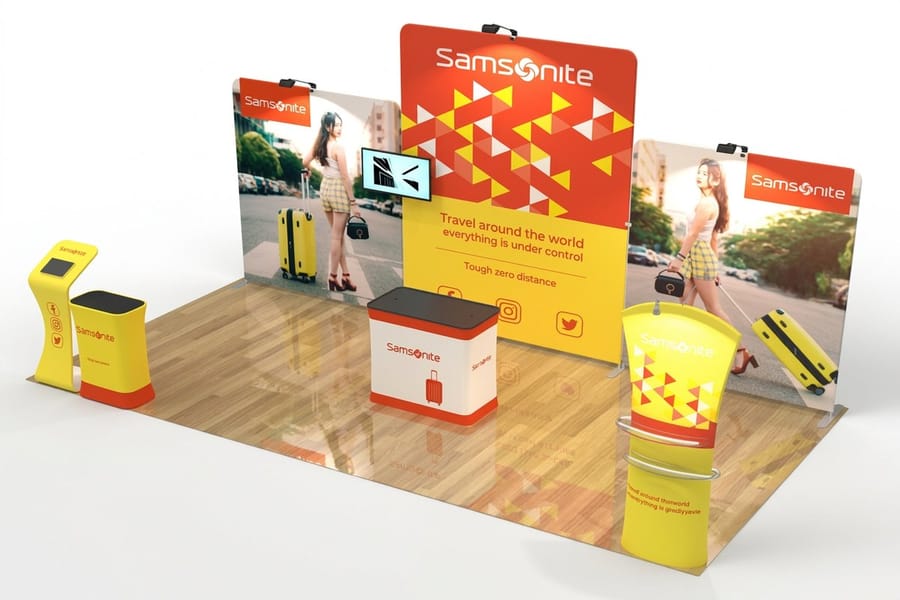
Everything a visitor sees before they talk to you is one of five things: the back wall, the banners either side of it, the table, the counter, and whatever is hanging above. Get those five matching and the booth reads as a company. Get them from five different suppliers over three months and the teal on the table throw will not be the teal on the backwall, which is the first thing a designer notices and the last thing you can fix at 7am on the show floor.
That colour problem is the honest argument for ordering as a set. A trade show booth kit is printed in one run on matched profiles, and it starts at $2,599.00, which sounds like a lot until you price the same five pieces separately and add the cost of one of them being visibly wrong. If you are buying piece by piece instead, order the back wall and the table throw together, since those two sit side by side and any drift between them is obvious.
Before you order anything, read the display rules in the exhibitor manual. In-line booths are usually capped at an 8 foot back wall, with everything within 5 feet of the aisle held to 4 feet so you do not block your neighbours. Corner and island booths get different allowances. Our booth design guide walks through how those limits shape a layout.
The back wall and the banners
A tension fabric back wall is a printed polyester skin that stretches over an aluminium frame. It packs into a case a person can carry, it has no glare under booth spotlights, and the fold marks hang out overnight. Vinyl is cheaper and tougher, but it reflects a hotspot straight back at anyone photographing your booth, and a crease in vinyl is permanent.
Retractable banners fill the corners the wall does not reach, and they are the piece most often designed wrong. The bottom 24 to 30 inches sits behind a table or a person, so anything you put down there is decoration. Put the brand mark and the one sentence that matters between 40 and 70 inches off the floor, which is where a standing adult actually looks. The banner sizes and types guide lists the stand widths and what each one holds.
The table, the counter and the sign above
Show organisers rent you a 6 foot or 8 foot table, both 30 inches deep and 29 inches high, and they drape it in a colour you did not choose. A fitted throw in dye-sub polyester covers three sides, washes, and goes back in the case flat. Measure the table the show is actually supplying before you order, because a throw cut for a 6 foot table on an 8 foot table looks like a mistake from thirty feet away.
A hanging sign is the only piece that works from across the hall, and it is also the one with a catch. Rigging usually needs venue labour ordered weeks ahead, it is often restricted to island booths, and the cost of hanging it can exceed the cost of printing it. Check the manual and get the quote before you commission the artwork.
The five pieces that do the selling
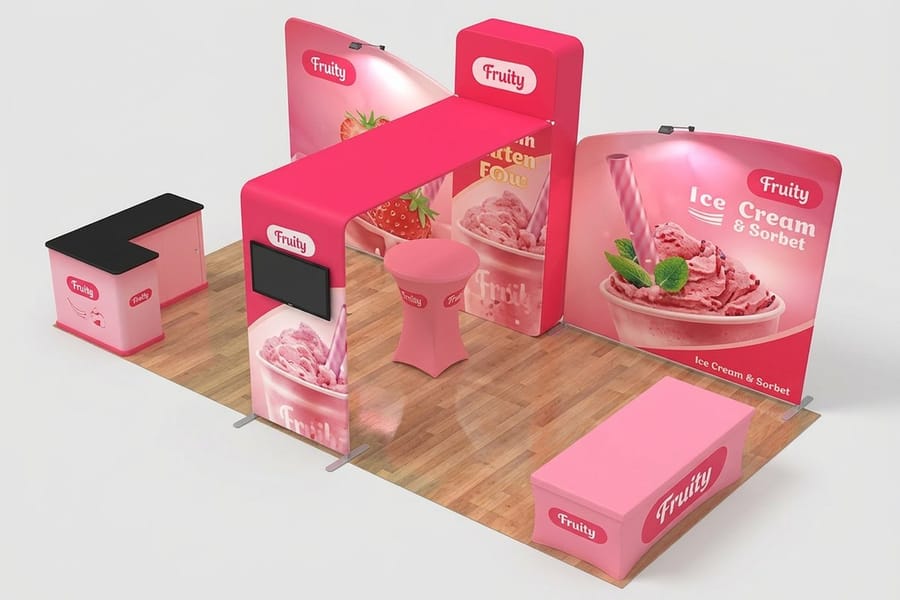
The structure gets people to stop. These five are what turn a conversation into a follow-up, and they are the ones exhibitors under-order because they are small.
Start with the floor. A 24 to 36 inch decal at your entry point breaks the walking line and gives people a reason to turn, and it costs less than any other square foot of graphic in the booth. Order it with a slip-rated laminate, and confirm with the venue that adhesive is allowed on their floor, because some halls ban it on carpet outright.
Then the paper. Business cards run out on day two of a three day show, so bring more than feels sensible; 16pt with a matte finish survives a pocket better than a gloss card, which picks up fingerprints under booth lighting. One 8.5 by 11 sell sheet per product beats a single catalog, because a visitor takes the sheet for the thing they care about and you learn what that was. The heavy catalog is for the buyer who has already asked a real question. Everything else gets left on a chair before the flight home, and our trade show marketing walkthrough covers how to plan the handout mix against your lead targets.
The piece almost nobody prints
The follow-up postcard is the tenth item and the one most booths skip. You scan a badge, the lead goes into a queue with four hundred others, and your email lands in an inbox that got two hundred the same week. A 6 by 9 printed card that arrives at their desk seven days later has almost no competition in the physical mail, and it costs a fraction of the booth space that generated the lead.
Print it before the show, not after. Design it with a blank line for a handwritten note, address it from the scanned list on the Monday, and it is out the door while the conversation is still recent. Waiting until you are home means it goes out three weeks later, which is the same as not sending it.
What to leave at home
Branded pens and tote bags pull people in, but they pull in everyone, including the visitors who will never buy. If your goal is qualified conversations, spend the same money on better sell sheets and fewer giveaways. If your goal is booth traffic for a launch, the opposite is true, and the promotional products range is where to spend it.
Skip the printed price list. Prices change, printed sheets do not, and a visitor who takes a sheet in March will quote it back to you in September. Put pricing behind a scan or a follow-up instead.
Sizes, stock and file setup that keep it all matching
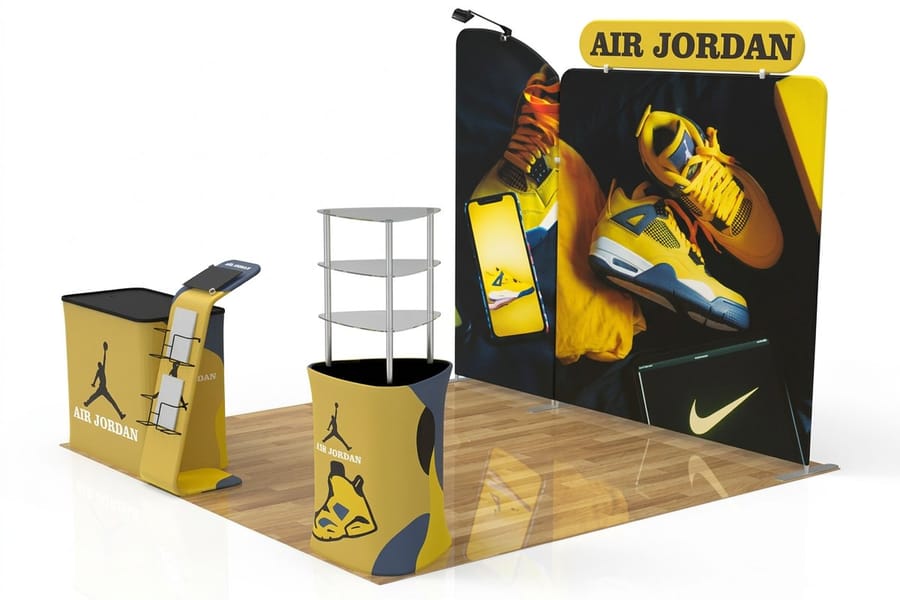
Three things decide whether the finished set looks like one brand: the colour build, the resolution, and the safe area on each piece. None of them are difficult, and all three are what goes wrong.
Build every file in CMYK from the same colour values, and send the same values to every piece in the order. A logo pulled from a website is RGB, and RGB blues and greens shift when they are converted, which is exactly how a backwall and a table throw end up two shades apart. If a colour has to be exact across pieces, say so on the order and ask for a match rather than assuming the conversion will land in the same place twice.
Resolution for large format is lower than people expect. A back wall is viewed from six feet or more, so 100 ppi at final size is sharp, and vector logos stay crisp at any scale. Building the same file at 300 ppi produces a document that crawls in Illustrator and prints no better. Small pieces are the opposite: business cards, sell sheets and postcards all want 300 ppi at final size with a 0.125 inch bleed.
Safe areas differ on every piece
A tension fabric wall wraps around the frame edge, so keep type at least 3 inches inside the trim or it disappears around the corner. A retractable banner loses the top 2 inches into the rail and a few inches at the bottom into the cassette. A table throw drops over an edge, so the front panel is the only flat area you can trust for a logo. Each piece has a different rule, and the file that ignores them is the one that gets reprinted.
If a piece folds or binds, the setup changes again. Our multipage printing guide covers page counts, creep and gutter for the catalog side of the order.
Order in one window, not as you remember things
Large format and small format finish on different lines with different turnarounds, so the piece you order last is the piece that decides whether the set arrives together. Build the whole list first, order it in one window, and give yourself a week of slack before the freight deadline. The first-time exhibitor checklist sequences the deadlines that sit around the print order.
Ship to the advance warehouse if the show has one. Material handling is billed either way, and material that arrives at the dock on move-in day is the material that goes missing.
Booth kit pricing and specs at 4OVER4.COM
A booth kit is priced as a set rather than as parts, and the configurator numbers below come straight from the live product, so you can size the budget before you commit to a show.
Quantity and price
Trade show booth kit pricing and specs
Live configurator numbers for the full kit, with the frame, the printed skins and the case included in the build.
| Quantity | Price Per Unit | Total |
|---|---|---|
| 1 | $2,599.00 | $2,599.00 |
| 2 | $2,599.00 | $5,198.00 |
| 3 | $2,499.00 | $7,497.00 |
| 4 | $2,499.00 | $9,996.00 |
| 5 | $2,499.00 | $12,495.00 |
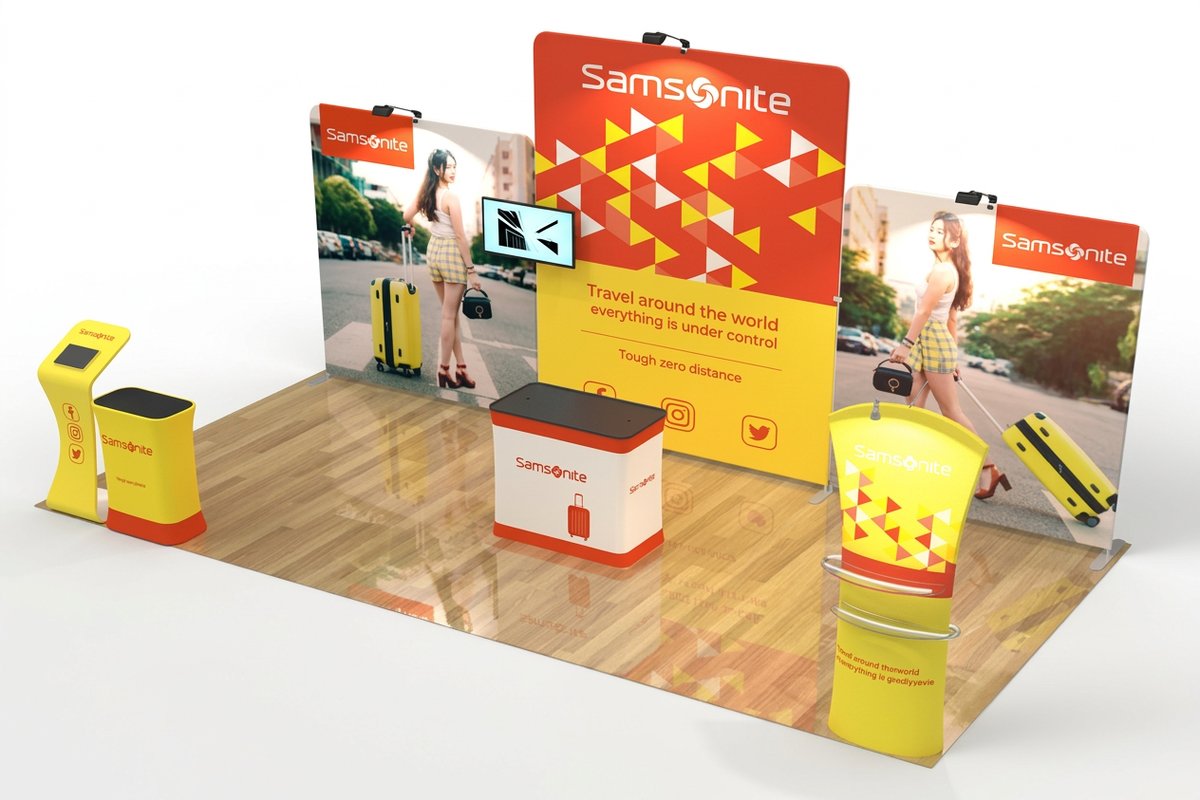
If your show list runs to several events a year, the kit is the piece that amortises. The graphics are replaceable skins on the same frame, so a rebrand or a new campaign means reprinting fabric rather than rebuying hardware. Everything else on the list is consumable and gets reordered per show.
Fabric, vinyl, and what each one survives
Substrate is the decision that shows up in your booth photos. Dye-sublimated polyester has the ink inside the fibre rather than on top of it, so it does not crack when the graphic is folded into a case, it drops its creases overnight on the frame, and it has no specular glare under hall lighting. Scrim vinyl is heavier, cheaper per square foot, and far tougher against wind and handling, which makes it right for outdoors and for anything that gets dragged across a loading dock. Indoors, its gloss throws a hotspot back at every camera pointed at your wall.
Print it
The booth, as one order
Frame, printed skins and case, colour-matched in a single run.
Laminate is the other half of the answer. A floor decal without a slip-rated laminate is a liability in a busy aisle, and a counter graphic without one scuffs white along every edge people lean on. On paper pieces, a matte or soft-touch coating hides the fingerprints that gloss collects under booth spotlights, which is why a 16pt matte business card still looks new on the third day. For the comparison across banner types and stands, the banner selection guide lays out where each build wins.
What to print for your industry
The ten pieces are the same everywhere. The weighting between them is not, so here is where each type of exhibitor should put the budget.
- Manufacturers and suppliers. One sell sheet per SKU with real specs, a fabric back wall, and a catalog held back for the buyer who asks a technical question. Spec sheets do more work here than any giveaway.
- SaaS and technology. A back wall with one sentence on it, a counter for demos, and a follow-up postcard, since your buyers are drowning in email and almost nothing arrives on their desk.
- Food and beverage. A washable table throw is not optional, floor decals to break the aisle line, and small cards with the sourcing story that samplers can take away.
- Professional services. Two retractable banners with the practice areas, heavy business cards, and no brochure at all. A one-page sheet per service gets read; a firm overview does not.
- Health and medical. Clean fabric graphics with no glare for photography, printed compliance information rather than a claim on a banner, and a counter that keeps the table clear.
Whatever the mix, every piece has to lead somewhere. The physical products range covers the samples, packaging and takeaways that sit alongside the display graphics, and the numbers behind exhibition spend are collected in our trade show facts and statistics roundup.
Templates and print-ready blanks
Large-format artwork fails on the edges more often than on the middle, and a correctly sized blank removes most of that risk. 4OVER4.COM builds its blanks to the exact product specs with bleed and trim already marked, so a fabric skin that wraps a frame or a banner that loses two inches into a cassette lands where it should. Pull a print-ready blank from the blank template library before you start the layout, or start from a design template if you want the structure already built.
Wally packs the booth so nothing is missing at move-in
Ten pieces, one order window, one colour build
Order the back wall, banners, table throw, counter graphic and hanging sign together so the colour matches across every surface, then add floor decals, business cards, sell sheets, a catalog and the follow-up postcard. Build large-format art at 100 ppi at final size in CMYK, keep type 3 inches inside any frame edge, and check the exhibitor manual for the 8 foot back wall limit before you print anything.
Order a trade show booth kit →What to remember about booth printing
Design rules that hold on every piece
- One message per surface. A back wall holds a name and a promise. A banner holds one sentence. Everything else belongs on the sell sheet, and a wall carrying five bullet points is read as none.
- Design for eye level. The band between 40 and 70 inches is what people read while walking. Anything below a table height is furniture, so treat the lower third as texture rather than copy.
- Match the colour before you print. Convert every file to CMYK from the same values and order matched pieces together, because two runs from two files is how a set ends up two greens.
- Legible from ten feet. Print your back wall artwork on a sheet of paper, put it on the far side of the room, and read it. If you cannot, the type is too small at full size too.
- Leave the frame edge alone. Fabric wraps around the frame and a cassette swallows the bottom of a banner. Keep live type 3 inches inside the trim on anything that stretches over hardware.
Explore more
More ways to print and promote
Related products and guides on 4OVER4.COM, one card each, so you can keep building the booth list.
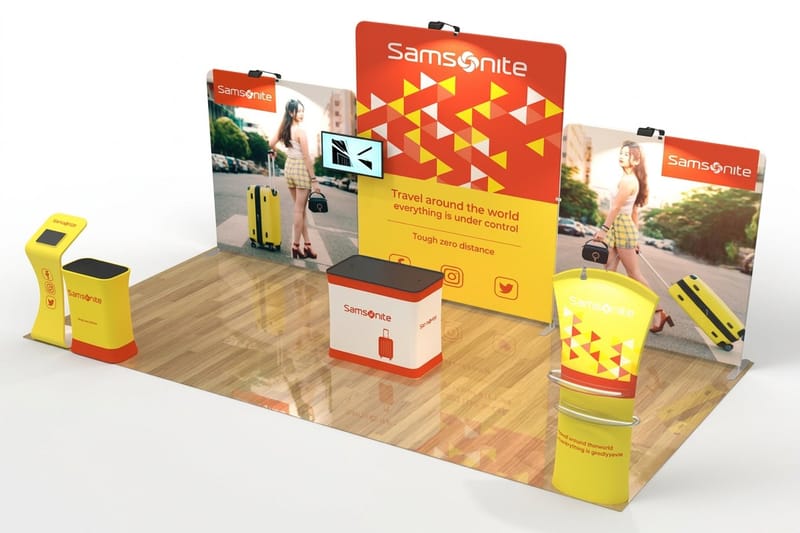 Product Trade Show Booth Kits The whole booth printed as one colour-matched set, from $2,599.00.
 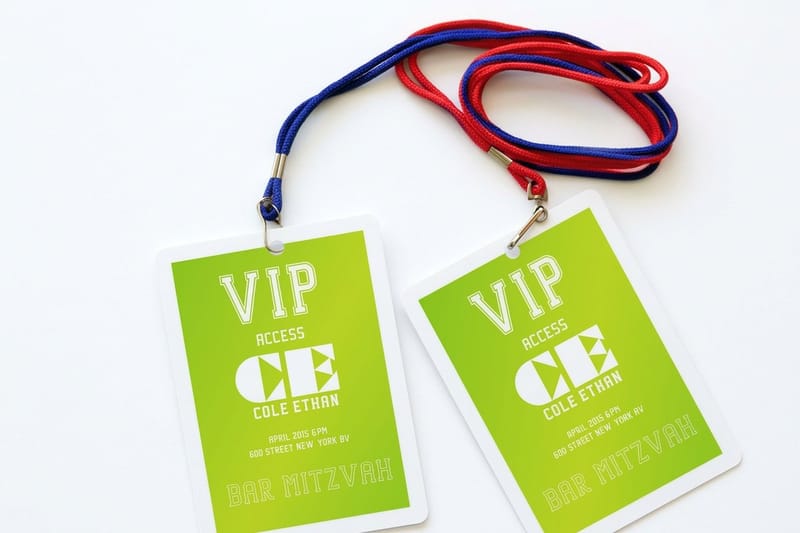 Category Trade Show Printing Displays, banners, table covers and booth graphics in one place.
 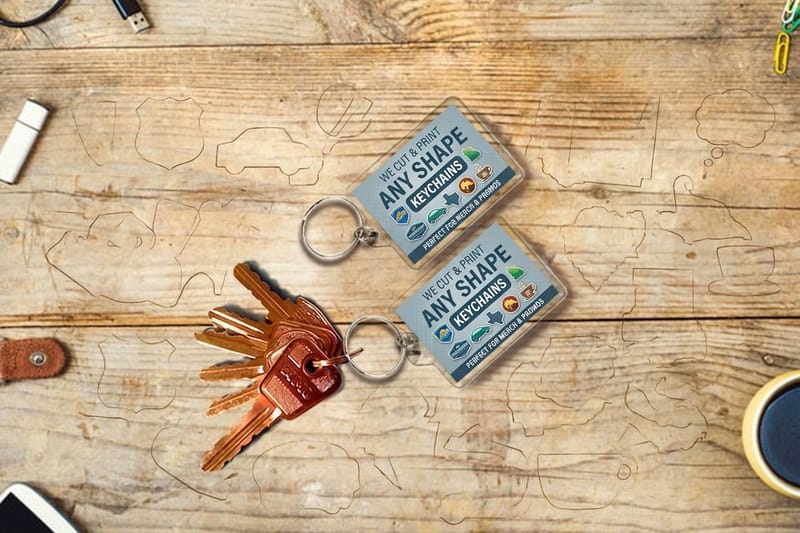 Category Promotional Products The giveaways that pull traffic to the booth.
  Guide Trade Show Banner Sizes and Types Stand widths, banner formats, and what each one holds.
  Guide How to Choose Trade Show Banners Fabric or vinyl, retractable or tension, and when each wins.
 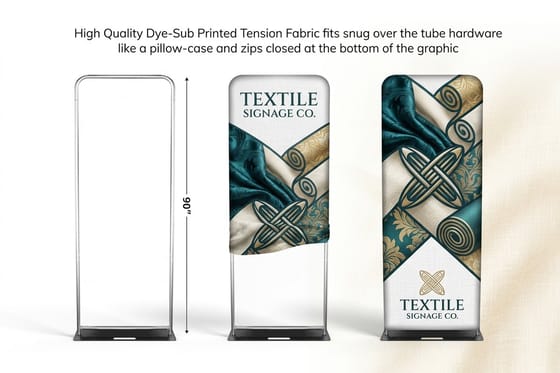 Article Curved Tension Fabric Displays Why a curved wall photographs better than a flat one.
 Ready to print your booth?
Pick the kit, drop in your artwork or start from a free blank, and 4OVER4.COM prints the whole set in one colour-matched run, in time for the freight deadline.
Common questions about trade show printing
How tall can my trade show booth graphics be?
For a standard in-line booth the back wall is usually capped at 8 feet, and anything within 5 feet of the aisle is held to 4 feet so you do not block the exhibitors either side of you. Corner, peninsula and island booths get more height, sometimes considerably more. Those are conventions rather than law, and every show publishes its own display rules in the exhibitor manual, which is the only version that counts. Read it before you commission artwork, because a back wall printed an inch too tall is a full reprint and not an adjustment.
Should the back wall be fabric or vinyl?
Fabric for almost every indoor booth. Dye-sublimated polyester has no glare under the spotlights a hall uses, it packs into a case one person can carry, its fold marks hang out overnight, and it machine washes after a show floor covers it in dust. Vinyl is cheaper and physically tougher, which makes it the right choice outdoors or for anything that gets dragged, but it reflects a hotspot back at every camera and any crease it takes is permanent. If your booth photos matter, that hotspot is the deciding factor.
How much printed literature should I bring to a show?
Fewer catalogs and more single sheets than most exhibitors bring. One 8.5 by 11 sell sheet per product means a visitor takes only the thing they care about, which tells you what the conversation was actually about, and it costs a fraction of a full catalog. Keep a small stack of catalogs behind the counter for the buyer who asks a real technical question and hand them over deliberately. Business cards are the exception: they run out on day two of a three day show, so bring roughly double what you estimate.
What resolution should trade show artwork be?
Large format and small format want different numbers. A back wall or a hanging sign is viewed from six feet or more, so 100 ppi at final size prints sharp, and building the same file at 300 ppi only creates a document that is painful to open and prints no better. Keep logos and type as vector so they stay crisp at any scale. Business cards, sell sheets and postcards are held at reading distance and do want 300 ppi at final size, with a 0.125 inch bleed on every edge.
Can I hang a sign above my booth?
Sometimes, and the printing is the cheap part. Many shows restrict overhead signs to island booths, most venues require their own rigging crew, and that labour has to be ordered weeks in advance at a rate that can exceed what the sign cost to print. Check the exhibitor manual for eligibility and get the rigging quote before you commission the artwork. If it is not allowed or not worth it, a taller back wall and a second retractable banner recover most of the visibility for far less.
