
Offset Printing & Offset Lithography Explained


Offset lithography transfers an inked image from a plate to a rubber blanket, then onto paper. That indirect path, plus the CMYK four-color process, is what gives high-volume brochures, catalogs and postcards their crisp, consistent color at 4OVER4.COM.
Offset lithography (also called offset litho or litho offset printing) transfers the inked image from a metal plate to a rubber blanket and then onto the paper, so ink never touches the sheet directly. It uses the CMYK four-color process and a low per-sheet cost at volume, which makes it the standard for high-volume commercial print like brochures, catalogs, postcards and newsletters.
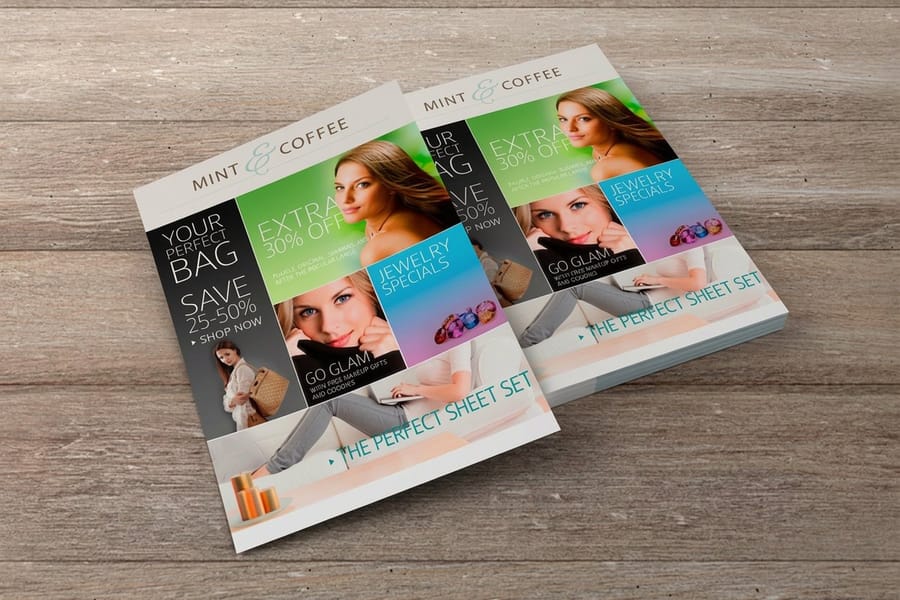
The short version
Offset lithography in plain English
Offset lithography transfers an inked image from a metal plate to a rubber blanket, then onto paper, using the CMYK four-color process. Ink never touches the sheet directly, which keeps type and photos sharp. Because the per-sheet cost drops as quantity climbs, offset is the standard for high-volume commercial printing like brochures, catalogs, postcards and newsletters at 4OVER4.COM. For short, fast or personalized jobs, digital printing is the better fit.
What is offset lithography?
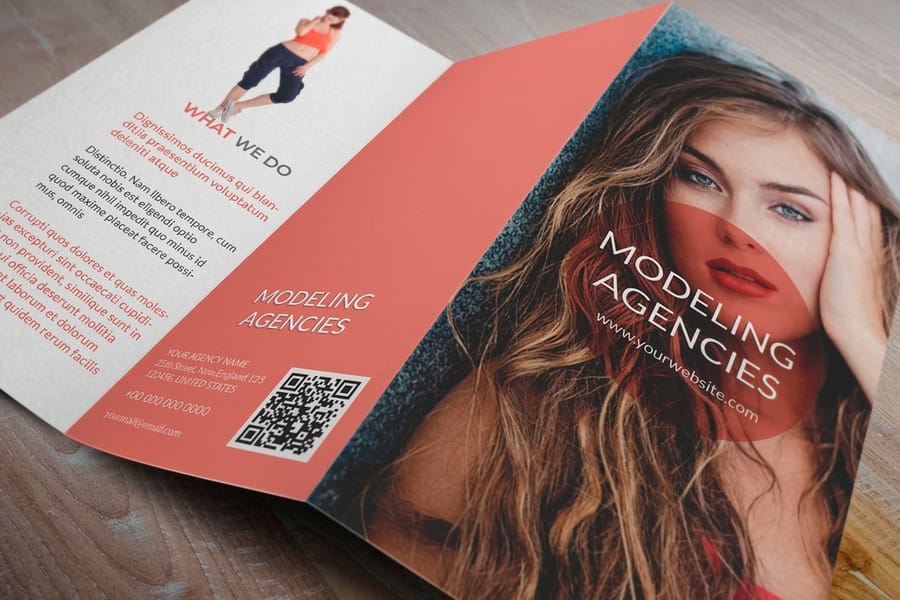
Offset lithography is the workhorse of commercial printing. The name describes exactly how it works: the inked image is first transferred, or offset, from a printing plate onto a rubber blanket, and only then rolled onto the paper. The ink never touches the sheet directly, which is what keeps fine text and photographs sharp across thousands of copies.
The lithography part comes from the age-old principle that oil and water repel each other. The image areas on the plate attract greasy ink, while the non-image areas hold a thin film of water that keeps them ink-free. Modern presses do this hundreds of times per minute, which is why offset lithographic printing dominates long runs of brochures, catalogs and postcards.
If you are weighing print methods for a big campaign, the offset printing collection at 4OVER4.COM is built on this exact process. For the file-setup details that keep offset output crisp, our guide on image resolution for printing is a good next stop.
Why offset is called four-color printing

Walk into any print shop and you will hear offset called four-color printing. The four colors are cyan, magenta, yellow and black, abbreviated CMYK. Each color gets its own plate, and the press lays them down one after another in tiny dots. Your eye blends those dots into the full spectrum of a photograph.
Black carries the K because it is the key plate that adds depth and detail. Together the four plates reproduce nearly any image, from a soft skin tone on an invitation card to a bold brand color on a poster.
When a design needs a color the four-color process cannot hit exactly, printers add a spot color, usually a premixed Pantone ink, on a fifth unit. Choosing the right paper matters just as much as the ink, so read the best paper for printing options to see how stock changes the way CMYK ink looks.
Why use offset printing
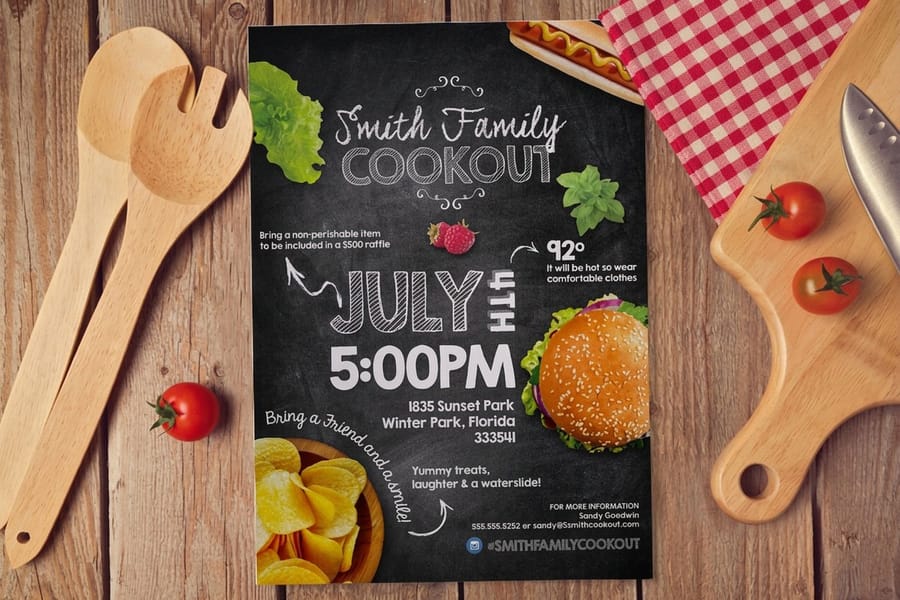
Offset earns its place for one simple reason: at volume, it is hard to beat on quality and cost. Making the plates takes time and money up front, but once the press is running, each extra sheet is cheap. Print one thousand flyers and the setup is spread thin. Print ten thousand and the per-piece price drops even further.
- Consistent color across the whole run, so sheet number one matches sheet number ten thousand.
- Sharp detail from the rubber-blanket transfer, ideal for fine type and photography.
- Wide material range, from lightweight text stock to heavy cover and specialty marketing materials.
- Rich finishing, as aqueous, UV and soft-touch coatings all sit beautifully on offset ink.
That combination is why 4OVER4.COM runs high-volume commercial jobs on offset presses.
Offset lithography vs digital printing
The most common question is offset versus digital. Neither is better in the abstract, they solve different problems.
Choose offset lithography when you are printing in volume, need exact color matching, or want specialty stocks and coatings. The setup cost pays for itself over a long run of newsletters or booklets.
Choose digital when you need a small quantity fast, or every piece carries different data such as names and addresses. Digital skips the plates, so there is almost no setup, but the per-sheet cost stays flat no matter how many you print.
A rough rule of thumb: below a few hundred pieces, digital usually wins. Above a thousand, offset pulls ahead. For anything in between, the paper, color and finishing you need often make the call, and the team behind the offset printing collection can help you pick.
Setting up an offset printing run
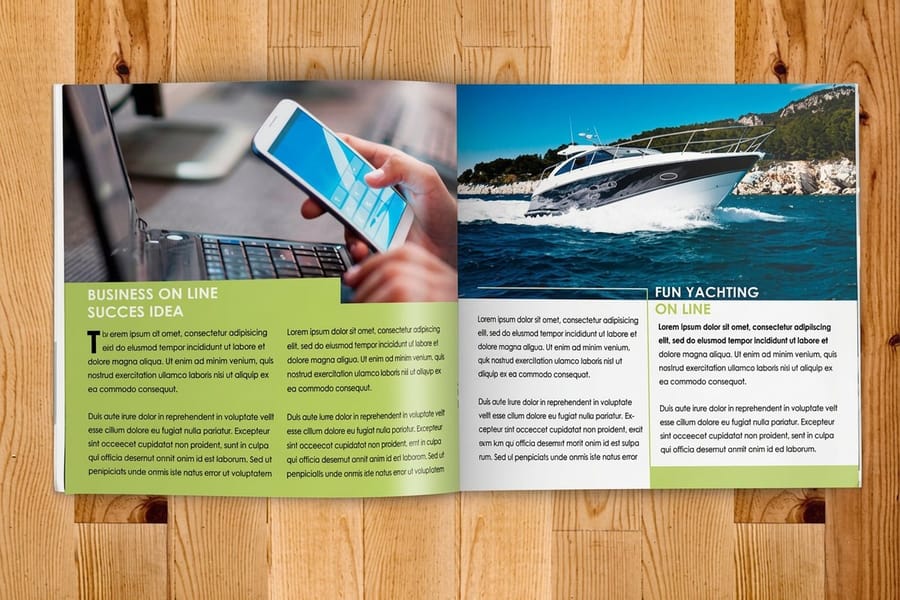
Getting an offset press ready to run is called makeready, and it is where craft meets engineering. Here is what happens between your approved file and the first good sheet.
- Prepress and imposition. Your artwork is checked, separated into CMYK and arranged so multiple pieces print on one large sheet.
- Plate making. Each color separation is imaged onto its own thin aluminum plate, one plate per ink.
- Mounting and inking. The plates are locked onto the plate cylinders and the ink-and-water balance is dialed in.
- Registration. The four colors are aligned so their dots stack perfectly, since even a hair of misregistration blurs the image.
- Makeready proofs. Test sheets are pulled and adjusted until color and position are dead on.
- The run. Once approved, the press prints the full quantity at high speed.
Clean files make makeready faster and cheaper. Build your artwork in the online designer or follow our image resolution guide so your job hits the plate right the first time.
Types of offset presses
Not all offset presses are the same. The two big families are sheetfed and web, and the right one depends on your quantity and product.
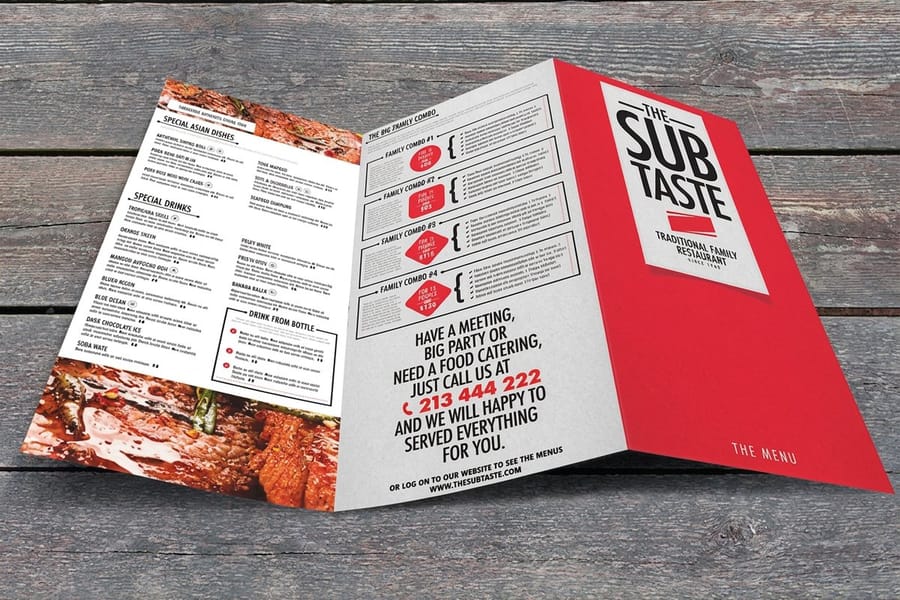
Sheetfed offset feeds one pre-cut sheet at a time. It handles a huge range of paper weights and sizes and delivers top-tier color, which makes it the go-to for menus, postcards and premium marketing pieces.
Web offset prints on a continuous roll of paper that feeds through at very high speed, then cuts and folds inline. It is built for enormous runs like magazines, catalogs and newspapers where speed rules.
Within those families you will also hear about perfecting presses that print both sides in one pass, and multi-unit presses that add spot colors or coatings. For most business print, sheetfed offset is what brings the offset collection to life.
What offset lithography is great for
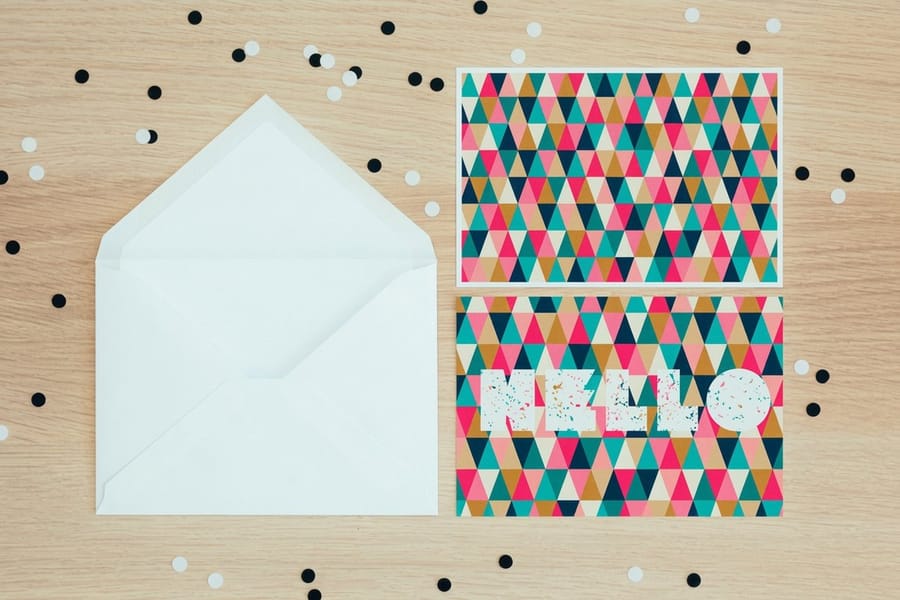
Because offset balances quality and cost at volume, it is the natural home for high-quantity marketing print. A few of the pieces 4OVER4.COM runs on offset:
- Brochures and booklets for catalogs, guides and menus.
- Postcards and buckslips for direct mail at scale.
- Flyers and posters for events and promotions.
- Newsletters and invitation cards that need consistent color across thousands of copies.
Browse the full offset printing collection to see every product built on the process, or explore related marketing materials.
What offset lithography costs and how prices are set
Offset pricing has two parts: a fixed setup and a per-sheet cost. The setup covers plates, makeready and press time, and it does not change whether you print five hundred pieces or five thousand. The per-sheet cost is small and drops as quantity climbs.
That is why offset unit prices fall so sharply with volume. Other factors that move the price:
- Quantity, the single biggest lever, because more pieces spread the setup thinner.
- Paper stock and weight, since heavier and specialty stocks cost more.
- Ink coverage and spot colors, as extra plates add setup.
- Size and finishing, because folding, coating and binding all add steps.
The live specs and price table below pull real numbers straight from the configurator, so you can see how quantity changes the per-unit price.
Offset lithograph vs lithograph: clearing up the terms

People often ask whether an offset lithograph is the same as a lithograph. In everyday commercial printing the words overlap, but the history is worth knowing.
Lithography is the original process, invented in 1796, that prints from a flat stone or plate using the oil-and-water principle. A traditional lithograph is an artwork pulled directly from that stone or plate onto paper.
Offset lithography adds the rubber blanket in the middle, so the image is offset from plate to blanket to paper. Nearly all modern litho printing is actually offset litho printing, because the blanket protects the plate and prints more cleanly on more surfaces. So when a print shop says lithographic printing today, they almost always mean offset.
Wally explains offset
Ink hops plate to blanket to paper, and that is the whole trick
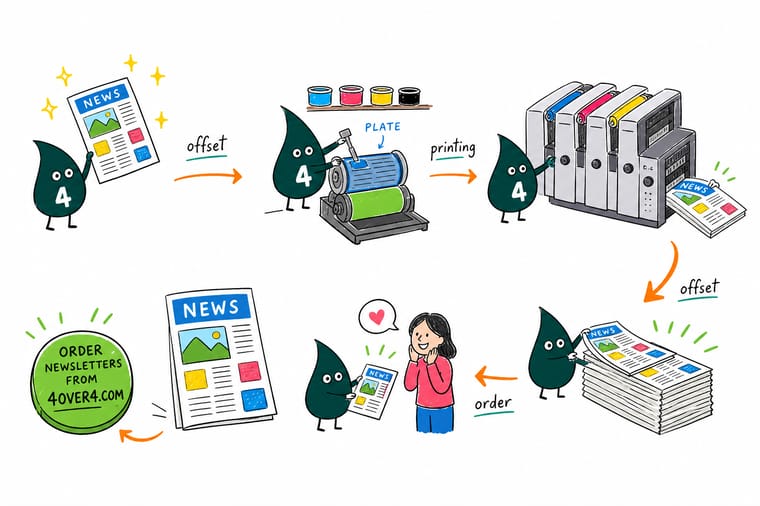
Wally treats an offset press like a relay race: the plate hands the ink to a rubber blanket, and the blanket hands it to your paper, so the sheet always gets a clean, sharp pass. Make the plates once and every extra copy is cheap, which is why offset owns the big runs. When your job is heading past a thousand pieces, run it on offset at 4OVER4.
Explore offset printing →Specs and pricing
Custom newsletter specs and pricing
Newsletters are a classic offset run. Here are live specs and price-per-unit for standard newsletters at 4OVER4.COM, straight from the configurator, so you can see how quantity moves the offset price.
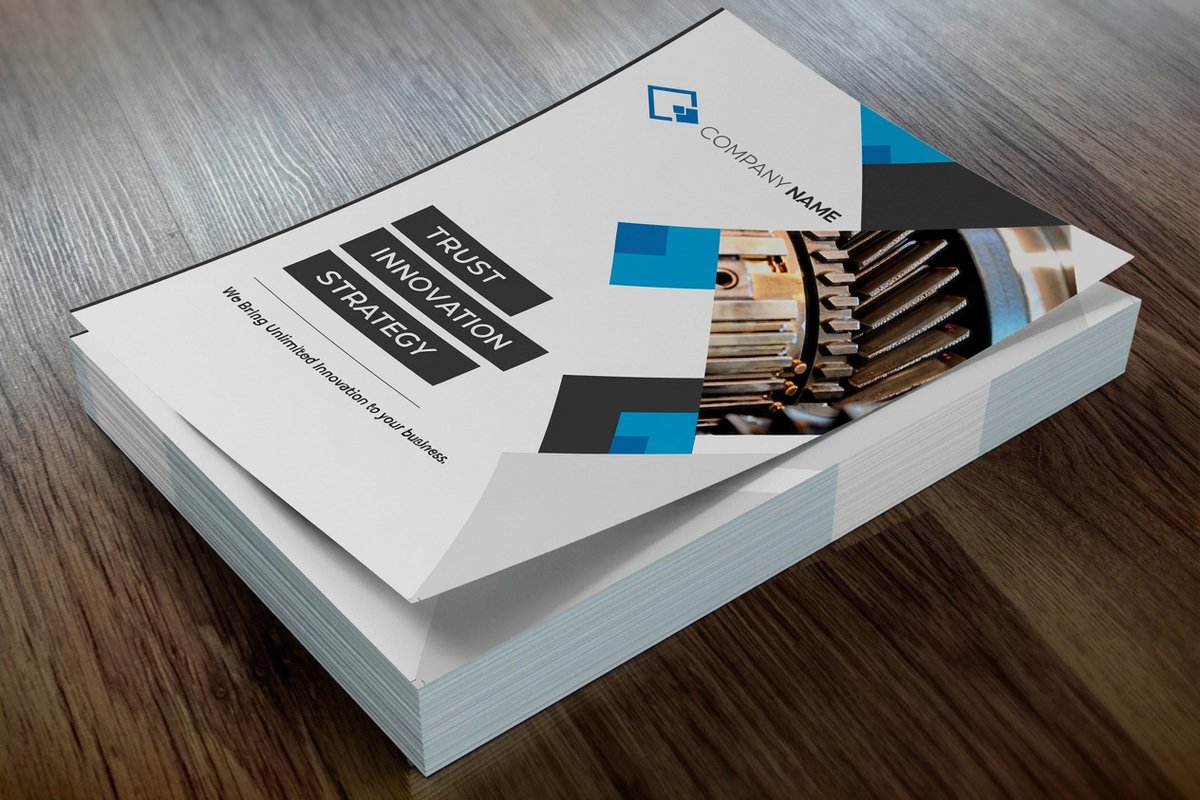
| Quantity | Price Per Unit | Total |
|---|---|---|
| 50 | $1.52 | $75.80 |
| 100 | $1.09 | $108.75 |
| 200 | 70.8¢ | $141.70 |
| 300 | 54.6¢ | $163.67 |
| 400 | 46.4¢ | $185.63 |
| 500 | 41.5¢ | $207.60 |
| 600 | 35.7¢ | $214.19 |
| 700 | 31.5¢ | $220.78 |
Order offset print
Popular offset products at 4OVER4

See it in use
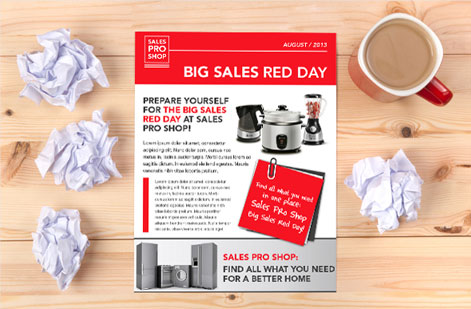
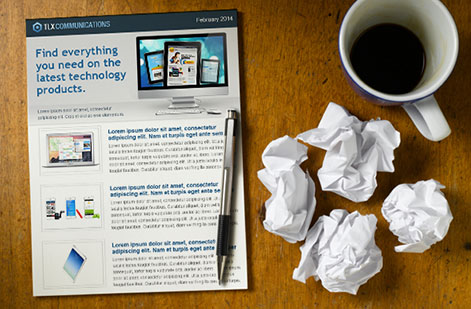
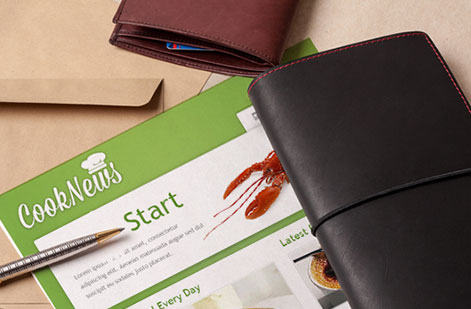
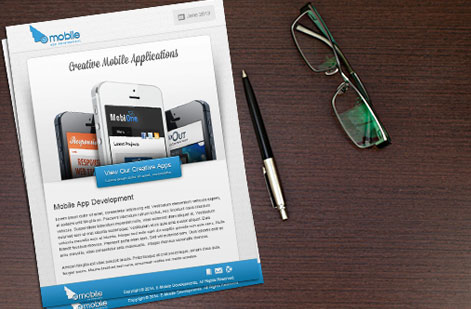
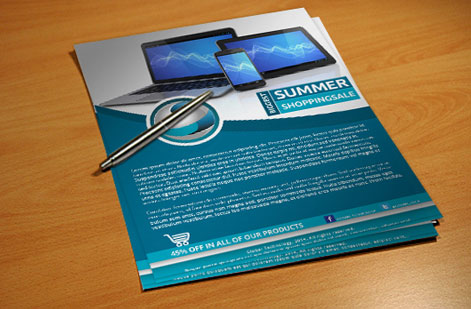
Real offset newsletter work, printed in-house



Explore more
Where to go next
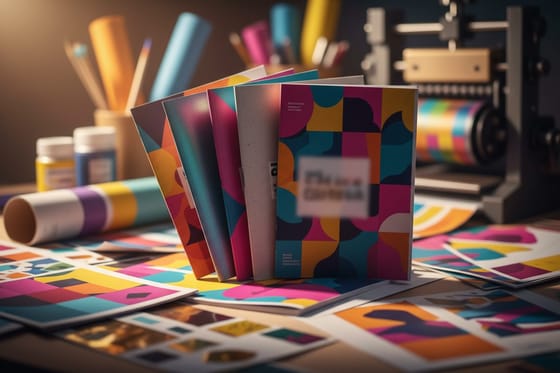
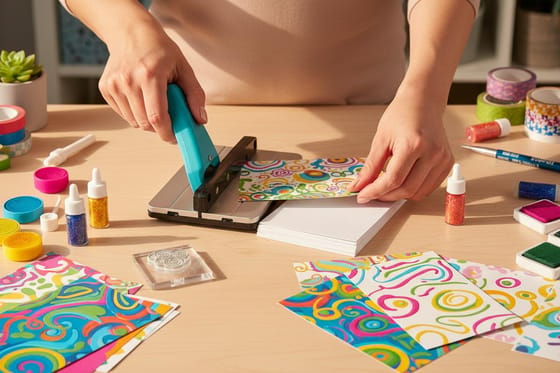
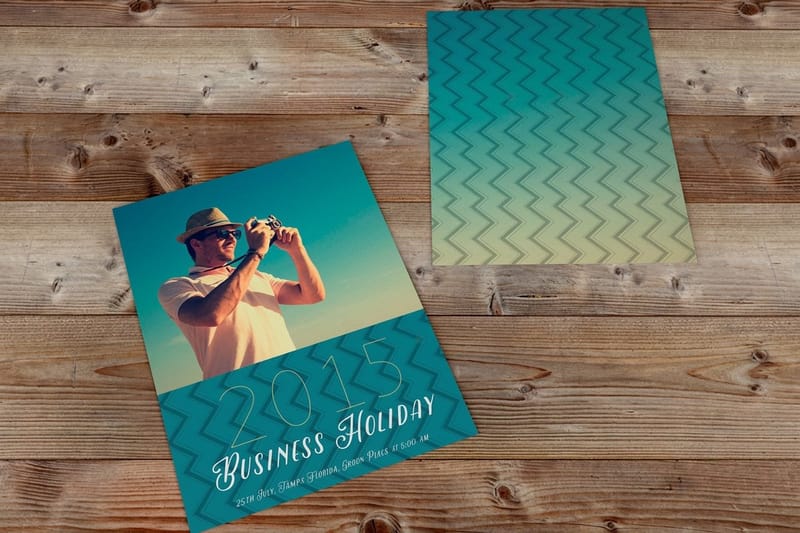
By the numbers
Printing you can count on at 4OVER4
Common Questions
Common questions about offset lithography
What is offset lithography?
Offset lithography is a printing method where the inked image is transferred, or offset, from a metal plate to a rubber blanket and then pressed onto the paper. The ink never touches the sheet directly. It relies on the age-old lithographic principle that oil and water repel each other, so image areas hold ink and non-image areas hold water. Because it uses the CMYK four-color process and a low per-sheet cost at volume, it is the standard for high-volume commercial printing.
How does the offset printing process work step by step?
Six steps. One, your artwork is separated into cyan, magenta, yellow and black, and each color is imaged onto its own aluminum plate. Two, the dampening system lays fountain solution on the non-image areas so they reject ink. Three, the ink rollers charge the image areas of the plate. Four, the plate cylinder offsets the inked image onto a rubber blanket. Five, the impression cylinder presses the sheet against that blanket and the ink lands on the paper. Six, the sheet passes to the next unit for the next ink and then to delivery. The plates are mounted on the plate cylinders, inked, and the four colors are registered so their dots stack perfectly. During makeready, test sheets are pulled and adjusted until color and position are dead on. Once approved, the press transfers ink from each plate to a rubber blanket and then onto the paper at high speed for the full run. Each step is broken down with what the press operator is actually watching in <a href="#how-offset-printing-works">How offset printing works, step by step</a> higher up this page.
What are the main types of offset presses?
The two big families are sheetfed and web offset. Sheetfed presses feed one pre-cut sheet at a time and handle a wide range of paper weights with top-tier color, which suits menus, postcards and premium marketing pieces. Web offset prints on a continuous roll of paper at very high speed, then cuts and folds inline, which suits enormous runs like magazines, catalogs and newspapers. You will also hear about perfecting presses that print both sides in one pass.
How do I choose between offset and digital printing?
Choose offset lithography for volume, exact color matching, or specialty stocks and coatings, because the setup cost pays for itself over a long run. Choose digital for small quantities, fast turnarounds, or jobs where every piece carries different data. A rough rule of thumb: below a few hundred pieces digital usually wins, and above a thousand offset pulls ahead. For quantities in between, the paper, color and finishing you need often make the call. Band by band it falls out like this. Under 250 pieces, digital wins, because there is no plate or makeready to pay for and nothing to amortize. From 250 to 1,000, digital still usually wins on price, and offset only earns the job if you need an exact color match, a specialty stock or a coating digital cannot lay down. From 1,000 to 5,000, offset pulls ahead, because the fixed setup is now spread over enough sheets that the low per-sheet cost decides it. At 5,000 and up, offset wins outright, and the gap widens with every extra thousand, since each additional sheet adds almost nothing to the bill. Variable data flips the whole table: if every piece carries a different name or code, digital is the answer at any quantity.
What does offset lithography cost and how are prices set?
Offset pricing has two parts: a fixed setup that covers plates, makeready and press time, and a small per-sheet cost that drops as quantity climbs. That is why offset unit prices fall sharply with volume. The main levers are quantity, paper stock and weight, ink coverage and any spot colors, size, and finishing such as folding, coating and binding. The live specs and price table on this page pull real numbers straight from the configurator.
Is offset lithography the same as lithography?
Lithography is the original process, invented in 1796, that prints from a flat stone or plate using the oil-and-water principle, and a traditional lithograph is pulled directly from that plate onto paper. Offset lithography adds a rubber blanket in the middle, so the image is offset from plate to blanket to paper. Nearly all modern litho printing is actually offset litho printing, because the blanket protects the plate and prints more cleanly on more surfaces.
Get Started
Ready to run your job on offset?
Pick your product, drop in your artwork, and we print a crisp, color-consistent offset run that gets cheaper per piece the more you order.
Legal Disclaimer
Gold Standard guarantees apply to all standard orders placed through 4over4.com. Price match requires verifiable proof of a competitor's published price for an equivalent product with matching specifications and turnaround time. Satisfaction guarantee covers manufacturing defects and print quality issues. Contact support with order number and documentation. On-time delivery rate based on tracked orders 1999 to 2026. Individual results may vary based on shipping carrier performance.
