
Photography Business Card Examples and Design Tips


What Makes a Photographer’s Business Card Actually Work
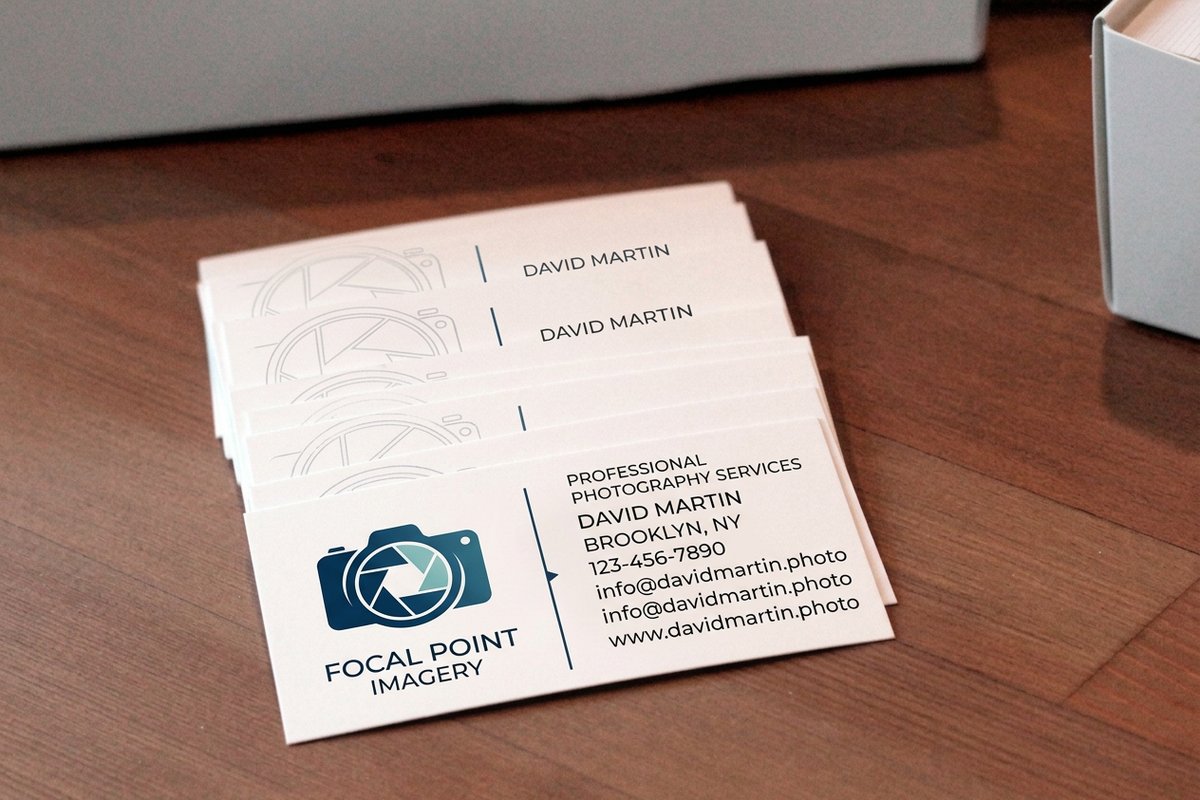
A photographer’s business card is the one print sample a client gets to hold. Before they ever see a gallery or a delivered album, they feel the card between two fingers, and that half-second tells them what your work is going to feel like. A thin, flimsy card from a template site quietly undercuts every polished image on your website. A card with weight, a clean image, and a stock that reads like a fine print does the opposite.
The best photography cards do one thing well: they let a single strong frame carry the whole design. You already curate ruthlessly when you deliver a shoot, so bring that same eye to the card. One hero image, your name, and a way to book you. That is the entire brief.
4OVER4.COM has printed 10 billion+ cards across 1,000+ product types since 1999, so we have watched what separates a card that gets pocketed from one that gets tossed. This guide walks through real photography business card examples, the design choices behind them, and the stocks and finishes that make an image look as good in the hand as it does on screen. For a deeper well of layouts, the roundup of photographer business card ideas pairs nicely with what follows.
Lead with your strongest image, not your logo
Clients hire the work, so the work goes on the front. A full-bleed portrait, landscape, or product shot on the face of the card does more than any wordmark. Save the logo, contact block, and social handles for the back where they belong.
Pick a stock that flatters the image
Skin tones and shadow detail live or die on the paper. A soft-touch or uncoated stock keeps portraits gentle and matte, while a glossy or black stock makes saturated color and contrast pop. The stock is a creative decision, not an afterthought.
Leave room to breathe
White space is not wasted space. A card crammed with three photos and six lines of text looks anxious. One image, a little air, and a single clear call to book reads like someone who knows what they are doing.
Shop the category
Photography printing collection
Business cards, prints, and promo pieces built for photographers, all in one place.
Photography Business Card Examples Worth Stealing
The strongest examples are rarely the busiest. Across wedding, portrait, real-estate, and fine-art shooters, the cards that get kept share a restraint that lets the photograph do the work. Below are three formats photographers reach for again and again, each with live pricing you can customize with your own frame.
A textured card reads as fine art the second it lands in a hand, so many portrait and editorial photographers print on Canvas Business Cards for that gallery feel. Others lean the opposite way, choosing Black Business Cards where a single bright image glows against the dark stock like a print under a spotlight. Both approaches beat a plain white rectangle, and both start well under the cost of a single memory card.
- The full-bleed portrait. One striking face or figure edge to edge on the front, contact details clean on the back. It doubles as a mini print and clients hang onto it.
- The minimalist landscape. A wide horizon image cropped tight, name in a thin serif, nothing else. It signals a photographer who trusts the frame.
- The square card. A 2.5 by 2.5 inch format that nods to the film and social-first crowd, and it stands out in a stack of ordinary rectangles.
- The dark-mode card. Black stock with a single spot-color image, ideal for moody, low-key, and night work where contrast is the whole point.
- The tactile fine-art card. Canvas or heavy uncoated stock with a muted image, printed for photographers who want the card to feel like the work.
Want more inspiration before you commit? The gallery of the most amazing business card designs shows how far a single smart choice can carry a card across every industry, not just photography.
Print picks
Three photography card formats worth a look
Live prices, ready to customize with your own frame and studio details.
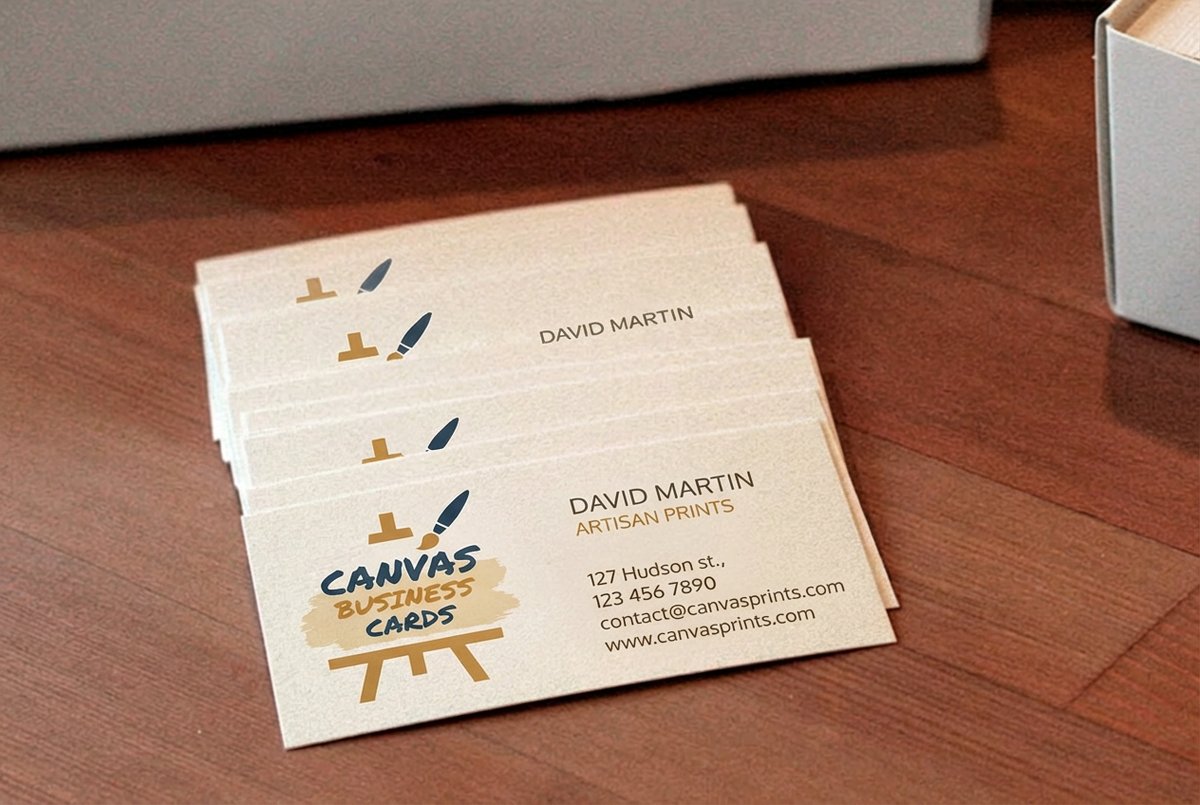 Canvas Business Cards From $17.57 Textured art-paper feel that reads like a fine print, right for portrait and fine-art work.
 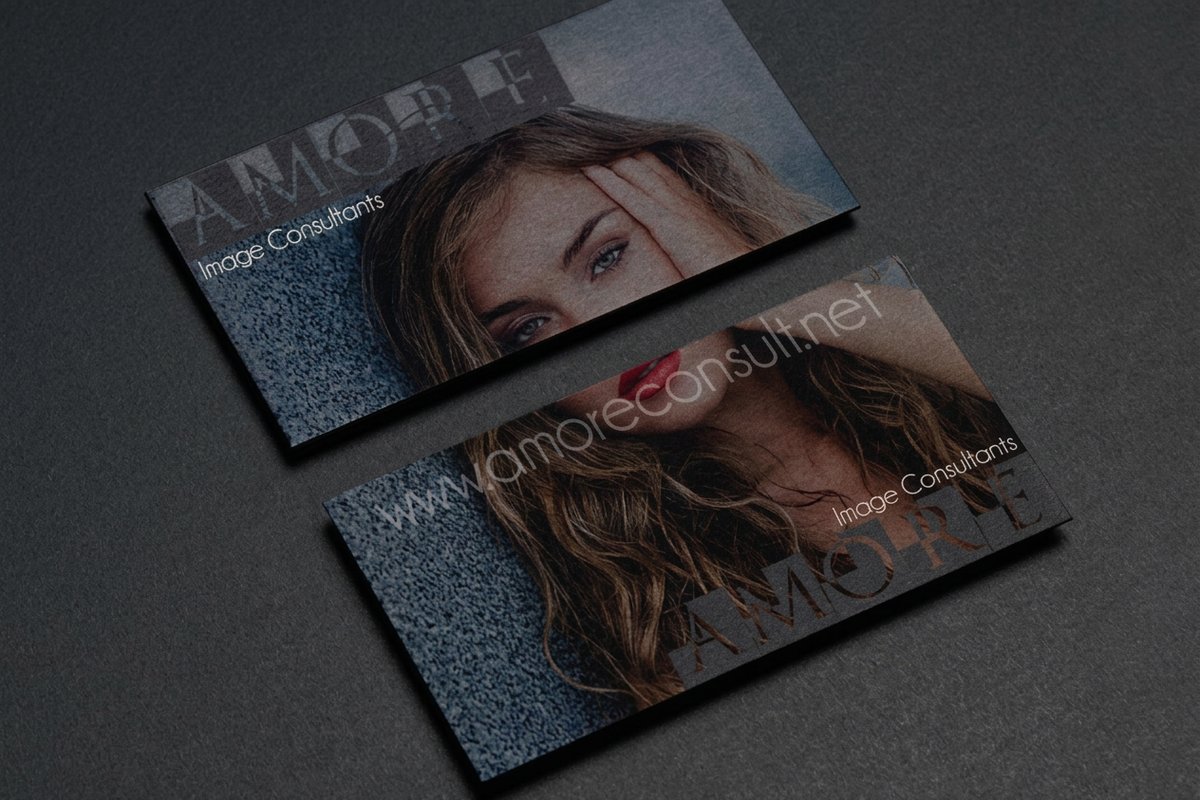 Black Business Cards From $40.62 Deep black stock that makes a single bright image or a clean logo glow against the dark.
 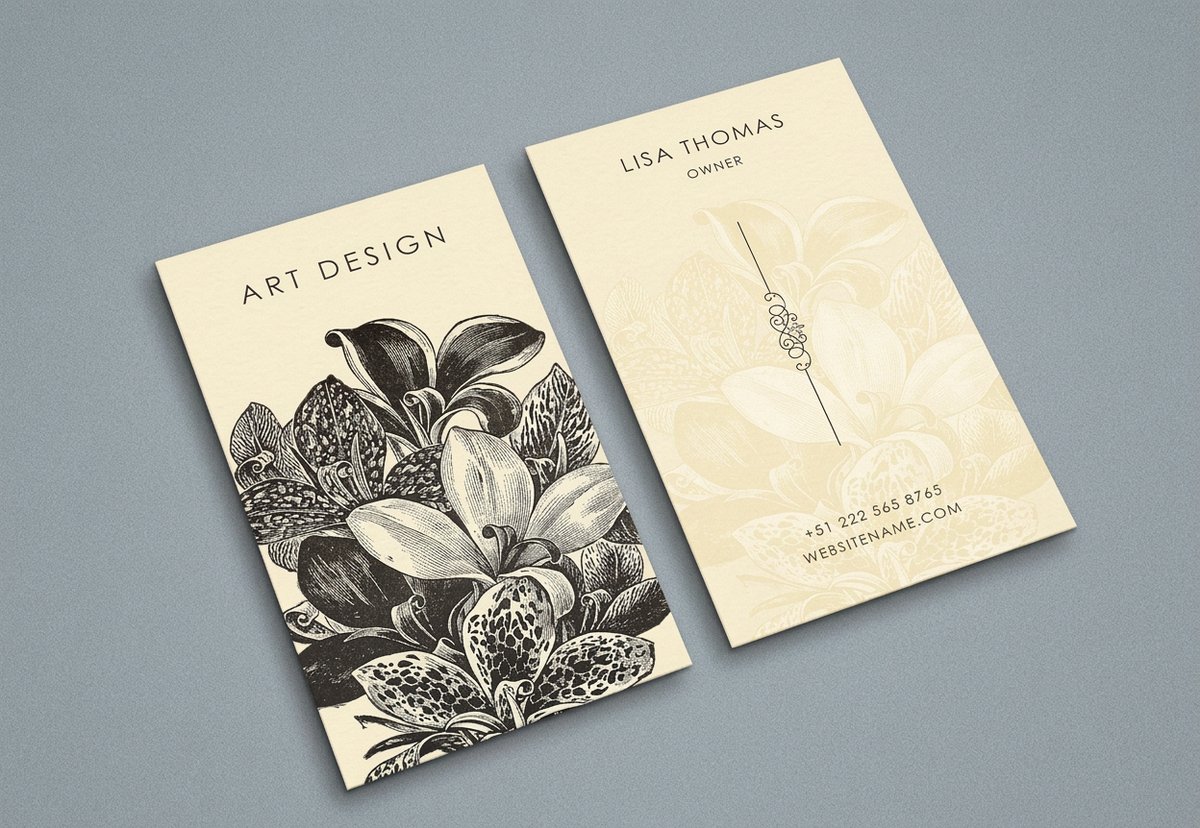 Artist Business Cards From $17.57 Gallery-grade cards built to carry an image, so the card doubles as a tiny portfolio piece. Photography Business Cards From $17.57 Space for a signature shot right beside your contact line.
 Design Tips: Let One Photo Carry the Card
Once the format is chosen, the design comes down to a handful of decisions you can get right in an afternoon. Treat the card like a tiny print job, because that is exactly what it is, and the same instincts that guide your editing will guide your layout.
Start with a high-resolution export at 300 DPI with a proper bleed, the same way you would prep a print for a client. Keep type minimal: your name, what you shoot, one contact method, and a handle. Color of the ink matters more than most people think, and the primer on what the color of your business cards means is worth a read before you lock a palette. If you want a add-on that turns the card into a keepsake, a Tip-On Printing service can adhere a small sample print or a QR-linked mini card right onto the front, so the card and a real photo arrive as one piece.
Mind the size and the safe zone
Standard US cards run 3.5 by 2 inches, but photographers bend that rule constantly with square and slim formats. Whatever you pick, keep text and faces out of the trim edge. The full breakdown of business card sizes and dimensions covers every option so nothing important gets cut off.
- Export at 300 DPI with 0.125 inch bleed. Anything less and your sharp image prints soft.
- Use CMYK, not RGB. Convert before you send so the colors on the card match what you approved.
- Keep contact info to three lines. Site, email or phone, and one social handle is plenty.
- Test the back. A clean, readable back is where the booking actually happens.
Finishes and Stocks That Make Photos Pop
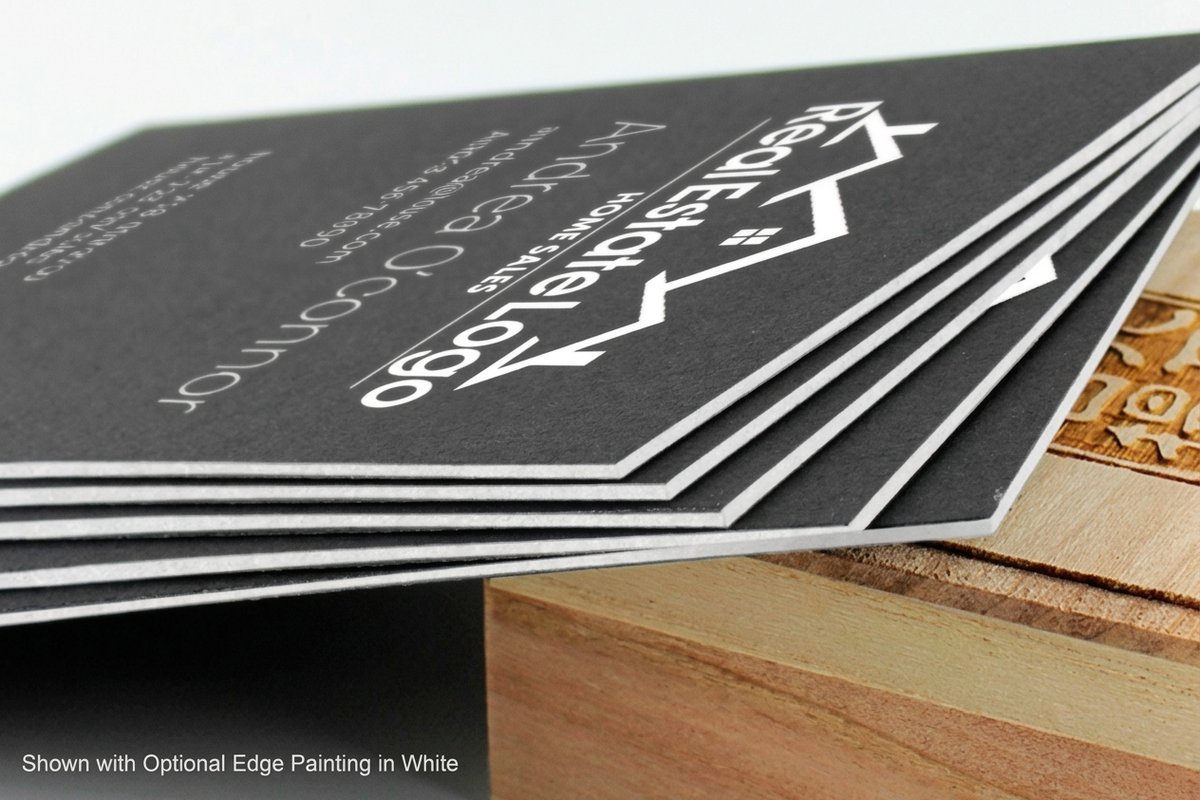
This is where a photographer’s card either sings or falls flat. The stock and finish decide how your image reads in the hand, and there is real range to work with. A soft-touch coating gives portraits a suede-like, velvet feel that flatters skin. A gloss finish deepens blacks and pushes saturated color. Spot UV can gloss a single element on an otherwise matte card, so a logo or a highlight catches the light.
Weight matters just as much as finish. Thicker stock signals quality the instant someone picks it up, and the guide to business card thickness lays out which weights feel premium without going overboard. Below are the real configurator numbers for Photography Business Cards, so you can see how the per-card price drops as you order more.
Match the finish to your genre
- Portrait and wedding. Soft-touch or uncoated for gentle, natural skin tones.
- Product and commercial. Gloss or spot UV to make color and detail snap.
- Fine art and editorial. Canvas or heavy uncoated for a tactile, gallery feel.
- Low-key and night. Black stock so a single bright frame reads like a print under light.
Quantity and price
Photography business card pricing and specs
Real configurator numbers. The more you order, the lower the per-card cost drops.
| Quantity | Price Per Unit | Total |
|---|---|---|
| 100 | 17.6¢ | $17.57 |
| 200 | 11.5¢ | $23.07 |
| 300 | 9.15¢ | $27.46 |
| 400 | 7.96¢ | $31.86 |
| 500 | 7.25¢ | $36.26 |
| 600 | 6.77¢ | $40.64 |
Black, Canvas, and Motion: Specialty Cards That Stand Out
When you want the card itself to be a talking point, the specialty formats earn their keep. Black cards, canvas cards, and even lenticular cards that shift as they tilt all give a photographer something a plain rectangle cannot: a physical experience that matches the visual one your clients pay for.
A 3D Lenticular Business Card can show two frames from the same shoot depending on the angle, which is a small piece of magic for motion, event, and creative photographers. It costs more per unit, but for a card people keep and show their friends, the math often works. Here is how the specs break down before you decide.
- Black stock. Dramatic, premium, and unbeatable for high-contrast single-image cards.
- Canvas. A woven, art-paper texture that says fine art without a word.
- Lenticular. Two images in one card, shifting as it tilts, for the shooter who wants to be remembered.
- Square format. A film-and-social nod that simply looks different in a stack of cards.
Motion finish
3D lenticular business cards
Two frames in one card that shift as it tilts, for the shooter who wants to be remembered.

Turn the Card Into a Sample: Add-Ons Worth Considering
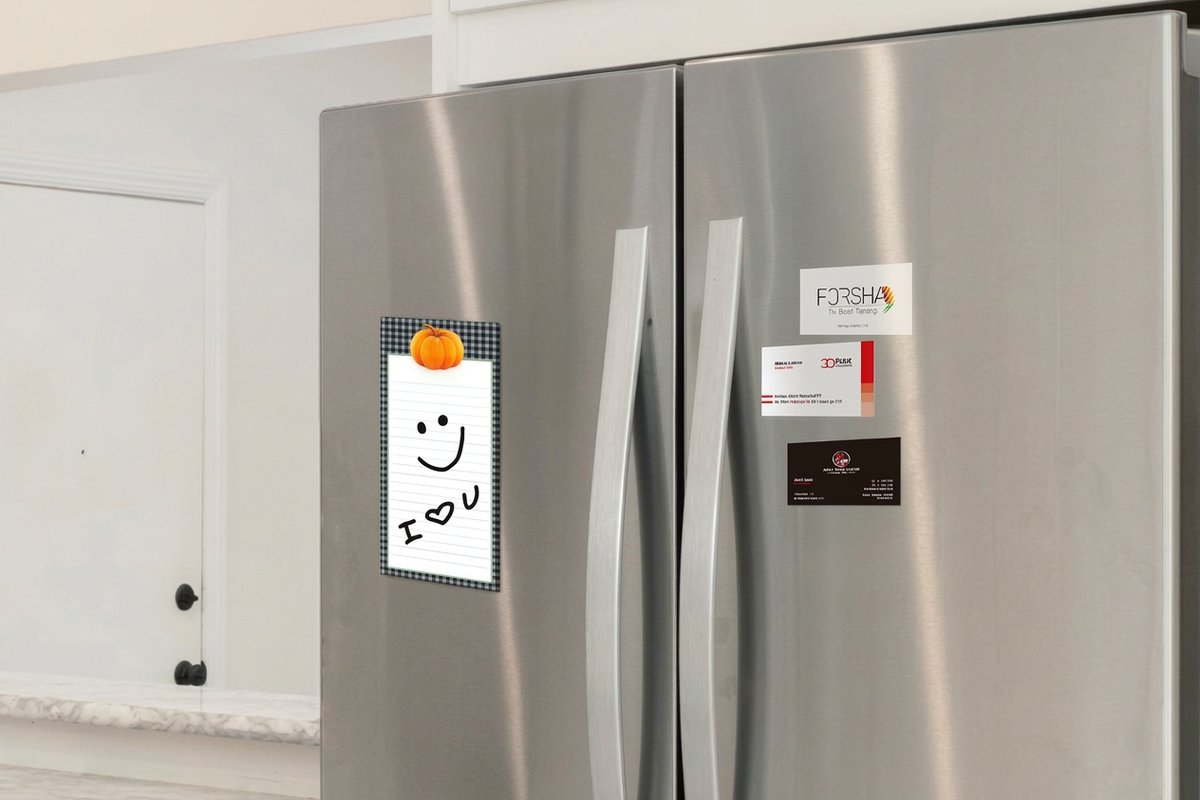
The best photography cards do double duty. A magnet-backed card sticks to a client’s fridge and keeps your studio in sight until the next milestone shoot. A sticker version lands on a laptop or a water bottle and travels the city for you. These small add-ons cost little and keep working long after the handshake.
Business Card Magnets are a favorite for family and newborn photographers, since parents want a keepsake and the fridge is prime real estate. Pair the card with the practical side too: the checklist in what to include on a business card makes sure nothing important gets left off the back before you print a whole run.
- Magnet backing. Turns a card into a keepsake that never gets filed away in a drawer.
- Sticker cards. A second format that lives on laptops and cases and markets while you shoot.
- Tip-on prints. A real mini photo adhered to the front, so the card carries an actual sample of your work.
Keep working for you
Magnet-backed cards and tip-on prints
Add a magnet, a sticker back, or a real mini print adhered to the front, so the card lands and stays.
Compare Popular Business Card Finishes
Choosing between soft-touch, gloss, black, and canvas is easier when you can see stock, finish, size, quantity, and from-price side by side. Photographers care most about how each stock renders an image, so use this as a shortcut to the finish that fits your genre and your budget.
Still weighing how many to order for a season of shoots and events? The planning guide on how many business cards to order helps you land on a run size without over-printing.
Compare finishes
Popular business cards, side by side
Stock, finish, size, quantity, turnaround, and from-price across our most ordered business cards.
 free business cards |  Standard Business Cards | 3D Lenticular Business Cards | 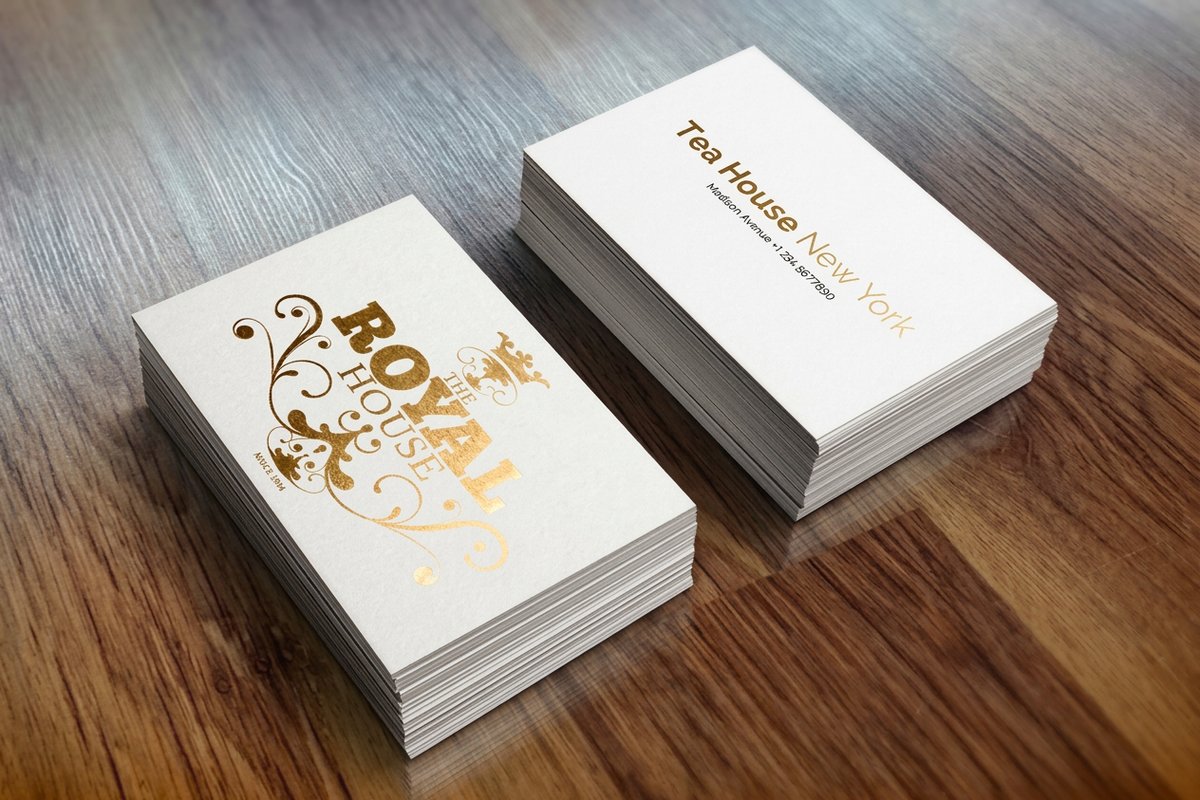 Metallic Foil Business Cards | |
|---|---|---|---|---|
| Min price | Free | $17.57 | $690.88 | $222.13 |
| Paper / stock | 14pt Gloss Cover | 14pt Gloss Cover | 31pt Lenticular Lens | 16 Point Silk Laminated |
| Finish | - | Standard Finish | - | - |
| Size | 2" x 3.5" | 2" x 3.5" | 2" x 3.5" - Vertical | 2" x 3.5" |
| Default qty | 200 | 100 | 500 | 500 |
| Turnaround | 5 business days | 3 business days | 22 business days | 7 business days |
| Rating | ||||
| View & customize | View & customize | View & customize | View & customize |
Design It and Get It Printed in Time
Your concept is set, the stock is chosen, and now the card just has to print sharp and arrive before your next booking or expo. You do not need a designer to get there. Start from a print-ready layout, drop your image and details in, and let the design keep pace with your work.
Browse the design templates library for a head start, or build from a clean slate with a blank card template that lines your artwork up inside the cut and bleed lines automatically. For the formatting fundamentals, the guide to proper business card format keeps your layout clean, and if you left it late, Same Day Printing produces and ships qualifying orders the same day.
A quick pre-flight checklist
- Image resolution. 300 DPI at final size, exported for print, not web.
- Bleed and safe zone. Extend the image past the trim, keep text well inside it.
- Color mode. CMYK, converted and soft-proofed before upload.
- Proof the back. Confirm every contact detail and handle is correct before you order a full run.
Start fast
Card templates and print-ready blanks
Free layouts plus exact-size blanks so your image and details land inside the cut line.




Wally helps your best frame become a business card
One hero image, the right stock, and a card clients keep
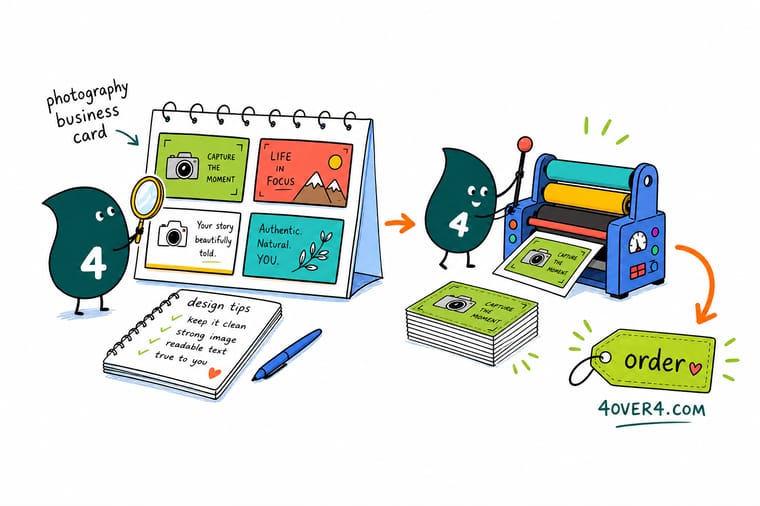
Not sure where to start? Lead with your single strongest photo on the front, keep the back to a name, a specialty, and one way to book you. Then pick a stock that fits the work, soft-touch for portraits, black for high contrast, canvas for fine art. 4OVER4.COM prints it sharp at 300 DPI so the card feels as good as your galleries look, and ships in time for your next shoot.
Design your photography cards →The card that books your next shoot
Explore more
More ways to promote your studio with print
Related pages across 4OVER4.COM, one card each, so you can keep exploring cards and finishes.
 Article 7 Holiday Postcard Design Examples That Break the Mold Seven holiday postcard design examples that skip the usual clichés, with notes on layout, color, foil, and pap
  Collection Photography Printing Cards, prints, and promo pieces built for photographers.
  Shop Business Cards Printing Browse every business card format, stock, and finish.
  Product Photography Business Cards The flagship card, ready for your best frame.
  Article Photographer Card Ideas A gallery of layouts and concepts for 2026.
  Article Business Card Color Meaning What your palette signals to a prospective client.
  Guide Business Card Format Get the layout clean and print-ready every time.
  Guides All Printing Guides How-tos across every product and finish.
  Benefit Same Day Printing Order today, ship today when a shoot is tomorrow.
  Service Tip-On Printing Adhere a mini print or sample onto the front of the card.
  Glossary Printing Terms Glossary Bleed, CMYK, spot UV, and every term defined.
 Ready to turn your best frame into a card that books shoots?
Pick your image, choose a stock from soft-touch to black to canvas, add your details, and 4OVER4.COM prints it sharp, as fast as same day.
Design questions photographers raise most
What makes a great photography business card?
A great photographer’s card leads with your strongest image, keeps text to a name, a specialty, and one contact method, and prints on a stock that flatters your genre. Because the card is often the first print sample a client holds, weight and finish matter as much as the image. One hero frame with room to breathe beats a card crammed with three photos and six lines of type every time. For more layouts, see these photographer business card ideas.
What is a photography business card?
A photography business card is a printed card that markets a photographer’s work, built to double as a tiny print sample. Instead of a generic logo-forward design, it usually features a full-bleed image on the front with contact details on the back, so it shows a prospective client what your work looks and feels like in the hand. 4OVER4.COM Photography Business Cards print on premium stocks that keep skin tones and detail true.
How do I choose the right business card for a photographer?
Match the stock and finish to what you shoot. Soft-touch and uncoated stocks flatter portraits and weddings, gloss and black stocks push color and contrast for product and low-key work, and canvas reads as fine art for editorial shooters. Then decide on format: a standard rectangle, a square card for a film-and-social feel, or a specialty option like magnet backing or lenticular. Sincere, simple, and specific to your genre always beats busy and generic.
What does a photography business card cost and how are prices set?
Photography Business Cards from 4OVER4.COM start at $17.57, and the price depends on the stock, finish, and quantity. Standard stocks cost less, while specialty finishes like soft-touch, black, canvas, or spot UV run a little higher. Ordering more brings the per-card cost down fast, which helps if you hand cards out at events, expos, and every shoot. Specialty formats like lenticular cards carry a higher per-unit price but earn it as a card clients keep and show off.
What sizes, stocks, and finishes are available for photography business cards?
Cards print on 60+ paper stocks, from smooth gloss to soft-touch suede, natural canvas, deep black, and heavy uncoated. Finishes range from classic matte and gloss to spot UV, raised foil, and magnet or sticker backing. Standard 3.5 by 2 inch cards suit most shooters, while square formats stand out in a stack. The right stock changes how your image reads in the hand, so pick the finish that matches the mood of your work.
