
Shrink Sleeves That Give Jars, Bottles and Cans a 360 Brand


What a Shrink Sleeve Actually Is
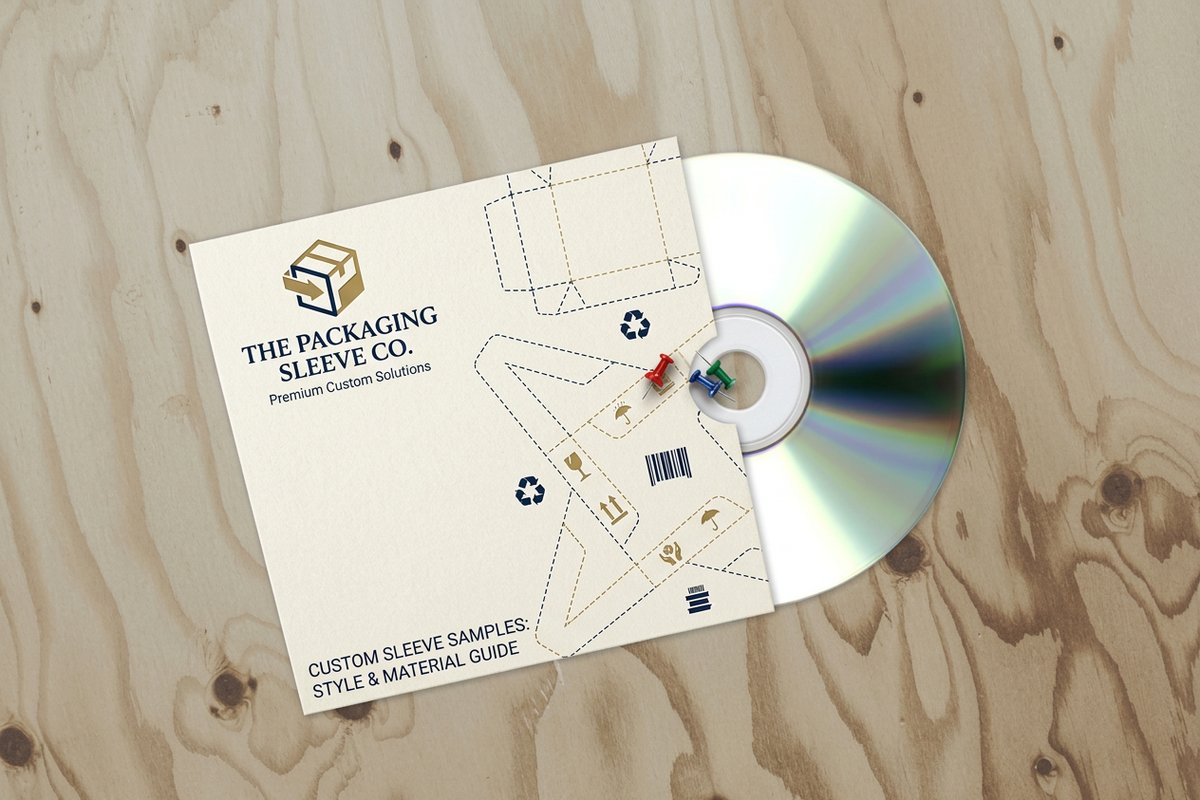
A shrink sleeve starts life as a printed plastic film on a roll. That film gets seamed into a loose tube, the tube drops over your container, and a short pass through heat pulls it tight against every curve. What comes out the other side reads as one continuous printed surface, top to bottom and all the way around, with no label edge waiting to lift in a cooler.
That is the practical difference from a sticker. A pressure sensitive label sits on one flat face and stops where its die line stops. A sleeve becomes the skin of the package, so a slim can, a tapered jar, or a ribbed bottle can all carry artwork across their entire surface without a designer fighting the geometry.
4OVER4.COM prints Packaging Sleeves from $438.25, and the same production floor that has served 150,000+ businesses since 1999 handles them. That matters more than it sounds. Packaging usually gets ordered alongside cartons, inserts, and labels, and running the whole set through one printer keeps your brand color consistent across every piece a shopper picks up. One press profile, one proofing standard, one delivery date.
Step 1: print the film flat
Artwork goes down on a clear or white film while it is still flat and easy to control. Because the film will stretch later, the layout is deliberately distorted in advance so the finished wrap reads correctly once the container forces it into shape.
Step 2: seam it into a tube
The printed web gets folded and solvent-seamed into a continuous tube, then cut to length. The seam is narrow and usually hides behind an ingredient panel or a back-of-pack block, which is where most designers park it on purpose.
Step 3: drop the sleeve over the container
The cut sleeve sits loose around the container at this point, wide enough to slide on without scuffing. Small runs get applied by hand with a simple jig. Higher volumes move to an applicator that places hundreds of sleeves an hour.
Step 4: apply heat and let the film take the shape
A heat tunnel or a handheld gun brings the film to temperature and it contracts, hugging shoulders, necks, and ribs. Done right, the shrink is even, the copy stays legible, and the pack looks like the container was made with the art on it.
Shop packaging
Packaging printing collection
Sleeves, boxes, and retail packaging printed to your container specs.
Packaging That Looks Finished From Every Angle
Shelf space is not viewed from one polite angle. A can gets grabbed sideways from a cooler, a jar gets rotated in someone's hand, a bottle sits with its back to the aisle in half the facings. A wrap that covers the full circumference means whichever way the product lands, a shopper still sees brand, not bare substrate or the trailing edge of a label.
That is also why sleeves flatter oddly shaped containers. Print picks worth comparing: Packaging Sleeves for the standard full wrap, Cannabis Packaging when the product carries required panels, and Cd Sleeves when the item is flat and needs a printed slip instead of a wrap.
- No dead panels. Ingredients, story copy, QR codes, and hero art all fit without crowding a single face.
- Metallic and clear effects. Clear film over a brushed can gives you a chrome look without a second print process.
- Shape freedom. Hourglass jars and tapered tubs get covered edge to edge instead of being wrapped in a compromise.
- Fast variant swaps. Flavor and scent lines share one container and change only the sleeve, so you stock one bottle.
- Scuff protection. The film takes the abrasion of shipping and handling before the container surface does.
There is a merchandising argument here as well. A brand that runs six flavors on six differently sized containers looks like six brands. Put all six on the same container with six sleeves and the block reads as a family from across the aisle. That visual consistency is cheap to buy at print time and expensive to retrofit once you have committed to mixed glass and mixed cap sizes across a line.
Print picks
Three packaging formats worth a look
Live prices, ready to configure against your container size.
Packaging Sleeves From $438.25 Full wrap sleeves that turn a plain container into finished retail packaging. 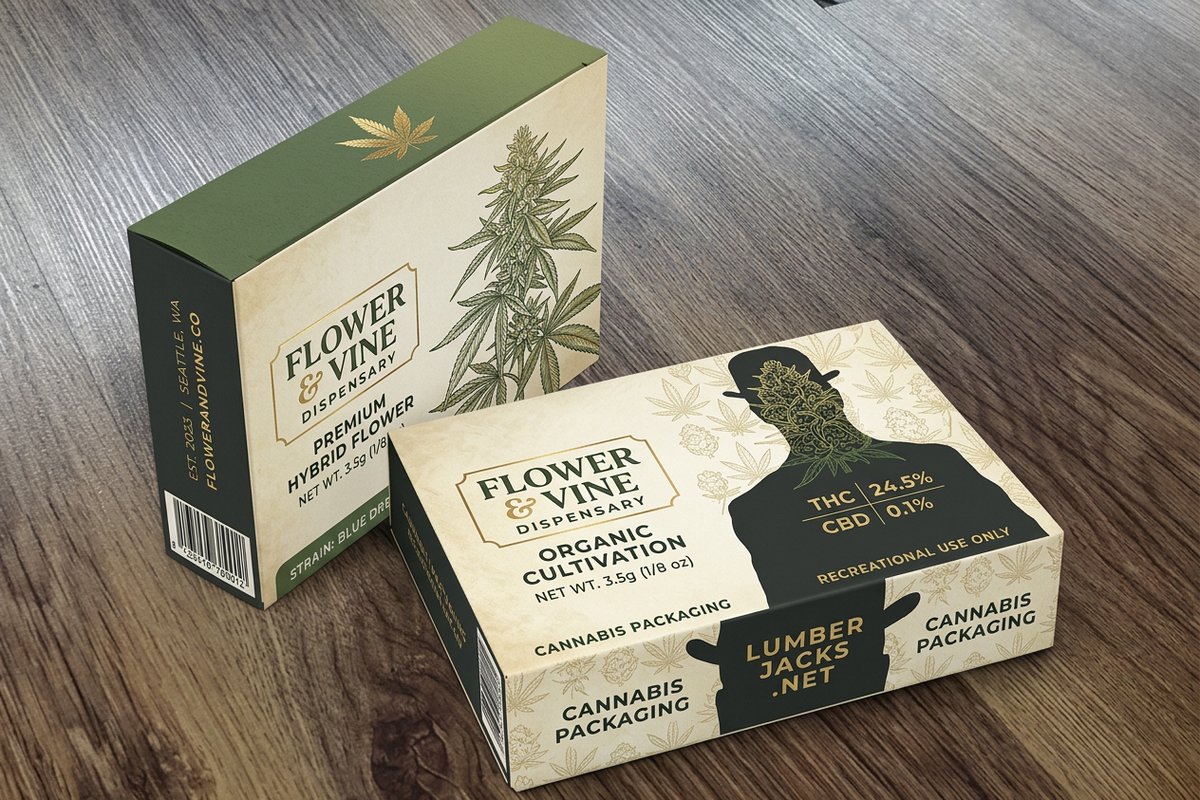 Cannabis Packaging From $711.78 Retail-ready packaging with the panel space regulated products need.
  Cd Sleeves From $438.25 Printed slip sleeves when the product is flat and the branding still has to land.
 Shrink Sleeves Versus Pressure Sensitive Labels
Labels are not the enemy. They are cheaper per unit at low volume, they apply with equipment most co-packers already own, and they are the right answer for a straight-walled bottle with a simple front panel. The honest comparison is about coverage, container shape, and how much of your story has to live on the pack.
Choose a sleeve when the container is contoured, when you need tamper evidence built into the same step, or when full coverage is doing real branding work. Choose a label when the container is cylindrical, the run is small, and a front and back panel carries everything you need to say.
- Coverage. Sleeves wrap 360 degrees. Labels cover a defined rectangle or die shape and stop there.
- Container shape. Sleeves conform to tapers and ribs. Labels wrinkle or bridge on anything that is not close to flat.
- Application. Sleeves need heat. Labels need pressure, which is a lower barrier for a first production run.
- Tamper evidence. A sleeve or neck band gives you a seal in the same pass. A label needs a separate seal component.
- Recycling. Sleeves must be removed or specified as a compatible film, so check the guidance for your container material before you commit.
Compare formats
Popular packaging products, side by side
Material, size, quantity, turnaround, and price lined up in one table.
 Cd Covers |  Packaging Tape | 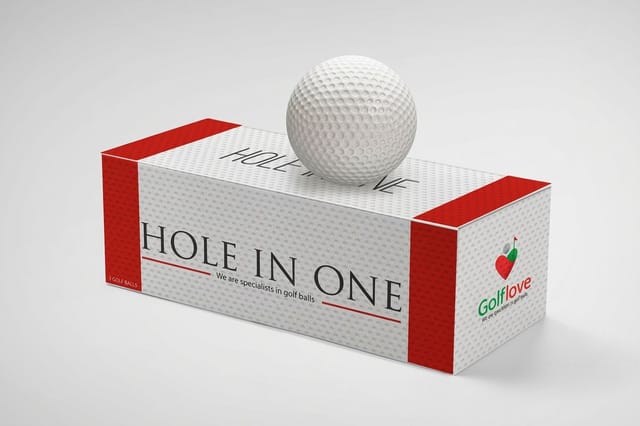 Golf Ball Boxes | 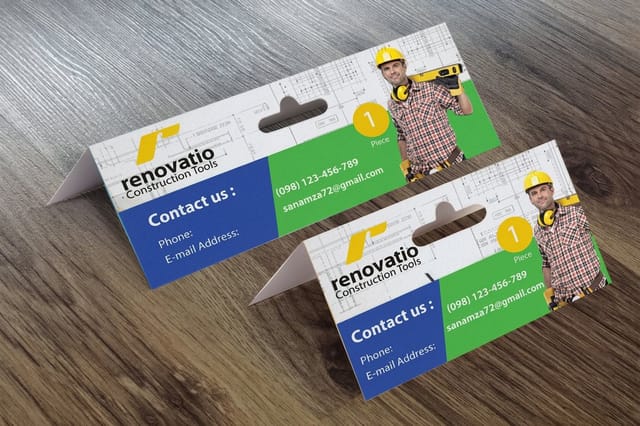 Header Cards | |
|---|---|---|---|---|
| Min price | $75.80 | $347.11 | $269.11 | $218.30 |
| Paper / stock | 100# Gloss Text | - | 14pt Uncoated Cover | 14pt Uncoated Cover |
| Finish | Standard Finish | - | Standard Finish | Standard Finish |
| Size | 4.75" x 4.75" Single Panel | 2" x 55 Yard Tape (36 rolls/case) | 1.7" x 1.7" x 5" | 3.5" x 4" scores to 3.5" x 2" |
| Default qty | 25 | 1 | 50 | 1,000 |
| Turnaround | 5 business days | 20 business days | 7 business days | 6 business days |
| Rating | ||||
| View & customize | View & customize | View & customize | View & customize |
Which Products Belong in a Sleeve
The products that gain the most are the ones where the container is generic and the brand has to do all the differentiating. Slim cans, cosmetic jars, supplement tubs, sauce bottles, cold brew growlers, and pet treat canisters all ship in shapes that thousands of other brands also use. The sleeve is what makes the shelf recognize yours.
Regulated categories lean on sleeves for a second reason. When required copy, warnings, and lot information have to appear at a legible size, a full wrap gives you the real estate to place them without shrinking your logo to make room. That is why Cannabis Packaging and supplement lines gravitate toward wrap-first formats.
- Beverage cans and bottles. Seltzers, kombucha, cold brew, energy drinks, and small-batch soda lines.
- Cosmetic and personal care. Serum bottles, body butter jars, shampoo tubs, and refill containers.
- Food jars. Sauces, honey, spice blends, nut butters, and anything sold by the visible fill level.
- Supplements and wellness. Powder tubs and capsule bottles that carry dense fact panels.
- Regulated goods. Products where warnings, batch codes, and testing details need dedicated space.
Quantity and price
Packaging sleeve pricing and specs
Real configurator numbers. Unit cost drops as the run size climbs.
| Quantity | Price Per Unit | Total |
|---|---|---|
| 100 | $4.38 | $438.25 |
| 200 | $2.25 | $450.34 |
| 300 | $1.52 | $455.83 |
| 400 | $1.15 | $461.32 |
| 500 | 93.4¢ | $466.82 |
| 600 | 80.5¢ | $483.29 |

Choosing Film, Shrink Percentage, and Finish
Two specs decide whether your sleeve looks tailored or looks like a hand-me-down: the film and the shrink percentage. Shrink percentage is simply how much the film can contract. A straight-sided can needs very little. A jar with a narrow neck and a wide belly needs a film that can pull in hard without wrinkling on the way.
Measure the widest circumference and the narrowest circumference of the container, then hand both numbers to your printer along with a physical sample. That single sample saves more revisions than any amount of description, because it lets the team confirm the distortion curve against the real geometry rather than a drawing.
- Clear film. Lets brushed aluminum or colored glass show through and reads as premium at almost no extra cost.
- White film. Gives you a solid base so colors stay true regardless of what the container looks like underneath.
- Matte finish. Kills glare under retail lighting and photographs cleanly for product shots.
- Gloss finish. Punches saturated color and suits food and beverage, where appetite appeal wins.
- Perforation. A vertical tear line lets customers remove the sleeve, which helps with reuse and recycling.
Regulated packaging
Cannabis packaging specs
Panel space for warnings, batch codes, and testing details without shrinking your logo.

Tamper Evidence, Neck Bands, and Multipacks
Tamper evidence is the quiet reason a lot of brands move to sleeves. A perforated band across the cap and neck cannot be opened and put back without leaving a visible break. For food, beverage, supplements, and anything ingested or applied to skin, that visible break is what tells a buyer nobody got there first.
You can buy that seal two ways. A full-body sleeve with a perforated top section covers the pack and seals the closure in one piece. A separate neck band leaves your existing label alone and seals only the cap, which is the lighter-touch option when your front label already works and you just need the security.
- Full-body sleeve with perforation. One component does the branding and the seal together.
- Neck band only. Adds tamper evidence to an existing labeled bottle without a redesign.
- Multipack sleeves. Band two or four units into a set without a carton, which cuts material and cost.
- Promotional overwraps. A limited edition sleeve over standard stock lets you run a seasonal look on short notice.
- Slip sleeves for flat goods. Printed sleeves also serve discs, cards, and thin products that never see a heat tunnel.
Flat goods too
Printed slip sleeves
Not every product goes through a heat tunnel. Discs, cards, and thin items get a printed slip sleeve instead.

What Shrink Sleeves Cost and How Suppliers Set Price
Sleeve pricing is driven by four things: how much film each unit consumes, how many colors the artwork needs, the finish you specify, and the quantity on the order. Film consumption follows your container size, so a 750ml bottle costs more to wrap than a 12oz can before a single design decision gets made.
Packaging Sleeves at 4OVER4.COM start at $438.25, and Cannabis Packaging starts at $711.78. Those are entry configurations, and like every print process the unit cost drops as the run grows, because the setup work is spread across more pieces. Pull two or three quantity tiers in the configurator before you commit, since the jump between tiers is often smaller than people expect.
- Container size. More circumference and more height means more film per unit, which is the largest single driver.
- Color count. Full color photographic art costs more than a two-color flat design on the same film.
- Finish and specialty effects. Matte, metallic bases, and perforation each add a step.
- Quantity. Setup is a fixed cost, so the per-unit price falls as you move up the tiers.
- Application method. Hand application is fine for a launch run. Machine application changes the math once you are shipping regularly.
Getting Artwork Right for a Shrinking Canvas
The one thing designers get wrong on their first sleeve is treating it like a flat label. It is not flat. The film distorts as it contracts, and a logo that sits over the steepest taper will squash unless the file was built with that distortion compensated in advance. Your printer supplies a distortion template for the specific container. Use it from the first layout, not as a fix at the end.
Keep critical elements out of the high-shrink zones. Barcodes, small legal copy, and precise logos belong on the straightest part of the container where the film moves the least. Leave generous bleed at both ends, mark the seam location deliberately, and always approve on a wrapped physical sample rather than a flat proof on screen.
A short pre-flight list before you send the file
- Use the distortion template. Build on the printer's grid for your exact container, not a generic rectangle.
- Vector the small stuff. Logos and legal copy hold their edges through the shrink far better than raster art.
- Protect the barcode. Place it vertically on a low-shrink zone and keep the quiet zone clear.
- Plan the seam. Park it behind a solid panel so it never cuts through a face or a wordmark.
- Approve on the container. A flat PDF cannot show you what the taper will do to your headline.
Start fast
Packaging templates and print-ready blanks
Free layouts plus exact-size blanks so your file lands on the right dimensions the first time.
Wally sizes up your container
Measure first, pick the film second, then print the wrap
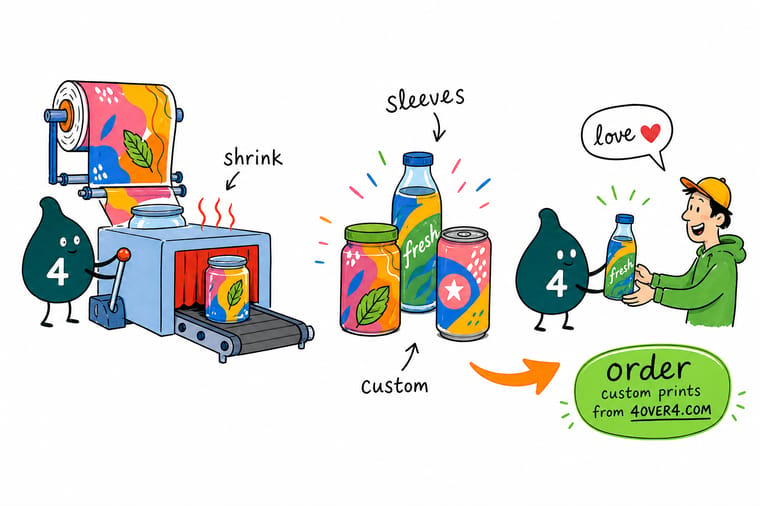
Wondering where to start? Measure the widest and the narrowest circumference of your container and write both numbers down. Those two measurements tell your printer how much shrink the film needs. Then choose clear film if the metal or glass should show through, or white film if colors must stay true. Send a physical sample with the order and the distortion template gets built against the real shape, not a guess.
Configure your packaging sleeves →What to Remember Before You Order Sleeves
Keep reading
Packaging guides worth bookmarking
Deeper walkthroughs on specifying, designing, and labeling retail packaging.
 Guide Packaging and Labeling Guide The full picture on how packaging and labels work together.
  Guide How to Spec Custom Packaging Dimensions, materials, and the numbers your printer needs.
  Guide Designing Food Packaging Panel planning and appetite appeal for food containers.
  Guide Custom Cosmetic Packaging Jars, bottles, and finishes for beauty and personal care.
 Explore more
More ways to package a product with print
Related pages across 4OVER4.COM, one card per place worth going next.
 Collection Packaging Printing Sleeves, boxes, and retail packaging in one place.
 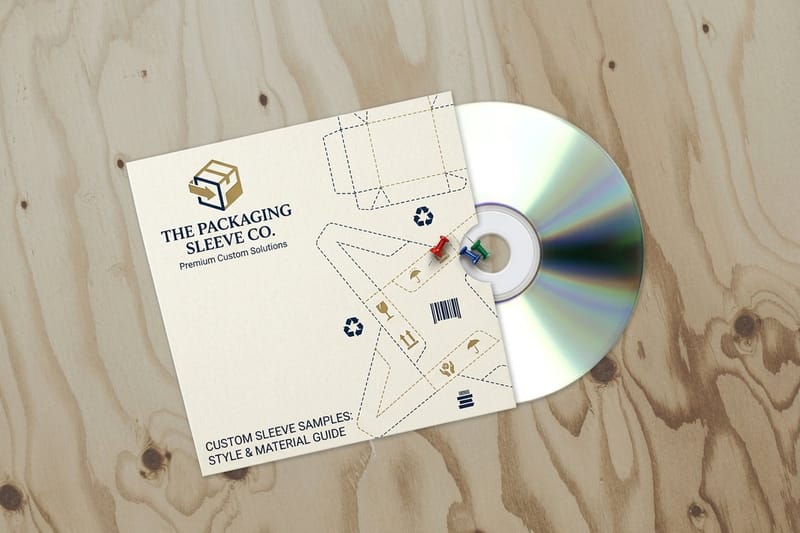 Product Packaging Sleeves Full wrap sleeves printed in color across the whole container.
 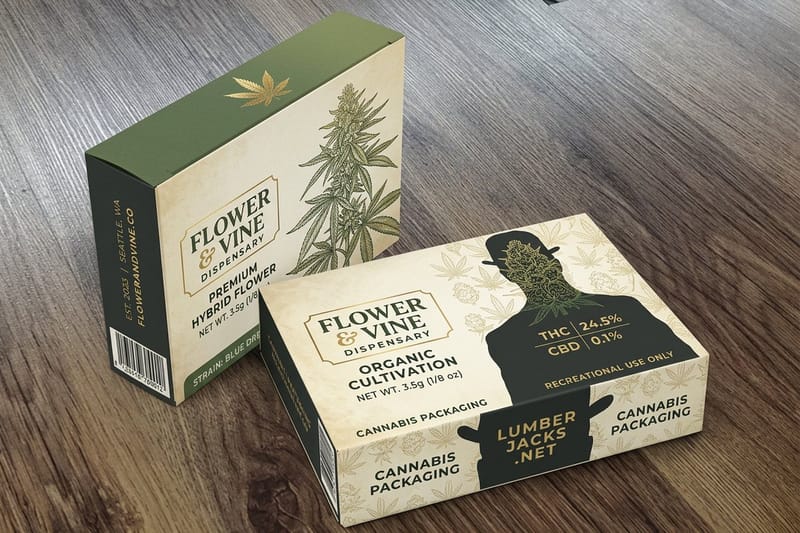 Product Cannabis Packaging Retail packaging with room for required panels.
  Product Cd Sleeves Printed slip sleeves for flat products.
 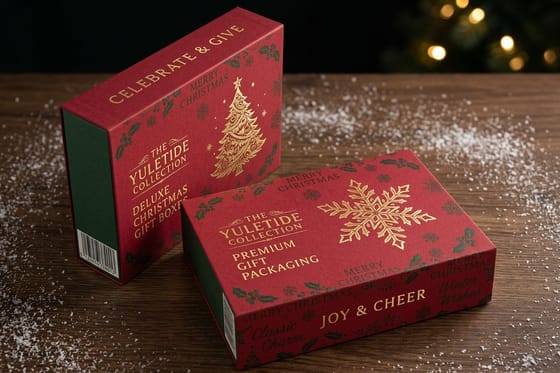 Guide Holiday Packaging Ideas Seasonal wraps and limited edition packaging plays.
 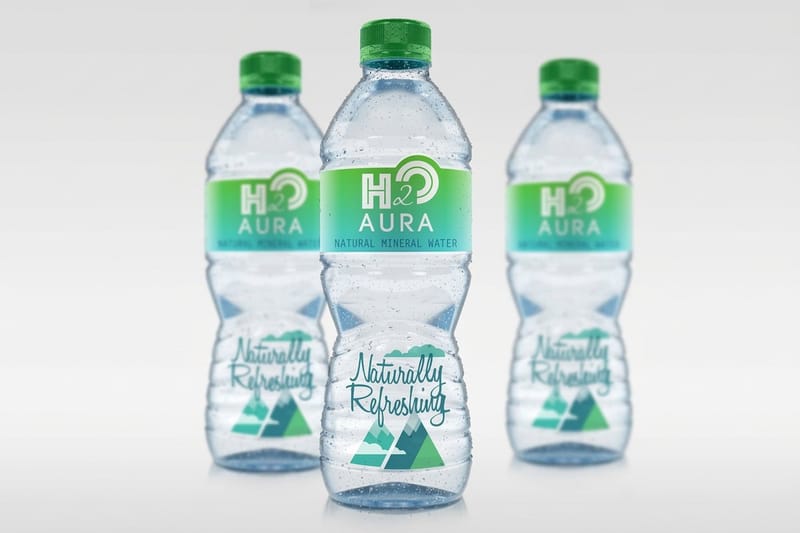 Article Branded Water Bottles How bottle branding works from label to full wrap.
  Articles All Printing Articles Every explainer we publish on print and packaging.
 Ready to wrap your product in something people notice?
Send your container dimensions, pick your film and finish, and get sleeves that cover every angle of the pack instead of one polite front panel.
Shrink Sleeve Questions, Answered
What are shrink sleeves for cans?
A shrink sleeve for a can is a printed plastic film formed into a tube, slipped over the can, and shrunk with heat until it grips the full body. Unlike a label, it covers 360 degrees, so there is no bare metal, no visible label edge, and no back panel left empty. Brands use them on slim cans, standard cans, and bottles when the container itself is generic and the artwork has to carry the identity. For the wider picture on how wraps and labels fit together, read our packaging and labeling guide.
How do I choose the right shrink sleeves for cans?
Start with the container. Measure the widest and narrowest circumference, then match those numbers to a film with enough shrink percentage to cover the difference without wrinkling. Next pick clear film if you want the metal or glass to show through, or white film if you need colors to stay true. Then choose the finish, matte for low glare or gloss for saturated color, and decide whether you need a perforated tear line. Send a physical container sample with the order so the distortion template is built against the real shape.
What do shrink sleeves for cans cost and how are prices set?
Price is set by film consumption, color count, finish, and quantity. A larger container uses more film per unit, full color photographic artwork costs more than a flat two-color design, and specialty effects like metallic bases or perforation each add a step. Packaging Sleeves at 4OVER4.COM start at $438.25 and Cannabis Packaging starts at $711.78. Because setup is a fixed cost spread across the run, the per-unit price falls as quantity rises, so pull two or three tiers in the configurator before you decide.
Are shrink sleeves better than pressure sensitive labels?
Better depends on the container. Sleeves win when the shape is tapered, ribbed, or contoured, when you want tamper evidence built into the same component, or when full coverage is doing real branding work on shelf. Labels win on straight-walled containers at low volume, where a front and back panel says everything you need and the application equipment is already in place. Many brands run both, using sleeves on the hero product line and labels on secondary items or sample sizes.
Do shrink sleeves provide tamper evidence?
Yes, when they are specified for it. A full-body sleeve with a perforated section across the cap and neck cannot be opened and resealed without leaving a visible break, and a separate neck band does the same job without touching your existing label. That visible break is the point, since it tells a buyer at the shelf that nobody opened the product first. Food, beverage, supplement, and personal care brands lean on this heavily, and it costs far less than adding a separate seal component to the fill line.
