
How to Spec Custom Product Packaging That Ships Safe and Sells


Custom packaging rests on four decisions: the box style, the dieline it is built on, the material and finish, and the label that dresses it. Get those right and your product ships safe and looks the part on a shelf.
Specifying custom packaging means locking four things: box style, dieline, material and finish, and label. Pick a box style that fits the product, build your art on the product's dieline so folds and glue tabs land right, choose a paperboard weight and a finish that match how the box gets handled, then add a label that carries the branding. Price it live in the configurator and order boxes and labels together.
Start here
The four decisions behind a custom box
Custom product packaging is a printed structure built to hold one specific product. You choose a box style, lay your artwork on that box's dieline so panels and glue tabs align, pick a paperboard stock and finish that survive the trip to the customer, and add a label where a full custom box is more than you need. The diagram below shows how a flat dieline folds into a finished box.
Why specifying packaging carefully pays off
Packaging does two jobs at once. It protects the product from the warehouse to the doorstep, and it sells the brand the moment a customer sees it. When the spec is wrong, both jobs fail: a box that is too thin arrives dented, and a box that ignores the dieline prints with a logo sliced across a fold.
The fix is to treat packaging as a set of deliberate choices rather than a single upload. Decide the structure first, then the material, then the surface finish, then the label. Each decision narrows the next, so by the time you open the configurator you already know what you are ordering. That is the difference between guessing and speccing.
This guide walks those choices in order, from box style through to instant pricing, and points you to the real 4OVER4 products at each step so you can price and order as you read. If a full custom box is more than your product needs, the same logic applies to a plain box with a printed label.
Choosing a box style that fits the product
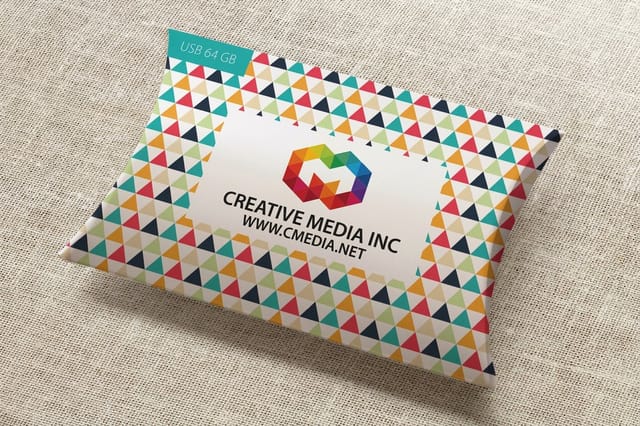
Box style is structure, and structure follows the product. A small rigid item like a candle or a mug suits a straight tuck or a cube box that closes with clean tuck flaps. A soft or curved item reads better in a pillow box, whose curved ends hug the contents and need no tape. A promotional giveaway or a single-serve treat fits a golf ball box or a small mailer.
Match the closure to how the box is opened. Tuck-end boxes open and reclose, which suits retail units a customer handles more than once. Auto-lock bottoms hold heavier contents without popping. Mailer styles with a fold-over lid protect goods in transit and give an unboxing moment. Browse the full range on the packaging collection to see which structures are ready to order.
If you are not sure the structure is right, our online design tool and ready-made design templates let you preview art on a chosen style before you commit, so you catch a mismatch on screen instead of on a pallet of printed boxes.
Reading a dieline so your art lands right
A dieline is the flat, unfolded map of your box. It shows every panel, every fold, and every glue tab in one 2D drawing, and it is the single most important file in packaging. Solid lines are cut lines, where the blade goes. Dashed lines are fold or score lines, where the board bends. The small angled flaps are glue tabs, which disappear inside the assembled box.
Design on top of the dieline, never next to it. Keep logos, text, and anything you cannot afford to crease away from the fold lines, and let backgrounds run past the cut line into the bleed so no white shows on an edge. Remember that panels meet at the folds, so a pattern that must line up across two faces has to be positioned with the fold in mind, not the flat sheet.
The same panel-by-panel discipline that governs a folded brochure governs a box, only in three dimensions. Our guide on preparing print files for packaging products covers the file setup in depth, and for the box-making basics see how to make custom boxes.
Material and finish: protection you can feel
Material decides whether your box protects the product and how it feels in hand. Folding cartons print on paperboard measured in points of caliper, where a higher number is a thicker, sturdier board. Lighter cartons suit small retail units, while heavier boards or corrugated stock protect items that travel rough. Kraft board gives a natural, recycled look, and bright white board makes color pop.
Finish is the surface treatment on top of the print. Gloss lamination makes color vivid and wipes clean, matte lamination reads calm and premium, and a soft touch coating feels like suede under the fingers. A spot gloss over a matte base makes a logo catch the light. Each of these changes the first impression a customer forms when they lift the box.
Choose the pair together. A rugged shipper wants a durable board and a practical laminate, while a luxury unit wants a heavier board and a soft touch or spot gloss finish. Order free options on the product page so you can judge the stock and coating in person before a full run.
Adding labels when a full box is more than you need

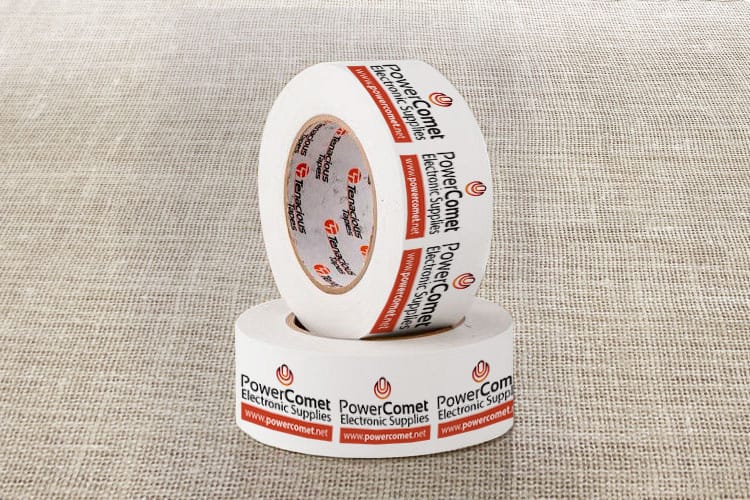
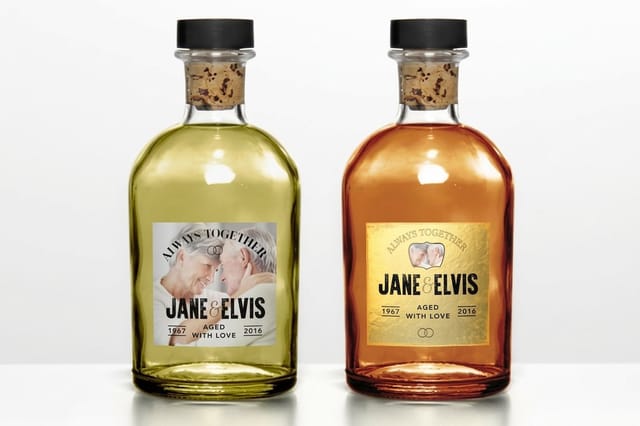
Not every product needs a fully custom box. A jar, a bottle, a pouch, or a plain mailer can carry all its branding on a printed label, which keeps small runs affordable and lets you change artwork without reprinting the container. Labels are also how you add batch numbers, ingredients, or warnings to a stock box.
Match the label to the surface and the environment. A custom label handles most retail jobs, while a waterproof or weatherproof stock suits anything that meets moisture, cold, or a cooler. For shipping and fulfillment, packaging labels hold up to handling and scanners. The full labels range covers shapes, materials, and finishes for each use.
Think of the label as the last layer of the spec. Once the box style, dieline, and material are set, the label carries the identity, and together they make a finished package that looks intentional from every angle.
Instant pricing and placing the order

Once the spec is settled, price is easy to reason about. Packaging cost scales with a few levers: quantity, where a larger run lowers the unit price, plus size, stock, and finish. You set each option in the configurator and the total updates live as you adjust it, so you see exactly what a heavier board or a spot gloss finish does to the number before you commit.
Order the box and the label in the same session so they arrive together and match. If you are testing a product, start with a smaller quantity to validate the structure and artwork, then scale the reorder once the design proves out. Small brands lean on this to launch without a warehouse full of one design.
When you are ready, open the cube box or the style you chose, dial in the specs, and watch the price settle. Prefer to skip file prep entirely? The ready-made products range gives you finished designs you can order as they are.
Wally folds the dieline before you print
Four decisions turn flat board into a finished box
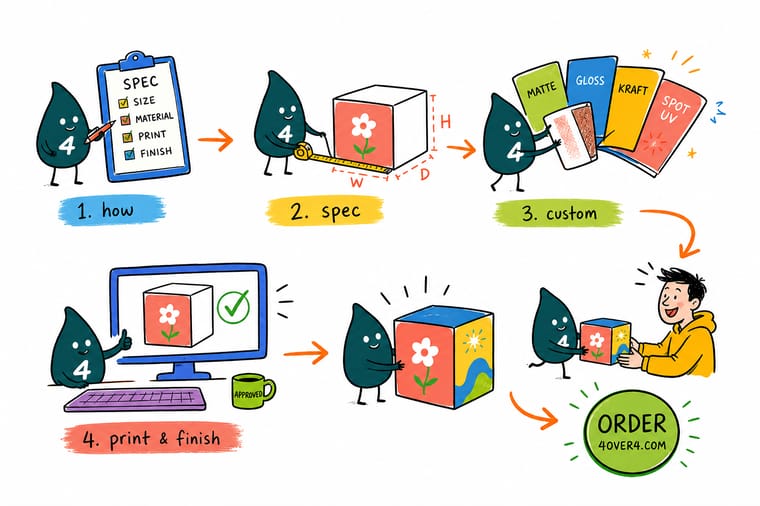
Wally treats a custom box like a recipe: pick the style that fits the product, lay the art on the dieline so folds and glue tabs land right, choose a board and finish that survive the trip, then add a label where a full box is more than you need. Set those four and the configurator prices it live. Build it clean and 4OVER4 prints the box and label together.
Order custom packaging →Quick reference
The custom packaging spec at a glance
Four decisions define a custom package. Lock these and your artwork is ready to price and print.
| Decision | Common choice | Why it matters |
|---|---|---|
| Box style | Tuck-end, cube, pillow, or mailer | Structure follows the product; the closure sets how it opens, protects, and displays. |
| Dieline | Product-specific flat template | Cut, fold, and glue-tab lines keep art from creeping across a fold or getting trimmed. |
| Material | Paperboard caliper or corrugated | Heavier board protects in transit; kraft or bright white sets the look. |
| Finish | Gloss, matte, soft touch, or spot gloss | The surface coating is the first thing a customer feels and sees. |
| Label | Custom, waterproof, or packaging label | Carries branding on plain boxes, jars, and bottles and keeps small runs affordable. |
| Bleed | Art runs past every cut line | Prevents white edges when the box is trimmed and folded. |
| File | Flattened PDF on the dieline | A press-ready PDF built on the dieline prints predictably every time. |
Step by step
Spec and order your packaging in 6 steps
- Pick the box style for your product Start from the product itself: rigid, soft, small, or shippable, then choose a tuck-end, cube, pillow, or mailer structure that fits how it is used and displayed.
- Download the matching dieline Grab the flat dieline for your chosen style and size so you design on the real cut, fold, and glue-tab lines from the start.
- Design inside the lines with bleed Keep logos and text clear of the folds, run backgrounds past the cut line, and position any cross-panel art with the folds in mind.
- Choose material and finish together Pair a board weight that protects the product with a finish that matches the brand, gloss and matte for everyday, soft touch or spot gloss for premium.
- Add a label if you need one For jars, bottles, or plain boxes, add a custom or waterproof label to carry the branding and any required batch or ingredient text.
- Price it live and order Set quantity, size, stock, and finish in the configurator, watch the price update, then order the box and label together so they arrive matched.
Specs and pricing
Custom box specs and live pricing
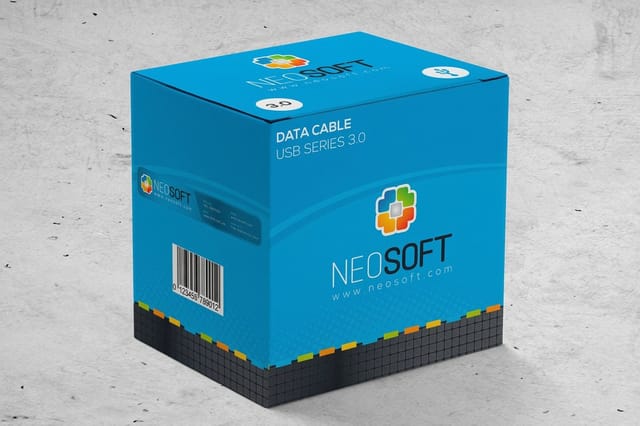
Once your structure and artwork are set, the print decisions come down to size, stock, and quantity. Here are the live specs and price-per-unit for cube boxes at 4OVER4, straight from the configurator.
| Quantity | Price Per Unit | Total |
|---|---|---|
| 50 | $4.26 | $213.09 |
| 100 | $2.50 | $250.42 |
| 150 | $1.89 | $283.38 |
| 200 | $1.59 | $317.44 |
| 250 | $1.43 | $356.98 |
| 500 | 76.7¢ | $383.34 |
| 1,000 | 42.7¢ | $427.27 |
| 2,500 | 29.0¢ | $723.84 |
Order it
Order your custom packaging at 4OVER4
See it in use
Packaging specs that made it to press
Explore more
Where to go next
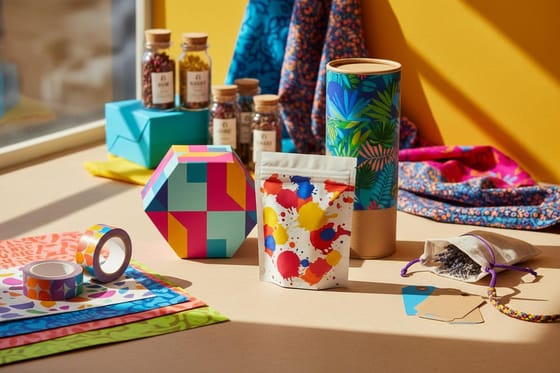
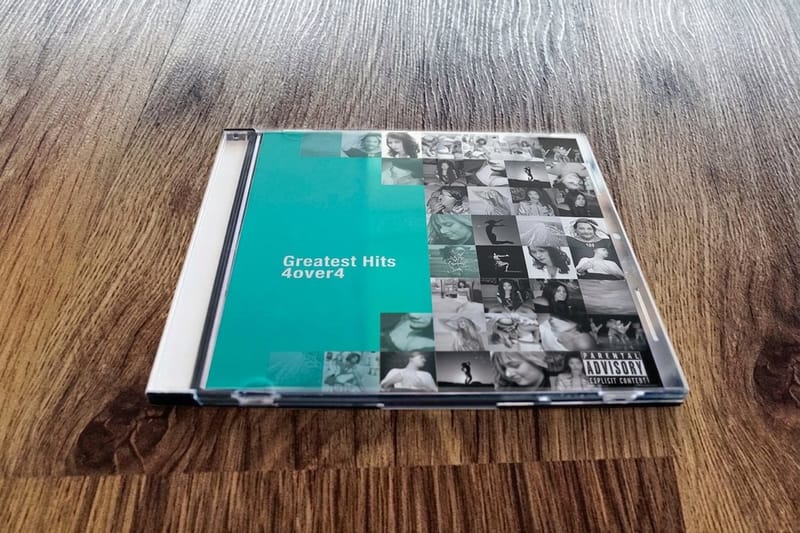
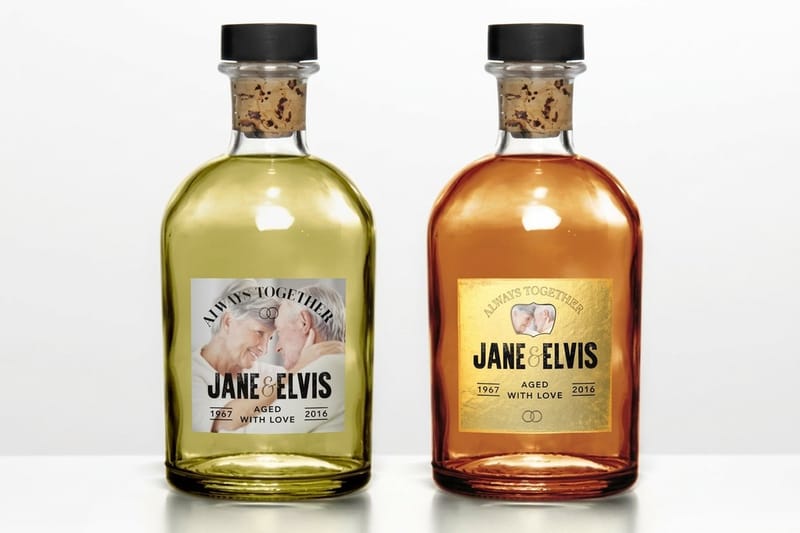
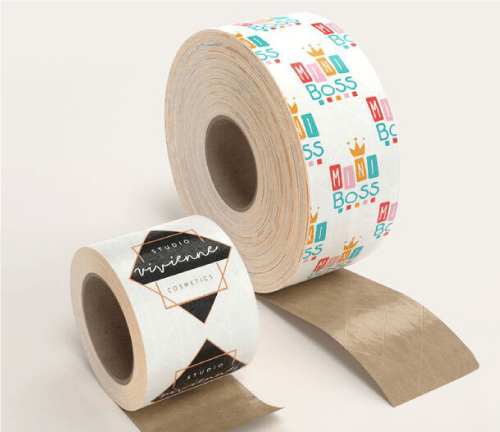
By the numbers
Sixty paper stocks behind a packaging spec
Common Questions
Common questions about custom product packaging
What is custom product packaging?
Custom product packaging is a printed box, carton, or label built to hold one specific product rather than a generic container. It combines a box style chosen to fit the item, a dieline that maps every cut and fold, a material and finish that protect the product and carry the brand, and often a label for jars, bottles, or plain boxes. Together those choices make a package that ships safely and presents the product the way you intend on a shelf or at a doorstep.
Does my product need a tuck-end box, a cube, or a pillow box?
Work from the product outward. First match the box style to the item: tuck-end or cube boxes for rigid retail units, pillow boxes for soft or curved goods, mailers for anything that ships. Then choose a material heavy enough to protect the contents on their journey, add a finish that fits the brand, and decide whether a full custom box or a plain box with a printed label makes more sense for your run size. Preview the artwork on the dieline before ordering so folds and panels line up.
What does custom packaging cost and how is it priced?
Custom packaging price scales with quantity, size, stock, and finish. A larger run lowers the unit price, a heavier board or a premium finish like soft touch raises it, and a bigger box uses more material. You set each option in the configurator and the total updates live as you adjust it, so you can see exactly how a change affects the number before you order. Starting with a smaller test quantity lets you validate the design before scaling the reorder.
What sizes, stocks, and finishes are available for packaging?
Packaging comes in a range of box styles and sizes, from small cube and pillow boxes to shippable mailers, on paperboard measured in points of caliper or on corrugated stock for heavier protection. Stocks include bright white and natural kraft, and finishes run from gloss and matte lamination to soft touch coatings and spot gloss accents. Labels add another layer of options in shapes, waterproof materials, and specialty finishes. The live specs on each product page show the exact choices for that item.
How long does custom packaging take to print and ship?
Turnaround depends on the product, the quantity, and the finish you select, with more involved finishes and larger runs taking a little longer. Each product page shows the production and shipping options at checkout so you can pick a timeline that fits your launch. Because 4OVER4 prints boxes and labels in-house, you can order both together and have them arrive matched and on schedule.
Do I need a dieline to order a custom box?
Yes, every custom box is built on a dieline, the flat template that shows the cut lines, fold lines, and glue tabs for that specific style and size. You download the dieline for your chosen box, design your artwork on top of it so nothing lands on a fold or gets trimmed, and upload a press-ready PDF built to that template. If you would rather not build the file yourself, ready-made designs and the online design tool bake the dieline rules in for you.
Get Started
50 cube boxes cost $213.09 and ship in 7 business days
Pick your box style, design on the dieline, and choose the material and finish that fit your product. Adjust every option and watch your price update live at 4OVER4.
Legal Disclaimer
Gold Standard guarantees apply to all standard orders placed through 4over4.com. Price match requires verifiable proof of a competitor's published price for an equivalent product with matching specifications and turnaround time. Satisfaction guarantee covers manufacturing defects and print quality issues. Contact support with order number and documentation. On-time delivery rate based on tracked orders 1999 to 2026. Individual results may vary based on shipping carrier performance.
