
Softcover Journals, Lined or Dotted, People Actually Carry


Why a Soft Cover Journal Wins on the Gift Table
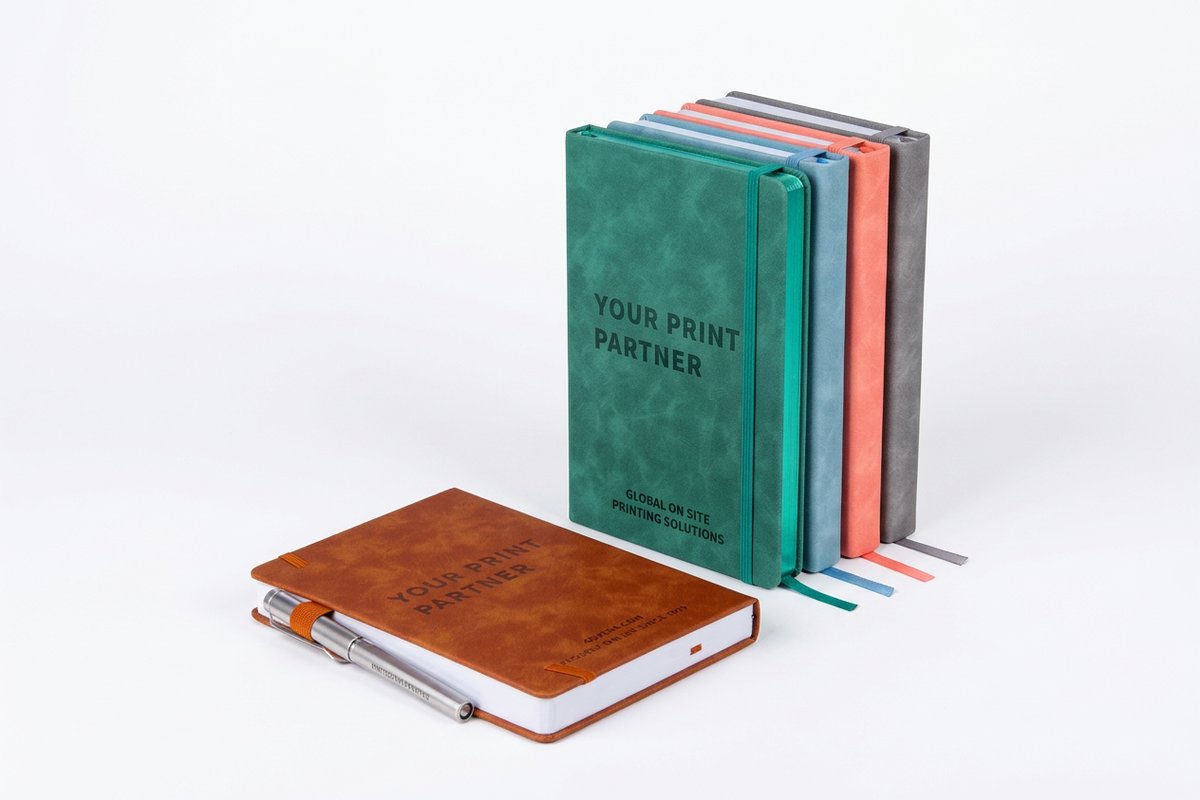
A soft cover journal bends, and that sounds like a small thing until you watch someone slide one into a laptop sleeve, a jacket pocket or a tote on the way out of a conference. The flexible cover is the reason these books get carried, and a book that gets carried keeps your name in somebody's hands for months rather than a single afternoon.
Hard cover books photograph beautifully and then live in a drawer. Soft cover books travel. For corporate gifting and event swag that one difference decides whether your brand turns up in a client meeting in October or gets donated in a box of unused giveaways.
4OVER4.COM has printed more than 10 billion pieces since 1999 for over 150,000 businesses, and the pattern in notebook orders is consistent. Teams that choose a soft cover, a ruling their people genuinely use and a finish that survives a bag come back and reorder. Teams that choose the thickest, glossiest book on the list collect compliments at the event and hear nothing afterward. Start from how the book will be used, not from how it looks in a flat lay.
The flex is the feature
A soft cover folds back on itself, so the writer can hold the book in one hand and write with the other. That posture matters at a trade show booth, on a train and in a standing meeting, which is exactly where notes actually get taken.
Ruling decides daily use
Cover material gets the first reaction. Ruling gets the second year. Give a bullet journal crowd narrow lines and the book stalls out; give a note taker a page of dots and the same thing happens in reverse.
Quantity moves the unit price
Bound books carry setup work that does not change with run length, so the per book number falls hard between a sample order and a real one. Price two or three quantities before you lock the spend.
Decide branding before paper
A debossed mark, a printed cover and a wrap band all pull the cover material in different directions. Settle how the logo lands first, then pick the stock that carries it well.
Closest match
Leather journals, soft and flexible
The bound book most of this article is written about, ready for your ruling and your logo.
Lined, Dotted, Grid or Blank, and Who Each One Suits
Ruling is the single choice people regret most, because it is invisible in the mockup and unavoidable on page one. Lined and dotted cover the vast majority of real use, but the gap between them is wider than it looks. Lines guide handwriting and nothing else. Dots guide handwriting, tables, timelines, sketches and layouts, then disappear under ink.
If the recipients are mixed, split the run. A soft cover dotted journal for the planners and a lined book for the note takers costs the same per unit as one ruling when the covers match, and it doubles the chance the book gets used. For a wider look at the format, our piece on custom printed notebooks and personalized journals walks through binding and page options side by side.
- Lined. The safest default for meeting notes, interviews and journaling. Ask for a wider line spacing when the audience skews toward larger handwriting.
- Dotted. The soft cover bullet journal standard. Dots hold a grid for trackers and habit logs without boxing the page in.
- Grid. Best for engineers, architects and anyone sketching to scale. Heavier on the eye, so keep the dot or line contrast light.
- Blank. For sketchbooks, brainstorming and visual thinkers. Pair it with a slightly heavier interior stock so markers do not ghost through.
- Mixed. A front section lined for notes and a back section dotted for planning, which suits onboarding kits where one book has to do two jobs.
One more thing worth deciding early: how the ruling meets the edge of the page. A ruling that runs corner to corner reads modern and gives writers the whole sheet. A ruling with a visible margin reads classic and leaves room for a printed footer, a page number or a small brand mark that shows up on every spread without shouting.
Print picks
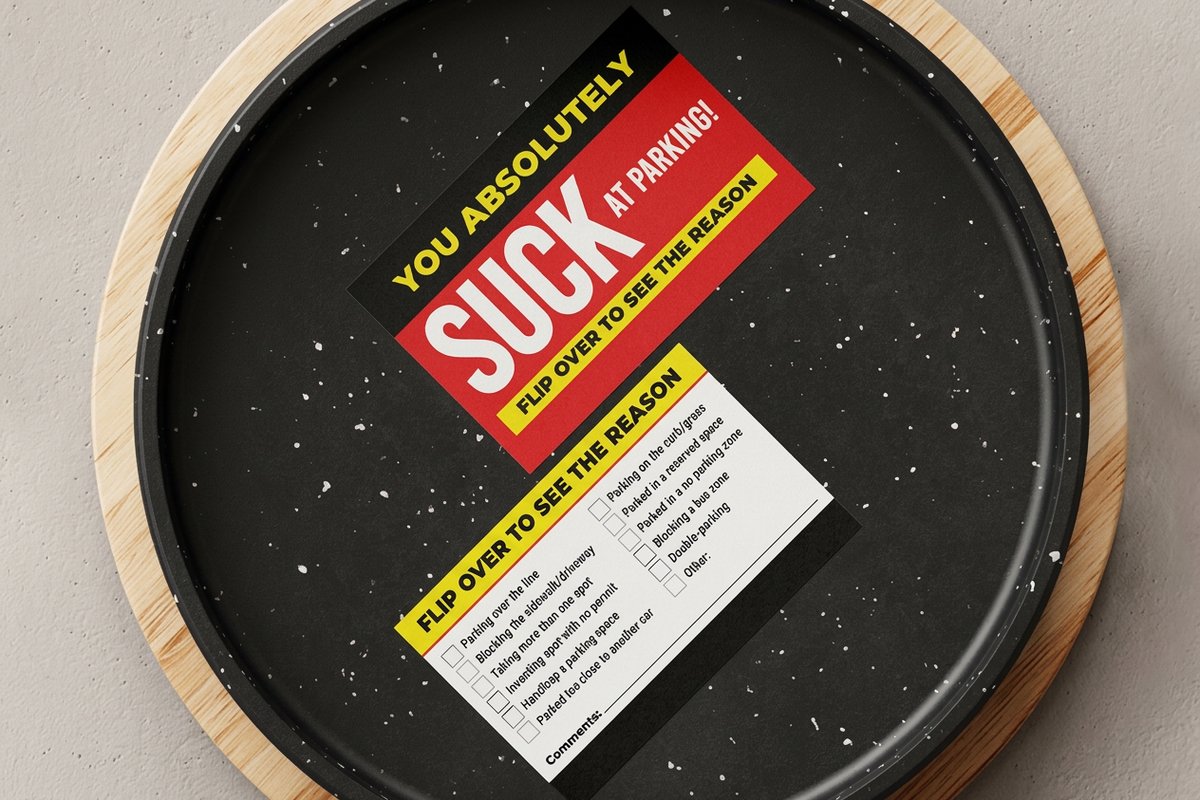
Three pieces that build a journal gift set
Live prices, ready to customize with your cover art and your message.
Sizes, Page Counts and Paper Weight That Get Used
Pocket books get carried and run out of room. Large books hold everything and stay on the desk. The sweet spot for gifting sits in the middle, around the size of a small tablet, because it fits a bag without folding and still gives a full page of writing room.
Page count works the same way. A thin book feels like a pad; a thick one feels like a commitment nobody asked for. Somewhere between one hundred and two hundred pages is enough to last a project cycle, keeps the spine flexible and keeps shipping weight sane when you are mailing a few hundred of them.
- Pocket. Around 3.5 by 5.5 inches. Great for field notes and giveaway volume, tight for anyone who writes in paragraphs.
- Compact. Around 5 by 8 inches. The everyday carry size and the safest single choice for a mixed audience.
- Standard. Around 6 by 9 inches. Room for tables, sketches and meeting notes, still slim enough for a laptop bag.
- Interior stock. Heavier pages take fountain pens and markers without bleeding, and they add real weight, so decide by ink before you decide by feel.
Order one book in each size before you commit to a few hundred. Ten minutes of writing in a real sample settles arguments that a spec sheet never will, and it costs less than one wrong pallet of notebooks nobody opens.
By the numbers
What sits behind a 4OVER4.COM print run
The production record your journal order gets built on.
- 10B+ Print pieces produced, printed since 1999.
- 150,000+ Businesses served, across every industry.
- 60+ Paper types, across the catalog.
- 99.8% On-time delivery, tracked orders.
Cover Materials and Finishes for a Soft Cover
Soft cover does not mean thin card. The category runs from a coated printed cover through textured uncoated stock to leather and leather effect wraps, and each one changes how the book ages. A gift journal spends a year being opened, closed and shoved into bags, so the finish is a durability decision dressed up as an aesthetic one.
Matte and soft touch finishes hide fingerprints and scuff marks and feel expensive in the hand. Gloss makes color photography sing and shows every smudge. Uncoated and kraft stocks look honest and hand made, take a debossed mark beautifully and stain if the book lives near coffee.
- Leather and leather effect. The gift standard. Debossing sinks into the surface and stays legible for the life of the book.
- Soft touch matte. Quietly premium, resists fingerprints and pairs well with a single foil or white logo.
- Printed gloss. The right pick when the cover art is a photograph or a full color illustration that has to stay punchy.
- Uncoated and kraft. Natural and tactile, ideal for sustainability messaging and for brands that lean warm rather than polished.
Branding a Journal Without Wrecking the Cover
The most common branding mistake on a journal is volume. A logo blown across the front turns a personal object into an advertisement, and people leave advertisements at the hotel. A small mark placed low on the cover, or a spine treatment that only shows on a shelf, gets carried into rooms your sales team never reaches.
Restraint pays inside the book too. A single branded page at the front, a light footer on each spread and a closing page with contact details is plenty. If your artwork lives in a design tool, our walkthrough on how to print your Canva designs covers exporting cover files that hold their color and sharpness on press.
- Deboss. Pressed into the cover with no ink, so the mark reads as texture. The most understated and the most durable option.
- Foil. A metallic mark that catches light. Keep the artwork simple, because fine hairlines fill in on textured stocks.
- Full color print. The right call for illustrated covers, seasonal art or campaign specific runs.
- Belly band. A printed wrap that carries the loud messaging and comes off, leaving a clean book behind.
Quantity and price
Leather journal pricing and specifications
Real configurator numbers. The more books you order, the lower each one lands.
| Quantity | Price Per Unit | Total |
|---|---|---|
| 1 | $10.00 | $10.00 |
| 2 | $10.00 | $20.00 |
| 3 | $10.00 | $30.00 |
| 4 | $10.00 | $40.00 |
| 5 | $10.00 | $50.00 |
| 6 | $10.00 | $60.00 |
Corporate Gift Sets That Feel Considered
A journal alone is a nice object. A journal with a written note is a gesture. The difference costs a few dollars and changes how the whole package reads, which is why the strongest corporate gift sets pair the book with a printed card and a matching printed insert rather than another branded pen.
Onboarding kits, client thank you sets and executive gifts all follow the same recipe. One well made soft cover journal, one card carrying a real sentence from a real person, and one printed piece that ties the set to the moment. For more pairings built from paper, see our roundup of corporate gift ideas made from paper.
- New hire kits. Journal, welcome card and a printed first week guide, waiting on the desk before day one.
- Client thank you sets. A leather journal with a debossed mark and a handwritten card, sent after a project closes rather than in December.
- Executive gifts. One book, one card, no clutter. Spend the budget on the cover material and the paper weight.
- Team milestones. A dated cover print for the launch or anniversary, so the book carries the story as well as the logo.
Complete the set
Ready made prints
Matching printed pieces that put the journal inside a story instead of on its own.
Event Swag That Survives the Ride Home
Conference tables are a graveyard of good intentions. The test for event swag is simple: does it fit in the bag, does it survive the flight, and does anyone reach for it in the week after. A soft cover journal clears all three, which is why it outlasts almost everything else on the table.
Give people a reason to open it at the booth. A printed first page with the session schedule, a prompt, or a place to write down one takeaway gets the book used before it goes in the bag, and a used book rarely gets thrown away. If you are weighing this against a big name supplier, our comparison of custom branded notebooks and journals lays out the tradeoffs.
- Keep the size travel friendly. Compact books fit a carry on. Large books get abandoned at the hotel desk.
- Print a use case on page one. A prompt, a schedule or a checklist starts the habit at your booth.
- Bring two rulings. Letting people pick lined or dotted takes a second and doubles the perceived value.
- Order a buffer. Ten percent over your headcount covers walk ups, staff copies and the ones that get damaged in transit.
Add the note
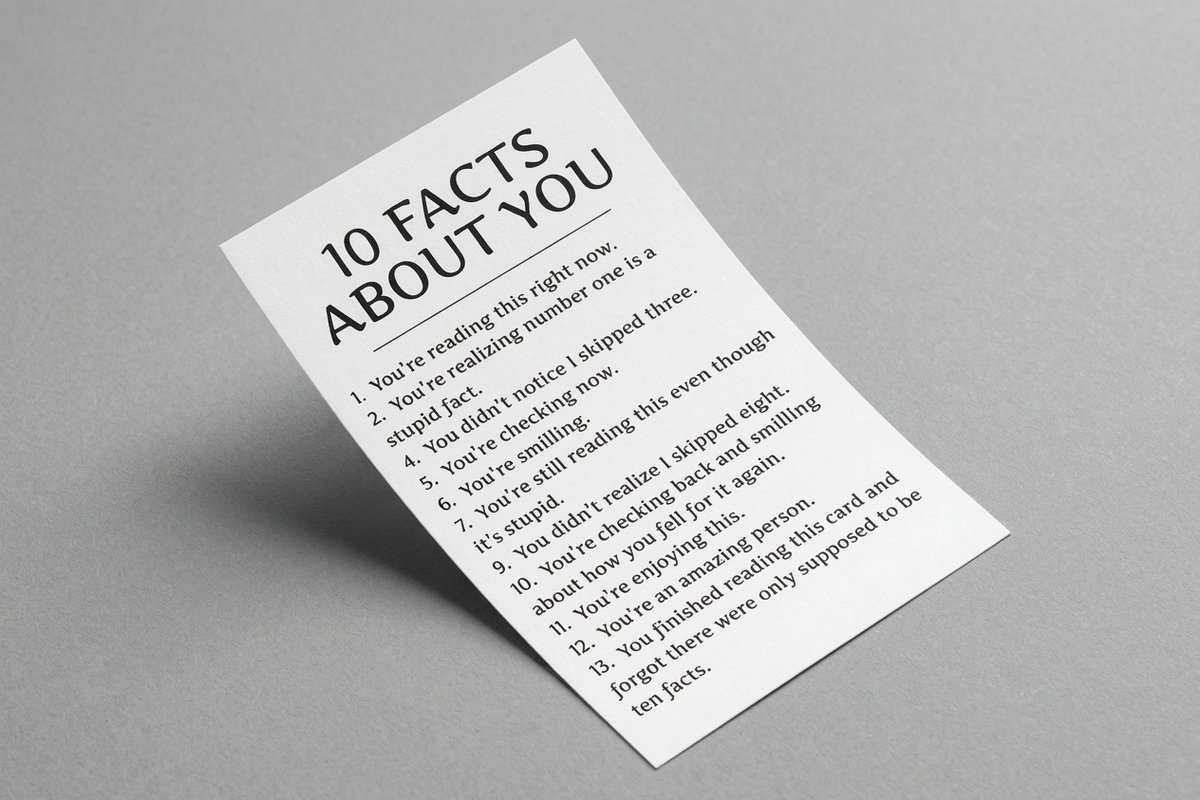
Ready made cards
A printed card tucked inside the cover is what turns branded stock into a gift somebody keeps.
Soft Cover Versus Hard Cover, and When to Pay Up
Hard cover wins on shelf presence and on protecting pages in a crowded bag. Soft cover wins on price, on weight, on shipping cost and on how often the book actually gets opened. For volume gifting and events, soft cover is the better default by a wide margin.
Move up to hard cover when the book is the whole gift rather than part of a set, when it will sit on a desk as a reference, or when the recipient list is short enough that the per unit jump barely moves the total. Everywhere else, put the saved budget into better interior paper and a nicer printed card.
- Choose soft cover for event swag, onboarding kits, workshop materials and any run over a couple of hundred units.
- Choose hard cover for executive gifts, anniversary editions and books meant to be kept on a shelf for years.
- Shipping. Soft cover books weigh less and pack tighter, which shows up immediately on a bulk mailing.
- Repairability. A creased soft cover reads as well loved. A dented hard cover corner just reads as damaged.
Compare finishes
Printed cards for the gift set, side by side
Stock, finish, size, quantity, turnaround, and price for the card that rides along with the journal.
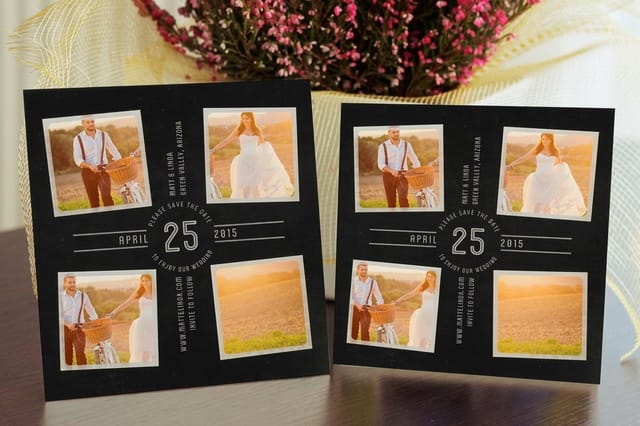 Save the Date Cards | 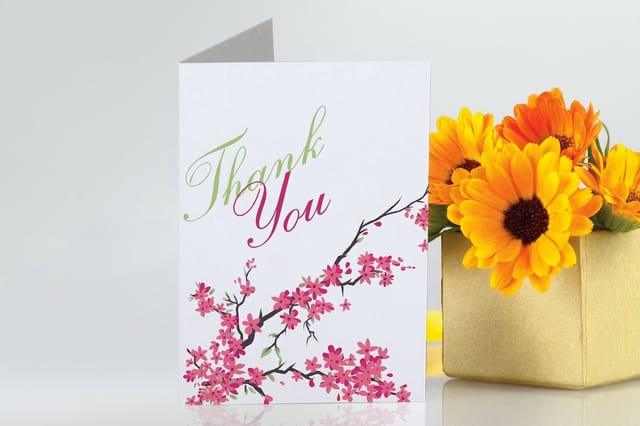 Greeting Cards | 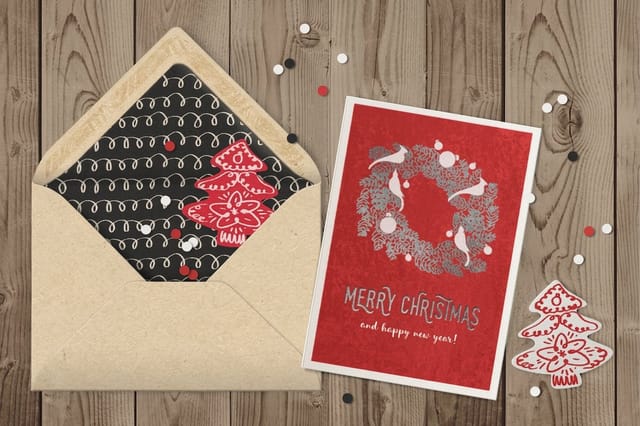 Velvet Greeting Cards | 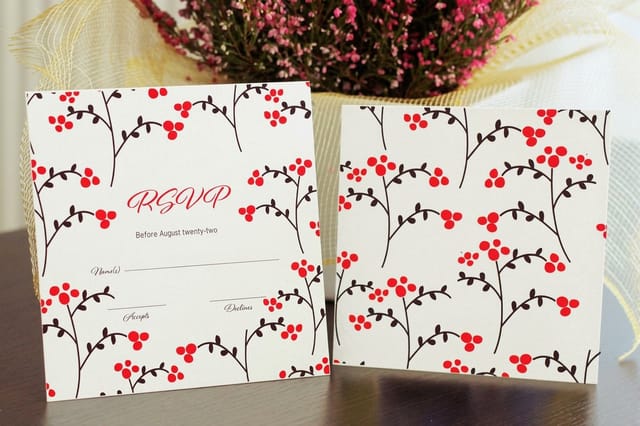 Response Cards | |
|---|---|---|---|---|
| Min price | $19.77 | $56.02 | $617.67 | $19.77 |
| Paper / stock | 14pt Gloss Cover | 14pt Gloss Cover | 16 Point Soft Velvet Laminated | 14pt Gloss Cover |
| Finish | Standard Finish | Standard Finish | - | Standard Finish |
| Size | 4.25" x 5.5" | 8.5" x 5.5" fold to 4.25" x 5.5" | 10" x 7" scored to 5" x 7" | 4.25" x 5.5" |
| Default qty | 25 | 50 | 500 | 25 |
| Turnaround | 5 business days | 5 business days | 7 business days | 3 business days |
| Rating | ||||
| View & customize | View & customize | View & customize | View & customize |
Files, Templates and Getting Them Printed on Time
Journals fail at the file stage more often than at the press. Covers wrap around a spine, so artwork that looks centered in a flat layout can drift once the book is bound. Build the cover as one spread, keep the logo away from the spine and the trim edges, and let the background run past the trim so nothing shows a white sliver.
Send press ready PDFs with fonts embedded and images at full resolution, and add extra bleed on any cover that carries a photograph across the whole surface. Approve the proof carefully, because a bound run cannot be partly reprinted the way a stack of flat cards can.
Before you approve the proof
- Check the spine. Confirm nothing important sits within a quarter inch of the fold on either side.
- Check the ruling. Open a sample and write a paragraph. Line spacing is impossible to judge on screen.
- Check the color. Deep blues and blacks shift on uncoated stock, so ask for a printed sample when the cover is dark.
- Check the date. Bound books take longer than flat print, so back the deadline up from the event, not from the order date.
Start fast
Templates and print-ready blanks
Free layouts plus exact-size blanks so your cover and insert artwork lands inside the trim.

Wally sorts out lined versus dotted
Pick the ruling first, then the cover, then the quantity
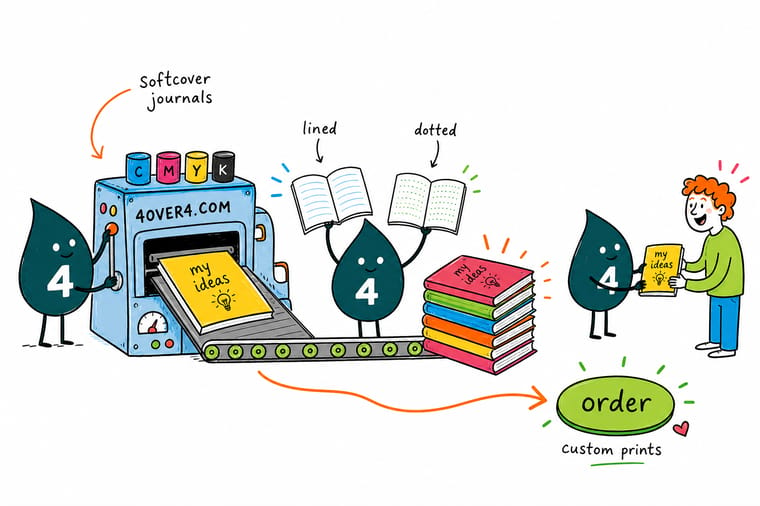
Stuck between lined and dotted? Ask what the book has to do. Lines guide handwriting and nothing else, which suits meeting notes and interviews. Dots guide handwriting plus tables, trackers and sketches, then vanish under ink, which is why bullet journal users insist on them. If your recipients are mixed, run both rulings under one cover design. Then size the book to a bag, keep the logo small, and price two quantities before you commit.
Design your soft cover journals →What to Lock In Before You Order
Keep reading
Guides that pair with a journal order
Formats, artwork prep, and gift set thinking, each one a short read.
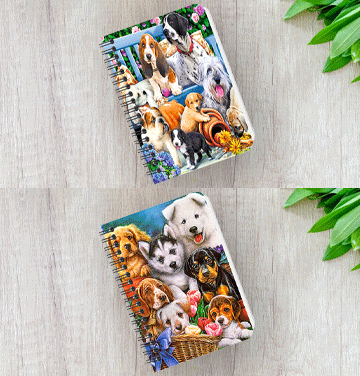 Guide Custom Printed Notebooks and Journals Binding, page counts and cover options compared side by side.
 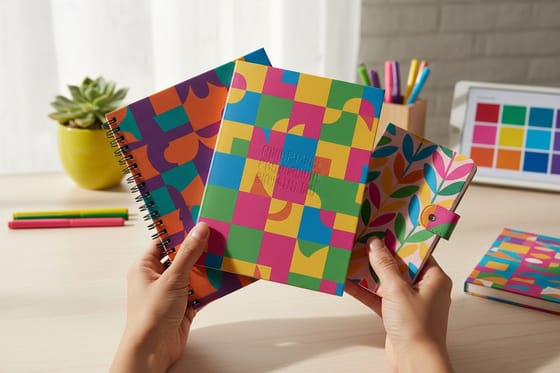 Guide Custom Branded Notebooks Compared How the big name notebook suppliers stack up on stock and price.
  Guide Corporate Gift Ideas Made From Paper Five printed gift sets that feel considered instead of generic.
  Guide How to Print Your Canva Designs Export cover artwork that holds its color and sharpness on press.
 Explore more
More ways to build a printed gift set
Related pages across 4OVER4.COM, one card for each kind of page.
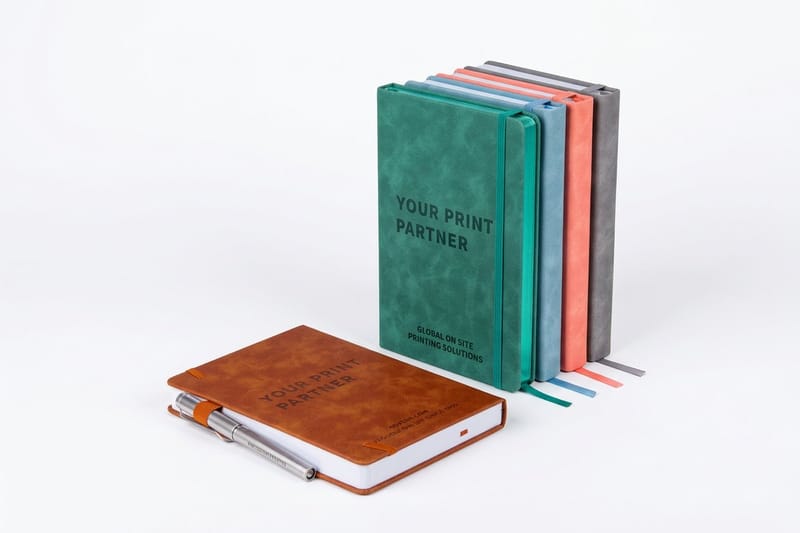 Product Leather Journals The flagship soft bound book, ready for a debossed or printed mark.
 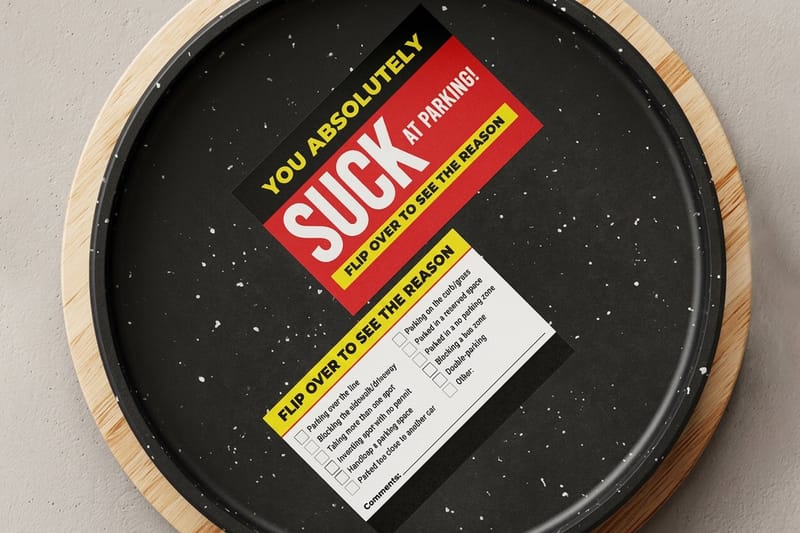 Product Ready Made Cards Printed cards that turn a journal into a finished gift set.
 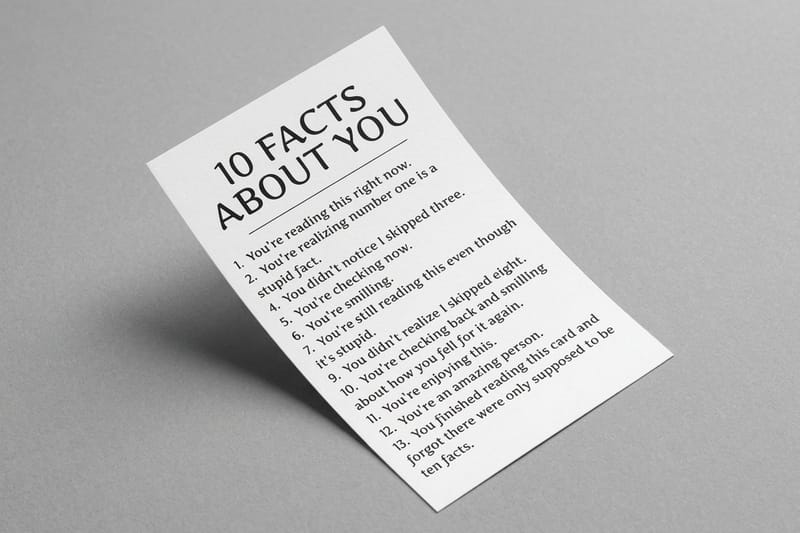 Product Ready Made Prints Matching printed pieces for the welcome desk or swag table.
 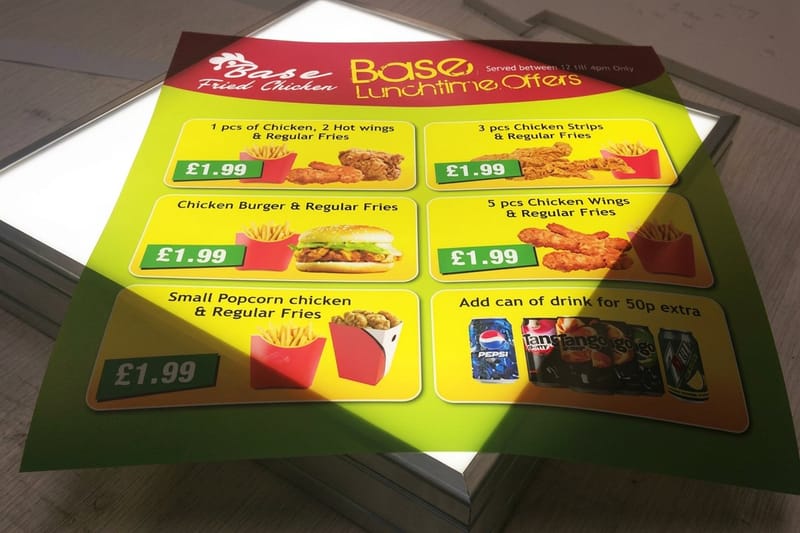 Alternative Does Canva Mail Postcards What design tools actually mail, and what a printer handles better.
  Article Free Business Card Design Tools Five tools for brand artwork, and the fastest one to start with.
 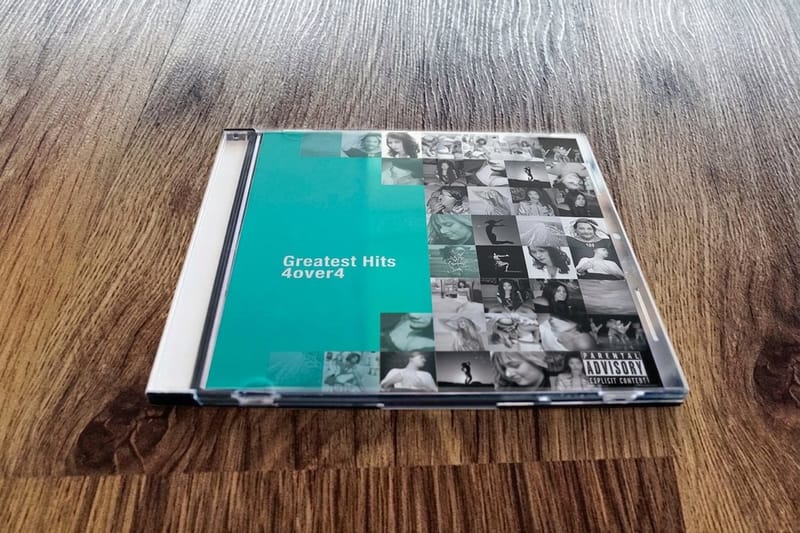 Article Iconic 1990s Album Cover Designs Cover art lessons worth stealing for a journal front.
  Article How Holographic Stickers Are Made A finish that pairs well with a plain cover and a bold mark.
 Ready to print journals people will actually carry?
Choose your ruling, pick a cover that survives a bag, keep the branding quiet, and add a printed card so the book arrives as a gift rather than as leftover conference stock.
Soft Cover Journal Questions, Answered
What is a soft cover journal?
A soft cover journal is a bound notebook whose cover is flexible card, textured stock, leather or a leather effect wrap rather than rigid board. The cover bends with the book, so it folds back for one handed writing, packs flat in a bag and weighs less to ship. Interiors come lined, dotted, grid or blank, which is what really decides who will use the book. For a wider look at formats and bindings, see our guide to custom printed notebooks and personalized journals.
How do I choose the right soft cover journal?
Work backwards from the writer. Note takers and interviewers want lines. Planners, habit trackers and bullet journal users want dots. Engineers and anyone sketching to scale want a grid, and visual thinkers want blank pages. Then pick a size that fits a bag rather than a desk, around 5 by 8 inches for a mixed audience, and choose a cover finish that survives being carried. If your recipients are genuinely split, order two rulings under the same cover design and let people pick.
What do soft cover journals cost and how are prices set?
Leather Journals at 4OVER4.COM start at $10.00 per book. The final number depends on quantity, cover material, page count, interior stock and the branding method you choose, with deboss and foil priced differently from full color cover printing. Bound books carry setup work that does not change with run length, so the price per unit falls noticeably as quantity rises. Price two or three quantities in the configurator before you commit, because the break points are often closer than people expect.
What sizes, stocks and finishes are available for soft cover journals?
Sizes run from pocket books around 3.5 by 5.5 inches up to standard books around 6 by 9 inches, with page counts that typically land between one hundred and two hundred pages. Covers include leather and leather effect wraps, soft touch matte, printed gloss and uncoated or kraft stocks. Interiors can be lined, dotted, grid, blank or mixed, and heavier interior paper is worth specifying if your audience writes with fountain pens or markers.
How long does printing and shipping take for soft cover journals?
Bound books take longer than flat printed pieces because the covers, interiors and binding are separate production steps. Plan on a production window plus transit, and back your deadline up from the event date rather than the order date. Approve the proof quickly, since a bound run cannot be partly reprinted the way a stack of cards can. If a date is tight, ask about production options before you order rather than after, and keep the cover artwork simple so proofing moves fast.
