
Vinyl Letters for Boats, Cars, and Walls That Stay Put


How Custom Vinyl Lettering Is Made and Applied
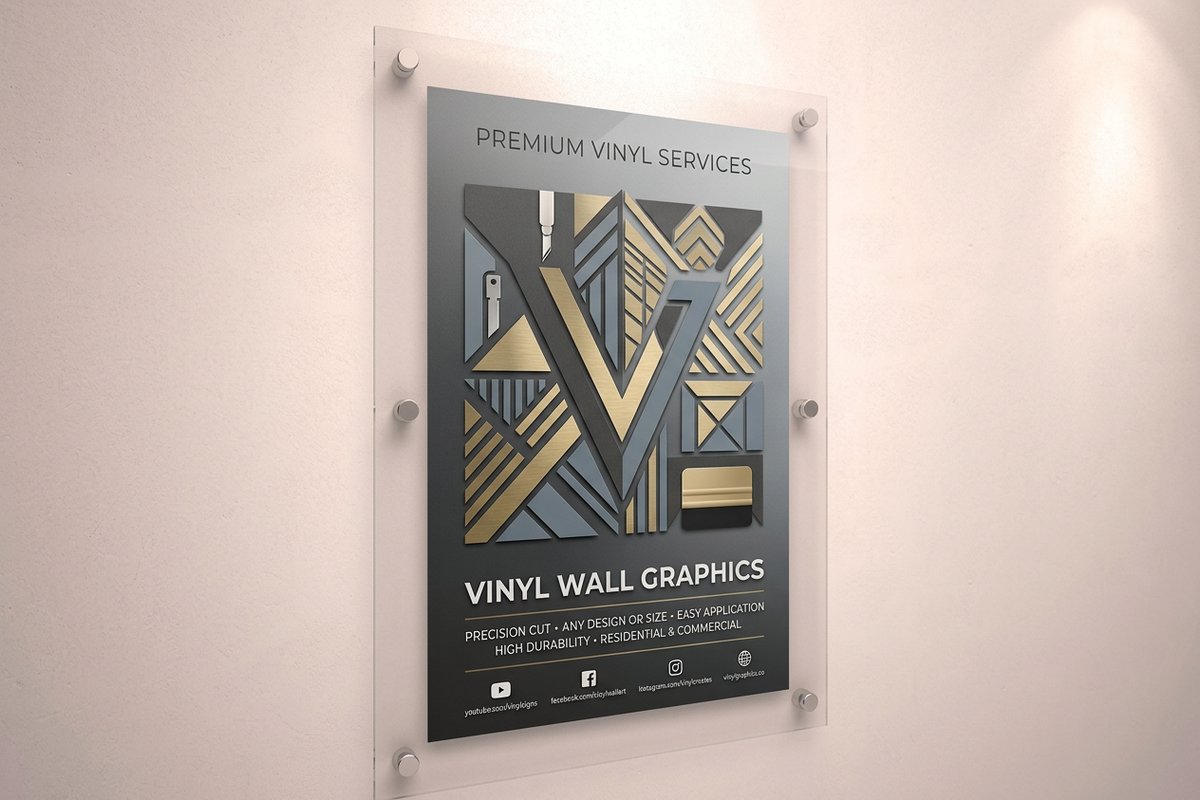
Vinyl lettering is the simplest form of signage and the least forgiving one. There is no border, no background, no panel edge to hide behind. Every letter sits directly on the boat hull, the van door, the storefront glass, or the office wall, so spacing, weight, and adhesion are the whole job. Get those three right and the text looks painted on.
The film itself is thin, pressure sensitive, and backed with adhesive that grabs harder over the first day or two. Letters arrive already cut or printed and trimmed, held in position on a paper carrier by a layer of transfer tape so the whole line moves as one piece instead of forty loose shapes.
4OVER4.COM has printed for more than 150,000 businesses since 1999, and lettering orders fail for the same handful of reasons every time: a surface that was never truly clean, a font too thin to survive weeding, letters sized for a phone screen instead of a parking lot, and an install done in the cold. The four steps below remove all four failure modes before your file ever hits the cutter.
Step 1: match the material to the surface
A hull, a curved van panel, and a matte interior wall want three different films. Ask what the surface is made of, whether it flexes, whether it lives outdoors, and how long the lettering has to stay. That answer picks the product before anything else.
Step 2: build the file as clean outlines
Convert type to outlines, keep counters open, and avoid hairline strokes that tear during weeding. Vector art in a single spot color cuts cleanly. Printed lettering can carry gradients, but the cut path still needs one closed contour per letter.
Step 3: position with tape, not with hope
Level the line, mark it with low tack tape, and hinge the piece down the middle. Hinging lets you check alignment twice, peel one half at a time, and keep the second half flat while the first goes down.
Step 4: squeegee, peel slow, and let it cure
Work from the hinge outward in overlapping strokes, then pull the transfer tape back on itself at a sharp angle instead of straight up. Give the adhesive a day before washing, driving through rain, or launching the boat.
Shop the format
Custom printing collection
Lettering, decals, wall graphics, and every other made to order format in one place.
Where Vinyl Lettering Earns Its Place
Lettering wins wherever a full sign would be too heavy, too permanent, or too expensive. It turns a blank glass door into a storefront, a plain van into a service fleet, and an empty conference room wall into something that looks designed. Because it is cut or trimmed to the shape of the letters, the surface underneath keeps showing through, which is why it reads as part of the object rather than something stuck onto it.
The three formats below cover almost every request that comes in. Vinyl Wall Graphics handle interior text and window work, Adhesive Wall Fabric takes the walls that fight back, and Aluminum Wall Graphics step in when the lettering needs its own rigid body.
- Boat hulls and transoms. Vessel names, hailing ports, and registration numbers that face salt spray and constant sun.
- Vehicles. Company name, phone, service list, and DOT numbers on doors, tailgates, and rear glass.
- Storefront windows. Hours, offerings, and the logo at eye height where people already look.
- Office and studio walls. Values, room names, wayfinding, and oversized quotes behind a reception desk.
- Events and trade shows. Booth numbers, sponsor names, and floor callouts that come down in minutes.
One habit separates good lettering from the kind that gets scraped off in a month: decide the viewing distance first. A vessel name read from another slip, a van door read at a traffic light, and a wall quote read from six feet away all need different cap heights and different stroke weights. Everything else in this article follows from that single measurement.
Print picks
Three lettering formats worth comparing
Live starting prices, each one built to your dimensions.
Vinyl Wall Graphics From $25 Cut or printed adhesive film for names, quotes, hours, and wayfinding text.  Adhesive Wall Fabric From $25 Repositionable fabric that handles textured walls and comes down clean later.
 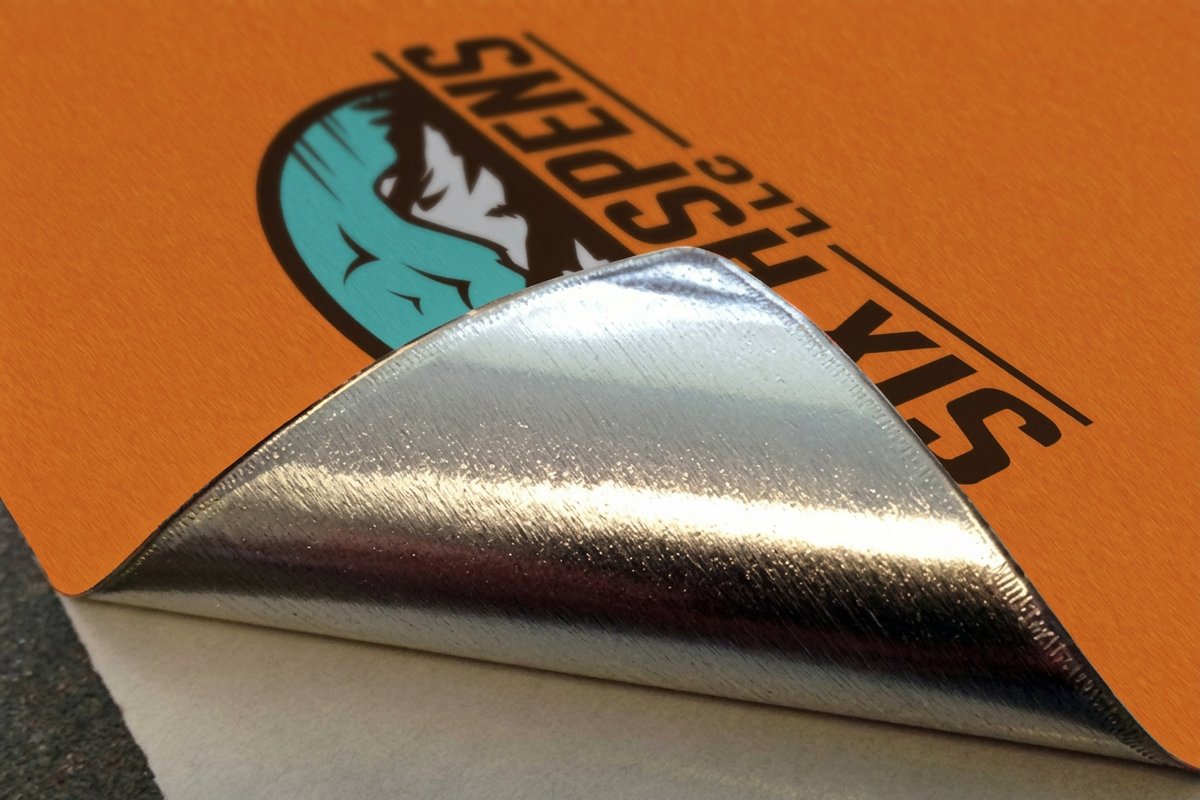 Aluminum Wall Graphics From $29 Rigid metal panels when lettering has to survive hallways, docks, and weather.
 Boat Lettering That Survives Salt, Sun, and Speed
Marine lettering is the harshest test a piece of adhesive film will face. It gets sun from above and reflected sun from the water, constant salt, pressure washing, dock rash, and the flex of a hull moving through chop. That combination punishes thin films and cheap laminates, which is why boat lettering is worth over specifying rather than saving five dollars on.
Layout matters as much as material. Transom names usually sit centered above the waterline with the hailing port set smaller underneath, while port and starboard names follow the sheer line so they look level when the boat sits in the water rather than on a trailer. Registration numbers carry their own rules from your state boating authority, and those rules cover height, color contrast, and spacing, so confirm them before you approve the proof.
- Wipe the hull with a wax and grease remover, not household cleaner. Wax is the number one cause of lettering that lifts.
- Apply on a dry day above 50 degrees Fahrenheit, in shade if you can, because hot gelcoat makes adhesive grab too fast.
- Follow the sheer line by eye, then check with a level. A perfectly horizontal name looks wrong on a curved hull.
- Keep registration numbers as a separate piece so a renewal never means reprinting the vessel name.
- Wait a full day before launching, and skip the pressure washer near the edges for the first couple of weeks.
Car and Truck Lettering for Working Vehicles
A lettered work vehicle is the cheapest advertising a local business owns. It parks in front of the job all day, drives the same neighborhoods every week, and costs nothing after the install. The catch is that a moving sign gets read in about three seconds, so restraint beats detail every single time.
Give the door one dominant line, usually the business name, then a phone number or web address at roughly half that height, then the service list only if there is room left. Rear glass and tailgates are where phone numbers actually get read, because that is the panel drivers stare at while stopped. Magnets stay a fair alternative for shared vehicles, and the tradeoffs between the two are covered in our car magnets comparison.
- Measure the flat area of the panel, then subtract for body lines, handles, and trim. Letters should never bridge a deep crease.
- Skip scripts and thin serifs. At 40 miles per hour, a bold sans with open counters is the only thing that still reads.
- Choose a color that fights the paint. White on dark, black on light, and no mid tone on mid tone.
- Keep the phone number one size larger than instinct suggests, because it is the only element that has to be memorized.
Install on a clean, cool, shaded panel, and do the two doors on the same day so both sit at the same height from the ground. Marking that height once with tape and reusing the measurement is what makes a two van fleet look like a real company instead of two separate jobs.
- Wash, dry, then wipe with isopropyl alcohol so no soap film is left behind.
- Hinge vertically down the middle of the layout and work outward from the center.
- Poke tiny bubbles with a pin and press them flat rather than lifting the letter to redo it.
Wall Vinyl Lettering for Offices, Studios, and Homes
Interior lettering is the fastest way to make a room look finished. A single line of large text on the wall behind reception does the work of a framed print, a sign, and a paint job at once, and it removes cleanly when the lease ends or the message changes. That last part matters more than most people expect, because interior copy changes far more often than exterior copy.
Two variables decide the outcome. The first is the paint. Fresh paint needs to cure for a few weeks before anything adhesive touches it, and flat or matte finishes hold less firmly than eggshell or satin. The second is texture. Anything beyond a light orange peel starts to defeat flat film, and that is exactly where Adhesive Wall Fabric takes over, because it conforms to the surface and repositions while you fine tune the line.
- Reception walls. One oversized statement line, cap height sized for a viewer standing six to ten feet away.
- Conference rooms. Room names and short values text, positioned above furniture so nothing blocks it.
- Retail and studios. Hours, policies, and social handles near the door where people pause anyway.
- Home offices. A name, a quote, or a wall calendar grid that gets replaced without repainting.
Quantity and price
Vinyl wall graphics pricing and specs
Real configurator numbers. Size, material, and quantity move the total.
| Quantity | Price Per Unit | Total |
|---|---|---|
| 1 | $25.00 | $25.00 |

Finish and Material Options That Change How Long Letters Last
Finish is not only a look. Gloss reflects, which makes color pop outdoors but can throw glare across an interior wall lit by downlights. Matte absorbs light and photographs well, which is why studios and offices default to it. On glass, a frosted or etched look gives privacy while still letting daylight through, and it hides fingerprints far better than gloss ever will.
Material is the durability half of the decision. Film pressed to a wall or hull is the lightest and cheapest option, fabric handles texture and repositioning, and a rigid aluminum panel takes abuse that no adhesive film will survive. Match the material to how long the message has to live, not to how long you hope it will.
- Short term interior. Cut or printed vinyl film, easy to change out when the message does.
- Textured or delicate walls. Adhesive fabric, because it conforms and lifts without stripping paint.
- Outdoor, high traffic, or wet. Rigid aluminum panels mounted rather than adhered.
- Glass. Frosted or white cut lettering, applied first surface unless you specifically need reverse reading.
Toughest option
Aluminum wall graphics
A rigid panel for lettering that has to take weather, docks, and daily contact.
The Transfer Tape Install, Step by Step
Transfer tape is the whole reason a forty letter line can be applied as accurately as a single decal. The letters arrive sandwiched between a paper backing and a low tack tape that holds their exact spacing. You remove the backing, place the tape, then remove the tape and leave the letters behind. Every mistake in this process comes from rushing one of those three moves.
Work with a squeegee, a spray bottle, masking tape, and a helper for anything longer than about three feet. Dry application is stronger and faster. Wet application, a light mist of water with a drop of soap, buys you repositioning time and is the safer choice for a first install or a long line on glass.
- Clean. Wash, dry, then wipe with isopropyl alcohol. Skip anything that leaves conditioner or wax behind.
- Position. Tape the piece in place, step back, check the level, and adjust before anything is peeled.
- Hinge. Run a strip of masking tape down the center or across the top so the piece cannot shift.
- Peel and press. Remove the backing on one half, cut it away, and squeegee from the hinge outward.
- Remove the tape. Pull it back at a sharp angle, slowly. If a letter lifts, lay the tape back down and press again.
- Cure. Give it 24 hours before washing, and longer before pressure washing or highway speeds.
If a bubble survives the squeegee, pierce it with a pin at one edge and push the air toward the hole. Never lift a letter to fix it once the adhesive has grabbed, because the film stretches and it will never sit flat again.
Forgiving install
Adhesive wall fabric
Repositions while you align the line, conforms to texture, and comes down without taking paint.

Sizing, Fonts, and Spacing That Read From Across the Lot
Legibility follows a rule signmakers have used for decades: roughly one inch of cap height for every ten feet of viewing distance, and more if the reader is moving. A wall quote read from eight feet away can live at one inch. A van door read from thirty feet needs three inches minimum, and a transom read across a marina needs a lot more than most people first sketch.
Font choice is the other half. Vinyl is cut or trimmed, so anything thinner than about a sixteenth of an inch becomes fragile during weeding and application. Bold and semibold sans faces with open counters survive best. If a script is part of your brand, keep it for the name only and set every functional line, the phone number and the address, in something plain.
- Letter spacing should open up as size increases, because tight tracking that looks right on screen closes up on a wall.
- Leave a margin of at least one cap height between the text and any edge, seam, or body line.
- Test the whole layout by printing it at scale on paper and taping it in place before you approve the file.
- Two colors is the practical ceiling for cut lettering. Beyond that, printed vinyl is the better tool.
Compare finishes
Popular adhesive formats, side by side
Material, finish, size, quantity, turnaround, and price in one view.
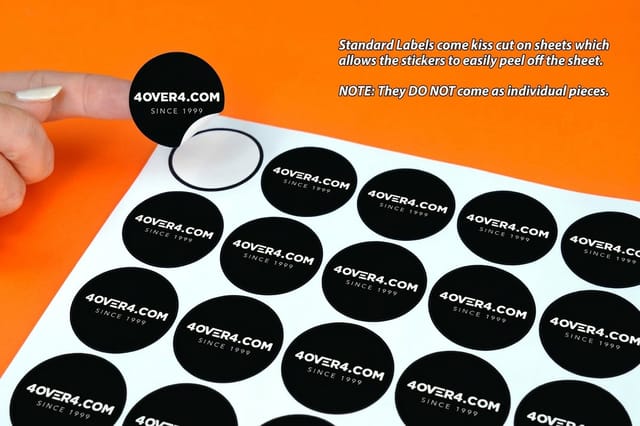 Standard Stickers | 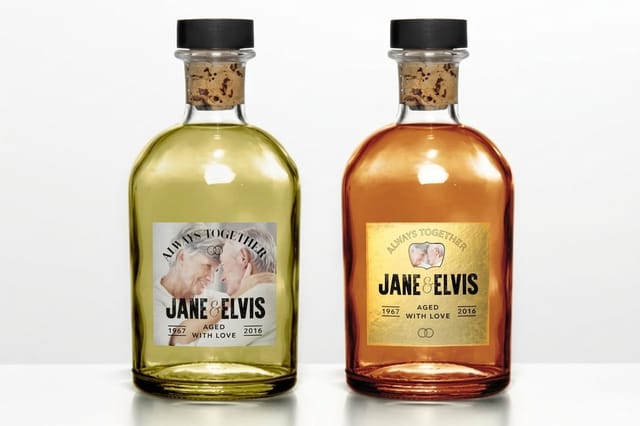 Premium Stickers | 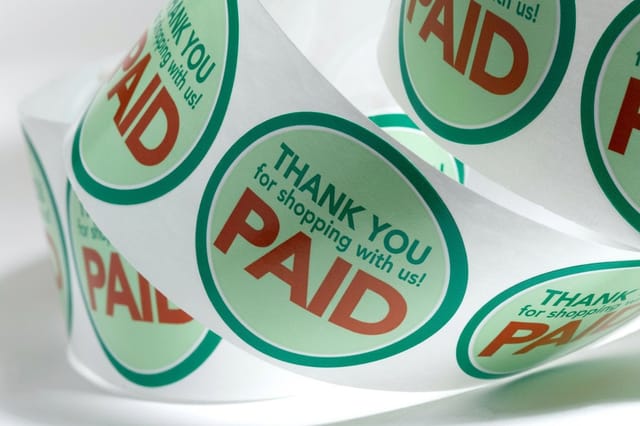 Roll Sticker | 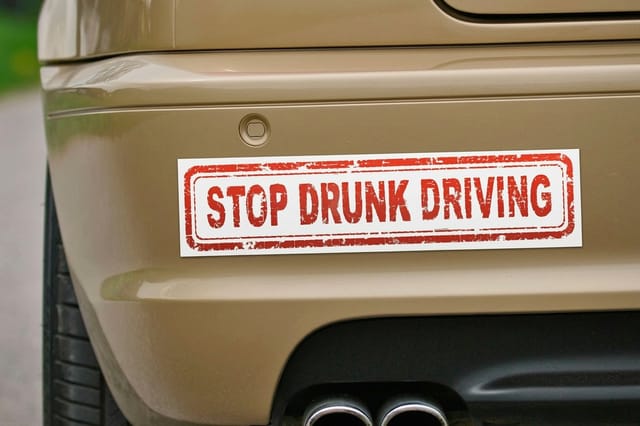 Bumper Stickers | |
|---|---|---|---|---|
| Min price | $23.88 | $29.16 | $322.98 | $38.44 |
| Paper / stock | Standard Uncoated Label | Uncoated Label | White Gloss (Indoor) | White Vinyl Permanent |
| Finish | - | - | - | UV Coating |
| Size | .5" Circle | 3" x 5" | 1" x 1" | 2" x 5" |
| Default qty | 25 | 25 | 100 | 25 |
| Turnaround | 3 business days | 3 business days | 6 business days | 5 business days |
| Rating | ||||
| View & customize | View & customize | View & customize | View & customize |
Files, Colors, and Ordering Without a Reprint
Most lettering reprints trace back to the file, not the film. Send vector artwork, convert every piece of type to outlines, and remove stray points and open paths that a cutter will read as extra shapes. If the design is printed rather than cut, keep it in CMYK and build in a small bleed only where a shape is meant to run to an edge.
Set the finished dimensions in inches at full size, not scaled, so nothing has to be interpreted. If you are combining lettering with other custom pieces, the same file discipline applies across the board, and our complete lettering and numbers guide walks through file setup in more depth. Turnaround and price both update live in the configurator as you change size, material, and quantity, so you can see the effect of every decision before you commit.
A short pre flight list
- Outlines, not fonts. Missing fonts are the single most common cause of a delayed proof.
- One color per cut layer. Name the layers so nothing gets guessed at.
- Real size, real units. Build the file at final dimensions in inches.
- Proof at scale. Print on paper, tape it up, and look at it from the actual viewing distance.
Start fast
Templates and print-ready blanks
Free layouts plus exact-size blanks so your lettering file lands at the right dimensions.
Wally makes your letters land straight
The right material for the surface, then a clean install that holds
Vinyl lettering only looks hard because there is nothing to hide behind. Pick the material from the surface, size the cap height from the viewing distance, clean with alcohol rather than soap, and hinge the piece with masking tape so you can check the line twice before anything is peeled. Squeegee from the hinge outward, pull the tape back at a sharp angle, and give the adhesive a day.
Design your vinyl lettering →What to settle before you order lettering
Explore more
More adhesive print across 4OVER4.COM
Related pages worth a look, one card each.
 Collection Custom Printing Collection Every made to order format under one roof.
  Product Vinyl Wall Graphics Adhesive film lettering for walls, glass, and smooth panels.
  Product Adhesive Wall Fabric Repositionable fabric for textured and delicate walls.
  Product Aluminum Wall Graphics Rigid panels when film is not tough enough.
  Guide Lettering and Numbers Guide The complete walkthrough from file to finished wall.
  Article Cut Vinyl Graphics Where cut vinyl beats printed vinyl and where it does not.
  Guide Custom Sticky Notes Small adhesive print that suits desks and handouts.
  Alternative 4OVER4 vs Staples Stickers How the two compare on adhesive print quality.
  Alternative 4OVER4 vs Vistaprint Magnets Magnets or lettering for a work vehicle.
  Article DIY Custom T Shirts Another transfer method, this time on fabric.
  Article Branded Office Supplies Extend the branding past the wall lettering.
  Article Custom Business Tape Adhesive branding for everything that leaves the door.
 Keep reading
Guides that pair with vinyl lettering
File setup, material choices, and neighboring adhesive formats.
Vinyl Lettering and Numbers Guide File setup, sizing, and material choices in full detail. Cut Vinyl Graphics Explained How cut vinyl differs from printed vinyl, and when to use each. How to Make Custom Sticky Notes A low commitment adhesive format for desks and giveaways. Branded Office Supplies Carry the wall lettering look across the rest of the office. Ready to put your name on the hull, the van, or the wall?
Pick the material that matches the surface, set your exact size in inches, and see the price update live before you order.
Vinyl lettering questions, answered
What is vinyl lettering printing?
Vinyl lettering is adhesive film that has been cut or printed and trimmed into individual letters, then held in position by transfer tape so an entire line applies as one piece. There is no background panel, so the surface underneath shows through and the text reads as part of the wall, glass, hull, or vehicle door. It is used for boat names, vehicle identification, storefront hours, and interior wall text. See cut vinyl graphics for the deeper comparison.
How do I choose the right vinyl lettering for my project?
Start with the surface and the lifespan. Smooth interior walls, glass, and painted metal take vinyl film. Textured or freshly finished walls do better with adhesive fabric, which conforms and repositions. Anything outdoors, wet, or in a high contact area is safer as a rigid aluminum panel. Then set cap height from the viewing distance, because a size that reads on a desk will disappear across a parking lot or a marina.
What does vinyl lettering cost and how are prices set?
Price is driven by material, finished square footage, quantity, and finish rather than by letter count. At 4OVER4.COM, Vinyl Wall Graphics and Adhesive Wall Fabric both start at $25, and Aluminum Wall Graphics start at $29. Larger sizes and rigid substrates cost more, and unit price drops as quantity rises, which is why fleets and multi room installs are worth ordering together. The configurator shows live totals as you change each option.
What sizes, materials, and finishes are available for vinyl lettering?
Sizes run from small door decals to oversized wall statements, built to your exact dimensions in inches rather than fixed presets. Material options include adhesive vinyl film, adhesive wall fabric for textured surfaces, and rigid aluminum panels for demanding locations. Finishes cover gloss for outdoor color punch, matte for glare free interiors, and frosted looks on glass. Full option lists sit on each Vinyl Wall Graphics product page.
How long does vinyl lettering take to print and ship?
Turnaround depends on the material, the size, and the quantity, and every product page shows the available production speeds with live pricing before you check out. Rigid aluminum panels take longer than adhesive film because they are cut and finished as physical substrates. Build in an extra day for shipping to your install address, and remember the adhesive itself needs about 24 hours on the surface before washing or heavy use.
