
Custom Round Stamps for Logos and Seals


How a Logo Becomes a Clean Round Stamp Impression
A round stamp is the smallest piece of brand equipment most businesses will ever buy, and it is also the least forgiving. The die is a shallow circle of rubber or polymer, and everything you want it to say has to survive being pressed into paper with ink that spreads on contact. Logos that look razor sharp on a screen come back as a gray smudge.
Design for the impression, not for the artwork. A stamp lays down one flat color at whatever thickness the pad delivers, so hairlines close up, thin serifs fill in, and gradients turn to mud. What survives is bold line work, open counters inside the letters, and honest breathing room between the outer ring and the mark in the middle.
The circle earns its place because it reads as official before anyone reads a word. People already associate a ring of type with seals, notary marks, certifications, and stamps of approval, so a logo set inside one inherits that authority for free. That is why bakeries, clinics, law offices, and one person studios all reach for a circle instead of a rectangle. If you are still weighing shape and mount, our guide to picking a custom logo stamp covers the trade-offs, and the printed pieces that carry the same mark live at 4OVER4.COM.
Step 1: strip the logo down to one solid color
Flatten the artwork to pure black on white before you do anything else. Delete drop shadows, screens of gray, and every gradient. If a shape vanishes once the color is gone, it was never going to survive the ink. What is left standing is your real stamp mark.
Step 2: set the ring text on the curve
Company name across the top arc, then city, license number, or a short tagline across the bottom, both reading outward from the center. Keep each arc to a few words. Long strings force the type down until the impression closes up and the ring reads as a smear.
Step 3: choose the diameter before you finalize the type
Diameter sets your minimum type size, not the other way around. A small die means fewer words and heavier strokes, full stop. Decide the physical size you will actually press onto bags, cards, envelopes, and paperwork, then build the layout to fit that circle.
Step 4: proof the impression at actual size
Print the layout at one hundred percent, hold it at arm’s length, and read it out loud. Anything that goes soft on plain paper from a laser printer will go softer in wet ink on a textured stock. Fix it now, while the die is still a file.
Shop the mark
Custom printing collection
The printed pieces that carry the same logo you stamp, all in one place.
Self-Inking, Pre-Inked, and Traditional Round Stamps
Three mounts dominate the category and they behave nothing alike. A self-inking stamp holds the die on a spring loaded frame that flips onto an internal pad between presses, which is why it flies through a stack of forms. A pre-inked stamp holds ink inside the die itself and lays down the finest detail of the three. A traditional wood handle stamp needs a separate pad and rewards a steady hand.
Speed matters when the stamp is part of a daily routine, and detail matters when the stamp is part of the brand. Either way the mark should match what you already hand people, from Custom Business Cards to the Custom Holographic Stickers you close a package with.
- Self-inking. Fastest for volume, re-inks itself between presses, and the pad is replaceable when the impression starts to fade.
- Pre-inked. Sharpest edge quality and the quietest press, which suits fine logos and small diameters with tight ring type.
- Traditional rubber and wood. Cheapest die, endless ink color changes because the pad is separate, and the most control over how heavy the impression lands.
- Heavy duty frames. Metal bodied self-inkers hold alignment far longer than plastic ones when several people share the stamp.
- Pocket and dater mounts. Worth it if the stamp travels with you or if a rotating date sits inside the circle.
Pick the mount by how often the stamp gets used, not by the price of the die. A studio that stamps twenty tissue sheets a week is happy with a wood handle and a colored pad. A clinic stamping intake forms all morning wants a self-inker with a spare pad in the drawer. The die artwork can be identical across all three, so the decision is purely mechanical.
Print picks
Three ways to print the mark you stamp
Live prices, ready to customize with your own circular logo artwork.
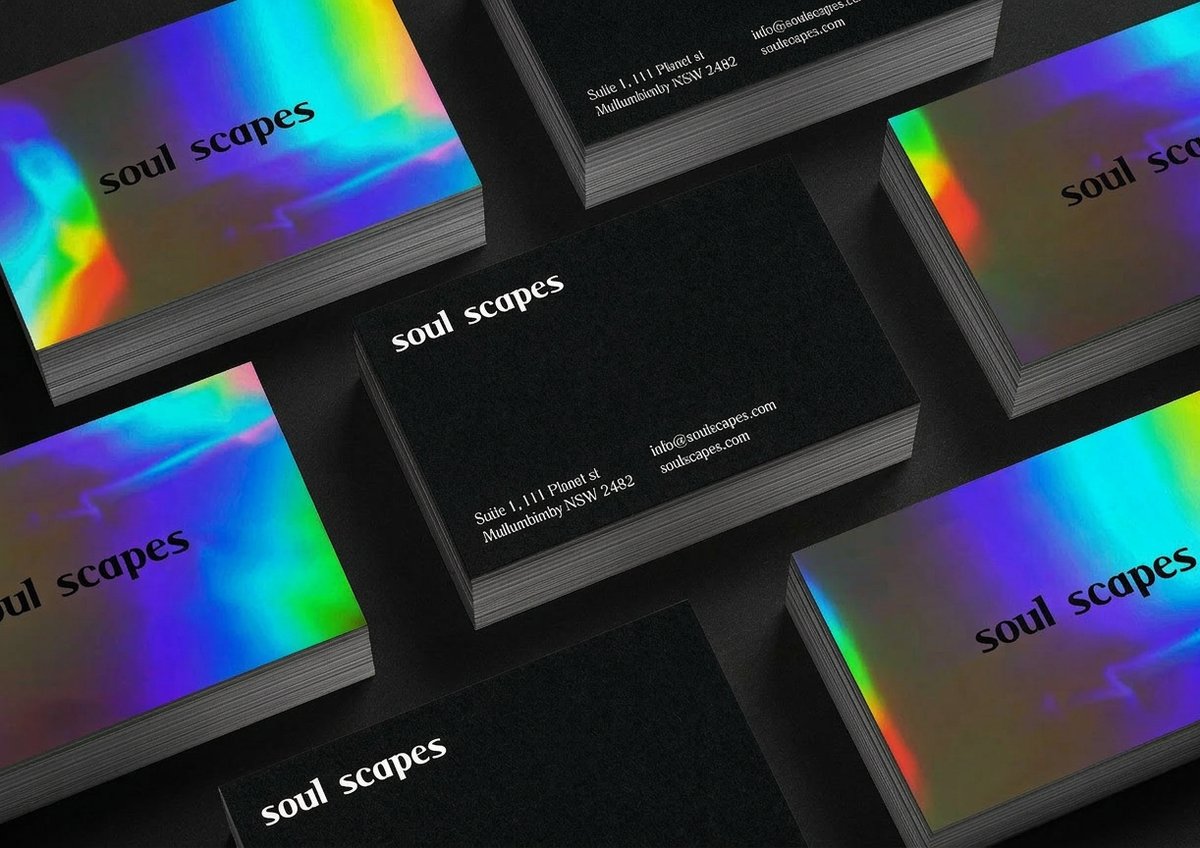
Custom Business Cards From $17.57 Print the same logo mark you stamp, sharp and full color on every card. 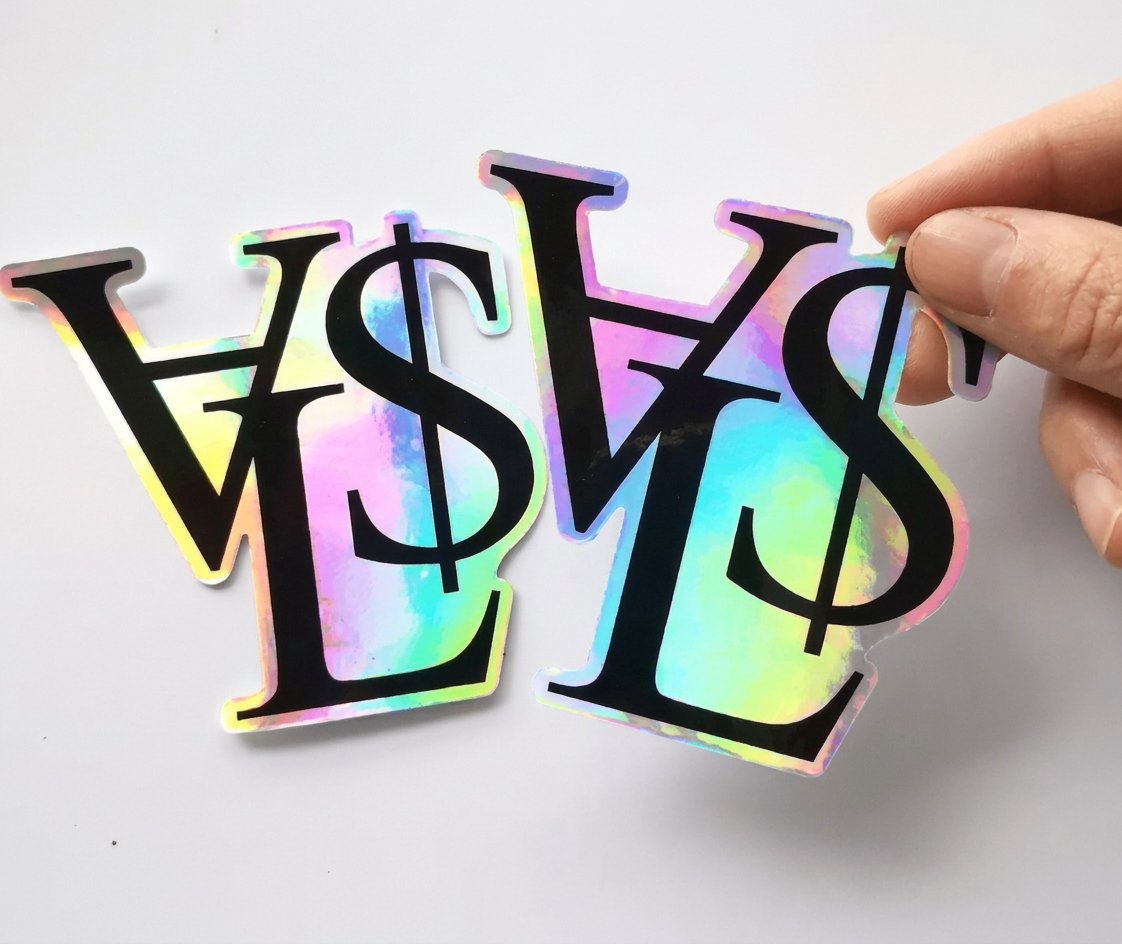 Custom Holographic Stickers From $322.98 A circle seal you peel instead of press, with a finish that catches the light.
 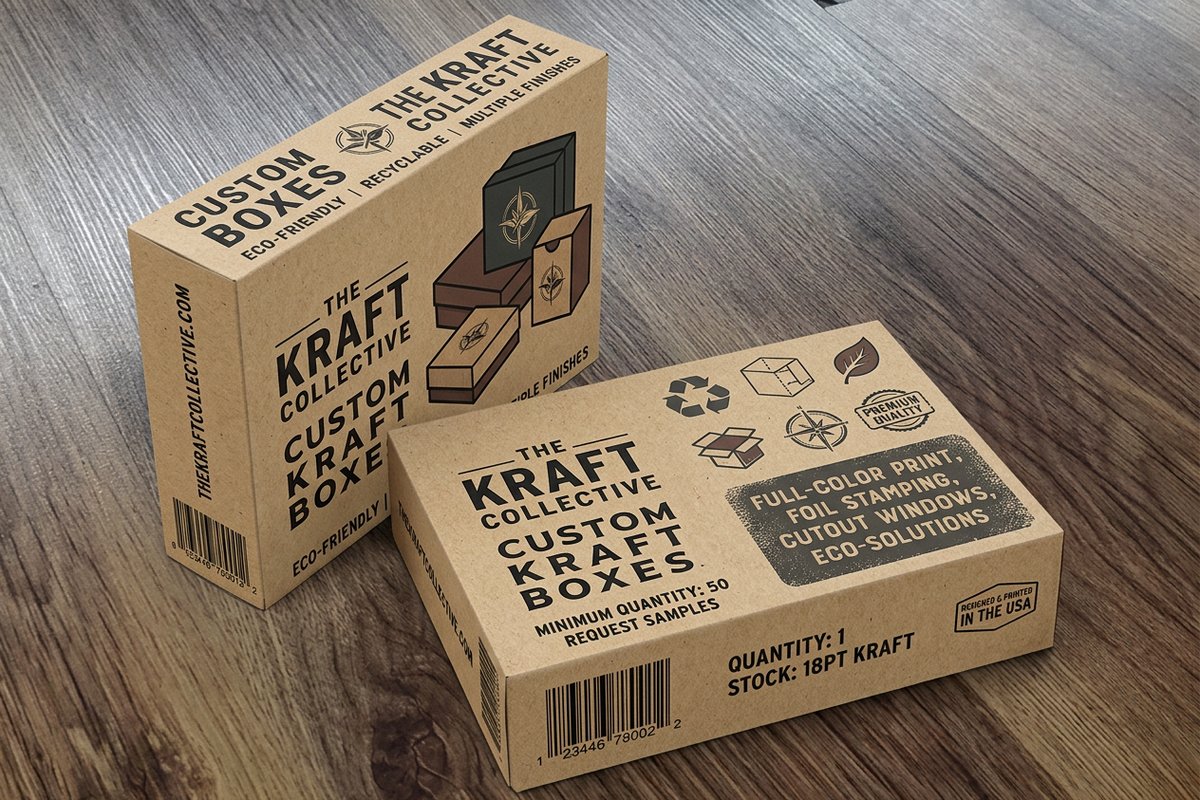 Custom Kraft Boxes From $711.78 Uncoated kraft takes a stamped impression beautifully, right on the packaging.
 Sizing a Circle Stamp So Every Line Stays Readable
Diameter is the one spec people get wrong most often. A one inch circle sounds generous until you subtract the outer border, the ring of text, the gap, and the logo in the middle. Once those four zones share the space, the type ends up smaller than the fine print on a receipt.
Work from the inside out. Start with the mark you refuse to compromise, give it the space it needs to stay recognizable, then decide how much ring text still fits around it. If the words will not fit, cut words rather than shrinking type. A stamp with three legible lines beats one with six lines nobody can read.
- Half inch to three quarter inch. Initials, a monogram, or a simple icon. No ring text worth reading at this size.
- One inch. The everyday workhorse. One arc of company name plus a compact center mark.
- One and a half inch. Room for a top arc, a bottom arc, and a logo that still holds its shape.
- Two inch. Seal territory. Full name, location or license line, and a detailed emblem in the middle.
- Stroke weight. Keep every line thick enough to stay visible after the ink spreads, and keep the gaps just as generous.
Round Seals for Notaries, Corporations, and Certification
Seals are a stricter cousin of the logo stamp. A corporate seal, a notary stamp, or a professional certification mark often has required wording, and in several states a notary die has rules about size, border, and which details must appear. Check the requirements for your state or licensing body before you set a single letter of type.
Where a logo stamp is decoration with a job, a seal is evidence. That changes the design brief. Legibility beats personality, the border stays unbroken, and the wording matches the register exactly, including punctuation. Save the creative treatment for the pieces around it.
Not every seal needs a die. A printed circle seal works anywhere the goal is presentation rather than legal weight, which is how most certificates, award packets, and product launches use them. If you have been comparing shops for that kind of work, our Staples stickers alternative breakdown shows what changes when circle seals are printed in real quantities.
- Notary seals. Follow the state format to the letter, including commission number and expiration wording where required.
- Corporate seals. Company name, state of incorporation, and year, usually pressed as an embosser rather than inked.
- Professional stamps. Engineers, architects, and appraisers carry license numbers that must stay readable after a photocopy.
- Certification and approval marks. A clean ring with one short phrase inside, built to survive being scanned and faxed.
- Presentation seals. No legal weight, all impact, and the place where foil, holographic, and die-cut printed circles win.
Ink Colors and Impression Counts That Hold Up
Black is the default for a reason. It photocopies, it scans, and it never argues with the paper underneath. Everything else is a brand decision with practical consequences: a light ink on kraft or a colored stock loses contrast fast, and red carries a warning tone that suits approvals and rejections more than it suits a bakery.
Impression count is the other half of the story. A self-inking pad delivers thousands of impressions before the mark starts to gray out, and the fix is a fresh pad or a few drops of matching ink rather than a new stamp. Keep the spare ink in the same drawer as the stamp, because a fading impression on customer facing paperwork looks worse than no stamp at all.
- Black. Highest contrast, scans and copies cleanly, safe on every stock.
- Brand color. Test it on your actual paper first, since ink sinks and shifts on uncoated and kraft surfaces.
- Red. Reads as urgent or official, which is useful for approvals, paid marks, and voids.
- Archival and pigment inks. Slower to dry, far more permanent, and the right pick for anything filed long term.
- Re-inking. Add drops sparingly and let the pad rest, because a flooded pad blurs the impression worse than a dry one.
Quantity and price
Custom business card pricing and specs
Real configurator numbers for the printed half of your brand mark.
| Quantity | Price Per Unit | Total |
|---|---|---|
| 100 | 17.6¢ | $17.57 |
| 200 | 11.5¢ | $23.07 |
| 300 | 9.15¢ | $27.46 |
| 400 | 7.96¢ | $31.86 |
| 500 | 7.25¢ | $36.26 |
| 600 | 6.77¢ | $40.64 |

Artwork Files That Cut a Clean Die the First Time
Stamp manufacturers cut from vector art. A logo pulled off a website is a low resolution raster that has to be traced by hand, and the trace is where fine details get invented or lost. Send an EPS, AI, PDF, or SVG built from real outlines and the die matches your brand instead of approximating it.
Convert type to outlines before you send anything, so a missing font never becomes a substituted one. Set every element to one hundred percent black, remove clipping masks and stray points, and place the whole layout inside a circle at the exact finished diameter. That single circle tells the manufacturer everything about scale.
- Vector only. EPS, AI, PDF, or SVG with live paths, not a JPG or PNG of the logo.
- Outlined type. No live text, no font substitution surprises at the cutting stage.
- Pure black artwork. One flat color, no tints, no transparency effects left unflattened.
- Drawn at finished size. A one inch die designed at one inch removes every scaling argument.
- Minimum stroke widths. Thicken anything delicate now, because the die cannot add weight later.
Vector finish
Custom holographic stickers
The same circular artwork, printed with a finish no stamp die can reproduce.

Where a Round Stamp Beats a Printed Label
A stamp wins on flexibility and cost per mark. There is no minimum order, no reprint when the address changes, and no waste when a season ends. You press it on tissue paper, on the flap of a mailer, on a thank you note, on a receipt, on a paper bag, and the unit cost is effectively the ink.
A printed piece wins on consistency, color, and finish. Ink on absorbent kraft always looks handmade, which is charming on a small batch and inconsistent at scale. When packaging volume grows, the stamped look usually moves to print: sealed with branded tape from our custom kraft tape guide, ordered the way our packing tape ordering walkthrough lays out, on boxes that already carry the mark like Custom Kraft Boxes.
- Low volume and variable. Stamp it. Nothing beats zero minimum when the message changes weekly.
- Textured and uncoated surfaces. Stamp it. Kraft, cotton, and recycled stocks take an impression with real character.
- Exact brand color. Print it. Ink spread on porous stock will never hit a color target reliably.
- High volume packaging. Print it. Hand stamping hundreds of boxes stops being romantic by box forty.
- Specialty finishes. Print it. Foil, holographic, and spot gloss have no stamped equivalent.
Scale the look
Custom kraft boxes
When hand stamping every box stops making sense, put the mark straight onto the packaging instead.
What a Custom Round Stamp Costs and Why
Price tracks four things: die size, mount type, ink system, and how much artwork preparation the shop has to do for you. A small self-inking circle with clean vector art is the cheapest path. A large pre-inked die, a metal frame, or a hand traced logo all push the number up, and rush production adds the last increment.
Judge cost across the life of the stamp rather than at checkout. A cheap plastic frame that drifts out of alignment gets replaced twice while a heavier mount is still printing straight, and a die cut from proper vector art never needs a do-over. The same math applies to the printed side of a brand, which is exactly what our Printmoz comparison and our Kinkos sticker printing alternative put side by side.
- Die diameter. Larger circles cost more to cut and more to keep inked.
- Mount. Wood handle is cheapest, self-inking sits in the middle, pre-inked and metal frames sit at the top.
- Artwork state. Print ready vector costs nothing extra, a logo that needs tracing adds setup time.
- Ink and spares. Budget for a replacement pad or a bottle of ink from day one.
- Turnaround. Standard production is the quiet saving, rush is the premium you pay for a late decision.
Compare options
Popular custom business cards, side by side
Stock, finish, size, quantity, turnaround, and price in one view.
 free business cards |  Standard Business Cards |  3D Lenticular Business Cards |  Metallic Foil Business Cards | |
|---|---|---|---|---|
| Min price | Free | $17.57 | $690.88 | $222.13 |
| Paper / stock | 14pt Gloss Cover | 14pt Gloss Cover | 31pt Lenticular Lens | 16 Point Silk Laminated |
| Finish | - | Standard Finish | - | - |
| Size | 2" x 3.5" | 2" x 3.5" | 2" x 3.5" - Vertical | 2" x 3.5" |
| Default qty | 200 | 100 | 500 | 500 |
| Turnaround | 5 business days | 3 business days | 22 business days | 7 business days |
| Rating | ||||
| View & customize | View & customize | View & customize | View & customize |
Proofing, Ordering, and Living With Your Stamp
Approve the proof like it is going into stone, because it is going into rubber. Read the ring text backwards word by word, check the spelling of your own company name, confirm the license or phone number digit by digit, and confirm the diameter in inches rather than trusting how big it looks on your monitor.
Once it arrives, treat it like a tool. Press straight down on a firm flat surface with a sheet of scrap underneath for cushion, do not rock the mount, and wipe the die when you switch ink colors. Store it face up so the pad does not dry against a hard surface. Stationery that carries the same mark is worth the same care, which our Moo notebook alternative comparison gets into.
A short pre-order checklist
- Read every character twice. Names, numbers, and abbreviations, out loud, against the source document.
- Confirm the diameter. In inches or millimeters, written on the proof, not eyeballed on screen.
- Test the impression on your real stock. Kraft, cotton, and coated papers all behave differently.
- Order the spare pad with the stamp. The day you need it is never a day you can wait.
- Archive the vector file. A replacement die in two years should take minutes, not a redesign.
Start fast
Templates and print-ready blanks
Free layouts plus exact-size blanks so your circular mark lands where you intend it to.
Wally on getting a round stamp right the first time
Simplify the logo, size the circle, then proof at actual size
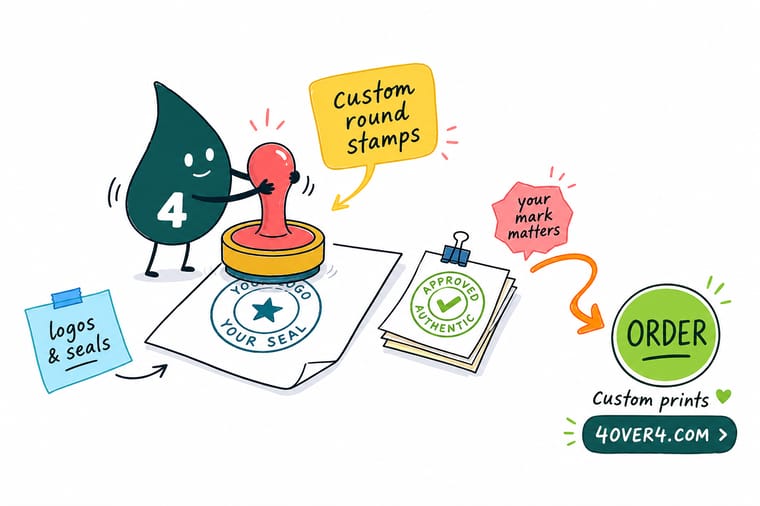
Most disappointing stamps fail for the same three reasons: the logo had detail too fine to survive ink, the ring carried more words than the diameter could hold, and nobody printed a proof at full size before approving it. Fix those three and the die comes back sharp. Then match the stamped mark to the printed pieces people keep, starting with your cards and packaging.
Browse custom printing →What to Settle Before You Approve the Die
Keep reading
Guides that pair with a custom stamp
Choosing the stamp, then carrying the same mark onto tape and packaging.
Explore more
More ways to put your logo on everything
Related pages across 4OVER4.COM, one card for every kind of custom print job.
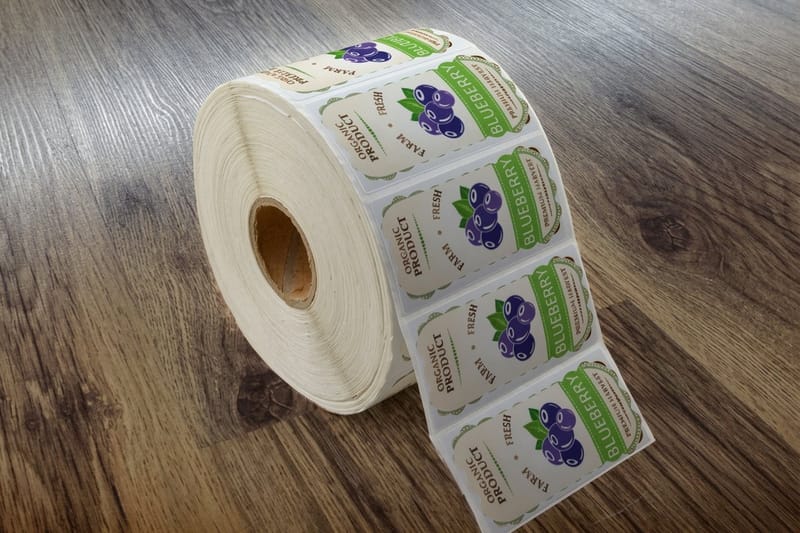 Collection Custom Printing Collection Everything custom, from cards to boxes, in one place.
 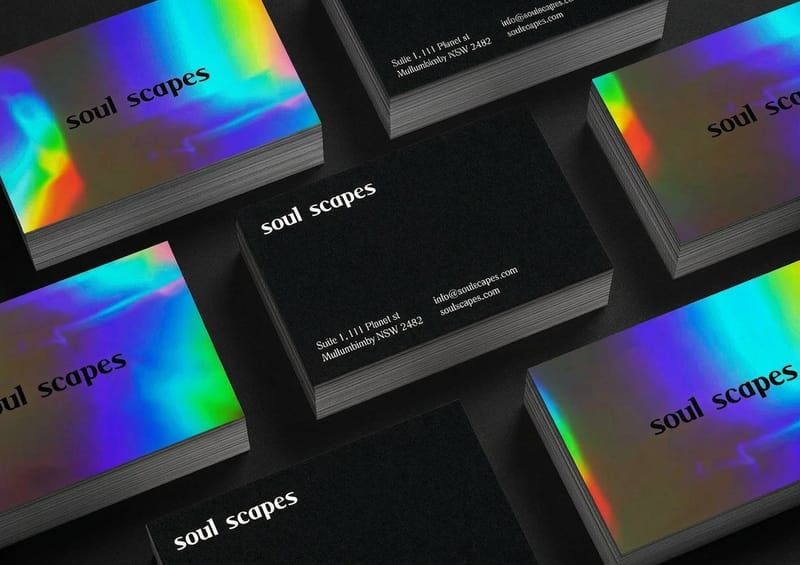 Product Custom Business Cards The stamped logo, printed sharp and full color.
 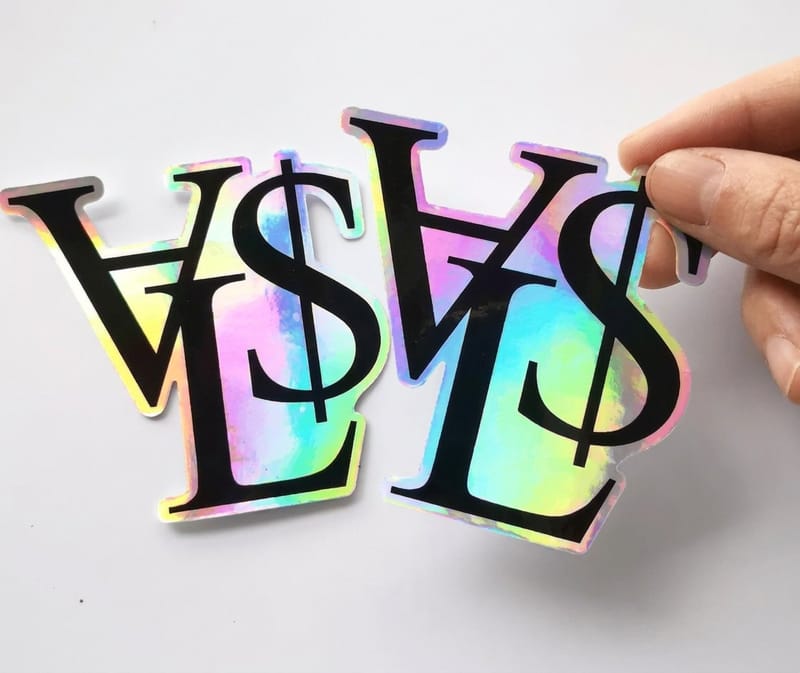 Product Custom Holographic Stickers Circle seals you peel instead of press.
 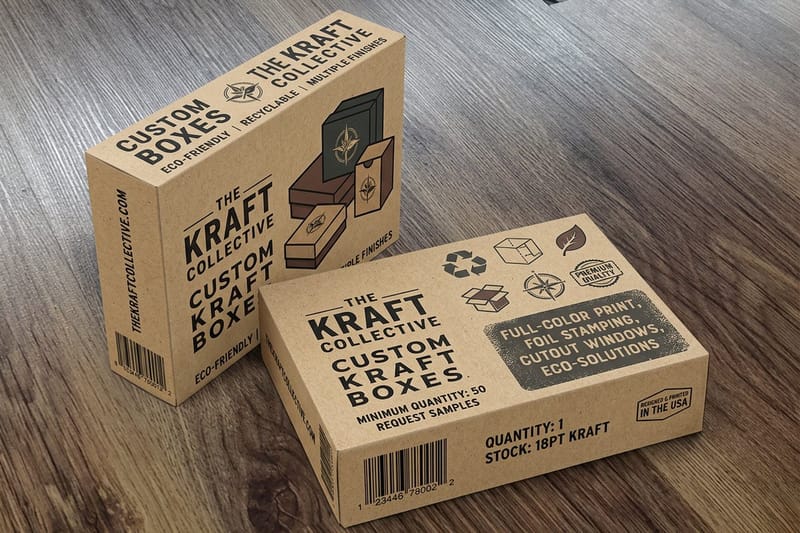 Product Custom Kraft Boxes Uncoated kraft that takes an impression beautifully.
  Alternative 4OVER4 vs Kinkos Stickers Circle seals and stickers, cost and quality compared.
  Alternative 4OVER4 vs Staples Stickers What changes when seals get printed in real volume.
  Alternative 4OVER4 vs Printmoz Custom signage and branded print, head to head.
  Alternative 4OVER4 vs Moo Notebooks Stationery that carries the same brand mark.
  Articles Printing Articles Branding, packaging, and print explained in plain language.
  Home 4OVER4.COM Custom Printing Start a custom order for the brand you stamp.
 Ready to put that circular mark on everything you send out?
Simplify the logo, lock the diameter, and print the matching pieces so the stamped seal, the card in the wallet, and the box on the doorstep all say the same thing.
Custom Round Stamp FAQ
What is a custom round stamp?
A custom round stamp is a circular die cut from rubber or polymer that carries your own artwork, usually a logo in the center with curved text around the outside. It mounts in a self-inking frame, a pre-inked body, or a wood handle used with a separate pad. The round format is popular because a ring of type instantly reads as a seal or mark of approval, which is why businesses use it on packaging, receipts, thank you notes, and paperwork.
How do I choose the right custom round stamp?
Start with how often you will use it. Daily stamping across stacks of paper favors a self-inking mount, fine logo detail favors a pre-inked die, and occasional use with changing ink colors favors a traditional wood handle and pad. Then pick the diameter based on how much text has to stay readable, and simplify the artwork to solid black shapes. Our custom logo stamp guide walks through each decision in order.
What does a custom round stamp cost and how are prices set?
Price comes down to die diameter, mount type, ink system, and whether your artwork arrives print ready. A small self-inking circle with clean vector art sits at the low end, while a large pre-inked die or a metal frame sits at the top. Logos that need hand tracing add setup time, and rush production adds a premium. Buying a spare ink pad up front costs little and saves the stamp from going gray mid job.
How fast are self-inking circle stamps compared to other types?
A self-inking round stamp re-inks itself on the return stroke, so you press, lift, and press again with no pad in the loop. That rhythm is what makes it the fastest choice for stationery, homework, receipts, intake forms, and any job measured in dozens of impressions. Pre-inked stamps are nearly as quick and quieter, while traditional stamps need a separate pad between presses, which roughly doubles the motion for every impression you make.
What artwork do I need to send for a round stamp die?
Send vector artwork as EPS, AI, PDF, or SVG with all type converted to outlines and everything set in one hundred percent black. Draw the layout inside a circle at the exact finished diameter so scale is never in question, remove transparency effects and clipping masks, and thicken any stroke that looks delicate. A raster logo pulled from a website has to be traced by hand, which is where small details get lost or invented.
