
6 Commercial Real Estate Postcards for More Leads


Nadia is our customer education voice, built from the knowledge of our production team, with over 20 years in printing.
Why Commercial Real Estate Direct Mail Still Books Meetings
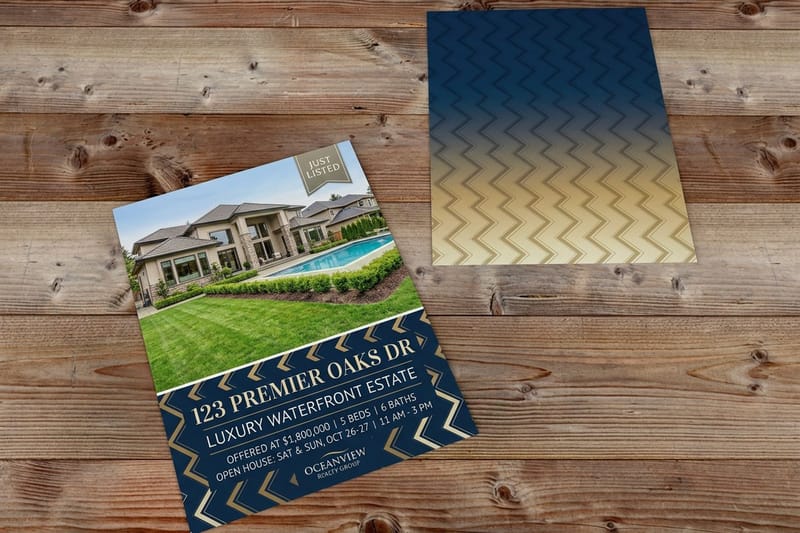
Commercial real estate postcards reach owners at the entity mailing address on the assessor record, and direct mail for commercial real estate works because every other broker reaches those owners the same way, by email and by phone. A broker email lands in a filtered inbox next to forty others, a cold call goes to an assistant, and a LinkedIn message sits unread for a month. A postcard skips all three gates. It arrives at the entity mailing address on the assessor record, it is read in the four seconds it takes to sort the pile, and there is no unsubscribe button.
The other reason it works is timing. You cannot know the week an owner starts thinking about selling, refinancing, or backfilling a vacancy. What you can do is show up in the mail often enough that when the thought arrives, your name is the one attached to it. That is a repetition game, and repetition is exactly what a low cost printed card is good at.
The economics also favor commercial over residential. One retail strip trade or one industrial lease commission covers years of mailing. That means a broker can afford heavier stock, oversized formats, and more frequent drops than a residential agent working the same list size, and can afford to mail a tight list of 300 real owners rather than blanket a zip code with 5,000 renters.
What a postcard is actually for
A postcard does not close a deal. Its whole job is to move one owner from never heard of you to willing to take a call. Every choice below, from the list to the headline to the finish, should be judged against that single conversion, not against how attractive the card looks on your desk.
Shop the category
Real estate printing collection
Postcards, brochures, signs, and cards built for property marketing.
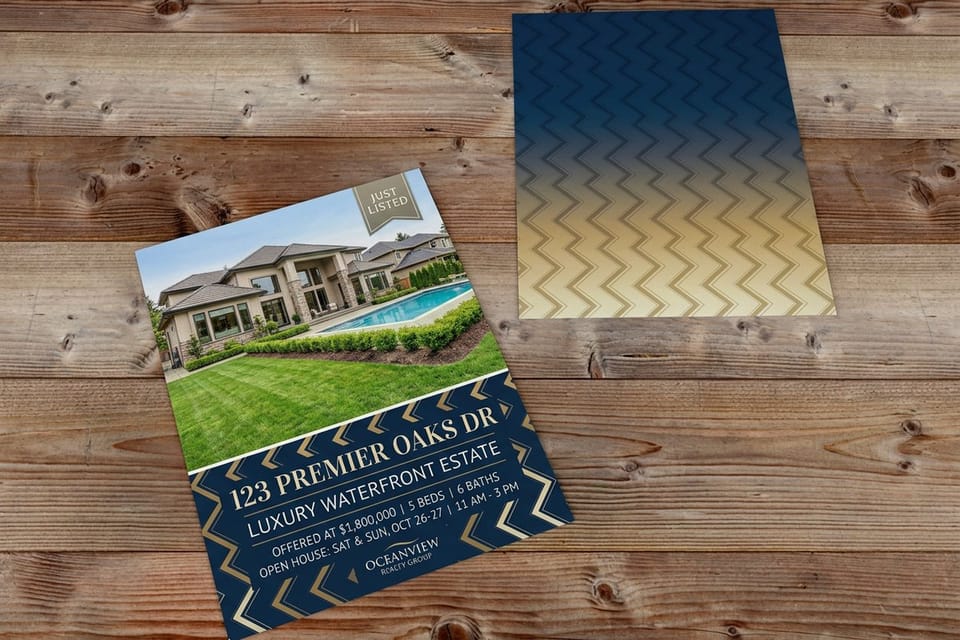
Commercial Real Estate Postcards, Sizes and Stocks
A commercial real estate postcard that gets read is oversized, heavy and carries one number on the front. Three printed pieces cover a broker mail program, from the first card to the follow up after an owner calls.
- Direct mail postcards. 6" x 9" or 6" x 11" on 14pt or 16pt gloss, matte/silk or High Gloss UV stock, from $18.94, for the list you mail every quarter.
- Real estate postcards. From 4" x 6" to 5.5" x 8.5" on stocks up to 24pt Ultra Thick Gloss Cover, from $16.48, for a small first test drop.
- Commercial real estate brochures. 8.5" x 11" to 11" x 25.5", 50 for $57.11, for the owner who asks for the full story.
Direct Mail for Commercial Real Estate in Four Steps
Direct mail for commercial real estate runs on a short, repeatable loop. The six plays further down fill it; these four steps keep it running.
- Build the list. Two to four hundred qualified owners, pulled by submarket and property type, mailed at the entity address.
- Pick one play per drop. A just closed comp, an off market buyer, a lease expiration or a 1031 deadline, one message on the front.
- Mail on a schedule. Quarterly to the full list, and judge the program after four drops, not one.
- Call after the card lands. Phone the list three days after the drop, while the card is still on the desk.
6 Commercial Real Estate Postcard Plays That Generate Leads
Each play below pairs a trigger, an audience, and a specific reason to respond. Run them as a rotation across the year rather than picking one favorite. A broker who mails the same just closed card six times looks like a broker with one deal. A broker who cycles through comps, lease expirations, and buyer demand looks like a broker who owns the submarket.
1. The just closed comp card
You sold or leased a building. Mail the comp to every owner within a defined radius or within the same product type in the submarket. Lead with the number, because the number is the only thing an owner truly wants: price per square foot, cap rate, or rent per foot. Keep your own name small. The card reads as market intelligence, not as bragging, and it quietly proves you transact here.
2. The off market buyer card
You have a real buyer with a real mandate. Mail owners who fit that mandate and say so plainly: a private capital group is looking for 20,000 to 60,000 square feet of infill industrial in this corridor, all cash, thirty day close. This card gets the highest reply rate of any play because it asks nothing of the owner except a yes or no, and because it flatters the asset without appraising it.
3. The lease expiration card
Pull lease expirations twelve to eighteen months out and mail the landlord, the tenant, or both depending on which side you represent. Owners start worrying about rollover long before their broker calls, and a card that names the month their income risk begins is impossible to file away. This is the play that most reliably converts into a listing or a tenant rep engagement.
4. The space available card to occupiers
Instead of mailing owners, mail the businesses. Take a listing with real absorption pressure, build a list of companies in the trade area whose current footprint no longer fits, and mail the space with a floor plan on the back. Occupier lists are cheaper and cleaner than owner lists, and the response is immediate because a business either needs space this year or it does not.
5. The 1031 exchange deadline card
Recorded sales create a clock. When an owner closes on an investment property, the exchange identification window opens and closes fast. Mail recent sellers with net leased or stabilized product they could identify inside the deadline. Speed matters more than polish on this one, so keep a template on file and change only the property and the numbers.
6. The submarket report card
The long game play. Once a quarter, mail every owner in your farm a single page of real data: vacancy, average asking rent, notable trades, new construction delivering. Offer the full report at a landing page reached by QR code, which turns an anonymous mailing into a list of named owners who raised a hand. This card builds the authority the other five plays borrow from.
Two of these plays reward speed and four reward consistency. Print the fast ones in small quantities so you can mail within days of a trade, and print the recurring ones in larger runs where the unit price drops. Mixing both is how a farm gets covered without a marketing budget that swallows a commission.
Print picks
Three formats that carry a CRE campaign
Live prices, ready to configure with your comps and your list.
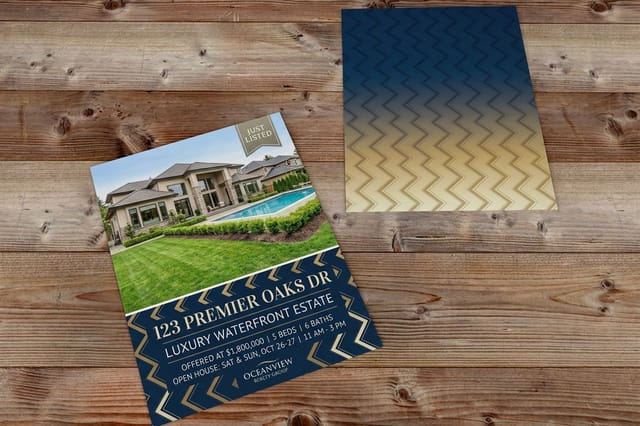 Real Estate Postcards 50 for $16.48 The workhorse card for comps, listings, and submarket updates you mail all year.
 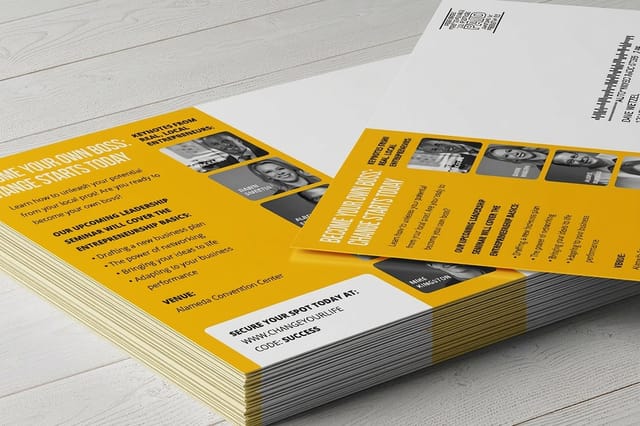 Direct Mail Postcards From $18.94 Sized and stocked for list driven drops that repeat every quarter without redesign.
  Commercial Real Estate Brochures 50 for $57.11 The offering memorandum companion you send once an owner raises a hand.
 Building the Owner List That Makes or Breaks the Campaign
A brilliant card mailed to a bad list loses to a plain card mailed to the right 250 owners. Commercial lists are built from county assessor and recorder data, which is public, plus whatever ownership research platform you already pay for. The critical detail is that you mail the entity mailing address, not the property address. Mail sent to the building reaches a tenant or a property manager who has no reason to forward it.
Filter hard. Define the geography by submarket boundaries rather than zip code, define the product type, then add the filters that predict motivation: length of ownership past ten years, absentee ownership out of state, older loan vintage, or deferred condition. Suppress anything you should not touch, including your own clients, properties under contract, and owners who already told you no in the last year.
Then clean it. Run the file through address standardization and change of address processing before you print, because commercial entities move offices more often than homeowners move houses. Deduplicate by entity, not by name string, so a family that holds six buildings under six LLCs does not get six identical cards in the same week and conclude you are careless with details.
How big a first list should be
Two to four hundred well qualified owners is enough to learn something and small enough to follow up by phone yourself. Mail the same list at least four times before you judge the play. A single drop measures luck. Four drops across a year measure the campaign, and by the fourth card the recognition is doing work the first card could not.
Quantity and price
Real estate postcard pricing and specs
Real configurator numbers. Larger farm mailings drop the unit price fast.
| Quantity | Price Per Unit | Total |
|---|---|---|
| 50 | 33.0¢ | $16.48 |
| 100 | 24.2¢ | $24.16 |
| 200 | 15.9¢ | $31.86 |
| 300 | 12.8¢ | $38.45 |
| 400 | 11.3¢ | $45.04 |
| 500 | 10.3¢ | $51.62 |

Designing a CRE Postcard That Survives the Mail Pile
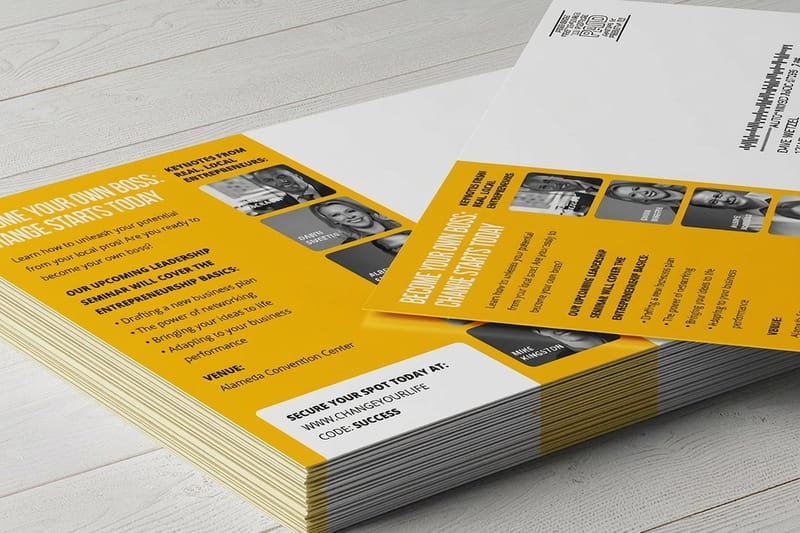
Sorting mail is a four second act. Your card is either kept or dropped in that window, so the front needs one message and nothing else. Pick the number, the address, or the question that does the work, set it large, and let everything else recede. A front carrying a headline, three bullets, a headshot, a logo, and a map communicates that you could not decide what mattered.
Go bigger than residential. A 6x9 or 6x11 card cannot nest inside a magazine and it reads as a business document rather than a coupon. Heavier stock helps for the same reason, because weight is read as seriousness before a single word registers. Matte and uncoated finishes give an assistant somewhere to write a note, while gloss makes property photography snap. Choose based on which one you want to happen.
On the back, keep the hierarchy strict: the data or offer first, one clear next step second, credentials last. Put a call tracking number on the card so you can attribute the phone calls, and add a QR code pointing to a page built for this mailing rather than to your firm homepage. Include the license number and physical address your state requires, in small type, out of the way.
The details that quietly kill response
- A headshot larger than the offer. Owners respond to information about their asset, not to a portrait of a broker they do not know yet.
- Stock photography of a generic skyline. Use the actual building, the actual site, or a clean typographic front instead.
- Text crowding the trim. Keep meaningful content clear of the edge so a slight shift in cutting never clips a phone number.
- Low resolution property photos. A listing photo pulled from a website looks soft in print and reads as low effort on any stock.
- No mailing area planned on the back. Design around the address block from the start rather than squeezing it in at the end.
Built for mailing
Direct mail postcards
Sizes, stocks, and finishes chosen for list driven drops that repeat.

Cadence, Follow Up, and the Piece That Comes After the Card

Mail on a schedule you can actually keep. Quarterly to the full farm is the floor, monthly if the submarket is small and the commissions justify it, and immediately after any trade you can claim. What kills most broker mail programs is not the design, it is the gap: three cards in the spring, silence until the following year, and a farm that has forgotten the name by then.
Pair every drop with a calling window. Mail lands over a spread of days, so start dialing the list three days after the drop date and keep going for two weeks while the card is still on a desk. The card is not the campaign. The card is the reason the call is warm, and brokers who skip the calls conclude that mail does not work when what did not work was the follow up.
When an owner does raise a hand, the postcard has done its job and needs to hand off to something heavier. A printed brochure with the submarket data, comparable trades, and your process turns a curious conversation into a listing meeting, and it leaves a physical object on the desk after you walk out. That is the piece to spend money on, because you only print it for people who already said yes to a conversation.
The follow up piece
Commercial real estate brochures
Depth for the owner who already raised a hand, with comps, process, and submarket data in one printed piece.
Postcards, Letters, and Brochures Compared for CRE
Each format solves a different problem, and brokers who force one format to do all three jobs usually overspend on the wrong stage. Postcards win on cost and on getting read without being opened, which makes them the right tool for repetition across a farm. Letters win on privacy and on tone, which matters when the message is a confidential offer or a sensitive off market approach.
Brochures win on depth. Nobody reads eight pages from a stranger, but an owner who has already spoken with you will read every page before deciding whether to sign. Sequencing them correctly is the whole trick: cheap and repeated at the top, personal in the middle, substantial at the bottom, and each format sized to the level of attention you have actually earned.
- Postcard. Lowest cost per touch, no envelope to open, best for comps, expirations, and quarterly market updates across a wide farm.
- Letter. Higher perceived privacy, better for a named offer or a delicate approach to a single owner or a small target group.
- Brochure. Highest cost per piece, reserved for owners already in conversation, and the piece that stays on the desk after the meeting.
Compare formats
Popular postcards, side by side
Real estate postcards at 50 for $16.48 next to the mailed run at 500 for $89.68.
 Standard Postcards |  Metallic Foil Postcards | 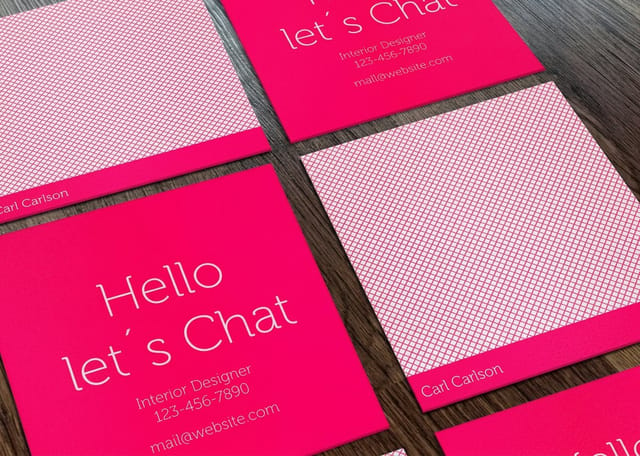 Mini Cards | 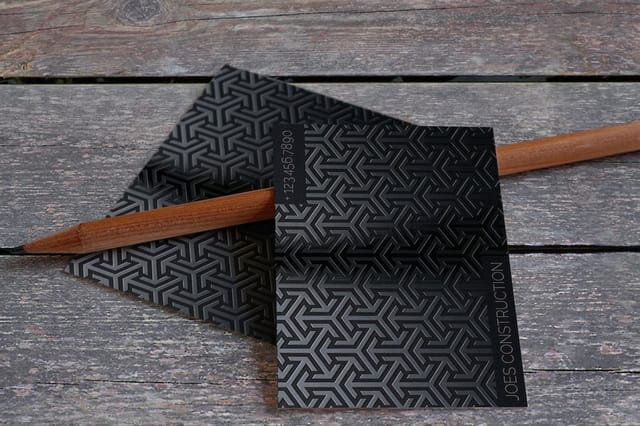 Spot UV Postcards | |
|---|---|---|---|---|
| Min price | $16.48 | $421.91 | $17.57 | $190.02 |
| Paper / stock | 14pt Gloss Cover | 16 Point Silk Laminated | 14pt Gloss Cover | 16pt Gloss Cover |
| Finish | Standard Finish | - | Standard Finish | - |
| Size | 2.5" x 2.5" | 4" x 6" | 2" x 2" | 2" x 6" |
| Default qty | 50 | 500 | 100 | 1,000 |
| Turnaround | 3 business days | 7 business days | 3 business days | 5 business days |
| Rating | ||||
| View & customize | View & customize | View & customize | View & customize |
Printing and Mailing Your Commercial Real Estate Campaign
Build the card once and reuse the frame. Set up a layout where the headline, the data block, and the photo well are all swappable, then every new comp or expiration mailing takes twenty minutes instead of a designer week. Export at full resolution with the bleed built in, keep type clear of the trim, and keep a flattened archive copy of every drop so you can rerun a winner without rebuilding it.
Order in quantities that match the play. Fast reaction cards, like a just closed comp or an exchange deadline, should print small and ship quickly so the news is still news. Recurring farm mailings should print in the larger runs where the unit price falls, since the message holds for a full quarter and nothing about it expires in transit.
Before you send the file to print
- Proof the numbers twice. A wrong cap rate or square footage on a comp card damages credibility with the exact owners you were trying to impress.
- Test the QR code. Scan the printed proof, not the screen, and confirm the landing page loads on a phone in under three seconds.
- Confirm the address block. Leave the required clear area on the back so the mailing panel prints cleanly on every piece in the run.
- Check the disclosure type. License numbers and firm information should be legible at arm's length even though they sit in the smallest type on the card.
Start fast
Postcard templates and print-ready blanks
Free layouts plus exact-size blanks so your comp card is set up correctly the first time.





Wally helps you pick the right CRE postcard play
The right trigger, the right owner list, then the right card to print
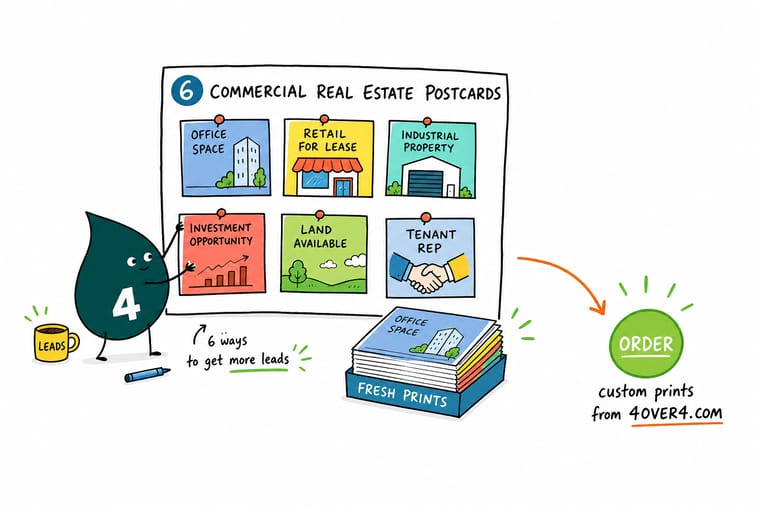
Not sure which card to mail first? Start with the trigger you already have. Just closed a deal, mail the comp. Have a funded buyer, mail the mandate. Watching a lease roll over next year, mail the expiration. Pick one play, filter the owner list down to a few hundred names worth calling, print a test run, then mail the same list four times before you decide whether it worked.
Design your CRE postcards →4OVER4 by the Numbers for Broker Mail Campaigns
Track record
What sits behind your print order
Company-wide figures since 1999. 4OVER4.COM is CASS certified for direct mail, and real estate postcards start at $16.48.
- 10B+ Cards and print products, printed since 1999.
- 150,000+ Businesses served, across every industry.
- 99.8% On-time delivery, tracked orders.
- $16.48 Real estate postcards, starting price per order.
Guides Worth Reading Before Your First Drop
Keep going
The mechanics of sending mail that lands
Sending direct mail postcards in five steps, postcard marketing that converts, postcards versus letters and the real estate direct mail guide.
Guide 5 Quick Steps to Send Direct Mail Postcards From artwork to mailbox in five moves you can repeat. Guide Postcard Marketing That Converts Offers, layout, and cadence that turn mail into replies. Guide Postcards vs Letters Which format fits the message and the budget. Guide Real Estate Direct Mail Guide The long form playbook behind every card here. What to Remember Before Your Next CRE Mailing
Explore more
More ways to market commercial property with print
Real estate postcards, direct mail postcards and CRE brochures, plus bandit signs and the story of a real estate team built on print.
 Collection Real Estate Printing Postcards, brochures, signs, and cards for brokers. Product Real Estate Postcards The everyday card for comps and market updates. Product Direct Mail Postcards Built for list driven drops you repeat each quarter. Product CRE Brochures The heavier follow up piece for owners in conversation.
  Guide Send Direct Mail in 5 Steps Artwork, list, drop date, and follow up.
 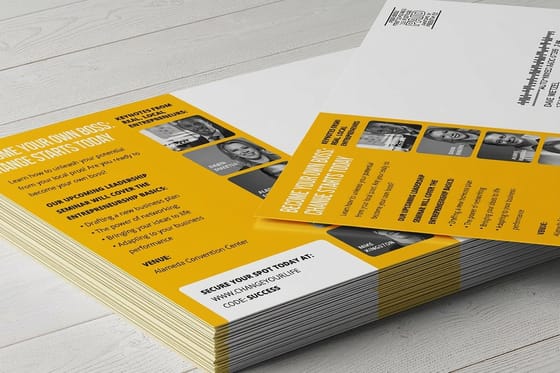 Guide Postcard Marketing How to write a card owners actually answer.
  Guide Postcards vs Letters Pick the format that fits the message.
 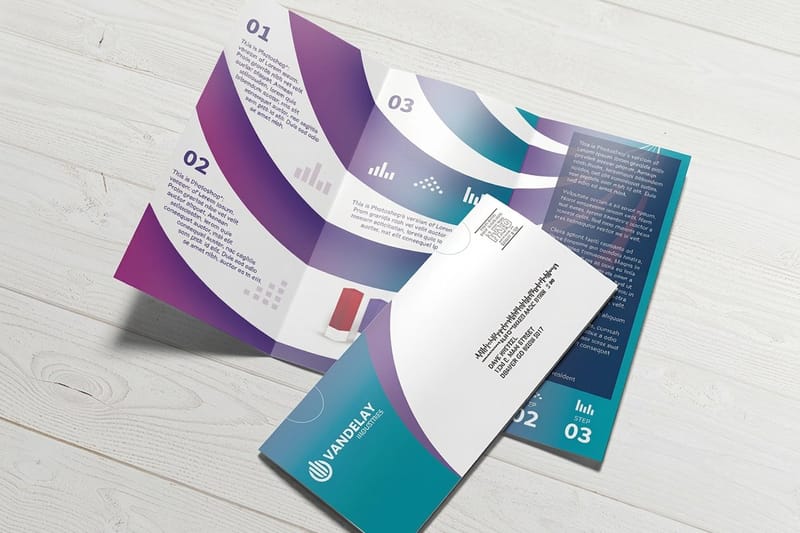 Article Real Estate Direct Mail Guide The definitive walkthrough for property marketers.
 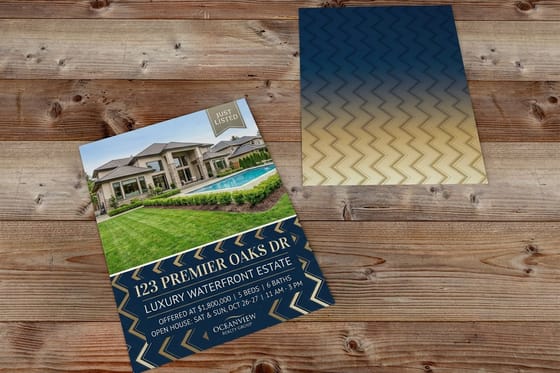 Article Memorial Day Postcard Ideas Seasonal cards that keep a farm warm.
  Article Bandit Signs for Real Estate The street level companion to a mail program.
  Case study A Real Estate Team Built on Print How consistent printed marketing grew a brand.
  Articles All Printing Articles Marketing and print ideas across every industry.
 Put a card in front of every owner in your submarket
Pick the play, build the owner list, print a test run this week, and start calling three days after the drop lands.
Commercial Real Estate Direct Mail FAQs
What should a commercial real estate postcard say?
One thing, said large. The strongest CRE cards lead with a number the owner cares about, a recent sale price per square foot, an asking rent, or a lease expiration month, and then give a single next step. Credentials, headshots, and firm logos belong at the bottom in small type, because an owner decides whether to keep the card before reading any of that. If you want the longer treatment of message and offer, the postcard marketing guide walks through the wording piece by piece.
Postcard, letter, or brochure for this owner?
Match the format to the attention you have earned. A postcard is the right tool for repeated touches across a farm of two hundred to a few thousand owners, since there is no envelope to open and the cost per touch stays low enough to mail quarterly. A letter suits a private or confidential approach to a small target group. A brochure belongs at the end, sent only to owners already in conversation, where depth is welcome and cost per piece stops mattering.
What does a quarterly farm mailing cost per touch?
Printing price is driven by quantity, size, stock, and finish, and it drops steeply as the run grows. Real Estate Postcards start at $16.48 and Direct Mail Postcards start at $18.94, while Commercial Real Estate Brochures start at $57.11 for the heavier follow up piece. Postage and list costs sit on top of printing and usually exceed it on small drops, which is why filtering the list down to genuinely qualified owners saves more money than shaving pennies off the card itself. When the list is ready, order real estate postcards as direct mail. If you are new to a submarket, mail an agent introduction postcard first, then follow with these commercial real estate postcards.
What size and stock work best for CRE postcards?
Oversized formats such as 6x9 and 6x11 outperform standard sizes for commercial work because they cannot hide inside a magazine and they read as a business document rather than a coupon. Heavier stock reinforces that impression before a word is read. Choose gloss when property photography carries the card, and matte or uncoated when you want an assistant to be able to write a note on it or when the front is mostly typographic data.
How often should a broker mail the same owner list?
Quarterly is the practical floor and monthly is reasonable in a small submarket where commissions justify it. Plan at least four drops before judging results, because recognition, not any single card, is what turns a stranger into a caller. Pair every drop with a two week calling window starting about three days after the mail date, and keep the list stable so each owner sees a sequence rather than a one time appearance.
