
The 18-Piece Smoke Shop Referral Toolkit That Grows Regulars
A smoke shop grows when regulars bring friends, so give them something to hand over. These eighteen pieces cover the storefront, the bag, and the register, from the window cling a stranger reads from the sidewalk to the $21.97 counter card that sends a regular home with a reason to bring a friend.
The smoke shop referral toolkit is eighteen print pieces that make customers recruit customers: die-cut hangtags, die-cut stickers, business cards, window clings, retail banners, counter cards, retail boxes, flyers, postcards, posters, rack cards, roll product labels, tote bags, t-shirts, bumper stickers, magnets, plastic gift cards, and a sidewalk A-frame. The window and sidewalk pull new faces in, every purchase leaves carrying the brand, and the counter card, postcards, and gift cards state the bring-a-friend deal at the register. One look across all eighteen and the loop runs itself.
The picks
Eighteen products, from the counter card to the bumper sticker
Eighteen products, from a $16.48 postcard run to 250 retail boxes at $711.78. Business cards cost $17.57 for 100, magnets $19.68, counter cards $21.97 and posters $108.75, each priced live from the configurator. Order them together to keep color, stock, and turnaround aligned, then read on for exactly what each piece does in the referral loop.
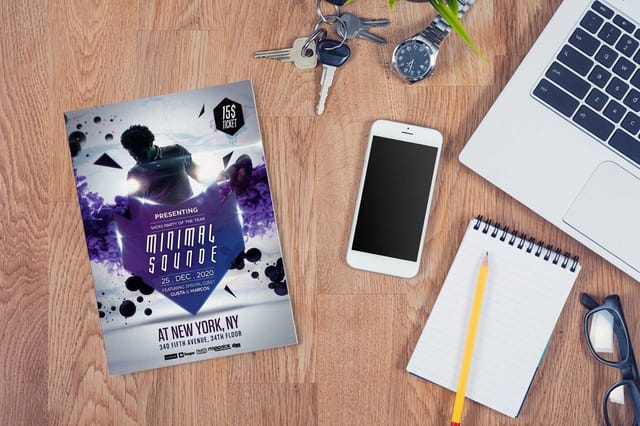
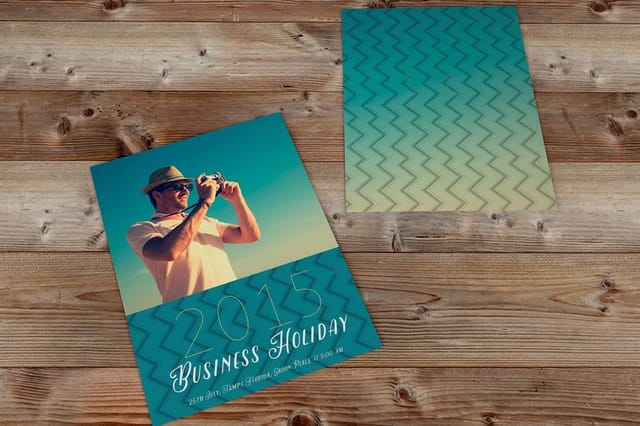
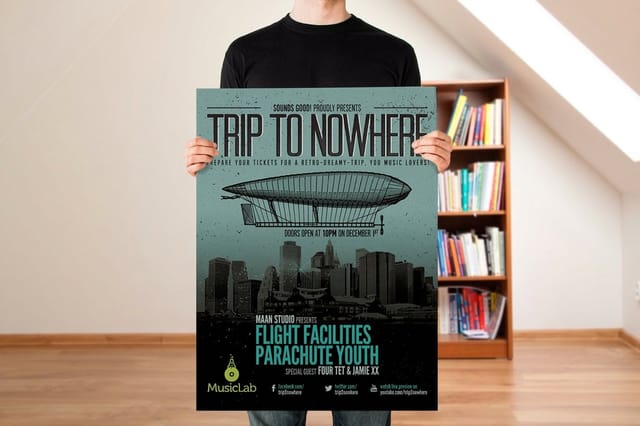
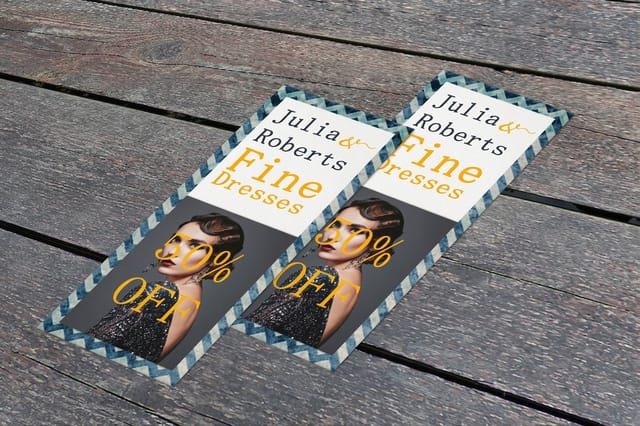

Design and print help
One mark on all eighteen, window to sticker
The same logo and two colors have to hold on a die-cut sticker, a 14pt business card, 13oz banner vinyl and a printed retail box. These 4OVER4.COM services hold the line from the first sticker to the last box, and each of those pieces offers a free online proof before it prints.
How they work together
One loop: in the door, out the door, back with a friend
Each piece owns a stage of the loop. Run all three stages and your regulars bring in the next customers.
The storefront does the first introduction. Clings on the glass, a banner above it, an A-frame on the sidewalk, and posters and flyers in the neighborhood tell passing traffic what you carry before anyone sets foot inside.
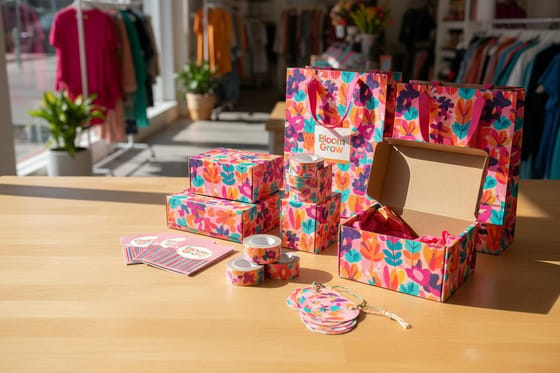
Every purchase leaves with the brand attached: a sticker in the bag, a hangtag on the product, a labeled house-brand jar, a box worth keeping, a tote on the shoulder, a tee, a bumper sticker, a fridge magnet, and a card that finds its way to a friend.
The counter card states the referral deal in plain type at the register, the rack card sends the product story home, the postcard brings VIPs back for drops, and the gift card lets a regular literally hand a friend a reason to visit.
1. Die-cut hangtags: the label that makes house products feel premium
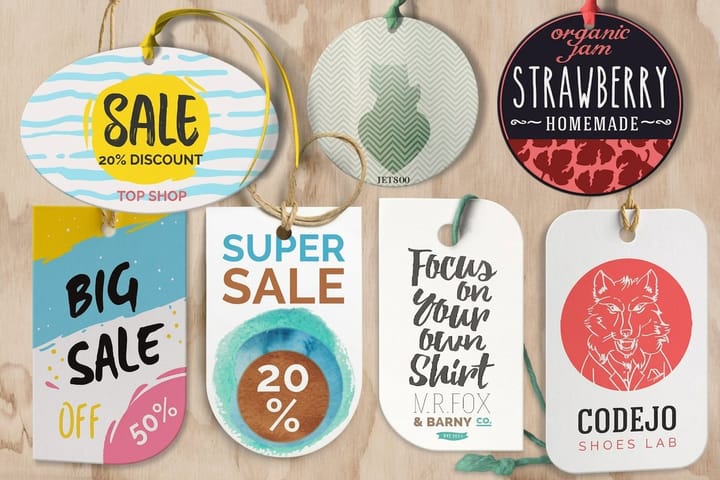
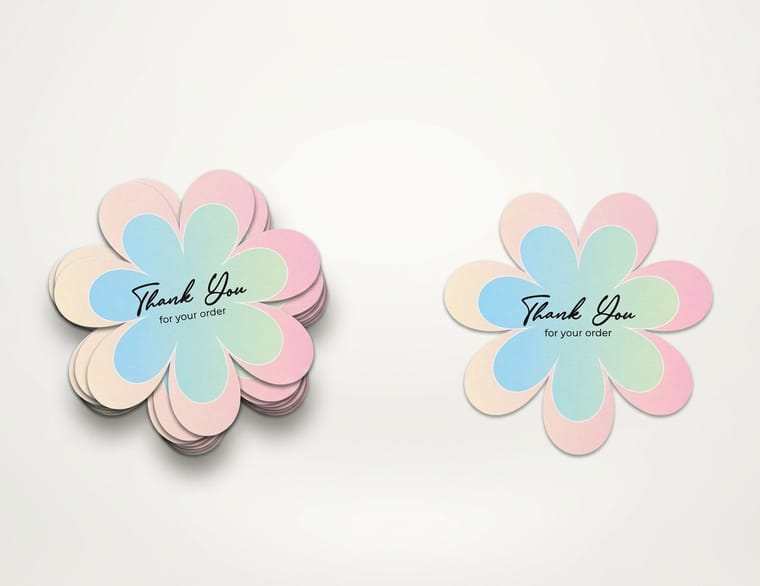
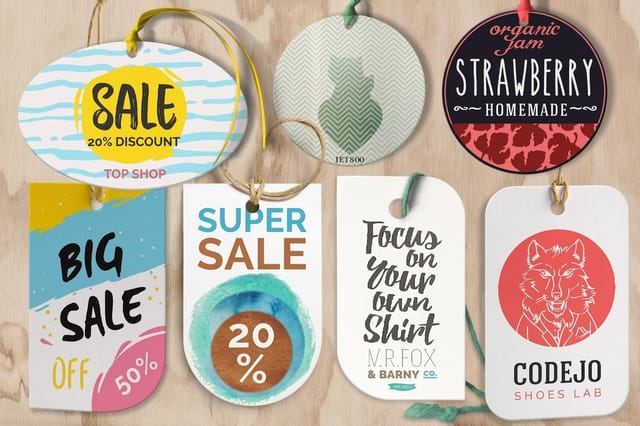
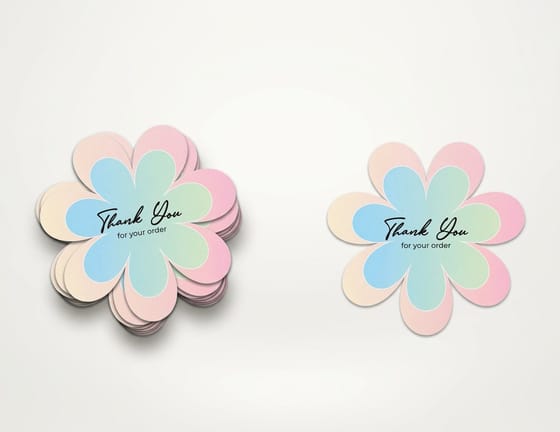
Glassware, accessories, and house-branded goods all sell better with a tag hanging off them. A die-cut hangtag in a custom shape does two jobs at once: it carries the price and product details, and it signals that the item was curated rather than dumped on a shelf. In a shop where margins live on the accessories wall, that perceived difference is real money.
Use the back of the tag for the referral line: your handle, your loyalty note, or the bring-a-friend offer. Choose a shape that echoes your logo so the tag reads as brand even from across the store, and if you want tags that survive handling, upgrade the attachment with metal ball-chain hangtags. For products you package yourself, the thinking in our guide on how to design product packaging applies tag-first.
Tag everything you brand in-house. It is the cheapest way to make a twelve-dollar item feel like a twenty-dollar one.
2. Die-cut stickers: the free ad your customers place for you
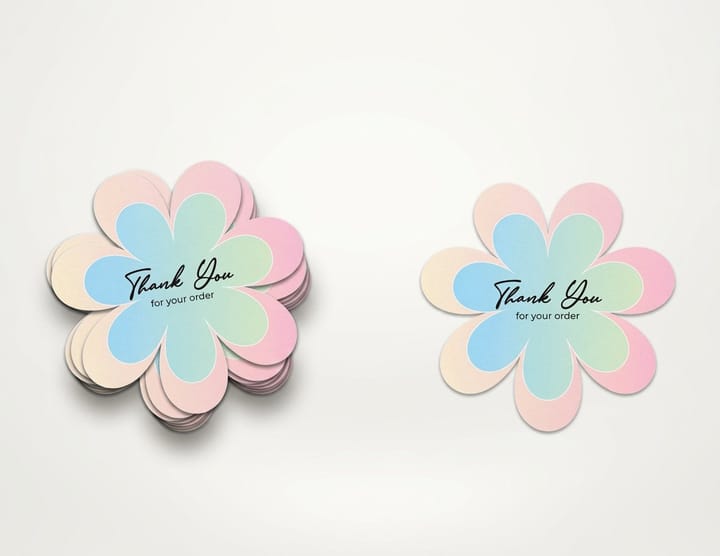
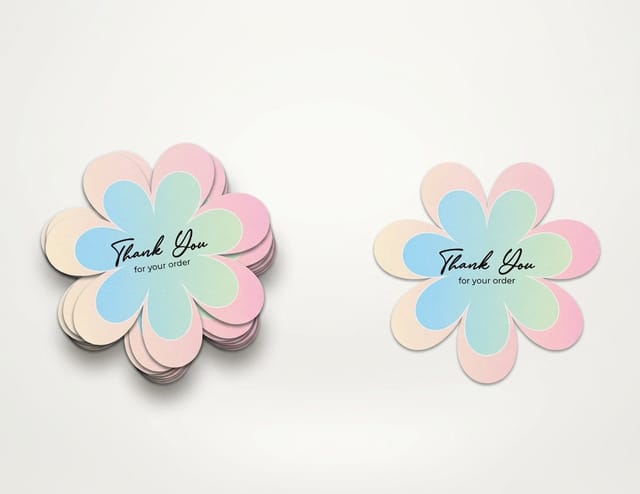
Smoke shop regulars stick a logo they like on water bottles, laptop lids, car windows, and cases, and every placement is a small permanent ad you did not pay to position. Die-cut stickers start at $93.37 for 25 in sizes from 2 by 2 in to 5.5 by 8.5 in, on uncoated, gloss or white vinyl label stock, and 100 cost only $99.95. This is the toolkit's quietest earner, spreading the name to the social circles most likely to walk in next.
Cut to the artwork, not to a square. A die-cut shape reads as merch, a square sticker reads as a label; the difference decides whether it gets stuck somewhere visible. If you are new to the format, start with what die-cut stickers are and how they are made, then plan distribution deliberately with our sticker marketing campaign guide.
Drop one in every bag by default. Some customers will ignore it, and the rest put your logo where their friends see it.
3. Standard business cards: the card that travels to the next customer
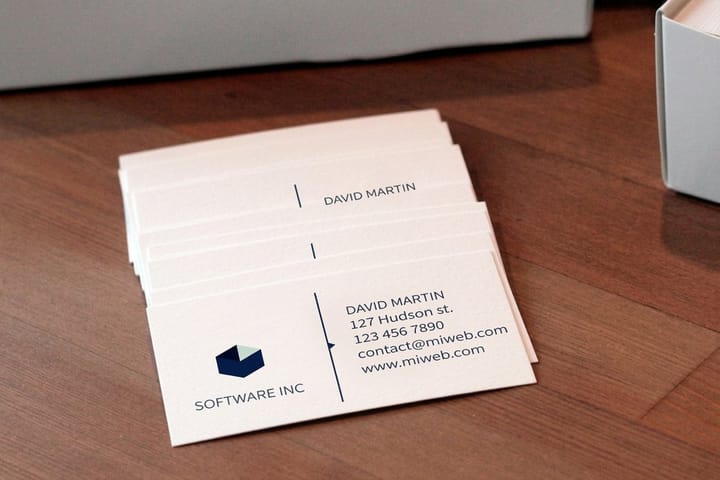
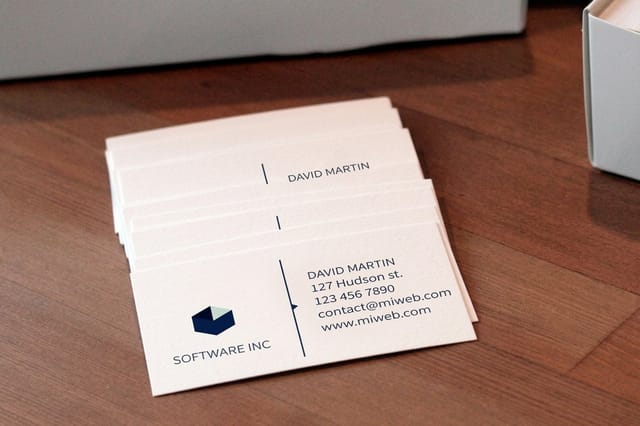
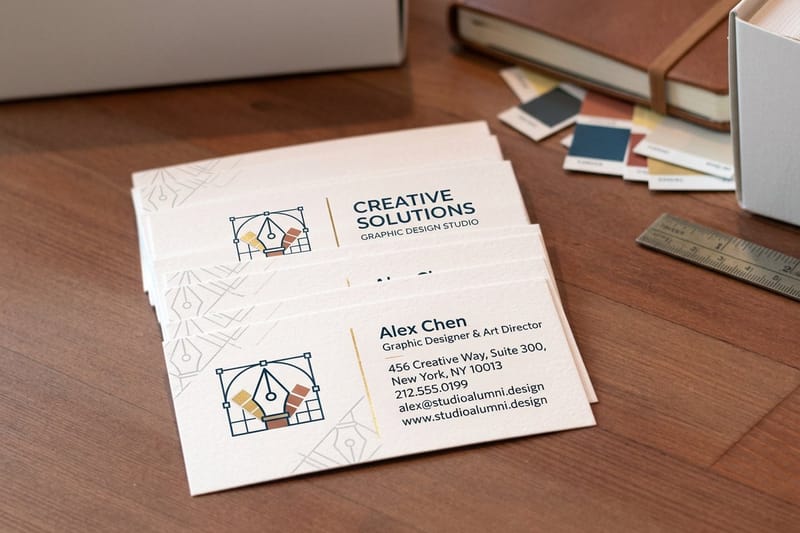
A business card in a smoke shop is not for networking, it is for handing over when a customer says a friend has been looking for a place like this. Address, hours, handle, and a line about what you carry: that is the whole job, done in a format that fits a wallet and costs pennies each.
Keep a stack at the register and a few in every bag. The card is the referral loop's smallest moving part and the one that closes it most often.
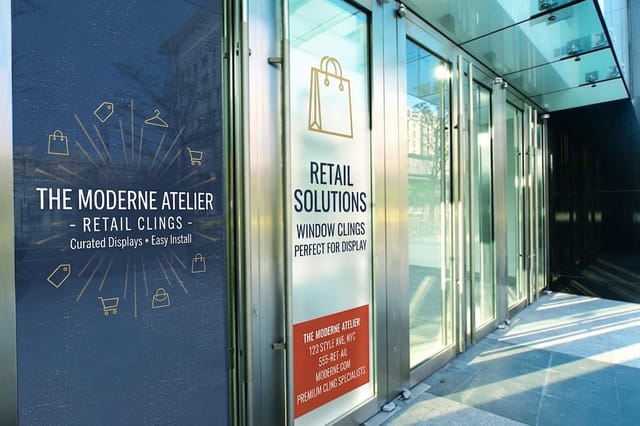
4. Retail window clings: the glass that answers questions from the sidewalk
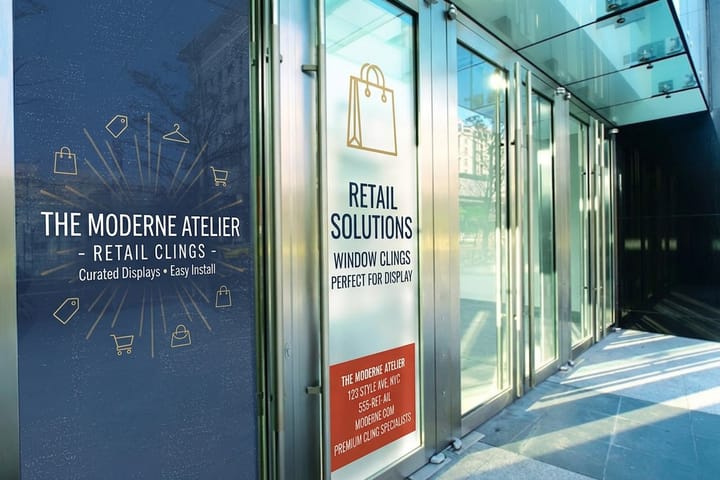
Most first-time visitors decide from the sidewalk. Window clings answer their questions before they commit to the door: what you carry, whether you buy or trade, what is new this month. Because clings apply with static rather than adhesive, you can swap the message seasonally without scraping residue off the glass.
Design for a three-second read at walking pace: one product category or one offer per cling, large type, brand colors. The primer on what window clings and decals are explains the material choice, and how to apply window clings gets them on the glass without bubbles.
Treat the window as rotating inventory. A fresh cling every month gives regulars a reason to look and newcomers a reason to stop.
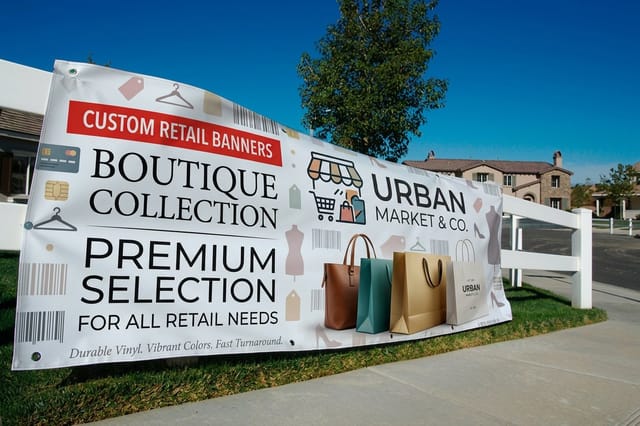
5. Retail banners: visibility that outreaches the storefront
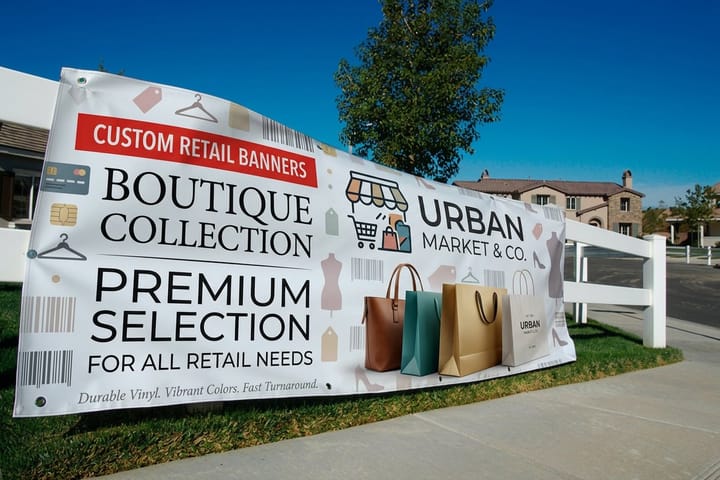
A retail banner starts at $79 on 13oz outdoor vinyl, in sizes from 2 by 4 ft to 3 by 8 ft. Mounted above the door or facing the parking lot, it reaches drivers and cross-street traffic the window can never touch, and it keeps saying it every hour you are open. For a new location or a big restock, nothing else in the toolkit prints this much reach per dollar.
One message, readable at speed: the shop name plus a single hook. Placement decides half the result, so read where and how to place vinyl banners before you order grommets, and the basics in how to make banners that get noticed keep the layout from overcrowding.
Durable vinyl means the banner comes back out for every sale event. Print it once, deploy it a dozen times a year.
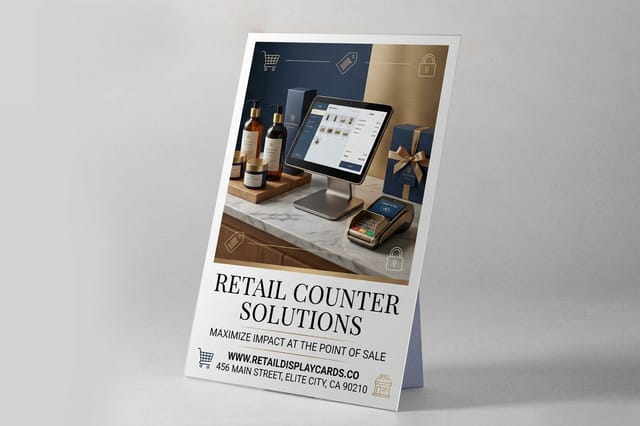
6. Retail counter cards: the referral offer, stated at the register
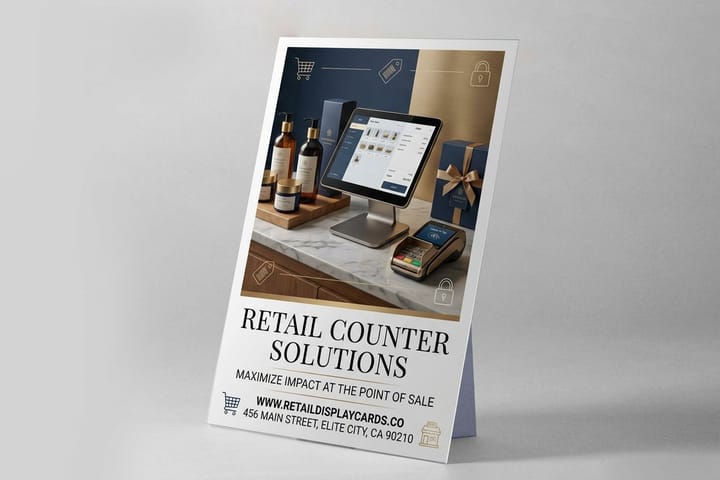
The counter card is the piece that makes this a referral toolkit instead of a pile of nice print. Standing at the register, it states the deal in plain type: bring a friend, you both save. The customer reads it while paying, which is the exact moment they are happiest with you and most willing to pass the word along.
Write the mechanic in one sentence and make both sides of the deal equal, so recommending you never feels self-serving. The design logic is the same as a rack card that has to earn a glance, covered in what makes a rack card get picked up, and the broader rules in our signage design guide keep the type readable at arm's length.
Change the offer quarterly and the card keeps earning attention. A counter card nobody reads anymore is just clutter; a fresh one is a salesperson.
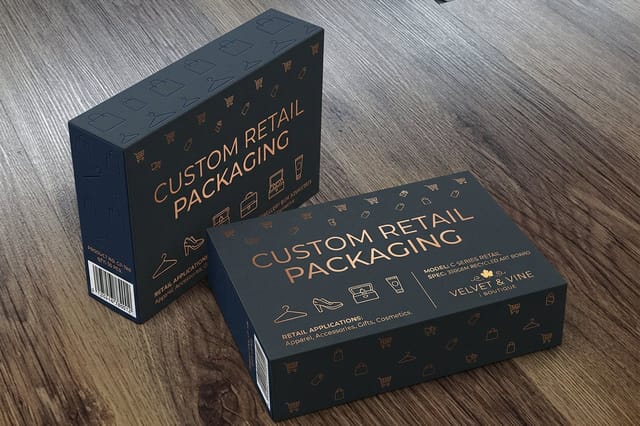
7. Retail boxes: packaging worth keeping, branding that stays
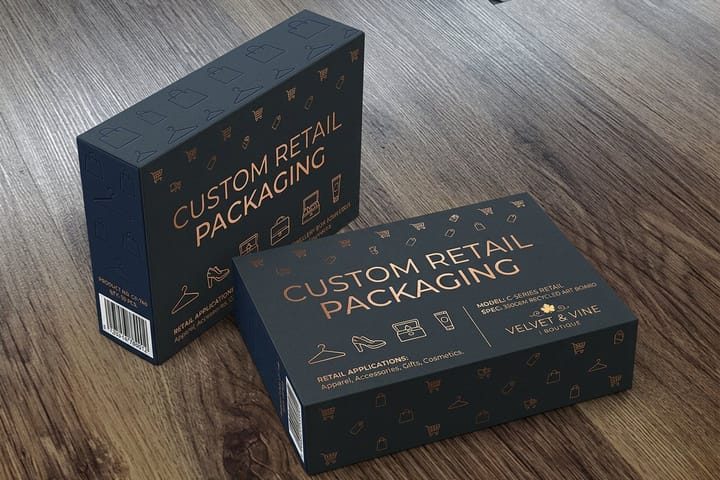
Retail boxes come in 5 by 7 by 1.7 in or 5.5 by 5.5 by 2.625 in on 14pt uncoated or 18pt cover, and 250 or 500 cost the same $711.78, so order the 500. For gift sets, premium glass, and higher-ticket items, the box is part of what the customer is paying for, and a well-printed one gets kept, reused, and seen on shelves long after the sale.
Match the material to the product: rigid enough to protect, printed enough to be recognized. Our packaging box materials comparison sorts the options, and how to get custom boxes for your brand walks through dimensions and file setup so the first run fits your bestsellers exactly.
You do not need boxes for everything. You need them for the products people photograph, gift, and remember, which is where the toolkit earns its premium tier.
8. Standard flyers: the drop announcement that leaves the block
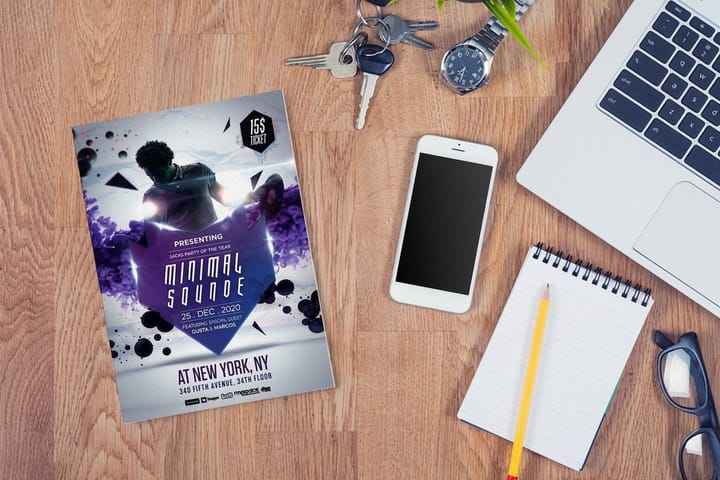
When a big restock, a glass artist collab, or an anniversary sale lands, the storefront can only tell the people who pass it. A flyer goes where your customers already hang out: the record shop, the tattoo studio, the venue corkboard, the coffee counter that says yes to a stack. It is the referral loop reaching one block further than the window can.
One event per flyer, date and hook in the largest type, and a QR to your handle so the reader can follow before they visit. The single-focal-point rules in how to design flyers keep it readable at arm's length, and flyer distribution best practices covers the etiquette of borrowing counter space.
Refresh the stacks before every event and note which locations send faces. Two good counters usually beat ten indifferent ones.
9. Standard postcards: the VIP drop card in the mailbox
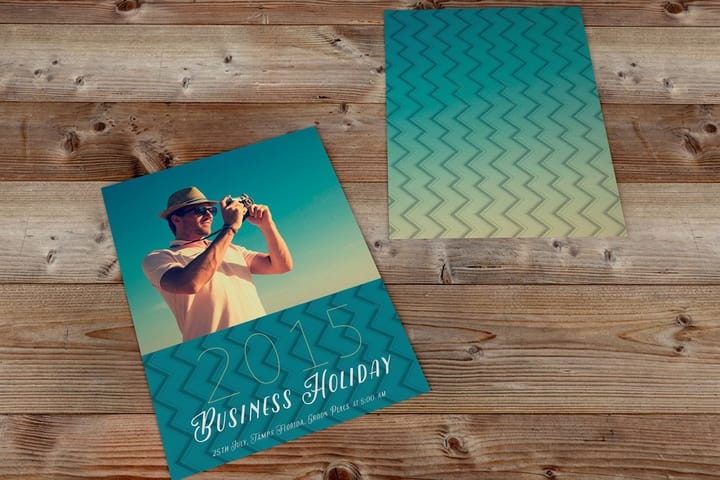
A smoke shop with a regulars list has a channel most competitors ignore: the mailbox. A postcard announcing the new glass drop, the loyalty double-points weekend, or the anniversary sale reaches your best customers with no algorithm in the way, and it lands feeling like an invitation rather than an ad.
Collect addresses the honest way, a signup card at the register with a first-purchase perk, and mail small, well-timed waves instead of blasts. Our guide to postcard design for direct mail covers what earns fridge time, and building a mailing list walks the list mechanics.
Starting under seventeen dollars a run, the card that brings back one regular with a friend has already paid for the batch.
10. Standard posters: the shop walls that sell the culture
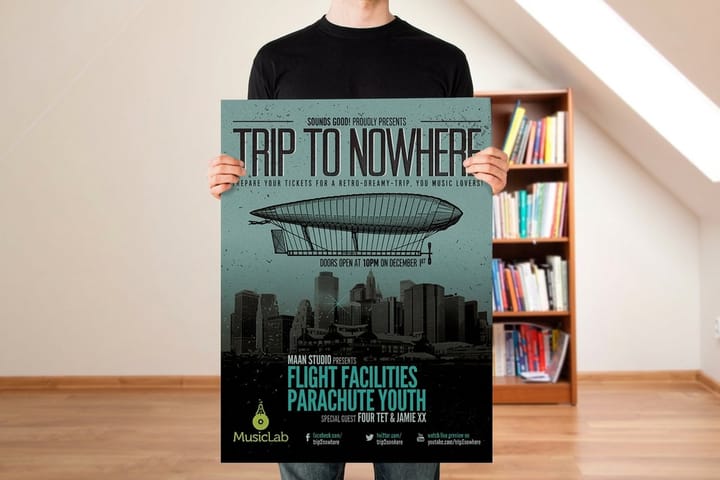
Smoke shop customers browse longer than most retail, and the walls are part of why they come back. A run of posters, your own brand art, the glass artists you carry, the loyalty program explained large, turns dwell time into brand time and gives the shop the identity that gets it talked about.
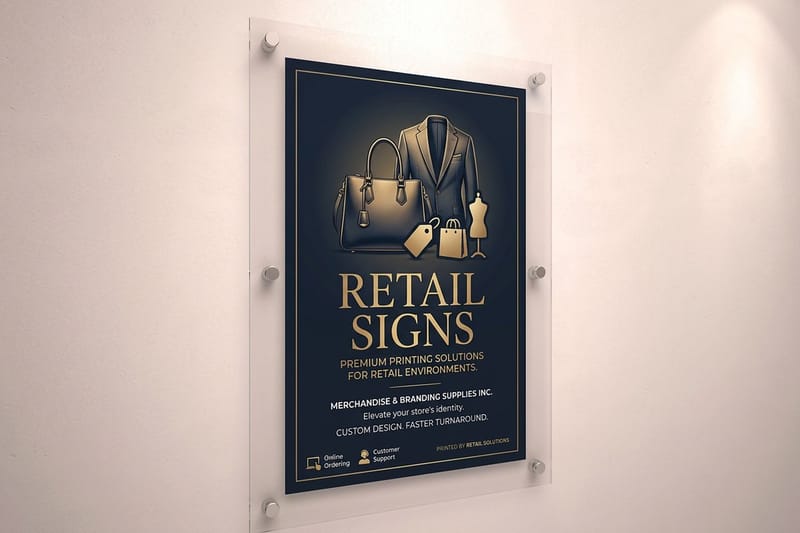
Posters also work outward: a bold one in the window or gifted to the record store next door advertises where a flyer would get lost. Our how to design a poster in 8 steps keeps the hierarchy readable from across the room, and how to hang posters without a frame gets them up without wrecking the print.
Rotate them with your drops. A wall that changes gives regulars something new to photograph, and photos travel further than any handout.
11. Standard rack cards: the product story that goes home
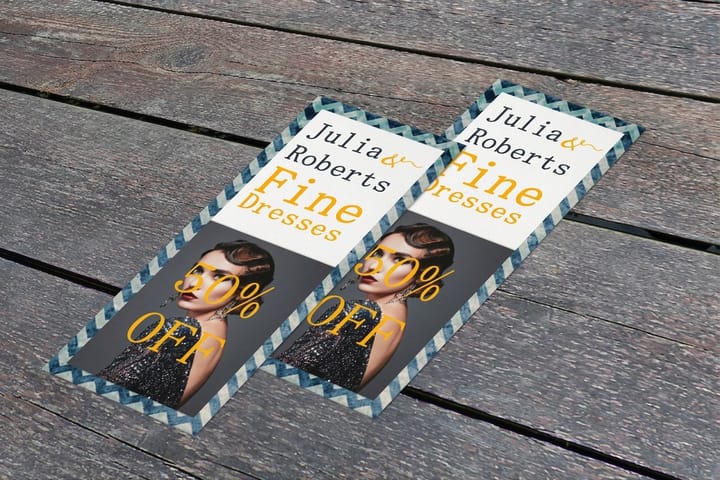
A lot of what a good smoke shop sells needs a little explaining: the difference between glass tiers, how the loyalty program stacks, what the house brand actually is. A rack card by the register carries that story home in a format taller and harder to lose than a business card, and it gives the customer something to hand the friend who asks where they shop.
Print it at 3.5 by 8.5 in or 4 by 9 in, 50 for $42.84, and stack it top to bottom: the glass tiers and the house brand first, the loyalty rules in the middle, hours and your handle at the base. Our explainer on what rack cards are covers the format, and how to create a captivating rack card design shows how to fit that much on a narrow card.
Slip one into bigger purchases and keep a stand by the door. It is the brochure-weight answer for the shop that does not need a brochure.
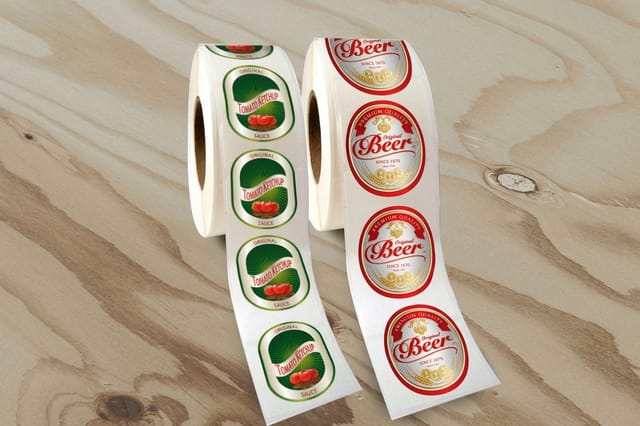
12. Roll product labels: the house brand, dressed for the shelf
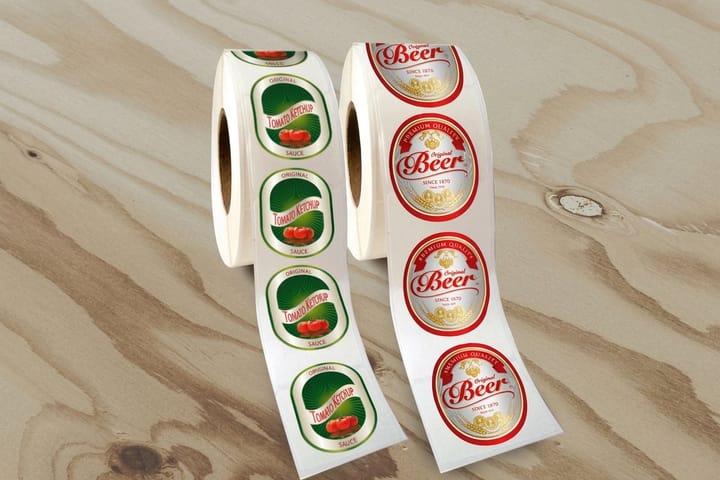
The house-brand shelf is where a smoke shop's margin lives, and the label is what makes a generic jar or pouch read as a product worth its price. Roll labels apply fast at volume, so the whole wall of house goods gets dressed in an afternoon, and every jar that leaves the shop keeps advertising from a kitchen shelf.
Keep one label system with a variant per product: same frame, same mark, a color band per line. Waterproof stocks handle handling and humidity, and choosing the correct label size saves the wrap-around mistakes. The materials range lives under labels printing.
Order per product run and date the files. A labeled house line builds the kind of brand loyalty no third-party product on your shelf ever will.
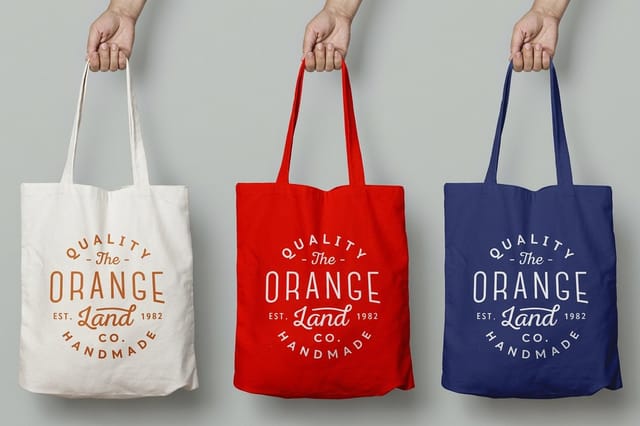
13. Tote bags: the carry-out that keeps the logo moving
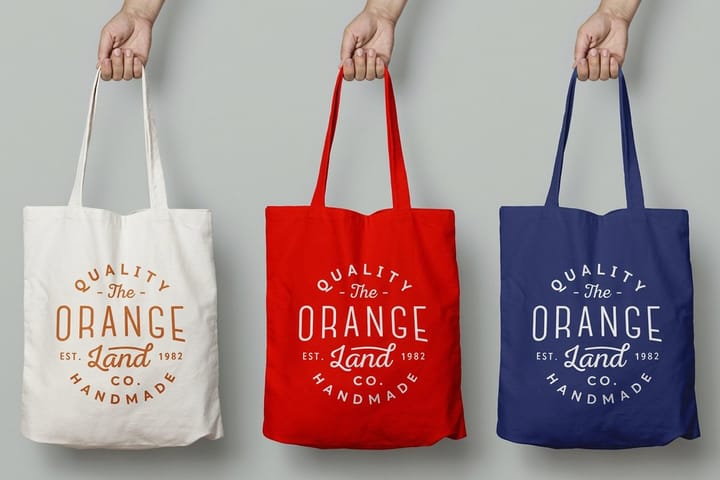
Every purchase leaves in something, and a branded tote beats a plastic bag on every count that matters: it gets kept, it gets reused at the grocery store and the gym, and it carries your mark around town for months on the shoulder of a customer who chose to keep it. That is the referral loop, worn in public.
Print the logo big and clean so it reads across a street, and sell the tote cheap or gift it above a spend threshold so it feels earned rather than forced. A mark built on solid logo fundamentals is what makes a tote something people are proud to carry.
Order a batch before your busiest season. The tote costs a couple of dollars and advertises for a couple of years.
14. T-shirts: shop merch the regulars actually buy

A smoke shop with a strong mark is a lifestyle brand whether it planned to be or not. A good tee lets regulars buy into that identity, and every shirt sold is margin plus a walking ad at the show, the skatepark, and the festival, reaching exactly the crowd most likely to become customers.
Front mark small, back design loud, the artwork people already photograph on your wall or your stickers. Our how to make custom t-shirts walks the art prep, and the t-shirt print size guide settles the print dimensions.
Stock a small size range by the register and drop a limited color with each big event. Merch that sells out builds more hype than merch that lingers.
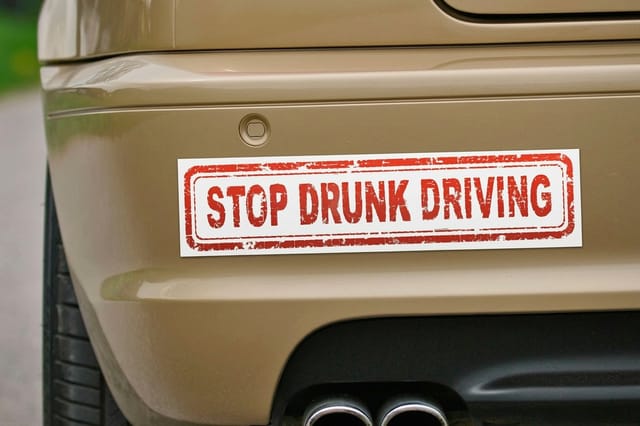
15. Bumper stickers: the referral that drives around town
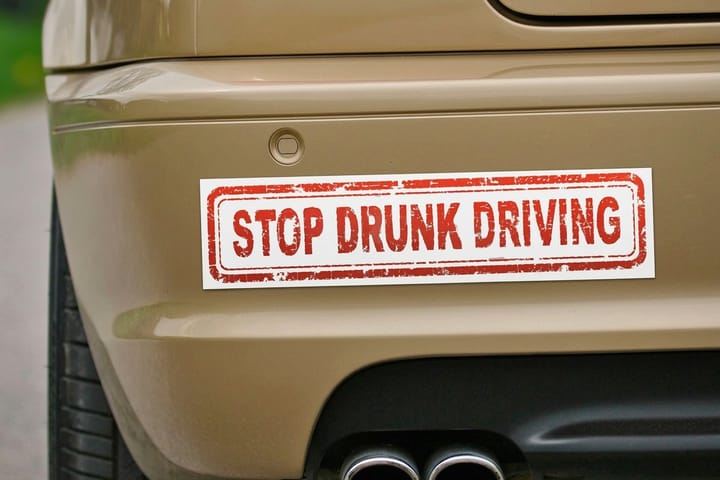
The die-cut sticker covers bottles and laptops; the bumper sticker covers traffic. A weatherproof strip with the shop mark on a regular's car is a moving ad that works parking lots, red lights, and highways for years, and in this culture people genuinely put them on. Few retail categories get that kind of voluntary vehicle advertising.
Design for distance: the mark and the town, nothing that needs to be read closer than two car lengths. Our comparison of bumper stickers versus car magnets settles the permanence question, and UV-laminated vinyl keeps the color through summers.
Gift one with big purchases rather than selling them. The customer who asks for a second one is doing your route planning for you.
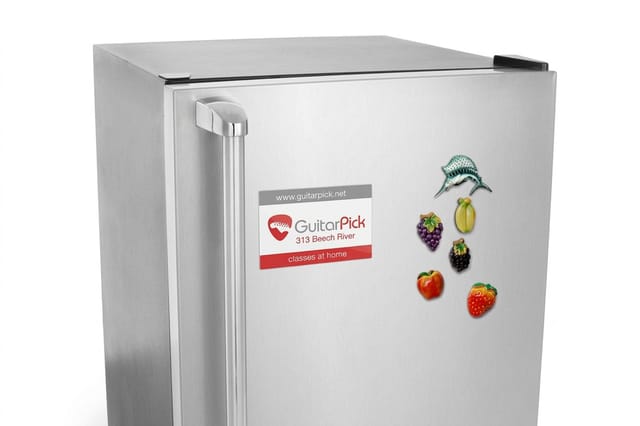
16. Standard magnets: the fridge spot that outlasts every ad
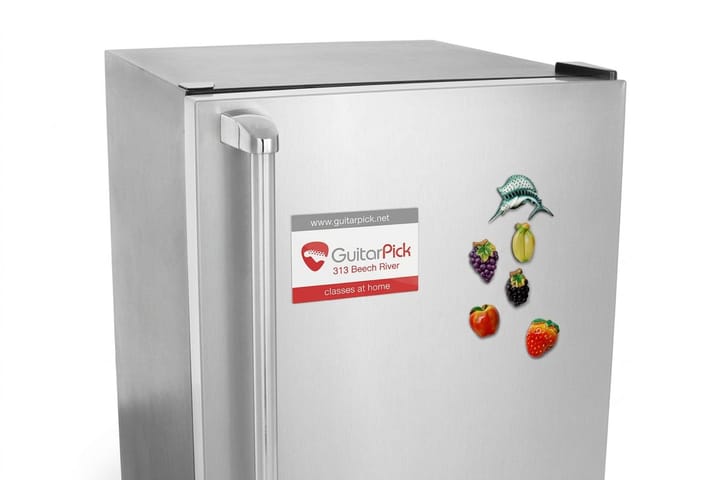
Most giveaways die in a drawer. A magnet gets stuck to the fridge and stays there for years, holding your name, hours, and handle in the one room every household and every houseguest passes daily. For a shop whose customers buy on impulse and proximity, being permanently visible at home is quietly powerful.
Print the mark, the shop name, and the street, bold enough to read across a kitchen. Our how to make custom magnets covers stocks and finishes, and magnets versus stickers settles which giveaway fits which customer.
Drop one in every bag during your first month and every holiday season after. At cents apiece, the fridge is the cheapest billboard you will ever rent.
17. Plastic gift cards: the referral a regular can hand over
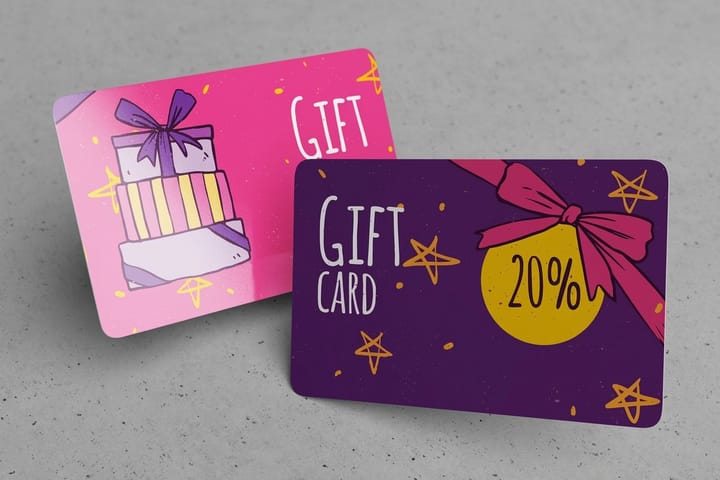
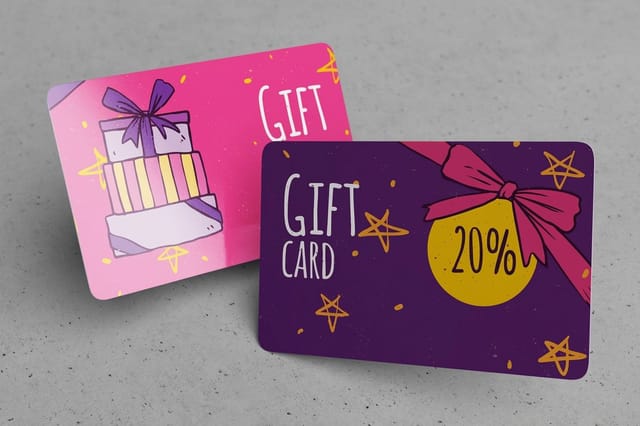
The counter card asks regulars to bring a friend; the gift card lets them literally hand the friend a reason. A durable plastic card with the shop mark feels like real value, lives in a wallet instead of a junk drawer, and walks a brand-new customer through the door with money already committed to spending.
Print them credit-card weight so gifting one feels substantial, and merchandise them at the register year round, not just in December. Birthdays, thank-yous, and holidays in this category are gift-card occasions the moment the option is visible.
Every card sold is revenue banked before the visit and a first-timer guaranteed to arrive. Few pieces in this toolkit convert as directly.
18. Signicade A-frames: the sidewalk sign that stops foot traffic
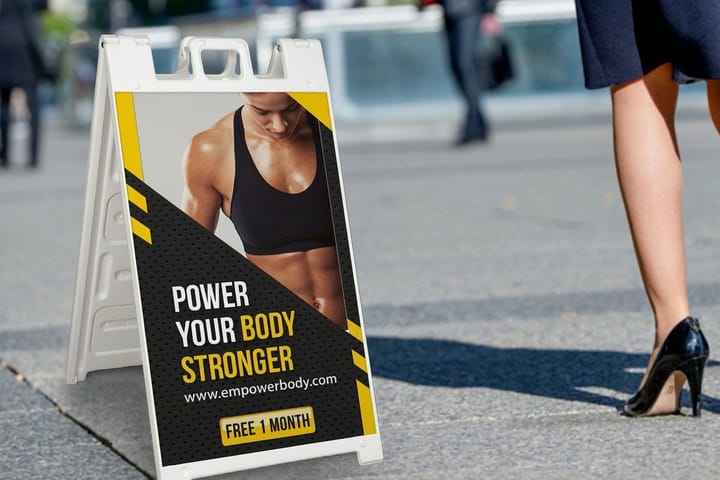
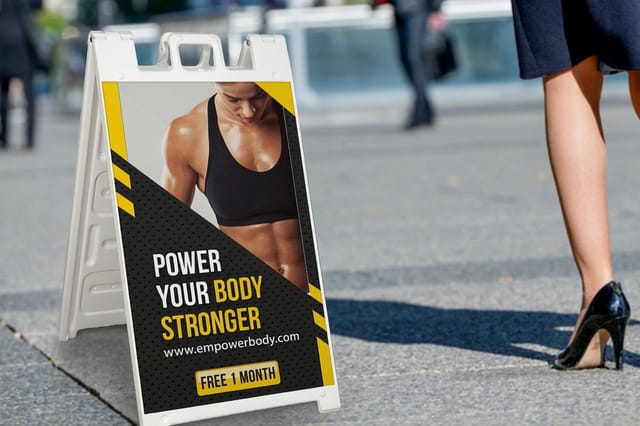
The banner works on traffic; the A-frame works on pedestrians, at their eye level, in their path. Set on the sidewalk, it announces the daily deal, the new drop, or simply open late tonight to every walker who would otherwise pass a storefront they have never thought to enter.
Swap the panels with the calendar: a weekday deal side, a weekend event side, and a permanent what-we-carry side for slow news weeks. The type rules in our signage design guide keep it readable at walking pace, and the weighted base handles wind that would flatten a cheaper easel.
Bring it in at close and it lasts years. One walk-in a week attributable to the sidewalk sign makes it the best cost-per-customer in the toolkit.
%22%2F%3E%3Ccircle%20cx%3D%2242%22%20cy%3D%221%22%20r%3D%2217%22%20fill%3D%22%2314b8a6%22%20opacity%3D%220.15%22%2F%3E%3Ccircle%20cx%3D%2240%22%20cy%3D%2250%22%20r%3D%225%22%20fill%3D%22%2314b8a6%22%20opacity%3D%220.1%22%2F%3E%3Crect%20x%3D%2272%22%20y%3D%22-7%22%20width%3D%2227%22%20height%3D%2210%22%20rx%3D%224%22%20fill%3D%22%2314b8a6%22%20opacity%3D%220.08%22%20transform%3D%22rotate(7%2080%2030)%22%2F%3E%3C%2Fsvg%3E)
Specs and pricing
The card that sets the toolkit stock and color
Every other piece in the toolkit matches this card for stock and color. The specs and the price per unit below come straight from its configurator.

| Quantity | Price Per Unit | Total |
|---|---|---|
| 100 | 17.6¢ | $17.57 |
| 200 | 11.5¢ | $23.07 |
| 300 | 9.15¢ | $27.46 |
| 400 | 7.96¢ | $31.86 |
| 500 | 7.25¢ | $36.26 |
| 600 | 6.77¢ | $40.64 |
| 700 | 6.43¢ | $45.04 |
| 800 | 6.18¢ | $49.43 |
Wally explains the toolkit
Eighteen pieces, one loop, customers recruiting customers
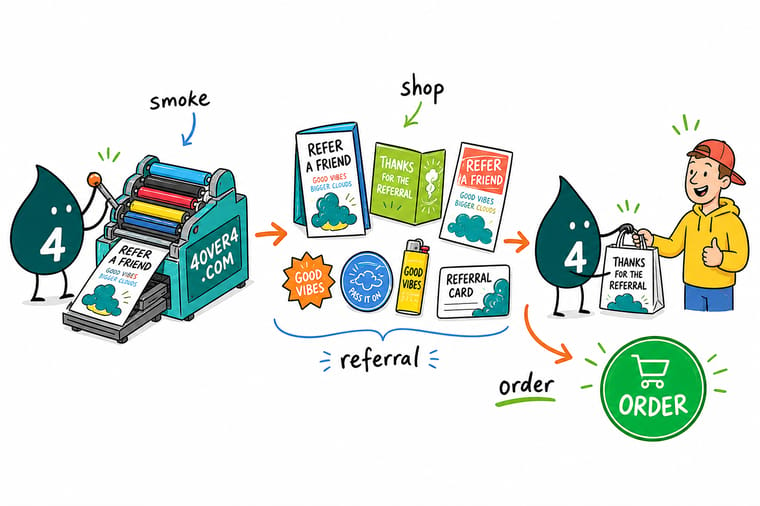
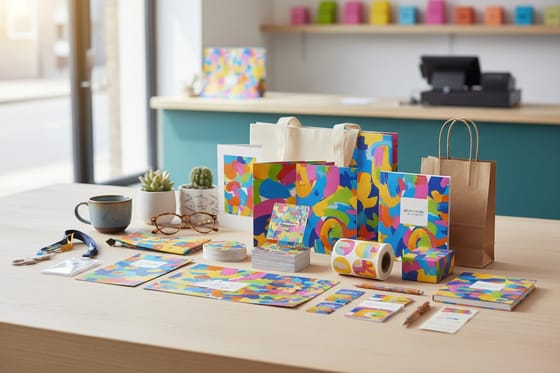
Wally sees a smoke shop as a loop, not a funnel. The window cling, banner, and sidewalk A-frame pull a stranger in, the sticker, hangtag, tote, and labeled house jar ride out in the bag, the tee and bumper sticker carry the mark across town, and the counter card, postcard, and gift card send the customer home with a deal worth sharing. Keep one logo, two colors, and one typeface across all eighteen pieces so the loop is recognizable at every turn, then let 4OVER4 print the whole set in one aligned run.
Shop the retail collection →See it in use
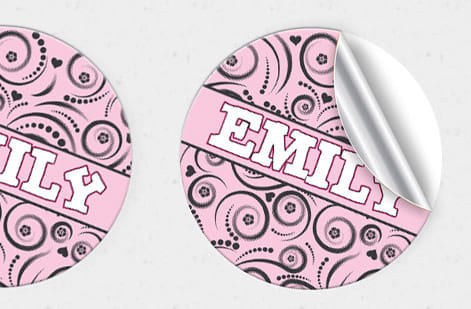
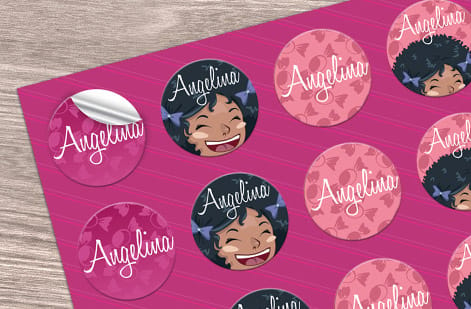
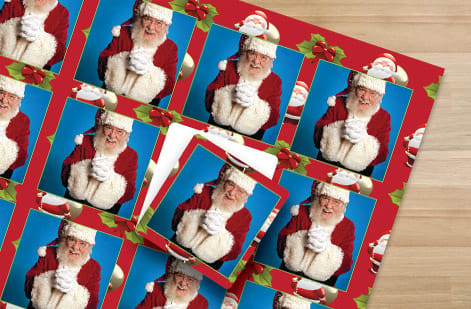
Die cut stickers as customers received them






Explore more
Where to go next

By the numbers
One toolkit, printed to recruit
Common Questions
Common questions about the smoke shop referral toolkit
What is the smoke shop referral toolkit?
It is a curated set of eighteen print products that make a smoke shop grow through its own customers: die-cut hangtags, die-cut stickers, business cards, window clings, retail banners, counter cards, retail boxes, flyers, postcards, posters, rack cards, roll product labels, tote bags, t-shirts, bumper stickers, magnets, plastic gift cards, and a sidewalk A-frame. The storefront pieces pull new faces in, the packaging and merch pieces send every purchase out carrying the brand, and the counter card, postcards, and gift cards turn satisfied regulars into recruiters.
Why does a smoke shop need a referral system in print?
Smoke shops face tight restrictions on mainstream advertising channels, so word of mouth carries more weight than in almost any other retail category. Print is the medium you fully control: your window, your bags, your counter. The toolkit turns each of those surfaces into part of one referral loop instead of leaving growth to chance.
In what order should I roll out the eighteen pieces?
Start with the storefront, clings, a banner, the A-frame, and posters, because they work all day from the moment they go up. Add the packaging layer next, stickers, hangtags, labels, boxes, totes, and business cards, so every sale starts spreading the name. Finish with the counter cards, postcards, and gift cards once you have decided the referral offer, since the card is only as strong as the deal printed on it.
What should the referral offer on the counter card say?
Keep it symmetrical and simple: the person who refers and the person who arrives both get something, for example ten percent off for each. Symmetry removes the awkwardness of recommending a shop for personal gain. Print the mechanics in one sentence, add your social handle or QR code, and leave the fine print small but present.
Are stickers really worth printing for a smoke shop?
Stickers are one of the highest-return items in this category because the audience actually uses them. A die-cut sticker with a sharp logo ends up on water bottles, cases, and laptops, each one a small permanent ad placed for free by a customer. Slip one into every bag by default rather than waiting to be asked.
How much does the full toolkit cost to print?
Each piece is priced live on its product page and depends on size, material, and quantity. Business cards start under twenty dollars, counter cards and window clings in the twenties and thirties, stickers and hangtags scale with quantity, banners start at seventy nine dollars, and custom retail boxes are the largest line item since they are made to your dimensions. Configure each product to see the exact number before ordering.
Can I keep all eighteen pieces looking consistent?
Yes, and it is the whole point of ordering the set together. Repeat the same logo, the same two brand colors, and the same typeface across every piece, and print them through one shop so the teal on your sticker matches the teal on your banner. Starting from a shared template in the online designer makes that nearly automatic.
Get Started
Hangtags are 100 for $36.26 and print in 5 business days
Order the full referral toolkit from 4OVER4.COM and print all eighteen pieces on matching stock, in one turnaround. Adjust size, material, and quantity on any product and watch the price update live.
Legal Disclaimer
Gold Standard guarantees apply to all standard orders placed through 4over4.com. Price match requires verifiable proof of a competitor's published price for an equivalent product with matching specifications and turnaround time. Satisfaction guarantee covers manufacturing defects and print quality issues. Contact support with order number and documentation.
