
How to Design Advertising Banners That Get Noticed


A banner is read on the move in a second or two, so the design has to work at a glance. Letter height follows viewing distance, and every other choice sits under that.
Design an advertising banner around one bold headline sized for the viewing distance. Use about one inch of letter height per ten feet of distance, pick vinyl, mesh, or fabric for where it hangs, keep contrast high and the message to one idea and one call to action, then build the file in CMYK at full size with bleed for the hems. Order vinyl banners at 4OVER4 with a free file check.
Start here
Sized to the distance it is read from
An advertising banner delivers one message at a distance, so design it big, simple, and high contrast. Size the headline to the viewing distance at roughly one inch of letter height per ten feet, choose vinyl, mesh, or fabric for where it hangs, give the viewer a single call to action, and build the file in CMYK at full size with bleed for the hems and a safe margin around the grommets. The blueprint below maps a 6 ft by 3 ft banner so you can see the zones before you design.
Why a banner is won at the design stage
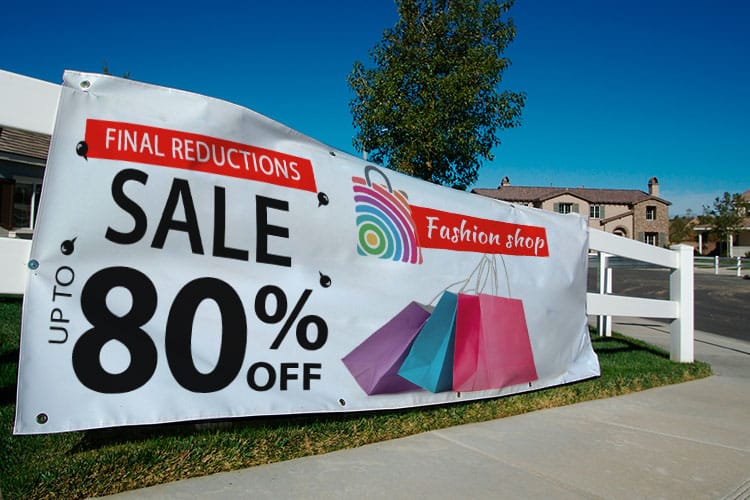
A banner has one shot at a moving audience. Someone drives past your storefront, walks a trade show aisle, or glances across a park, and in a second or two they either catch your message or they miss it entirely. That window is why banner design is won before the vinyl ever prints. A crisp, oversized headline and a single clear ask will out-pull a beautifully printed banner crammed with copy every time.
The good news is that a banner is one of the simplest pieces to get right, because the constraints do the work for you. Fewer words, bigger type, higher contrast. Once you accept that the banner exists to deliver one idea at speed, most design decisions fall into place on their own.
This guide walks the full process: reading distance, materials, sizes, message hierarchy, color, and the file setup, so you can design an advertising banner that lands and then order vinyl banners at 4OVER4. If you would rather start from a layout, our online designer opens a correctly sized banner canvas in your browser.
If you would rather not build the canvas from scratch, start from a template at the size you plan to order. Our design templates library covers the sizes most advertising banners are ordered in, 2 ft by 4 ft, 3 ft by 6 ft, 4 ft by 8 ft, 4 ft by 10 ft and 5 ft by 15 ft. Open the one that matches your mounting space, keep artwork clear of the hem and the grommet edge, and drop in a single headline at the cap height your viewing distance calls for. If you are setting the file up yourself instead, the size and resolution table further down lists the pixel dimensions for every one of those sizes.
Design a banner that reads from across the street
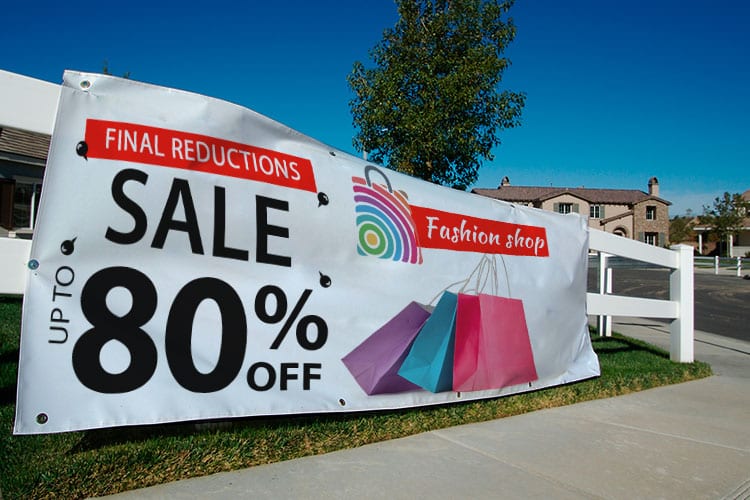
Give a banner about one inch of capital letter height for every ten feet of viewing distance. Read from thirty feet, your headline wants roughly three inch caps. Read from sixty feet, closer to six. Read from a hundred feet across a parking lot and you are into ten inch caps, which is most of the height of a 2 ft tall banner in a single line. That is why the first question is not what the banner says, it is how far away it will be read: a banner on a table skirt and a banner on a highway fence are different design problems, and the difference is letter height. Measure from where people actually stand, walk or drive, not from where the banner hangs, then set the headline to that number before you commit to a layout.
Start the layout from that headline. Set it as large as the space and the distance demand, then build everything else around it. A short supporting line can sit beneath it, and a call to action such as a date or a phone number anchors the bottom, but none of that should shrink the headline to fit.
White space is not wasted space on a banner, it is what lets the eye lock onto the message at speed. Resist the urge to fill every inch. A banner that breathes reads faster than one that is packed, and reading fast is the entire job.
Match the banner type and material to where it hangs
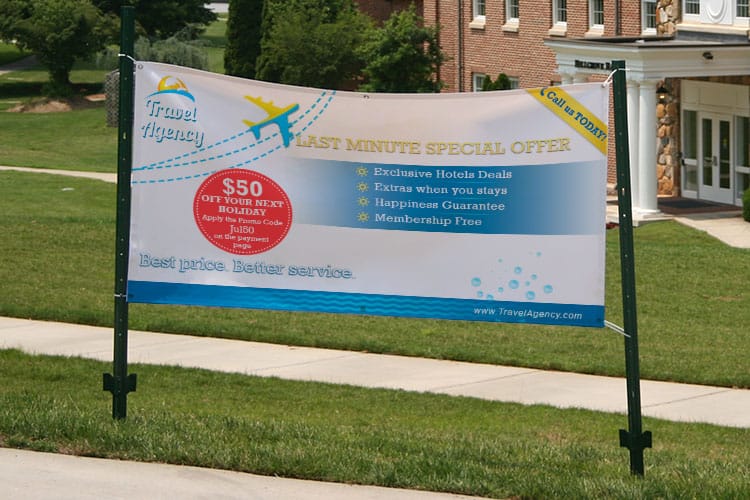
Where the banner lives decides what it is made of. Standard 13 oz scrim vinyl banners cover most outdoor advertising, since they are weatherproof, hold color well, and take grommets for quick hanging. For a fence, a building wrap, or any exposed spot that catches wind, mesh banners let air pass through the tiny perforations so the banner does not billow like a sail or tear at the grommets.
Indoors, the priorities flip. At a trade show, a lobby, or a step-and-repeat backdrop, weather is a non-issue and color richness is everything, which is where fabric banners shine with a premium matte look and no glare under lights. Choosing the material up front matters because it shapes the artwork: a mesh banner prints slightly softer than solid vinyl, so you push contrast and type size a little further.
If you are weighing options, our guide to banner material types compares vinyl, mesh, and fabric side by side, and the full banners collection shows every style in one place.
Pick the size, then lay out the space
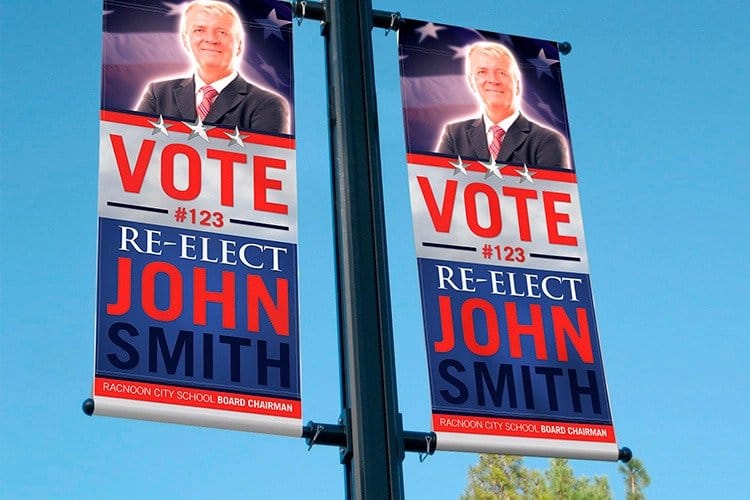
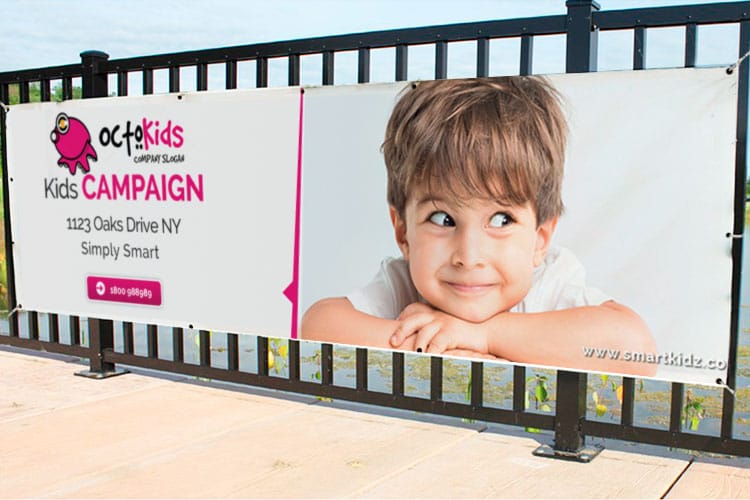
Size follows the space and the distance. Common outdoor advertising sizes run from 2 ft by 4 ft up to 4 ft by 8 ft and larger, and the ratio matters as much as the area. A long, low 3 to 1 shape suits a fence run or a railing, while a squarer shape suits a wall or a storefront window. Measure the mounting area first, leave room for the hem, and pick the size that lets your headline hit the letter height the distance calls for.
With the size set, lay out the space in three zones. The headline owns the top and center, the supporting line sits just below, and the call to action anchors the bottom where the eye finishes. Keep the logo present but modest, off to a corner or beside the headline, so it identifies you without stealing the moment from the message.
The blueprint below maps a 6 ft by 3 ft banner with its grommet spacing and safe zones, so you can see where art can go and where it cannot before you start. Our standard banner sizes guide covers the full range of dimensions.
Banner size and resolution reference
Once the size is settled, the file has to match it. Large format art does not need 300 ppi at full size, because nobody reads a banner with their nose on the vinyl. Build the artwork at one tenth scale at 300 ppi instead: that is the same pixel count as the full size file at 30 ppi, and it keeps the document small enough to open, edit and send. A 4 ft by 8 ft banner becomes a 4.8 in by 9.6 in file rather than a 48 in by 96 in one, and it still prints sharp at the distance the banner works from.
| Banner size | File at one tenth scale, 300 ppi | Same pixels at full size | Reads from | Headline cap height |
|---|---|---|---|---|
| 2 ft by 4 ft | 720 by 1440 px | 24 in by 48 in at 30 ppi | about 20 ft | 2 in |
| 3 ft by 6 ft | 1080 by 2160 px | 36 in by 72 in at 30 ppi | about 30 ft | 3 in |
| 4 ft by 8 ft | 1440 by 2880 px | 48 in by 96 in at 30 ppi | about 40 ft | 4 in |
| 4 ft by 10 ft | 1440 by 3600 px | 48 in by 120 in at 30 ppi | about 50 ft | 5 in |
| 5 ft by 15 ft | 1800 by 5400 px | 60 in by 180 in at 30 ppi | 60 to 100 ft | 6 to 10 in |
The last two columns are the one inch per ten feet rule applied size by size, so find your row and hold your headline against it before you export. Keep logos and type as live vector art so they stay crisp at any scale, set the document to CMYK, and add the hem allowance around the edge so nothing you care about sits where the grommets punch through. Photos are the one thing worth checking twice: a stock image that looks fine on screen can land at half the pixels this table asks for, and on a 4 ft by 8 ft banner that shows. For a photo sign, the 3x4 banner size in pixels follows the same math: 1080 by 1440 px at one tenth scale. If the banner will be read from a few feet instead of across a street, a table front or a lobby sign, build at 100 ppi at full size and shorten the headline rather than shrinking it. You can start from a proportioned file in our design templates, or open the exact size in the vinyl banners configurator and watch the price move as you change dimensions.
One message, one call to action
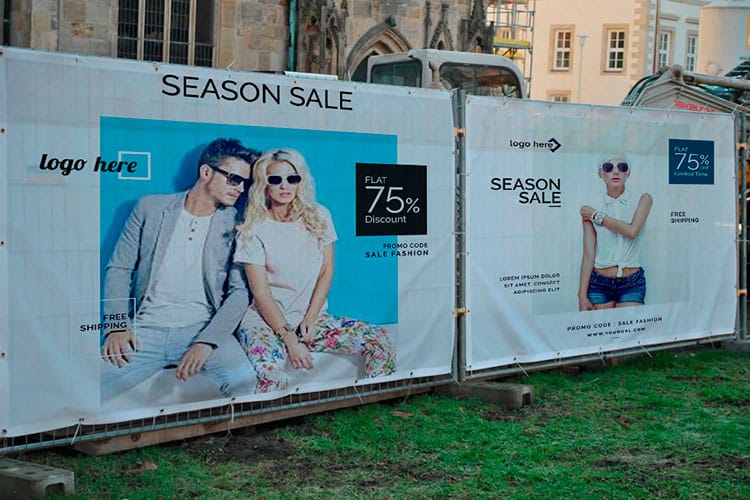
The hardest part of banner design is leaving things out. Every extra sentence you add divides the attention of a viewer who has only a moment to give. So decide the one message the banner must deliver, then protect it. A grand opening, a seasonal sale, a phone number, a single offer. That headline is the banner, and everything else is support.
Give the viewer exactly one thing to do next. A phone number, a short web address, a date, or a simple instruction like visit today. Two competing calls to action cancel each other out, because a person deciding between options at a glance usually just moves on. One clear ask converts far better than a menu of choices.
This is also why a template can help you stay disciplined. Opening a banner layout in the online designer or from our design templates gives you a proportioned frame that nudges you toward one headline and one ask instead of a wall of text.
Color, contrast, and type that carry the distance
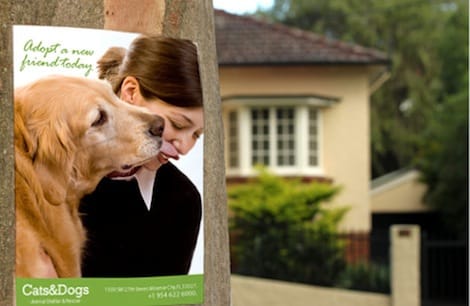
Contrast is what makes a banner readable from far away. Dark type on a light field, or light type on a dark field, holds up outdoors where lighting is unpredictable. Low contrast combinations that look fine on a screen, like medium gray on white or two similar brand colors, wash out at distance and in bright sun. When in doubt, exaggerate the contrast.
Keep the palette tight, usually two or three colors pulled from your brand, and build the banner in CMYK so those colors print on vinyl the way you expect rather than shifting from a bright screen preview. Avoid setting the headline over a busy photo, since detail behind letters is what breaks readability. If you want an image, let it sit to one side or dim it behind a solid band that holds the type.
Type choice matters too. A clean, heavy sans serif reads faster than a thin or decorative face, and bold weights hold their shape at large sizes and across textured materials like mesh. Save the delicate fonts for pieces people hold in their hands.
Set up the file, then order
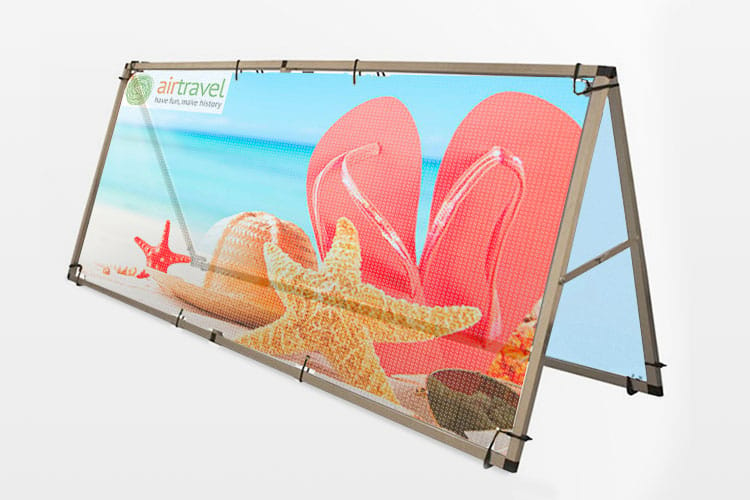
Large format files follow slightly different rules than a business card. Build the artwork in CMYK at the full print size, or at a clean scale like half size, so the proportions stay exact. Because a banner is viewed from a distance, it needs less resolution than small print, and 100 to 150 DPI at full size is plenty. Add 0.25 in of bleed on every edge so the material can fold into a hem without eating your design.
Keep all text and logos inside a safe margin, well clear of the corners where grommets punch through the vinyl. Then export a flattened PDF or a high-resolution file, and when you order with us it also runs through a free file check so a second set of eyes catches anything before it prints.
With the file ready, the print choices come down to size, material, and finishing. Use the live specs and pricing panel below to set the exact dimensions and stock, then hang it where the most people will see it. Our guide on how to hang banners covers mounting once your banner arrives.
Wally sizes the message to the street, not the screen
One headline, high contrast, read in a second
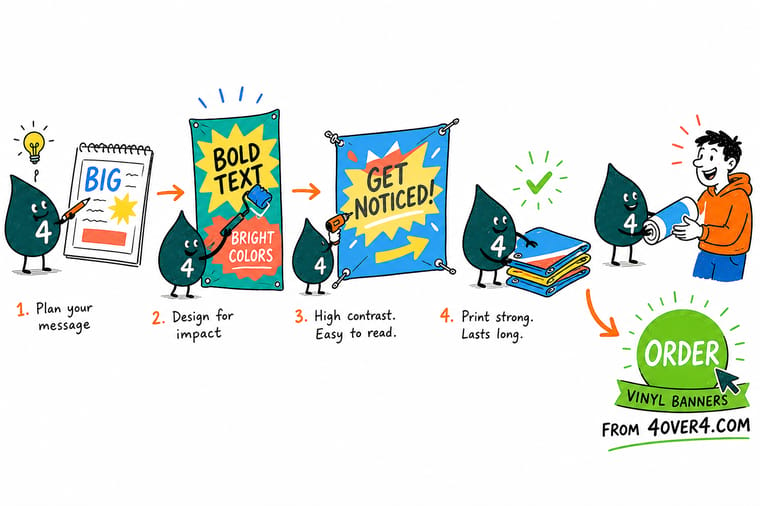
Wally designs a banner for the person walking past, not the person at a desk. Pick one message, set the headline about an inch tall for every ten feet people stand away, push the contrast, and keep art clear of the hems and grommets. Build it in CMYK at full size, export one flat file, and 4OVER4 prints it on vinyl, mesh, or fabric to hang wherever the crowd is.
Print your advertising banner →Quick reference
The advertising banner setup, at a glance
Match these seven settings and your banner is ready to print and read from the street. The example size is a common 6 ft by 3 ft outdoor advertising banner on 13 oz scrim vinyl: CMYK art at 100 to 150 DPI at full size, 0.25 in of bleed on every edge, grommets at the corners and every 2 ft, and a headline about 1 in tall for every 10 ft people stand away.
| Setting | Get it to | Why it matters |
|---|---|---|
| Example size | 6 ft by 3 ft (2:1) | A common outdoor advertising size that reads well on a fence, wall, or storefront and balances impact with cost. |
| Material | 13 oz scrim vinyl | The standard weatherproof outdoor stock, with mesh for windy spots and fabric for indoor color. |
| Resolution | 100 to 150 DPI at full size | Large format is viewed from a distance, so it needs less resolution than a business card, but still at the real print dimensions. |
| Color mode | CMYK | Convert any RGB art before export so bright brand colors print the way you expect on vinyl. |
| Bleed | 0.25 in every edge | Extra art past the trim lets the edges fold into a hem for strength without cutting into your design. |
| Grommets | Corners plus every 2 ft | Metal rings for hanging punch through the edges, so keep logos and text out of the corner zones. |
| Headline height | ~1 in per 10 ft of distance | Match the biggest type to how far away people will read it so the message lands from the street. |
Step by step
Design and print an advertising banner in 7 steps
- Lock the one message first Decide the single thing the banner must say before you open a layout. A grand opening, a sale, a phone number, one idea. Everything else on the banner supports that one line.
- Size the banner to the space Measure where it hangs and how far away people read it, then pick a size and ratio that fills the spot. A wider 3 to 1 shape suits a fence run, a squarer shape suits a wall.
- Choose the material for the location Solid vinyl for most outdoor jobs, mesh where wind is a factor, and fabric for indoor trade shows where color richness matters more than weather.
- Build big and keep it simple Set the headline large enough for the viewing distance, add a short supporting line, and stop there. White space is what makes a banner readable at speed.
- Push the contrast Use dark type on a light field or the reverse, keep the palette tight, and avoid laying words over a busy photo. High contrast is what carries the message across the gap.
- Respect hems and grommets Add 0.25 in of bleed for the hem and keep all text and logos inside a safe margin, well clear of the corners where grommets punch through.
- Export in CMYK and order Export a flattened PDF or high-resolution file in CMYK at full size, then upload it in the configurator or run it through our free file check before you order.

Specs and pricing
Vinyl banner specs and live pricing
Once your design is ready, size, material and finishing are what is left. Vinyl banners ship in 3 business days, mesh in 3 and fabric in 4.
| Quantity | Price Per Unit | Total |
|---|---|---|
| 1 | $79.00 | $79.00 |
Print it
Bring your banner design to 4OVER4
See it in use
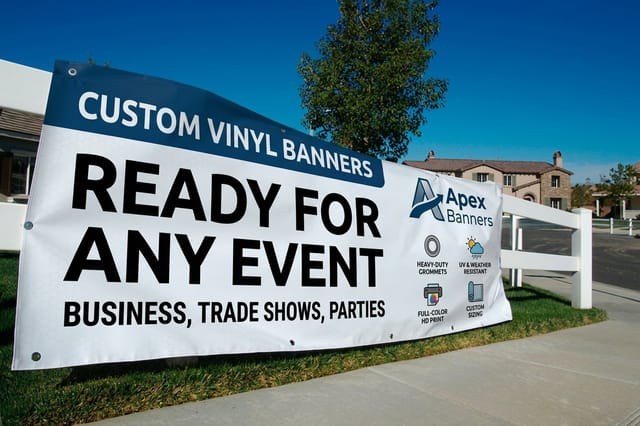
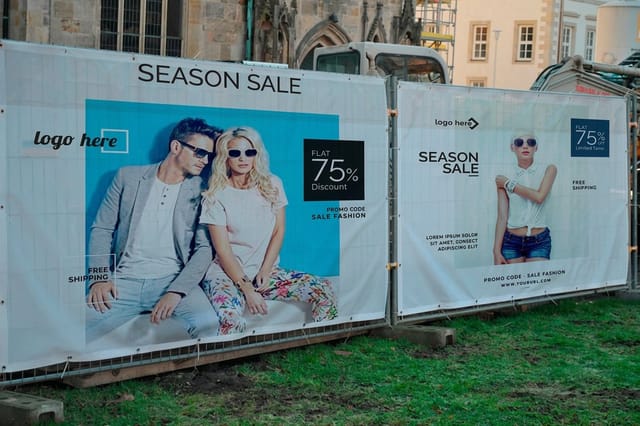
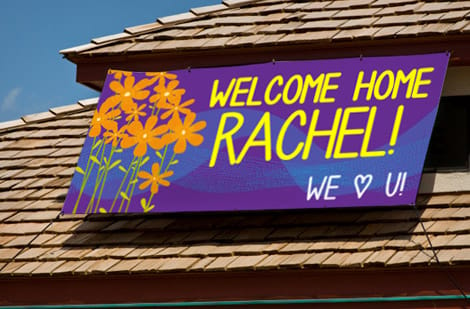
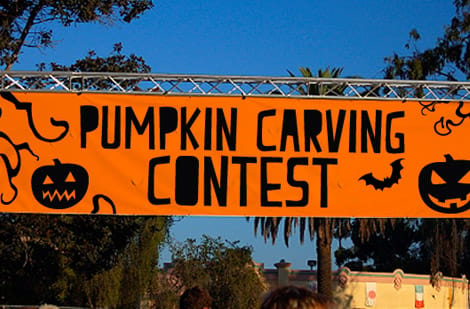
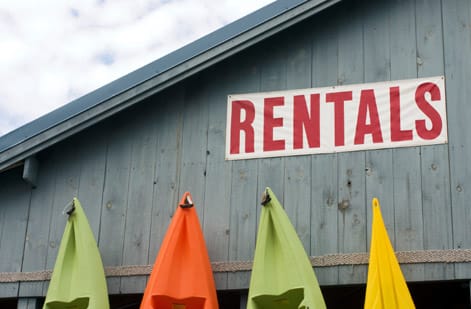
Banners we printed for live campaigns



Explore more
Where to go next


By the numbers
Banner stock and the catalog behind it
Common Questions
Common questions about advertising banner design
What makes a good advertising banner design?
A good advertising banner does one job at a glance. It leads with a single bold headline sized for the viewing distance, backs it with one short supporting line and a clear call to action such as a phone number or a date, and uses high contrast so the message reads from far away and on the move. Everything else is restraint: a tight color palette, generous white space, a readable typeface, and your logo placed where it does not compete with the headline. Banners fail when they try to say five things at once, so the discipline is picking the one thing that matters and letting it dominate.
How big should the text be on a banner?
Match the letter height to how far away people will read it. A practical rule of thumb is about one inch of capital letter height for every ten feet of viewing distance, so a banner read from twenty feet wants roughly two inch caps, and one read from fifty feet wants about five inch caps. The headline is the line that must clear that bar. Supporting text can be smaller since a reader steps closer once the headline has pulled them in, but never so small that it vanishes at the distance the banner is meant to work from.
Which banner material is best for advertising?
It depends on where the banner hangs. Standard 13 oz scrim vinyl covers most outdoor advertising because it is weatherproof, holds color, and takes grommets for easy hanging. Mesh vinyl is the right call for fences and building wraps in windy spots because it lets air pass through instead of catching the wind like a sail. Fabric banners suit indoor use, trade shows, and step-and-repeat backdrops where rich color and a premium look matter more than weather resistance. When in doubt for an outdoor sign, solid vinyl is the safe default.
What size should an advertising banner be?
Size the banner to the space and the distance, not to a single default. Common outdoor sizes run from 2 ft by 4 ft up to 4 ft by 8 ft and beyond, with wider ratios like 3 to 1 suiting long fence runs and squarer shapes suiting walls and storefronts. Measure the mounting area first, leave room for the hem, then pick the size that lets your headline hit the letter height the viewing distance calls for. The configurator lists the standard sizes and updates the price live as you change dimensions, so you can weigh impact against cost before you order.
What resolution should a large banner file be?
A banner file does not need 300 ppi at full size, because nobody reads a banner from six inches away. The working setup is to build the artwork at one tenth scale at 300 ppi, which holds exactly the same pixels as the full size file at 30 ppi and is far easier to open, edit and upload. That lands at 720 by 1440 pixels for a 2 ft by 4 ft banner, 1080 by 2160 for 3 ft by 6 ft, 1440 by 2880 for 4 ft by 8 ft, 1440 by 3600 for 4 ft by 10 ft, and 1800 by 5400 for 5 ft by 15 ft. Keep logos and type as live vector art so they stay crisp at any scale, work in CMYK, and check any photo you place, since a small stock image will not gain pixels by being stretched. Only push to 100 ppi at full size when the banner is read close up, such as a table front or a lobby sign.
What is the most common banner size?
There is no official standard, but 3 ft by 6 ft and 4 ft by 8 ft cover most advertising jobs: a storefront run, a fence panel, a trade show wall, a grand opening sign. Below those, 2 ft by 4 ft suits a table front or a doorway where people are already close. Above them, 4 ft by 10 ft and 5 ft by 15 ft are for long fence runs and building fronts read from fifty feet or more, where a 3 to 1 ratio carries a headline better than a squarer shape. Measure the mounting area first, leave room for the hem and the grommet edge, then take the size that lets your headline hit about one inch of cap height for every ten feet of viewing distance.
What does it cost to print an advertising banner?
Banner price scales with size, material, and quantity. A larger banner uses more vinyl, heavier or specialty materials such as mesh or fabric cost more than standard scrim, and ordering several at once lowers the unit price. Finishing like hems and grommets is standard on most orders. Because the configurator prices every combination live, you can see exactly what a jump from a 3 ft by 6 ft to a 4 ft by 8 ft banner, or a switch from vinyl to fabric, does to the total before you commit, which makes it easy to hit both the visibility you need and the budget you have.
Get Started
Order mesh banners, printed in 3 business days
Set your size and material at 4OVER4, upload your design or open a banner layout in the online designer, and print on weatherproof vinyl, mesh, or fabric. Fabric banners ship in 4 business days for indoor use.
Legal Disclaimer
Gold Standard guarantees apply to all standard orders placed through 4over4.com. Price match requires verifiable proof of a competitor's published price for an equivalent product with matching specifications and turnaround time. Satisfaction guarantee covers manufacturing defects and print quality issues. Contact support with order number and documentation.
