
20 Print Products That Make Your Grand Opening Impossible to Miss
Start printing two weeks before the doors open. This toolkit spreads 20 pieces across that window: the banner and flags that count down to the date, the flyers and yard signs that carry the day, and the door hangers and cards that bring the first week back.
The grand-opening toolkit is 20 print pieces sequenced across an opening campaign: grand opening banners, yard signs, grand opening flyers, standard business cards, feather flags, door hangers, posters, retractable banner stands, retail window clings, signicade A-frames, table tents, standard postcards, standard rack cards, gift certificates, plastic gift cards, bumper stickers, standard brochures, standard magnets, T shirts, and standard buttons. The banner, flags, and window clings build the two-week countdown, the yard signs, posters, flyers, A-frame, table tents, and retractable stand carry opening day, and the door hangers, postcards, cards, magnets, and bumper stickers convert the first week into regulars.
The picks
20 pieces, from $16.48 postcards to $554.39 table tents
Price the countdown first. The $79 grand opening banner, $108.75 feather flags and $30 window clings go up two weeks out; the $57.11 opening flyers and $25 yard signs carry the day; $17.57 business cards and $19.68 magnets ride home in the first week. Each price comes live from the configurator. Give the campaign one color standard, then read on for what each piece does and when it deploys.

Design and print help
Keep the whole campaign on one message
Twenty pieces pay off when the opening date, the offer and the logo read the same on each one. Lock the date and the offer into the banner, the flyer and the card in the online designer, or adapt a grand opening template so the buttons on staff shirts match the frontage.
How they work together
Two weeks out, opening day, then the first week
Each piece owns a phase of the campaign: the countdown, the day, and the week after. Run all three and the opening keeps paying past the ribbon.
The banner across the frontage and the flags at the curb start the countdown while you are still stocking shelves. Window clings on the glass, an A-frame on the sidewalk, and buttons and tees on the crew turn the whole storefront into a walking, standing announcement before the doors even open.
Yard signs at the corners route traffic in, posters on nearby boards extend the radius, and flyers with the opening offer go into every hand within a few blocks of the door. Inside, a retractable stand and brochures greet the crowd, table tents and rack cards push the offer at the counter, and gift certificates and gift cards start ringing up loyalty from hour one.
Door hangers on the surrounding streets catch everyone who missed the day with a come-see-us offer, postcards mailed to the neighborhood reach further still, and a card, magnet, or bumper sticker in every bag turns first visits into saved contacts and second visits.
1. Grand opening banners: the announcement that works for two weeks straight
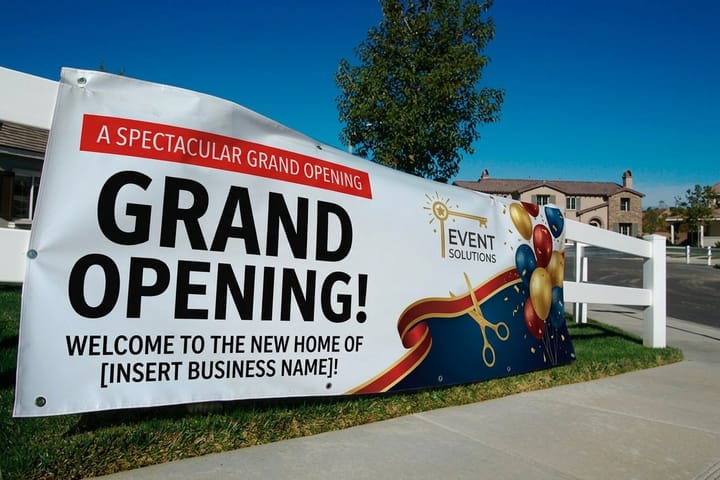
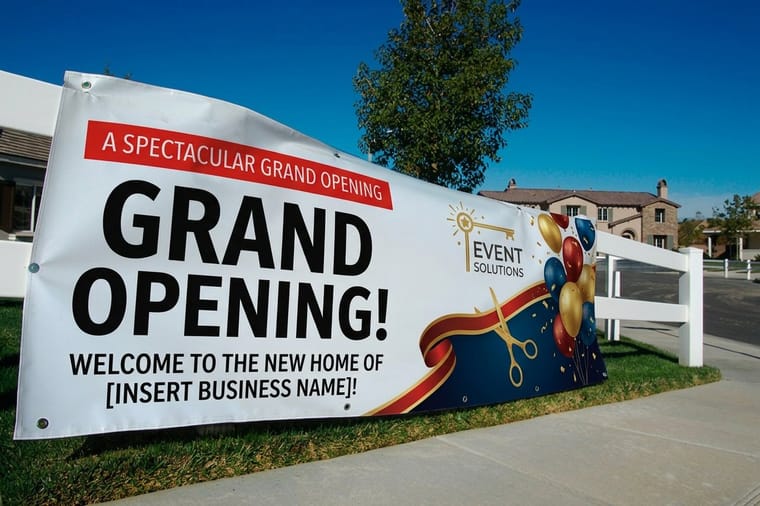
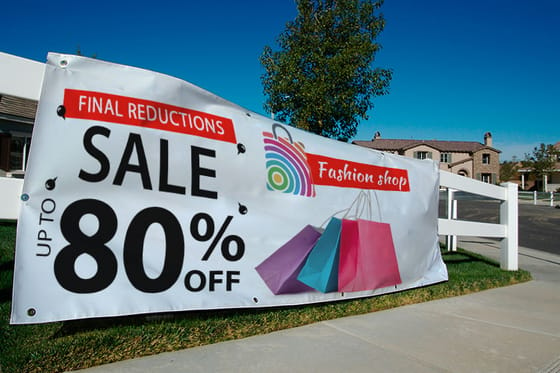
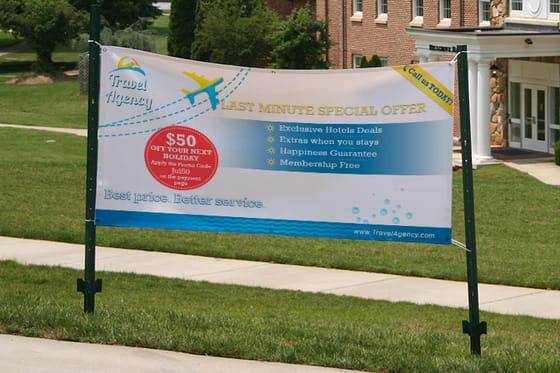
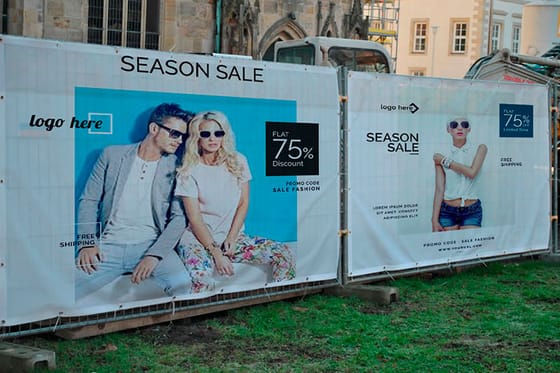
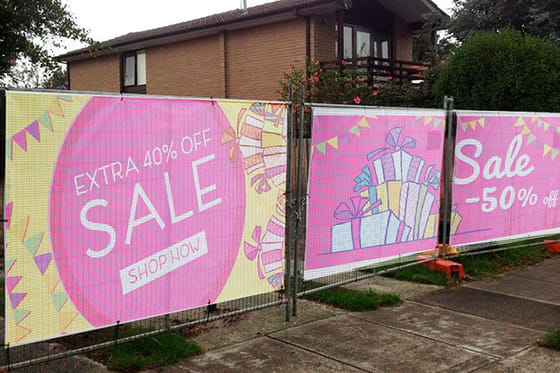
The banner is the campaign’s backbone. Strung across the frontage or facing the busiest approach, it converts every drive-by and dog walk of the pre-opening fortnight into awareness, and it does it for one flat print cost. No other channel reaches your actual future customers, the people already passing the door, this cheaply.
Say three things and stop: grand opening, the date, one hook. Durable vinyl survives the weather between hanging day and opening day, and the walkthrough in how to make banners plus the mounting advice in how to hang banners keep it readable and straight for the whole run.
Hang it the day you get the keys. Anticipation is the one asset an opening cannot buy later.
2. Yard signs: wayfinding for the neighborhood you are about to join
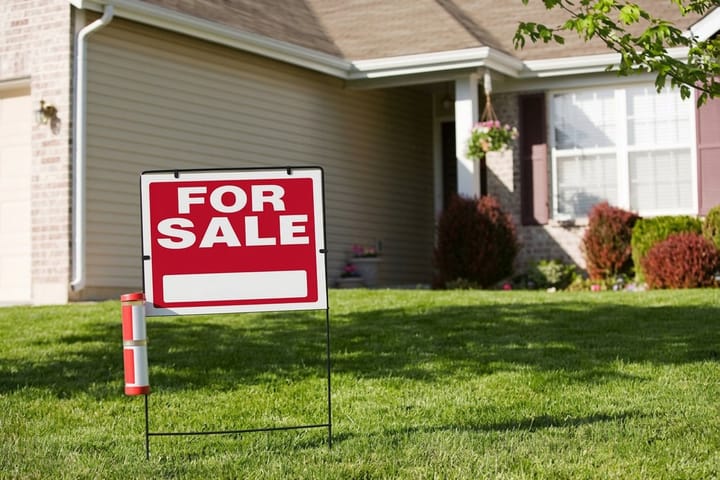
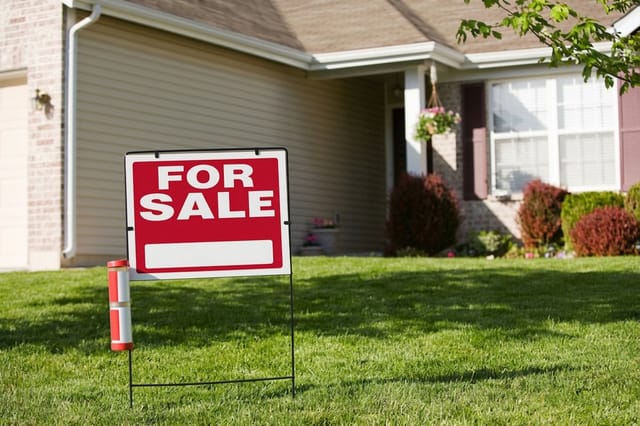
People do not attend addresses, they attend directions. A handful of coroplast yard signs at the surrounding intersections, along the approach road, and at the parking entrance turn now open into turn left here. On opening day they are the difference between interest and arrivals.
Keep each sign to an arrow, the name, and three or four words. The build guide in how to make yard signs covers material and stake choices, and placement rules of thumb, ask permission, favor corners, mind sightlines, do the rest.
At twenty-five dollars to start they are the cheapest square footage in the kit. Collect them after opening week and redeploy for every sale weekend after.
3. Grand opening flyers: the offer that turns passersby into first customers

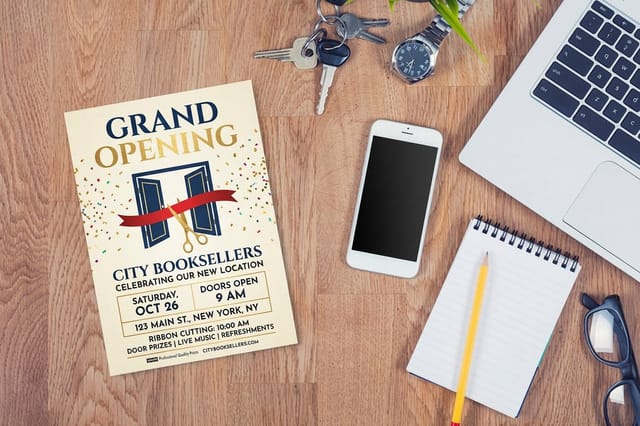
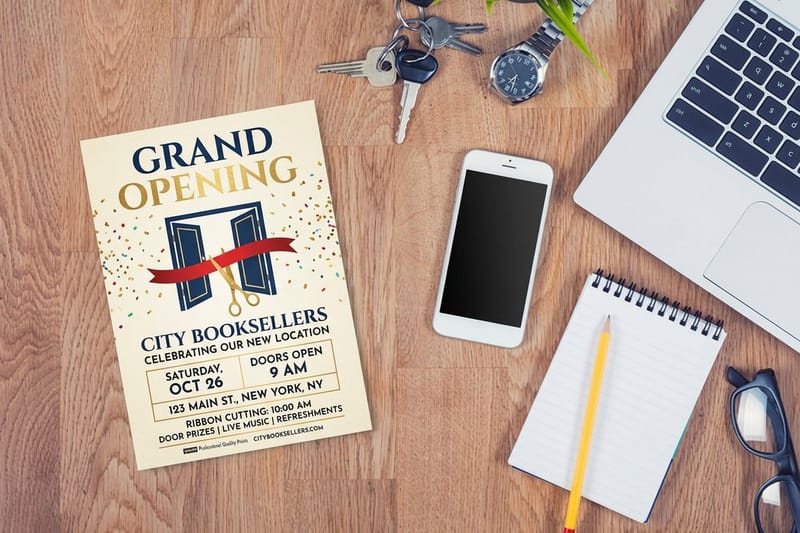
The banner announces; the flyer converts. A stack of opening flyers, handed out at the door, left at nearby counters, tucked under windshields where permitted, carries the one thing signage cannot: a dated offer a person can hold, keep, and redeem. That offer is what moves the opening from noted to attended.
Build the whole layout around the offer and the dates, with the address and hours doing quiet support work. The focal-point discipline in how to design flyers applies exactly, and the mailbox rules explainer keeps the distribution on the right side of postal law.
Print more than the plan calls for. Opening week is the one time strangers accept a flyer gladly.
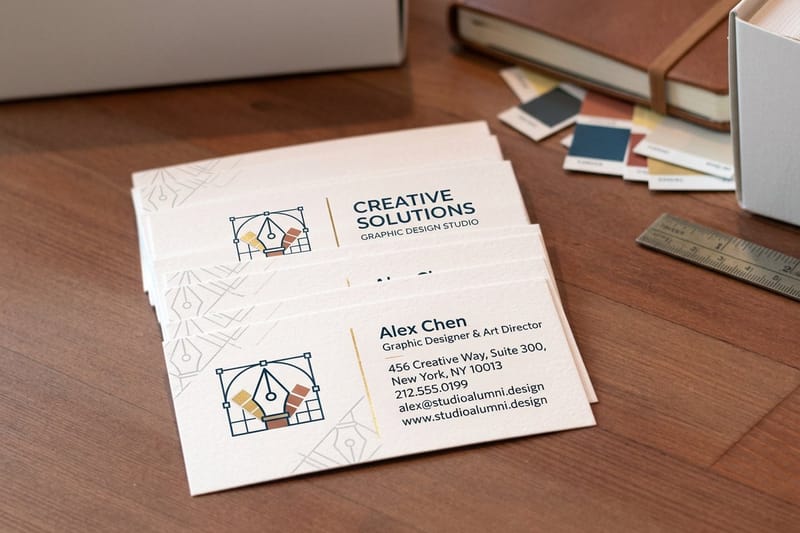
4. Standard business cards: every first visit leaves with your contact
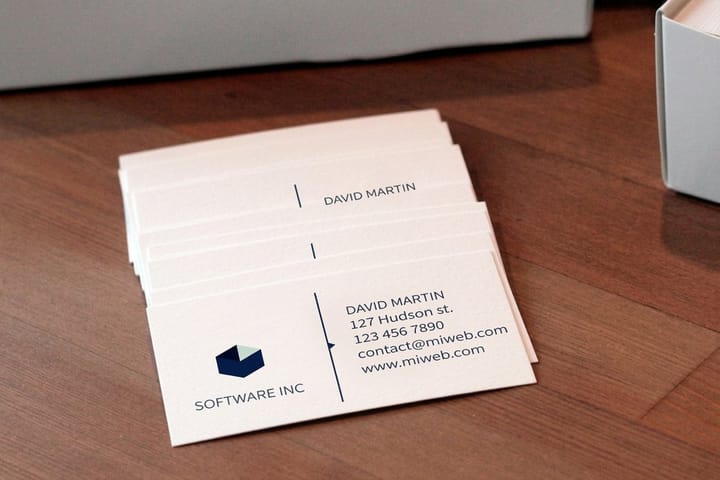
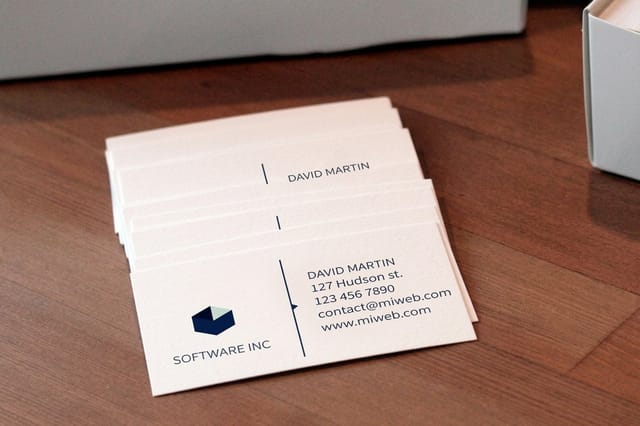
Opening week floods the space with people who will forget you by Friday unless something goes home with them. A card in every bag, every quote, every handshake gives the visit a physical bookmark: the name, the hours, the site, the phone number that turns a browser into a booking two weeks later.
Keep the front clean and give the back a job, a QR code to your list or a first-return offer. The groundwork in business card basics covers stock and layout, and the full business card printing range has weights that survive a wallet.
At under twenty dollars to start, it is the cheapest insurance the campaign buys: the piece that keeps working after all the signage comes down.
5. Feather flags: motion the eye cannot ignore
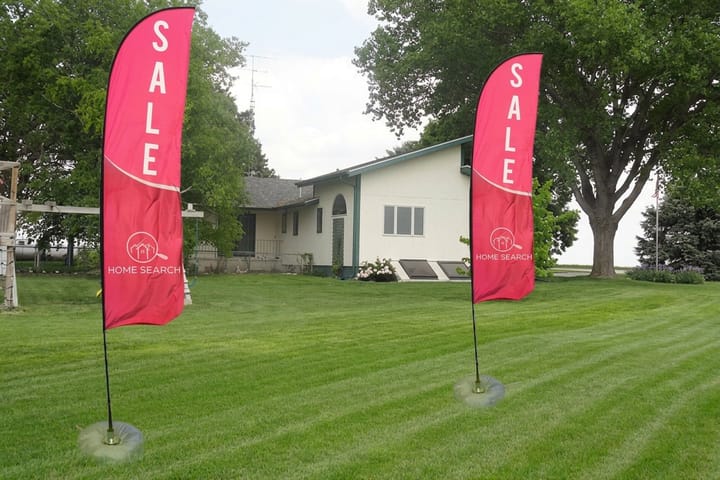
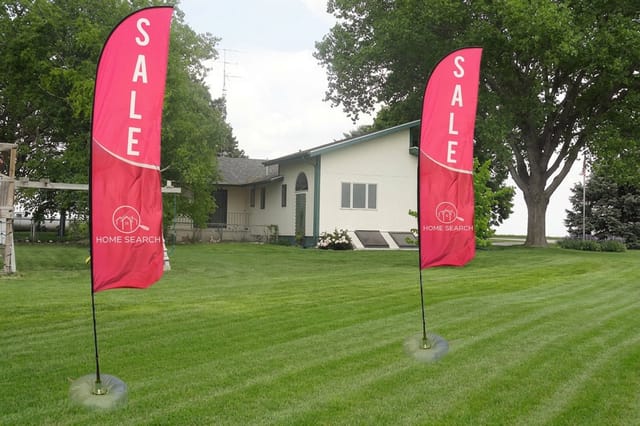
A banner is static; a feather flag moves, and motion is what peripheral vision is built to catch. A pair at the curb turns a storefront into an event from three hundred feet, doing for a new business what a crowd does: signaling that something is happening here, today.
Use single words that read in a glance, open, grand opening, welcome, in high contrast against the fabric color. Flags earn their keep after the opening too, coming back out for weekends, sales, and seasonal pushes for years on one hardware purchase.
Place them where the sidewalk meets the entrance and angle them toward oncoming traffic. Their whole job is to move the eye ten degrees toward your door.
6. Door hangers: the second wave for everyone who missed the day
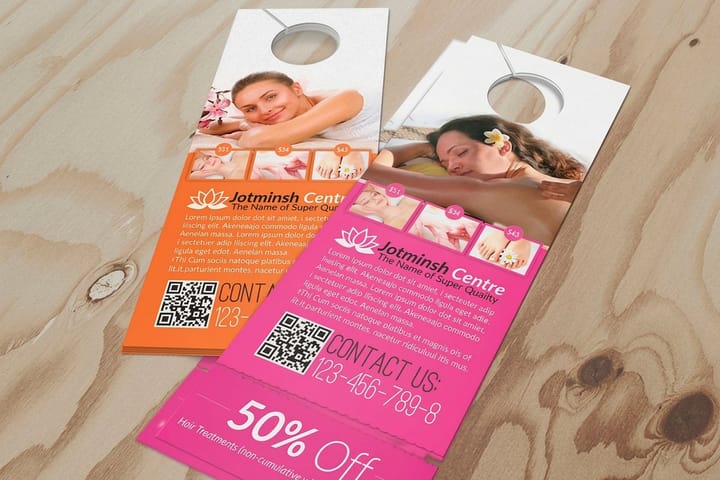
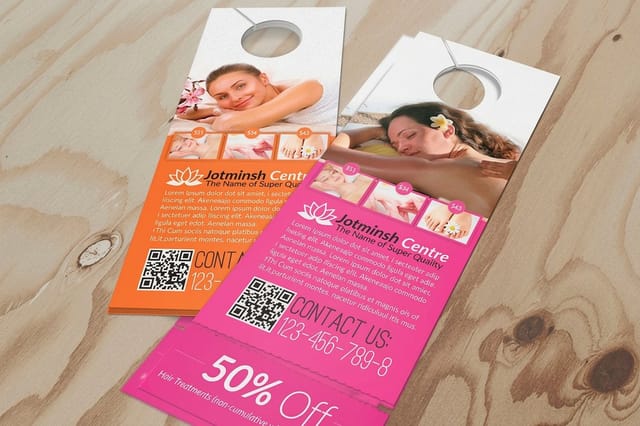
However loud the opening, most of the neighborhood was somewhere else that day. The door hanger is the campaign’s second wave: a we-just-opened message with a first-visit offer, hung on the exact doors within walking or short driving distance, arriving alone rather than buried in a mail stack.
Blanket the surrounding blocks in the week after opening, while the signage is still up and the name is half-familiar. The evidence in are door hangers effective makes the case, and how to make door hangers handles sizing and the die-cut hook.
Include the same offer the flyers carried. Consistency lets the two pieces vouch for each other.
7. Posters: the opening, pinned across the neighborhood
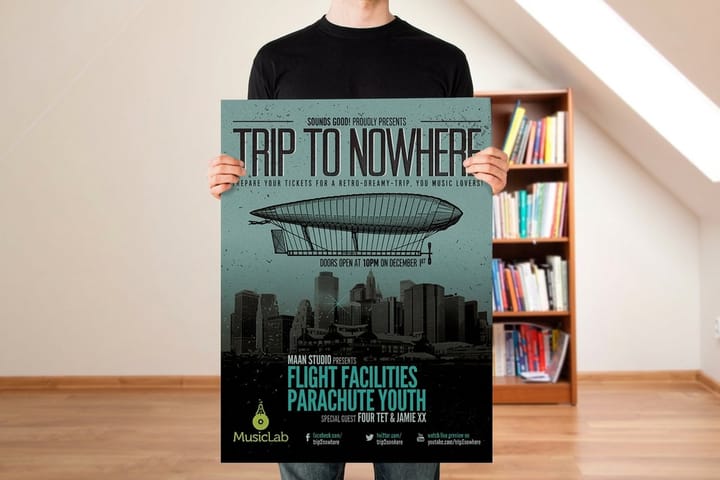
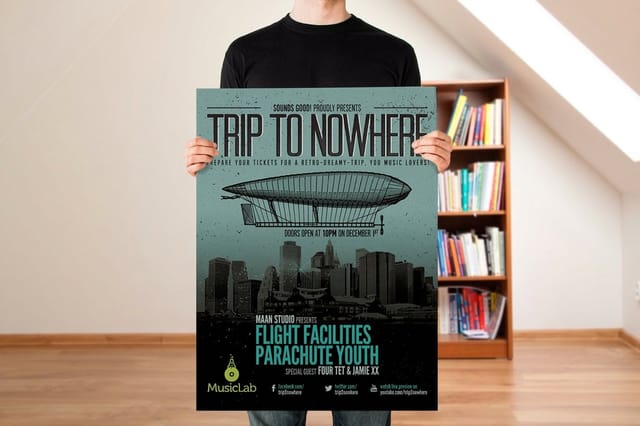
Coffee shops, laundromats, libraries, gyms, and grocery entrances all keep community boards, and a poster on each one extends the opening’s radius far past your own frontage. A poster stays up for weeks, reads from across a room, and reaches the locals whose routes never pass your door.
Design it like a small banner rather than a large flyer: one image, the name, the date, the offer. The eight-step method in how to design a poster keeps the hierarchy honest, and hanging posters without a frame keeps every placement looking intentional.
Ten boards, ten posters, one afternoon of walking: the cheapest reach extension an opening campaign can buy.
8. Retractable banner stands: opening-day signage that works at the door
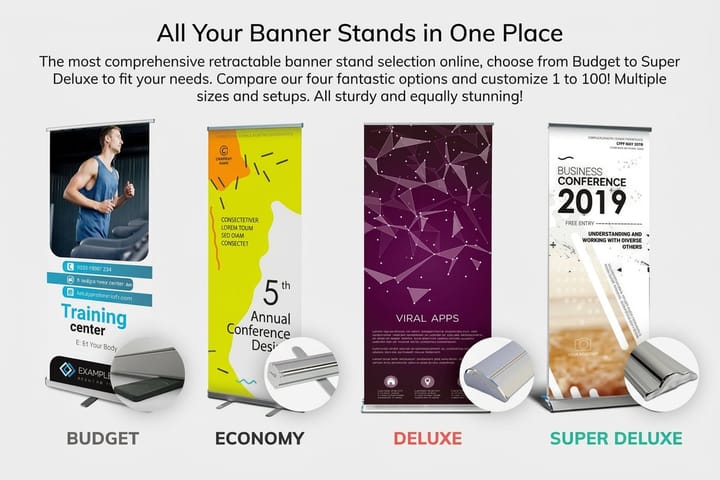
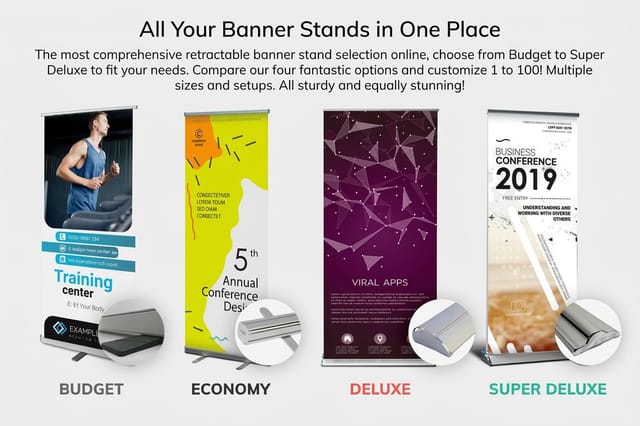
The outdoor banner announces the opening, but the retractable stand welcomes people once they are inside the door. Set at the entrance or by the register, it greets opening-day crowds with the offer, the hours, or a quick thank-you-for-coming, and it rolls up in seconds when the day is done.
Because it is reusable hardware, one stand pays for itself past opening week too, coming back out for every sale and season after. The setup steps in how to set up a retractable banner stand and the sizing advice in top retractable banner sizes make picking the right size for the lobby easy.
Print the graphic once, restage the message forever. It is the one piece in the toolkit built to outlast the opening.
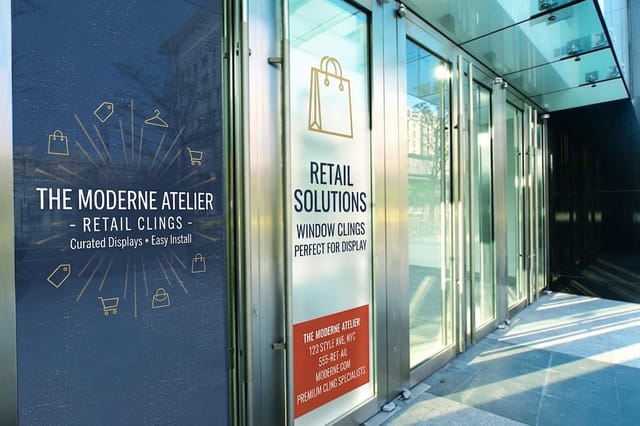
9. Retail window clings: the storefront glass becomes the announcement
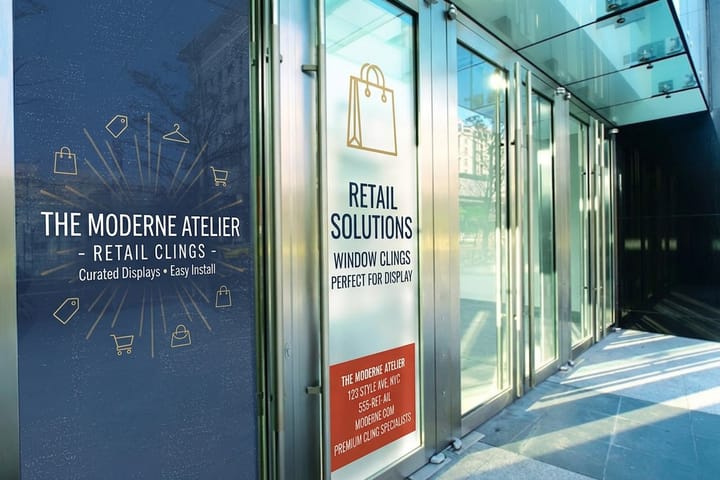
Before a single sign goes up outside, the storefront glass is already visible to every person on the sidewalk. Window clings turn that glass into a now-open announcement with the hours and an opening offer, visible day and night without competing with the banner for space.
Clings peel off cleanly and go back up in minutes, so the same glass can carry a countdown message this week and a new promo next month. The primer in what are window clings and decals and the application steps in how to apply window clings keep the install bubble-free.
At thirty dollars to start, it is the cheapest square footage of storefront the toolkit buys.
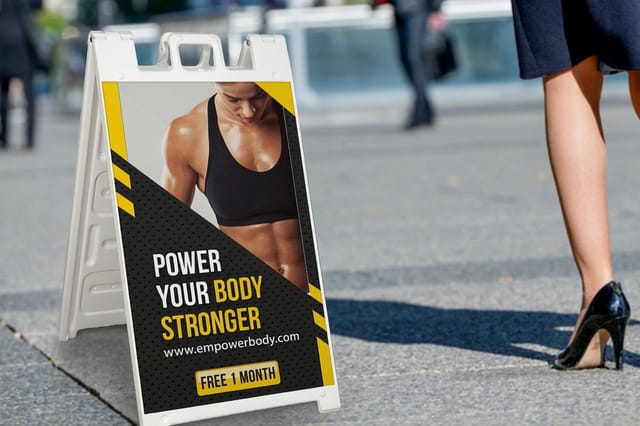
10. Signicade A-frames: the sidewalk sign that routes foot traffic in
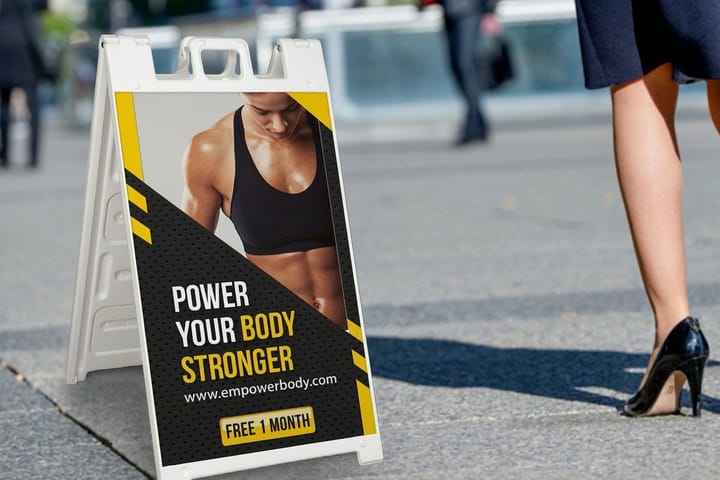
A sandwich board on the sidewalk catches the walker who would never notice a window cling or a banner across the street. Set it out at opening and every day after, with the day's offer swapped in and out, and it earns its keep long past the countdown.
Because the panels are interchangeable, one A-frame can announce grand opening this week and today's special the next. The comparison in signicade vs aluminum vs plastic A-frames and the placement guidance in yard signs vs A-frames vs banners help decide where it earns the most attention.
Put it exactly where foot traffic pauses, at the curb or the entrance, not tucked against the wall.
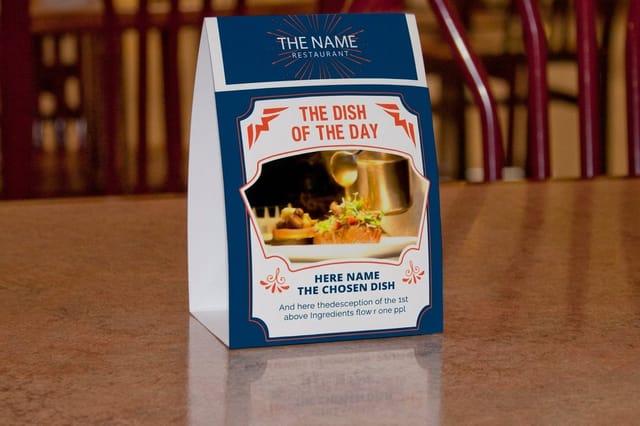
11. Table tents: the counter pitch when staff are too slammed to make it
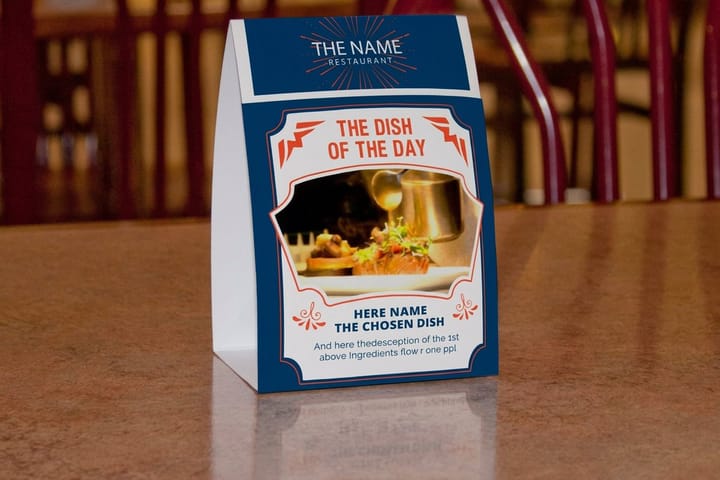
Opening week is chaos behind the counter, and a table tent sells the add-on or the loyalty signup when nobody has a spare minute to mention it. Set on every table or at the register, it carries the opening offer, the gift card, or the plastic loyalty card straight to the customer already standing there.
Keep the message to one line and one visual, the same offer the flyers carry outside, so the campaign reads as one voice indoors and out. The primer in what are table tents covers sizing and fold options for a counter that is already crowded with cups and receipts.
They are cheap enough to reprint the moment the opening offer becomes a standing one.
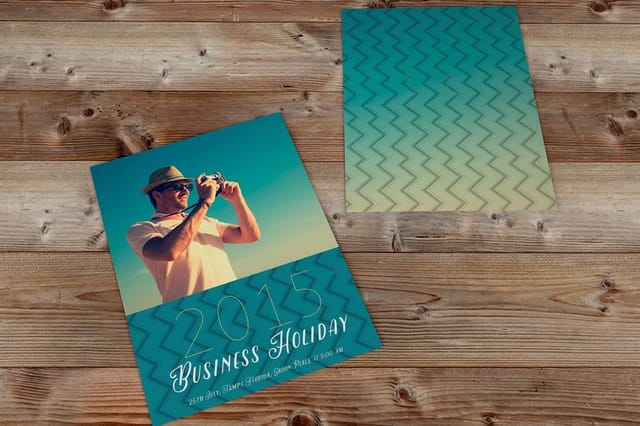
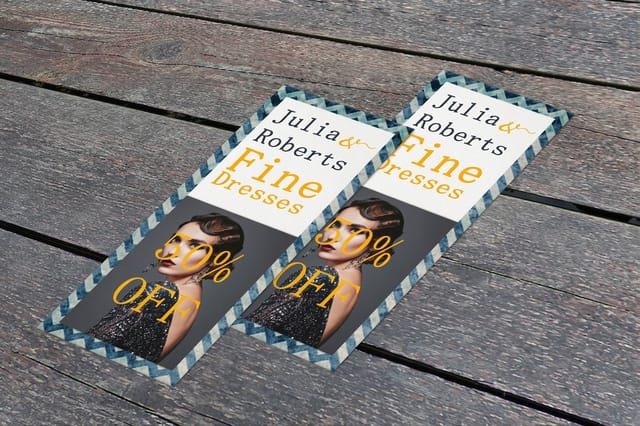
12. Standard postcards: mailing the opening straight to the neighborhood
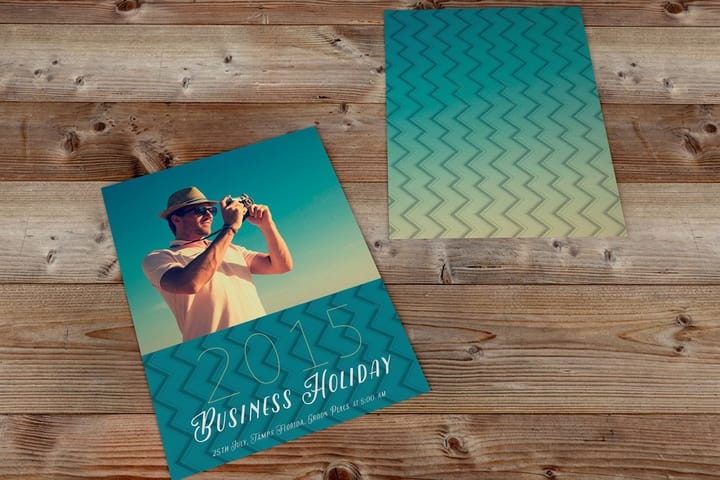
Signage only reaches people who walk or drive past. A postcard mailed to the surrounding zip codes reaches the people who would never have known the doors opened at all, timed to land in mailboxes the same week the banner goes up outside.
Lead with the same offer as the flyers and give it a clear deadline, opening week only creates urgency that a generic welcome mailer never does. The ten-element checklist in how to design a postcard and the size guidance in EDDM postcard sizes make a neighborhood-wide drop straightforward.
At under seventeen dollars to start, it is the cheapest way to put the opening date in front of an entire zip code.
13. Standard rack cards: the take-one that rides along at partner counters
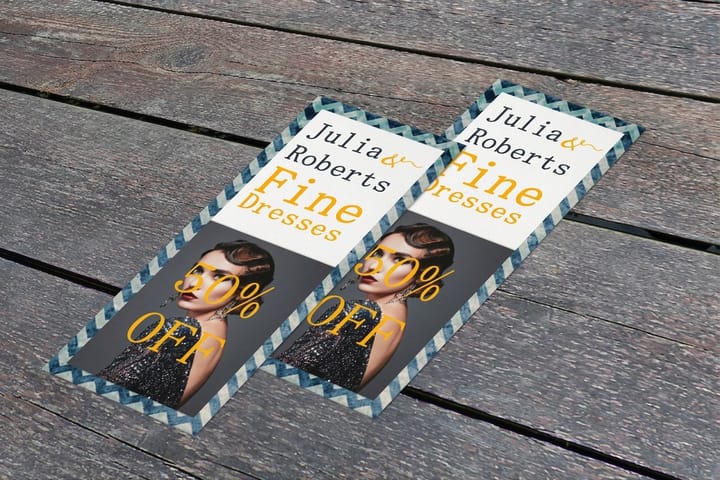
A rack card at the register does what a flyer cannot: it sits patiently in a display slot, at your own counter or a nearby partner business, waiting to be picked up on the visitor's own schedule. It carries a small map, the offer, and the hours in a shape built for a countertop rack.
Ask a couple of neighboring, non-competing businesses to keep a stack by their register in exchange for the same favor, an easy way to extend the opening's reach past your own four walls. The design walkthrough in what is a rack card and the layout tips in how to create a captivating rack card design keep it worth picking up.
Restock it through the first month; a card rack that runs empty stops working.
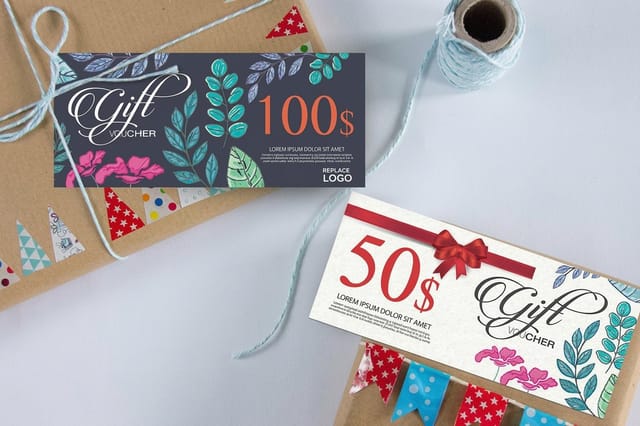
14. Gift certificates: revenue collected on day one, a customer earned later
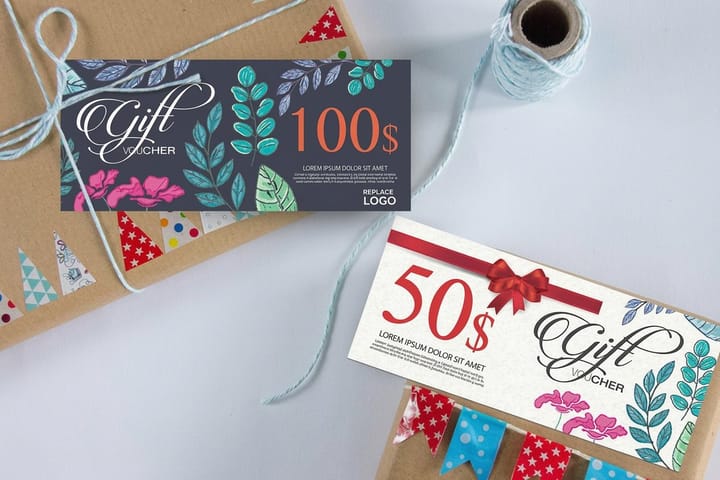
Selling a gift certificate during opening week does two things at once: it puts cash in the register today and it guarantees a second visit from someone who is not even the buyer. Offer a small bonus, buy fifty and get five free, and the certificates move fast during the excitement of the launch.
Print enough to keep at the register and to hand out as an opening-day giveaway or raffle prize, both routes bring a brand-new face through the door later. The rules in gift certificate expiration rules keep the fine print compliant from the first batch onward.
It is the one opening-week product that pays for the rest of the toolkit before the month is out.
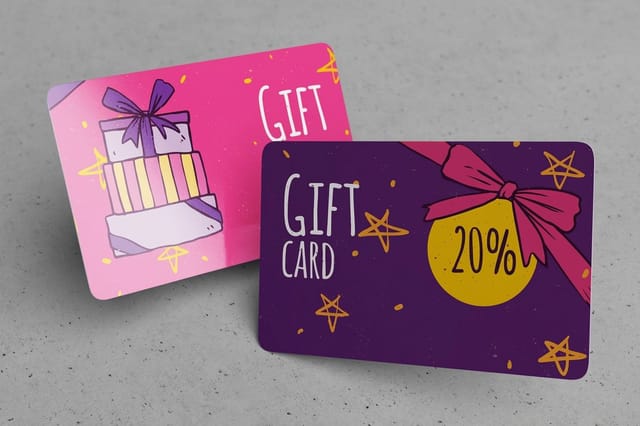
15. Plastic gift cards: the durable loyalty piece that outlasts opening week
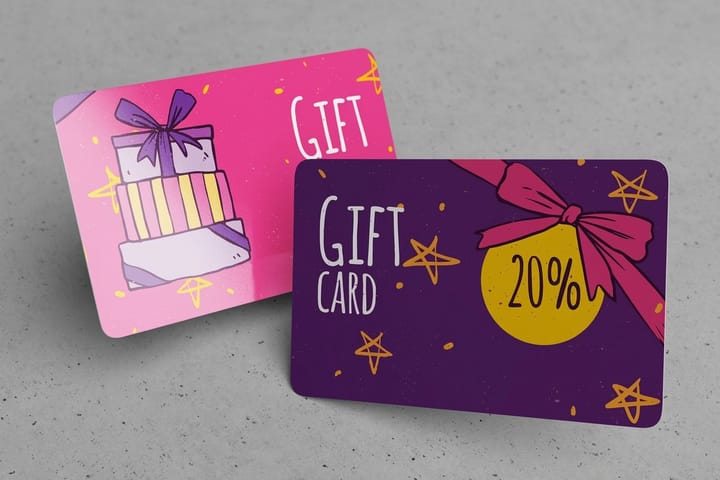
A paper gift certificate gets used once; a plastic gift card gets carried in a wallet and reloaded. Launching a branded card program on opening day gives regulars a reason to come back that a one-time flyer offer never creates, and every reload is a return visit already decided.
Start simple: a fixed opening-week denomination, sold at the register alongside the gift certificates, with the design locked to the same colors as the banner outside. The primer in your guide to loyalty cards and the stock breakdown in 30mil plastic card materials cover durability for a card meant to survive a wallet for years.
It costs more upfront than the paper version, but it is the piece built to keep opening-week customers coming back in year two.
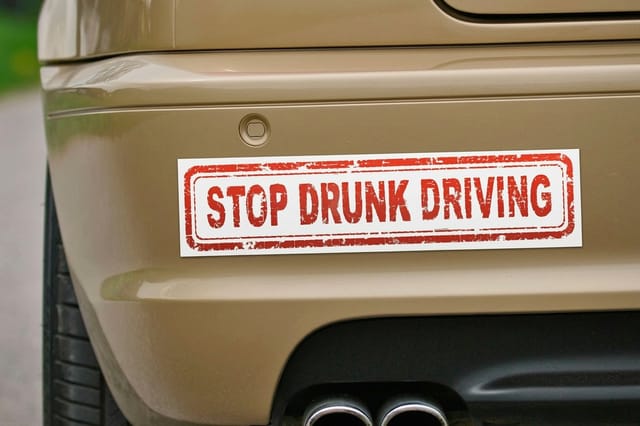
16. Bumper stickers: opening-day fans become moving billboards
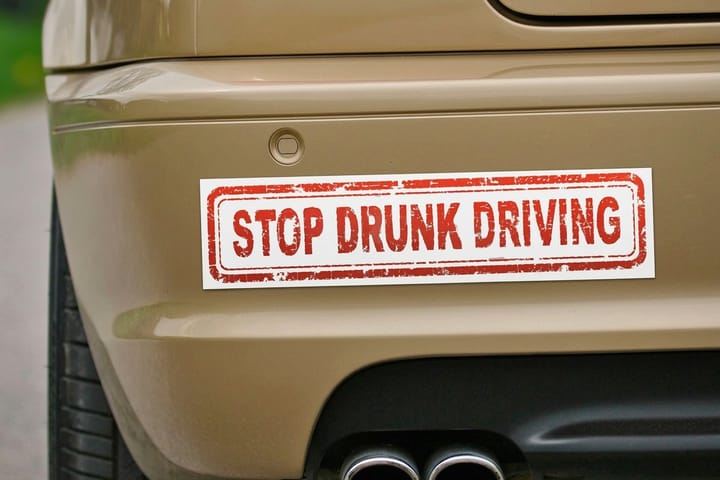
Hand a bumper sticker to every opening-day customer and some share of them will actually put it on the car, turning a single visit into weeks of rolling exposure around town. It is the cheapest giveaway in the toolkit and the only one that keeps advertising the business long after the person drives away.
Keep the design to the logo and the name, readable at a glance in a rearview mirror, nothing as text-heavy as the flyer. The comparison in bumper stickers vs car magnets and the production notes in how to make stickers cover material choices for a sticker meant to survive weather.
Stack a box by the register through the whole first month, not just on opening day.
17. Standard brochures: the whole story, for the visitor who wants more
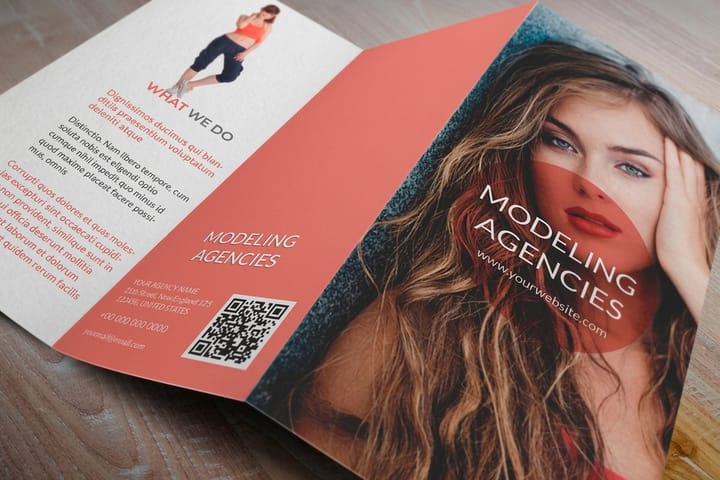
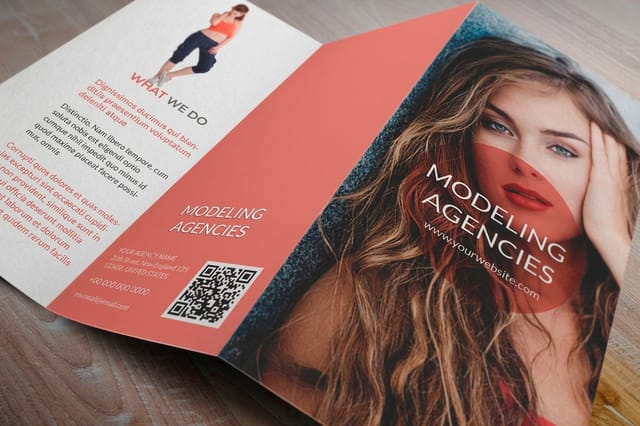
A flyer sells the opening offer; a brochure sells the business itself. For the opening-day visitor who is curious but not ready to buy, a folded brochure explaining the full menu, service list, or product range is the piece that gets carried home and revisited instead of tossed with the flyer.
Use the opening as the reason to finally get the whole story down on paper, then keep using the same brochure well past the launch. The fold options in how to fold a brochure and the layout principles in the elements of brochure design explained keep a first-run brochure looking professional.
Stock it at the counter and in the welcome kit for every opening-week visitor who asks what else you do.
18. Standard magnets: a fridge magnet keeps the new shop top of mind
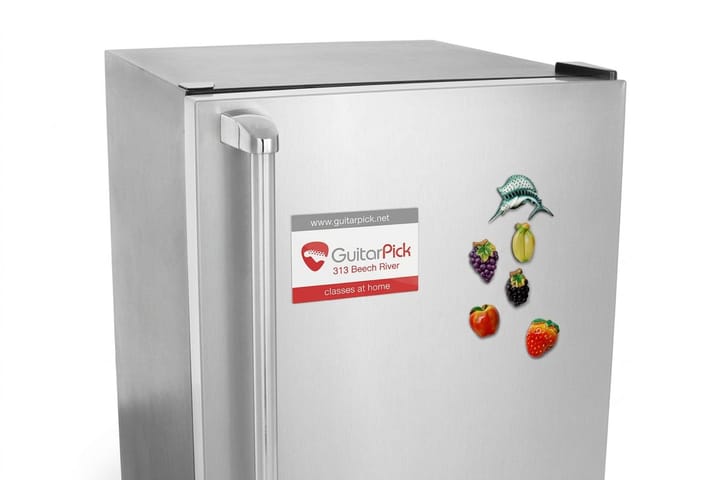
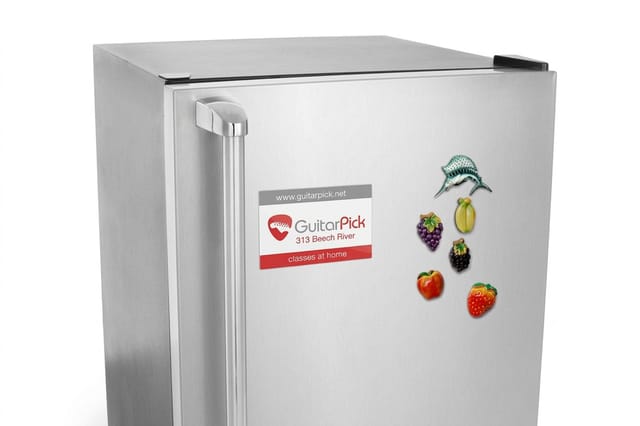
A business card gets filed away; a magnet goes straight on the fridge, where the address, hours, and phone number stay visible to a whole household for years. Handed out at opening, it is one of the few giveaways in the toolkit that earns a permanent spot in someone's home.
Keep the design to the essentials, name, number, one line about what you do, since a fridge magnet is read in passing, not studied. The comparison in magnets vs stickers and the production steps in how to make custom magnets cover thickness and finish choices for a piece meant to last.
Give one to every opening-week household that walks through the door, not just the ones who buy.
19. T shirt: dressing the opening-day team as a walking brand
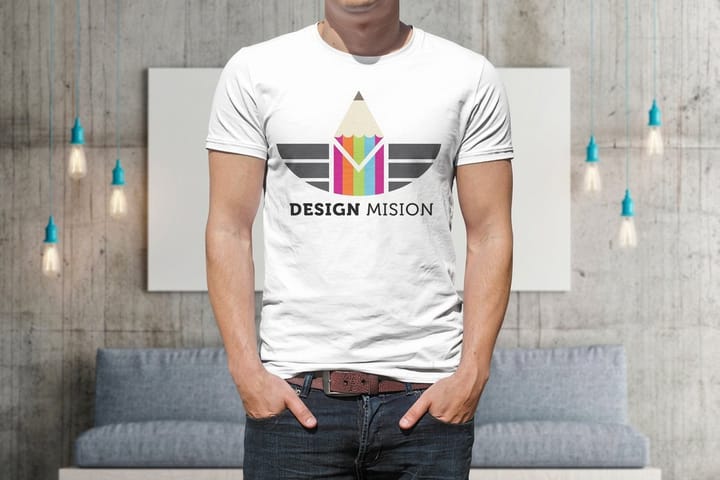
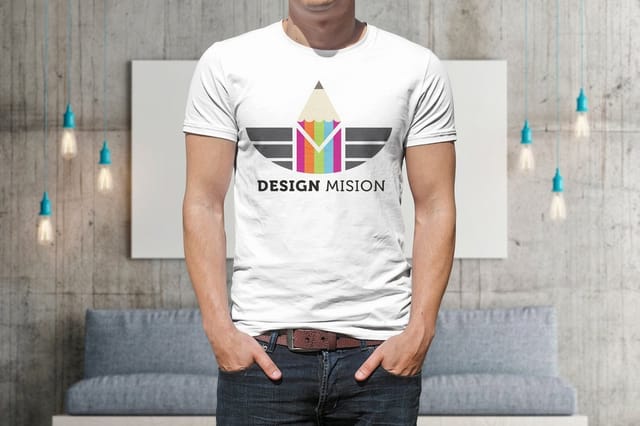
On opening day, staff in matching branded shirts read as a real business from across the room, not a folding table someone set up that morning. The shirts double as a walking sign at every register interaction and, printed in a couple of extra sizes, as a prize for the opening-day giveaway or raffle.
Keep the design to the logo and the opening date on the back, simple enough to still be worn as a staff shirt a year later. The sizing and placement advice in t shirt print size guide and the ordering steps in how to make custom t-shirts keep the whole team consistent.
Order a few sizes deep; a mismatched team on camera during the opening rush is the one detail people remember.
20. Standard buttons: the pin-back giveaway everyone actually wears
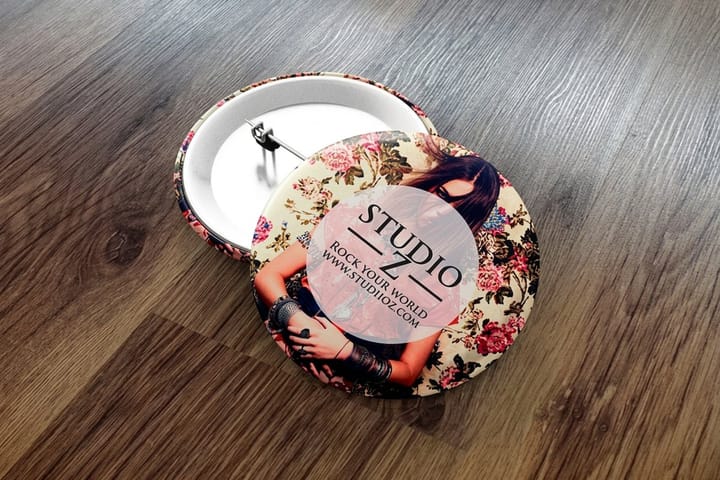
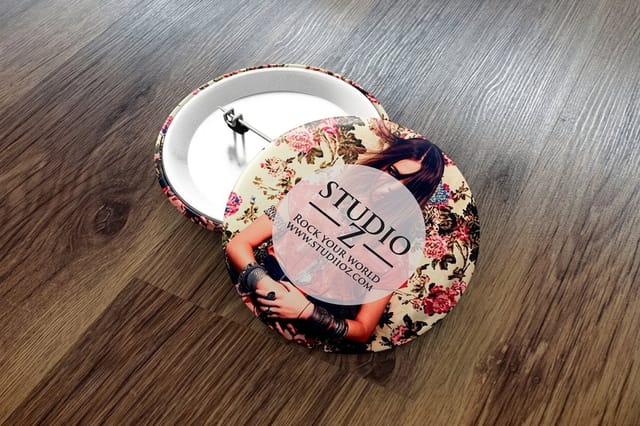
Pin-back buttons close out the toolkit as the smallest, cheapest, and most-worn giveaway in the lineup. Pin them on staff alongside the opening-day shirts, and hand a second batch to kids and fans in the crowd, who will wear a fun button on a backpack or jacket long after a flyer gets recycled.
Design a couple of variants, a logo button and a fun grand-opening slogan button, so regulars want to collect more than one. The case for the format in why pin-back buttons are a huge marketing success explains why a two-inch button still outperforms giveaways many times its cost.
Order enough for the whole opening-day crowd; buttons are the one piece in the toolkit that runs out fastest.

Specs and pricing
Anchor the toolkit: grand opening banner specs and live pricing
The banner starts the campaign, so start the order there. Here are the live specs and price-per-unit for grand opening banners at 4OVER4.COM, straight from the configurator.

| Quantity | Price Per Unit | Total |
|---|---|---|
| 1 | $79.00 | $79.00 |
Wally explains the toolkit
20 pieces, one countdown, from keys to regulars
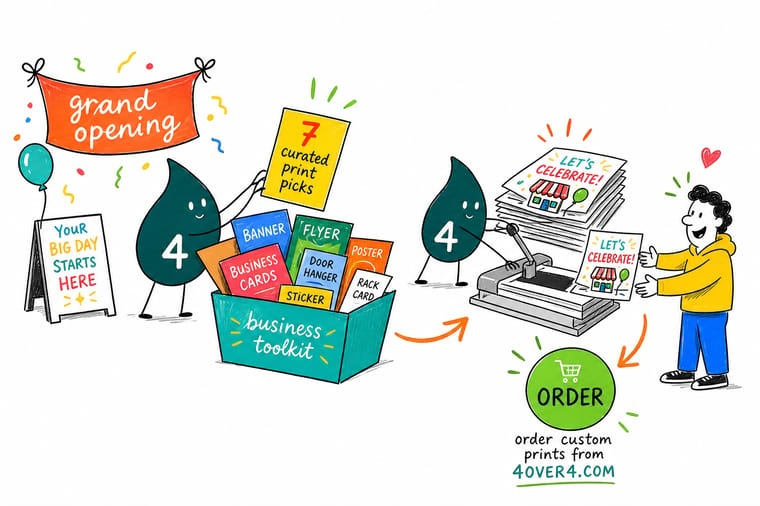
Wally runs the opening like a launch clock. Two weeks out, the banner and feather flags start the countdown. On the day, yard signs point the way while flyers and posters carry the offer across the neighborhood. The week after, door hangers catch everyone who missed it and a business card rides home in every bag. One look, one opening the street remembers.
Shop grand opening printing →See it in use
Banner work we printed

Explore more
Where to go next
By the numbers
One toolkit, printed to open loud
Common Questions
Common questions about the grand-opening toolkit
What is in the grand-opening business toolkit?
20 print products sequenced across an opening campaign: grand opening banners, yard signs, grand opening flyers, standard business cards, feather flags, door hangers, posters, retractable banner stands, retail window clings, signicade A-frames, table tents, standard postcards, standard rack cards, gift certificates, plastic gift cards, bumper stickers, standard brochures, standard magnets, T shirts, and standard buttons. The banner, flags, and window clings build the countdown, the yard signs, posters, flyers, A-frame, table tents, and retractable stand carry opening day, and the door hangers, postcards, cards, magnets, and bumper stickers convert the first week into repeat customers.
When should I start putting up grand-opening signage?
Two weeks before the doors open, or as soon as you legally can. The banner and feather flags should go up while the interior is still being finished, because the construction period is when curiosity about a new space peaks. A banner that says opening June 12 turns every passing commute into anticipation, and by opening day the neighborhood already has the date.
What offer should the opening flyers carry?
One concrete reason to come during opening week rather than eventually: a percentage off the first purchase, a free item with any order, or an entry into an opening drawing. Put the offer and the dates in the largest type on the piece and the address with a small map or landmark line beneath it. A flyer that just announces existence gets goodwill; a flyer with a dated offer gets visits.
Where do yard signs fit if my business has no yard?
Yard signs are corner infantry, not lawn decoration. Placed at nearby intersections, along the approach road, and at the parking entrance, they route people who already heard about the opening to the actual door, with permission from the property owners where needed. On opening day they do the wayfinding your address line cannot.
Are door hangers worth adding to an opening campaign?
They are the best follow-through piece in the kit. Most of the neighborhood will miss opening day, and the door hanger is how the campaign reaches them at home afterward: a we-just-opened message with a first-visit offer, hanging on the exact doors within walking distance. Unlike mail, it arrives alone, with nothing else competing in the stack.
How do I keep 20 pieces looking like one campaign?
Lock three elements before designing anything: the logo, the two campaign colors, and the exact wording of the opening offer. Repeat them identically on every piece, from the banner to the buttons on staff shirts. When the door hanger matches the banner someone saw last week, the pieces reinforce each other instead of starting over.
How much does the whole toolkit cost to print?
Each product is priced live on its own page and scales with size and quantity. 25 magnets start at $19.68, 100 business cards at $17.57 and 50 postcards at $16.48, one yard sign at $25, one window cling at $30, 50 flyers at $39.54, 50 rack cards at $42.84 and one banner at $79. One feather flag or 50 posters cost $108.75, one retractable stand $139, one Signicade A-frame $182.32 and 250 plastic gift cards $226.11, and 250 door hangers at $290.41 and 250 table tents at $554.39 are the bulk runs. Configure each piece and the total builds to fit the opening budget.
Get Started
Open with a $108.75 feather flag
Order the grand-opening toolkit from 4OVER4.COM piece by piece, gift cards and door hangers first. Adjust size, material, and quantity on any product and watch the price update live.
Legal Disclaimer
Gold Standard guarantees apply to all standard orders placed through 4over4.com. Price match requires verifiable proof of a competitor's published price for an equivalent product with matching specifications and turnaround time. Satisfaction guarantee covers manufacturing defects and print quality issues. Contact support with order number and documentation.
