
20 Brewery and Taproom Print Products That Pour Profit
A brewery's brand lives on the can, on the table, and on the fridge of every regular. These are the 20 print pieces that carry it, from the label that sells the first sip to the card that lands the wholesale account.
The brewery and taproom kit is 20 print pieces that sell craft beer at every distance: beer labels, brewery stickers, drink coasters, tap list menus, table tents, vinyl banners, business cards, flyers, posters, t-shirts, tote bags, mugs, rack cards, postcards, bottle neck hang tags, gift certificates, window clings, yard signs, a retractable banner stand, and magnets. The label wins the shelf, the taproom pieces sell flights and the release calendar, the merch walks the name out the door, and the signage, cards, and mailers carry the brand out to the street and into wholesale.
The picks
Twenty products, from the can label to the tap list
Start here. These are the 20 products in the kit, numbered in the order a brewery usually needs them, each priced live from the configurator: 10 drink coasters for $10.98, beer labels from $25 for 25 in 13 sizes between 2 x 3.5 and 5 x 7 inches, business cards from $17.57 for 100 and a retractable banner stand from $139 each. Order them together so the brand color on the can matches the coaster, then read on for what each piece pours into the business.

Brewery printing
Brewery printing, everything a taproom orders
Brewery printing splits into five jobs, and the 20 pieces above cover all five. Labels come first: beer labels are ordered per batch and sized to the bottle or the can before the artwork starts, because the wrap decides the art, not the screen. The taproom is next: drink coasters sit under every pour and in every photo, and table tents stand the release calendar, the mug club, and the food truck schedule on the table so staff never have to recite them. The tap list carries the styles, the notes, and what is pouring today, which is what sells a flight over the safe default. Signage takes the message to the street with weatherproof vinyl banners for release day, trivia night, and the beer garden opening. Merch closes it out: die-cut stickers the drinkers apply for you, and business cards for the distributor, the bar buyer, and the wedding planner asking about kegs. Print them in one run from one set of files and the brand holds from the can to the curb.
Design and print help
One look from the can to the coaster
Craft branding is a repetition game across labels, board, and table. Set the mark once and it has to hold on a 2 x 4 inch can label, a 4 inch coaster on 48pt board and a 4 x 6 inch table tent, and a free proof shows the label art on the real stock before canning day. These 4OVER4.COM services keep the mark identical on every surface without a studio on retainer.
How they work together
From the can to the curb, in three moves
Each piece owns a distance from the beer: a label on the can in the hand, a 4 inch coaster and a 4 x 6 inch tent on the table, and a 13oz vinyl banner and 18 x 24 inch yard signs out on the street. Print the whole kit and the shelf, the table, and the street all sell the same brand.
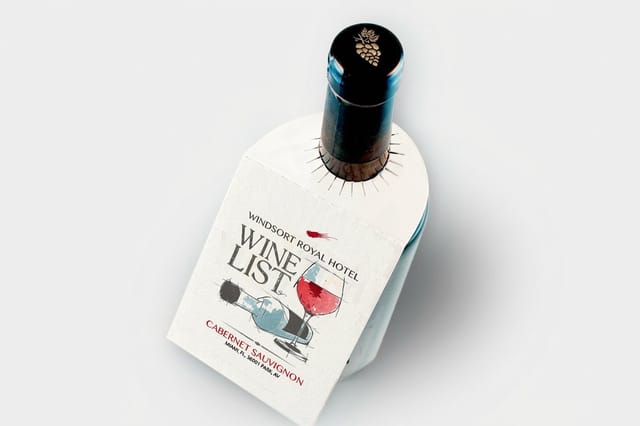
The label carries the beer into shops, fridges, and photos, and the neck hang tag adds the tasting notes and pairing where the label runs out of room. One strong label system, with a variant per style, is the backbone of the whole brand.
The tap list sells the pour, the tent sells the calendar, and the coaster sits under every glass, while posters dress the wall, window clings pull the sidewalk in, and mugs and gift certificates turn a good visit into a membership and a return.
Stickers, tees, totes, and magnets ride out on growlers, shoulders, and fridges, banners, yard signs, flyers, and the festival banner stand announce every event to the street, and business cards, rack cards, and postcards turn taproom chats and mailboxes into wholesale accounts and repeat visits.
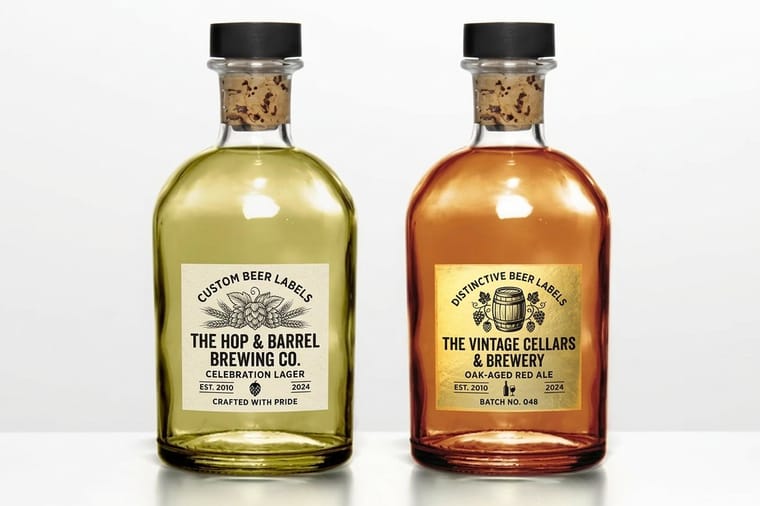
1. Beer labels: the first taste is visual
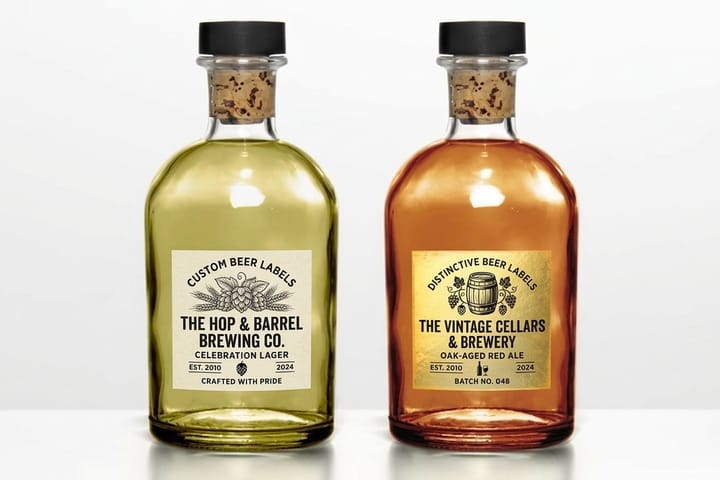
Nobody has tasted your IPA on the shelf. They are tasting the label: the name, the artwork, the confidence of the type. In a cooler full of competent beer, the label is what gets one can lifted over another, which makes those few square inches the ones worth paying a designer for.
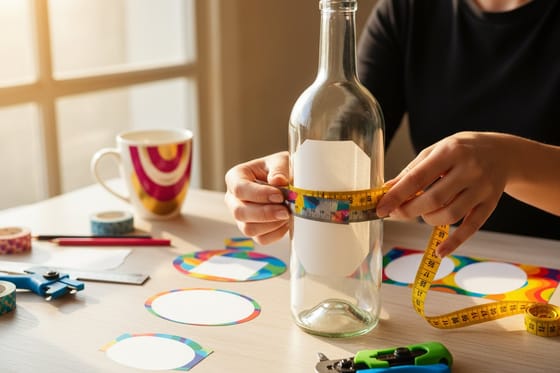
Build a system, not a one-off: a shared frame that holds the brewery mark steady while color and artwork change per style. Get the physical size right before the art starts; the sizing logic in wine bottle label dimensions carries straight over to bombers and cans, and choosing the correct label size saves the wrap-around mistakes. Materials and finishes live under labels printing.
Then answer the question every brewery asks second: how many. Beer labels start at $25 here and the configurator prices real quantities live, so you set the run to the batch instead of buying a year of one design. That is the point in craft. A pilot batch or a one-off collab does not need a pallet of labels, and the flagship that sells through every month can be reordered on the same locked artwork at a lower cost per label. Price two or three quantities side by side before you commit: the unit cost drops as the run grows, but the seasonal you will never brew again is the worst thing to over-order.
Now the ice bucket, which is where cheap labels fail. A bottle that spends the night in ice and comes out sweating will destroy plain uncoated paper: the sheet wicks the water, the ink softens, the edges cockle, and the corner lifts under a thumb. Order white vinyl permanent or clear label permanent instead of uncoated paper, and the same bottle can sit in slush all evening, get pulled out wet, and still hand across the bar clean. If you want the matte paper look for a barrel aged release, treat it as a shelf and cellar label rather than a cooler label, and tell the taproom staff which is which. Test it before the run: drop a proof in ice water, pull it out wet, rub it with a thumb, and see whether the ink and the edges hold.
Order per batch and date your files. A label misprint discovered on canning day is the expensive kind, so proof carefully and keep the mandatory text zone untouched between variants.
2. Brewery stickers: the merch fans apply for you
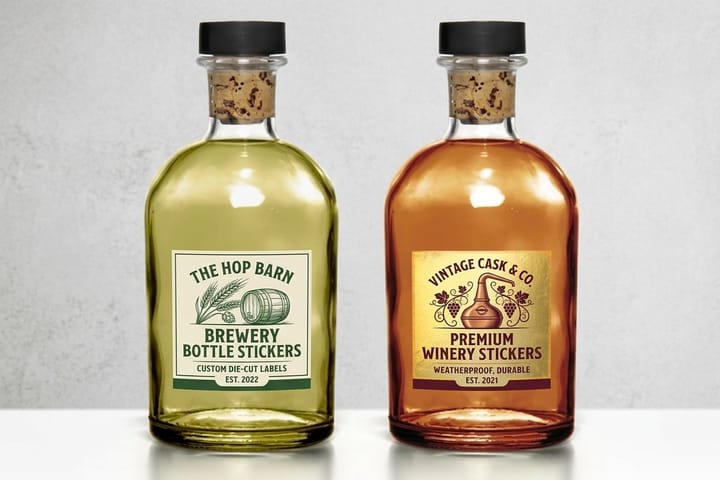
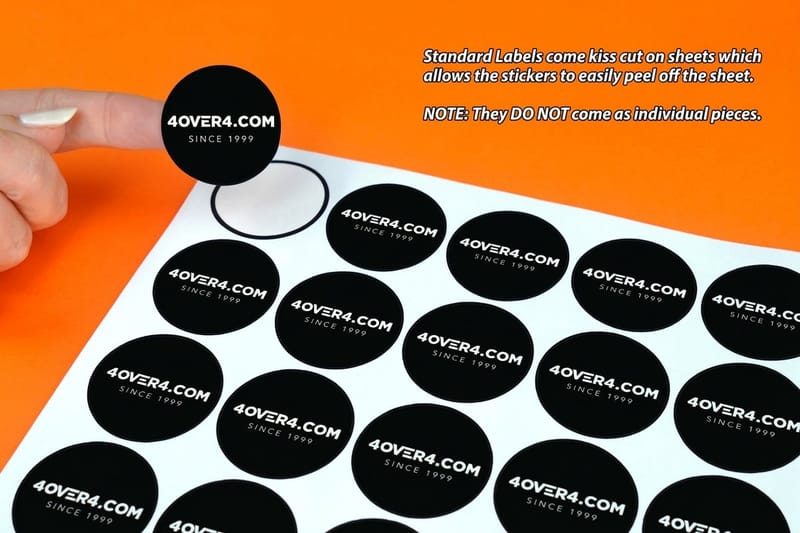
Craft beer has a real sticker culture: drinkers deliberately collect brewery marks and display them on kegerators, coolers, laptops, and tailgates. That is a distribution network volunteering to carry your logo, and the ticket to ride starts at 25 stickers for $25.
Cut the sticker to your mark's shape and keep it badge-clean: no address, no tagline, just the logo drinkers want to be seen with. Hand one over with every growler fill and four-pack, and drop a fresh limited design with each big release so regulars keep grabbing them. The specifics of vinyl weights and cuts are in how to make stickers.
Watch where they surface. A sticker photographed on a cooler three states away is the cheapest market research a taproom will ever run.
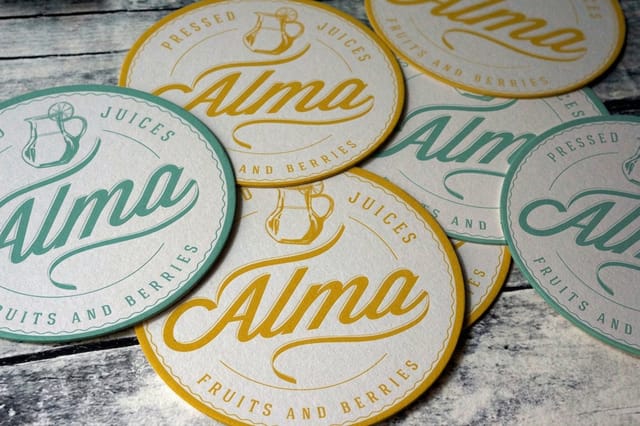
3. Drink coasters: the branded square under every pour
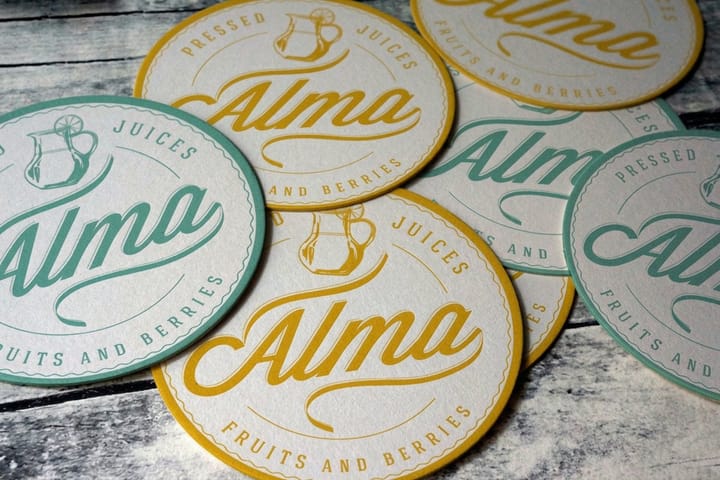
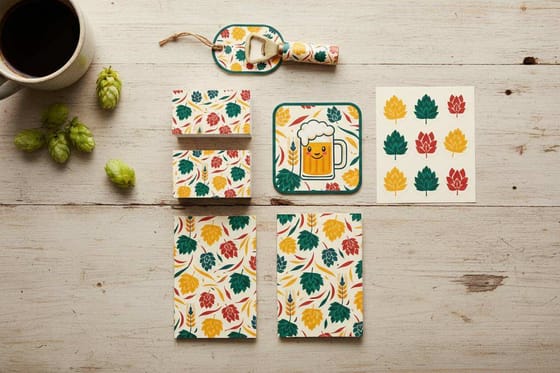
Every pint in your taproom sits on something for an hour, and it should be working. A branded coaster is in the frame of every glass photo, in front of every guest between sips, and in the pocket of a surprising number of visitors on the way out. That is media space you own outright, at the lowest price in this kit.
Print the mark on one side and the message that needs an audience on the other: the next release, the mug club, the seasonal about to tap. Rotate batches with the calendar so the coaster always sells what is ahead. Board weights and print methods are compared honestly in how to make coasters.
Let people take them. A coaster pinned to someone's home bar is a permanent, self-installed ad, and it cost you less than the cardboard sleeve on a to-go cup.
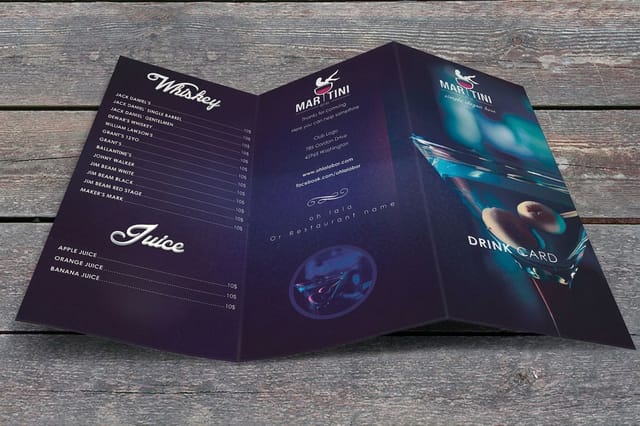
4. Tap list menus: the sheet that sells the flight
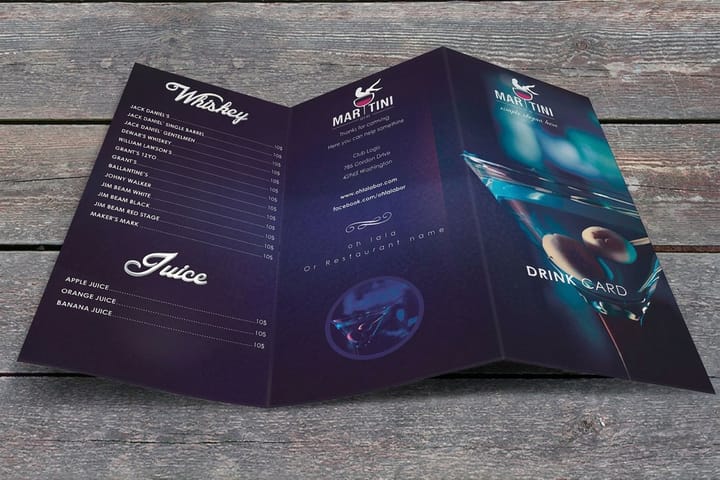
The chalkboard behind the bar is tradition, but it cannot be read from a booth and it cannot describe a beer. A printed tap list at the table can: style, ABV, and one line of honest tasting notes per pour. Given that information, people order flights and seasonals instead of defaulting to the one name they recognize, and flights are how new regulars are made.
Structure it like you pour: flagship first, seasonals flagged, guest taps at the bottom. Keep one panel, reprint per rotation, and choose a stock that survives condensation rings. The layout fundamentals in making custom menu cards apply directly, and the formats under menus printing run from single sheets to folded lists.
Date the corner of each printing. It quietly tells regulars the list is fresh, and it tells you which rotation sheet is still floating around by mistake.
5. Table tents: the release calendar on every table
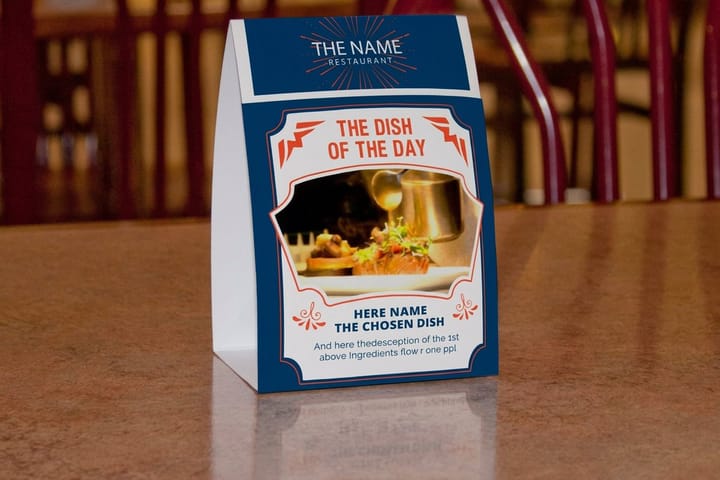
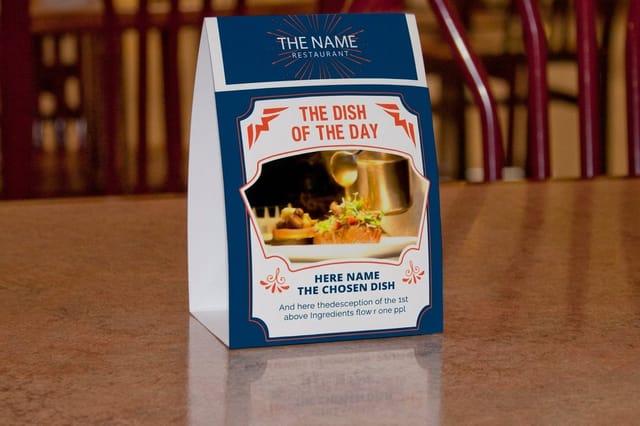
The tap list sells tonight; the table tent sells next month. Standing on every table, it is the only piece of print that reliably tells a seated crowd what happens next: the barrel-aged release on the 20th, the mug club, Thursday trivia, the weekend food truck lineup.
One message per side of the 4 x 6 inch tent, swapped monthly. A tent that never changes becomes invisible to the regulars who visit weekly, and regulars are exactly who the calendar is for. The tents print flat at 4 x 16.25 inches on 14pt gloss cover with a high gloss UV coat and fold on the table, and 250 of them run $554.39, enough for a fresh rotation on every table.
Pair the tent with the coaster: the coaster teases the release, the tent gives the date and details. Two touches on the same table, and neither needed a staff interruption.
6. Vinyl banners: release day, announced to the street
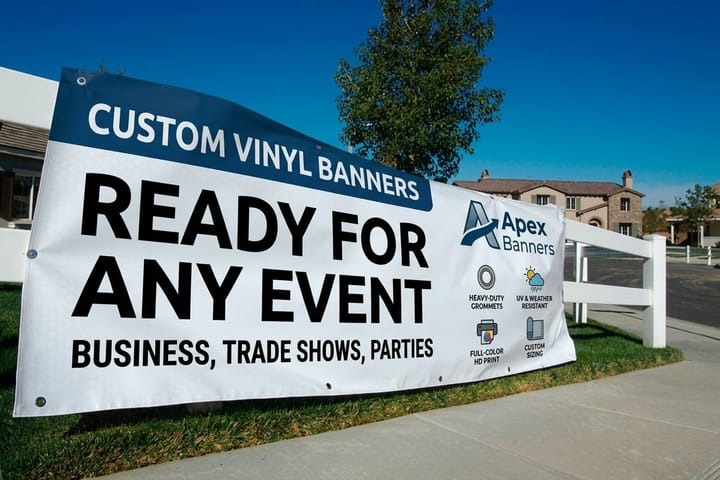
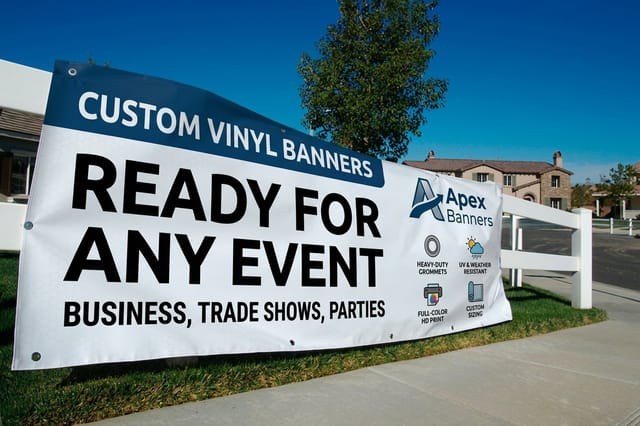
A brewery's best events are invisible from the sidewalk unless something says otherwise. A vinyl banner on the facade or the beer garden fence turns a tap change into a neighborhood date: fresh hazy release Saturday, oktoberfest on the patio, trivia every Thursday. It works on every car and dog-walker that passes, at zero effort per impression.
Big type, one message, high contrast. Vinyl shrugs off sun and rain for seasons, and grommets make it move between the wall, the fence, and the festival booth. The guide to making banners covers sizing and hems, and banner material types settles vinyl versus mesh for windy patios.
Keep a generic celebration banner in the back for surprises: awards, anniversaries, a beer that sells out faster than planned. The street should hear the good news the same day.
7. Business cards: taproom chats that become accounts
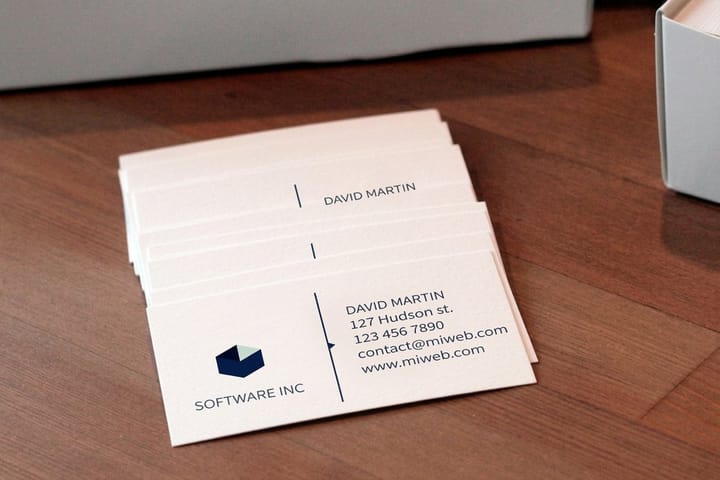
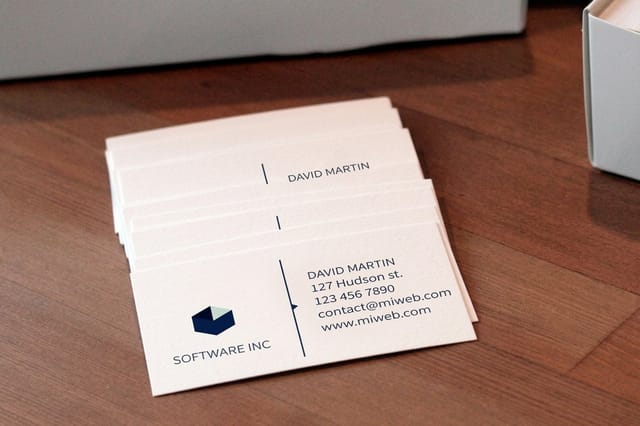
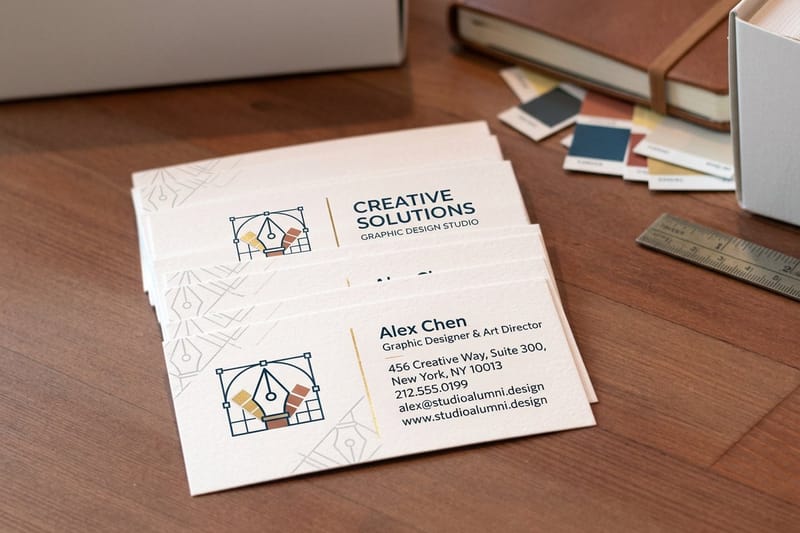
Wholesale walks into taprooms unannounced. The restaurant owner two towns over, the bottle shop buyer on vacation, the wedding planner asking whether kegs travel: they all end the conversation the same way, with who do I contact. A business card at the bar answers instantly and looks like you expected the question.
Print the wholesale or events contact on the card, not just the taproom address, and add a QR to the current tap list or sell sheet. A heavier stock matters with this audience, because the card is your handshake in absentia. Stock options from 14pt gloss to 32pt and up live at business card printing.
Keep a short stack behind the bar and brief the staff: any question about kegs, events, or carrying the beer gets a card. That habit alone pays for the box the first time it lands well.
8. Flyers: release day, printed to be handed out
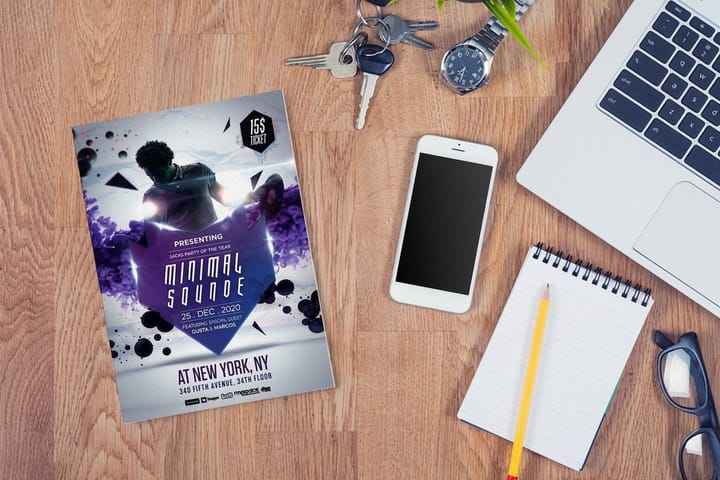
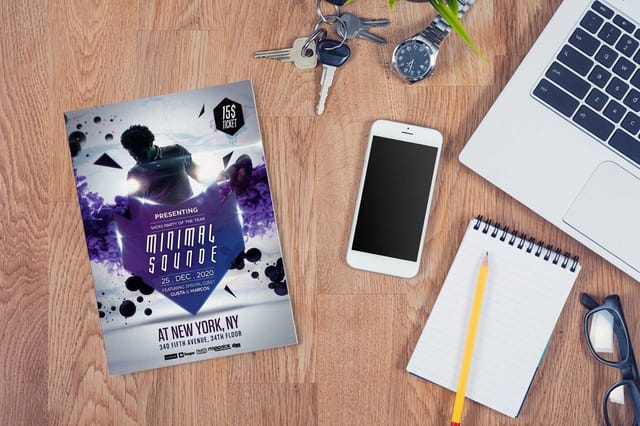
A vinyl banner works the sidewalk, but a stack of flyers works the neighborhood. Drop them at the coffee shop, the record store, the climbing gym, wherever your drinkers already spend a Saturday, and a barrel-aged release or an anniversary party stops being a secret kept between regulars.
Lead with the date and the beer, one image and one line, and leave the fine print for the taproom. Our guide to how to design flyers covers the focal-point rules that keep a flyer readable from arm's length, and flyer distribution best practices covers the etiquette of asking a counter for the stack and refreshing it before the event.
Print a run per event and treat the pin boards around town as free media. Fifty flyers cost $39.54 and reach the local, on-foot crowd a taproom lives on.
9. Posters: the taproom wall that sells the lineup
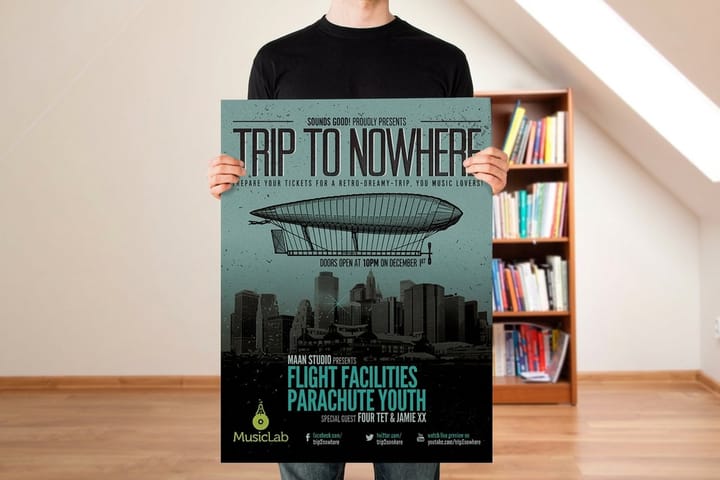
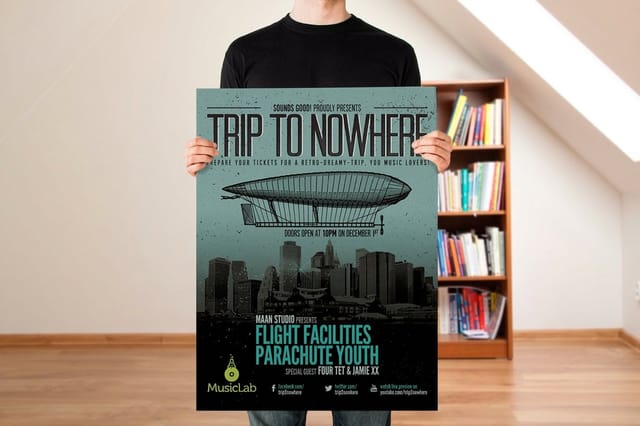
The taproom wall is prime real estate, and a bare one is a wasted sale. A run of posters, one per flagship beer, the seasonal lineup, the story of the brewery, turns the room people are already sitting in into a slow pitch for the pint they order next and the merch on the shelf by the door.
Posters do double duty outside the walls too: a bold release poster in the window or handed to a bar carrying your keg advertises where a flyer would get lost. Our how to design a poster in 8 steps keeps the hierarchy tight from across the room, and how to hang posters without a frame gets them onto brick and reclaimed wood without wrecking the print.
Print a small run and rotate them with the seasons. A wall that changes gives regulars something new to read and gives the next release a place to live before it hits the taps.
10. T-shirts: merch your fans pay to advertise in
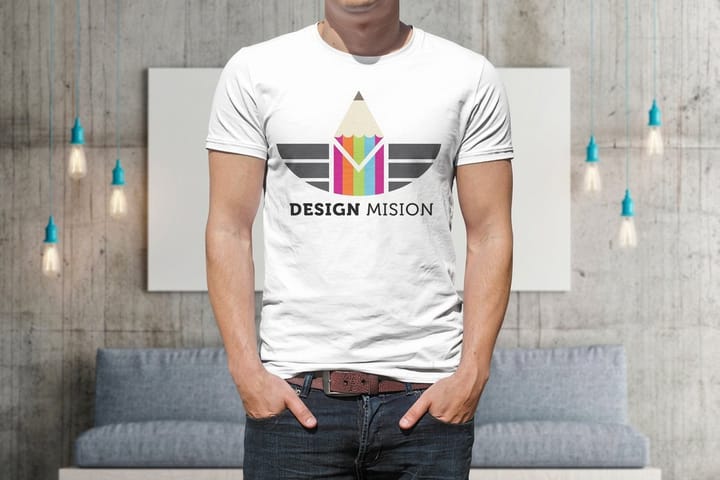
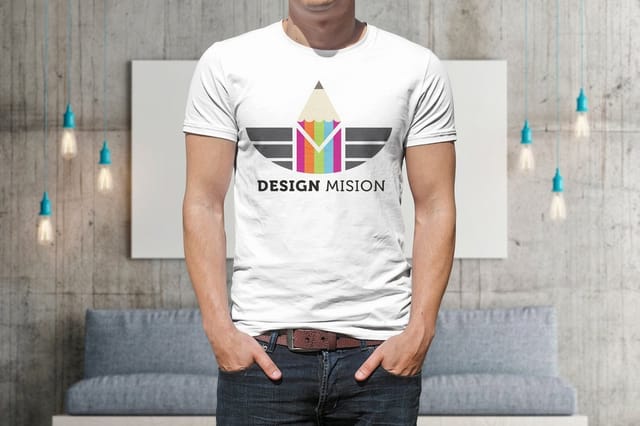
No other marketing channel has customers lining up to buy the ad and then wear it for years. A good brewery tee does exactly that. Every logo shirt on a regular is a walking billboard at the grocery store, the festival, the airport, reaching people who have never heard the name in a way no banner can.
Keep the front mark clean and let the back carry the personality, a beer name, a tap-room in-joke, a hop illustration people want to wear. A white or black tee takes full color on the front, the back or both inside an 8.5 x 11 inch print area, sizes S to XXL, and one shirt costs $21.96, so the staff can wear a test run before the design goes on the merch shelf. Our how to make custom t-shirts walks the art and color choices, and the t-shirt print size guide settles how big the chest and back prints should land.
Stock a few sizes behind the merch counter and drop a limited color with each big release. Merch that sells is margin on top of beer, and it walks your brand out the door for free.
11. Tote bags: the four-pack carry-out that keeps advertising
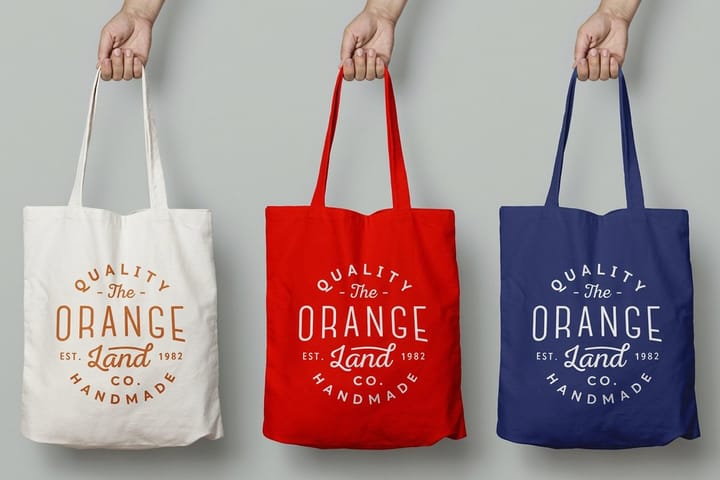
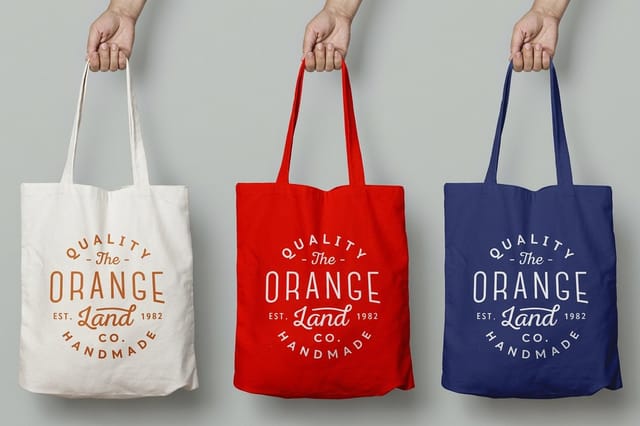
Every four-pack and bottle that leaves the taproom needs to get home somehow, and a branded tote turns that trip into an impression. Unlike the paper bag it replaces, a good tote gets kept and reused for groceries and gym clothes, which means your logo rides around town for months on the arm of a regular.
Print the mark big and simple so it reads across a parking lot, and offer it as a cheap add-on or a mug-club perk rather than a giveaway that gets forgotten. A tote paired with your logo done right becomes a piece of wearable brand, and the thinking in marketing with online printing applies straight to why a reusable bag out-earns a disposable one.
Order a run for release weekends and holiday gift season, when carry-out volume spikes and a sturdy bag is the difference between a sale that stays in and one that walks proudly out.
12. Mugs: mug-club drinkware that lives at home
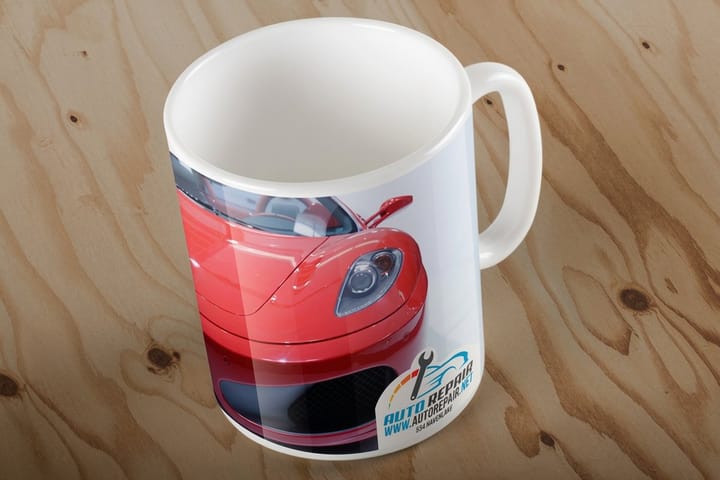
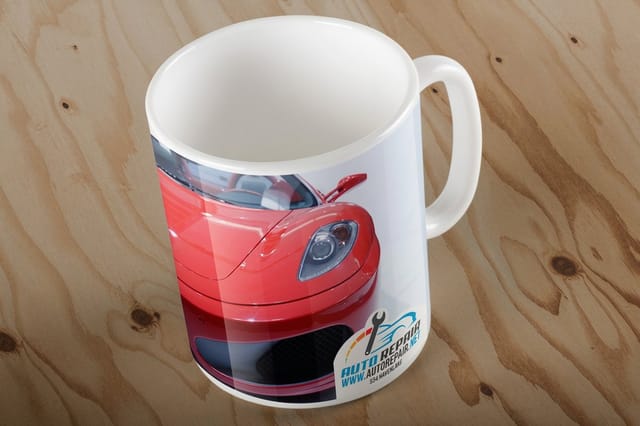
A brewery mug is not just merch, it is the physical badge of the mug club, the loyalty program that quietly guarantees repeat visits. A branded mug on the shelf at home is a daily reminder of the taproom, and the club that comes with it turns casual drinkers into members who bring friends.
Print the brewery mark clean on one side and leave room for a member number or a founding-year mark that makes early members feel like insiders. Our how to make custom mugs covers the art setup, and the six key principles of logo design keeps the mark crisp when it wraps around a curved surface.
Sell them as merch and hand them to mug-club members, then reorder as the club grows. Every mug is a piece of your brand that pours coffee in someone's kitchen every single morning.
13. Rack cards: the beer-style sell sheet for accounts and racks
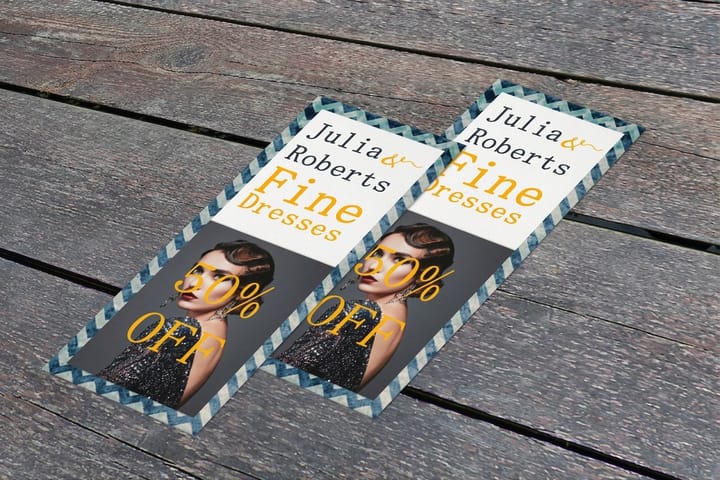
When a bottle-shop buyer or a restaurant beverage director asks what you make, a rack card answers on one clean panel: the year-round lineup, the ABVs, the styles, the story. It is the sell sheet a sales rep leaves behind, and it doubles as the visitor-rack handout in the hotel lobbies and welcome centers that feed a beer-tourism town.
Design it to be scanned, flagship at the top, seasonals below, a pairing note per beer, so a busy buyer gets the whole range in ten seconds. Our explainer on what rack cards are covers the format and how to keep the narrow canvas working hard.
Print a run for the sales bag and a run for the tourism racks. It is the cheapest way to be present in the rooms where wholesale and visitor decisions actually get made.
14. Postcards: the mug-club renewal and the event mailer
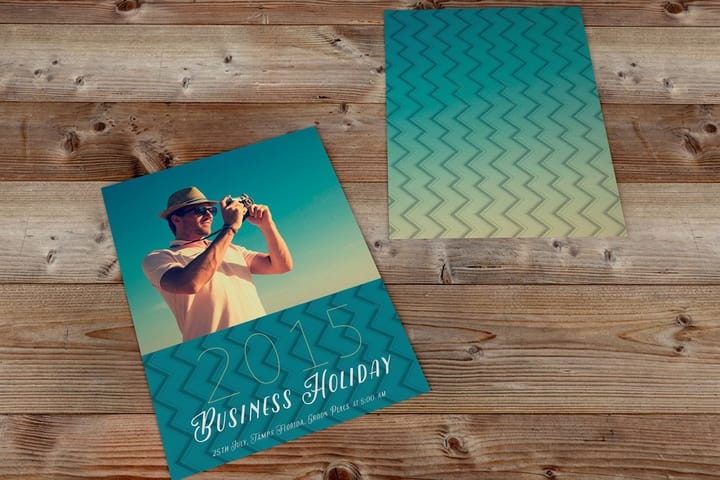
Not every regular follows the brewery online. A postcard reaches them anyway. A card in the mailbox, mug-club renewal time, a save-the-date for the anniversary festival, a we-miss-you for a lapsed member, reaches the loyal drinker in a channel with little competition.
Keep one side a single strong image, the new can or the party, and the other side short: the offer, the date, and how to act on it. Our guide to postcard design for direct mail covers what earns a card a spot on the fridge, and building a mailing list assembles the club-and-neighborhood file the mailers need.
Starting under twenty dollars a run, it is the piece that keeps the members you already earned from quietly drifting away.
15. Bottle neck hang tags: tasting notes where the label runs out
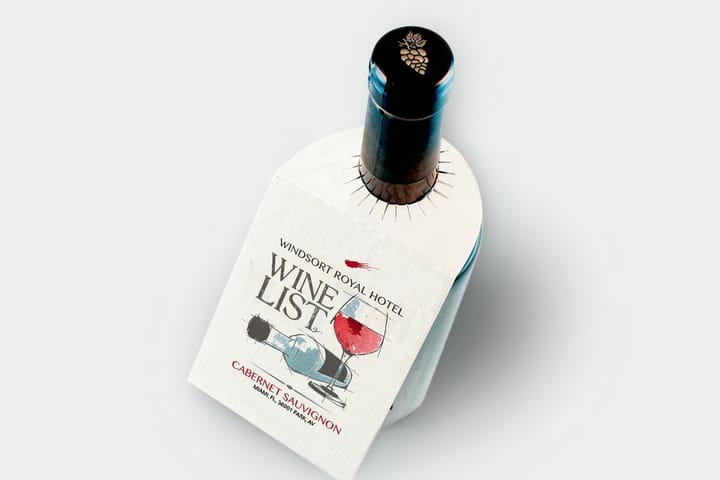
A bomber or growler label only has so much room, and the mandatory text eats most of it. A neck hang tag adds a whole extra surface exactly where a curious drinker looks: the tasting notes, the malt and hop bill, the ideal pour temperature, and a pairing that turns a bottle into a small occasion.
Use it for the releases that deserve a story, barrel-aged, collaborations, anniversary beers, where the tag signals this one is special before the cap comes off. Our explainer on what hang tags are covers stocks and string, and why hang tags still matter makes the case for the extra touch that a premium bottle earns.
Print them per special release and tie them on at packaging. Tags run 100 for $108.75 at 2.125 by 5 inches, and they make a limited bottle feel like the event it is.
16. Gift certificates: the taproom, sold before anyone visits
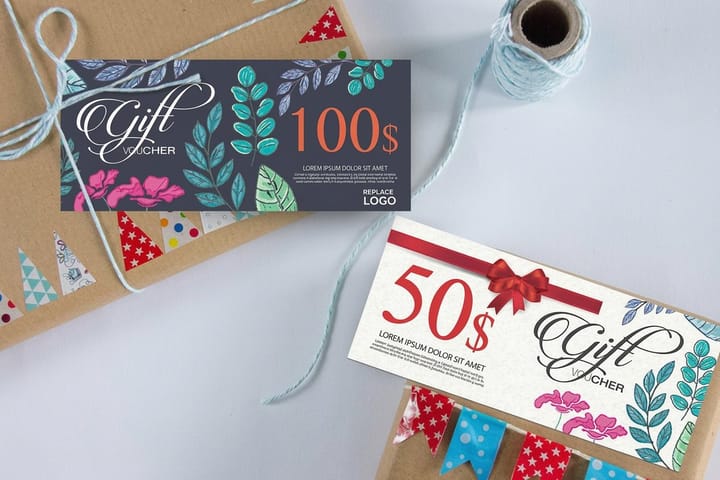
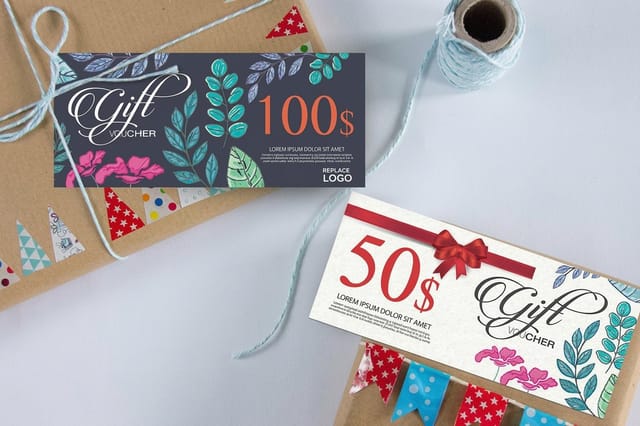
A gift certificate is revenue you collect now for a visit that happens later, often from someone who has never set foot in the taproom. Around the holidays, a rack of branded certificates by the register turns every regular into a gift-giver and every gift into a first-time customer walking in with money already spent.
Make them look worth giving: heavy stock, the brewery mark, a clean line for the amount, so the certificate feels like a real present and not a printed receipt. Our guide to gift-certificate expiration rules keeps the fine print compliant, and a mark built on solid logo fundamentals makes the certificate read as premium at a glance.
Print a stack before November and display them where people pay. It is found money in December and a pipeline of new faces in January.
17. Window clings: hours and now-pouring, read from the sidewalk
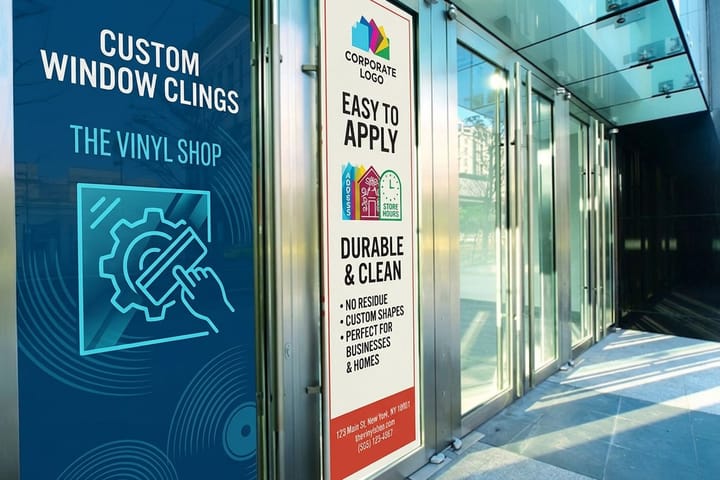
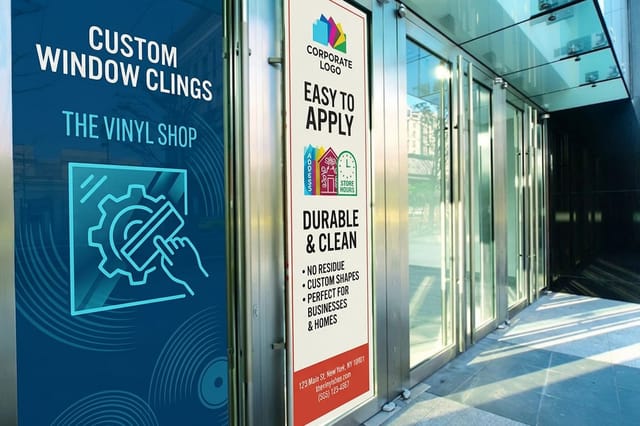
The taproom glass is the first thing a passerby reads, and an empty window answers none of the questions on their mind. A set of vinyl clings fixes that: the hours, a now-pouring list, growler-fills-here, open-late-Friday, all legible from the sidewalk before anyone reaches for the door.
Clings peel and reposition without residue, so a seasonal now-pouring or a temporary event notice swaps in and out without a scraper or a sticky mess. Order them reverse printed to face out through the glass, from 11 x 17 up to 40 x 60 inches, and add a spot white layer so the tap names still read against a dark taproom behind them. Our explainer on what window clings and decals are covers static-cling versus adhesive, and how to apply window clings gets them on bubble-free the first time.
Order a permanent set for hours and the logo, and a few blanks for whatever the week needs. The window is free advertising space you already own, so put it to work.
18. Yard signs: beer-garden directions and event-day promo
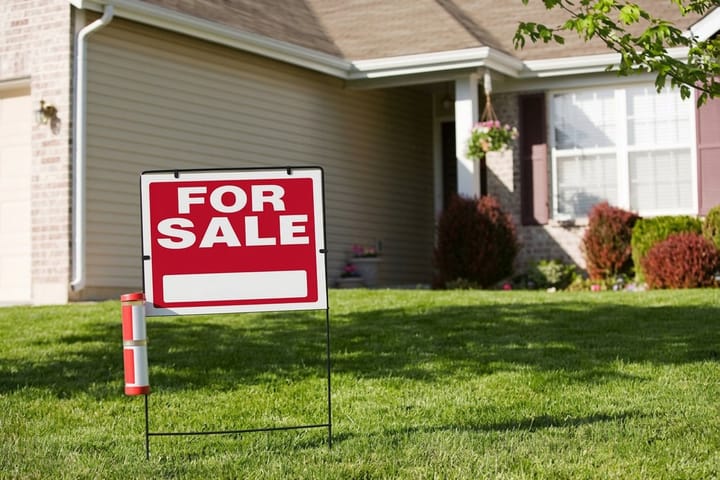
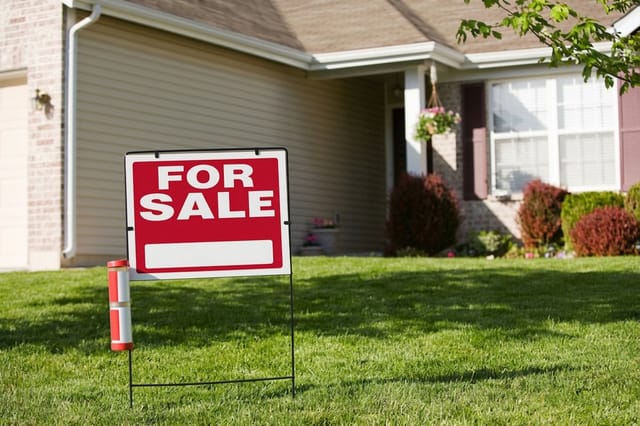
On a busy release day or festival, half the battle is getting people from the street to the beer. Cheap corrugated yard signs do the wayfinding no staff member should have to: parking this way, beer garden entrance here, line starts there, plus a row of promo signs on the road that turn a passing car into a walk-in.
Print them big and simple with an arrow and a few words, because they are read at speed. At 12 x 18 or 18 x 24 inches on 4mm white coroplast, printed on both sides, one sign points arriving and leaving traffic to the beer garden from a single stake. Our how to make yard signs covers layout and the H-stakes that hold them up, and which materials last outdoors keeps them standing through a rainy patio weekend.
Buy a stack of reusable directional signs and a few event-specific ones per season. At $25 for a 12 by 18 inch sign, they are crowd control a busy day can afford.
19. Banner stands: the festival booth backdrop
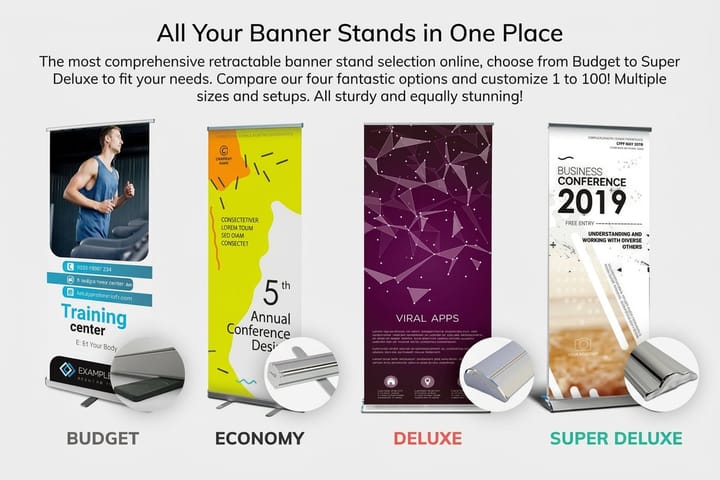
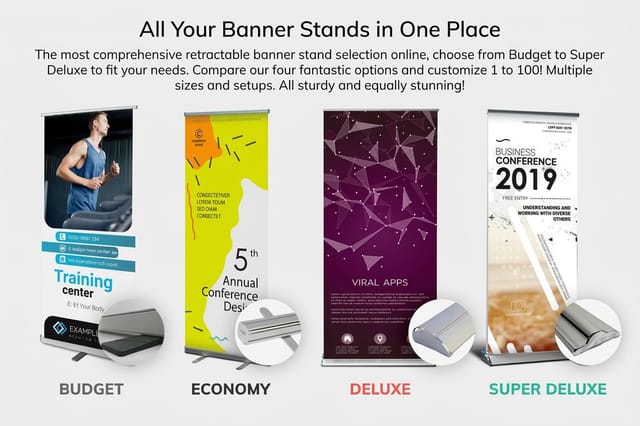
Beer festivals are where a small brewery meets a thousand new drinkers in an afternoon, and a folding table with a keg on it looks like every other booth in the tent. A retractable banner stand fixes that instantly: a full-height, full-color backdrop that tells the crowd who is pouring before they read the tap handles.
Put the mark and one line of positioning on it, hazy specialists, oldest brewery in the county, whatever makes someone step over, and keep it clean enough to reuse at every event for years. Stands start at $139 with the graphic on 13oz smooth blockout vinyl and an aluminum retractable base, from 24 x 79 inches for a tight table up to 59 x 85 inches for the widest booth wall. Our how to set up a retractable banner stand in minutes covers the one-minute setup, and the top retractable banner sizes settles which footprint fits a festival booth.
Buy one good stand and reuse it across every festival season. It rolls into a tube, travels in a trunk, and makes a card table look like a brand.
20. Magnets: the bottle opener that keeps the name on the fridge
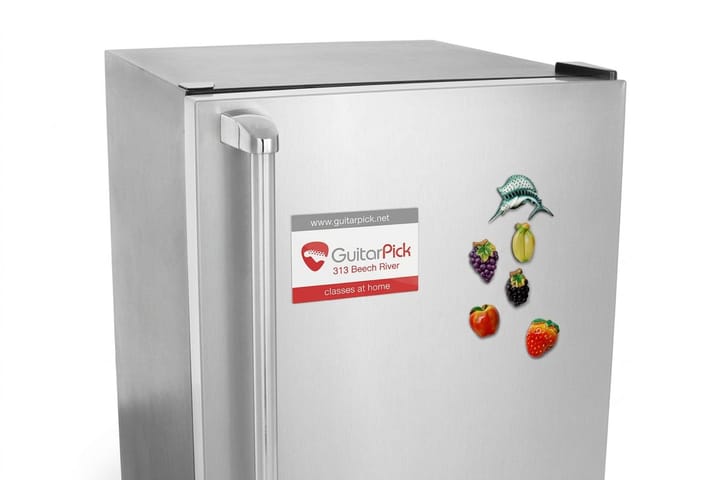
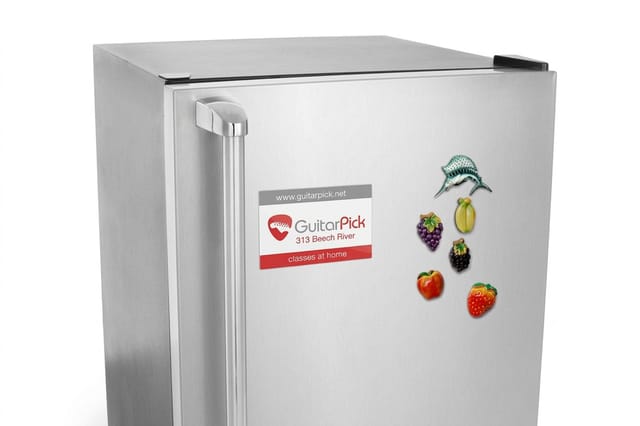
Plenty of giveaways get thrown out. A magnet gets stuck to the fridge and stays there for years, which makes it the rare freebie that keeps working long after the beer is gone. A bottle-opener magnet is even better: it earns its spot by being useful every time someone reaches for a drink at home.
Print the mark, the taproom name, and a phone number or handle, so the magnet is a tiny standing ad in the one room every household uses daily. Our how to make custom magnets covers stocks and finishes, and magnets versus stickers settles when a magnet out-earns the sticker it sits next to.
Hand one over with every growler fill or drop them in the merch bag. A magnet buys a lasting spot on a customer's fridge.
Specs and pricing
Anchor the kit: beer label specs and live pricing
The label is where a brewery brand starts, so it anchors the order. Here are the live specs and price-per-unit for custom beer labels at 4OVER4.COM, straight from the configurator.
| Quantity | Price Per Unit | Total |
|---|---|---|
| 25 | $1.00 | $25.00 |
Wally explains the kit
20 pieces, one brewery, printed to pour
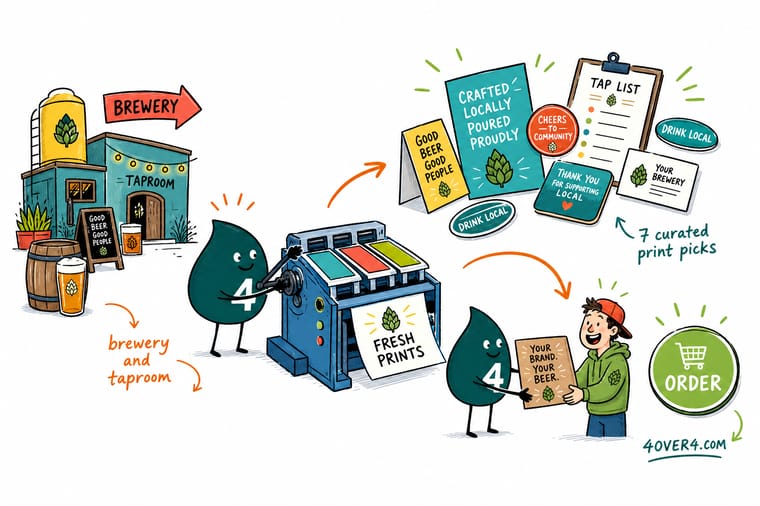
Wally maps a brewery brand by distance. Up close, the label and neck tag win the hand reaching into the cooler. At the table, the tap list and tent sell the flight and the release date while the coaster holds the glass and posters, mugs, and gift certificates dress the room. And out in the world, the stickers, tees, totes, banners, cards, and magnets keep pouring the name into new places. Print all 20 at 4OVER4 in one run and every distance drinks from the same palette.
Shop brewery printing →See it in use
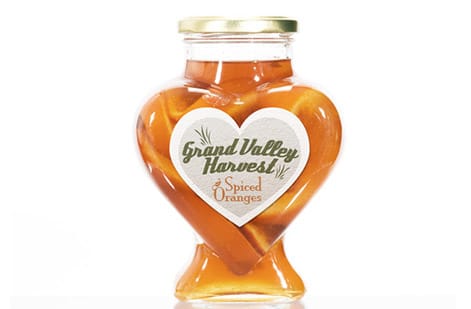
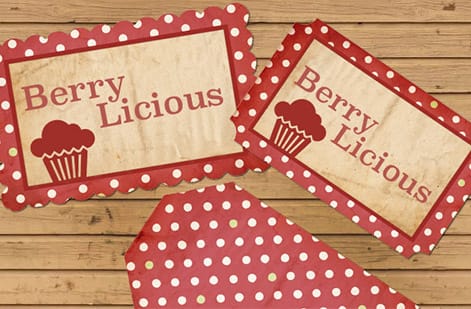
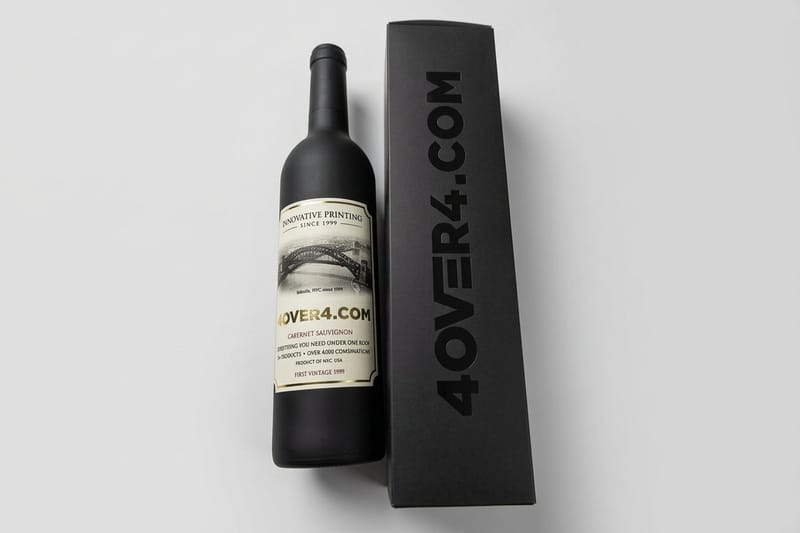
Beer and wine labels customers printed

Explore more
Where to go next
By the numbers
One kit, printed to pour
Common Questions
Common questions about the brewery and taproom kit
What is in the brewery and taproom kit?
20 print pieces that cover a craft brewery from the can to the curb: beer labels, brewery stickers, drink coasters, tap list menus, table tents, vinyl banners, and business cards, plus flyers and posters for releases, t-shirts, tote bags, mugs, and magnets for merch, rack cards and postcards for accounts and mailers, bottle neck hang tags for special bottles, gift certificates for the holidays, window clings and yard signs for the taproom and its events, and a retractable banner stand for the festival booth. The label sells the beer in shops, the taproom pieces sell flights and releases inside, and the merch, signage, and outbound pieces carry the brand well beyond the bar.
What should a new brewery print first?
Beer labels, without question. The label is the brand for anyone who has not visited yet, and packaged beer cannot be sold without one. Build a label system with a shared frame and a variant per style, then add the tap list, coasters, and window clings when the taproom opens, and layer in merch, signage, and mailers as the brand grows.
What has to be on a beer label?
US labels need the brand name, class or style of the beer, alcohol content where required, net contents, the name and address of the brewer, and the government health warning, and federal approval applies to beer crossing state lines. Requirements vary by state and by where you sell, so confirm your case before printing. Design-wise, keep the mandatory text clean and give the artwork the rest of the canvas.
Why print a tap list when there is a chalkboard?
Chalkboards are charming and unreadable from a booth. A printed tap list at the table lets people browse styles, ABVs, and tasting notes at their own pace, which helps sell flights and seasonals over the safe default. Print a batch per rotation; the cost per sheet is trivial next to one extra flight per night.
Do brewery stickers actually matter?
In craft beer, yes. Sticker collecting is part of the culture: drinkers cover kegerators, coolers, and car bumpers with brewery marks on purpose. A well-cut sticker handed over with a growler fill is distribution you cannot buy, and 25 stickers start at $25.
How do table tents earn their spot?
They sell the thing the tap list cannot: what happens next. The next release date, the mug club pitch, the food truck schedule, trivia night. A tent on every table reaches every group without staff saying a word, and rotating the message monthly keeps regulars reading it.
Can I reorder labels per batch?
Yes. Each product has its own configurator, so a new label variant for the seasonal batch takes a few clicks while coasters, menus, and tents reorder independently. Keep the brewery mark and colors identical across all of them and every batch still reads as one house.
Get Started
Bottle neck hang tags run 100 for $108.75
Order the full brewery and taproom kit from 4OVER4.COM and print all 20 pieces with one logo and one palette, in one order. Adjust size, finish, and quantity on any product and watch the price update live.
Legal Disclaimer
Gold Standard guarantees apply to all standard orders placed through 4over4.com. Price match requires verifiable proof of a competitor's published price for an equivalent product with matching specifications and turnaround time. Satisfaction guarantee covers manufacturing defects and print quality issues. Contact support with order number and documentation.
