
The Founder’s Story Formula in Print, 6 Pieces That Carry It
A founder story that lives only on an About page gets read by almost nobody. These are the six printed surfaces that put it in a customer’s hands, each with the word count it can actually hold and the live price it starts at.
The formula is four moves: what went wrong, what you tried that failed, what you changed, and what that means for the buyer. Print it at six lengths, because the surface decides the word count. Nine words on a business card, sixty on a postcard insert, one hundred and fifty on a brochure panel, six hundred and up in a booklet, forty on a hang tag, fifteen on a label after the legal copy takes its space.
The picks
Six picks for a printed founder story, from $16.48 postcards
Buy in this order. The cheap pieces come first on purpose: they are where you find out which sentence works before the booklet budget goes out the door. Every price below is the live starting price from the configurator and falls as the quantity climbs.
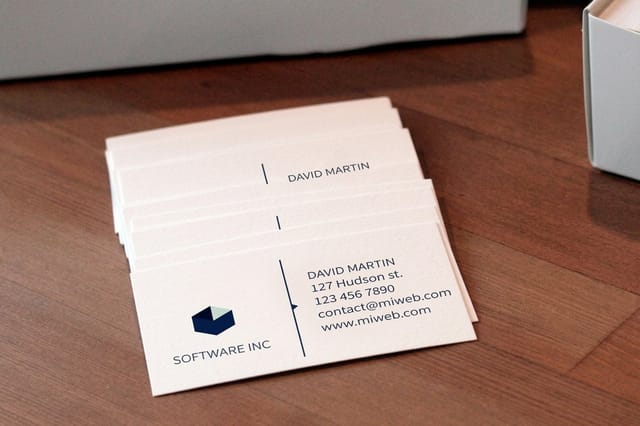
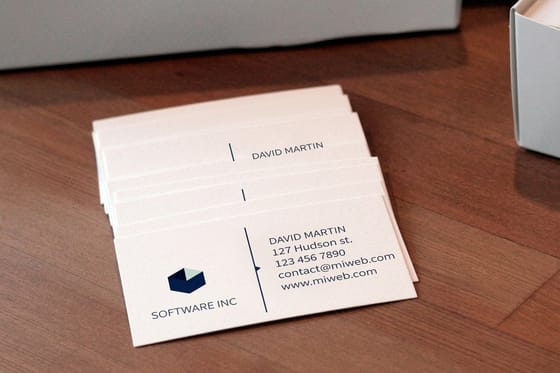
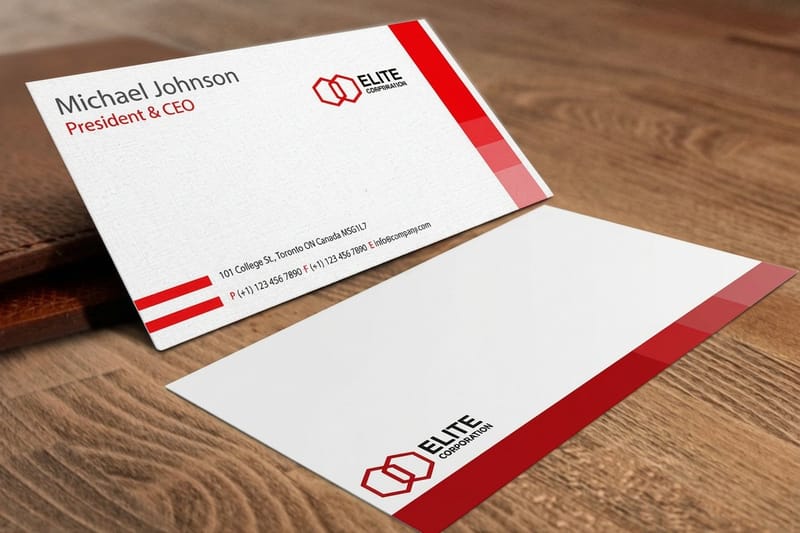
- 1. Standard Business Cards, from $17.57. The nine word version. One line on the back, set at 8pt or larger, is the only piece of the story most people will ever read. Order 16pt stock so the card survives a wallet.
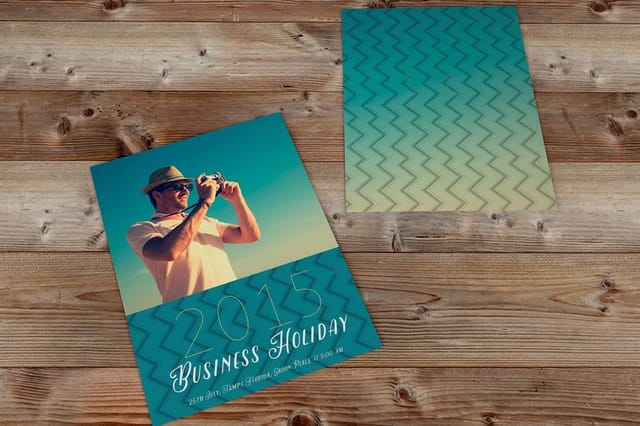
- 2. Standard Postcards, from $16.48. The sixty word version, printed 4 in x 6 in on both sides and dropped in the box face up. This is the piece customers photograph and keep on a fridge.
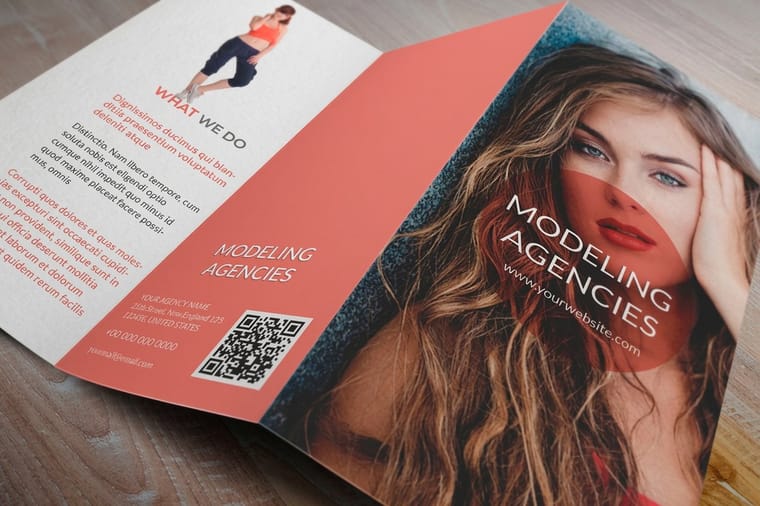
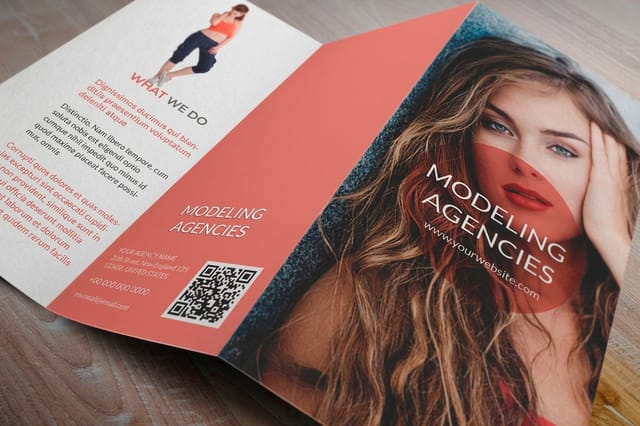
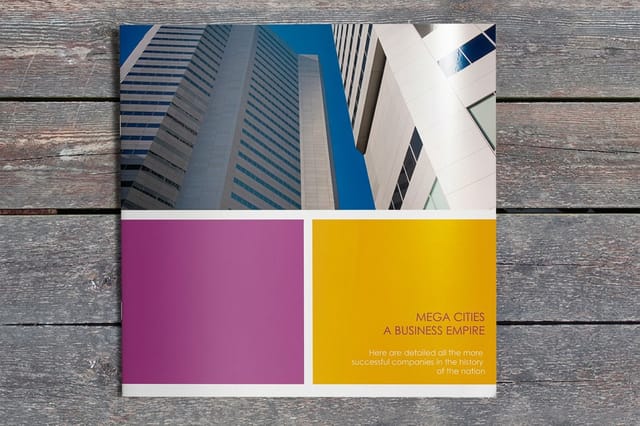
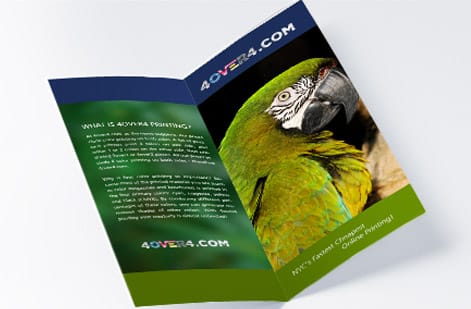
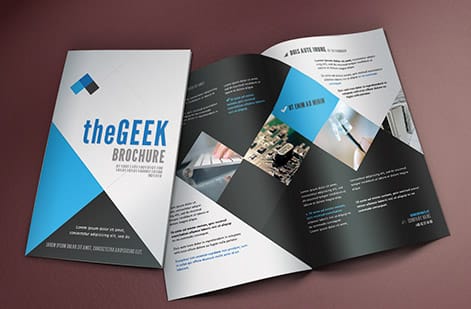
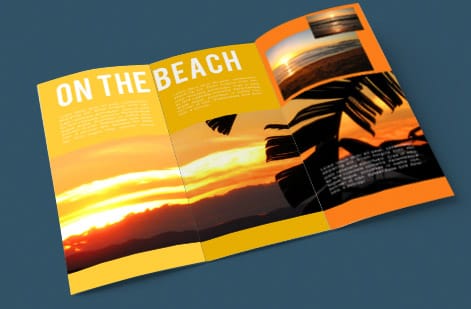
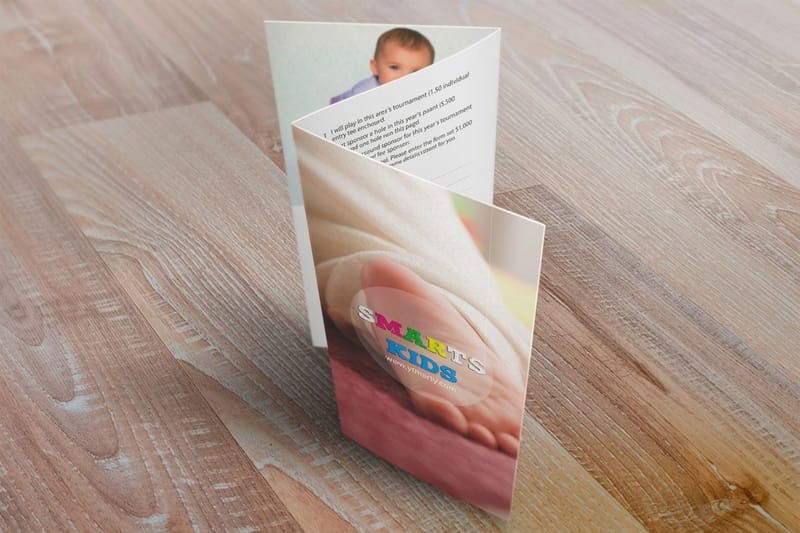
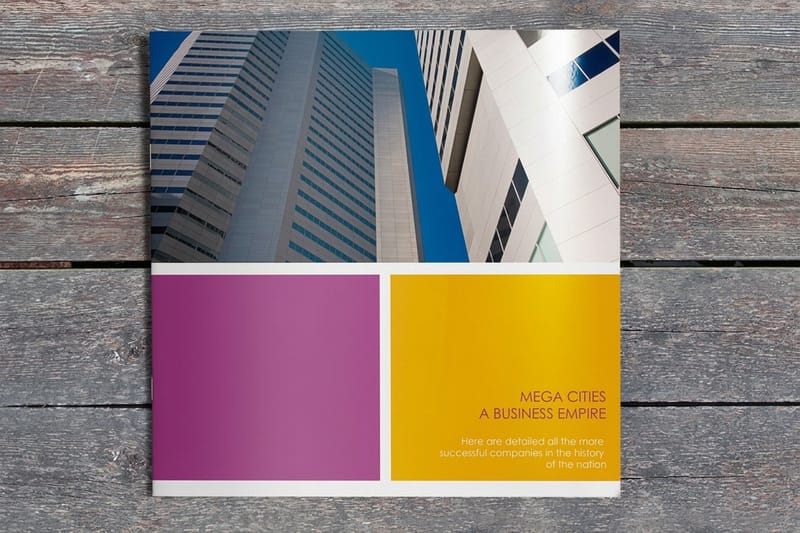
- 3. Standard Brochures, from $57.11. The one hundred and fifty word version across a fold. A trifold gives the story its own inside panel, so the reader gets the turn without the cover having to sell it first.
- 4. Standard Booklets, from $240.55. The long version, 8 or 12 pages saddle stitched, with photographs of the workshop and the first batch. Print this for wholesale buyers and press, not for every order.
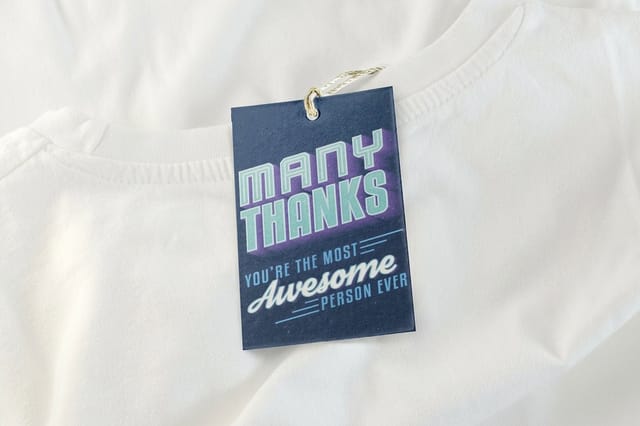
- 5. Standard Hang Tags, from $25.27. The story that rides on the product itself. Roughly 40 words fit on the back of a 2 in x 3.5 in tag at 7pt, which is exactly the length of the origin sentence plus the maker credit.
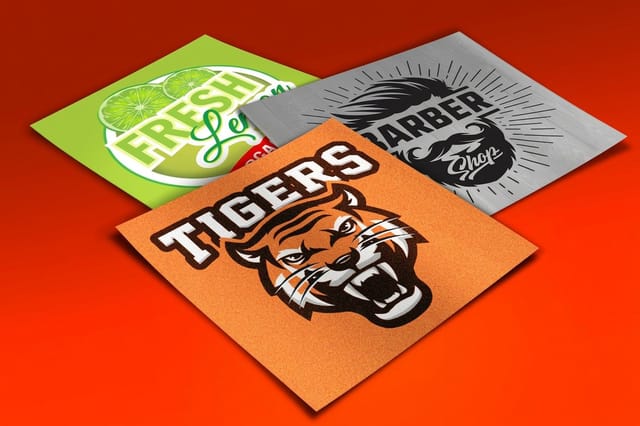
- 6. Premium Labels, from $29.16. The version that stays in a kitchen or a bathroom for months. Net weight, ingredients and warnings eat the panel first, so the story gets whatever line is left, usually fifteen words.
Start here
Write the sentence before you choose the paper
The four moves are the whole method, and they only work in order. Name the problem you personally hit, with a date. Name the thing you tried that did not solve it, because that is the part a competitor cannot copy and a customer cannot dismiss. Name the change you made. Then say what that change means for the person about to hand over money. Compress that to one sentence, and the six pieces below become six lengths of the same sentence rather than six unrelated bits of copy. If the sentence is still fuzzy, the founder story formula guide works through it move by move, and tone of voice guidelines keep the wording consistent once other people start writing it for you.
Word counts and moments
The same story at six lengths
Each surface has a hard limit and a moment it gets read in. Match the two and the story lands. Ignore them and you end up shrinking type to 5pt on a hang tag, which is the most reliable way to guarantee nobody reads any of it. Tap a piece to jump to its section.
| Piece | What it holds | When it gets read |
|---|---|---|
| 1. Business cards | About 9 words on the back, 25 before it stops being read | Handed over in person, read once in the car, kept in a wallet for months. |
| 2. Postcards | About 60 words on the reverse, plus a headline on the front | Opened with the parcel, read standing up, kept if it thanks and binned if it sells. |
| 3. Brochures | About 150 words on one interior panel of a trifold | Picked up at a counter or a table, read sitting down, carried home in a bag. |
| 4. Booklets | 600 to 1,200 words over 8 or 12 pages with photographs | Handed to a buyer, a journalist or a landlord who needs to believe in the business. |
| 5. Hang tags | About 40 words on the back at 7pt | Read on a rack, in hand, in the ninety seconds before someone decides to try it on. |
| 6. Premium labels | About 15 words after the legal copy takes its space | Read on a shelf at arm’s length, then again at home, repeatedly, for as long as the jar lasts. |
1. Business cards: the nine word version
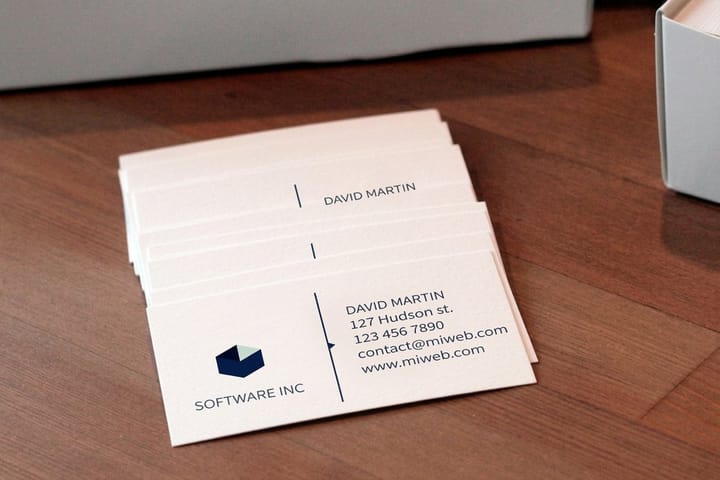
Start here, because the hardest edit forces the clearest story. The back of a standard business card gives you a 3.5 in x 2 in field, and once you allow for margins and a readable 8pt body size, you have room for roughly 25 words before the block turns into gray texture nobody reads. Nine words is the target. "I fixed my own bikes for eleven years first" does more than a paragraph of values.
The trade-off is real and worth naming. A card back carrying the story cannot also carry a QR code, a second phone number and a service list. Pick one. If the card is a lead-generation tool for a trade, the QR wins and the story moves to the postcard. If the card is handed over at markets and events where people meet you once, the sentence wins.
Print it on 16pt stock. A 14pt card holds up fine in a cardholder, but the one that lives loose in a back pocket for three weeks and still gets shown to a friend is the thicker one. Our walkthrough on branding a company business card covers the layout side, and the wider strategy sits in the founder story formula guide.
2. Postcards: the sixty word version that ships in the box
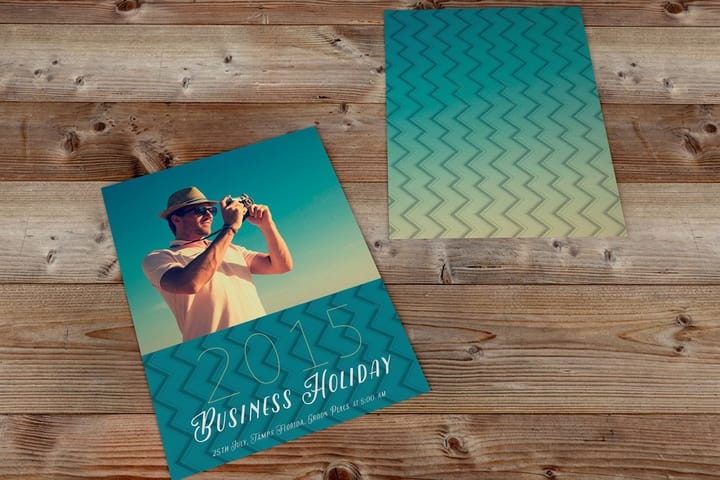
The insert card is where most founder stories actually get read, because the customer is already holding something they paid for and they are curious about who made it. A 4 in x 6 in postcard printed on both sides takes about 60 words on the reverse without crowding, which is enough for the four moves of the formula at one sentence each.
Write it as a thank you, not as an offer. A card that opens with a discount code reads as a promotion and goes in the recycling with the packaging. A card that says what you were trying to fix, admits the version that did not work, and signs off with a first name gets photographed. If you want the reorder code on there, put it small at the bottom, after the story, where it reads as a courtesy.
Postcards start at $16.48, which makes them the cheapest place to test two versions of the same story against each other. Print 250 of each, ship them in alternating weeks, and see which one people quote back in emails. The mechanics of the format are covered in our guide to packaging insert cards.
3. Brochures: one hundred and fifty words across a fold
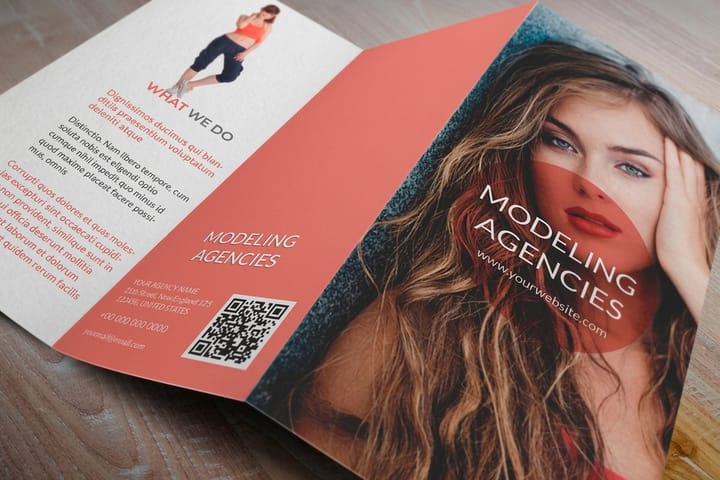
A standard brochure is the first piece in the kit with room for the story to breathe, and the fold is the reason it works. On a trifold, the cover sells the category, the first interior panel carries the founder story at around 150 words, and the remaining panels carry the range and the contact details. The reader gets the turn before they get the price list, which is the correct order.
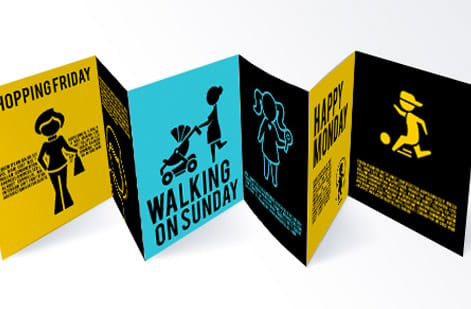
Panel order is where most self-designed brochures go wrong. The story belongs inside, not on the cover, because a cover asking someone to care about your history before they know what you sell gets put back on the table. Fold choice changes the panel sizes too, and a roll fold shortens the inner panel by about an eighth of an inch so the tucked panel does not buckle. Our guide to brochure fold types shows what each fold gives you.
Brochures start at $57.11. They earn their place when you have a physical counter, a market stall or a trade table, because the brochure is what somebody picks up when you are busy with another customer. If you are unsure whether you need this or the longer format, booklet versus brochure versus flyer settles it in a page.
4. Booklets: the long version, with the photographs
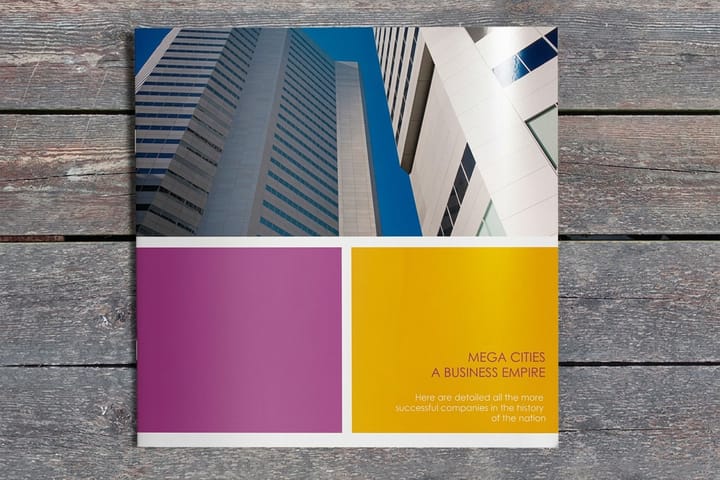
The booklet is the version with evidence. Eight or twelve saddle stitched pages give you 600 to 1,200 words plus the photographs that make the story checkable: the first workspace, the failed prototype, the batch numbers, the person who taught you. This is the piece that turns a claim into a record.
Two constraints decide the job before you write a word. Saddle stitched page counts run in multiples of four, so there is no such thing as a 10 page booklet; you go 8, 12 or 16 and design to fill it rather than padding at the end. And standard booklets start at $240.55, well above every other piece here, which is exactly why you do not put one in every parcel. Print a short run for wholesale buyers, press enquiries, landlords and stockists, the people whose decision is worth more than the unit cost.
Keep the type honest at this length. Long copy set too tight or too wide stops being read halfway down page three, and the fix is a measure of roughly 60 to 70 characters per line. Our booklet typography guide covers spacing and the page count arithmetic sits in booklet page counts and creep.
5. Hang tags: the story that rides on the product
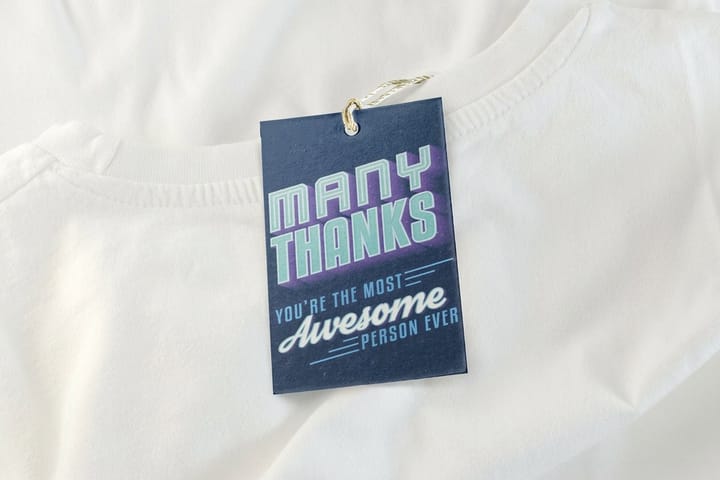
On a rack, the tag is the only salesperson. A standard hang tag at 2 in x 3.5 in, drilled and strung, holds roughly 40 words on the back at 7pt, which is the origin sentence plus a maker credit plus care instructions if you are disciplined. That is not much, and the constraint is useful: it forces you to choose between explaining the material and explaining yourself.
Choose the one your buyer does not already know. If the fabric is unusual, the tag explains the fabric and the founder line drops to five words on the front. If the category is familiar, the tag explains why you started making it, because that is the only thing on the rack that the shop next door cannot copy by Friday.
Watch the drill hole. Ask for it 0.25 in from the top edge and keep type at least 0.25 in clear of it, or your first line ends up with a punched hole through the middle of a word. Tags start at $25.27, and there is more on the format in our custom branding tags guide.
6. Premium labels: fifteen words that live in the kitchen
The label outlasts everything else in this kit. A box gets flattened and a brochure gets filed, but a jar or a bottle sits on a shelf and gets picked up twice a day for months. Premium labels start at $29.16, and they are the last surface where the founder story still has a job to do.
Space is the whole problem. Net weight, ingredient list, allergen or warning copy and contact details all take priority, and on a small jar they will consume the panel before you get to write anything. What is left is usually one line of about fifteen words. Write it as a signature rather than a summary: "Made in small batches in Queens since 2018, by the person who ruined the first three."
Material choice affects how long that line survives. Paper stock looks warm and takes a matte finish well, but it stains and wrinkles near a sink; a film stock resists water and oil and is the sensible pick for anything used with wet hands. Compare the options in vinyl versus paper stickers, and see how labels sit alongside tape and seals in adhesive packaging labels, seals and tape.
Specs and pricing
Compare the two long-form pieces: brochures and booklets
These are the two formats founders hesitate between, and the gap between them is money as much as pages. Here are the live specs and the price ladders for both, plus the ladders for the two cheap pieces you should test on first.


| Quantity | Price Per Unit | Total |
|---|---|---|
| 50 | 33.0¢ | $16.48 |
| 100 | 24.2¢ | $24.16 |
| 200 | 15.9¢ | $31.86 |
| 300 | 12.8¢ | $38.45 |
| 400 | 11.3¢ | $45.04 |
| 500 | 10.3¢ | $51.62 |
| 600 | 9.89¢ | $59.31 |
| 700 | 9.57¢ | $67.00 |
| Quantity | Price Per Unit | Total |
|---|---|---|
| 100 | 17.6¢ | $17.57 |
| 200 | 11.5¢ | $23.07 |
| 300 | 9.15¢ | $27.46 |
| 400 | 7.96¢ | $31.86 |
| 500 | 7.25¢ | $36.26 |
| 600 | 6.77¢ | $40.64 |
| 700 | 6.43¢ | $45.04 |
| 800 | 6.18¢ | $49.43 |
Wally explains one sentence, six lengths
The surface decides the word count, not the writer
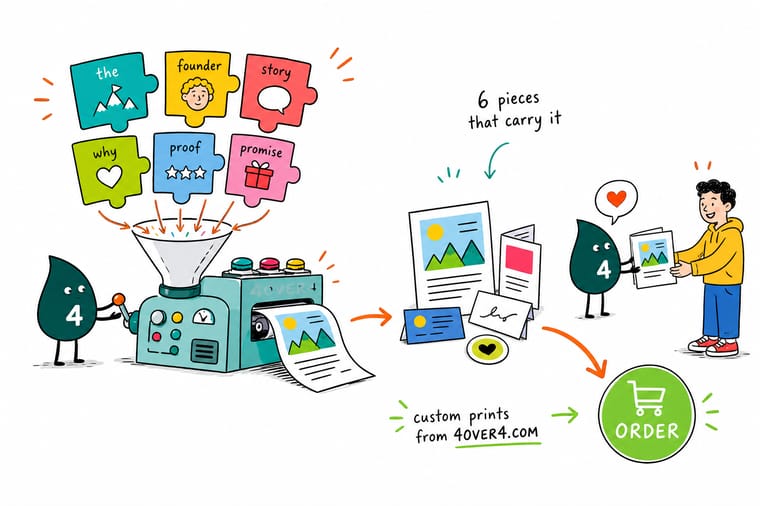
Wally starts with the booklet and squeezes. Every time the surface gets smaller, a claim drops out and only the true part survives, until nine words are left on the back of a business card. That last sentence is the one that goes on everything, so a customer who sees the tag, then the insert card, then the brochure hears the same business three times instead of three different ones. Print the cheap pieces first, learn which sentence people repeat, then commit.
Shop business basics printing →See it in use
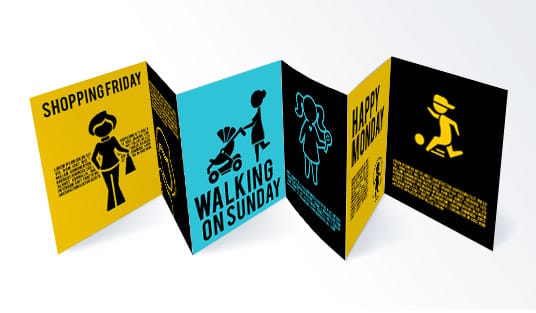
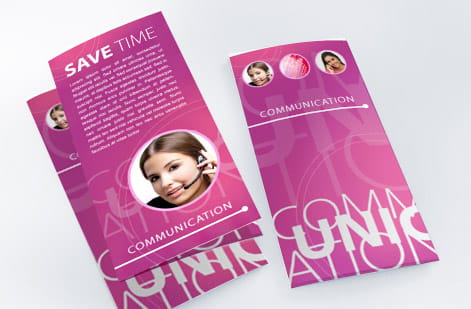
Brochures that carry a founder story


Explore more
Where to go next
By the numbers
What a founder story can be printed across
Common Questions
Common questions about printing a founder story
How long should a founder story be?
It is not one length. Write the shortest version first, at about nine words for the back of a business card, then expand the same four moves to 60 words for a postcard insert, 150 words for a brochure panel, and 600 to 1,200 words for an 8 or 12 page booklet. Every version says the same thing with more evidence added, which is what stops the card and the booklet from contradicting each other.
What are the four parts of the founder story formula?
What went wrong, what you tried that did not work, what you changed, and what that change means for the person holding the product. The second part is the one most businesses cut, and cutting it is what turns a story into an advert. A failure that cost you time or money is the fastest way to make the rest of the story believable.
Should the founder story go on the front or back of a business card?
The back. The front carries the name, the role and the contact route, because that is what somebody is looking for when they pull the card out of a wallet three weeks later. The back is free space, and one line there is read far more often than a paragraph on a website. Note the trade-off: a story on the back means no QR code on the back.
Do I need a photograph of myself on these pieces?
Only on the booklet, and only if the photograph shows work rather than a portrait. A picture of hands, a bench, a first batch or an early workspace supports the claim. A studio headshot on a hang tag takes space from the words and rarely earns it back, and on a 4 in x 6 in postcard it competes directly with the sentence you want read.
What if the story is boring, and I started the business because I needed the income?
Then that is the story, and it is stronger than an invented one. Say the date, the constraint and the first thing you sold. Specifics carry the weight that drama would otherwise have to: a 400 square foot garage, sixty orders in the first year, the machine bought secondhand. Never invent a hardship, because customers who meet you will notice.
Can I use exactly the same wording on every piece in the kit?
Use the same first sentence everywhere and let the rest vary by surface. The repeated sentence is what makes a card, a tag and a label feel like one business. Repeating the full 150 word version on a hang tag simply will not fit at a readable size, and shrinking type to force it is the most common reason a tag goes unread.
How many pages should a printed brand story booklet be?
Saddle stitched booklets run in multiples of four, so the practical choices are 8, 12 or 16 pages. Start at 8 and only move to 12 when you genuinely have the photographs to fill it, because a padded booklet reads as thinner than a tight one. Design to the page count from the start rather than discovering at the end that you are three pages short of a signature.
What is the cheapest way to test a founder story before committing to a big run?
Print two versions on postcards, which start at $16.48, and ship them in alternating weeks. The version customers quote back to you in emails and reviews is the one that works. Order free paper samples at the same time so you can check how your stock choice reads under kitchen light before the booklet order goes in.
Get Started
Put the story where someone can hold it
Print the six-piece founder story set at 4OVER4.COM. Start with postcards and business cards to test the sentence, then move to brochures and booklets once you know which version people repeat back to you.
Legal Disclaimer
Gold Standard guarantees apply to all standard orders placed through 4over4.com. Price match requires verifiable proof of a competitor's published price for an equivalent product with matching specifications and turnaround time. Satisfaction guarantee covers manufacturing defects and print quality issues. Contact support with order number and documentation. On-time delivery rate based on tracked orders 1999 to 2026. Individual results may vary based on shipping carrier performance.
