
The 3 Product Labels Every Brand Launch Needs
Launching a product is not one label decision, it is three. The jar on the shelf, the thousands of units going through an applicator, and the cases nobody photographs all need different formats of the same artwork. This kit puts those three formats side by side so you can order in the right order.
The brand launch essentials kit is three label formats printed from one artwork file. Premium product labels carry the shelf-facing SKU on heavier stock. Roll product labels wind onto a core for machine application once volume arrives. Standard product labels handle cases, inner packs and small test runs at the lowest entry price. Order the format that matches how you apply labels today, and add the others as the brand grows.
The picks
The three formats, priced live
Start here. These are the three label formats a new product brand actually orders, in the order most brands grow into them. Each one is configured and priced on its own page, so size, stock, coating and quantity land on a real number before you commit.
Design and print help
Keep all three formats on brand
The kit only works if every format reads as the same product line. These four tools keep one artwork file behind three die sizes, so the jar, the roll and the case label never drift apart.
How they work together
Order in the sequence a brand actually grows
Each format owns a stage of the launch. Buying them in the wrong order is how brands end up with a pallet of rolls they cannot apply, or a hand labeled shelf SKU that looks homemade.
The label a buyer picks up and turns over. Heavier stock and a richer finish do the work that photography cannot do at arm’s length.
Once you are labeling hundreds of units a week by machine, rolls replace sheets. One core, one unwind direction, no peeling by hand.
Cases, inner packs, sample jars, seasonal runs. The everyday format you reorder without thinking, at the price that lets you reorder often.
1. Premium product labels: the SKU a buyer picks up
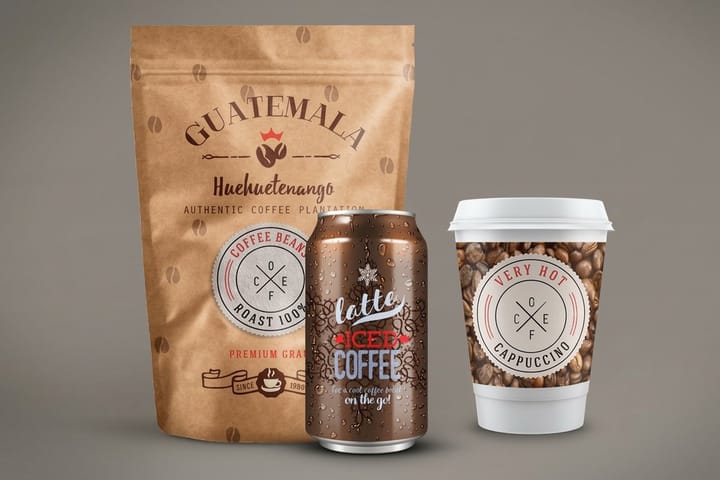
Every brand has one product that does the convincing. It sits at eye level, it gets turned over, and the label is the only thing arguing on its behalf. Premium product labels exist for that SKU. Heavier face stock, a finish that holds up to fingerprints, and enough opacity that a dark bottle does not bleed through the white.
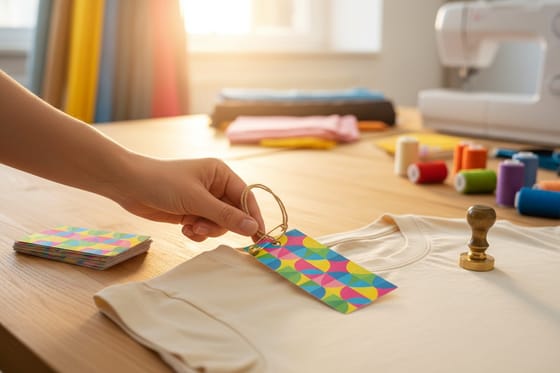
Give the label a reason to be handled. Leave real margin around the name so the eye lands somewhere, keep the ingredient block small and honest, and put the one claim that matters where a thumb naturally sits. If you are also tagging the product physically, our hang tag guide covers how a tag and a label split the story between them without repeating each other.
One premium label will not carry a whole catalog. It carries the product you want remembered, which is usually enough to pull the rest of the line along with it.
2. Roll product labels: built for a machine, not a hand
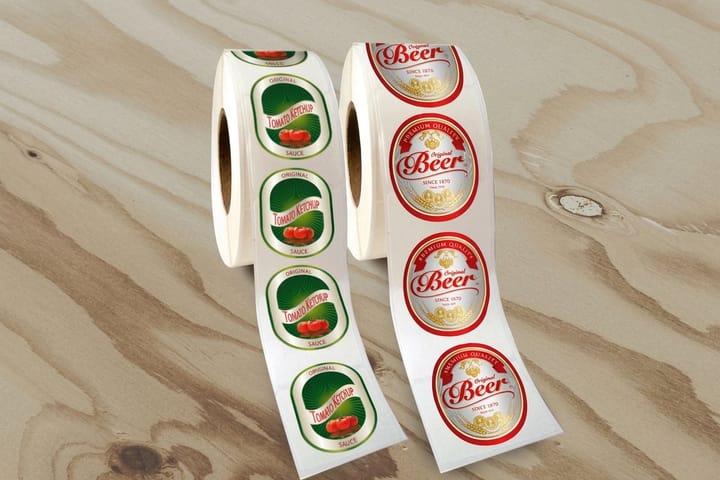
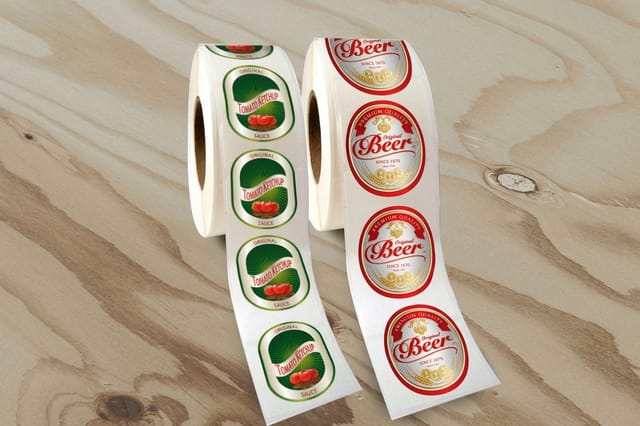
There is a week in every growing brand where hand labeling stops working. Somebody is peeling backing paper at eleven at night and the labels are going on crooked. Roll product labels end that week. They wind onto a core in a fixed unwind direction so a benchtop applicator, or your co packer, can feed them continuously.
Spec three things before you order: the core diameter your applicator takes, the outer diameter it can hold, and which edge of the label leads off the roll. Get the unwind wrong and a perfectly printed roll is unusable on your machine. If you are also printing tags and inserts for the same line, the product tags guide walks through keeping the die shapes in one family.
The order looks expensive next to a sheet because it is thousands of labels at once. Per unit it is the cheapest of the three, and it buys back the evenings.
3. Standard product labels: the workhorse you reorder without thinking
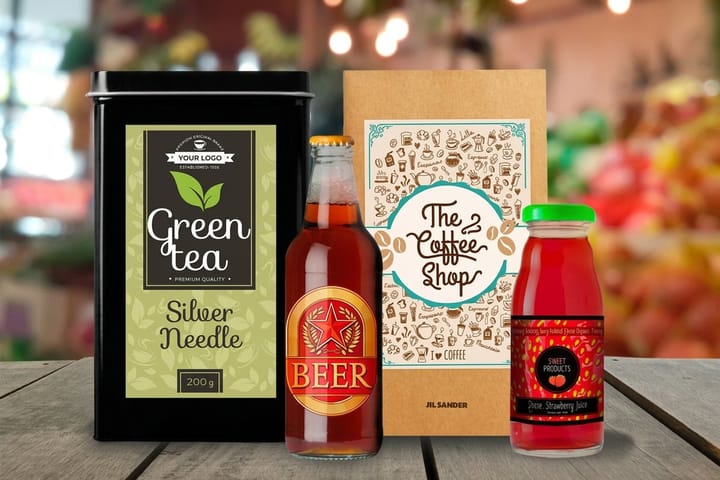
Not everything you label goes on a shelf. Cases get labeled. Inner packs get labeled. Sample jars for the buyer meeting, the seasonal batch you are testing, the twelve units going to a review site. Standard product labels cover all of it at a price that lets you reorder without a conversation about budget.
This is also where naming and small runs meet. Testing a sub brand or a limited flavor is cheap here, which makes standard labels the right place to experiment before you commit premium stock to the idea. If you are still settling on the name itself, our list of 100 name ideas is a useful pattern exercise for any product line.
Keep the artwork identical to the premium version. A case label that matches the jar label is what makes a pallet look like a brand instead of a shipment.
Specs and pricing
Anchor the kit: premium product label specs and live pricing
The premium label sets the stock, coating and color build the other two formats follow. Check its specs first, then match the die size and finish when you configure rolls and standard sheets.
| Quantity | Price Per Unit | Total |
|---|---|---|
| 1 | $29.16 | $29.16 |
Wally explains the kit
Three label formats, one brand, printed to launch clean
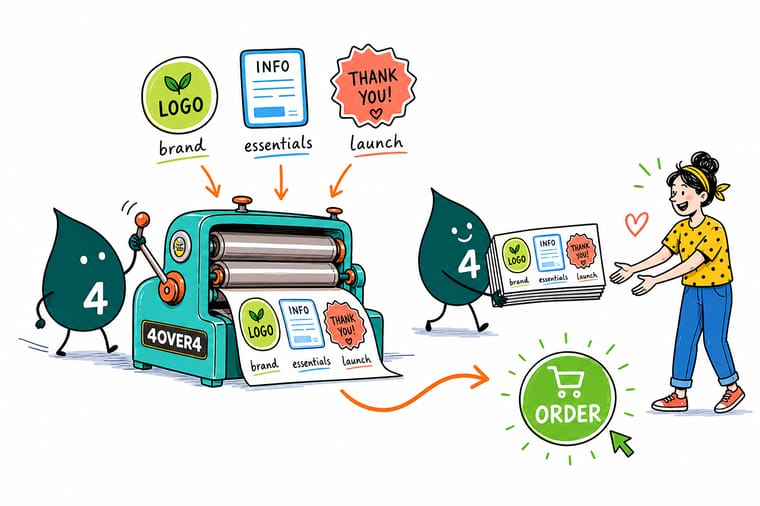
Wally thinks of a product launch the way a warehouse does. The premium label is the one a customer holds, so it gets the good stock. The roll label is the one a machine holds, so it gets the right core and unwind. The standard label is the one your own team holds all day, so it gets a price you can reorder at. Same artwork on all three, and the shelf reads one brand.
Shop the business basics collection →See it in use
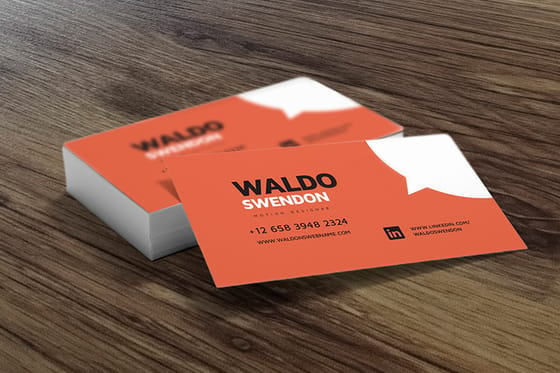
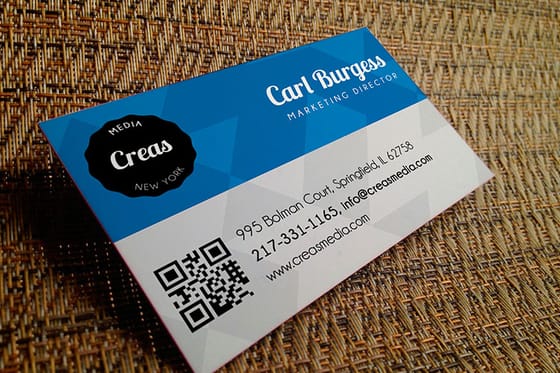
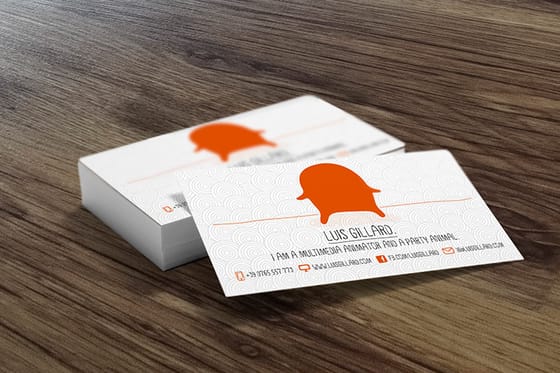
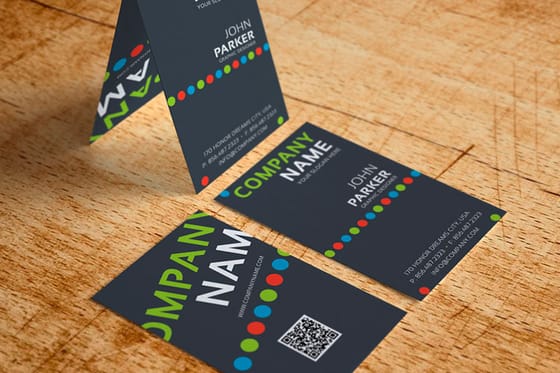
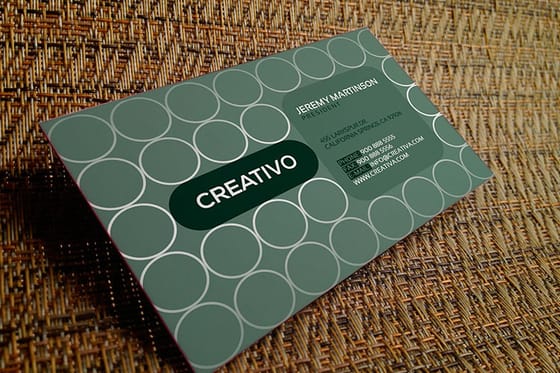
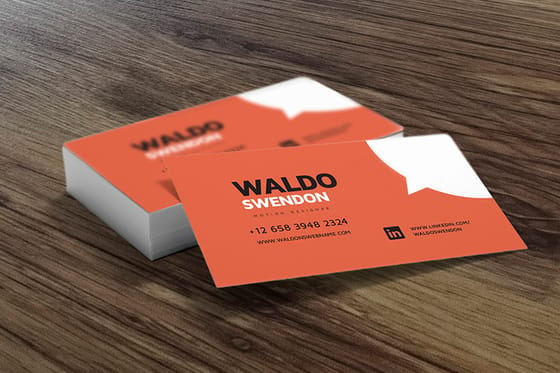
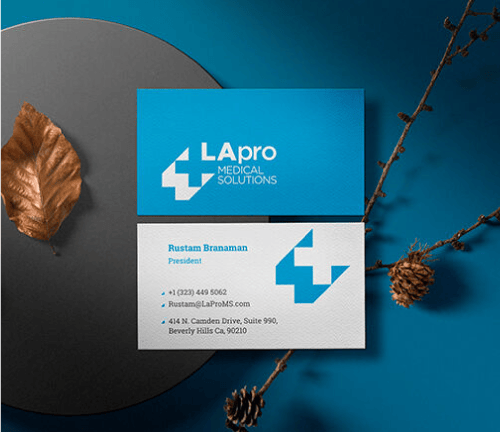
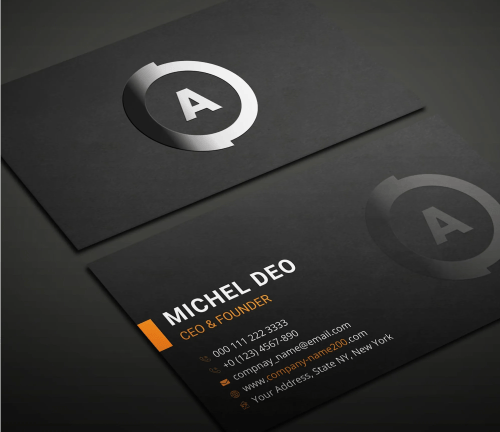
Real product label work, printed in-house

Explore more
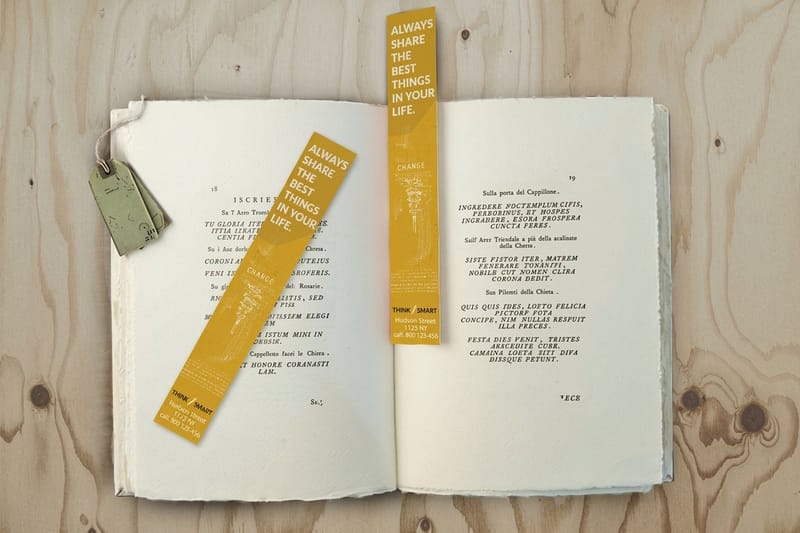
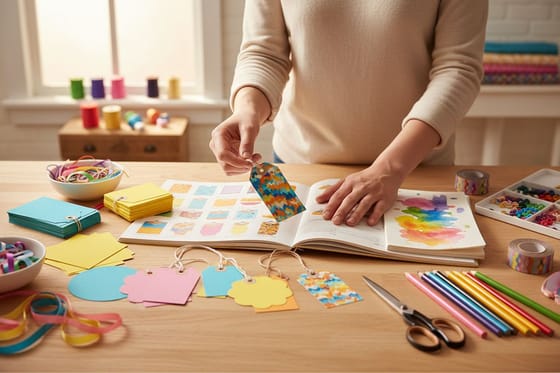
Where to go next
By the numbers
One kit, printed to launch clean
Common Questions
Common questions about the brand launch label kit
What is the brand launch essentials kit?
It is a curated set of three product label formats chosen because a new brand almost always needs all three within its first year. Premium labels carry the shelf-facing SKU, roll labels handle machine application once volume arrives, and standard labels cover cases, inner packs and everything else. One artwork, three formats, ordered from the same press so the color matches.
Which of the three should I order first?
Order the format that matches how you apply labels today. If you are peeling and sticking by hand, start with standard labels for the everyday SKUs and premium labels for the one product a buyer actually picks up. Rolls come later, when a machine or a co packer enters the picture and hand application stops being realistic.
Do I need all three formats to launch?
No. Plenty of brands launch on standard labels alone and do fine. The reason the kit lists three is that the second and third format almost always arrive within months, usually right after a retailer asks for a nicer shelf presence or a co packer asks for rolls. Knowing the upgrade path early means the artwork is built once instead of three times.
How do I keep all three labels looking like one brand?
Repeat three things on every format: logo in the same corner, the same two brand colors, and one typeface family. Then hold the safe margin constant so nothing shifts when the die size changes. Everything else can flex. Build the artwork at the largest size first and scale down, because type that survives shrinking is type that reads on a small jar.
Why are roll labels priced so differently from sheets?
A roll is not one label, it is thousands wound on a core with a specified unwind direction, core size and outer diameter, all set up for an applicator. That setup is why the order minimum sits higher. Divide the price by the label count and rolls become the cheapest per unit of the three, which is exactly why brands switch to them once volume justifies it.
What does the full kit cost to print?
Each format is priced live on its own product page, because label pricing moves with size, stock, coating, die shape and quantity. Premium product labels start at $29.16, standard product labels at $23.88, and roll product labels at $322.98 for the roll quantities they ship in. Configure the size and quantity you actually need and the price updates before you add anything to the cart.
Can I add more pieces later as the brand grows?
Yes. The kit is a starting set, not a ceiling. Hang tags, inserts, shipping labels and stickers all slot in later using the same artwork and the same color build. Because everything prints in one place, a piece added in month nine still matches the label you printed in week one.
Get Started
Ready to put your name on every unit?
Order the launch label set from one press so the shelf SKU, the applicator rolls and the case labels all carry the same color and the same brand. Configure sizes and quantities live.
Legal Disclaimer
Gold Standard guarantees apply to all standard orders placed through 4over4.com. Price match requires verifiable proof of a competitor's published price for an equivalent product with matching specifications and turnaround time. Satisfaction guarantee covers manufacturing defects and print quality issues. Contact support with order number and documentation. On-time delivery rate based on tracked orders 1999 to 2026. Individual results may vary based on shipping carrier performance.
