
How to Write Brand Tone of Voice Guidelines Your Team Will Actually Use


A six-block template you can fill in today, a channel matrix that tells writers what to do on each surface, and the print test that shows whether the voice actually holds.
Write tone of voice guidelines in six blocks: who you sound like, your position on the four tone dimensions, five to eight rules with real before and after examples, a vocabulary in and out list, a channel matrix, and the name of whoever settles edge cases. Keep it to four to eight pages, define voice as the constant and tone as the per-situation adjustment, and test the result in print, where a sentence cannot be edited after it ships.
Quick answer
One voice, a position per channel, and examples that do the teaching
Guidelines work when they are specific enough to argue with. Plot the brand on four dimensions rather than describing it with adjectives, write five to eight rules and pair each with a rewritten sentence from your own published copy, then build a matrix that tells a writer what to do on a product page, a support reply and a printed brochure. Keep the document to four to eight pages so it gets read, name the person who decides unclear cases, and revisit it once a year with a log of the questions it failed to answer.
What Tone of Voice Is, and What Guidelines Are For
Tone of voice is the set of choices that make writing recognisable as yours: how formal you are, how long the sentences run, which words you use for the same thing every time, and how you behave when the news is bad. Guidelines exist because those choices are invisible until somebody else has to make them.
The distinction that saves the most arguments later is voice against tone. Voice is constant. Tone shifts by situation. A brand can be plain and dry as its permanent voice, and still be warmer on a thank-you card than on a backorder notice, without either piece sounding like a different company wrote it. When a document lists "friendly, professional, innovative" and stops there, it has described neither, and every writer reads those three words differently.
The reason to write any of this down is repetition across people. One founder writing everything sounds consistent by accident. Add a support contractor, an agency running ads, and a designer laying out a sales sheet, and three versions of the brand appear within a quarter. Guidelines are the thing those three copy from. They pair naturally with a wider brand style guide and with the messaging components that decide what you say before voice decides how you say it.
One honest limit: guidelines do not make weak writing good. They make inconsistent writing consistent. If the underlying copy is vague, a voice document turns it into vagueness that sounds the same everywhere, which is worse to read because it looks deliberate.
The Fill-in Template: What Your Guidelines Should Contain
Six blocks cover almost every case, and they fit in four to eight pages. Copy the headings below into a blank document and fill each one in with your own words.
- Who we sound like. Two or three sentences describing the brand as a person with a job, not as an adjective. "A senior technician explaining a repair to a customer who is not an engineer" tells a writer more than "approachable expert" ever will.
- Position on the four dimensions. Mark the brand on formal to casual, serious to funny, respectful to irreverent, and matter of fact to enthusiastic. Write one line under each mark explaining why, because the reasoning is what people apply to a case you did not anticipate.
- Rules with examples. Five to eight rules maximum, each with a real before and after. "We use the customer's word, not our internal one: write shipping label, not fulfilment artifact."
- Vocabulary in and out. Two columns. The words you always use for recurring things, and the words you never use, with the alternative next to each banned one. Bans without replacements get ignored.
- The channel matrix. One row per channel: reader, purpose, tone position, sentence length, and what is off limits there.
- How to ask. Name the person who decides edge cases, and where writers post the question. Without this, every unclear case becomes an invented rule.
Save the finished document as a PDF and keep the source file editable. Teams that only have the PDF stop updating it, and a stale voice document quietly gets replaced by whatever the last confident writer did.
Listing Your Channels and Setting a Tone for Each One
Start by listing every place your brand writes, including the unglamorous ones. Most teams remember the website and social, then forget order confirmations, invoice notes, packaging inserts, voicemail scripts, and the copy inside a folded brochure. Those forgotten channels are usually where the voice breaks first, because whoever wrote them was solving a task, not representing a brand.
Then set a position for each one. The matrix below is an example of the shape, not a template to copy verbatim, since your reader and your risk are different.
| Channel | Reader and moment | Tone position | Never here |
|---|---|---|---|
| Website product page | Comparing you against two others, in a hurry | Slightly formal, matter of fact, no jokes | Hype adjectives with no number behind them |
| Email to customers | Already bought, wants one specific answer | Casual, warm, short sentences | Marketing language inside a service message |
| Social post | Scrolling, no intent yet | Casual, playful, one idea per post | Feature lists and internal jargon |
| Printed brochure | Handed a piece at a meeting or a rack | Formal end, enthusiastic but specific | Anything dated, trend words, unresolved claims |
| Support reply | Something went wrong, patience is low | Plain, direct, no filler openers | Passive voice hiding who made the mistake |
Read the last column first when you review it. The bans are what actually change behavior, because they are checkable by someone who is not a writer. The tone column is guidance. The ban column is a rule.
Notice how far the printed row sits from the social row. A printed brochure starts at $57.11 and stays in circulation long after the campaign that produced it, so the copy has to hold up without the surrounding context a post gets for free.
Writing the Before and After Examples That Teach
A rule without an example is a suggestion. Take sentences you actually published, rewrite them in the intended voice, and set the pair side by side. Writers copy the second column. They rarely reread the principle above it.
| Rule | Before | After |
|---|---|---|
| Say the number | Our turnaround times are extremely fast. | Most orders print in two business days, and rush cuts it to one. |
| Own the mistake | An error occurred with your order. | We printed your order on the wrong stock. We are reprinting it today. |
| Use their word | Configure your substrate selection. | Choose your paper. |
| Cut the warm-up | In order to help you make the best possible decision, we have prepared this comparison. | The two stocks differ in one way that matters. |
Three habits make the examples stick. Keep the before column genuinely yours, because a strawman teaches nothing and everyone can tell. Rewrite for one reason at a time, so the writer sees which change did the work. And include at least one example where the voice was applied badly, since a document that only shows successes leaves the failure mode undefined.
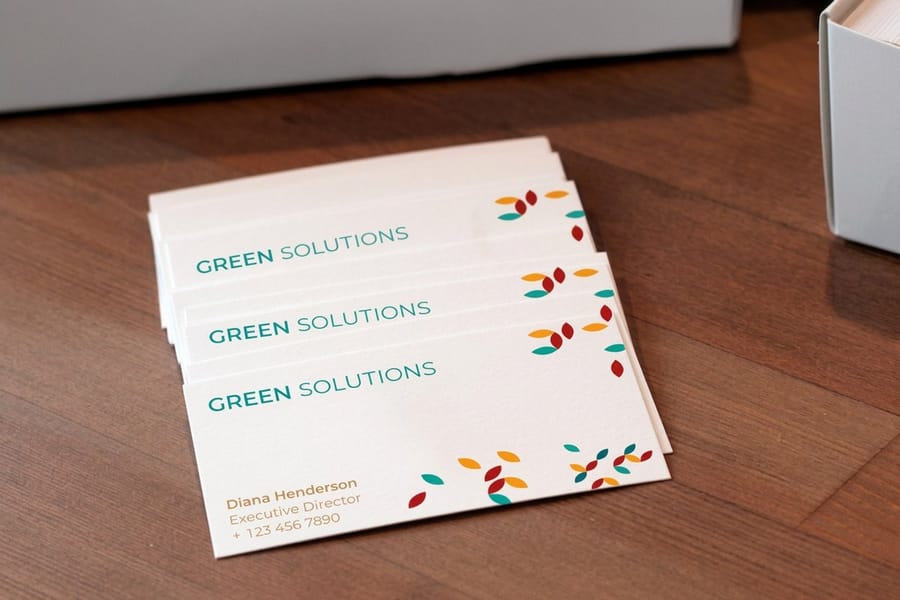
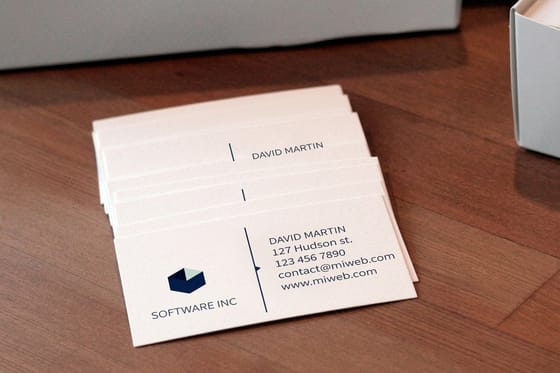
Test the strongest examples in print before you canonise them. Set the headline on a business card at $17.57 a box and on a flyer, read both aloud, and watch which sentences stop working when they lose the scrolling context. That test also catches length problems no screen preview reveals, which is one reason the blank template library is worth using early rather than at the end.
Making the Voice Tangible on Printed Collateral
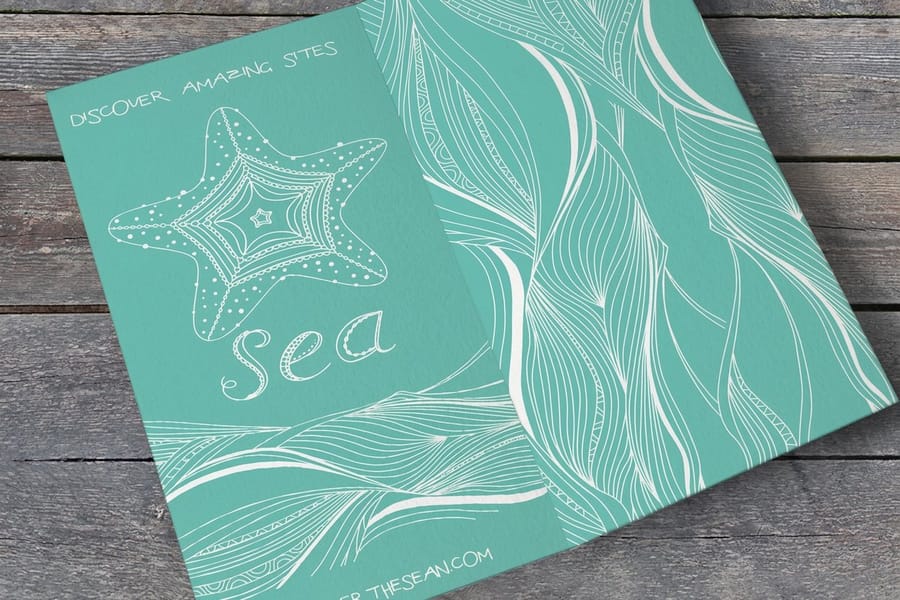
Print is the strictest version of the exercise. You cannot edit the sentence after the box ships, and there is no reply field where a customer can ask what you meant. Everything the piece needs to answer has to be answered on the panel.
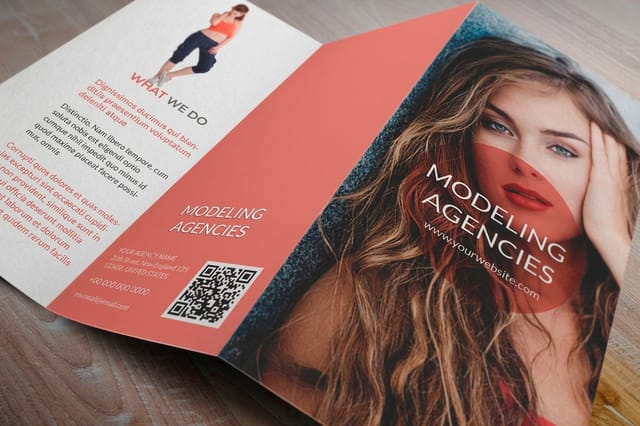
Three practical rules come out of that. First, write to the panel, not to a word count. A trifold panel gives you roughly a headline, a subhead, and eighty to a hundred and twenty words of body before the layout gets cramped, so decide the single idea per panel before writing a line. Second, avoid anything with a shelf life: seasons, campaign names, prices that move. Third, read the proof out loud on the real stock, because paper changes reading speed and a sentence that scanned fine on a screen can stumble on a matte 100lb text.
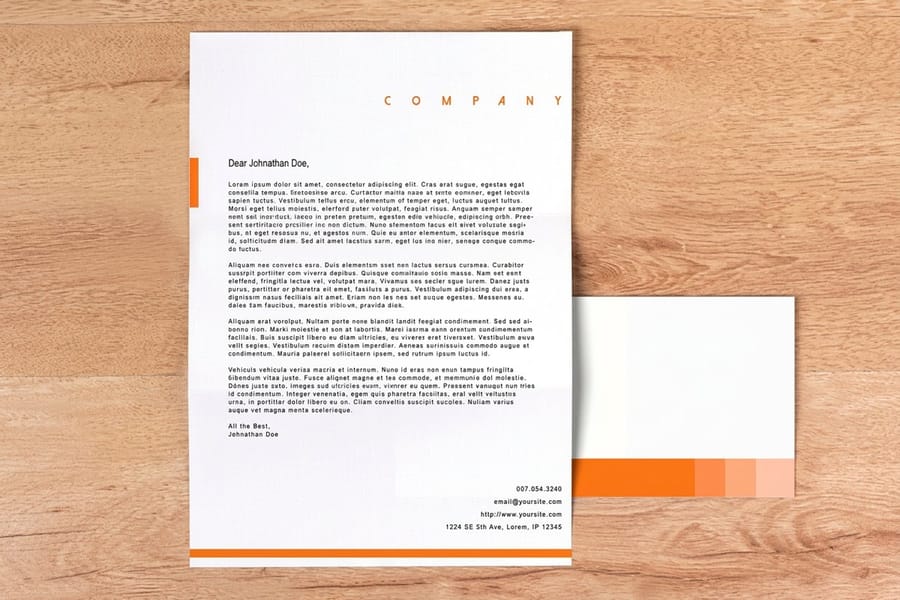
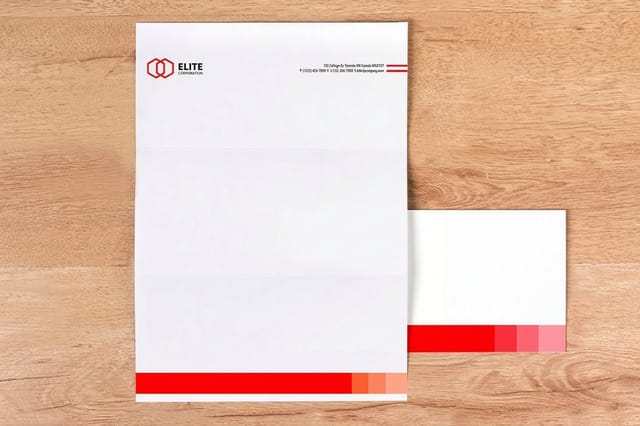
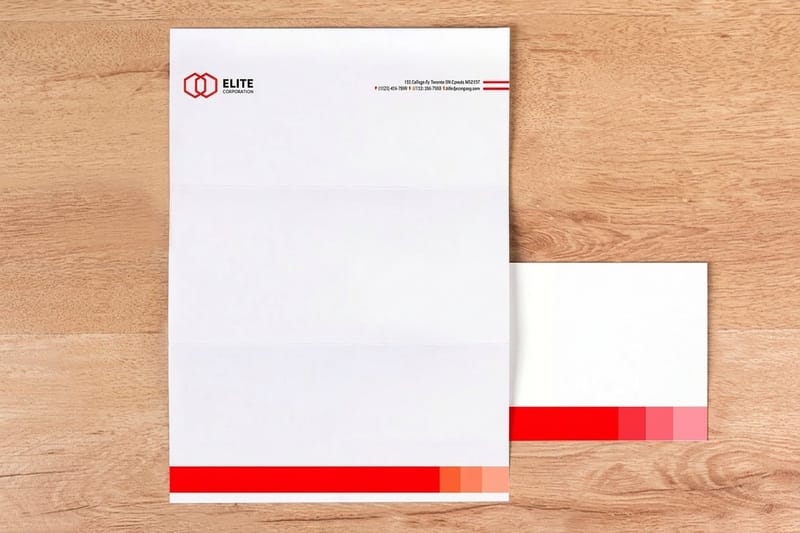
Match the piece to the tone. Long-form persuasion belongs in booklets from $240.55 where you have room to build an argument. A single offer with one call to action belongs on a flyer from $39.54. Correspondence that has to sound like the company rather than a campaign belongs on letterheads from $99.95, which is also where a formal voice is easiest to get wrong by drifting into stiffness. Our brochure paper guide covers the stock side of the same decision.
One trade-off worth naming. A distinctive voice in print ages faster than a neutral one. The more personality a brochure carries, the sooner it reads as belonging to a particular year. If a run has to last twelve months or more, keep the voice at the calmer end and put the personality into the layout and photography instead, where a refresh costs a reprint rather than a rewrite. The print branding guide works through the same balance across a full collateral set.
Sharing It, Onboarding the Team, and Keeping It Current
Most voice guidelines fail at distribution, not at drafting. The document exists, three people have read it, and everyone else writes from memory of an old landing page. Fix that with a rollout that takes about an hour of anyone's time.
- Run one working session, not a presentation. Hand the team four real sentences and have them rewrite each one using the document. Ten minutes of arguing over a comma teaches more than a slide deck.
- Put it where writing happens. A link in the brief template, in the ticketing tool, and pinned in the channel where copy gets reviewed. A file in a shared drive is a file nobody opens.
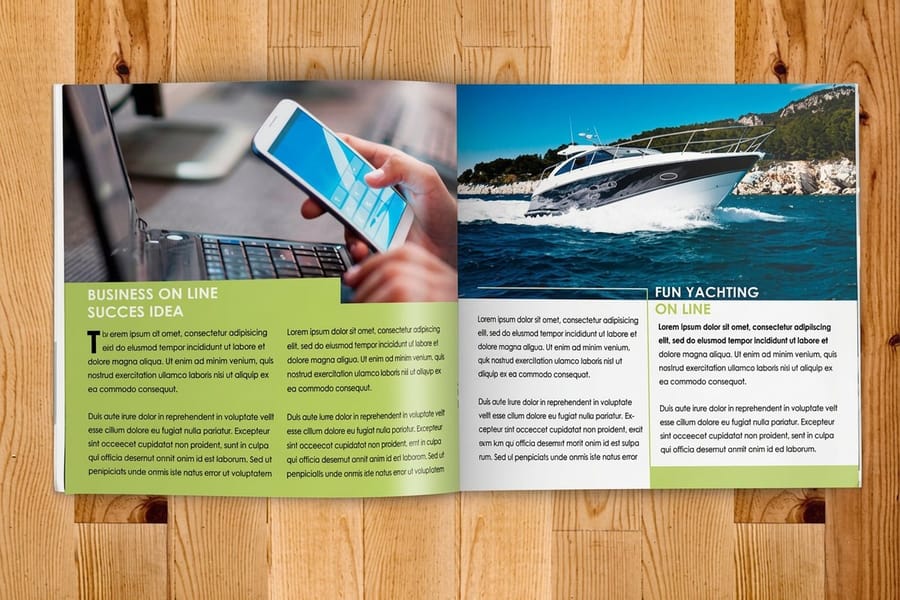
- Print a copy for the people who need it most. A short saddle stitched handbook on the desk of a sales team or a front desk gets consulted more than a PDF. Printing it also forces the document to be short, which improves it.
- Give feedback a shape. When copy misses, quote the specific rule instead of saying it feels off. If no rule covers it, that is a gap in the document, not a failure by the writer.
- Keep a question log. Every case the guidelines did not answer goes on a list. That list is the agenda for the annual review, and it keeps revisions targeted at real problems.
Review yearly, and immediately after a change that alters who you are talking to: a new product line, a new market, a rebrand, or a support channel opening. Between reviews, resist patching. A document that gains a rule every time somebody disagrees becomes a legal text nobody reads.
When the voice is settled, carry it through the physical set in one pass so the pieces match: cards, letterheads, folders and brochures produced together rather than a year apart. Our guide to building a branded stationery set covers that sequencing, and developing a branding strategy covers the layer above it.
Wally explains brand voice
One personality, four dials, a different setting per channel
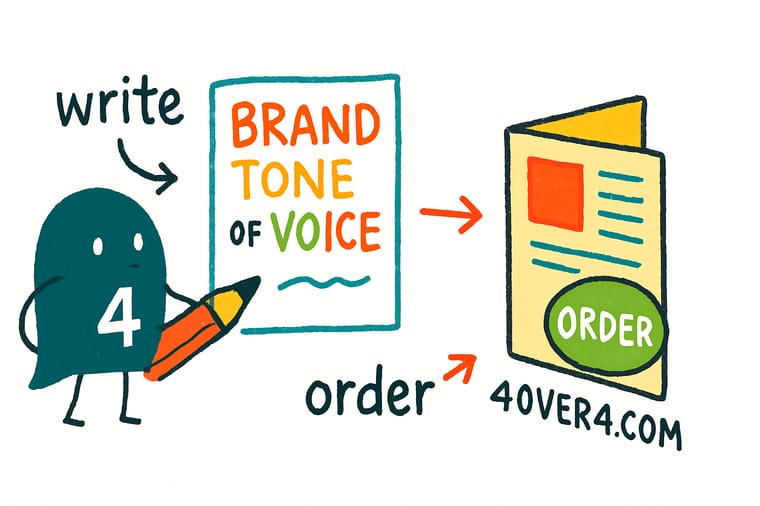
Wally keeps one voice and moves four dials: formal to casual, serious to funny, respectful to irreverent, matter of fact to enthusiastic. The social post gets the dials pushed right. The printed brochure gets them pulled left, because Wally cannot edit a brochure once the box ships. When he is unsure, he prints one copy on the real stock and reads it out loud. Anything that sounds odd out loud never makes the run.
Print your brand brochure →Specs and pricing
The pieces your voice lands on, with sizes and starting prices
Brochures carry the argument, letterheads carry the correspondence, business cards carry the shortest version of the voice. Configure each one with live options and starting prices from the 4OVER4.COM configurator.



Print it
Put the finished voice on paper

Explore more
Where to go next


By the numbers
Who prints the branded pieces behind the words
Common Questions
Your tone of voice questions, answered
What is the difference between brand voice and tone of voice?
Voice is the personality that stays the same everywhere: the vocabulary, the sentence length, the level of formality your brand always keeps. Tone is the adjustment you make for a specific situation. The same brand can be warm on a welcome card and flat and factual on a delay notice without changing voice. A useful test: if a rule would still apply to a refund email at 6pm on a Friday, it belongs in the voice section. If it only applies to a launch post, it belongs in the tone section for that channel.
How long should tone of voice guidelines be?
Short enough that a new hire reads all of it on day one, which in practice is four to eight pages. One page defining the voice on the four dimensions, one page of rules with before and after examples, one page for the channel matrix, one page of vocabulary in and out, and a page on how to ask a question when a case is not covered. Everything past that gets skimmed. If you have thirty pages, you have a brand book, and the voice section inside it still needs to be four pages.
Do I need tone of voice guidelines if I am the only writer?
Yes, and sooner than you think. The moment you hire a freelancer, a customer support contractor, or an agency to run ads, someone else is writing as you with nothing to copy. Writing the guidelines while you are still the only writer is also the cheapest time to do it, because you can pull the examples straight out of your own sent folder instead of reconstructing them later.
How do I write voice examples without inventing fake copy?
Take real sentences you already published. Pull ten from your website, five from support replies, and three from a printed piece, then rewrite each one in the voice you want and put the two versions side by side. Real before and after pairs teach faster than invented ones because writers recognize the original mistake as something they would have made.
How does brand voice apply to printed materials?
Print removes the two crutches most online copy leans on: the ability to edit and the ability to explain in a reply. A brochure has to answer the objection on the page, in a sentence that still reads well in twelve months. That is why the printed piece is the best proofreading test of a voice guideline. Set the type in the real layout, print one copy on the actual stock, and read it aloud. Anything that sounds odd out loud gets cut before the run.
How often should we update the guidelines?
Review once a year and after any real change: a new product line, a new market, a rebrand, or a support channel that opens. Between reviews, keep a running list of questions writers asked that the document did not answer. That list is the agenda for the next revision and it stops the update from being a rewrite of things nobody had a problem with.
Get Started
Order 50 letterheads on 70# Uncoated Text from $99.95
Set the copy in a real layout, choose your stock, and print the brochure, letterhead or card that puts the guidelines to the only test that counts.
Legal Disclaimer
Gold Standard guarantees apply to all standard orders placed through 4over4.com. Price match requires verifiable proof of a competitor's published price for an equivalent product with matching specifications and turnaround time. Satisfaction guarantee covers manufacturing defects and print quality issues. Contact support with order number and documentation. On-time delivery rate based on tracked orders 1999 to 2026. Individual results may vary based on shipping carrier performance.
