
6 Printed Pieces That Help You Close Every Sales Call
Confidence on a call is mostly preparation you can hold. These six pieces cover the whole arc, from the pad you write their answers on to the postcard that reopens the deal three months later, and every price on this page comes from the configurator.
A sales rep needs six printed pieces, and the order they are used in is the order to buy them. A notepad carrying your question order, a one page sales sheet with the offer and the price, a presentation folder for the proposal, business cards with a direct number, blank inside greeting cards for the handwritten thank you, and postcards for the deals that stall. The notepad and the card must be uncoated so a pen works on them. The other four can be coated.
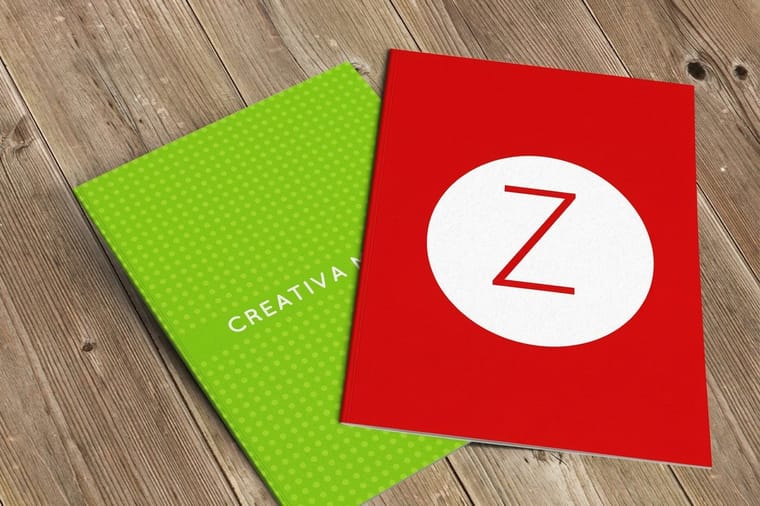
The picks
The 6 picks, numbered and priced live
They are listed in the order a call uses them, which is also a sensible order to buy them in. If the budget only stretches to half the kit, take the cheap follow up pieces first: cards, postcards and thank you cards start at $90.07 together, and the follow up is where most calls quietly die. Prices come straight from the configurator and drop per piece as the quantity climbs.
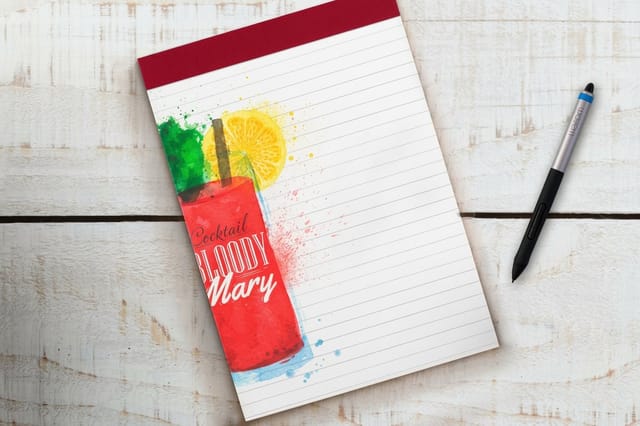
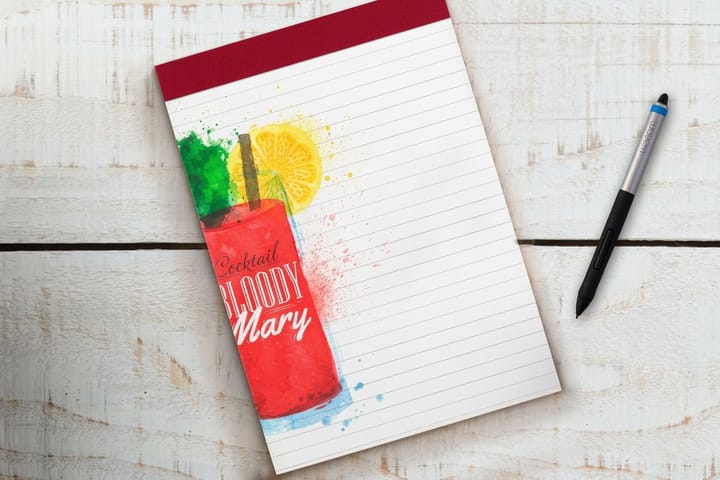
Standard notepads from $93.37
Your call structure printed at the top of every sheet, so the order of the questions is decided before the phone rings. Uncoated bond, because a ballpoint has to work on it while somebody is talking.
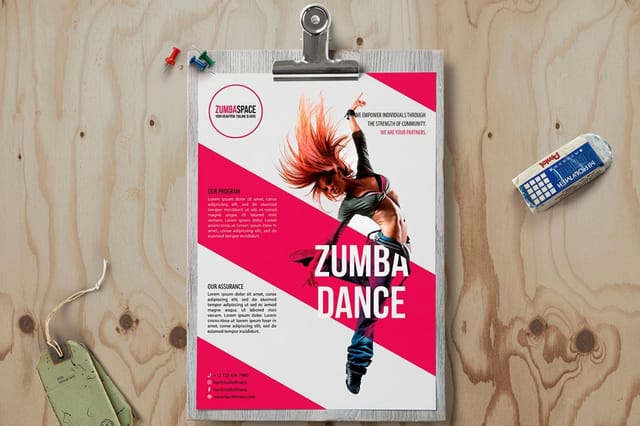
Sales sheets from $75.80
The single page you hold up on camera and leave on the table. One offer, one price, one next step, laid out so it survives being photographed on a phone and forwarded to a boss who was not on the call.
Short run presentation folders from $108.75
The proposal, the spec sheet and the terms in one 9 by 12 in pocket instead of a stapled wad. Short run means you can change the pricing page next quarter without eating a whole box of the old one.
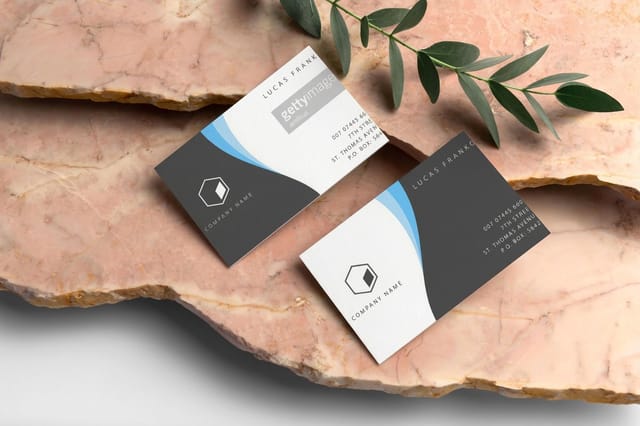
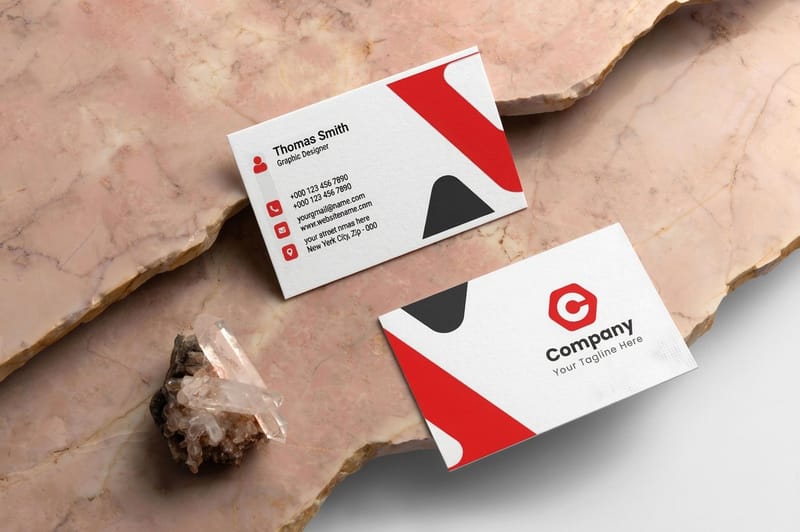
Classic business cards from $17.57
Name, direct cell, one QR to a booking link. The cheapest piece in the kit and the one that decides whether the callback reaches you or reaches a switchboard.
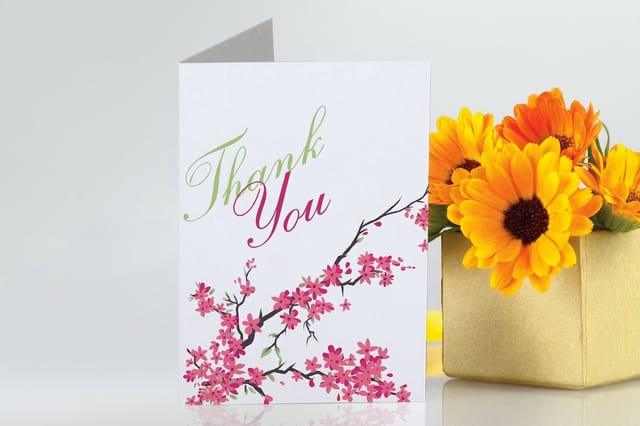
Greeting cards from $56.02
A folded card with your mark on the front and nothing printed inside. You write the note the morning after the call, by hand, in four lines, and it lands before the competing quote does.
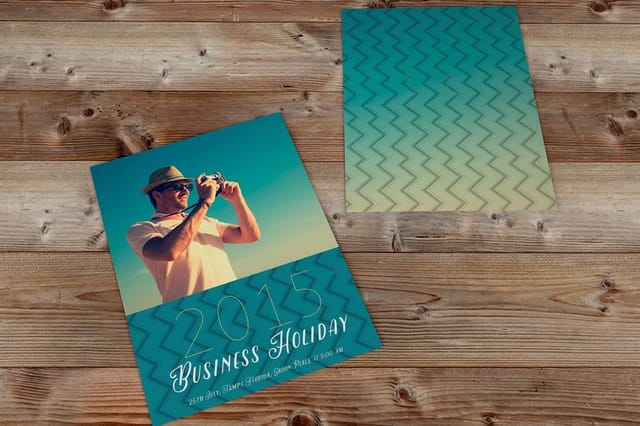
Standard postcards from $16.48
For the pile marked call me next quarter. No envelope to open, no inbox to be buried in, and at 4 by 6 in it mails at the USPS postcard rate rather than the letter rate.
Before you order anything
Decide the coating before you decide the design
One spec on the order form decides whether half this kit works, and it is not the paper weight.
Sort the six pieces into two groups. Group one is anything a human being puts a pen to: the notepad you fill in during the call, the greeting card you write the note inside, and the back of a business card if you are the kind of rep who scribbles a number on it. Group two is everything that is only looked at: the sales sheet, the folder, the postcard, the front of the card.
Group one gets ordered uncoated. Gloss, matte lamination and soft touch all seal the fibre, so a ballpoint slides and a gel pen beads and then smears when a hand crosses it. Group two can be coated, and generally should be, because coating holds color and stops a folder scuffing white at the fold on its way across a table. The one thing you cannot do is order the whole kit in a single finish and expect both halves to work. That is the mistake that shows up on the call, not in the proof. If the finish names are unfamiliar, matte versus uncoated paper explains what each one actually does to the surface.
Weight is the second decision and it is easier. A sales sheet at text weight will curl in a folder pocket within a week, so put it on a cover stock if it lives in the folder and text weight if it gets mailed flat. A folder is always cover weight. Choosing the right paper weight has the numbers, and if you would rather feel the difference than read about it, order the stock you are considering before you commit to a run.
What each piece does
The six pieces, their job, and their stock
Each piece is used at a different point in the call and answers to a different constraint. Read the row, tap the piece to jump to its section, and start with whichever moment in your own calls is currently running on memory.
| Piece | What it does | When it is used | Stock | Starts at |
|---|---|---|---|---|
| Standard notepads | Holds your question order and their answers in their words | The night before and all the way through the call | Uncoated | $93.37 |
| Sales sheets | One page carrying the offer, the price and the next step | Held up mid call, then left behind or mailed | Matte or uncoated | $75.80 |
| Short run presentation folders | Keeps the proposal, terms and spec sheet in one pocket | Handed over when the price is on the table | Coated | $108.75 |
| Classic business cards | Your direct number and one scannable link, nothing else | The handshake, and every pocket after it | Coated, or one matte panel | $17.57 |
| Greeting cards | A handwritten thank you that is not another email | Posted the morning after the call | Uncoated | $56.02 |
| Standard postcards | Reopens a deal that stalled without asking for a meeting | Thirty days after the no, and each quarter after | Coated | $16.48 |
1. Notepads: the call plan sitting under your hand
A rep who improvises the first five minutes improvises the last five too. Print your own question order along the top of the sheet and the call has a shape before you dial: what changed, what it costs them now, who else has to say yes, what the date is. The rest of the page stays empty so you can write down what they actually said, in their words, which is the only material you have when it is time to ask for the decision.
Two ordering details matter more than the design. First, stock: a custom notepad has to be uncoated. Any gloss or aqueous coating and a ballpoint will skid instead of writing, which is a hard thing to discover with a prospect on the line. Second, the glued head. Pads are padded along one edge, so keep printed type at least a quarter inch clear of that edge or the padding compound covers the first line of your own script.
Size is a real trade-off rather than a preference. A 5.5 by 8.5 in pad fits beside a laptop and does not shout note taking at somebody watching you on camera, but it runs out of room on a discovery call with four stakeholders. An 8.5 by 11 in pad holds a whole call but looks like paperwork in a coffee shop. Our standard notepad sizes guide lays out the common trims, and how to design a custom notepad covers keeping the header light enough that pen ink still reads over it.
If you want the printed prompts themselves, the call structure this kit is built around is written out in the guide to closing every sales call. Print that order onto the pad and you have removed the one variable you control.
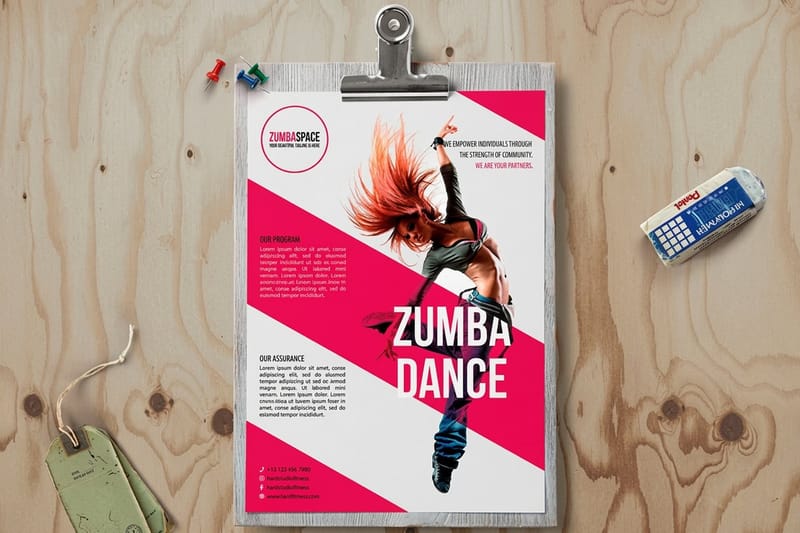
2. Sales sheets: the page that gets forwarded internally
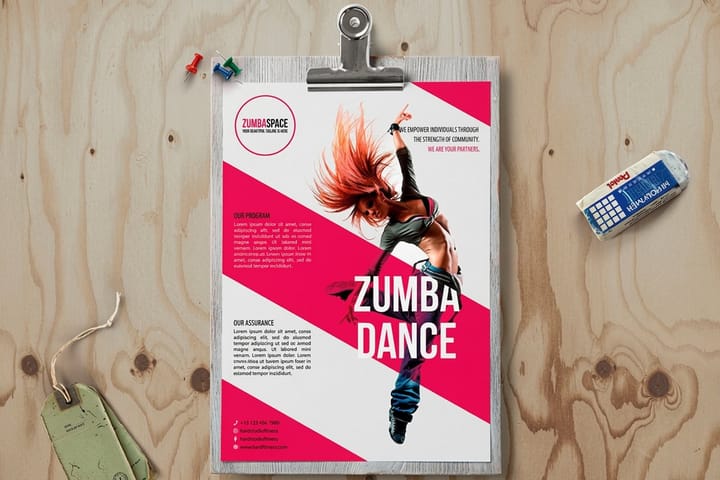
Almost nobody buys on the call. They buy after the person you spoke to has repeated your offer to somebody else, badly, from memory. A sales sheet is the one page that stops that being a memory exercise: the offer, the price, what is included, what happens next, and a name with a phone number at the bottom. Everything else you wanted to say goes in the folder.
Design it to survive the second life it will have. It gets photographed on a phone under office lighting, cropped, and dropped into a message thread. That means real contrast, type no smaller than 9 or 10 point, and no critical figure printed over a photograph. It also means a matte or uncoated finish rather than gloss, because gloss throws a hard highlight straight back at a phone camera and at a webcam if you hold the sheet up mid call.
The sheet is not a brochure and the difference is not cosmetic. A brochure folds, carries several messages and gets browsed; a sales sheet is one flat page with one decision on it. Brochures versus sales sheets sets out when each one is the right buy, and what a sell sheet is walks the standard layout section by section. If the copy is the part you are stuck on, writing print copy that sells is the shorter read.
3. Presentation folders: one pocket instead of a stapled wad
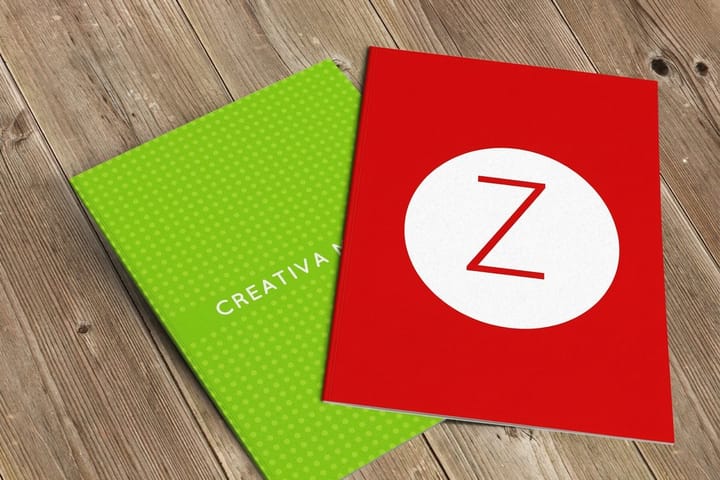
When the price goes on the table, the paperwork multiplies: the proposal, the terms, a spec sheet, maybe a reference list. Handed over as loose sheets it looks like a stack of admin. In a presentation folder it looks like a decision that has already been thought through. The standard 9 by 12 in folder takes letter sheets flat, and the slit in the right pocket takes your business card so the contact detail never separates from the quote.
Leave the insert loose. The temptation is to staple the proposal so nothing falls out, and a staple is exactly what stops the pocket sitting flat and closing. Loose sheets are also the whole advantage of a folder over a printed booklet: when your pricing changes in March you reprint one page, not the entire piece.
Short run is the reason the folder belongs in a kit at all. A long offset run of folders is cheap per unit and expensive to be wrong about, and a sales team's numbers, packages and even job titles move within a year. Ordering a smaller run keeps the cover current instead of accurate in 2024. Sizes and pocket depths are in the presentation folder sizes guide, the setup and finish decisions are in how to get high quality folders printed, and how to use marketing folders covers what actually goes inside one for a sales meeting.
4. Business cards: the direct line, not the switchboard

At $17.57 this is the cheapest piece here and the one with the shortest path to revenue. A buyer who decides at nine on a Tuesday needs a number that rings your phone, not a main line and a menu. Put your name, your title, your direct cell and one QR code on the card, and leave the rest of the space alone. A card carrying four URLs, two email addresses and a tagline gets read as a leaflet.
Thickness is worth a minute of thought because it is what the buyer feels before they read anything. 14pt is the standard weight and it is perfectly good; 16pt is noticeably stiffer in the hand and survives a wallet better. The full comparison sits in 14pt versus 16pt business cards.
The finish carries a catch that costs people the sale. Soft touch and gloss lamination both feel excellent and neither takes pen. If your habit is writing a direct number or a quoted price on the back of the card as you hand it over, order classic business cards uncoated, or coat one side only and keep the back writable. For the QR code, point it at a booking page you control rather than a homepage, and check the size before you print; QR codes on business cards covers the minimum that still scans first try.
5. Greeting cards: the follow up that is not another email
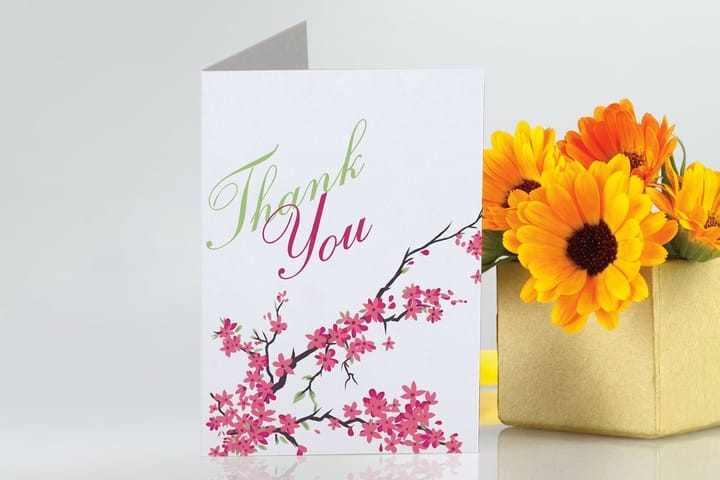
The morning after a call, your email is one of forty in the buyer's inbox and your competitor's quote is one of the other thirty nine. A folded card with four handwritten lines is neither. It gets opened, it sits on a desk for a week, and it costs less than the coffee you would have bought them.
Print the front and stop. Order greeting cards with your mark on the outside and the inside completely blank, because a printed message inside reads as a mailing and gets filed with the mailings. Uncoated stock again, and for the same reason: fountain and gel ink will bead and smear on a coated inside panel, and a smudged handwritten note is worse than no note.
Keep the note itself short and specific to something they said. Two sentences on the problem they described, one on what you will do about it, one on the date you agreed. How to write a thank you card that gets remembered has the structure, and designing custom thank you notes covers the trim sizes and the envelope that has to match them.
6. Postcards: reopening the deals that stalled
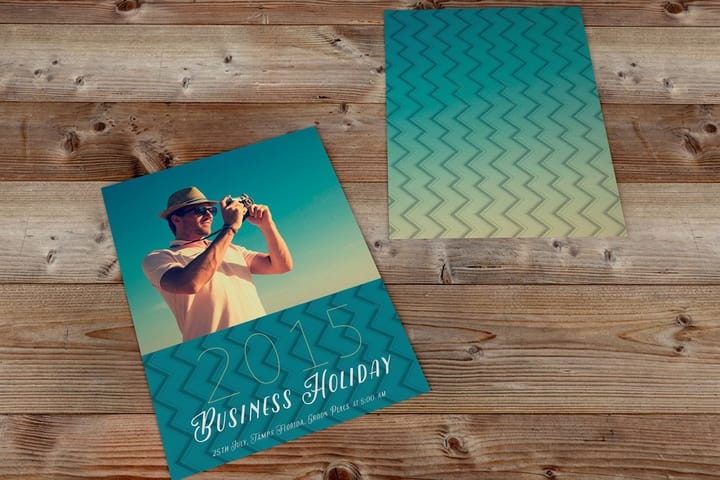
Most no answers are not refusals, they are timing. The pile marked call me next quarter is the largest pipeline most reps own and the one they work least, because a fifth follow up email feels like nagging. A postcard does not. There is no envelope to open and no subject line to judge, so the message is read whether or not anyone meant to read it.
Size decides the postage, so decide it first. A card up to 4.25 by 6 in mails at the USPS postcard rate. Go bigger, to 5 by 7 in or 6 by 9 in, and the same piece moves up to the letter rate even though it is still a postcard. On a list of two hundred stalled contacts that difference is real money, and it is the only spec on the order form that changes what you pay the post office. Sizes and the rate bands are set out in the standard postcard sizes guide.
Write it as one thing that changed since you last spoke, not as a reminder that you exist. A new price band, a case study in their industry, a date you are in their city. Postcard marketing that converts covers the offer and the call to action, and if you would rather hand the list and the postage to us, direct mail postcards print and mail in one order.
Specs and pricing
The two pieces you will reorder most
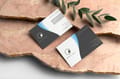
Business cards and sales sheets get reprinted every time a number, a title or a package changes, so they are the two worth understanding at spec level. Here are the live specs and price ladders straight from the configurator.

| Quantity | Price Per Unit | Total |
|---|---|---|
| 100 | 17.6¢ | $17.57 |
| 200 | 11.5¢ | $23.07 |
| 300 | 9.15¢ | $27.46 |
| 400 | 7.96¢ | $31.86 |
| 500 | 7.25¢ | $36.26 |
| 600 | 6.77¢ | $40.64 |
| 700 | 6.43¢ | $45.04 |
| 800 | 6.18¢ | $49.43 |
| Quantity | Price Per Unit | Total |
|---|---|---|
| 50 | $1.52 | $75.80 |
| 100 | $1.09 | $108.75 |
| 200 | 70.8¢ | $141.70 |
| 300 | 54.6¢ | $163.67 |
| 400 | 46.4¢ | $185.63 |
| 500 | 41.5¢ | $207.60 |
| 600 | 35.7¢ | $214.19 |
| 700 | 31.5¢ | $220.78 |
Wally learns what coating costs
The pen was fine, the paper was not
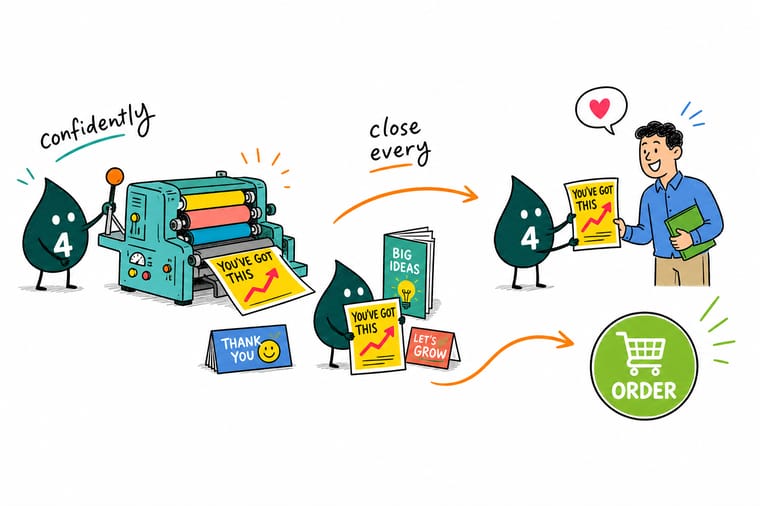
Wally ordered the whole set in one gloss finish because it looked sharp on the proof. Then he took a discovery call, went to write down the one number that mattered, and watched the ballpoint skate across the pad. He wrote it on his hand. Now the pieces someone writes on are uncoated and the pieces someone reads are coated, and the only thing he has to remember before a call is which pocket the folder is in.
Shop business basics printing →See it in use
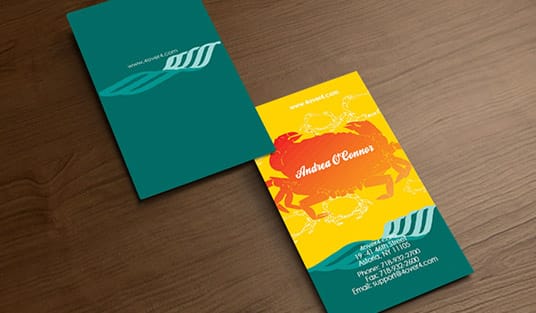
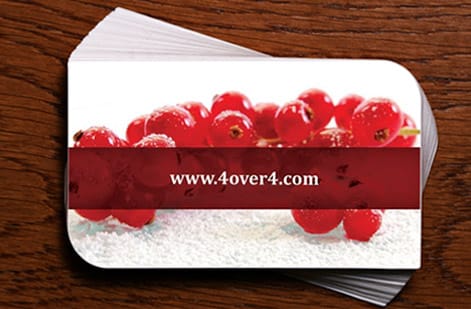
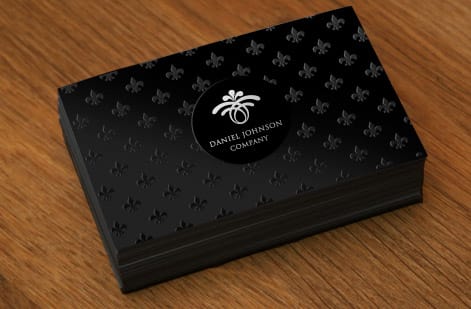
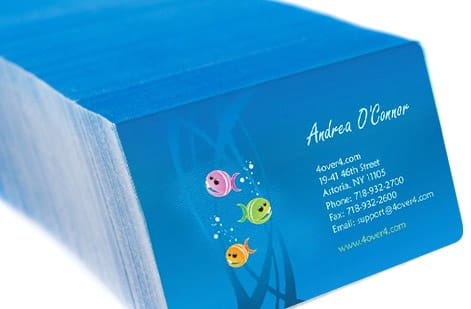
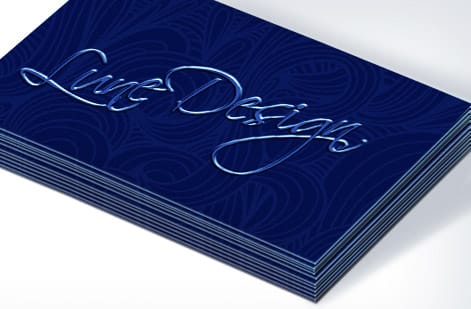
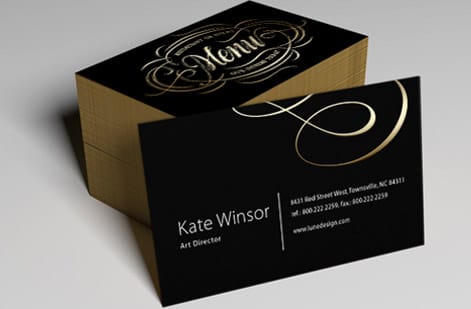
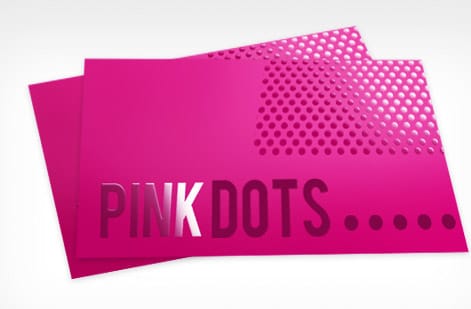
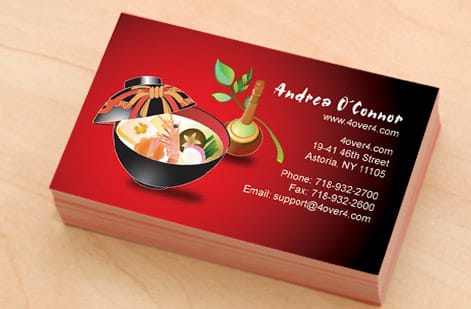
Classic business card designs to model
Explore more
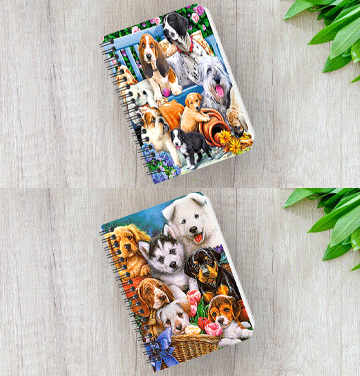
Where to go next
By the numbers
Printing that keeps a sales call from ending cold
Common Questions
Common questions about printing a sales call kit
What should a sales rep actually have printed?
Six pieces cover a whole call: a notepad with your question order on it, a one page sales sheet with the offer and the price, a presentation folder for the proposal, business cards with a direct number, blank inside greeting cards for the handwritten thank you, and postcards for the deals that stall. At 4OVER4.COM those start at $93.37, $75.80, $108.75, $17.57, $56.02 and $16.48 respectively, and every price drops per unit as the quantity climbs.
Why does the notepad have to be uncoated?
Because a ballpoint will not write on a coated sheet. Gloss, matte lamination and soft touch all seal the surface, so the ink sits on top and smears instead of soaking in. The same applies to the inside of a thank you card. If a pen touches the paper, order it uncoated; if the piece is only ever read, coating is fine and will hold color better.
Do I need a sales sheet if I already have a brochure?
They do different jobs. A brochure folds, carries several messages and is browsed at the buyer's pace. A sales sheet is one flat page with one offer, one price and one next step, built to be handed over at the end of a call and forwarded to whoever else has to approve it. Most sales teams need the sheet more often, and it is the cheaper piece to reprint when the pricing moves.
How many folders should I order?
Order for one quarter of live opportunities, not for the year. Pricing, packages and team names change, and a folder cover printed in January is the piece most likely to be out of date by autumn. A short run keeps the cover current, and because the proposal inside is loose letter sheets you can reprint just the priced page without touching the folder.
What size postcard keeps the cheapest postage?
Up to 4.25 by 6 inches mails at the USPS postcard rate. Anything larger, including the popular 5 by 7 in and 6 by 9 in cards, moves to the letter rate even though it is still a postcard. A larger card gets noticed more, so the honest answer is that you are buying attention with postage. Decide the size before the design, because it is the only spec that changes what the post office charges.
Is a handwritten card worth the time on a small deal?
On a small one off sale, probably not. It earns its place where the deal is worth several months of margin, where there is a committee, or where you are the second quote and need a reason to be remembered. Four lines takes ninety seconds and the card costs a few cents once printed, so the real cost is your attention, which is why you spend it on the twenty deals that matter rather than all two hundred.
Can I print the whole kit in one order?
Yes, and it is the reason a kit reads as a kit. Order all six pieces from the same file set with one logo, one type pairing and one color, and the notepad on the table, the sheet in the buyer's hand and the card in their pocket look like one company. Ordering piece by piece over a year is how sets drift apart, because the stock, the trim and the color all get decided again each time.
Get Started
Print the set before the next call
Order all six pieces from one file set at 4OVER4.COM so the pad, the sheet and the card look like one company. Pick your sizes, stocks and finishes, and watch every price update live as you build the order.
Legal Disclaimer
Gold Standard guarantees apply to all standard orders placed through 4over4.com. Price match requires verifiable proof of a competitor's published price for an equivalent product with matching specifications and turnaround time. Satisfaction guarantee covers manufacturing defects and print quality issues. Contact support with order number and documentation. On-time delivery rate based on tracked orders 1999 to 2026. Individual results may vary based on shipping carrier performance.
