
What Is a Sell Sheet and How to Build One That Sells


Emma is our prepress and print production voice, built from the knowledge of our production team, with over 20 years in printing.
One page, one offer, one decision. This guide breaks a sell sheet into the seven blocks that make it work, shows the layout order that puts them on paper correctly, and ends where the sheet does: printed as sales sheets on a gloss, kraft or metallic stock, with the print run sized to your meetings.
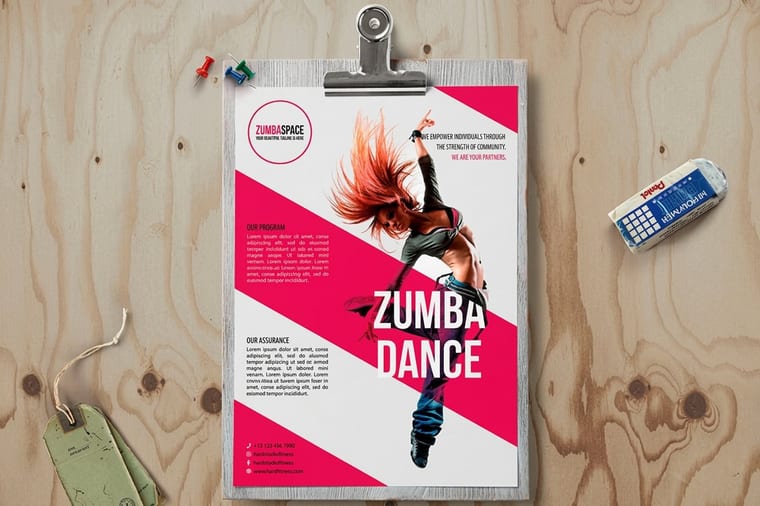
A sell sheet is a single page sales document that presents one product or offer to one audience. It carries a benefit led headline, a clean product image, three to five benefit bullets, a proof element such as a customer quote or certification, a compact spec table, and a call to action with contact details and an item code. Sales teams leave it behind after meetings, buyers file it, and purchasing pulls it back out when the order is ready to be written.
Start here
The short definition, before the detail
A sell sheet is a one page document that sells one thing. It states an outcome in the headline, shows the product, lists the benefits a buyer actually cares about, proves the claim with a quote or a certification, tucks the technical numbers into a small table, and closes with a clear instruction and a way to order. Everything else on the page is optional, and most of it should come off.
Watch it printed
See sales sheets on the press, in 125 seconds
Why one printed page still closes business

A buyer meets you for twenty minutes, hears four vendors the same week, and remembers almost none of it by Friday. What survives is whatever is sitting in the folder. A sell sheet is built for that gap between the conversation and the purchase order, which is why it stays in rotation long after slide decks and demo links have gone stale. At 8.5 by 11 inches it fits the folder, the sample box and the proposal without a fold, and with a 1/4 or 5/16 inch three-hole punch it drops straight into a rep binder.
The format also travels well. It clips into a proposal, slides into a sample box, scans into a procurement system, and gets forwarded to the one person in the building who was not in the room but signs the check. If you want to see how the same job gets handled with a folded piece instead, our brochures vs sales sheets comparison lays out where each one wins.
What a sell sheet does inside your own company
The buyer facing case for a sell sheet is the obvious one. The internal case is why companies keep printing them.
One sheet settles what everyone says about a product. The minimum order, the lead time, the sizes and the item code come out the same whether a buyer hears them from a rep in the field, a distributor or somebody on the phone, because all three are reading the same page. That consistency is hard to get out of a slide deck, which every rep quietly edits.
It also shortens onboarding. A new salesperson gets the product in one page rather than a folder of files, and can be useful in a meeting during the first week.
And it keeps updates cheap. When a spec changes you correct one file and reprint one sheet, instead of chasing the same number through five decks saved on five laptops. A corrected run of 50 standard sales sheets starts at $75.80 with 3 business days of production.
What a sell sheet actually is

A sell sheet, also called a sales sheet or a product one pager, is a single page document that presents one offer to one audience. It is not a company overview, not a catalog, and not a flyer for an event. Its whole job is to make a specific product easy to understand, easy to compare, and easy to order. In print it is usually one 8.5 by 11 inch sheet, full color on one side or both, on a coated or uncoated text stock.
The discipline of one page is what gives the format its power. Every line has to earn its place against the line it displaces, so vague positioning falls away and the concrete facts a buyer needs stay. A sell sheet is the difference between telling someone you make good packaging and showing them the dimensions, the run sizes, the lead time, and the number to call.
Sell sheets show up in distributor kits, trade show bags, mailed sample packs, sales rep binders, and the counter at a wholesale showroom. Each of those settings punishes clutter and rewards a layout a reader can decode standing up in a noisy hall.
The seven blocks every sell sheet needs

Strong sell sheets are more alike than they look. Strip the branding off a hundred of them and the same seven blocks appear in roughly the same order, because that order matches how people read a page they did not ask for.
- Headline. The outcome, in the buyer's language, large enough to read from arm's length.
- Subhead. One line that qualifies the promise and names the audience or the category.
- Hero image. The product, shot clean, at a size that lets a reader judge it.
- Benefit list. Three to five bullets, each one an outcome rather than a feature.
- Proof. A customer quote, a client logo row, a certification, or a measurable result.
- Specs. A compact table of sizes, materials, options, minimums, and item codes.
- Call to action. The next step plus a name, a phone number, an email, and a code to quote.
The diagram further down this page maps those blocks onto a letter size sheet so you can see the proportions rather than just the list.
Write the headline for the buyer, not the brand

Most weak sell sheets fail in the top three inches. They lead with a product name nobody has heard of, or a slogan that could belong to any company in the industry. On an 8.5 by 11 inch sheet those three inches are roughly the top quarter of the page, the strip above the hero image. A buyer skimming a stack gives that opening about two seconds before deciding whether the rest of the page is worth reading.
The fix is to lead with the change your product creates. Name the result, then attach the product to it in the subhead. Compare "Introducing the ThermaGuard 400" against "Cut cold chain losses on every route" with "The ThermaGuard 400 insulated shipper, now in three sizes" underneath. The second version tells a logistics manager the page is about their problem before the brand name has to do any work.
Keep the headline to a single line where you can, two at the most, and set it several sizes above everything else on the page. Contrast is what creates a starting point for the eye, and a sheet without one reads as a wall of equal weight information that nobody enters.
Turn every feature into something a buyer can price
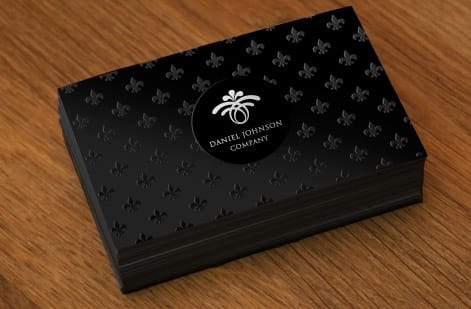
Features describe the product. Benefits describe the buyer's new situation. A double wall corrugated liner is a feature. Fewer damage claims on long haul routes is a benefit, and it is the sentence that gets quoted in an internal meeting you will never attend.
Write each bullet by taking a spec and finishing the phrase "which means". Twelve point board, which means the sheet stands up in a counter display without curling. Same day proofs, which means a Friday approval still ships Monday. Then delete the spec from the bullet and keep the meaning, because the raw numbers belong in the table lower on the page.
Write the list after the spec table, not before: fill in the sizes, materials, minimums and item codes first, then turn each row into a which means bullet. Three to five bullets is the working range. Fewer looks thin, more turns into a paragraph in disguise and stops being scannable. If a sixth benefit feels essential, it is usually a sign the sheet is trying to cover two products and should become two sheets.
The proof block that removes the risk
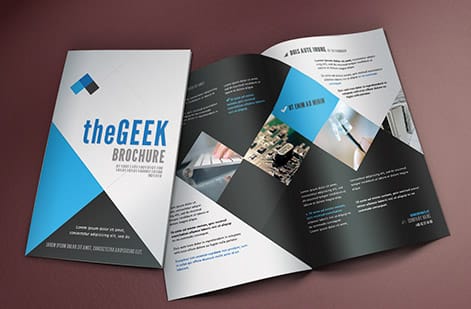
Every claim on a sell sheet raises the same silent question: says who. The proof block answers it. This is the element amateur sheets skip and professional sheets treat as non negotiable, because a buyer's real fear is not paying too much, it is being the person who chose wrong.
Useful proof takes several shapes. A short customer quote with a real name, title, and company. A row of client logos, used only with permission. A certification mark such as FSC, NSF, or an industry standard number. A measured result stated plainly, sourced from your own records rather than invented for the page. Choose one, give it a little room, and set it apart with a rule, a tint panel, or a shift in type. Place it roughly two thirds of the way down the sheet, as step five of the layout template below does, and keep it to one quote or one row of marks.
Keep it honest and keep it specific. Vague superlatives read as noise, while one verifiable sentence from a named customer does more work than a paragraph of adjectives ever will.
The call to action and the contact block
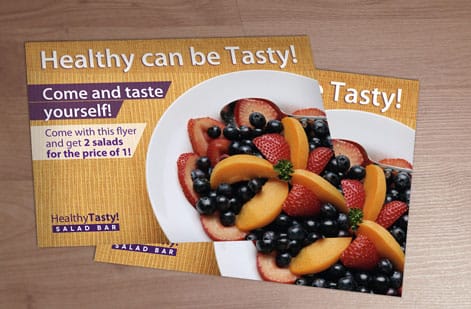
A sell sheet that ends without an instruction is a brochure that got lost. The bottom of the page has to tell the reader precisely what happens next, in the words they would use themselves: request a sample, ask for a quote on your run size, place a stocking order, book a fifteen minute call.
Under the instruction, give a complete contact block. A named rep beats a generic inbox. Include a direct phone number, an email, a short and typeable web address, and the item or SKU code the buyer needs to quote when they reorder. That code is the quiet workhorse of the format, because it turns a filed sheet into a purchase order six months later without anyone having to search for anything.
Set the call to action in a colored bar or a boxed panel so it holds its own against the hero image, full width across the foot of the 8.5 inch sheet and inside the half inch margin so the trim never touches it. If your sheet is going into a mailed kit, this is also where a matching return address label keeps the whole package looking deliberate, which our return address label option covers.
A step by step layout template for a letter size sheet
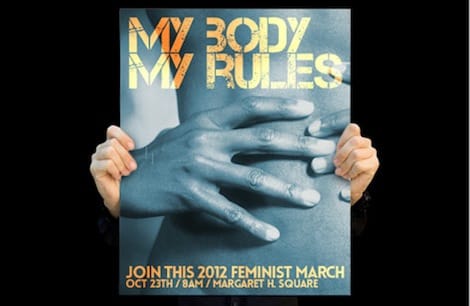
Here is the build order that produces a working sheet on the first pass. Follow it in sequence rather than jumping to visual polish, because the layout decisions are far easier once the words are settled.
- Set the page and the margins. Start at 8.5 by 11 inches with a quarter inch bleed, then hold at least a half inch of clear margin so nothing important sits near a trim edge.
- Block the top third. Headline, subhead, and logo. The logo goes small, in a corner. It identifies you, it does not sell for you.
- Place the hero image. Give the product between a third and half of the remaining width, shot on a clean background so it cuts out neatly against the page.
- Run the benefit list beside the image. Left aligned bullets, generous line spacing, and a consistent bullet mark. Never center a list a reader is meant to scan.
- Drop the proof block below the fold of the eye. Roughly two thirds down, tinted or ruled off so it reads as a separate voice.
- Build the spec table. Two or three columns, small type, generous row spacing. This is reference material, not persuasion, so it can be quiet.
- Close with the call to action bar. Full width across the foot of the page, high contrast, with the contact block and item code inside it.
- Proof it out loud and print one. Read the headline aloud, then print a single copy at actual size and put it on a desk. Problems with hierarchy that are invisible on screen are obvious on paper in about four seconds.
Export as a press ready PDF with fonts embedded, images at 300 dpi, and artwork in CMYK. Then order a small first run of sales sheets before you commit to the full quantity.
Sell sheet mistakes that quietly kill response

The most common failure is cramming. A team decides the sheet should also mention the other four products, the company history, and the full service list, and the page turns into a dense grey rectangle nobody enters. If a sheet has more than one offer, split it.
Close behind is the missing call to action, followed by contact details set so small they cannot be read across a trade show table. Then there is reversed type in six point on a busy photograph, a headline that names the product instead of the outcome, and stock photography so generic it undercuts the specificity the rest of the page is trying to build.
A subtler one: printing on paper that feels thinner than what the buyer already has in their folder. Perceived quality transfers. If your competitor's sheet has weight and yours flops, the comparison happens in the reader's hand before it happens on the merits. A sheet on 70# uncoated text feels light next to one on 80# gloss cover or 14pt gloss cover, and both of the heavier stocks are on the sales sheet order form. The same instinct behind choosing high contrast sign colors applies here, since legibility at a glance is the whole game.
Getting the sheet in front of buyers
A printed sheet only works where it is handed over, so decide the routes before you set the quantity. Standard sales sheets run from 50 up to 25,000, so count the meetings, sample boxes, show bags and proposals in a quarter and round up.
- In the meeting. The leave behind, put on the table at the end rather than the start so it does not compete with you while you talk.
- In the sample box. One sheet sitting on top of the product, which is the moment a buyer is most curious about the specs.
- In the show bag. Printed on a stock heavy enough to survive a day of being carried around a hall, such as 14pt gloss cover or 15pt synthetic plastic.
- In the proposal. Clipped in behind the pricing, where procurement can lift it out and file it.
- As a PDF. The same layout, emailed to the person who was not in the room and signs the check.
Put the item code on every version, print and PDF alike. That code is what turns a filed sheet into an order six months later, with nobody having to search for anything.
Sizes, stocks, and what printing sell sheets costs
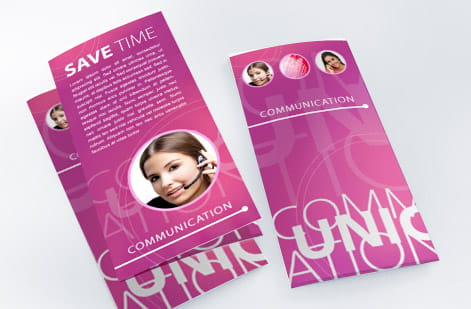
Letter size is the default for good reason, but the stock is where a sell sheet earns its impression. Gloss coated text weight makes product photography snap and shrugs off handling in a show bag. Matte and uncoated read calmer and take a pen, which purchasing teams like when they are marking quantities. Kraft sales sheets start at $166.04 and put artwork on a natural unbleached surface that suits food, craft, outdoor, and sustainability positioning; the story on kraft sales sheets shows that surface up close. Metallic sales sheets start at $317.44 and put a reflective shimmer behind the design for product launches and premium lines, and the story on metallic sales sheets shows the foil accent in the hand.
For the everyday sheet that goes out by the box, standard sales sheets start at $75.80 and cover the full range of coated and uncoated options. Price moves with quantity first, then stock, coating, and turnaround, so a single larger run almost always beats four small reprints on unit cost. If you are also packing samples to ship alongside the sheet, our complete guide to custom cardboard boxes handles the outer packaging, and when the samples need an odd size you can order custom cardboard boxes cut to your dimensions. The FedEx sales sheets alternative page compares turnaround and stock choices side by side.
Wally explains the sell sheet
One page, one offer, one thing to do next
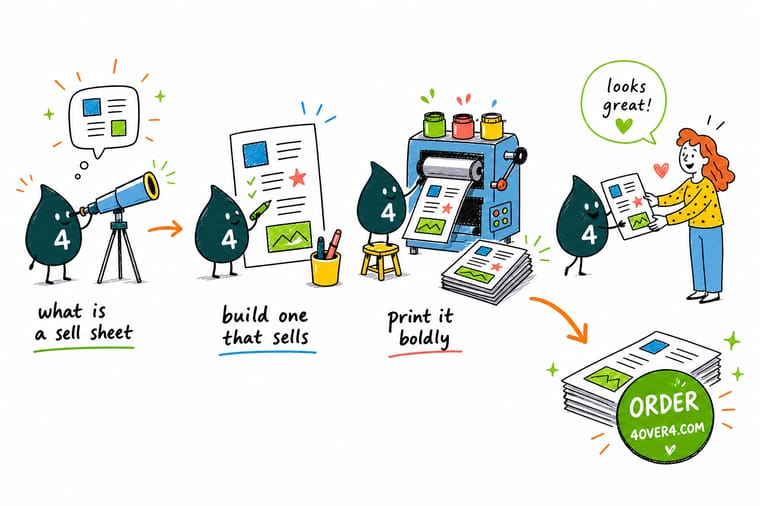
Wally thinks of a sell sheet the way a good rep thinks about a meeting. You get one strong opening line, one clear look at the product, a handful of reasons that matter to this buyer, one piece of evidence that you are not making it up, and a straight answer to what happens next. If a line on the page does not do one of those five jobs, Wally takes it off and gives the space back to white space instead.
Design and print sales sheets →
Layout template
The anatomy of a sell sheet at a glance
One page, seven blocks, in the order a reader moves through them. Use this as the wireframe before you open a design file, and check your draft against it once the copy is written.
Blocks one through four earn the read, block five removes the risk, and blocks six and seven make the order easy to place. Change the styling freely, but keep the order.
Specs and pricing
Sales sheet specs and live pricing
Once the layout is settled, the remaining decisions are size, stock, coating, quantity, and turnaround. Here are the live options and prices for standard sales sheets so you can size the run before you upload artwork.

| Quantity | Price Per Unit | Total |
|---|---|---|
| 50 | $1.52 | $75.80 |
| 100 | $1.09 | $108.75 |
| 200 | 70.8¢ | $141.70 |
| 300 | 54.6¢ | $163.67 |
| 400 | 46.4¢ | $185.63 |
| 500 | 41.5¢ | $207.60 |
| 600 | 35.7¢ | $214.19 |
| 700 | 31.5¢ | $220.78 |
Print it
Print your sell sheets at 4OVER4
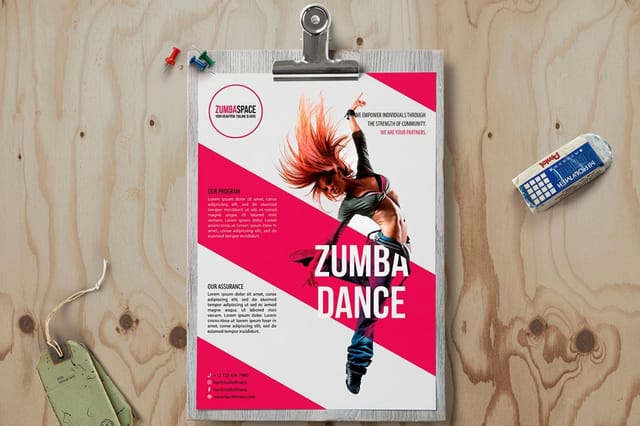
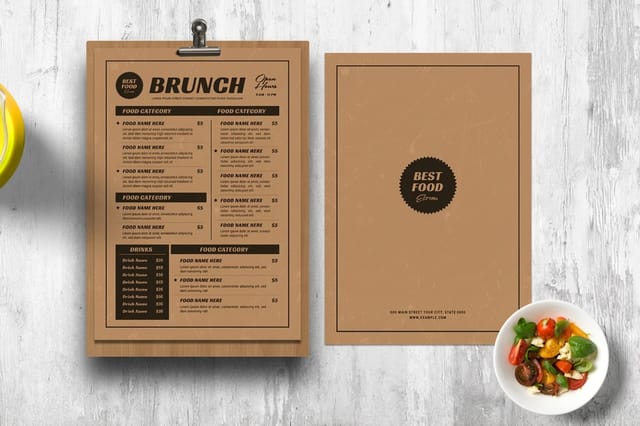
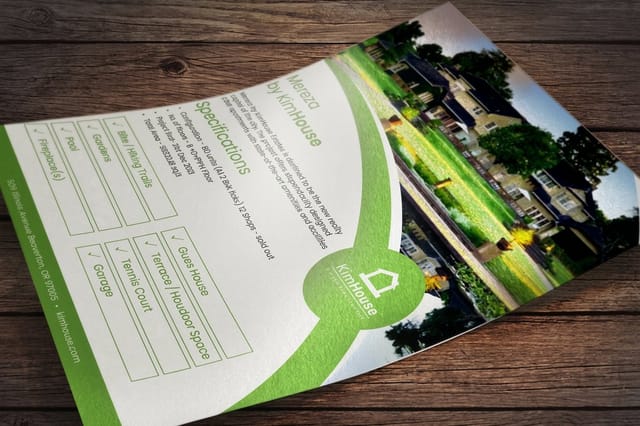
See it in use
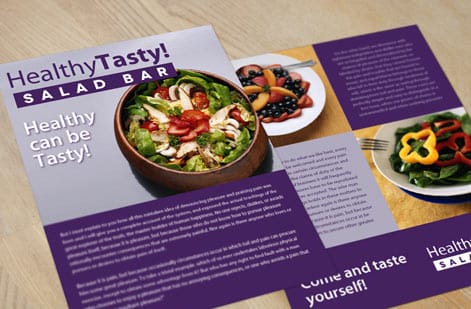
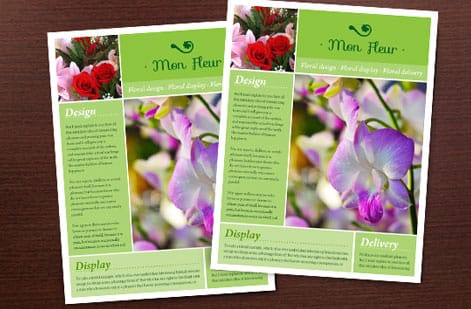
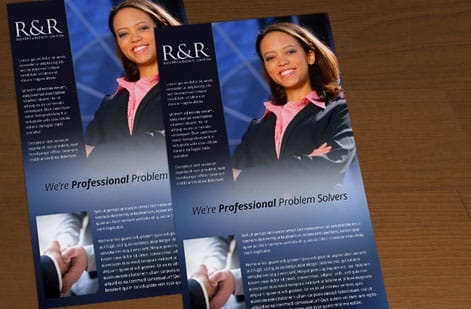
Sales sheets we printed for real pitches
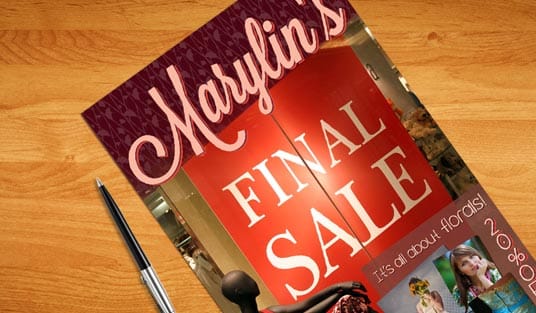

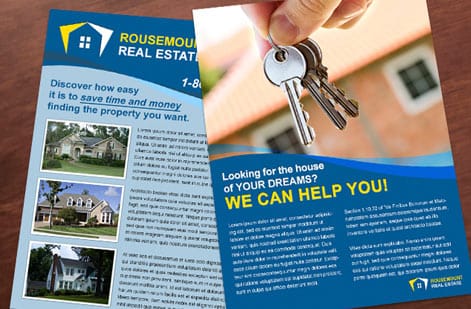



Explore more
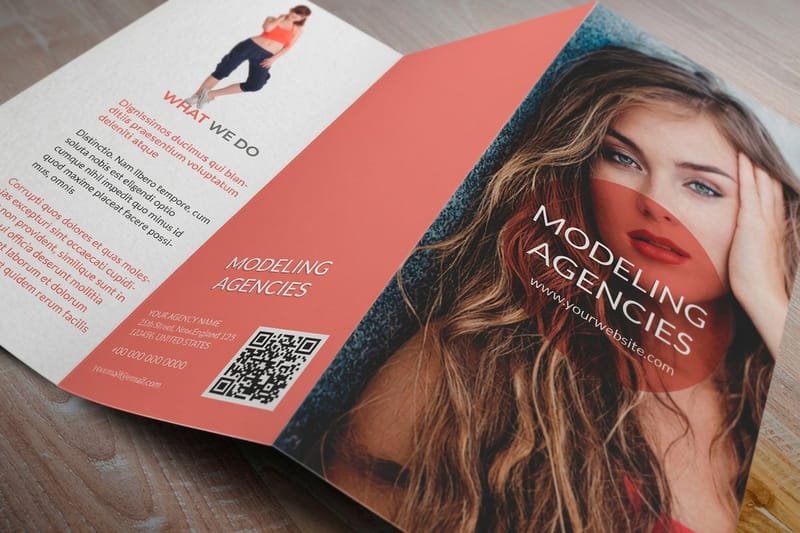
Where to go next



By the numbers
Sheet stock from sixty paper types
Common Questions
Common questions about sell sheets
What does a sales sheet look like?
One letter size page, portrait, read top to bottom. A headline across the top third naming the outcome, a subhead under it, one clean product photograph taking a third to half the width, and three to five benefit bullets running beside the image. Below that sits a proof element, a quote or a certification, set apart with a rule or a tint panel. A small specification table comes next, and a full width call to action bar closes the page with a name, a phone number, an email and an item code.
What goes on a book sell sheet?
The same seven blocks, filled with what a bookseller or a buyer needs. The title, subtitle and cover image take the top. The benefit block becomes the pitch, two or three lines on who the book is for and why it sells. Proof is a review quote, an award or the author's track record. The spec table carries the ISBN, format, page count, trim size, publication date and price, and the call to action names the distributor and the order code.
Is there a sell sheet template I can start from?
The seven block layout on this page is the template, and it beats a decorated file because it works in whatever software you already have. Set an 8.5 by 11 inch page with a quarter inch bleed and half an inch of clear margin, then block out the top third for the headline and subhead, the middle for the image and bullets, the lower third for proof and specs, and a full width bar at the foot for the call to action.
What is a sell sheet?
A sell sheet is a single page sales document built around one product, service, or offer. It carries a benefit led headline, a product image, a short list of what the buyer gains, a proof element such as a testimonial or certification, a compact specification table, and one clear call to action with ordering details. Sales teams hand it out at meetings and trade shows, buyers file it, and purchasing staff pull it back out when they are ready to write the order.
What is the difference between a sell sheet and a brochure?
A sell sheet is one page and one offer. A brochure folds, runs several panels, and usually covers a company, a range, or a story. Sell sheets are written for a buyer who already knows the category and needs the specifics fast, while brochures are written for someone still forming an impression. Many companies print both and pair them, with the brochure introducing the business and a sheet slipped inside for the product actually being pitched.
What should a sell sheet include?
Seven blocks: a headline that names the outcome, a subhead that adds the qualifier, a clean product photograph, three to five benefit bullets, one proof element, a small specification or pricing table, and a call to action with a name, phone number, email, and item code. Anything that does not sit in one of those seven slots is usually padding and should come off the page.
What size should a sell sheet be?
Standard letter at 8.5 by 11 inches is the default because it files in a folder, fits a binder, scans on any office machine, and mails in a standard envelope. Retail and distributor programs sometimes ask for 8.5 by 5.5 inches so a rep can carry a deck of them, and a few premium brands go to 9 by 12 inches to stand out in a stack.
Should a sell sheet be printed on one side or two?
One side is the discipline that makes sell sheets work, and it is the right choice for a single product with a simple offer. Print the back when you genuinely need it, most often for a full specification grid, a size and color chart, an installation note, or a distributor price list. Never split the core argument across two sides, because a filed sheet is often read face up and never turned over.
What does printing sell sheets cost and how are prices set?
Price moves with quantity, paper stock, coating, and how fast you need the job. Standard sales sheets at 4OVER4 start at $75.80, kraft sales sheets start at $166.04, and metallic sales sheets start at $317.44. Larger runs bring the unit cost down sharply, so ordering a full season of sheets in one pass usually costs less per piece than four small reprints.
What stocks and finishes work best for sell sheets?
Gloss coated text weight is the workhorse because it makes product photography snap and resists handling at a trade show. Matte and uncoated stocks read calmer and take pen notes, which purchasing teams appreciate. Kraft gives a natural, unbleached surface that suits food, craft, and sustainability positioning, and metallic stock puts a reflective shimmer behind artwork for premium launches.
How long does it take to print and ship sell sheets?
Turnaround is chosen at checkout and runs alongside shipping, so a rush production window paired with expedited freight is what gets a sheet to a Monday sales meeting. Build in a day for file review, since a missing bleed or a low resolution logo is the usual reason a job pauses. Approving proofs the same day they arrive is the single biggest thing you control.
Get Started
Ready to put your sell sheet on paper?
Upload your one page layout, choose a stock that matches the pitch, and let 4OVER4.COM print a run your sales team is proud to leave behind.
Legal Disclaimer
Gold Standard guarantees apply to all standard orders placed through 4over4.com. Price match requires verifiable proof of a competitor's published price for an equivalent product with matching specifications and turnaround time. Satisfaction guarantee covers manufacturing defects and print quality issues. Contact support with order number and documentation.
