
Standard Memo and Notepad Sizes for Every Use Case


Five standard notepad sizes cover nearly every desk, pocket, and counter. This guide maps each size to the use it fits best, then covers sheet counts, paper, and backers so your pad gets used, not stashed in a drawer.
Five standard notepad sizes cover almost every use. A 4 x 6 in pad fits a pocket, 4.25 x 5.5 in is a compact memo, 5 x 7 in suits a tidy desk, 5.5 x 8.5 in is the versatile everyday default, and 8.5 x 11 in is the full workpad. Set a sheet count of 25, 50, or 100 on a chipboard backer, and choose the size by where the pad will live.
Start here
Notepad sizing in one paragraph
Pick the size by where the pad will live. Use 4 x 6 in for pockets and giveaways, 5 x 7 in for a tidy desk, 5.5 x 8.5 in as the versatile everyday default, and 8.5 x 11 in for heavy note taking. Set a sheet count of 25, 50, or 100 on a chipboard backer, and keep an uncoated writing surface. The chart below shows every size to scale.
Watch it printed
See standard notepads on the press, in 106 seconds
Why notepad size is worth getting right
A notepad seems like the simplest thing to order until you realize the size decides whether it gets used or ignored. Too big for a pocket and it stays on the desk. Too small for real notes and it frustrates. The right size makes a pad feel made for its job, and that is what keeps it in a hand rather than a drawer.
The good news is that a handful of standard sizes cover almost every use, from a pocket list to a full meeting workpad. This guide maps each size to the setting it fits best, then covers the sheet count, paper, and backer choices that finish a pad. Whether you want one desk pad or a thousand branded giveaways, our custom notepads print in every size here.
For businesses, a notepad is also quiet daily advertising, so we will cover how to design one that stays useful and keeps your brand in view. Browse the full range in the standard printing collection.
What makes a notepad: sheets, glue, and backer
Before the sizes, it helps to know what a notepad actually is. A pad is a stack of paper sheets glued together at the top edge over a rigid chipboard backer. The glue holds the stack so each sheet tears off cleanly, and the backer gives the pad the stiffness to write on anywhere, on a desk, a lap, or against a wall.
Two specs beyond the size define a pad: the sheet count and the stock. Sheet counts come in standard amounts like 25, 50, or 100, which set both the thickness and the price. The stock is almost always uncoated so it takes pen and pencil cleanly, unlike a glossy sheet. Order custom notepads with the count that matches how long you want each pad to last.
Everything else, lines or grid, a printed header, a color, is a design choice layered on that structure. For choosing the right paper weight so the pad feels good under a pen, see our paper weight guide.
Small pads: 4 x 6 and 4.25 x 5.5 inches
The smallest standard pads punch well above their size. A 4 x 6 in pad slips into a pocket, a bag, or a shirt, making it the go-to for quick lists, reminders, and notes on the move. A 4.25 x 5.5 in pad, exactly a quarter of a letter sheet, is a compact memo size that also works beautifully for coupons, order pads, and short forms.
Because they use less paper, small pads are the most economical to print in volume, which makes them ideal for promotional giveaways. You can hand out far more 4 x 6 in pads for the same budget than full-size ones, and each still carries your logo into a customer hand and onto a desk. Order custom notepads in these sizes for events and marketing runs.
Keep the design simple at this scale: a slim branded header and an open writing area. A small pad earns its keep by being genuinely useful, so resist crowding it. For inspiration, our custom notepad ideas show clean small-pad designs.
Desk pads: 5 x 7 and 5.5 x 8.5 inches
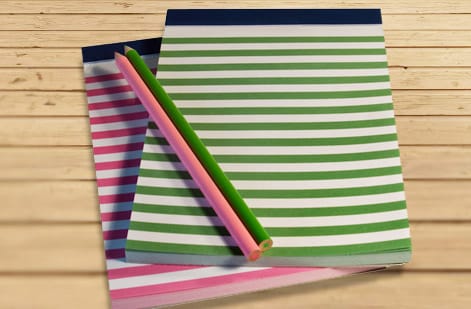
The desk sizes are where most notepads live. A 5 x 7 in pad is compact and stylish, tidy enough to look refined on a reception counter or a home office desk without taking up much room. It suits shorter notes and a clean, professional presentation.
The 5.5 x 8.5 in pad is the all-rounder and the size most people picture when they say a standard notepad. As exactly half a letter sheet, it offers plenty of room for real note taking while still sitting comfortably on any desk. If you only order one size, this is the safe, versatile default that pleases the most users. Order custom notepads at 5.5 x 8.5 in for general office and everyday use.
Both desk sizes make excellent branded pads because they sit in view for weeks. A slim header with your logo and contact details turns a daily-use item into ongoing, low-cost advertising. Pair them with matching letterheads for a coordinated stationery set.
Full workpad: 8.5 x 11 inches
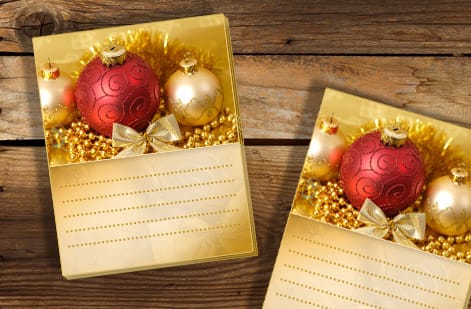
When note taking gets serious, the full letter-size 8.5 x 11 in workpad is the right tool. It gives the most writing room of any standard pad, which makes it ideal for meetings, long to-do lists, detailed planning, and anyone who fills pages rather than jots lines. It fits a standard folder, binder, and clipboard, so it slots neatly into an existing workflow.
Because it uses the most paper, the full pad is best chosen when the writing room genuinely matters rather than as a default. A common approach is to keep an 8.5 x 11 in pad on the main desk for real work and a smaller pocket pad for notes on the move. Order custom notepads at full size for professional and heavy-use settings.
Full-size pads also make strong branded gifts for clients and staff, where a substantial 100-sheet pad with a clean printed header reads as a premium, useful tool. For carbon-copy needs like invoices and order forms, consider carbonless forms instead.
Magnetic and specialty notepads
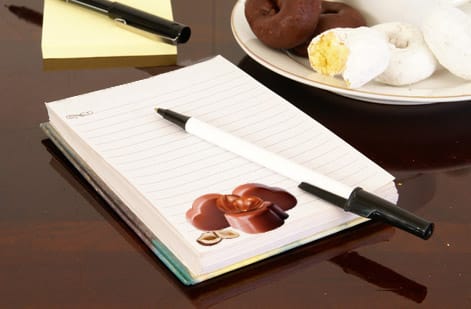
Beyond the flat desk pad, a few specialty formats extend where a notepad can live. A magnetic notepad has a magnet backer so it sticks to a fridge, filing cabinet, or any metal surface, which makes it a favorite for shopping lists, to-do reminders, and real estate or service-business giveaways that stay in a customer kitchen for months.
Magnetic pads are usually made in the smaller and mid sizes, since they hang on a vertical surface. They deliver exceptional marketing value because they stay visible in a home far longer than most printed pieces, putting your brand in view every day. Order magnetic notepads when you want a giveaway that earns long-term exposure.
Whatever the format, the same rules apply: pick a size that fits the surface, choose a sheet count for the desired thickness, and keep a clean header so the pad stays useful. See more formats in our custom notepad showcase.
Matching the size to the use case
Putting it together, the choice is simple once you know the setting. For a giveaway or a pocket, choose 4 x 6 in or 4.25 x 5.5 in and print plenty. For a reception counter or a tidy desk, a 5 x 7 in pad looks refined. For everyday note taking, the versatile 5.5 x 8.5 in pad is the default. For meetings and heavy use, the full 8.5 x 11 in workpad. And for a fridge or filing cabinet, a magnetic pad.
Many businesses order two sizes: a versatile desk pad for internal use and a small branded pad for giveaways, so the same design works across both. Keeping one header design across sizes builds recognition and simplifies the order. Order custom notepads in a couple of sizes to cover both jobs.
Whatever you choose, request samples first so you can feel the size and sheet count against how you will actually use the pad. A pad that fits its setting is one that gets used, and a used pad is a working advertisement.
A standard size or a size of your own
Every size on this page is standard, which means it cuts cleanly out of a parent sheet with very little waste. That is why the standard sizes cost the least per pad and why they drop into folders, envelopes and desk drawers without anyone measuring first.
A custom size earns its cost in three situations. When the pad has to sit in a fixed holder, a counter slot or a branded box. When it has to match a piece you already print, such as a folder pocket. And when the shape itself is the point, like a long narrow pad for phone messages or a wide one for a daily planner layout.
Everywhere else the standard size wins. In the configurator you set the size, the sheet count, the stock and the quantity, and the price updates as you change each one, so you can price a custom size against the nearest standard size before you commit to either.
What custom notepads cost to print
Notepads are one of the most affordable custom pieces, and the price is easy to plan. It scales with the pad size, the sheet count, the stock, and the number of pads. A larger size and higher sheet count use more paper and cost a little more per pad, while ordering more pads drops the per-unit price sharply, which is why promotional runs are so economical.
In the 4OVER4.COM configurator you set the size, sheet count, stock, and quantity, and the price updates live, so you can compare a 50-sheet pad against a 100-sheet version, or a small giveaway size against a full workpad, and see exactly how each choice changes the total before you order.
Use the live specs and pricing panel below to build your custom notepads, or order samples first to feel a couple of sizes and sheet counts in hand. For a full stationery set, pair them with items from the standard printing collection.
Sizing mistakes that waste a run of pads
The pads that end up in a cupboard usually failed on one of these.
- A full 8.5 x 11 in pad for a giveaway. It uses the most paper of any size, so you hand out the fewest pads for the budget. Drop to 4 x 6 in or 4.25 x 5.5 in and print several times as many.
- A size that does not fit the envelope. If the pads are being mailed, choose the size against the envelope you already buy, not the other way round.
- A header that swallows the pad. A logo and a contact line belong in a slim band. Once branding takes a third of the sheet, people stop writing on it.
- 100 sheets when you needed more pads. Sheet count sets thickness and price, so a promotional run goes further at 25 or 50 sheets.
- A coated stock. Pen skids and pencil will not take. Keep the writing surface uncoated.
Wally sizes a pad to its desk
The right size is the one that gets used
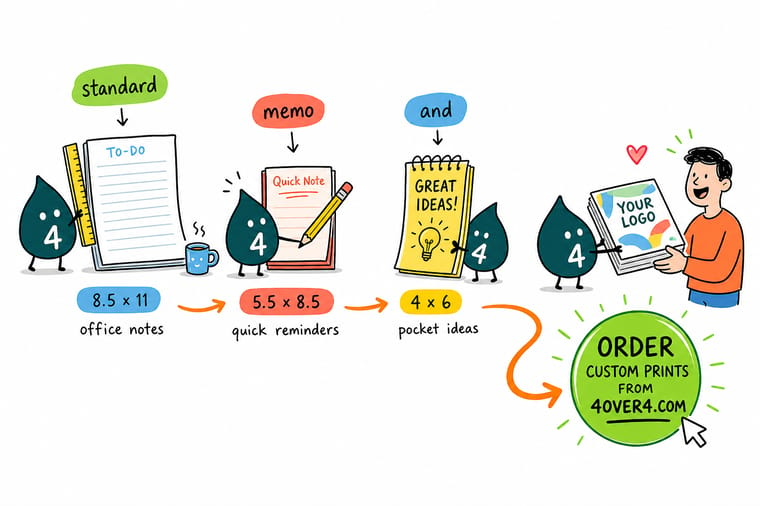
Wally picks a notepad size by where it will live. A pocket takes a 4 by 6 pad, a tidy desk takes a 5 by 7, everyday notes take the versatile 5.5 by 8.5, and heavy work takes the full 8.5 by 11. Set the sheet count, keep an uncoated writing surface on a stiff backer, add a slim branded header, and the pad becomes a working advertisement on someone's desk.
Order your custom notepads →Quick reference
Notepad size chart by use case
Match the size to the setting, then set the sheet count. Here is every standard notepad size with the use it fits best.
| Size | Best use | Why it fits |
|---|---|---|
| 4 x 6 in | Pocket and on-the-go | Quick lists and reminders that fit a pocket, bag, or shirt. Great for giveaways. |
| 4.25 x 5.5 in | Compact memo | A quarter of a letter sheet, small but mighty for short notes and coupons. |
| 5 x 7 in | Stylish desk pad | A compact, tidy size that looks refined on a reception or home desk. |
| 5.5 x 8.5 in | Versatile all-rounder | Half a letter sheet and the most popular size for everyday note taking. |
| 8.5 x 11 in | Full workpad | Letter-size for heavy note taking, meetings, and detailed lists. |
| Sheet count | 25, 50, or 100 sheets | Sets the pad thickness and price. Higher counts feel more substantial. |
| Backer | Chipboard, glued top | A rigid backer lets you write anywhere and tears sheets off cleanly. |
Step by step
Size and order a notepad in 7 steps
- Start from where the pad will live A pocket, a reception desk, a meeting table, or a giveaway stack each point to a different size, so pick the setting first.
- Choose a standard size for that setting Use 4 x 6 in for pockets, 5.5 x 8.5 in for a versatile desk pad, or 8.5 x 11 in for heavy note taking, so the pad fits its home.
- Set the sheet count Pick 25, 50, or 100 sheets. More sheets make a thicker, more substantial pad and cost a little more per unit.
- Pick the paper and backer Choose an uncoated stock that takes pen and pencil well, on a rigid chipboard backer so you can write anywhere.
- Design a clean header Put your logo, name, and contact details in a slim header or footer, and leave the writing area open so the pad stays useful.
- Add optional lines or grids Decide whether you want blank, lined, or grid sheets based on how the pad will be used, from to-do lists to sketches.
- Proof and order the run Confirm the size and header at actual scale, then set the sheet count and quantity in the configurator and place the order.
Specs and pricing
Custom notepad specs and live pricing
Once your size is set, choose the sheet count and stock. Here are the live specs and price-per-unit for custom notepads at 4OVER4.COM, straight from the configurator.

| Quantity | Price Per Unit | Total |
|---|---|---|
| 25 | $3.73 | $93.37 |
| 50 | $2.53 | $126.32 |
| 100 | $1.92 | $192.22 |
| 150 | $1.72 | $258.12 |
| 200 | $1.65 | $329.52 |
| 250 | $1.58 | $395.42 |
| 300 | $1.54 | $461.32 |
| 400 | $1.48 | $593.13 |
Print it
Order custom notepads at 4OVER4
See it in use
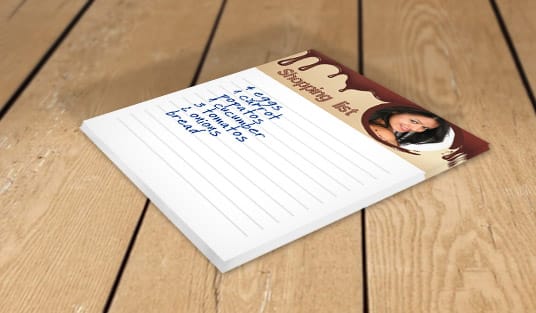
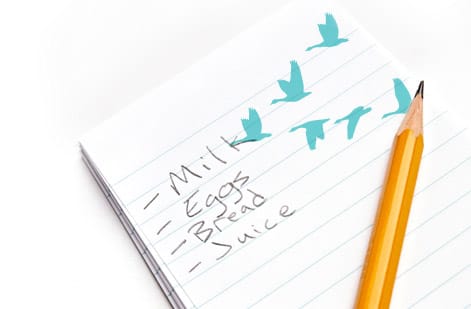
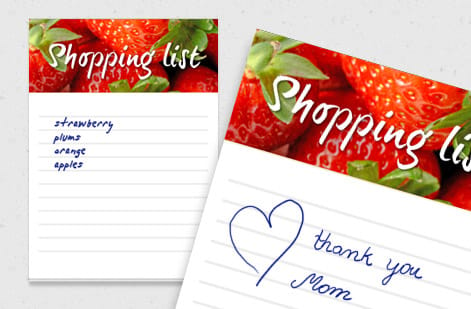
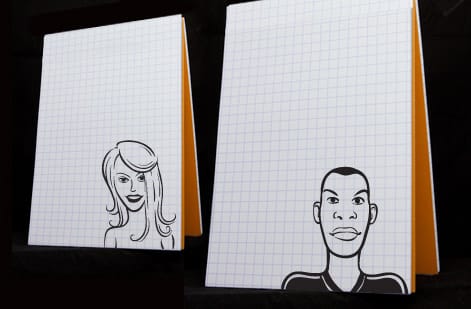
Notepads padded at these sizes
Explore more
Where to go next

By the numbers
Sixty paper stocks a notepad can be padded from
Common Questions
Common questions about notepad sizes
What are the standard sizes of notepad paper?
The sheet and the pad are the same size, so there is no separate paper size to choose. The standards all come off the letter sheet: 5.5 x 8.5 in is half a letter sheet, 4.25 x 5.5 in is a quarter of one, and 8.5 x 11 in is the full sheet. Alongside those, 4 x 6 in and 5 x 7 in round out the set. The sheets are uncoated so pen and pencil take cleanly, and they are glued at the top over a chipboard backer.
What notebook is bigger, A4 or A5?
A4 is the bigger of the two, and an A5 sheet is exactly half an A4. Those are the international sizes rather than the US ones, so for comparison A4 sits close to our full 8.5 x 11 in workpad and A5 sits close to the 5.5 x 8.5 in desk pad. Our custom notepads are made in the US sizes on this page, and either of those two covers what an A4 or A5 pad would give you.
What size is a memo pad?
A memo pad is usually 4.25 x 5.5 in, a quarter of a letter sheet, which is why the same size also suits coupons, order slips and short forms. Some people use the name for the 4 x 6 in pocket pad as well. Both are small enough to carry, cheap enough to print in volume and big enough for a list, which is why they are the two sizes most often ordered for giveaways.
What is a standard notepad size?
There is no single standard, but five sizes cover almost every use. The 4 x 6 in pad is the pocket and on-the-go size for quick lists. The 4.25 x 5.5 in pad, a quarter of a letter sheet, is a compact memo size popular for short notes and promotional giveaways. The 5 x 7 in pad is a tidy, stylish desk size. The 5.5 x 8.5 in pad, half a letter sheet, is the most popular all-rounder, big enough for real note taking yet small enough for any desk. And the 8.5 x 11 in pad is the full letter-size workpad for meetings and heavy use. Most people mean the 5.5 x 8.5 in size when they say a standard notepad, since it is the everyday default.
How do I choose the right notepad size for my use?
Match the size to where the pad will live and how it will be used. For something you carry, a 4 x 6 in or 4.25 x 5.5 in pocket pad slips into a bag or shirt pocket. For a reception counter or a tidy home desk, a 5 x 7 in pad looks refined. For everyday note taking at a desk, the versatile 5.5 x 8.5 in pad is the safe default. For meetings, long lists, or detailed work, step up to a full 8.5 x 11 in workpad. If the notepad is a branded giveaway, smaller sizes let you print more pads for the same budget while still keeping your logo in a customer hand. When unsure, the 5.5 x 8.5 in size pleases the most people.
How many sheets are in a notepad and does it matter?
Custom notepads are glued in standard sheet counts, most commonly 25, 50, or 100 sheets per pad. The count matters for two reasons: thickness and price. A 100-sheet pad feels substantial and lasts longer before it runs out, which suits a main desk pad or a premium giveaway, while a 25 or 50-sheet pad is lighter and lets you print more pads for the same budget, which is ideal for large promotional runs. The sheets are glued at the top over a rigid chipboard backer so each sheet tears off cleanly and you can write on the pad anywhere. Choose the count based on how long you want each pad to last and how many you need overall.
What paper and finish work best for notepads?
Notepads are made to be written on, so an uncoated paper stock is the right choice because it takes both pen and pencil cleanly without smearing or beading, unlike a glossy coating. A common weight is a smooth text or light bond stock that feels good under a pen. The pad is glued to a chipboard backer, which gives it rigidity so you can write on your lap or against a wall, and lets sheets tear off neatly. If you want a premium touch, a slightly heavier sheet or a printed header in full color elevates the pad without hurting writability. Keep the writing area uncoated and open, and save any color and branding for a slim header or footer.
What does notepad printing cost and how are prices set?
Notepad price scales with the pad size, the sheet count, the paper stock, and the quantity of pads. A larger size and a higher sheet count use more paper and cost a little more per pad, while ordering more pads drops the per-unit price sharply, which is why promotional runs are economical. Printing the header in full color versus a single color also affects the price. At 4OVER4.COM you set the size, sheet count, stock, and quantity in the configurator and the price updates live, so you can compare a 50-sheet 5.5 x 8.5 in pad against a 100-sheet version and see exactly how each choice changes the total before you order. Because notepads are simple to produce, they are one of the most affordable branded items to print in volume.
Are custom notepads good for marketing?
Yes, notepads are one of the most effective and overlooked promotional items because they earn weeks of quiet exposure. A branded pad with your logo and contact details in the header sits on a customer or prospect desk and gets seen every single time they jot a note, which is far more sustained attention than a one-time flyer. They are practical, so people keep and use them rather than discarding them, and they are inexpensive to print in bulk, giving a low cost per impression. Pair a useful size like 4 x 6 in or 5.5 x 8.5 in with a clean header, hand them out at events or include them with orders, and you turn a everyday desk tool into ongoing advertising.
Get Started
Ready to print a notepad sized right for its desk?
Order custom notepads at 4OVER4.COM in any size, sheet count, and header design. Adjust every option and watch your price update live.
Legal Disclaimer
Gold Standard guarantees apply to all standard orders placed through 4over4.com. Price match requires verifiable proof of a competitor's published price for an equivalent product with matching specifications and turnaround time. Satisfaction guarantee covers manufacturing defects and print quality issues. Contact support with order number and documentation. On-time delivery rate based on tracked orders 1999 to 2026. Individual results may vary based on shipping carrier performance.
