
Matte vs Uncoated Paper and How Each One Takes Ink


Emma is our prepress and print production voice, built from the knowledge of our production team, with over 20 years in printing.
Uncoated finish vs matte comes down to one layer: matte paper carries a thin coating and uncoated has none. Both look flat under a lamp, so the wrong one gets ordered constantly. The coating is the difference, and it changes how ink dries, how your photos read, and whether anyone can write on the piece.
Matte is a coated paper: a thin mineral layer sits on top of the fiber, so ink stays on the surface and holds its edge. Uncoated has no coating, so ink soaks into the fiber, the dot spreads, and the same file prints softer and less saturated. Both are non-glossy, which is exactly why they get confused, and matte vs glossy printing and how to choose the right finish covers the other half of the choice. Uncoated takes a pen, a rubber stamp and a signature without smearing. Matte holds photographs, fine type and dense solids that uncoated cannot.
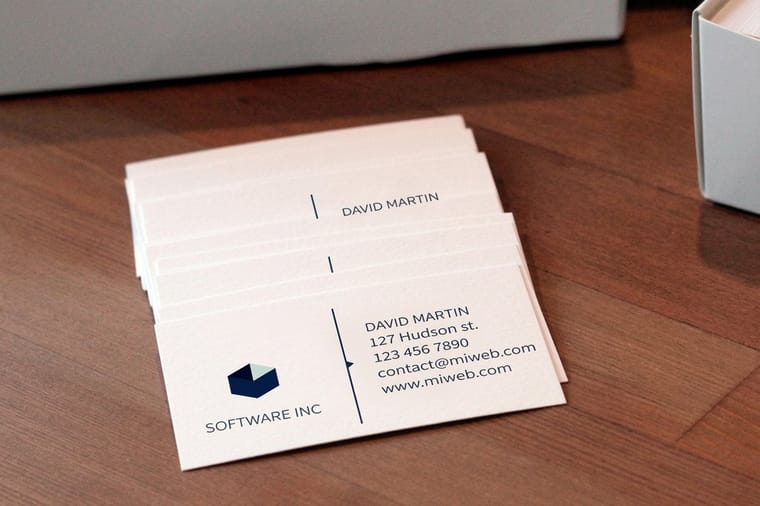
Uncoated vs matte
Uncoated paper vs matte, stock by stock
Uncoated paper vs matte comes down to the coating: matte stock carries a thin mineral layer that keeps ink on the surface, and uncoated has none, so ink soaks in, prints softer and takes a pen. On a 4OVER4.COM order the uncoated finish vs matte choice is a line in the paper menu, and the table shows the pairs you will meet.
| Piece | Matte stock | Uncoated stock | From |
|---|---|---|---|
| Flyers | 100# Silk/Matte Text or Cover | 70# Uncoated Text or 14pt Uncoated Cover | 50 for $39.54 |
| Brochures | 100# Silk/Matte Text | 70# Uncoated Text | 50 for $57.11 |
| Business cards | 16pt silk laminated cards carry a matte film | 14pt to 18pt uncoated, cream or 100% recycled | 100 for $17.57 |
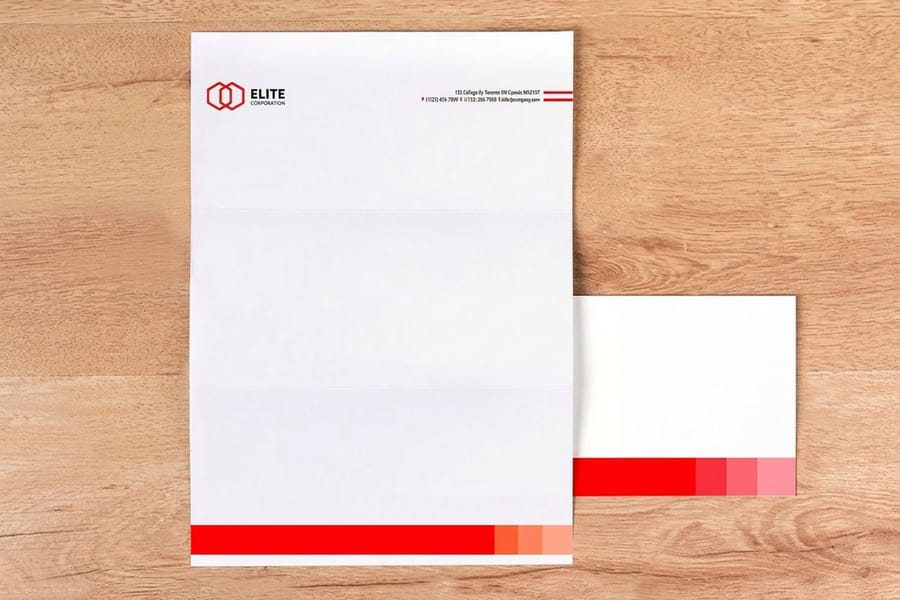
| Letterheads | Not offered | 70# Uncoated Text, 24# Royal Laid, 28# Royal Linen | 50 for $99.95 |
Quick answer
One is sealed, the other drinks the ink
Matte and uncoated are not two words for the same thing. Matte is coated stock with the shine stopped short, so ink sits on a sealed surface, edges stay sharp and solids stay dense. Uncoated has no coating, so ink wicks into the fiber, halftone dots spread, midtones fill in and solids come out lighter. That absorbency is a fault on a photo brochure and a feature on anything a person writes on. Choose by what happens to the piece after it is handed over, not by how the sample feels in the shop.
Coated or Not, and Why That Is the Whole Story
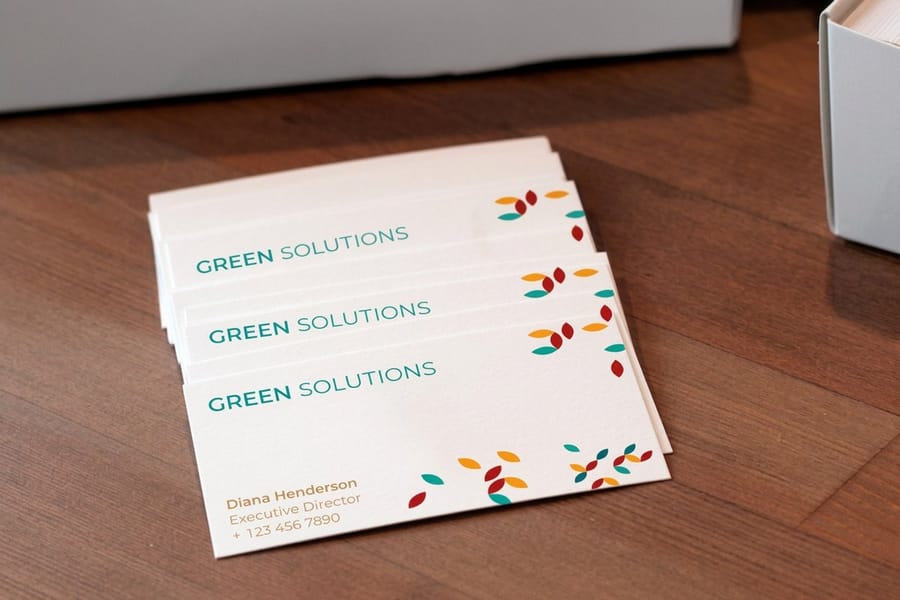
Hold a matte card and an uncoated card under a desk lamp and neither one throws a reflection. That is why the two get ordered interchangeably. Run a thumb across them and the difference shows up immediately: matte is smooth and slightly cool, uncoated has a faint tooth, like good writing paper.
Matte stock leaves the mill with a coating on it. Fine mineral pigment, usually clay or calcium carbonate held in a binder, is applied to the surface and then calendered just enough to level it. Gloss stock gets the same coating polished hard until it shines. Matte gets it stopped short. Uncoated skips the step entirely, so the sheet you print on is the paper itself, fibers and all.
That one layer decides everything downstream. Coating seals the fiber, so ink sits on top and dries mostly by oxidation rather than soaking away. No coating means the sheet acts like a sponge. If the vocabulary around stocks is still fuzzy, our explainer on cardstock and paper stock materials lays out the weights and the terms, and what a matte finish actually is covers the coating step in more detail.
| Stock | Surface | What ink does | Writes with a pen | Best for |
|---|---|---|---|---|
| Matte coated | Smooth, sealed, no shine. | Sits on top, holds its edge, solids stay dense. | Ballpoint only, and slowly. | Photo heavy flyers, brochures, menus, cards read under bright light. |
| Uncoated | Slight tooth, natural fiber. | Soaks in, dots spread, tone reads softer. | Ballpoint, gel, rollerball, fountain ink, rubber stamps. | Appointment cards, forms, letterhead, anything filled in by hand. |
| Gloss coated | Polished, reflective. | Sits on top with the highest contrast of the three. | Barely, and it smears. | Postcards and mailers where color punch beats readability. |
The third column is the one to read first. Everything people complain about after a print run traces back to it.
What the Same File Does on Each Stock
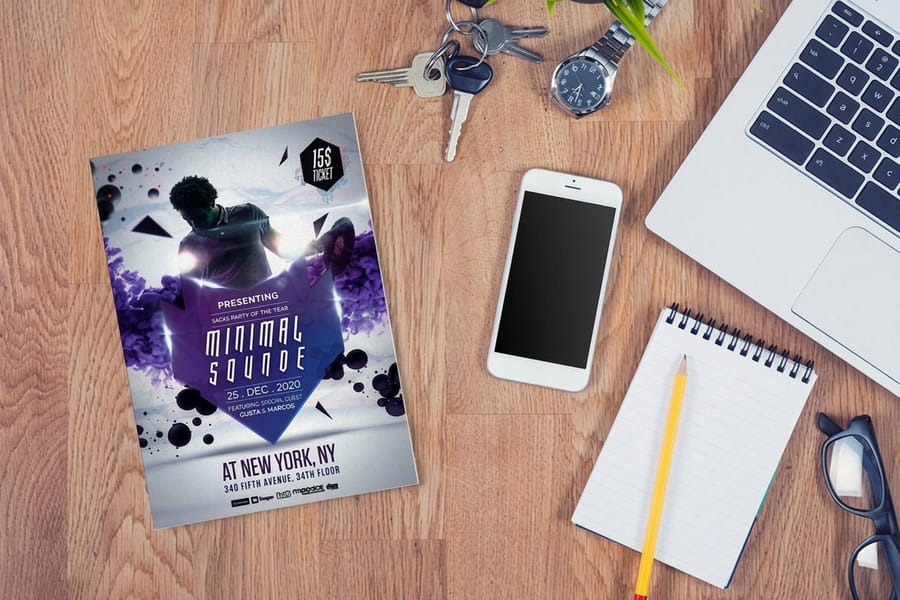
Send one PDF to both stocks and you get two visibly different pieces. This surprises people who assume paper is a background rather than an ingredient.
On matte, the coating holds the halftone dot where the press put it. A 50 percent tone reads as a 50 percent tone, edges stay crisp, and a solid black lands deep because the ink film sits intact on the surface. On uncoated, that dot wicks sideways into the fiber the instant it lands. Midtones fill in and turn heavy, while solids do the opposite and come out lighter, because a good share of the ink has gone down into the sheet where you cannot see it. Photographs lose contrast, skin tones flatten, and a dark navy drifts toward slate.
None of that makes uncoated a worse stock. It makes it a stock that wants a different file. Open the midtones a little, add saturation, and let small type carry the detail instead of asking a fine screen to do it. Reversed white type built from four colors is the classic casualty: the spread closes up the counters in letters like e and a, and 6 point copy turns into a gray smudge. Keep reversed text at 8 point or larger and in a weight that is not hairline.
This is also why proofs matter more on uncoated than on matte. If a job is color critical, order the stock you will actually print on. Standard flyers start at $39.54 and are cheap enough to test a real run, and our blank template library gives you the correct trim, bleed and safety before any of this becomes a color argument.
Pens, Stamps, Scuffs and Fingerprints
Ask what happens to the piece after it leaves the box. That question settles more stock decisions than any color discussion.
If somebody writes on it, order uncoated. A dentist writing the next appointment on the back of a card, a workshop noting a serial number, a stylist adding a name, all of it wants fiber that drinks ink. Uncoated takes ballpoint, gel, rollerball and fountain ink without hesitating, and it takes a rubber stamp cleanly, which coated stock does not. Standard letterheads start at $99.95 for the same reason: a letterhead gets signed, and a signature on coated stock sits wet on the surface long enough to smear against the envelope.
If it gets handled hard, weigh the scuffing. Matte coated cards with heavy dark coverage pick up burnish marks, faint shiny streaks where the ink film has been polished by rubbing against another card or the inside of a wallet. Fingerprints show the same way on a solid black. Uncoated cannot scuff because there is nothing on it to polish, though it will absorb grease and dirt into the fiber over time. Neither is a defect. They are the two ways paper ages, and you pick the one your job can live with.
The third option is to stop the problem at the surface with a laminate or a coating instead of changing the base sheet. That is a different trade with its own costs, covered in our guide to UV coating in printing and in the comparison of matte, glossy and soft touch card finishes.
Which Stock for Cards, Flyers, Brochures and Posters
Start from the job, not from the sample book.
Business cards. Matte if the card carries photography, a dark brand color, or a logo with fine detail you want to survive. Uncoated if anyone writes on it, or if the brand wants a plain, tactile, unmistakably paper feel. Standard business cards start at $17.57, and the full range of stocks and finishes sits on the business card printing page. For an uncoated feel with real weight behind it, ultra thick linen business cards add texture on top of the absorbency, and the ultra thick linen business cards video shows the finished card.
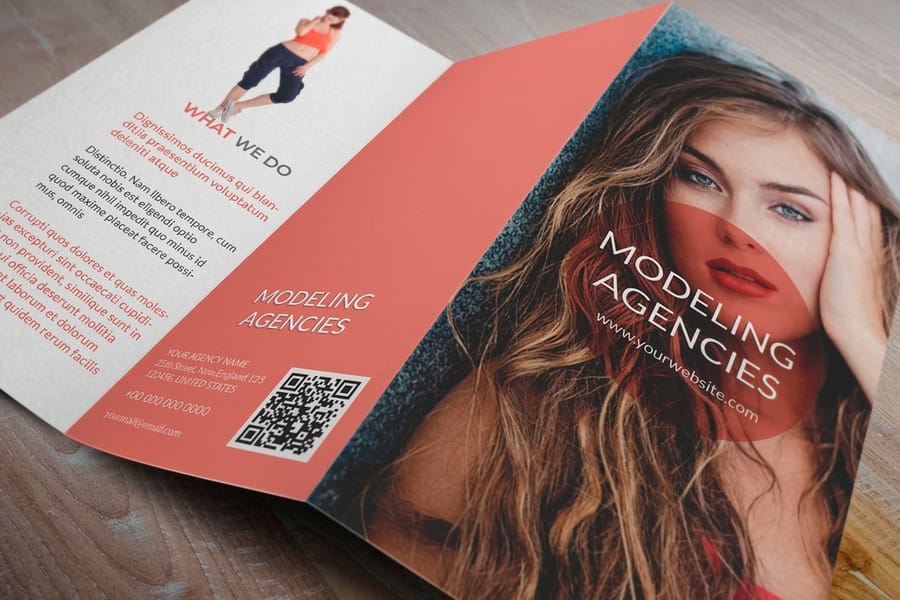
Flyers. Matte for anything photographic that gets read under fluorescent or LED lighting, because it holds image contrast without bouncing glare back at the reader. Uncoated for tear off forms, RSVP slips, and flyers with a write in field. Standard flyers start at $39.54.
Brochures. Matte, nearly always. A brochure is judged on its photographs, and it is folded, so a smooth sealed surface both looks better and cracks less along a score than a heavily inked uncoated fold. Standard brochures start at $57.11, and the weight side of the decision is in our guide to the best paper types for brochure printing.
Posters. Matte wins on any wall with a light source facing it, which is most walls. Matte posters start at $25 and stay readable from an angle, where a gloss sheet turns into a mirror at exactly the wrong moment. Uncoated poster stock exists, but it is a design choice for a plain paper look rather than a legibility one.
Still deciding by feel rather than by spec? Look through the full stock comparison, then order the smallest run of the two candidates and put them on a desk for a week. Nothing settles a paper argument faster than a card that has been in someone's pocket.
Wally explains matte vs uncoated
One sheet is sealed, the other is thirsty
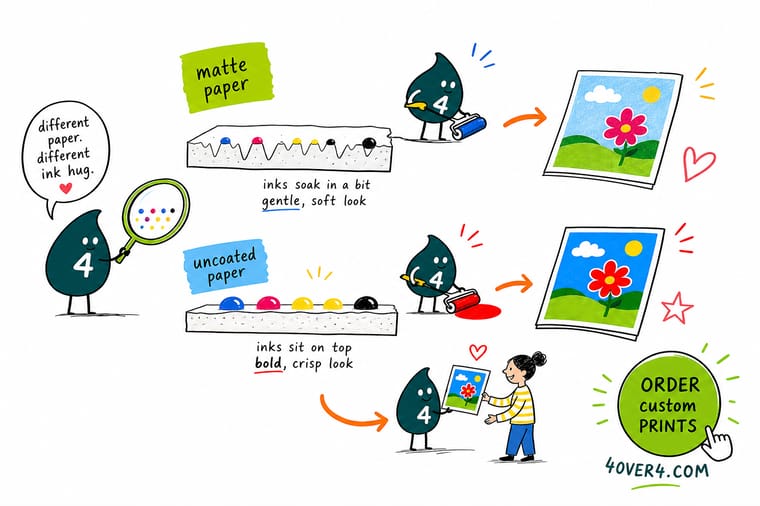
Wally drops the same ink on both sheets. On matte it lands on a thin mineral coating and stays put, so the edge is sharp and the black is deep. On uncoated it sinks into the fiber and spreads, so midtones fill in and solids look lighter. That is also why he can sign the uncoated one with a fountain pen and gets a smudge on the matte one. Photography goes on matte. Anything people write on goes uncoated.
Compare business card stocks →
Specs and pricing
Stocks, sizes, and starting prices
Standard business cards start at 100 for $17.57 on gloss or 14pt to 18pt uncoated stocks, flyers at 50 for $39.54 on silk/matte or uncoated text, both in 3 business days, and letterheads at 50 sheets for $99.95 on 70# uncoated text in 5. Set the stock and the coating in the configurator and the price updates as you go, straight from the 4OVER4.COM catalog.

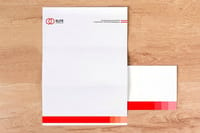
Cards, flyers and brochures
Order the stock that fits the job
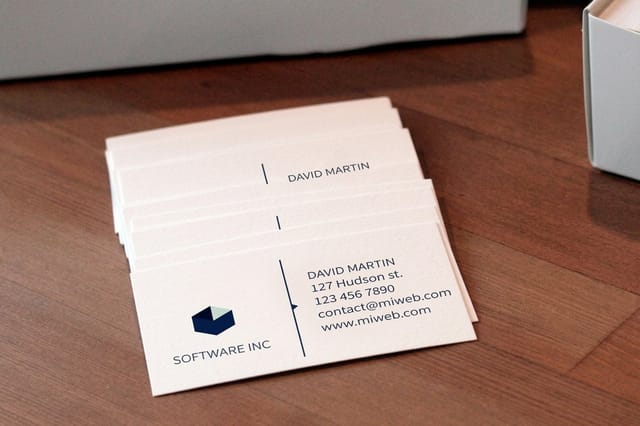
Paper stock and finish guides
Where to go next

60+ papers across our catalog
Every finish in this comparison, on one stock list
Common Questions
Your matte and uncoated questions, answered
Is matte paper the same as uncoated paper?
No, and this is the mix-up that sends most reprints back to us. Matte is a coated stock: a thin mineral layer sits on top of the fiber, which is why the sheet feels smooth and slightly cool. Uncoated has nothing on it, so you are printing directly onto paper fiber and the surface has a faint tooth you can feel with a thumb. Both are non-glossy under office lighting, so they look similar in a photograph and behave nothing alike once ink hits them.
Will my colors look different on uncoated stock?
Yes, noticeably. The fiber pulls ink in, so the halftone dot spreads and the maximum density the sheet can hold drops. Midtones fill in and get muddy while solids come out lighter and less saturated. The practical fix is to open midtones slightly and push saturation up before you send the file, and to expect a deep navy or a rich black to land a shade softer than the same file printed on matte.
Can you write on matte business cards?
With a ballpoint, yes, though the line takes a moment to set. Gel pens, rollerballs and fountain ink are the problem: the coating gives the ink nowhere to sink, so it beads, smears under a thumb, or stays wet long enough to transfer onto the next card in the stack. If staff will hand write appointment times or a name on the back, order uncoated and stop worrying about it.
Does matte paper scuff or show fingerprints?
It can, and heavy dark coverage is where you see it. Rubbing two matte cards together, or sliding one out of a tight cardholder, burnishes the ink film and leaves a faint shiny streak. Fingerprints show up the same way on a solid black. Uncoated never does this because there is no coating to polish, which is one honest reason to choose it for a card that lives in a pocket.
Which is better for flyers and brochures?
Matte, in almost every case where photography carries the piece. A menu, a property sheet or a product brochure needs the image contrast that only ink holdout gives you, and matte delivers that without the reflections a gloss coating throws under overhead lights. Uncoated earns its place on flyers people write on, on anything meant to feel plain and editorial, and on pieces going into a folder alongside handwritten notes.
Do I need to change my artwork for uncoated?
Change the image handling, not the layout. Bump saturation and lighten the midtones by a small amount, avoid tiny reversed type built from four inks because the spread closes up the counters in letters like e and a, and keep fine serifs at 8 point or larger. Rules below half a point tend to thicken. Start from a correctly sized layout in our blank template library and the trim, bleed and safety margins take care of themselves.
Get Started
Not sure which sheet your job wants?
Set the stock, the coating and the quantity in the configurator and the price moves with you. If the piece gets written on, choose uncoated. If it carries photography, choose matte.
Legal Disclaimer
Gold Standard guarantees apply to all standard orders placed through 4over4.com. Price match requires verifiable proof of a competitor's published price for an equivalent product with matching specifications and turnaround time. Satisfaction guarantee covers manufacturing defects and print quality issues. Contact support with order number and documentation.
