
Brochures vs Rack Cards vs Sales Sheets for Sales Collateral


Sofia is our design and templates voice, built from the knowledge of our production team, with over 20 years in printing.
Three formats, three different jobs. Each is built to fit somewhere specific, the fold buys you panels, and one of them prints first.
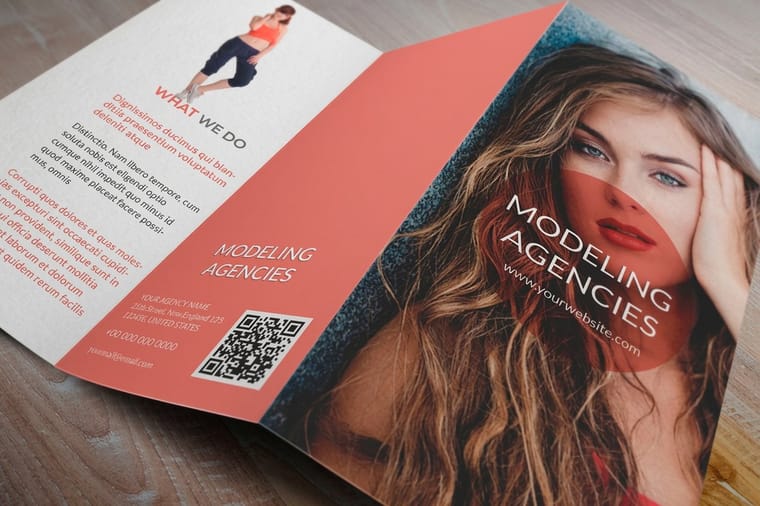
Use rack cards when the piece has to sell itself from a display, sales sheets when you hand it over in a meeting, and brochures when the offer needs more than one step to explain. A rack card is 4 by 9 inches because that is what a rack pocket holds, and only its top four inches show. A sales sheet is 8.5 by 11 inches because that is what a folder pocket and a binder hold. A brochure is a folded sheet, so one 8.5 by 11 page becomes six panels of 3.67 by 8.5 inches.
Quick answer
The slot decides the format, then the fold decides the story
Match the piece to where it physically ends up. A rack pocket takes a 4 by 9 rack card and hides everything below the top four inches. A folder pocket and a binder take an 8.5 by 11 sales sheet, which is why that size became the leave behind. A brochure is the same sheet with creases in it, turning one page into six panels and giving you control over what the reader sees first. Rack cards start at $42.84, brochures at $57.11 and sales sheets at $75.80 at 4OVER4.COM, so the fold is not what drives the price.
Each Format Is Built Around a Slot, Not a Style
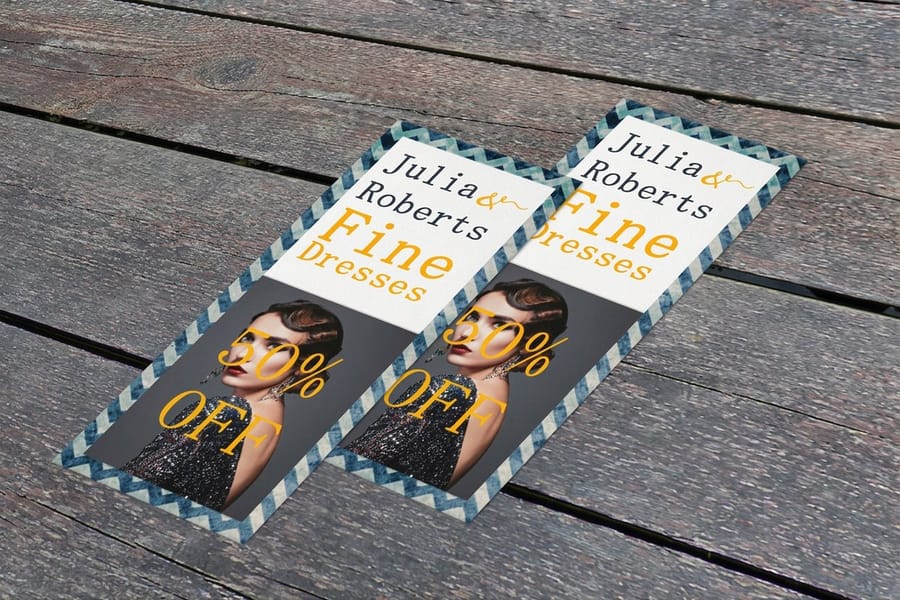
Pick the format by asking where the piece physically ends up. That single question settles most of the argument before anyone opens a design file.
A rack card is 4 by 9 inches because a wire display pocket is about 4.25 inches wide and shows roughly the top four inches of whatever you drop in it. A sales sheet is 8.5 by 11 inches because that is what fits a 9 by 12 pocket folder, a three ring binder, and every office copier on earth. A brochure is not a size at all. It is a sheet that has been folded, which is why an 8.5 by 11 sheet and a trifold brochure can be the same piece of paper with a different finishing step. Folded jobs start at trifold brochure printing, and the guide to the best paper for a trifold brochure settles the stock before you fold it.
| Format | Working size | Panels | Where it lives | Starts at |
|---|---|---|---|---|
| Rack cards | 4 x 9 in flat | 2 | Display racks, counters, visitor centres, hotel lobbies. | $42.84 |
| Brochures | 8.5 x 11 flat, folds to 3.67 x 8.5 | 6 on a trifold | Handed over, mailed, or displayed once folded. | $57.11 |
| Sales sheets | 8.5 x 11 in flat | 2 | Pocket folders, binders, email scans, meeting tables. | $75.80 |
Note the price column, because it surprises people. The folded piece is not the expensive one. Folding is a cheap finishing pass, and the gap between these three moves with stock weight, coating, and quantity rather than with the number of creases. If you have never sorted out the paper side of it, the brochure paper terms guide is the shortest route to a stock you can name out loud.
The Rack Card Rule Almost Everyone Breaks
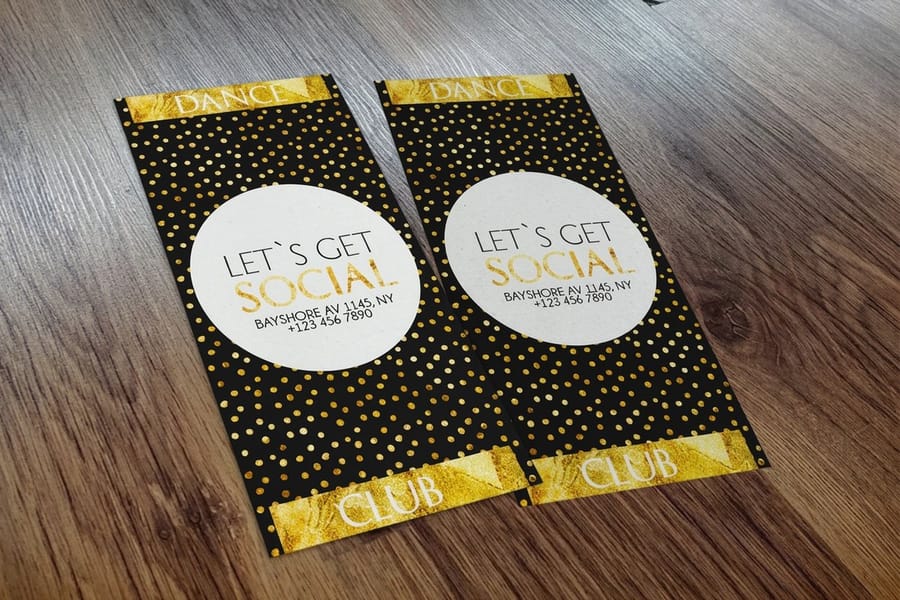
Design a rack card as if the bottom five inches do not exist, because in a rack they do not.
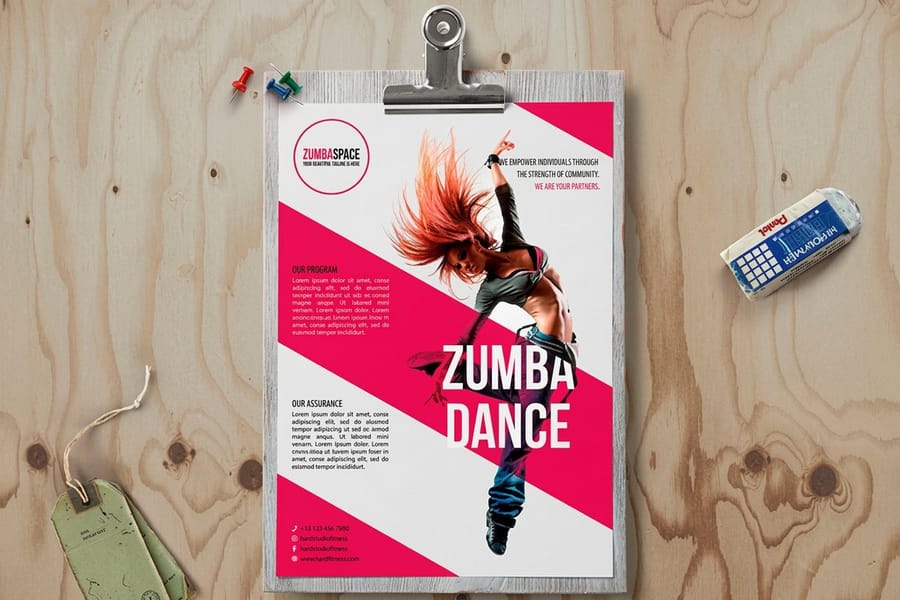
The card slides into a pocket and the lip covers everything below roughly four inches from the top. That top strip is the whole advertisement. It has to carry the offer, one image, and enough of the name that somebody walking past knows what they are looking at. Everything else, the map, the hours, the list of amenities, the phone number, is a reward for the person who already pulled the card out.
Two other things go wrong on the rack. Thin stock is the first: a 14 pt or 16 pt cover keeps the card standing upright, while lighter stock bows forward and hides its own headline behind the next card in the row. Vertical orientation is the second. Racks are built for portrait cards. A landscape 9 by 4 card either falls through the pocket or sits at an angle, and no amount of good design rescues it. If you want the full background on the format, our rack cards explainer covers the sizes and the usual uses.
At 4OVER4.COM a rack card comes in two sizes, the standard 4 by 9 inches and a slimmer 3.5 by 8.5 inches, and both fit the same wire pocket. Stocks run from 14pt and 16pt gloss cover to 18pt uncoated and 18pt premium white linen, with high gloss UV as an option. Fifty cards start at $42.84 and 500 cost $104.57, on a standard turnaround of 3 business days. Setting rack card uses against bookmarks shows where the wider card earns its place.
What the Fold Actually Buys You
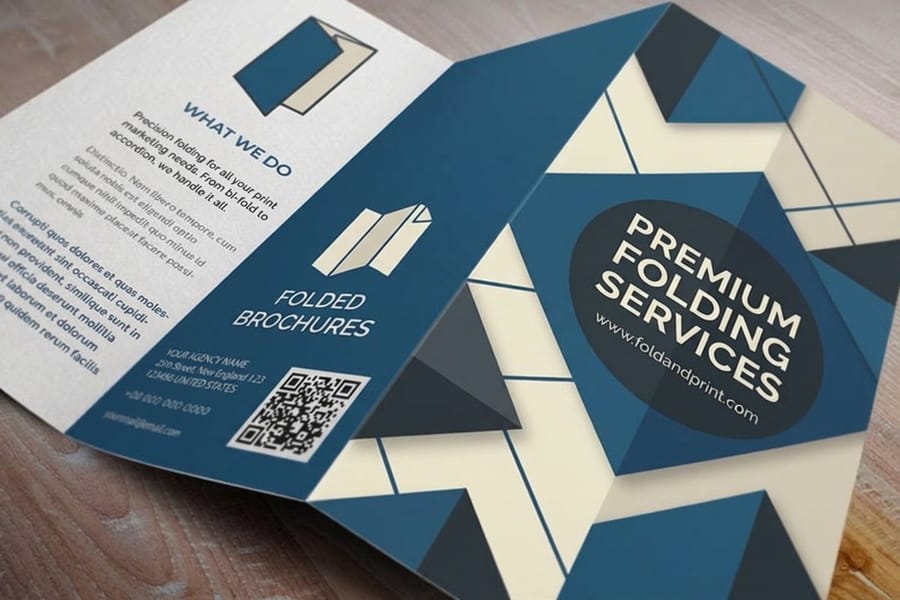
A fold does one thing a flat sheet cannot: it controls the order in which somebody sees your message. That is worth paying for when the message has steps, and it is a liability when it does not.
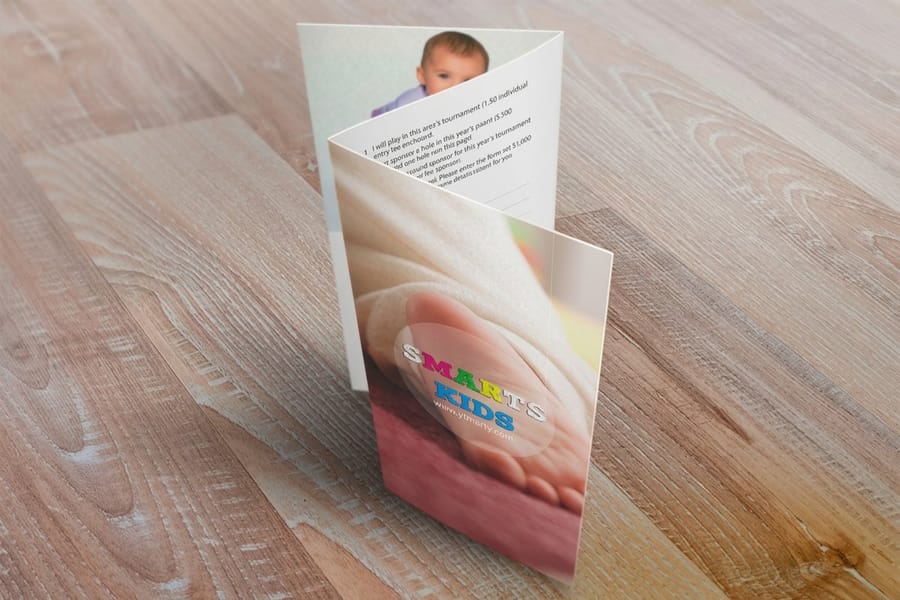
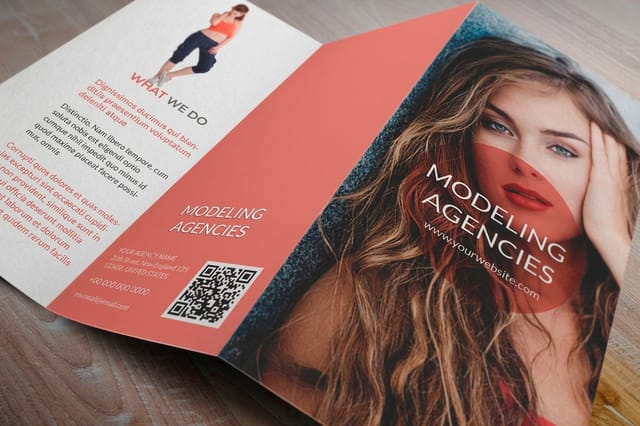
Fold an 8.5 by 11 sheet in three and you get six panels of 3.67 by 8.5 inches. A roll fold tucks the right hand panel inside, so the reader meets the cover, then one inside panel, then the full spread. That is a beginning, a middle, and a reveal, built out of paper. Tour operators, clinics, and anyone selling a tiered service uses it for exactly that reason. Choose the fold before you design, not after, because a gate fold, a half fold, and a Z fold each present in a different order. The fold types guide walks through what each one reveals first.
The cost of the fold is a reader who has to do something. On a trade show table, at a counter, or in a stack of competitors, the piece that gets read is the one that is already open. That is where a flat sales sheet or a flyer beats a brochure that says everything and gets opened by nobody. Build the file from a correctly sized layout in the blank template library so the panel widths land where the folder expects them.
Mailing and Handover Change the Answer
Once a piece has to travel or get handed over as a set, postage and pockets start making the decision for you.
Rack cards do not mail at the postcard rate. USPS stops calling a card a postcard past 6 inches long and 4.25 inches high, and a rack card is 9 inches long, so it goes at the First Class letter rate. It is still well inside the letter maximum, so nothing breaks, but the budget line changes. A trifold brochure folds down to 3.67 by 8.5 inches, slips into a number 10 envelope, and can also self mail if you tab the open edge closed, which USPS requires before it will run a folded piece through the sorters. Our brochure mailing guide has the tab placement and the size limits.
A sales sheet is the awkward one in the mail. Flat, it needs a 9 by 12 envelope and travels as a flat, which costs more than a letter. Folded in three it fits a number 10 envelope, but the crease lands straight across your artwork, so design for it or accept a line through the headline. In person the same sheet is the easiest of the three: it drops into a 9 by 12 pocket folder with the rest of your set and arrives as one object rather than a handful of loose paper. If you are weighing folder styles, presentation folders versus pocket folders is the comparison to read next.
The Verdict: Which One to Print First
If you can only print one thing this quarter, here is the order we would put them in.
- Print rack cards first if you have a physical spot for them. A lobby, a counter, a partner hotel, a visitor center, a gym reception. They are the cheapest of the three to start, they work while nobody is standing there, and they need the least copy. Start at standard rack cards from $42.84.
- Print sales sheets first if you sell in meetings. One page per product or per offer, both sides used, straight into the folder. This is the leave behind that gets forwarded internally after you go home, which is the moment most deals are actually decided. Sales sheets start at $75.80.
- Print brochures when the story has steps. Service tiers, an itinerary, a process with stages, a menu of packages. The fold gives you sequence, and sequence is what makes a complicated offer feel simple. Standard brochures start at $57.11, and folded brochures arrive creased and ready to hand out.
Do not print all three in month one. Print one format in a quantity you will actually get through, watch which conversation it starts, then add the second. The whole marketing materials range sits behind the same file setup, so the second format costs you a layout, not a rethink. For the deeper background on the piece itself, what a brochure is is the place to start.
Wally sorts out the three formats
Rack, folder, or fold
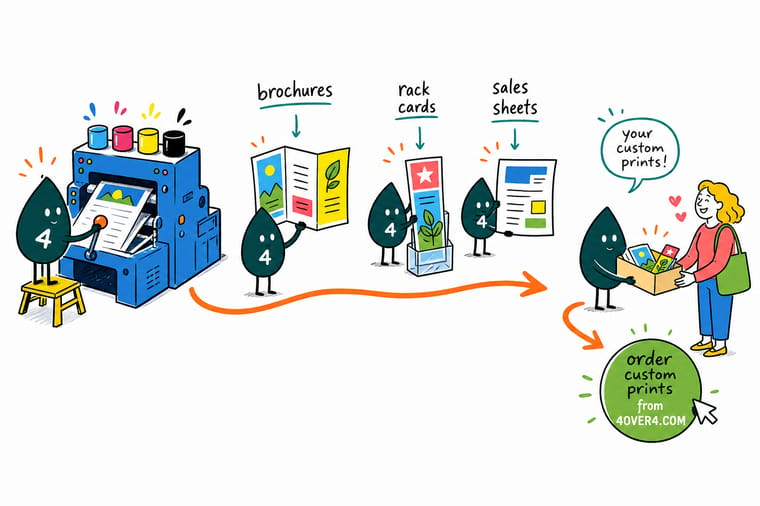
Wally holds all three up against the things they have to fit. The rack card goes into the wire pocket, so only its top four inches sell anything. The sales sheet goes into the folder pocket and the binder, which is why it stayed at 8.5 by 11. The brochure is the same sheet with two creases, six panels instead of two, and a reader who has to open it before a word gets read. Pick the one that matches where your piece ends up, then print that one properly.
Compare rack cards and brochures →%22%2F%3E%3Ccircle%20cx%3D%2236%22%20cy%3D%2220%22%20r%3D%2231%22%20fill%3D%22%23a78bfa%22%20opacity%3D%220.15%22%2F%3E%3Ccircle%20cx%3D%2233%22%20cy%3D%2229%22%20r%3D%2210%22%20fill%3D%22%23a78bfa%22%20opacity%3D%220.1%22%2F%3E%3Crect%20x%3D%2276%22%20y%3D%2210%22%20width%3D%2221%22%20height%3D%2220%22%20rx%3D%224%22%20fill%3D%22%23a78bfa%22%20opacity%3D%220.08%22%20transform%3D%22rotate(16%2080%2030)%22%2F%3E%3C%2Fsvg%3E)
Specs and pricing
Sizes, stocks and starting prices side by side
Rack cards come at 4 by 9 or 3.5 by 8.5 inches on cover stock, 50 for $42.84. Brochures run from 5.5 by 8.5 to 11 by 25.5 inches on 100# gloss or silk text, 70# uncoated text or 14pt gloss cover, 50 for $57.11. Sales sheets start at 8.5 by 11 inches on text, cover or synthetic stock with ten fold choices and optional three-hole punching, 50 for $75.80. The widgets below show every live option.



Rack, fold or folder
Order the format that matches your sales moment
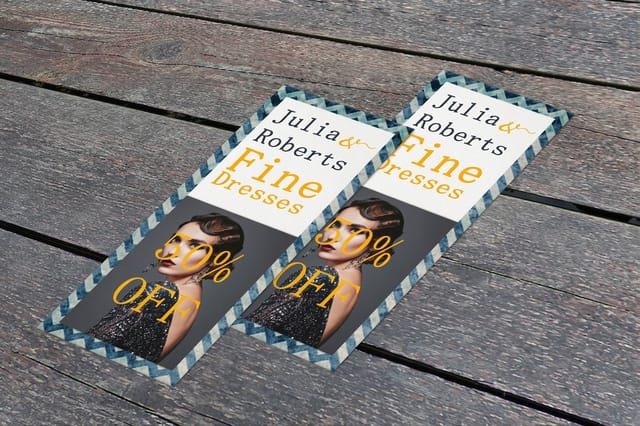
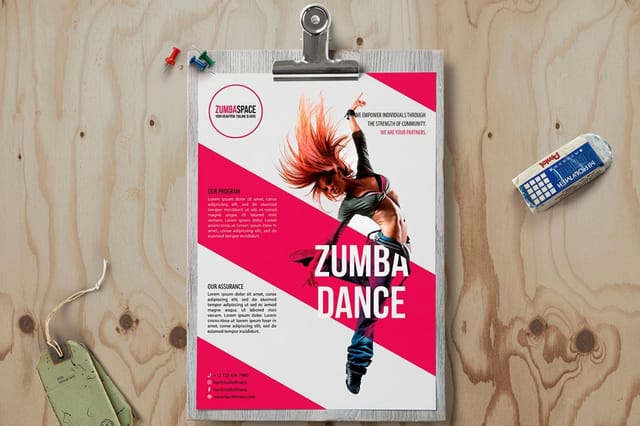

Rack card and brochure guides
Where to go next


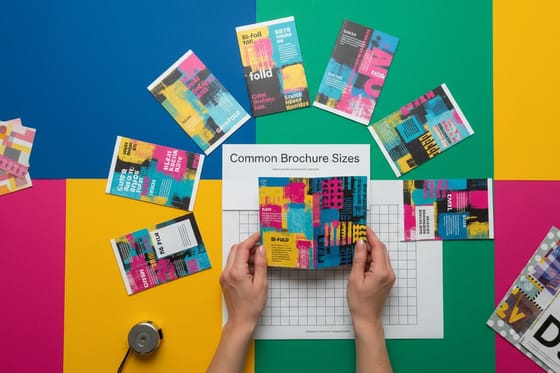

Who prints your sales kit
Sales collateral printed at 4OVER4
Common Questions
Your sales collateral questions, answered
Can I mail a rack card like a postcard?
Not at the postcard rate. USPS caps a mailable postcard at 6 inches long and 4.25 inches high, and a standard rack card is 9 inches long, so it travels as a First Class letter instead. It still mails fine, because it sits inside the letter maximum of 11.5 by 6.125 inches, but budget the letter rate rather than the postcard rate. If postage is the deciding factor, print the same message on a 4 by 6 or 6 by 9 postcard and keep the rack cards for the racks they were designed for.
What is the difference between a sales sheet and a one pager?
Nothing, in most companies. A one pager is the sales team name for the same object a printer calls a sales sheet or a sell sheet: 8.5 by 11 inches, printed both sides, one product or one offer per page. The only thing worth arguing about is the back. A blank back turns a leave behind into scrap paper, so put the spec table, the pricing tiers, or the next step there.
How many panels do I get from a trifold brochure?
Six, each one 3.67 by 8.5 inches, from a single 8.5 by 11 sheet folded in three. The catch is reading order. In a roll fold the right hand panel tucks inside, so the reader sees the cover, then a single inside panel, then the full spread. Design for that sequence. A brochure laid out as six independent boxes reads as a mess, while one laid out as cover, then hook, then spread reads as an argument.
Should a new business print all three?
Print one, and print it in a real quantity. Most small businesses only ever need two touchpoints: something that gets picked up unattended and something that gets handed over. If you have a physical rack, a lobby, or a visitor center, that is a rack card. If you sell in meetings, that is a sales sheet. Brochures earn their cost once you have a story that needs three or four steps to explain, such as a service tier ladder or a tour itinerary.
Will a fold crack on heavy stock?
On coated cover stock, yes, unless it is scored first. The coating and the fibres both split along the outside of the fold, which shows as a white line straight through your artwork. Brochures are normally printed on text weight stock, roughly 70 lb to 100 lb, precisely because it folds without complaint. If you want a heavy folded piece, ask for scoring, and keep dark solid colors away from the crease where a crack shows worst.
Do sales sheets need a pocket folder?
They need one the moment you hand over more than two. Loose sheets get shuffled, separated, and lost between the meeting and the desk. A 9 by 12 pocket folder holds 8.5 by 11 sheets flat with room for a business card slit, so the set arrives as one object with your name on the outside. Pocket folders start at $844.54 at 4OVER4.COM because they are a die cut and glued product, so they suit a real sales team rather than a first print run.
Get Started
50 sales sheets cost $75.80, 50 rack cards $42.84
Pick your size, choose a stock that stands up in a rack or folds without cracking, and we print collateral that arrives ready to hand over.
Legal Disclaimer
Gold Standard guarantees apply to all standard orders placed through 4over4.com. Price match requires verifiable proof of a competitor's published price for an equivalent product with matching specifications and turnaround time. Satisfaction guarantee covers manufacturing defects and print quality issues. Contact support with order number and documentation.
