
Print Materials for Homeschooling That Keep the Year on Track


Bound workbooks that lie flat, a wall calendar the whole house can see, laminated charts that answer the same question all year, and a portfolio folder that makes the record presentable. Each has its own format, binding, and paper weight for each one.
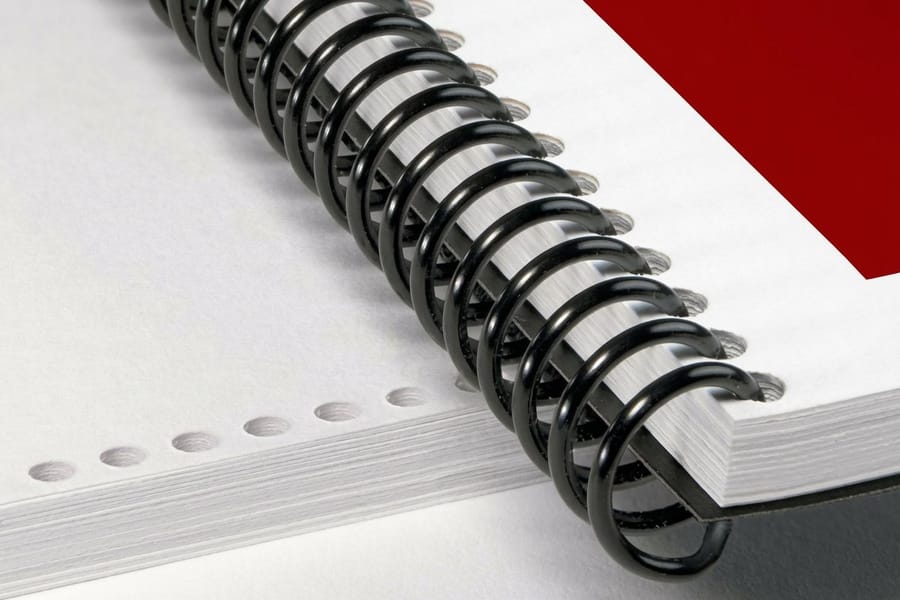
Bind the daily books with spiral coil or wire-o so they lie flat, and print the interior on 70 lb to 80 lb uncoated text so pencil bites. Add a wall calendar at 11 by 17 inches, laminated subject charts at 18 by 24 inches, flash cards at 2.5 by 3.5 inches on 16 pt cover, logs on half-letter notepads, and a 9 by 12 inch two-pocket folder for the annual portfolio. Record-keeping requirements differ by state, so confirm yours before you build the system.
Quick tips
The homeschool print stack at a glance
Sort every piece by what it has to do, and the specs follow. Books a child writes in need coil or wire-o binding and 70 lb to 80 lb uncoated interior. Wall pieces need size and a laminate so they last the year and come back the next one. Reusable practice needs gloss film and a dry-erase marker instead of a fresh printout every morning. Records need a 9 by 12 inch two-pocket folder and printed logs, with the specific requirements confirmed against your own state. Order the whole stack in one run and the year starts organized instead of catching up.
The Printed Spine of a Homeschool Year
Homeschooling runs on paper more than most people expect. Not because screens are unwelcome, but because a home is not a computer lab, and a nine year old working through long division at a kitchen table needs something that stays open, takes a pencil, and does not need charging.
The families who make a year feel organized usually printed a small number of things well rather than a large number of things badly. A workbook that lies flat. A calendar everyone can see. A reference chart on a wall that answers the same question forty times. A folder that turns twelve months of scattered work into a record you can hand to someone.
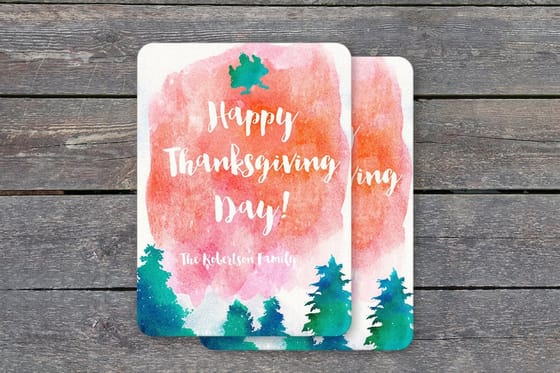
This guide walks through that set piece by piece: what format each one takes, what binding and paper weight it wants, and the job it does in a real week. If you are looking for the school-classroom version of a single seasonal unit instead, our guide to Thanksgiving classroom printables covers that, and the education printing collection holds the full product range.
Curriculum and Workbooks That Lie Flat on the Table
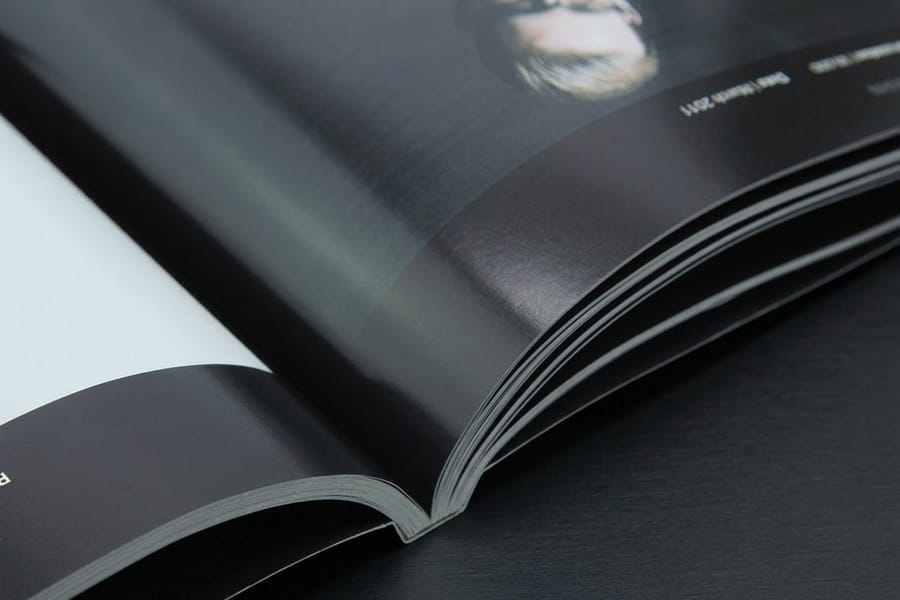
Plenty of curriculum arrives as a PDF, and printing it yourself on a home printer means a ream of loose sheets in a three-ring binder that a child fights with every morning. Having it bound turns it into a book.
Trim size. Letter at 8.5 by 11 inches is the default for anything with worksheet-style exercises, since the layout was almost certainly designed for it. Half-letter at 5.5 by 8.5 inches suits readers, memory work, and anything a child carries around, and it costs less per page because you are printing two-up.
Interior stock. 70 lb uncoated text is the baseline for pages that get written on. Move to 80 lb when both sides of the sheet get used, because show-through is the fastest way to make a workbook feel cheap. Uncoated is not optional here: pencil will not bite on a coated sheet and marker will feather.
Cover. 100 lb gloss cover minimum, and add a laminate on anything opened daily for a full year. A laminated cover is the difference between a book that looks used in May and one that looks destroyed.
For a bound workbook that opens flat, our spiral coil book is the one to pick. For a reference volume that lives on a shelf with a readable spine, the perfect bound book is the better format, and what perfect bound printing really is explains where that line sits.
Binding Choices for a Book a Child Opens Every Day
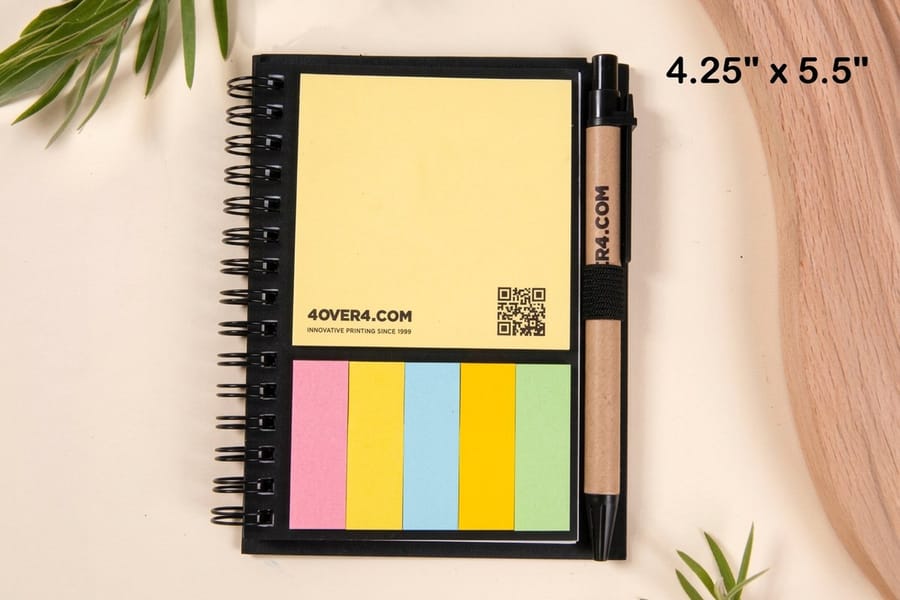
This is the decision that quietly determines whether a printed curriculum gets used or gets abandoned, and it turns on one question: does the book stay open by itself?
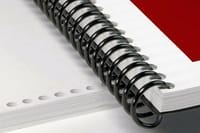
- Spiral coil. A plastic coil threaded through punched holes. Pages fold all the way back on themselves, so the book takes up half a table instead of a whole one, and it will not spring shut mid-problem. It is the right answer for daily workbooks and for any book a left-handed child writes in.
- Wire-o. Twin-loop metal wire. Same lie-flat and fold-back behavior as coil, with a cleaner, more finished look and a firmer feel. It costs a little more and it can crush if a book gets stepped on, but it is the nicest-looking option that still opens flat.
- Saddle stitch. Folded sheets stapled through the spine. Cheapest by a distance, opens reasonably flat at low page counts, and starts to bulge and creep once you push past roughly sixty pages. Ideal for a single unit, a lab manual, or a co-op booklet.
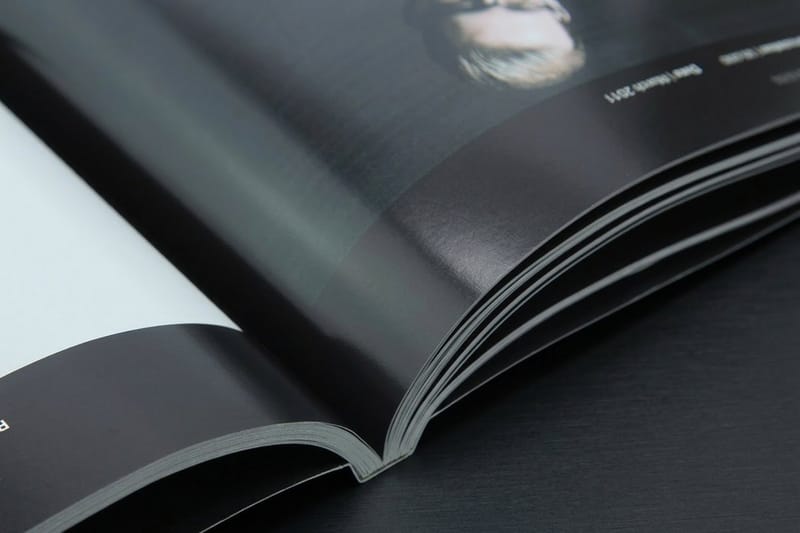
- Perfect binding. Pages glued into a square, printable spine. It looks like a real book on a shelf and it is the right choice for a reference volume or an end-of-year keepsake. It will not stay open on its own, so it is the wrong choice for anything a child writes in.
The practical rule: if a pencil touches the page, choose coil or wire-o. If the book gets read or shelved, saddle stitch or perfect binding is fine. Our binding types guide compares them page for page, and the binding service covers what we run in house.
The Wall Calendar and the Year at a Glance
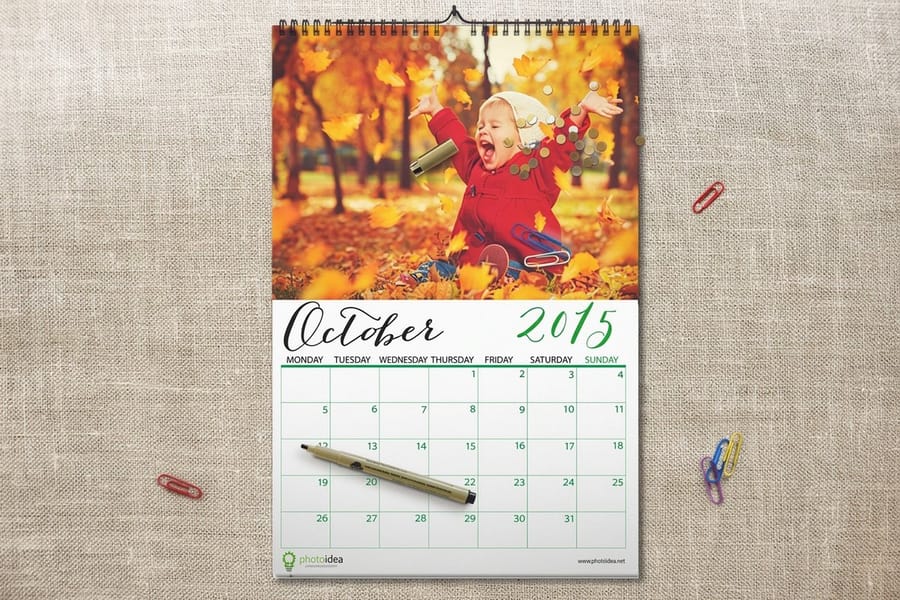
A homeschool schedule lives in a parent's head, which works right up until it does not. Printing it moves it into the room, where a child can see how many weeks are left in a unit without asking.
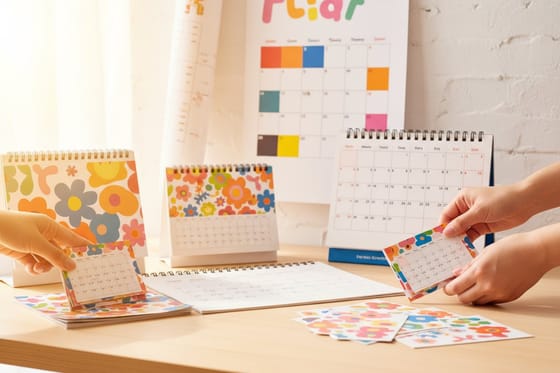
The wall calendar. Monthly pages at 11 by 17 or 12 by 18 inches, wire bound at the head so the pages flip cleanly and hang flat. Print your own term dates, co-op days, field trips, and testing windows directly onto the grid rather than writing them in twelve times. Leave the date boxes generous, because a household calendar collects more entries than a business one.
The year at a glance. This is the piece most families skip and then wish they had. A single 18 by 24 or 24 by 36 inch poster showing all twelve months side by side, with the terms blocked in color, makes the shape of the year visible. Laminate it and mark it up with a dry-erase marker as plans shift.
The weekly plan. A notepad works better than an app here, because a torn-off sheet can sit next to the work. Half-letter at 5.5 by 8.5 inches with a printed grid of subjects down one side and days across the top gives you a plan you can hand to an older child.
Start with our custom calendar planning guide and the standard calendar sizes reference, then build it with wire-o coil calendars or standard calendars.
Subject Posters, Reference Charts, and Dry-Erase Practice

Wall print is the cheapest teaching aid there is, because it answers a question without you being in the room. The multiplication table, the parts of speech, a timeline, the periodic table, a map: each one saves a conversation a day.
Sizes. 18 by 24 inches is the sweet spot for a subject chart that has to be readable from across a room without dominating a wall. Drop to 11 by 17 inches for something read up close at a desk, and go to 24 by 36 inches only for a map or a timeline where the detail justifies it.
Laminate the ones that stay up. A laminated poster survives being rolled, stored over summer, and taped back up, and it does not curl in a humid room. Gloss laminate is the right pick if anything gets written on the surface.
Dry-erase surfaces. This is where a homeschool gets the most back. A dry-erase poster used for handwriting practice, math drills, or diagramming replaces a printout a day. Print the frame once, use it all year, and hand it down to the next child. Dry erase posters do exactly this job, and laminated posters cover the reference charts.
If you are designing the charts yourself, our free poster templates guide gets the bleed and resolution right the first time.
Flash Cards, Reading Logs, and Lab Notebooks
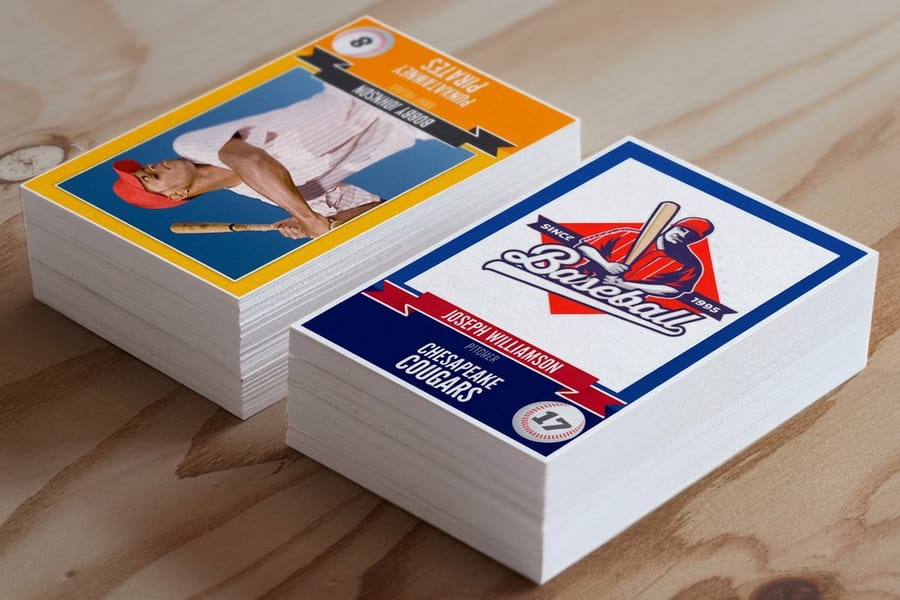
Three small formats carry most of the daily repetition in a homeschool, and all three are cheap enough to print in real quantities.
Flash cards. Print at trading card size, 2.5 by 3.5 inches, on 16 pt cover. That size fits a small hand, stacks in a box, and survives a year of shuffling in a way a printed-and-cut sheet of paper never will. Business card size at 3.5 by 2 inches costs less and works for single words or number facts, but the larger face is better for anything with a diagram. Print in labeled sets by subject, and laminate the sets that will be handed down.
Reading logs. A notepad is the right form, not a page in a binder. Half-letter at 5.5 by 8.5 inches, 50 sheets, glued at the head, with a printed grid for date, title, pages, and minutes. A torn-off sheet clips into the portfolio at the end of the month without anyone rewriting anything.
Lab and project notebooks. Science that involves a procedure wants a dedicated book rather than loose sheets, because the whole point is a running record. A spiral notebook with a printed observation template on each page keeps a child from reinventing the layout every time. Our custom notepads handle the logs and the notepad sizing guide covers the standard trims.
Paper Weight and Lamination That Survive Reuse
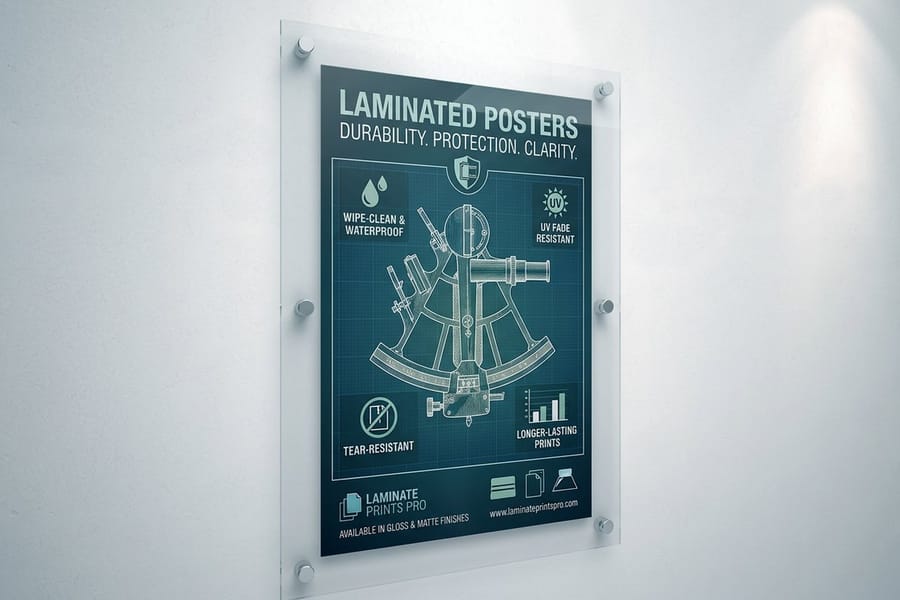
Almost every complaint about printed homeschool material traces back to two choices: the sheet was too light, or it was not protected.
Text weights. 60 lb uncoated text is fine for a page read once. 70 lb is the baseline for anything written on. 80 lb is what you want when both sides get used, because it stops show-through, and it is worth the small step up on any workbook that will be kept.
Cover weights. 100 lb gloss cover is the practical floor for a book cover, a flash card, or a chart. 14 pt to 16 pt cover is the range for cards and bookmarks that get handled constantly.
Coated or uncoated. Uncoated for anything written on with pencil or ballpoint. Coated for anything that needs color to pop and will not be written on. Getting this backward is the single most common mistake, and it is unfixable after the fact.
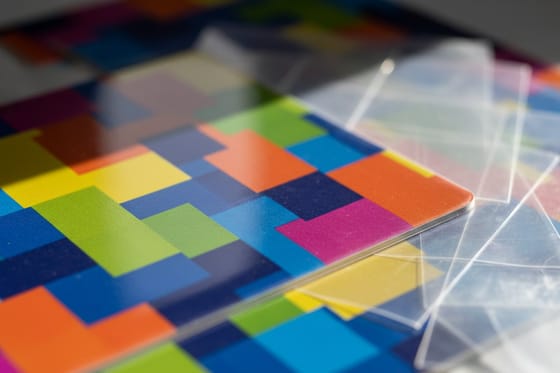
Lamination. Gloss film erases most cleanly under a dry-erase marker and is the right choice for reusable worksheets and practice mats. Matte kills glare, which helps a wall chart under a window, but it can ghost after months of marker use. Soft touch feels wonderful and belongs on a keepsake cover rather than a working page. The full breakdown lives in our lamination service page and the paper weight and thickness chart.
Order free paper samples before a big run. Feeling the difference between 70 lb and 80 lb takes ten seconds and saves you from a whole year of the wrong sheet.
The Portfolio, the Folder, and Record Keeping That Varies by State
Homeschool record keeping is genuinely different from one state to the next, and it is the part of this guide where you should trust your own state education department over any general article, including this one.
What varies: whether you file a notice of intent, whether attendance days are counted and logged, whether a portfolio of work samples is assembled and reviewed, whether an outside evaluator or certified teacher signs off, whether standardized testing enters the picture, and how long any of it must be retained. Some states ask for very little. Others expect a reviewable file each year. Requirements also change, so verify current rules for your state and any local district expectations before you build your system around a checklist you read online.
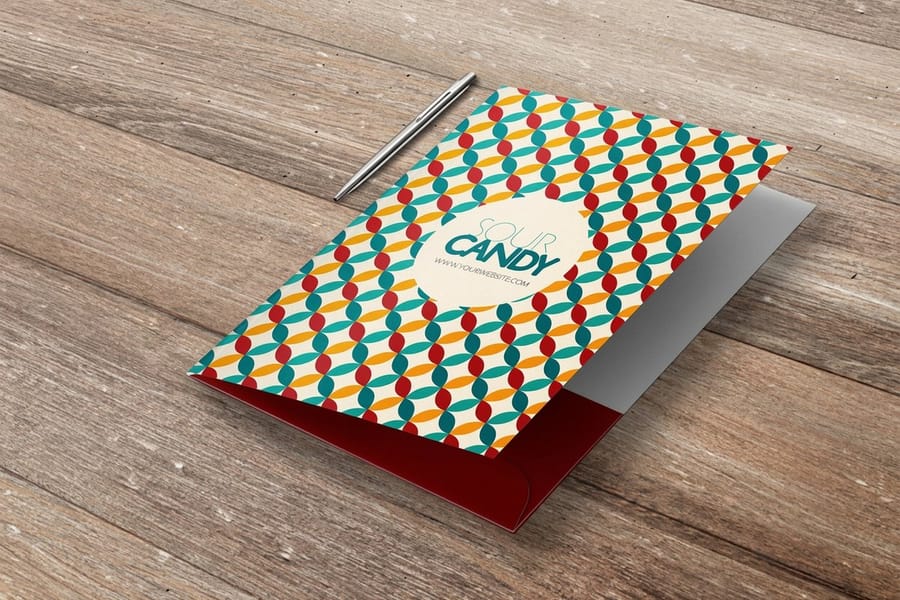
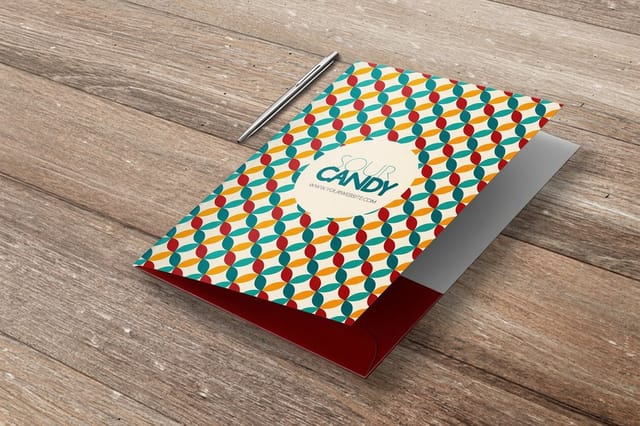
Where a portfolio is expected, the printed side is straightforward. A two-pocket presentation folder at 9 by 12 inches holds letter-size work samples flat, without hole punches, and looks organized on a table in a way a binder does not. Use one folder per child per year. Inside it: a printed cover sheet with the child's name, grade level, and year, a set of monthly logs torn from your reading and attendance notepads, a curated selection of work samples rather than everything, and a one-page summary of what was covered.
Our pocket folders and education presentation folders both fit this job, and the pocket folders guide covers pocket depth, business card slits, and the layout details that make one usable.
Bookmarks, Reward Stickers, and the Co-op Directory Booklet
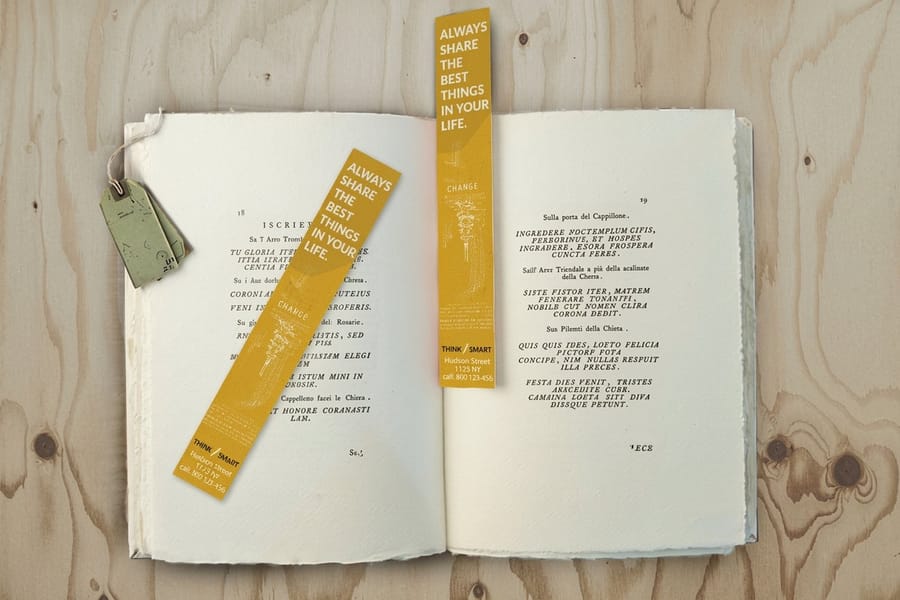
The small pieces are the ones that keep a long year from feeling like a grind, and they cost almost nothing to add to an order you were already placing.
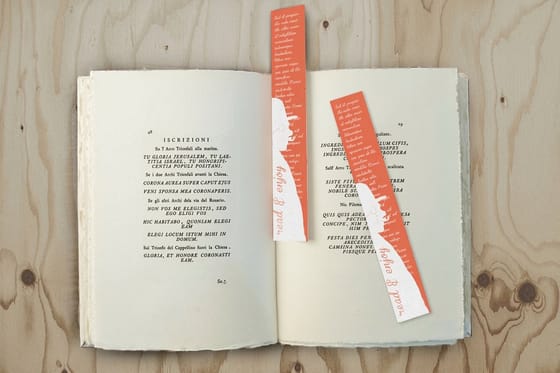
Bookmarks. 2 by 6 or 2 by 7 inches on 14 pt to 16 pt cover with a gloss laminate. Give each one a job on the back: a reading-minutes tracker, a comprehension question set, or the list of books in a series. A bookmark with a purpose stays in the book. Our bookmark design guide covers layout, and custom bookmarks prints them in small runs.
Reward stickers. A sheet of small circle stickers, roughly 1 to 1.5 inches, plus a printed chart card, turns a habit you are trying to build into something visible. Print several sheets at once, because they disappear faster than you expect.
The co-op directory. If you belong to a co-op, a small saddle-stitched booklet at 5.5 by 8.5 inches with families, contact details, class schedules, and the year's calendar is the piece everyone actually uses. Sixteen to twenty-four pages covers most groups. Print it once at the start of the year and split the cost across the group, which usually works out to very little per family. Education booklets handle this format, and the booklet paper and binding guide covers the cover and interior pairing.
The End-of-Year Keepsake Book

A homeschool year produces an enormous amount of work and almost no evidence of it, because the good pieces end up in a drawer. Binding the best of it into one book at the end of the year is the piece families are most glad they printed.
What goes in. One strong piece of writing per month, photographs of projects that were too big to keep, a science fair page, the reading list, and a short parent note at the front. Twenty-four to forty-eight pages is a realistic range for a single child and a single year.
Format. Perfect binding gives it a printed square spine, so it sits on a shelf and reads as a real book, which is exactly the point for a keepsake. Wire-o is the alternative if the book will be read together and you want it to lie flat. Skip saddle stitch here unless the page count is genuinely low.
Stock. 100 lb gloss cover with a laminate, and 80 lb text inside so hand-drawn illustrations and photos hold up without show-through. Print one copy per child, one for each set of grandparents, and one for the shelf.
Use the perfect bound book for the shelf version, and see the booklet printing showcase for how finished bound work comes out. Design it yourself in the Online Designer or start from a print-ready layout in the blank template library so the margins and spine allowance are already correct.
Wally explains the homeschool stack
If a pencil touches the page, it has to lie flat
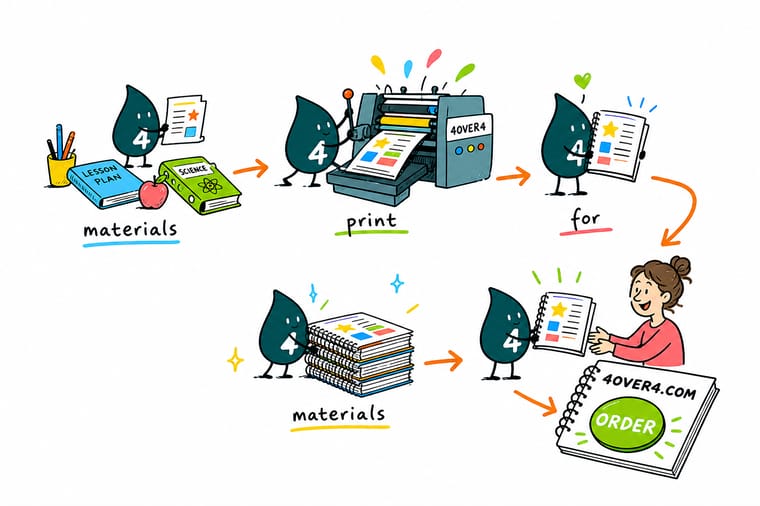
Wally starts with binding, because that is the choice that decides whether a printed curriculum gets used. Spiral coil and wire-o fold all the way back and stay open on a small table, saddle stitch works at low page counts, and perfect binding belongs on the shelf. Then 70 lb to 80 lb uncoated inside so pencil bites, a laminate on everything reused, and a two-pocket folder for the annual record. 4OVER4 prints the whole stack in one run.
Order a spiral coil book →Specs and pricing
Homeschool print specs and starting prices
The three formats that carry a homeschool year, with live configuration options and starting prices straight from the 4OVER4.COM configurator.

Print it
Print the homeschool stack at 4OVER4

See it in use
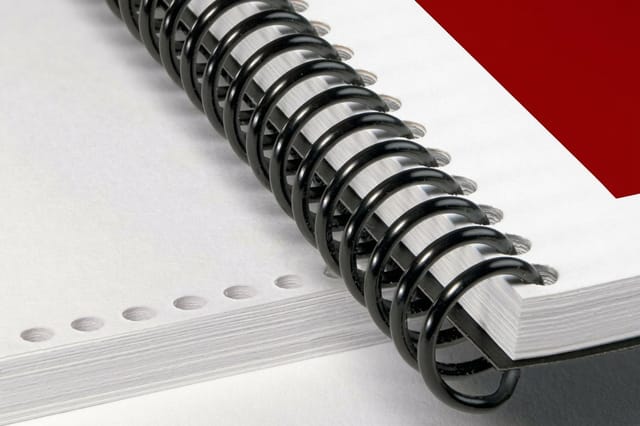
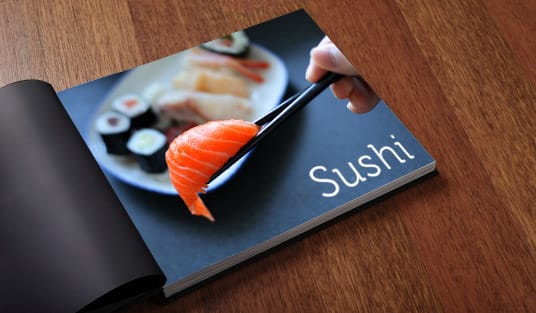
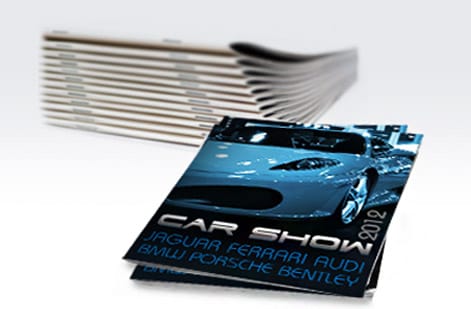
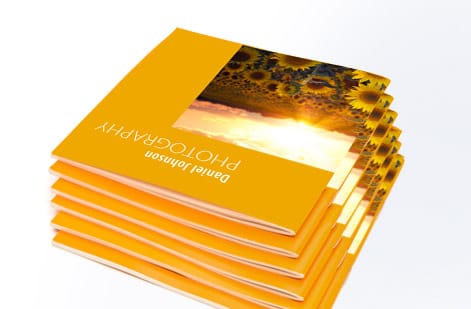
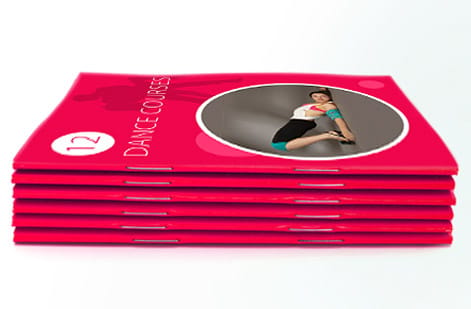
Coil bound books we printed for home classrooms

Explore more
Where to go next
By the numbers
Sixty stocks, a thousand products, ten thousand reviews
Common Questions
Your homeschool printing questions, answered
What print materials does a homeschool actually need?
A bound curriculum or workbook set, a wall calendar and a year-at-a-glance planner, subject posters and reference charts, flash cards, notepads for reading and lab logs, a portfolio or presentation folder for the annual record, laminated reusable worksheets for practice, bookmarks and reward stickers, a co-op directory if you belong to one, and a bound keepsake of the year at the end. Everything else can live on a screen.
What binding is best for a homeschool workbook?
Spiral coil is the practical winner for a book a child opens every day, because the pages fold all the way back and the book lies perfectly flat on a small table. Wire-o does the same with a cleaner, more finished look. Saddle stitch is fine at low page counts and is the cheapest option. Perfect binding gives you a printed square spine that looks good on a shelf but will not stay open on its own, so save it for reference volumes and keepsakes.
What paper weight should homeschool workbooks use?
Interior pages that get written on want 70 lb or 80 lb uncoated text. Uncoated matters more than weight, because pencil skates on coated stock and marker feathers. Go to 80 lb when both sides of the sheet get used, so there is no show-through. Covers want 100 lb gloss cover at minimum, and a laminated cover is worth it on any book that gets opened daily for a full year.
How do laminated worksheets work for reuse?
Print the worksheet at 8.5 by 11 inches, laminate it, and use a dry-erase marker on the surface. The page wipes clean, so one printed sheet replaces a stack of copies and carries from one child to the next. Gloss laminate erases most cleanly, matte cuts glare but can ghost over time, so choose gloss for anything written on repeatedly.
Do homeschool families need a printed portfolio?
It depends on where you live. Some states expect an annual portfolio, work samples, an attendance record, or a review by an outside evaluator, others ask for very little, and requirements change. Where a portfolio is expected, a two-pocket presentation folder holding work samples, a printed log set, and a short summary is the format that presents well. Check your own state education department and any local requirements rather than relying on general guidance.
What is the best way to make homeschool flash cards?
Print them at trading card size, 2.5 by 3.5 inches, on 16 pt cover stock. That size fits a small hand, stacks in a box, and survives a year of shuffling. Business card size at 3.5 by 2 inches works too and costs less per card, but it holds less on the face. Print in sets by subject, and add a laminate if they will be used by more than one child.
Get Started
25 education booklets cost $240.55, or $9.62 each
Pick your binding, trim size, and paper weight, upload your curriculum or start from a free template, and we print books that lie flat and last the year.
Legal Disclaimer
Gold Standard guarantees apply to all standard orders placed through 4over4.com. Price match requires verifiable proof of a competitor's published price for an equivalent product with matching specifications and turnaround time. Satisfaction guarantee covers manufacturing defects and print quality issues. Contact support with order number and documentation. On-time delivery rate based on tracked orders 1999 to 2026. Individual results may vary based on shipping carrier performance.
