
Choosing the Right Booklet Paper, Finish, and Binding


A booklet is really three decisions: the cover stock, the inside pages, and the binding. Get them right for your use case and the piece feels considered. Page count decides the binding before anything else does.
Choose booklet materials from the use case: a heavier cover, a text-weight inside, and binding set by page count. Pick a 100lb cover in gloss or matte, a 70lb to 100lb inside stock, and saddle stitch up to about 48 to 64 pages or perfect binding beyond that. Match those to a menu, program, catalog, or manual and the specs fall into place.
Start here
Count the pages first
A booklet is a heavier cover, a text-weight inside, and a binding decided by page count, all chosen from the use case. Set a 100lb cover in gloss or matte, a 70lb to 100lb inside stock in the finish your readers need, and saddle stitch up to about 48 to 64 pages or perfect binding beyond that. Name the job, and the specs below follow almost on their own.
Cover materials and when to use them
Think of a booklet as two paper decisions, not one. The cover is the first thing a reader touches and the layer that protects everything inside, so it earns a heavier stock. A cover weight around 100lb gives the piece a substantial feel in the hand, holds color richly, and keeps the corners from curling after a few reads.
Finish is where the cover sets a mood. Gloss makes photography and bright color leap off the page and wipes clean when it gets handled, which is why it suits menus and product catalogs. Matte reads calm, modern, and premium, cuts glare, and photographs beautifully. Soft-touch coating adds a velvety, almost suede feel that instantly signals a luxury product. Each of these is a live option on our booklets, so you can price the difference before you decide.
The rule of thumb: pick the cover for the impression you want in the first two seconds. If imagery carries the piece, lean gloss. If the booklet should feel understated and upscale, lean matte or soft-touch. Our saddle stitch booklets and square booklets both let you set the cover independently from the inside pages.
Inside page materials that balance feel and cost
The inside pages are a different job than the cover. They need to turn easily, print cleanly on both sides without ghosting, and keep the overall booklet affordable. For most projects, a text stock between 70lb and 100lb hits that balance: light enough to flip comfortably, heavy enough to feel real and stop show-through.
Match the inside finish to how the pages get used. Gloss or a light coating keeps photo-heavy catalog and lookbook pages vivid. An uncoated text stock is the right call whenever a reader needs to write on the page, as in a workbook, planner, or training manual, because ink and pencil grip an uncoated surface. When the booklet is mostly text, an uncoated or matte inside reads easier for long stretches.
Weight also signals value. A heavier text stock feels more premium and is common in high-end product catalogs, while a lighter stock keeps a large mailed catalog economical to print and post. Because both the weight and the finish are live options on our booklets, you can compare a lighter economical build against a heavier premium one and watch the price respond. Our guide on booklets vs catalogs helps you decide how substantial the inside pages should feel.
Binding types by page count
Binding is the one choice that page count makes for you. Booklet pages always come in multiples of four, because each folded sheet creates four pages, so the first move is an honest page tally. Once you have it, the method follows.
Saddle stitch binds the pages with two staples through the fold. It is the lowest-cost, fastest-turn option and works cleanly up to roughly 48 to 64 pages, depending on paper weight. It lays reasonably flat and suits menus, event programs, newsletters, and thin catalogs. Perfect binding glues the pages into a flat spine you can print on, like a paperback. It takes over from about 28 pages up and gives thicker catalogs, manuals, and lookbooks a premium, book-like feel and a spine that reads on a shelf.
The switch point is practical: past what staples can hold flat, the inner pages start to splay and the piece stops closing cleanly, which is the signal to move to perfect binding. For a deeper tour of every method and its sweet spot, pair this section with our complete guide to binding types, and check standard catalog sizes and booklet formats before you lock dimensions.
Matching materials to real use cases

The fastest way to a confident spec is to start from the job. A restaurant menu gets handled constantly and shows food photography, so a gloss cover that wipes clean over a modest page count and saddle stitch is ideal. A wedding or event program is thin, keepsake-worthy, and text-forward, so a matte or soft-touch cover with an uncoated or matte inside and saddle stitch reads elegant.
A product catalog or lookbook lives on imagery and often runs long, so a heavier gloss or matte cover, a premium text stock, and perfect binding give it a substantial, shelf-worthy feel. A training manual or workbook needs durability and room to write, so a sturdy cover, an uncoated inside, and perfect binding for the higher page count make it last. An annual report wants a refined matte cover, a clean text stock, and binding chosen by its length.
Notice the pattern: name the use, and the stock, finish, and binding fall out of it almost automatically. Every one of those recommendations maps to a live option on our booklets, and if you want to feel the stocks before committing, our free file check and free proofs let you confirm the build is right. The specs and pricing panel below shows the exact combinations and their live cost.
Order your booklet with confidence
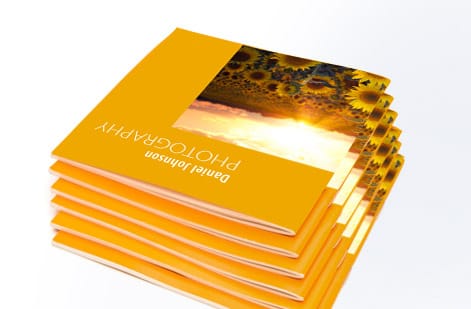
With the use case named, the page count counted, and the binding, cover, and inside stocks chosen, ordering is the easy part. Set each option in the configurator and the price updates live, so you can compare a lighter economical inside against a heavier premium one, or saddle stitch against perfect binding, and see exactly what each decision costs before you commit.
Prepare your file the same way you would any print job: build to the booklet trim size, add bleed on the outer edges, keep text inside the safe margin, and account for the binding edge so nothing important sits in the gutter. When you order with us, your artwork runs through a free file check so a second set of eyes catches any issue before the press does. If you would rather not build the layout from scratch, our online design tool handles the setup for you.
From there it is quantity and turnaround. Larger runs lower the unit price, so a catalog you plan to reprint is cheaper per copy at scale. Browse the full range in our booklets and catalogs category, or start from our ready-made products if you want a fast, proven build.
Wally sizes up your booklet before you order
Cover, inside, and binding are three separate calls
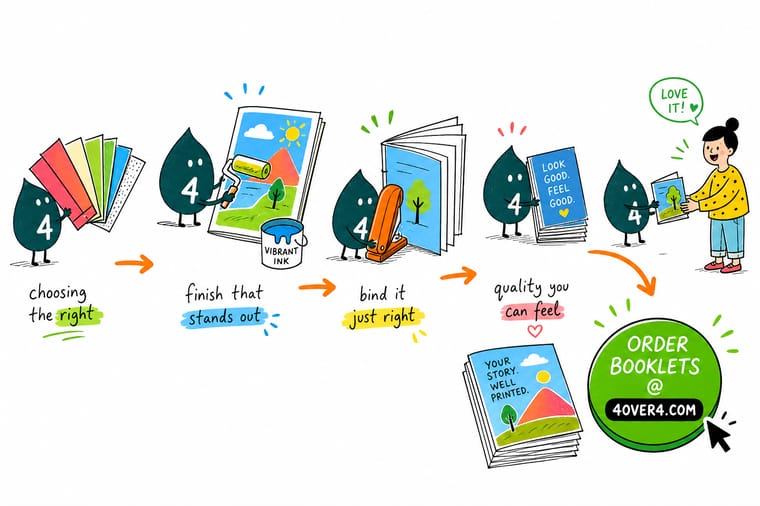
Wally treats a booklet like three quick decisions. Pick a heavier cover for impact, a text-weight inside for easy flipping, and a binding your page count can actually hold: saddle stitch when it is thin, perfect binding when it is thick. Name the job the booklet does and the stocks and finish fall into place. Set it in the configurator, watch the live price respond, and print it clean.
Configure your booklet →Quick reference
The booklet spec sheet, at a glance
Every booklet is a cover, an inside, a finish and a binding. Match these to your page count and use case and your file is ready for almost any project.
| Choice | Recommended | Why it matters |
|---|---|---|
| Cover stock | 100lb gloss or matte cover | A heavier cover protects the inside pages, holds color richly, and gives the booklet a substantial first impression in the hand. |
| Inside text stock | 70lb to 100lb text | Lighter text stock keeps pages easy to turn and the booklet affordable. Heavier text reads more premium for catalogs and lookbooks. |
| Cover finish | Gloss, matte, or soft-touch | Gloss makes imagery pop, matte reads calm and upscale, and soft-touch adds a velvety feel that signals a luxury product. |
| Inside finish | Gloss or uncoated | Gloss for photo-heavy pages, uncoated when readers need to write on the page, as in a workbook or planner. |
| Saddle stitch binding | Up to about 48 to 64 pages | Two staples on the fold. Lowest cost, fastest turn, and lays reasonably flat for menus, programs, and thin catalogs. |
| Perfect binding | About 28 pages and up | A glued flat spine you can print on. The premium, book-like choice for thicker catalogs, manuals, and lookbooks. |
Step by step
Spec your booklet in 6 steps
- Start from the use case Name the job first: menu, program, catalog, lookbook, manual, or report. The use decides how the booklet is handled and how long it must last, which drives every material choice.
- Count your pages Booklet pages come in multiples of four. Tally your real page count, because it is the single fact that decides whether you can saddle stitch or need perfect binding.
- Pick the binding to match Choose saddle stitch up to roughly 48 to 64 pages for the lowest cost and fastest turn. Move to perfect binding for thicker pieces that want a flat, printable spine.
- Choose the cover stock and finish Set a heavier cover for protection and impact, then pick gloss for punchy imagery, matte for a calm upscale look, or soft-touch for a luxury feel.
- Choose the inside text stock and finish Balance feel against cost and use. Lighter text is affordable and flips easily, heavier text reads premium, and uncoated lets readers write on the page.
- Confirm the specs and order Set your page count, sizes, stocks, finish, and binding in the configurator, watch the live price respond, and run your file through a free check before it prints.
Specs and pricing
Booklet specs and live pricing
Once you know the cover, inside and binding, size, page count and quantity set the price. Booklets run 25 for $240.55, which is $9.62 a copy.

| Quantity | Price Per Unit | Total |
|---|---|---|
| 25 | $9.62 | $240.55 |
| 50 | $6.04 | $302.06 |
| 100 | $3.61 | $361.37 |
| 200 | $2.22 | $444.85 |
| 300 | $1.65 | $495.38 |
| 400 | $1.29 | $515.14 |
| 500 | $1.06 | $531.61 |
| 600 | 91.5¢ | $549.19 |
Print it
Print your booklet at 4OVER4

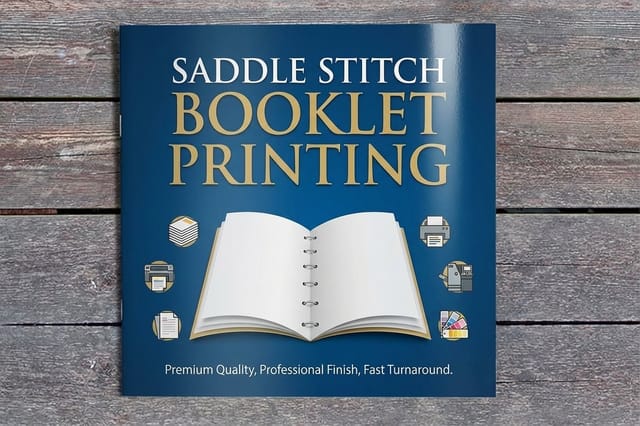
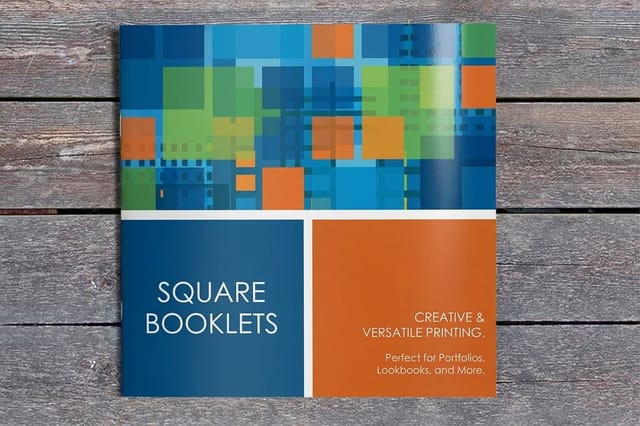
See it in use
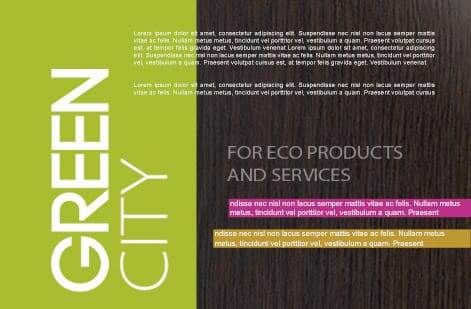
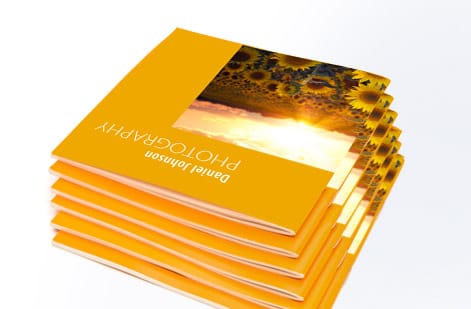
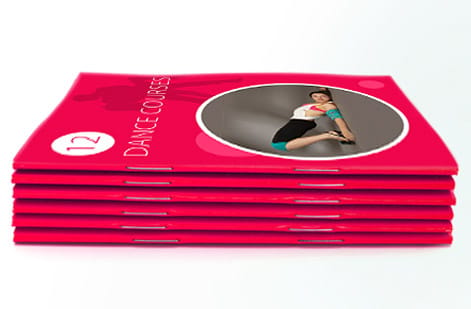
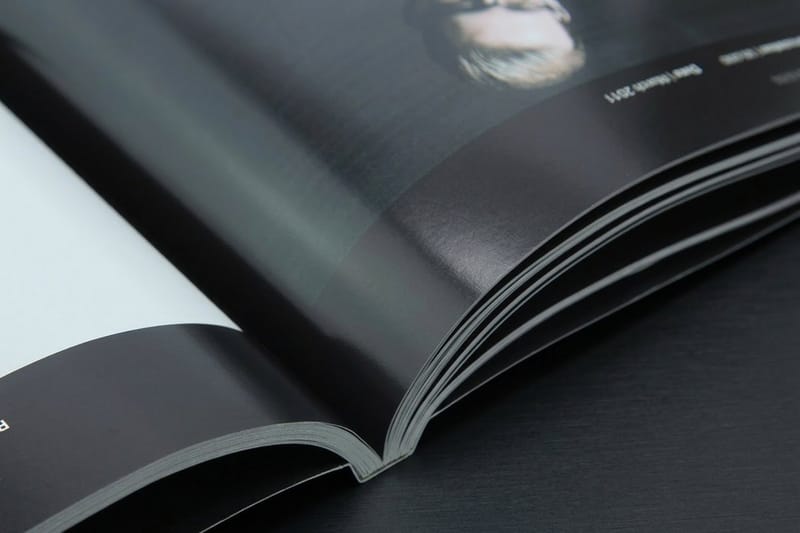
Spines we stitched and glued
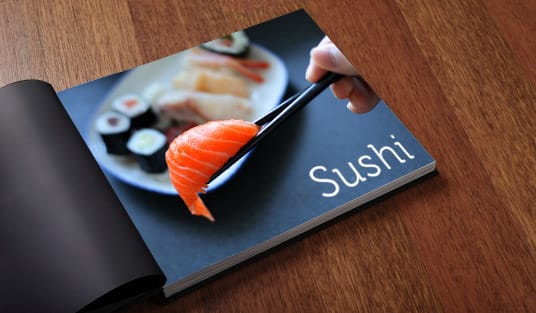
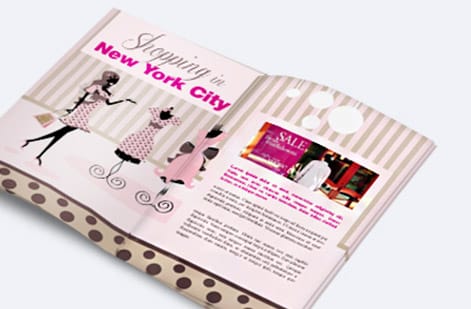
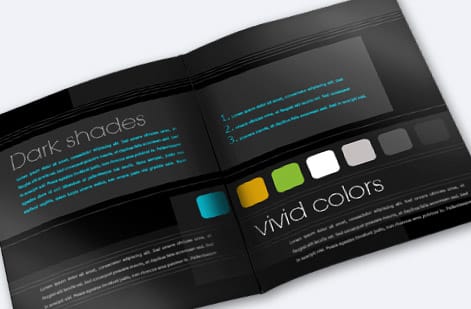
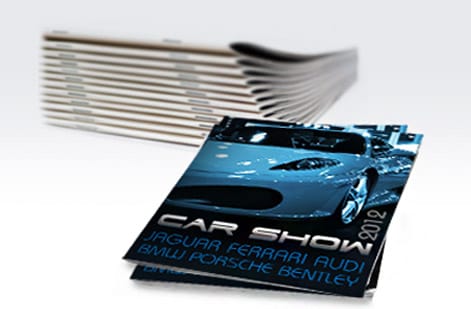

Explore more
Where to go next



By the numbers
Sixty stocks to choose a booklet finish from
Common Questions
Common questions about booklet paper, finish, and binding
What is the best paper for a booklet?
There is no single best paper, because a booklet is two paper decisions. The cover carries the first impression and protects the pages, so it wants a heavier cover stock, often around 100lb, in gloss for punchy imagery or matte for a calm, premium look. The inside pages balance feel against cost and how the booklet is used: a 70lb to 100lb text stock keeps pages easy to turn and the price reasonable, while a heavier text stock reads more premium for catalogs and lookbooks. Start from the job the booklet does, then match the cover and text stocks to it.
What is the difference between saddle stitch and perfect binding?
Saddle stitch binds pages with two staples through the fold. It is the lowest-cost, fastest option and works well up to roughly 48 to 64 pages, which covers most menus, event programs, and thin catalogs. Perfect binding glues the pages into a flat spine you can print on, like a paperback book. It suits thicker pieces, usually around 28 pages and up, and gives catalogs, manuals, and lookbooks a premium, book-like feel. The deciding factor is page count: past what staples can hold cleanly, perfect binding takes over.
How many pages can a saddle stitch booklet have?
Saddle stitch works cleanly up to about 48 to 64 pages, depending on the paper weight, because thicker stocks add bulk that staples struggle to hold flat. Pages always come in multiples of four, since each folded sheet creates four pages. If your content pushes past that range, or if the inner pages start to splay when the booklet is closed, that is the signal to switch to perfect binding for a flat, durable spine.
Should I choose gloss or matte for my booklet?
Gloss and matte are about feeling and function, not quality. Gloss makes photographs and bright colors pop and wipes clean, which is why it suits restaurant menus, product catalogs, and anything image-heavy that gets handled a lot. Matte reads calm, modern, and premium, cuts glare so text is easy to read, and photographs beautifully for lookbooks and reports. Soft-touch coating adds a velvety feel that signals a luxury product. If the booklet is mostly text or needs to feel understated, lean matte; if it lives on vivid imagery, lean gloss.
What paper weight should the inside pages be?
For most booklets, a 70lb to 100lb text stock is the sweet spot: light enough to keep pages easy to turn and printing affordable, heavy enough to feel substantial and stop show-through from the other side. Photo-heavy catalogs and lookbooks often step up to a heavier text stock that stops show-through, while workbooks and planners may choose an uncoated text so readers can write on the page. Set the weight in the configurator and the live price shows exactly what each step up costs.
How much does it cost to print a booklet?
Booklet cost scales with a handful of levers: page count, size, the cover and text stocks, the finish, the binding method, and quantity, where larger runs lower the unit price. Saddle stitch is generally the most economical binding, and perfect binding costs a little more for the flat printable spine. You set each option in the configurator at 4OVER4.COM and the total updates live as you adjust it, so you can compare a lighter text stock against a heavier one, or saddle stitch against perfect binding, and see the price impact before you commit.
Get Started
Order 25 square booklets at $9.62 a copy
Set the cover, inside stock, finish, and binding at 4OVER4.COM and watch your price update live. Order saddle-stitch or perfect-bound booklets on the exact specs your project calls for.
Legal Disclaimer
Gold Standard guarantees apply to all standard orders placed through 4over4.com. Price match requires verifiable proof of a competitor's published price for an equivalent product with matching specifications and turnaround time. Satisfaction guarantee covers manufacturing defects and print quality issues. Contact support with order number and documentation. On-time delivery rate based on tracked orders 1999 to 2026. Individual results may vary based on shipping carrier performance.
